
IN CONVERSATION WITH KEI KOBAYASHI
interview by TIMOTEJ LETONJA
At Restaurant Kei, chef Kei Kobayashi resists easy definitions. His cooking is often framed as a meeting of French technique and Japanese sensitivity, but he rejects the idea of fusion altogether. In this conversation, he speaks about what it means to build a language that no longer belongs to one tradition or another.
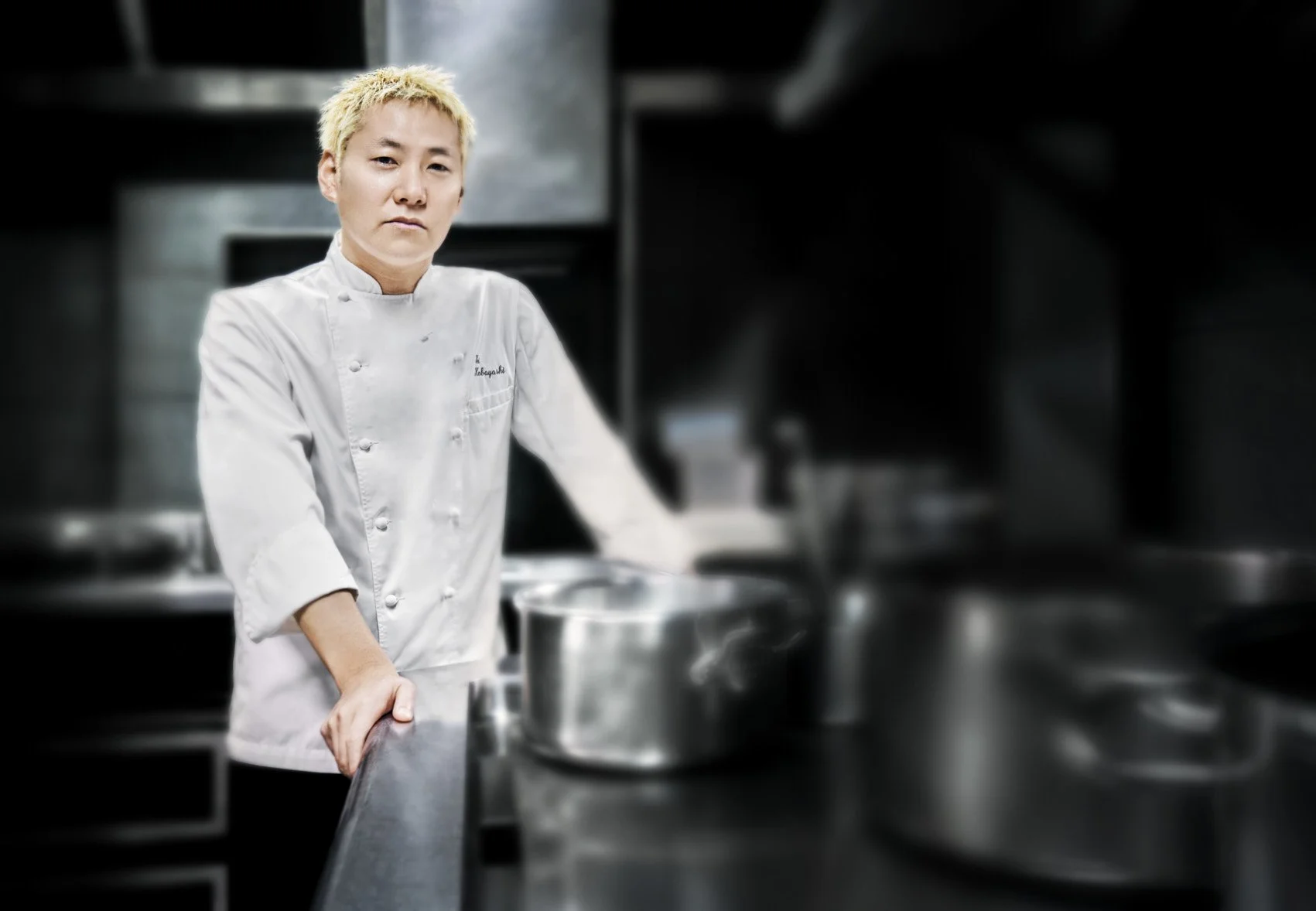
You’ve been described as “the singular K of French gastronomy.” Do you feel like an outsider within that tradition or someone redefining it from within?
I don’t see myself as an outsider, nor as someone redefining anything. I was shaped in France, through its codes and its demands. Today, I cook within that tradition, but with my own identity. That may be what makes it singular.
Your cuisine blends French technique with Japanese sensitivity. At what point does fusion become something else entirely?
The word fusion suggests a deliberate mix. In my case, there is no intention to combine. That is simply who I am. At a certain point, there are no longer two influences. There is only one language.
You often speak about sincerity in cooking. What does sincerity look like on a plate today?
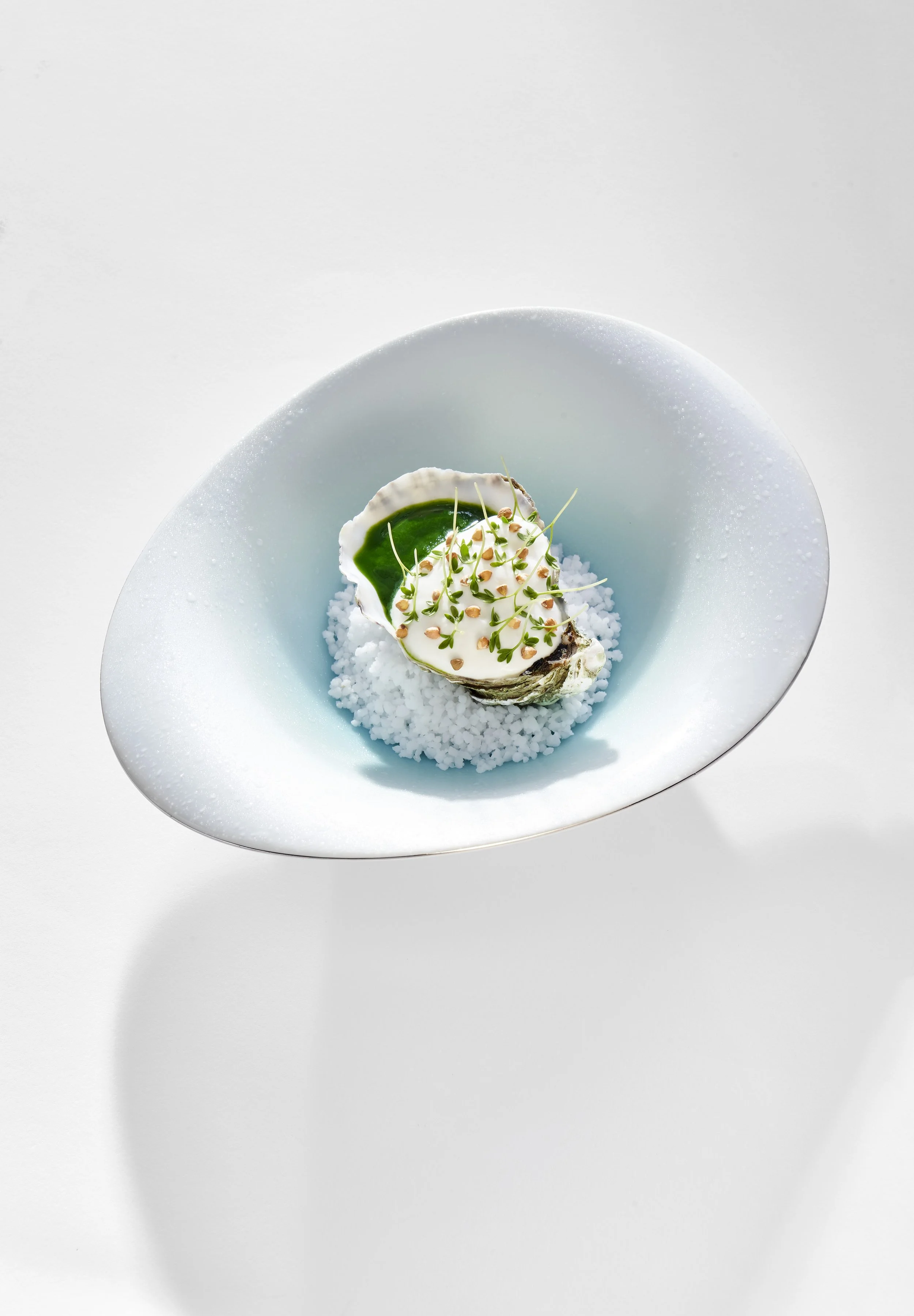
It’s a dish that doesn’t try to please. That doesn’t pretend. Every element is necessary—nothing is there to decorate or persuade. Sincerity is accepting to show exactly who you are.
Alain Ducasse said you create something new “without falling into the anecdotal.” How do you avoid storytelling becoming superficial in gastronomy?
The risk today is to tell the story before cooking. I do the opposite. If the dish is right, it doesn’t need a story. And if there is one, it comes after.
Your work is obsessed with balance—textures, colours, flavours. Is that instinctive, or closer to a form of discipline or control?
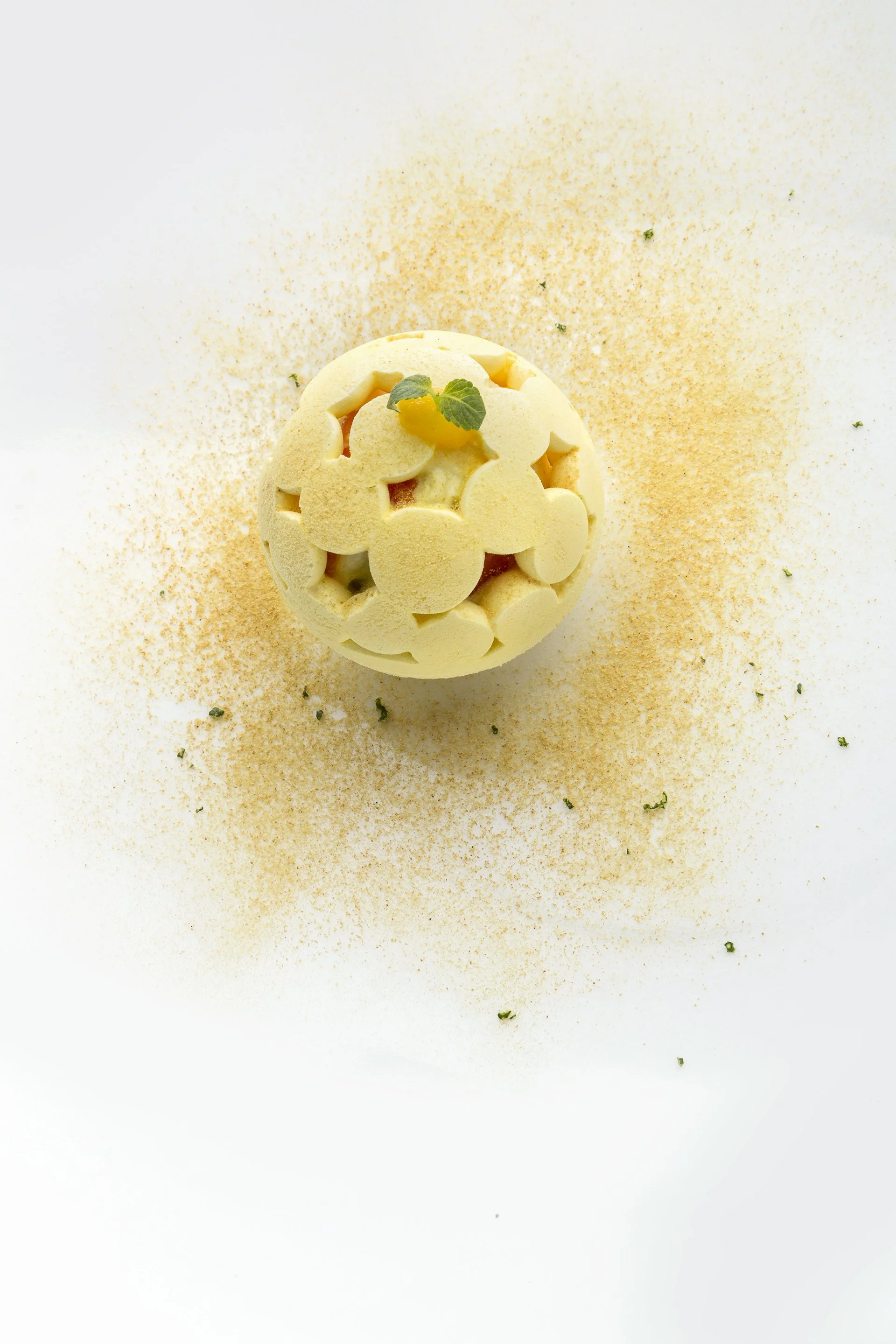
Instinct alone is not enough. Balance is something you build, almost obsessively. You repeat, adjust, refine. And sometimes, when everything is in place, it gives the illusion of simplicity.
You’ve cited art and fashion as inspirations. What has fashion taught you about restraint or excess in cuisine?
That restraint is always more demanding than excess. Excess can seduce immediately. Restraint takes time, precision, and confidence. In cooking, it’s exactly the same.
You left Japan to become a French chef rather than reinterpret Japanese cuisine. Why was that important to you?
Because I wanted to learn another culture in its most demanding form. Not to adapt it, not to reinterpret it. To understand it from within. Only then can you begin to express yourself.
French gastronomy is rooted in terroir, Japanese cuisine in seasonality and purity. Where do these philosophies clash, and where do they align?
They don’t really clash. The vocabulary is different, but the intention is the same: to respect the product, to understand its moment, not to distort it. That’s where the two cultures meet.
Becoming the first Japanese chef to hold three Michelin stars in France is historic. Did it change your relationship to risk?
It mostly raises the level of expectation. Risk doesn’t disappear—it becomes more precise. You don’t take risks to impress, but to keep moving forward.
If your work were translated into another discipline—fashion, art, music—what would it become?
Something very structured, but that doesn’t show it. A form of invisible rigour. Where everything relies on details, on very fine balances.