
IN CONVERSATION WITH SOFIA ROSINSKY
interview by JANA LETONJA
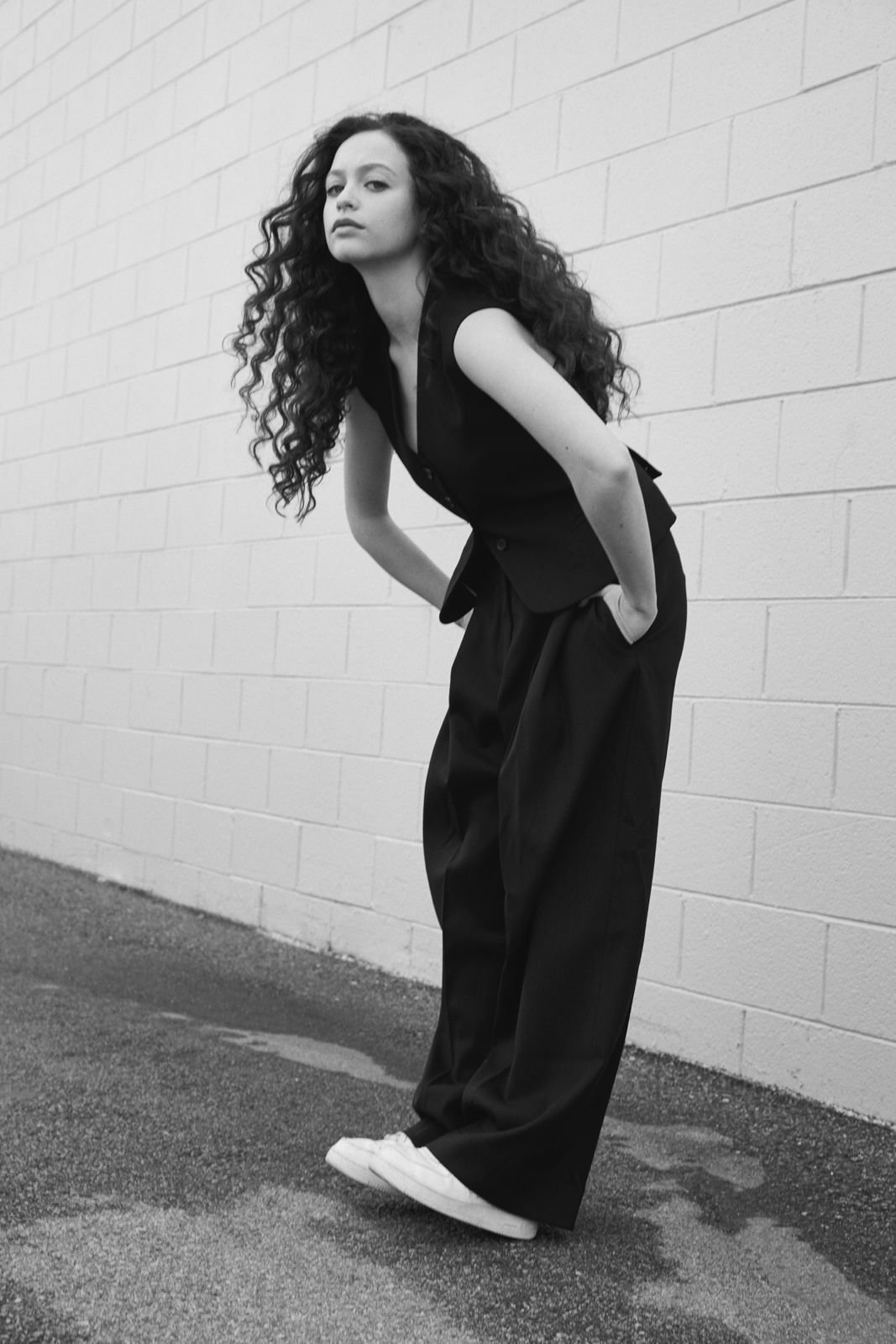
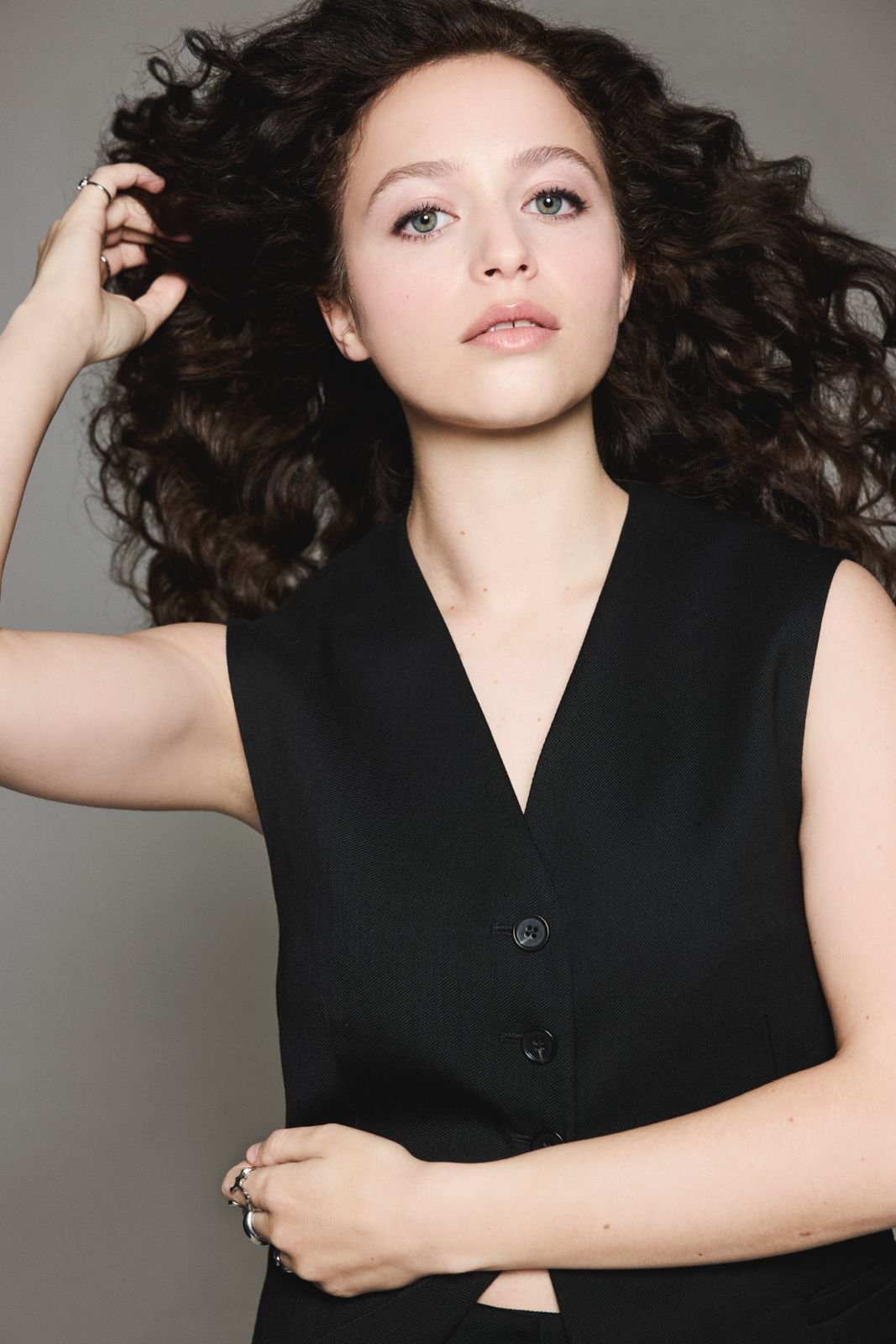
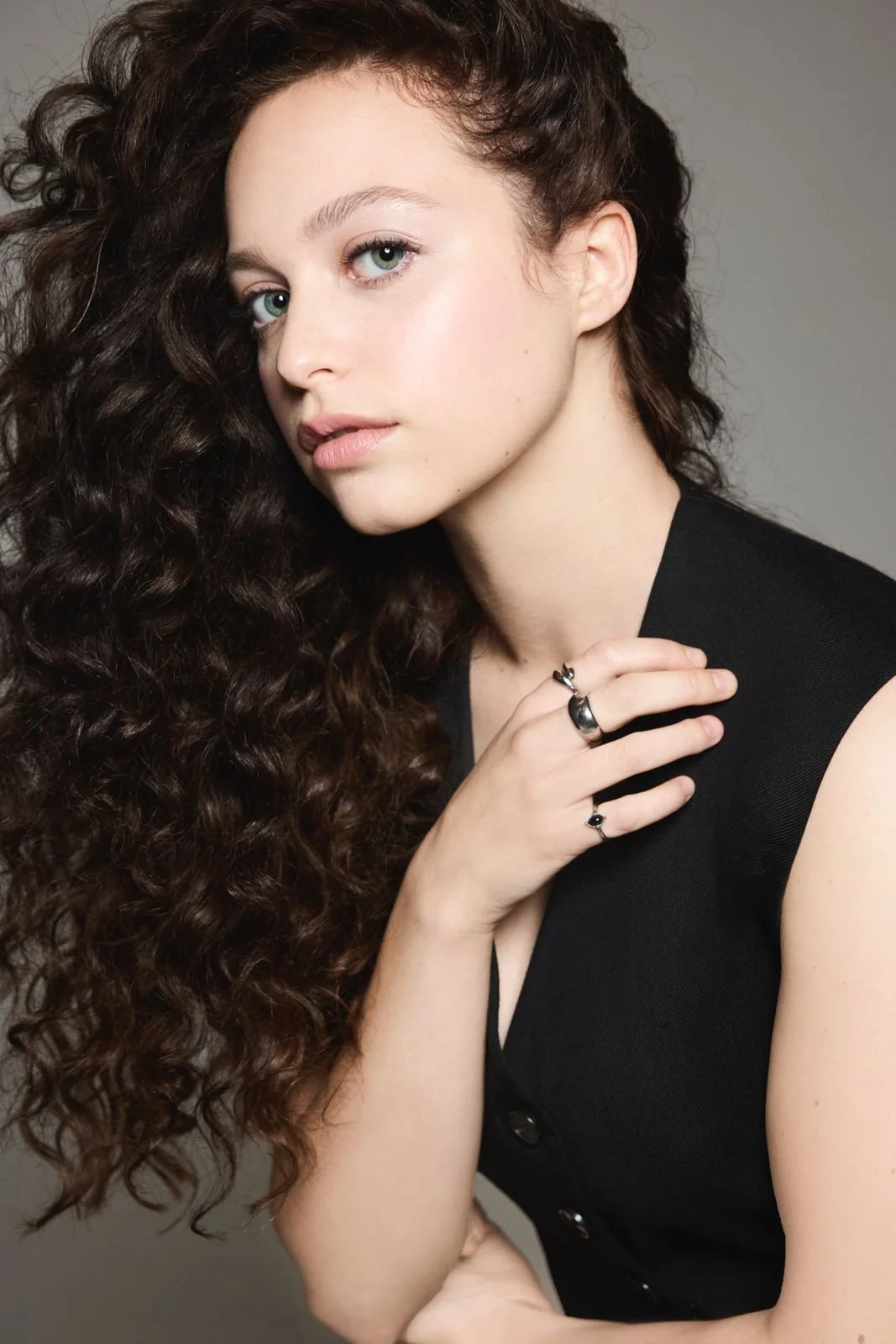
Sofia Rosinsky steps into a bold new chapter with The Miniature Wife, Peacock’s darkly imaginative series premiering on 9th April. Known for her leading role in Amazon’s Paper Girls and her recurring turn in Hulu’s Death and Other Details, Sofia continues to balance emotional intelligence with genre-bending storytelling. Actress, musician, and filmmaker (she co-founded a film production company called StellaLuna with her sister Alexis that produces independent short films), she brings a multidimensional lens to a series that examines power, family, and what it means to be seen — or made small.
The Miniature Wife is such a surreal and intimate concept. What drew you to the project?
They cast me. But really, I read the book of short stories by Manuel Gonzales, and the tone and storytelling is so magnetic. The show itself has a beautiful way of balancing the comedy with the darker elements of the story, and really harkens back to the screwball comedies of the 30s and 40s. I’ve grown up watching the films that my parents and grandparents love. My grandfather especially was a huge part of my film education. I was at his house when I received the audition, and he helped me prepare for it by recording some of our favorite screwball comedies and watching them again with me, like Arsenic and Old Lace, Bringing Up Baby, Brother Orchid, etc. These films are so broad and high concept, and yet the writing is really so delicate. It’s like an elephant on a tightrope. I think that precarious balance is a big part of what drew me to ‘The Miniature Wife’.
How would you describe your character within this unusual family dynamic?
Lulu is both a victim of and contributor to the family’s difficult dynamic. She’s a very confused young person, and is just as self loathing and destructive as her parents. She has a world of gentleness inside her, but she’s very armored. A hardcore pragmatist who longs to be a dreamer.
The series explores power imbalances in marriage. How does your character witness or process that shift?
Lulu is a sponge. She has absorbed both the brilliance of her parents, as well as their self-centeredness. There has been a major breakdown in communication in the family that has caused her to cut herself off from the world. When she’s with her parents, she shrinks, and uses reckless behavior as an outlet for her frustration and arrogance. Her parents’ fighting has an intense affect on her, to the point of physical sickness. She thinks the world of her dad, and tends to take his side against her mom.
How do you ground an emotionally complex story when the premise is so fantastical?
The writing really does that for itself. The characters and dynamics are all so thoughtfully developed that all that was left for me to do was believe the circumstances. So once I took that plunge, I didn’t feel that there was anything to ground, I was just in it.
The show balances dark comedy with emotional depth. How did you navigate that tone?
In my opinion, emotional depth is baked into dark comedy. It could be difficult at times, mainly because I really wanted to paint Lulu with all the beautiful colors that the writers did in the script. But working opposite incredibly talented actors makes everything much easier, along with the guidance of the wonderful directors and producers of the show.
What themes in The Miniature Wife feel especially relevant today?
The cool thing about the story is its timelessness. I think that the importance of listening and communication are two major elements of the series that are especially relevant today.
How does your background as a musician influence your acting process?
I think that music can help with getting to know a character. I like to listen to pieces that remind me of them, or the project itself. Music can help put you in the headspace of the character. This is more of a technical thing, but I also think that playing strings or any instrument can help with memorization skills.
You’re also a filmmaker. Does being behind the camera affect how you approach performance?
I think it does. I always want to make sure that I fully take the directions I’m given, and also make sure to clarify things if needed. I like to try new things out every take, to give more options. Also, showing up early and staying out of the way. There are so many moving pieces and I don’t want to add to any stress.
As someone growing up in the industry, how do you protect your creative voice?
I am very lucky to have a support team in my family. They’ve always taught me to be true to myself. I think that speaking up or asking questions when something isn’t clicking is important, and going with your gut.
As an artist across multiple mediums, what kind of stories are you most eager to tell next?
My sister Alexis and I have a production company together called Sisters Rosinsky. We feel that a lot of the time, the smallest stories can be the biggest. We love dark comedies and are currently in production on our first feature film, which is wildly absurd with a darker edge to it, much like The Twilight Zone, which we grew up watching.
When audiences finish all ten episodes, what do you hope lingers with them about your character, and about the idea of power within a family?
At the beginning of shooting, I was worried that people would find Lulu unlikeable because of her abrasive personality. I hope that by the end of the show, audiences will be able to look past her flaws and see how she’s trying to grow. Families are so complicated, and I hope that viewers can watch the show and feel a little bit better about their own.
TEAM CREDITS
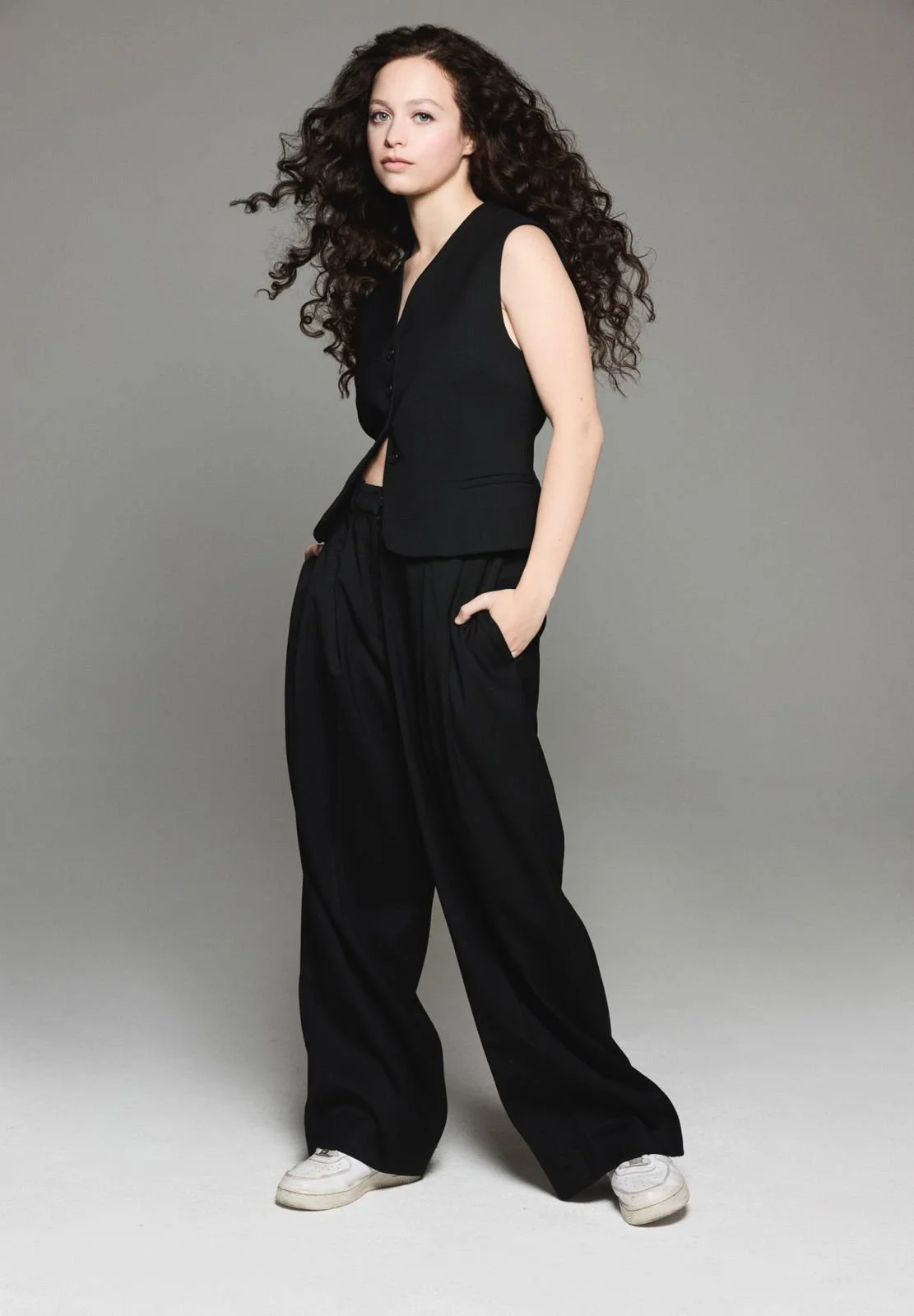
talent SOFIA ROSINSKY
photography VICTORIA STEVENS
interview and editorial director JANA LETONJA
