
IN CONVERSATION WITH MARCO CALVANI
interview by JANA LETONJA
Italian filmmaker and actor Marco Calvani is entering a defining moment in his career, one shaped equally by fearless storytelling and magnetic on-screen presence. After premiering his debut feature High Tide at SXSW in 2024 to critical acclaim, he has continued to blur the lines between performance and authorship, currently writing and producing his sophomore feature film Capitana, which he also directs. On screen, he’s capturing global attention as a standout in Universal’s You, Me & Tuscany and with Season 2 of Netflix’s The Four Seasons set to release worldwide on 28th May. Loud, proud, and unapologetically personal, he is an artist building a body of work that feels intimate, political, and stylish all at once.
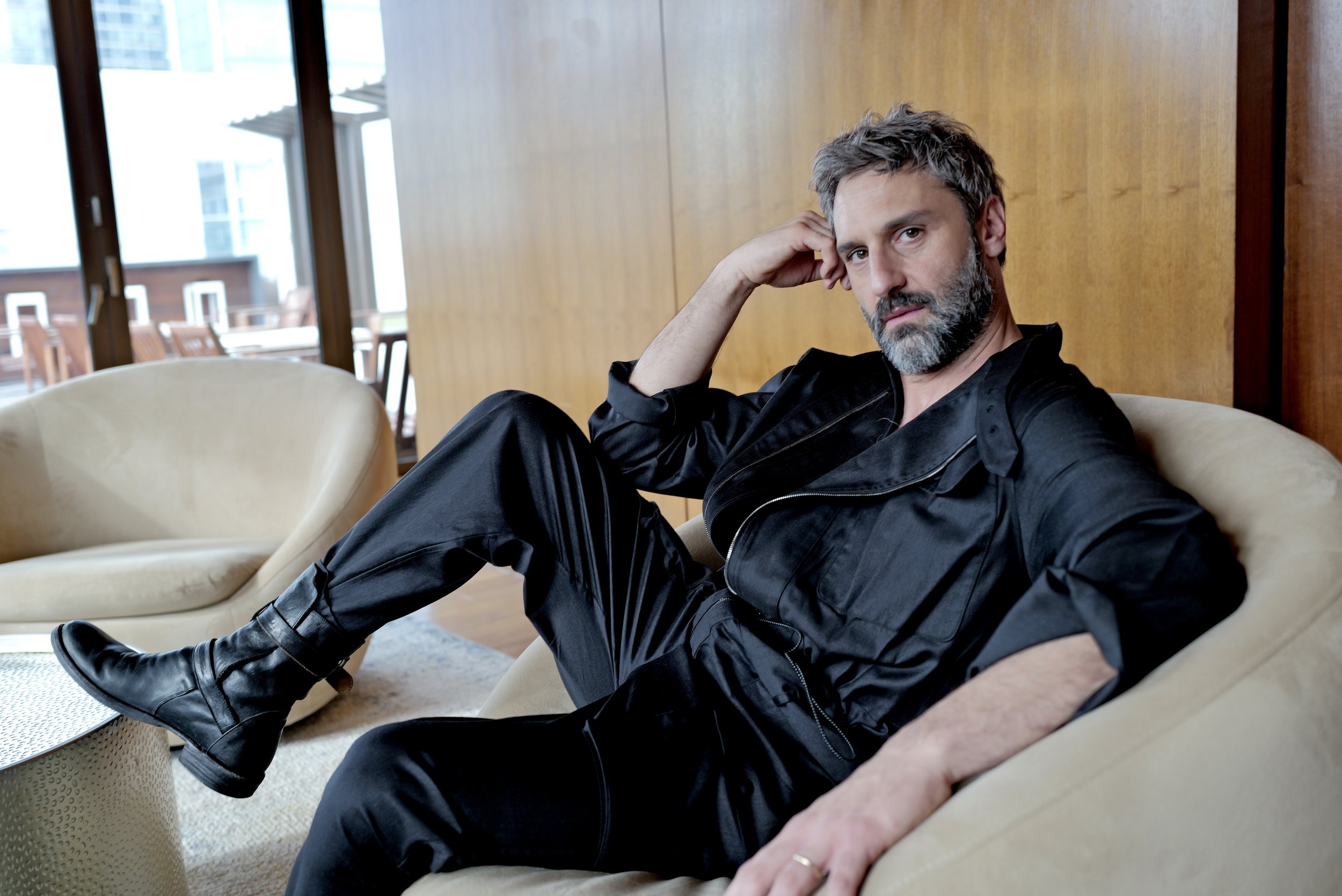
You move fluidly between acting, writing, and directing. Which role feels most instinctive to you right now?
I've been a storyteller all my life, since childhood. I began training as an actor at just 14 years old and became a professional quite quickly. In my early twenties, I realised I needed more agency over the material and the projects I was being asked to take on, and I noticed I already had plenty of stories within me. The world around me was calling me to write them and bring them to life. And so began my playwriting and directing career, which took me around the world and ultimately brought me to the US. Writing is, for me, the most powerful tool I have, the best way I know how to transcend the chaos and beauty of the world I inhabit. I cannot live without it, and I don't want to. I'm truly enjoying this second wind of my acting career. I had been on a hiatus for almost 15 years before Tina Fey called me to be part of her new Netflix show, and now I feel I can move between mediums with far more joy and confidence than ever before.
High Tide premiered at SXSW to strong acclaim. What did that moment represent after years in the theatre?
It was a beautiful moment, the climax of one chapter of my career and the beginning of a wonderful new one. I've always been inspired by cinema, even when I was only focusing on theatre. Films have always been my first source of inspiration. Being finally able to tell a story for the big screen and to receive so many accolades for my first cinematic effort was confirmation that I was on the right path. ‘High Tide’ is a deeply personal project for me, one that taught me how to push further and harder, and push my own boundaries, both on a professional and personal level. I believe I became a better man after that experience. And a better partner too, since the film is the result of a collaboration with my husband, Marco Pigossi, who brilliantly plays the lead role.
Your upcoming film Capitana, marks your sophomore feature. How does it build on or depart from High Tide?
Somehow, Capitana is an extension of High Tide. It is once again a character-driven film, and once again a film that explores the difficulty and struggle of the immigrant experience. But where High Tide was melancholic and contemplative, Capitana is an action film packed with adventure and laced with thrilling sequences of tension and suspense. The film is based on a real-life hero and inspired by the published memoir of German biologist Pia Klemp, who left everything behind to rescue migrants in distress in the Mediterranean Sea. Pia and her crew eventually get arrested for it by Italian authorities, backed by Europe. I found her story incredibly moving and terribly timely, one that could inspire a new way of being in the world. A world that is so fragmented and polarised, and that keeps losing sight of our relationship with the other.
I mean, imagine a world where you go to jail for saving people's lives. Well, that's our world, our reality. On a creative level, this is the first time I am adapting a book, and the first time I am writing with someone else, the incredible playwright and activist V (formerly Eve Ensler, The Vagina Monologues), whose work I've admired all my life. Capitana is definitely a more ambitious film, both in scope and budget, and feels like an ideal follow-up to High Tide. That said, I'm currently working on a couple of other projects that I might bring to life sooner rather than later, and who knows, maybe even before Capitana.
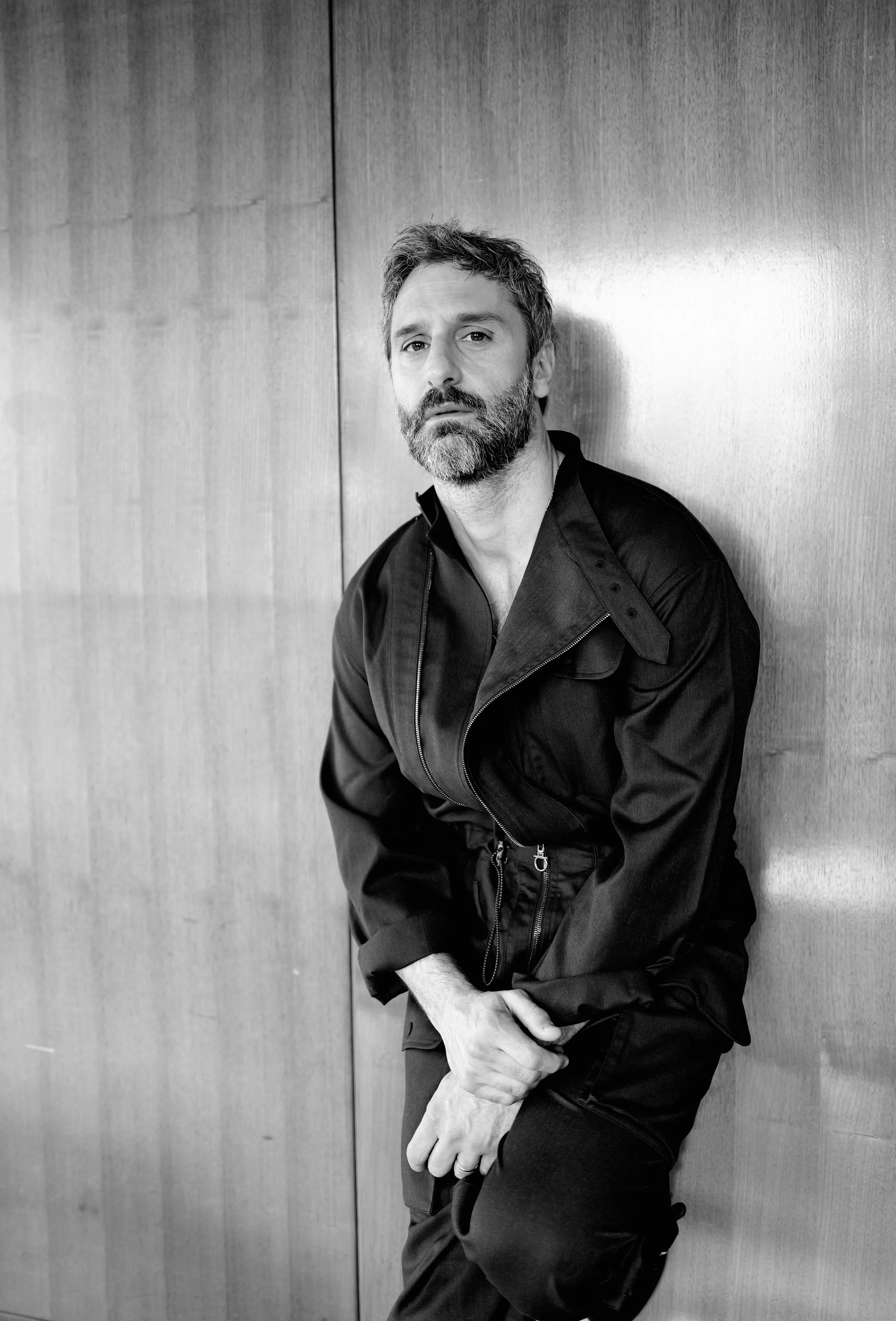
As both writer and director, how do you protect the emotional core of a story from script to screen?
The journey from page to screen is a long one, and so many things can go wrong, and very quickly, if you don't learn how to defend your material and fight for it despite all odds. So many people are involved in making a film, so much money, if you're lucky, and that brings along so much pressure and expectation that has nothing to do with the creative process. If the motivations and the urgency of telling that story are clear and transparent, if I'm allowed to keep them free from the anxiety of results, I know that I can eventually bring to life the story I was always meant to tell. You know, I believe a writer, a director, doesn't really own their material. I believe we are vessels of an idea that happens to choose us, not the other way around. We just happen to be there, at exactly the right time and the right moment in our lives, to receive it, live it, and then turn it into an experience for many. There's no ownership. It's a divine intervention, and if I approach the work with the gratitude and the honour of being the chosen one, the journey becomes one of pure love. And that, in my opinion, is the driving force that keeps the core of a story intact.
Season 2 of The Four Seasons arrives this May. What can audiences expect from your character this time around?
I think they are in for a fantastic treat, full of surprises and revelations. My character Claude, like the rest of the characters in the show, must reckon with the death of their dear friend Nick and the inevitable shifts his loss creates in the dynamic of the group. Claude and his husband begin asking themselves big questions about their future, feeling the need to redefine the meaning of family and intimacy, which will ultimately lead Claude to find his true voice and step into his newfound light. After having shaped his life around the needs and expectations of others, he will finally learn to trust his instincts and define his identity on his own terms. In Season 2, Claude's journey is one of self-discovery, and I believe audiences will recognise themselves in it and celebrate his transformation right along with him.
How does working on a global Netflix series differ from leading an independent feature?
Oh lord, they are two completely different worlds, even if one can and should influence and support the other. I felt very rusty as an actor when I began working on ‘Four Seasons’. I was terrified after so many years spent behind the camera, suddenly catapulted in front of it and surrounded by so many giants of the craft. But I was able to find my confidence in the years I had spent creating and shaping characters for the stage and screen, all those years working for and with actors I deeply respected, and who taught me so much. In that regard, the creative process is always the same. But this time, for once, I'm not the leader of a project. There are two big Hollywood studios, Netflix and Universal, and three showrunners behind the series, and you feel this immense responsibility and simultaneously a tremendous safety net all around you. Ultimately, the series gave me something I wasn't chasing or even dreaming of: an immediate public recognition and a larger platform that I hope to put to the service of my filmmaking career and the causes that are dear to my heart.
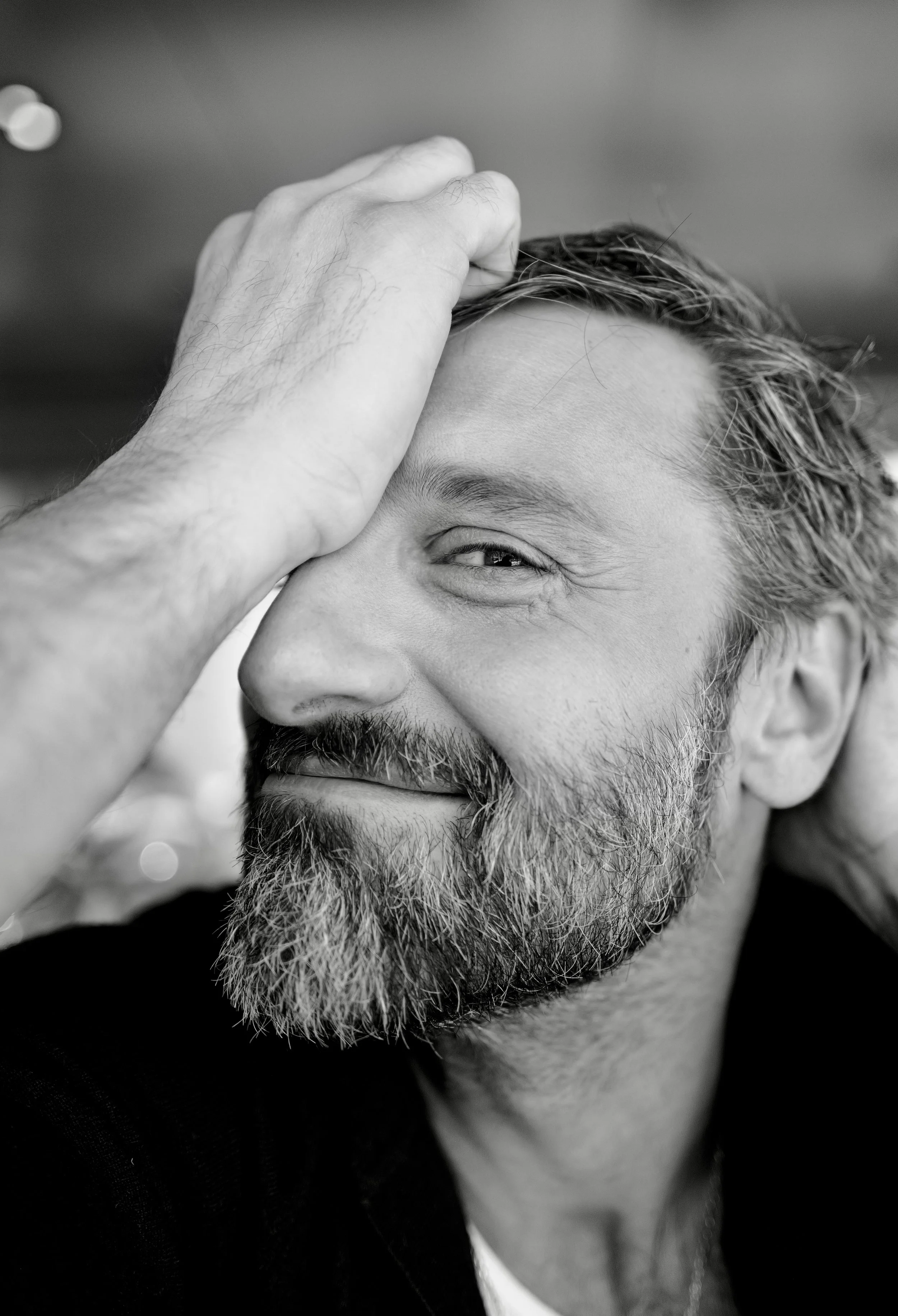
You’ve been described as a “scene stealer” in You, Me & Tuscany. What draws you to roles that leave a sharp impression?
I don't think I accepted the role of Lorenzo in You, Me & Tuscany to leave a mark or steal scenes. One might secretly hope for that, but that attitude puts you squarely in results territory, which I personally find very distracting and not fulfilling at all. I was drawn to this script by the sweetness of the story, by the possibility of acting in my homeland, Tuscany and alongside Italian actors, by the generosity of our phenomenal director, Kat Coiro and the brilliance of our producer, Will Packer. But most of all, I was thrilled by the idea of sharing the screen with Halle Bailey, whom I have admired for a long time.
Your theatre career spans major cultural institutions across Europe and New York. How has that shaped your cinematic eye?
Working in theatre for so long and across the whole globe has taught me a great deal and opened my mind and heart in unexpected ways. Since I was a young actor, I learned how to assimilate and connect with so many different cultures I didn't know existed, and with ways of being and interacting I didn't know were possible. I performed at the National Theatre in London and at the Théâtre de la Ville in Paris, directed actors in Jakarta and Madrid, saw my plays presented in Afrikaans, in Dutch, in Portuguese, and taught actors and directors in Spain and Germany. That means I tried thousands of different meals, watched hundreds of sunsets, danced to countless local rhythms, visited museums, walked through parks, and swam in every ocean. My theatre career turned me into a citizen of the world. I like to believe all these experiences ended up nurturing my cinematic voice and expanding the horizons of my visual language. I don't belong anywhere, and I feel at home everywhere. The best cinema, to me, embodies exactly that quality.
Do you approach fashion and personal style as an extension of storytelling?
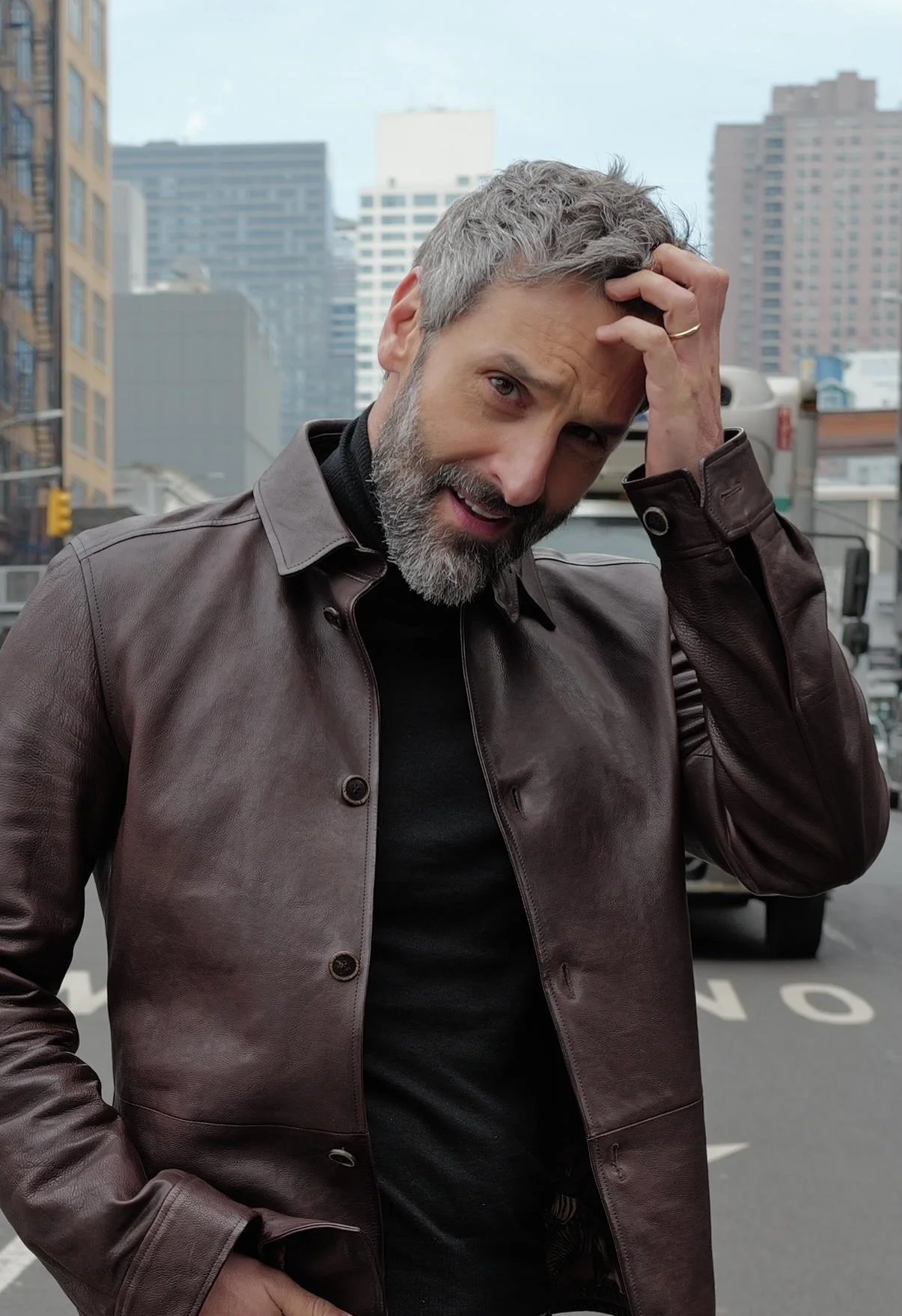
In a way, yes. I'm aware that the image I put out into the world is what people perceive me to be. I don't think about it too much, though. I tend to go with the flow and trust my instincts above all else. I need to feel comfortable, and I need to be able to recognise myself in what I wear. I don't want to look back one day and see someone far removed from my essence.
What themes keep pulling you back as a writer?
I'm a sucker for stories of people at the margins, human beings in need of finding a place to belong in this world. A country, a community, or sometimes just a person. And sometimes it's simply themselves they need to find. I've always wanted to use my work as a tool to give a voice back to those who don't really have one out there in the real world. At a time like ours, I find myself constantly questioning the concept of home and family, and challenging the patriarchal values we were raised in. I've been an orphan most of my life, having lost my parents when I was very young, and I've lived and worked in many different parts of the world alongside artists of every culture and background. Even when dealing with stories about immigration and racism, my goal is always to inspire viewers to feel empathy rather than fear toward the unknown, and to commit acts of pure compassion toward strangers. That is, I believe, the most powerful weapon we possess today, not just as artists, but as human beings.
How do you navigate being both in front of and behind the camera without losing perspective?
There's only one way, I guess. I always try to be honest with myself about the stories I want to tell at any particular moment in time, whether I'm in front of or behind the camera. For me, those stories need to be in alignment with my values and principles; they must be about things, topics, and people that move me, motivate me, inspire me, and possibly make me believe in magic and humanity all over again.
In an industry obsessed with speed, how do you stay grounded in craft?
It's not just the industry that's obsessed with speed; it's the whole world. I find it very hard these days to remain grounded amid the general chaos and not to lose myself in the collective madness. Social media, the industry crisis, the rise of fascism, the earth's many terrors and all the horrors of our daily lives. There is a general tendency toward dissociation and denial that breaks my heart and fills me with plenty of anxiety. It is very easy to be pulled in unwanted directions, and I must remember to stay vigilant and guard my energy carefully. Every day I need to make sure I have enough time to spend by myself — reading, writing, meditating — and with people I truly love, people who know how to value silence as much as words, and with whom I can focus on the small, beautiful, meaningful things that make this life worth living. After all, what are we down here for?
TEAM CREDITS
talent MARCO CALVANI
photography GIGI STOLL
styling DAVIDE BORELLA
grooming VIRNA SMIRALDI
editorial director and interview JANA LETONJA
editor TIMI LETONJA
