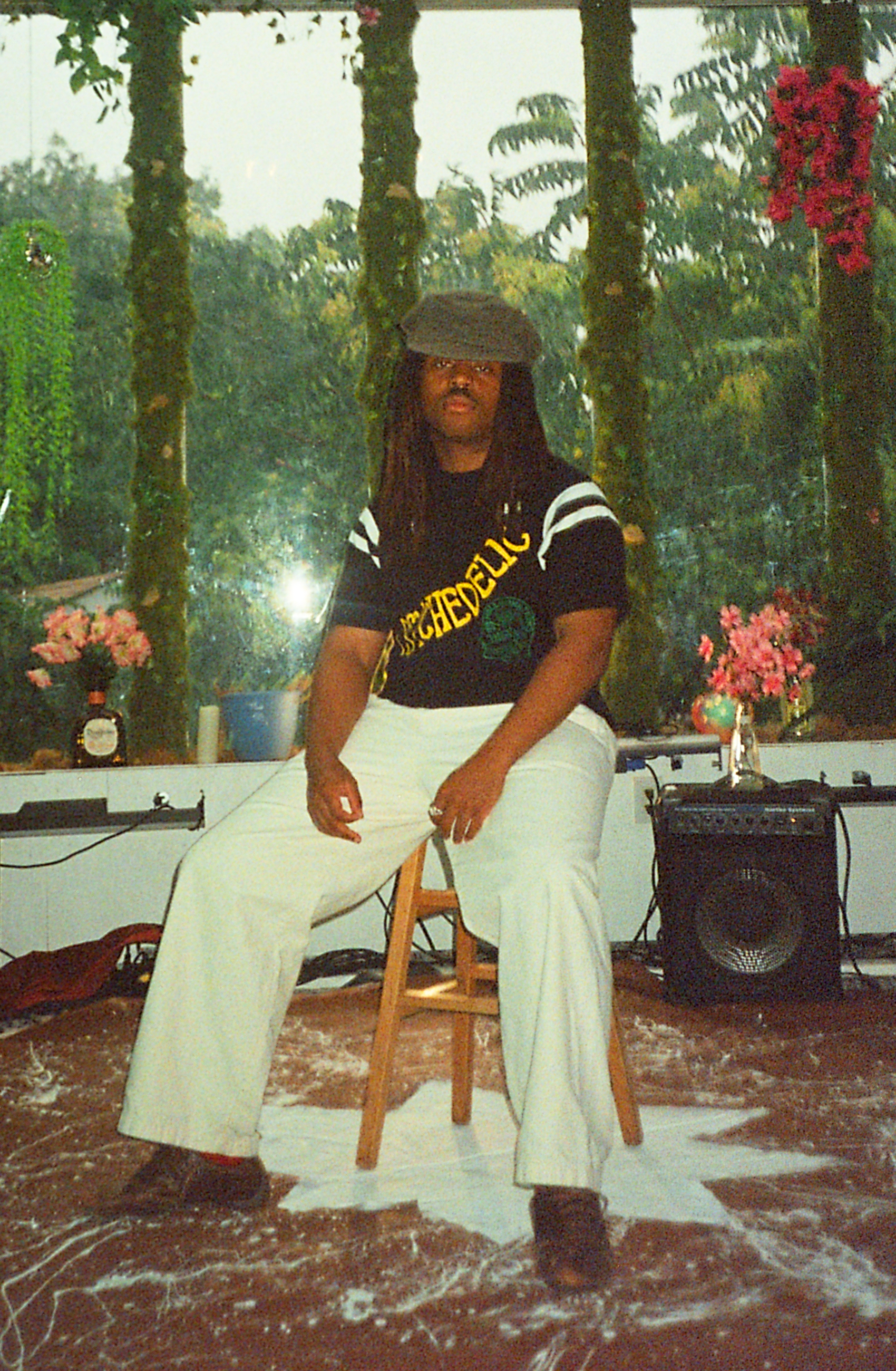
interview by JANA LETONJA
Kevin Holliday is preparing to unveil his most personal and introspective project to date with the release of his 11-track album Garden on November 20. Exploring themes of family, grief, memory, communication and human connection, the record offers an intimate glimpse into the experiences and relationships that have shaped him. Inspired by childhood memories of gardening with his mother, Kevin uses the imagery of soil as a powerful metaphor for growth, possibility and the foundations we build our lives upon. Self-producing nearly the entire album, he has crafted a warm, textured and deeply personal sonic landscape that reflects the emotional heart of the project.
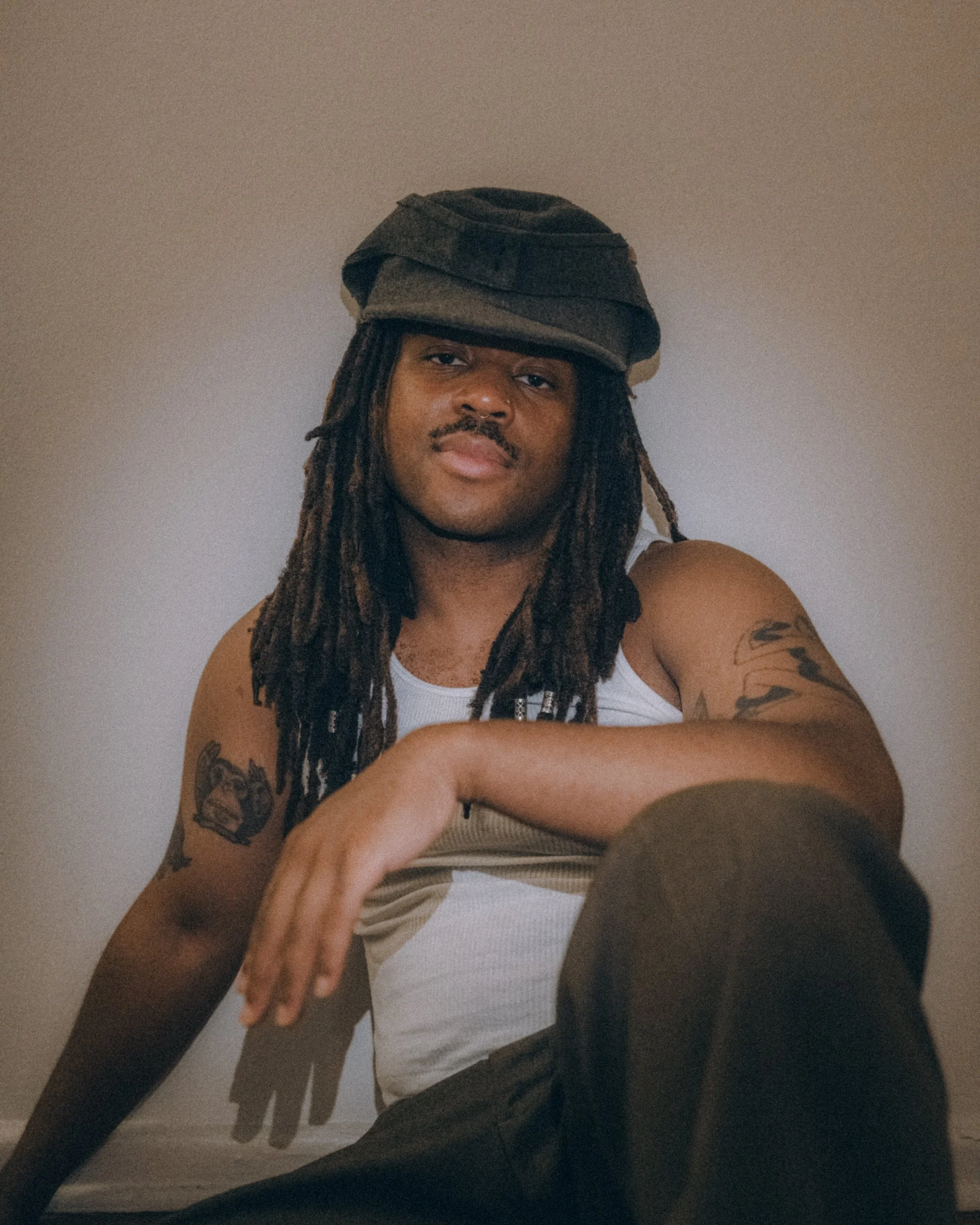
photography by NATHAN BAJAR
Let’s start at the beginning. What first sparked your interest in making music, and were there any particular artists or experiences that inspired you to pursue it seriously?
I’ve always been interested in music in one way or another, but I found my way to making music relatively late in life. Everyone in my family is pretty into music from a listener’s standpoint, but I’m the only one who actually had any interest in trying it. I have distinct memories of my mother playing Prince, Earth, Wind & Fire, and Stevie Wonder around the house. Without realizing it, I think that 60s, 70s and 80s soul became the foundation of a lot of the things I’d create.
I hadn’t done anything musically until I got to college, actually. My three brothers and I all played sports growing up. I was recruited to play baseball in college, and eventually I stopped playing. I also had a job on campus where I learned how to do sound for live events. We had a ton of artists who came to campus to do shows. I think watching some of them also helped get me more interested. I randomly got to help do sound for some amazing artists like Isaiah Rashad, Kenny Beats and Kari Faux before I even really started making music.
When I was done with that, I was looking for somewhere to put that energy. A lot of my friends at the time were making music and art. It was gradual, but I started taking it more and more seriously.
How would you describe your musical identity to someone discovering your music for the first time, and how has your sound evolved since you first started releasing music?
I think whenever you first start anything creatively, you’re just trying to emulate the things that you like or are inspired by. I would try to learn all of the songs that I was listening to at the time on guitar and try to dissect them. At the time, I was listening to a lot of King Krule, Steve Lacy and Tyler, the Creator.
I think it took some time, but eventually I figured out my own voice. It was partially triggered by an interview I saw with André 3000 where he was talking about a similar thing. He said, “You gotta put the time in to figure out who you are, and what you're not.” I wanted to make things I didn’t feel like existed exactly the way I was doing them. I just wanted to focus on making the things I wanted to hear. I think when you approach it from there, everything else follows.
Your music seems to draw from a wide range of emotions and influences. How important is it for you to experiment with different sounds and genres rather than fitting into one particular musical category?
I feel like if you’re truly an artist, everything is inspiration. It’s mostly about listening. You can be just as inspired by a random conversation with someone you barely know as you can by the music you grew up listening to. In the same way, I don’t want to limit myself to a handful of influences.
I think I want to constantly be walking the line between challenging my understanding of what I’m doing and remaining true to my artistic identity. I think if you were to listen to some of the first things I made on SoundCloud and then listen to Garden, you’d think you were listening to two different artists, because in a lot of ways, you are.
Your new album, Garden, arrives on November 20 and is described as your most personal project yet. What inspired you to create this record, and at what point did you realise the songs were becoming part of a larger story?
Garden is a culmination of a lot of things for me. Specifically, when I was making the album, I felt like I was going through a lot of personal change. I lost a lot of close friends at the same time and faced a lot of feelings of isolation and loneliness, as well as a loss of identity.
During that time, I feel like I went back to some of the things that I loved as a kid. I thought about spending summers with my family, specifically a lot of memories with my mom and my grandfather, who passed recently. I thought about a lot of the sounds associated with those memories. I asked myself, “If I were to soundtrack that part of my life, what would it sound like?”
The album is heavily inspired by memories of gardening with your mother. Can you tell us a little about those experiences and why they’ve remained so meaningful to you over the years?
I think the thing I remember most is the texture of the soil. I always liked that most. When I was in the beginning stages of crafting the sound, I thought about that a lot. I wondered what soil would sound like. When you’re a kid, it’s always those small things that stick with you.
You have such an interesting way of approaching music. How did you translate those physical sensations into sounds, arrangements and production choices?
I think all of our senses are very closely related. Especially as an artist, I think you really have to lean into that. I thought a lot about family and memory when I was making the album. What I gathered is that some of my most vivid memories are driven by senses other than sight. I think I tend to remember the essence of things, how they feel and smell, and the sounds associated with them.
I started to think a lot about some of the memories I had of gardening with my mother. I remember how much I liked feeling the soil with my hands. I wanted to make something that felt like that. I thought a lot about texture and how I was layering things. I wanted to strip things back to their foundations. I think that’s what the soil represented for me, exploring how I could make things sound fuller with less.
Memory plays an important role throughout the record. Do you find that music allows you to preserve certain people, places or moments in a way that words or photographs sometimes can’t?Absolutely. I think all of my music is like a time capsule for me. It helps me remember things that were going on in my life when I was writing, the people who were around me and how things change. I think most art is an act of preservation in a lot of ways.
The album also explores the ways people try to stay connected. In a world where we’re constantly communicating digitally, do you think we’re becoming better at understanding one another, or are we sometimes losing the ability to form deeper connections?
I think there’s a lot of discourse on whether we’re becoming more or less connected, especially with AI, social media and everything else we’re constantly bombarded with. I don’t necessarily think we’re losing the ability to form deeper connections, but I do think things feel different than they did before. I think a lot of these things make people feel anxious and can trigger loneliness. I don’t really think we’re meant to constantly be looking at something. But overall, I think that the need for deeper connection will always be a part of the human experience.
Is there a particular song on Garden that feels especially personal or vulnerable to you, perhaps one that was difficult to write but ultimately became an important part of the album?
I definitely think Anxiety. I’ve never really been that open before on a song. I think at times, my lyrics can be somewhat tongue-in-cheek. But honestly, I wrote that song when I was at one of my lowest points. I was extremely deadass. I’ve always struggled a lot with anxiety, but I’ve never really attempted to write about that feeling.
When listeners experience Garden from beginning to end, what do you hope they’ll take away from it? Is there a particular feeling, memory or conversation you hope the music might inspire?
When I was making this project, I thought a lot about the music and artists I was really inspired by when I was a kid and when I was first starting to make music. I want people listening to get that same feeling. I want my music to inspire people. I think if people leave with something more than they had before they listened, I’ve done my job. I also just wanted, first and foremost, to make music I felt inspired by. I wanted to make the music I wanted to hear.
Finally, with Garden about to be released, what are you most excited about in this next chapter? Are there plans to bring these songs to the stage, and what other creative ambitions would you love to explore?
I’m most excited to start playing these songs live. I have two album release shows in New York and Los Angeles that I’m really looking forward to. I put performing on hold for a bit to focus on completing the album, but now that it’s done, I can’t wait to see how people respond to it live.