
IN CONVERSATION WITH LAMAR JOHNSON
interview by JANA LETONJA
photography by OTHELLO GREY
Lamar Johnson is one of the most electrifying talents of his generation, an Emmy-nominated actor, dancer, director, and artist redefining versatility in Hollywood. Fresh off his acclaimed performance as Henry Burrell in HBO’s global phenomenon ‘The Last of Us’, he now steps into a new chapter with two very different projects: Netflix’s epic new Western series ‘The Abandons’ and the indie drama ‘The Wilderness’, produced by Aaron Paul, which just arrived in theaters this October. Known for his intentionality, Johnson avoids repetition—instead, choosing roles that challenge him, stretch his physical and emotional vocabulary, and evolve his artistry.
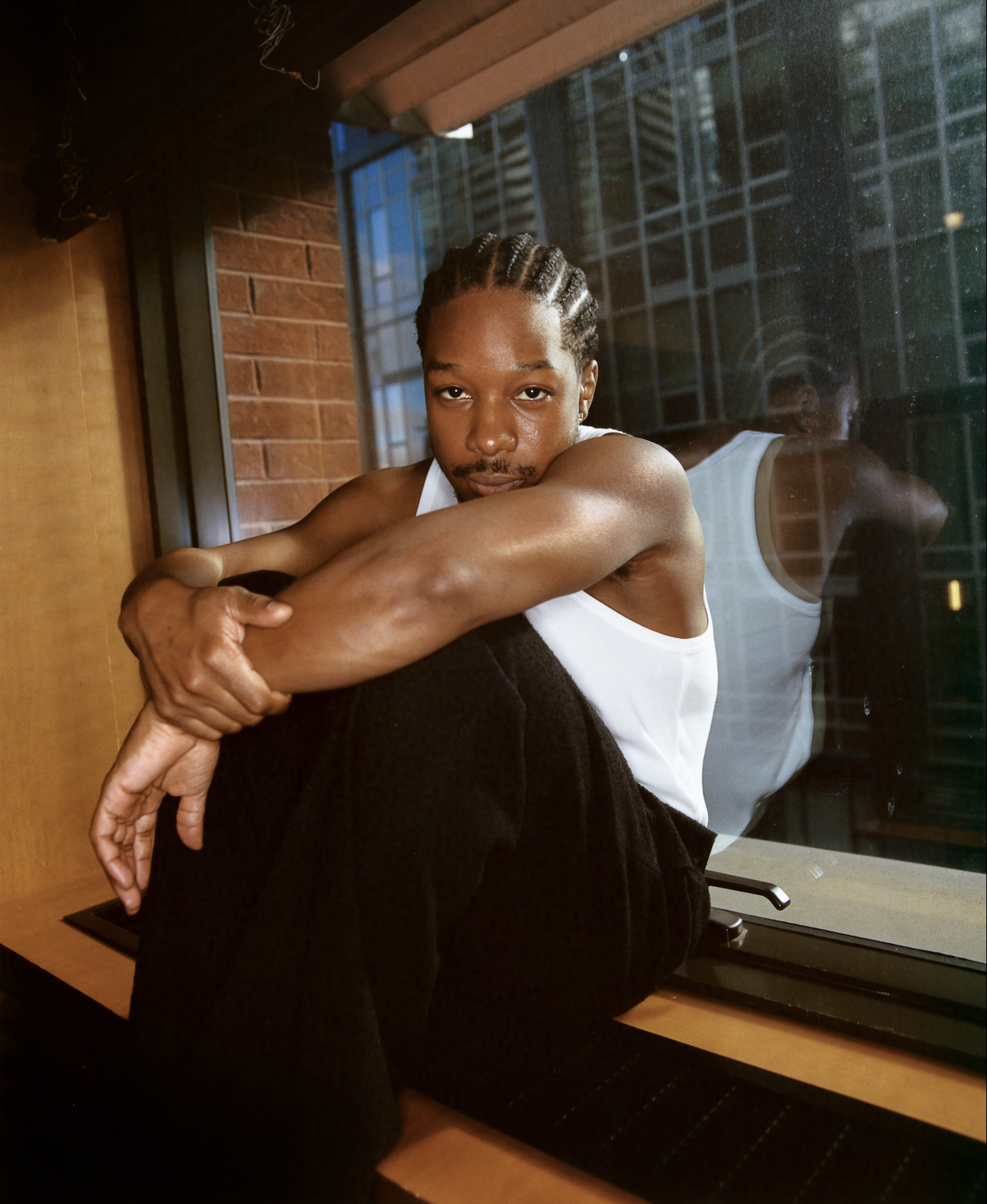
A celebrated performer with a growing imprint in fashion, from Valentino to Ferragamo, Lamar also holds major accolades at home, including the 2024 Radius Award and a Canadian Screen Award for Brother. As he steps into this next phase, he is focused less on chasing scale and more on pursuing work that feels purpose-driven, distinctive, and unmistakably his.
‘The Last of Us’ earned you an Emmy nomination. How did that recognition shape your relationship with your craft?
I think that experience affirmed the kind of work I want to keep doing - grounded, emotionally honest, and human. The nomination was surreal, but what stuck with me most was how people connected with the vulnerability of that performance. That’s the space I want to keep returning to.
What drew you to ‘The Abandons’, and what can you tease about your character without breaking Netflix secrecy?
I was interested in the idea of working within a genre I hadn’t explored before, to step into a Western that’s violent, yet rooted in family and legacy. My character, a free and educated black man in that world, carries a quiet tension that was compelling to me. He’s navigating structures that weren’t built for him, and there’s power in how he holds his space.
The series is being described as “Netflix’s Game of Thrones but Western.” What was it like stepping into a world of that scale?
You feel the scale in the terrain and scope, but I’m always trying to locate intimacy inside of that. I’m less interested in playing to the size of something and more interested in how a moment breathes inside of it.
You’ve worked opposite remarkable actors, from Pedro Pascal to Lena Headey to Gillian Anderson. Who has influenced you most on set?
Honestly, I try to learn from everyone, from leads to guest stars. Everyone brings their own rhythm and process, and I’m always watching for where truth shows up. You learn just as much watching someone prepare off-camera as you do sharing a scene.
You’re also a dancer, director, and visual artist. How do these forms feed your acting?
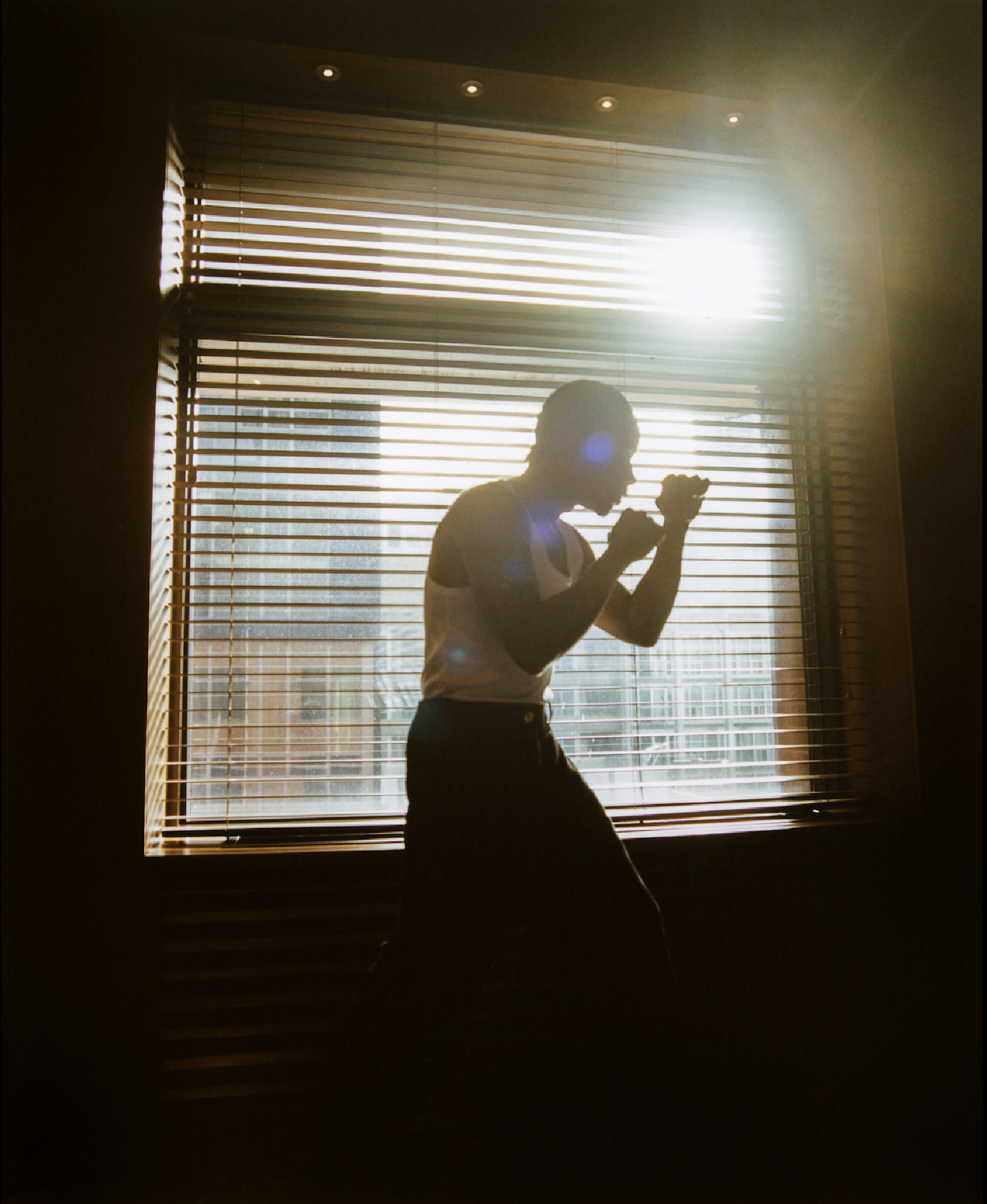
Movement gave me an awareness of the body. Not just how to move, but when to be still. As a director, I’m drawn to rhythm and image. Visual storytelling is intuitive for me. I often feel the shape of a scene before I intellectualize it. All of that folds back into acting. Whether I’m speaking or not, I’m listening.
Dancing is such a physical expression. Do you ever incorporate that physical intuition into your performances?
Absolutely. Some characters live in their shoulders, some in their breath. With dance, you learn to locate emotion in the body. That kind of internal choreography stays with me, especially in roles that speak more in silence than in words.
You’ve directed your own short pieces. Do you see yourself moving further into filmmaking?
100%. I’m already developing a few things I plan to direct. It’s where I feel most complete — shaping tone, building emotional architecture. I don’t just want to perform in beautiful work, I want to create it.
You’re a fashion favorite, from Valentino, Ferragamo, and more. How would you describe your style evolution?
It’s instinctual. I’ve always been drawn to silhouette and proportion. I like texture, weight, mood. The goal isn’t just to wear something cool, it’s to wear something that feels undeniably me in whatever shape that takes.
You’ve become a powerful voice for young Canadian artists and Black performers globally. What responsibility do you feel, if any, in that space?
I try to move with integrity and intention, which I think is its own kind of leadership. I don’t think I have answers for everyone, but I do know that saying “no” can be just as powerful as saying “yes.” I want to model creative freedom, and remind people that you can move with patience and still be powerful.
What kind of characters or stories are you most excited to explore next?
Characters who are fractured but poetic. People you can’t always define on the surface. I want to work with directors who build atmosphere as carefully as they build story. That kind of precision excites me.
How do you hope audiences will view this “next phase” of your career?
As more distilled. I’ve grown a lot, and I’ve learned that clarity comes not just from the wins, but from the friction too. I’m entering a phase where the work has to feel soul-connected. Not just impressive from the outside, but deeply intentional. I want that to be felt in the choices I make moving forward: sharper, more authored, more mine.
Your character is one of the few Black characters in the series—a freed man living in the North who is well-educated and ends up teaching the town’s children. How did you approach portraying him, especially in the context of the racial dynamics and challenges he faces?
I approached him with quiet conviction. In many ways, he’s a man of principle. Carrying the weight of history and a lineage of free, educated black men, in a time and place where that alone is radical. I connected to that. He doesn’t speak loudly, but everything about him is an anomaly and resists erasure. There’s a power in restraint that felt truer than playing him through rage and needing to prove himself. It became more about what he chooses not to do or say.
“Family isn’t bound by blood” is a major theme in the series. Your character’s family is made up of orphans and outsiders, and this even extends to neighboring families coming together against Constance’s blood-bound family. In your view, what truly defines a family?
To me, family is built through choice—who you show up for and who shows up for you. Blood might connect people, but intention and loyalty make it real. Albert finds himself surrounded by people who weren’t handed much in life, but they give each other everything. That kind of bond — chosen, messy, fiercely protective — is just as sacred, if not more.
The series explores some themes such as right vs. wrong, power, pride, etc. How did these storylines (e.g. Constance swallowing her pride to ask for your character’s help with teaching) inform your approach to him?
I think Albert understands the cost of pride more than most. He’s lived in a world that’s constantly tested his grace. So when someone like Constance comes to him for help, he doesn’t respond with ego or pride, he stays grounded. For Albert, he knows what it means to be overlooked, and what it takes to keep showing up anyway. That quiet strength, that grace under pressure, that’s what I tried to lead with.
