
IN CONVERSATION WITH LEX VALVERDE
Interview by Samo Šajn
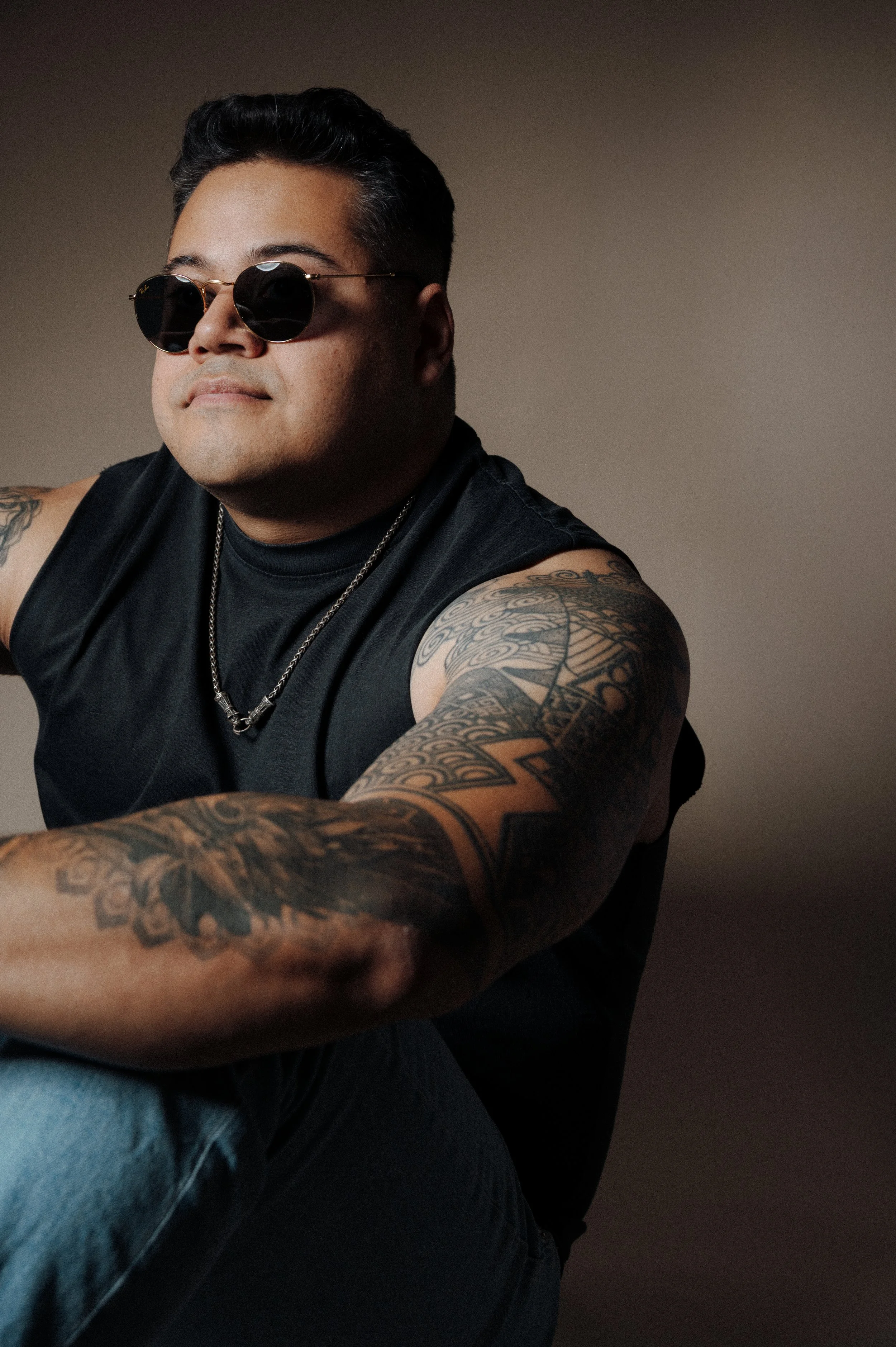
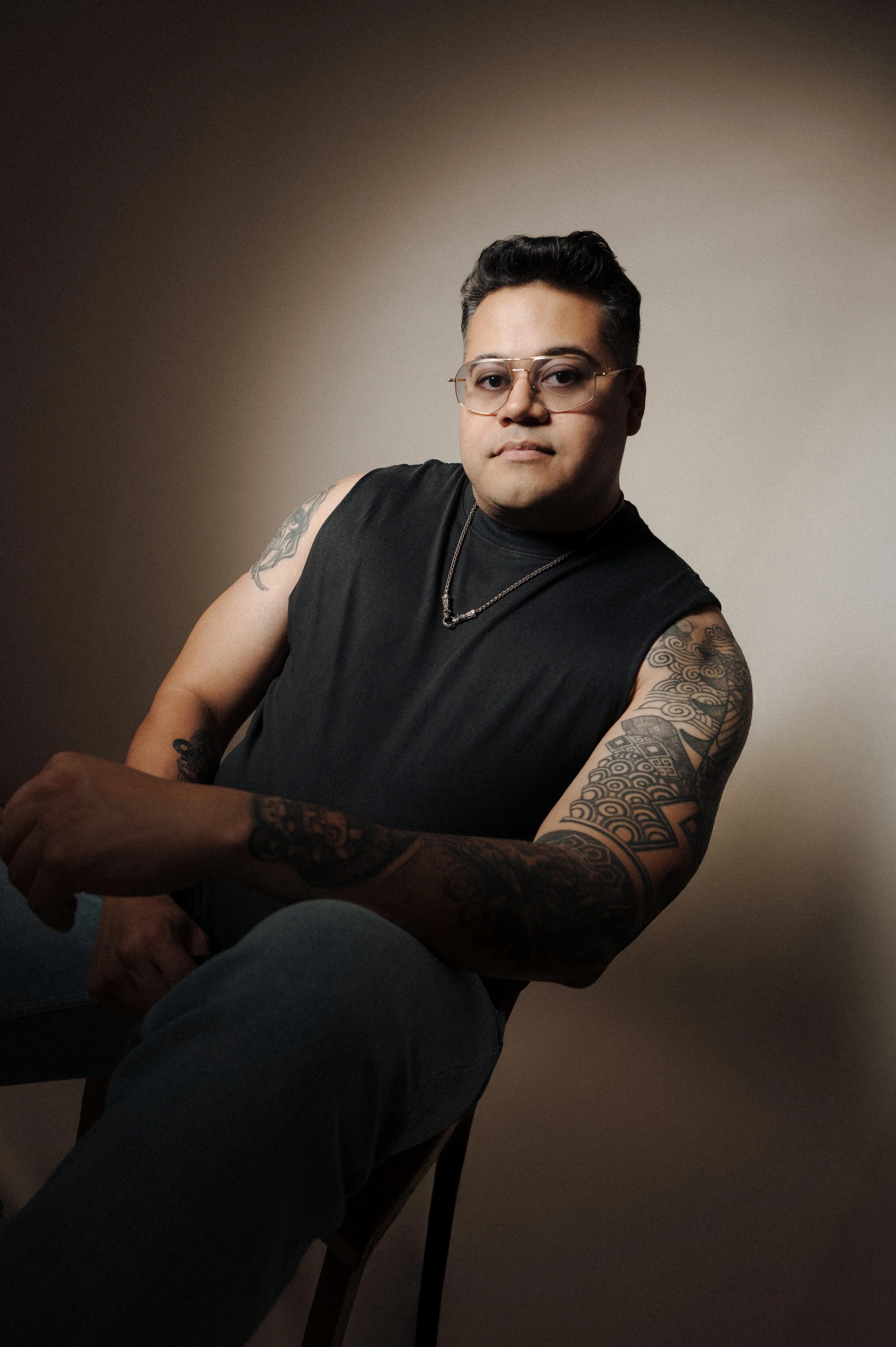
Mexican DJ and producer Lex Valverde enters 2026 with a fresh start, moving on from his Better Than Lex alias and releasing music under his real name. After spending five years in Germany and now based in Amsterdam, he has built a solid presence across clubs and festivals in Mexico, Europe and Japan. His sound is now shifting toward a darker, more rhythm-driven space between tech house and techno, marking a more personal and focused direction.
You’re entering a new phase under your real name, how has that shift changed the way you think about yourself as an artist?
I was at a point in my life where I basically had two lives, my 9-to-5 and my 5-to-whenever. I wanted to merge those together and be the same person, because in essence, I am. I want that to be reflected in the music I put out there. So the next time you listen to a Lex Valverde track, you know that’s Lex, not a trend, not a crowd-pleaser, but 100% me.
When you look back at the Better Than Lex era, what do you feel it captured about that moment in your life and career?
It definitely captured my fun and experimental side. I was still figuring everything out; I was 30 but felt like 20. It was my second artist name, but the first one where I produced and released my own music, which was a big part of building Better Than Lex.
It was all about partying, drinking, trying new things, and learning how to produce and network better. Then last year, when I felt more established and started taking my music career more seriously, it became less about experimenting and more strategic—less party, more sofa time with my fiancée. So it felt natural to evolve into a “better Better Than Lex,” and Lex Valverde was born.
You’ve experienced club culture in Mexico, Germany, the Netherlands and beyond, what are the biggest differences you notice between these scenes?
The maturity of electronic music is quite different depending on the region. In Europe, the scene feels very mature. People are exposed to electronic music from a young age. In Mexico, for example, it wasn’t as popular when I was a kid, so the crowd sometimes needs a bit more guidance to get into the right mood.
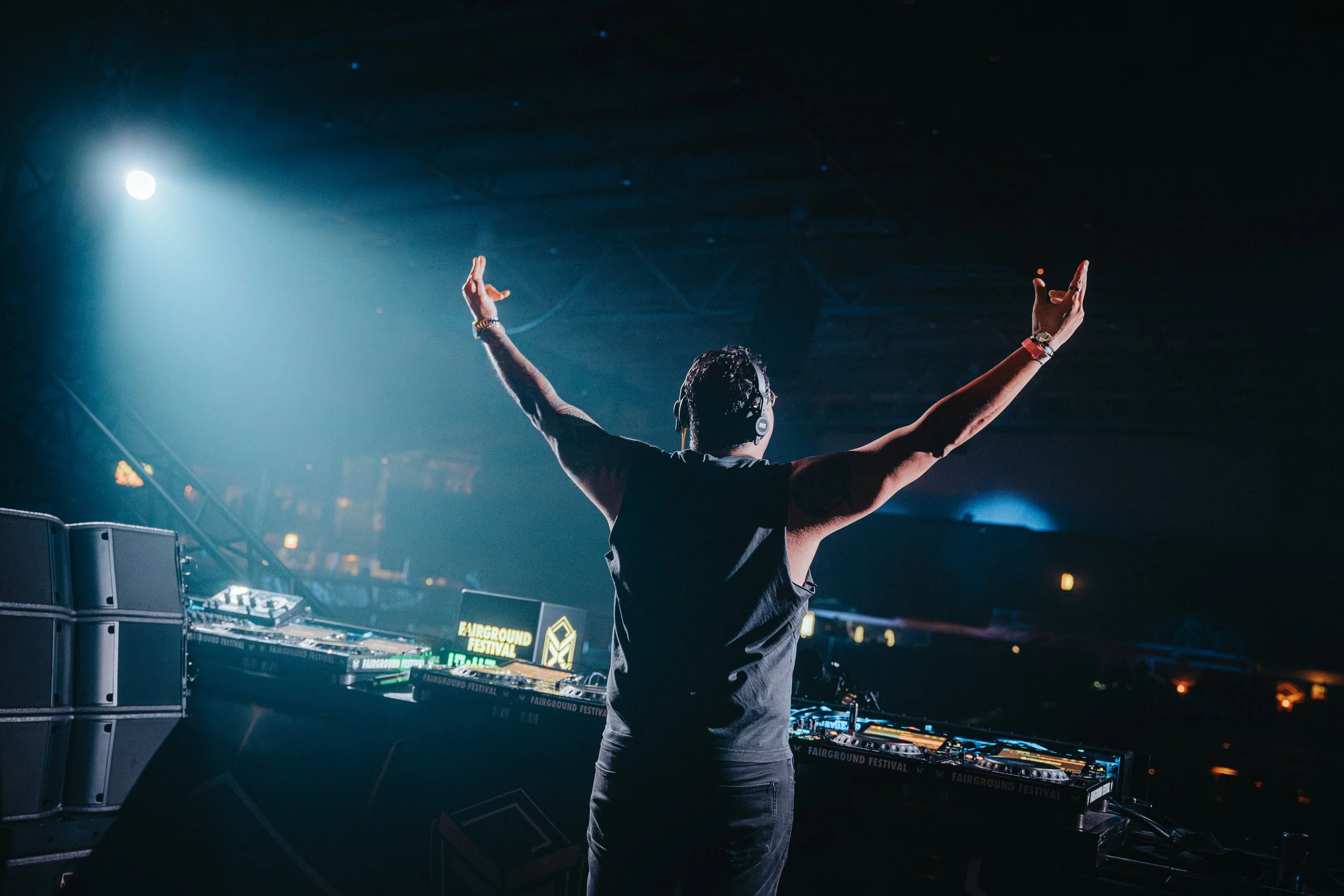
Germany and the Netherlands are much more mature in that sense, and I love playing in both countries. Germany remains my biggest market today, with three festivals confirmed this year so far, plus multiple club nights. The crowd is great and the energy is always high.
At the same time, the more I discover the Netherlands, the more I want to invest and position myself here. There’s a lot of strong competition, but also so many opportunities in the country I now call home.
What does a typical studio session look like for you right now, and how has your workflow evolved with this new direction?
I try to stay consistent. I don’t think I’ve gone more than three days without opening Ableton in the last 12 months. Since moving to Amsterdam, I’ve loved that my studio has a huge floor-to-ceiling window. I almost feel like I’m producing outdoors, which helps me breathe and feel more inspired.
The workflow itself hasn’t changed much. The way I build my grooves is quite consistent. The biggest difference is that I now spend much more time on synths and bassline sound design, and I’m also prioritising writing my own lyrics. That’s something that’s developed since changing my artist name, and I’m really enjoying it.
Your newer productions lean darker and more rhythmic, what draws you to that space at the moment?
It’s funny, because although the music is darker, I actually feel brighter as a person and as an artist. I think the shift comes from where I am in my career. I’ve started getting booked for headliner slots, or at least not just warm-up sets.
I realised I had a lot of great tracks for warm-ups, but not as many for peak-time moments. I love playing my own productions and seeing the crowd react, so I naturally started making music that fits the energy of the sets and venues I’m playing now.
How do you read a crowd when you’re playing, especially in places where the audience might not know your music yet?
I always keep an eye on the crowd and at least one ear off the headphones. I look for reactions, movement, energy. If I play a track with Spanish vocals, I can quickly tell how many Latinos are in the crowd, we’re everywhere and they’re great at lifting the energy because we’re loud people.
So a little pro tip for DJs: if you’ve got Latinos in the crowd, engage with them—they’ll help build the party for you.
You’ve had support from major DJs and radio shows, has that changed the way you approach making or releasing tracks?
Yes and no. It definitely boosted my confidence and motivates me to keep making music, but I try not to produce with specific expectations around DJ support.
My commitment to myself since launching Lex Valverde is to make music I love, music that hopefully others will connect with too, without thinking about a specific DJ, radio show or label.
Outside of music, what influences your creativity, whether that’s visuals, fashion, or something more personal?
I think it’s just my life in general. I’m currently working on a track built around the sound of a kid’s laughter. I’d like to become a dad at some point, so it feels very emotional to me.
At the same time, I recently released a track inspired by a sweaty club night. So inspiration really comes from everywhere, some things are deeper, some are more immediate.
With a packed release schedule ahead, how do you decide what to put out and what to hold back?
I try to put everything out in one way or another, because I believe in my productions. If something doesn’t work for a label, I can self-release it or offer it as a free download.
I think the worst thing you can do is let tracks sit on your hard drive. Music is meant to be shared. You never know who might connect with it, but no one will if it stays on your laptop.
Follow Lex Valverde here!
