
interview by JANA LETONJA
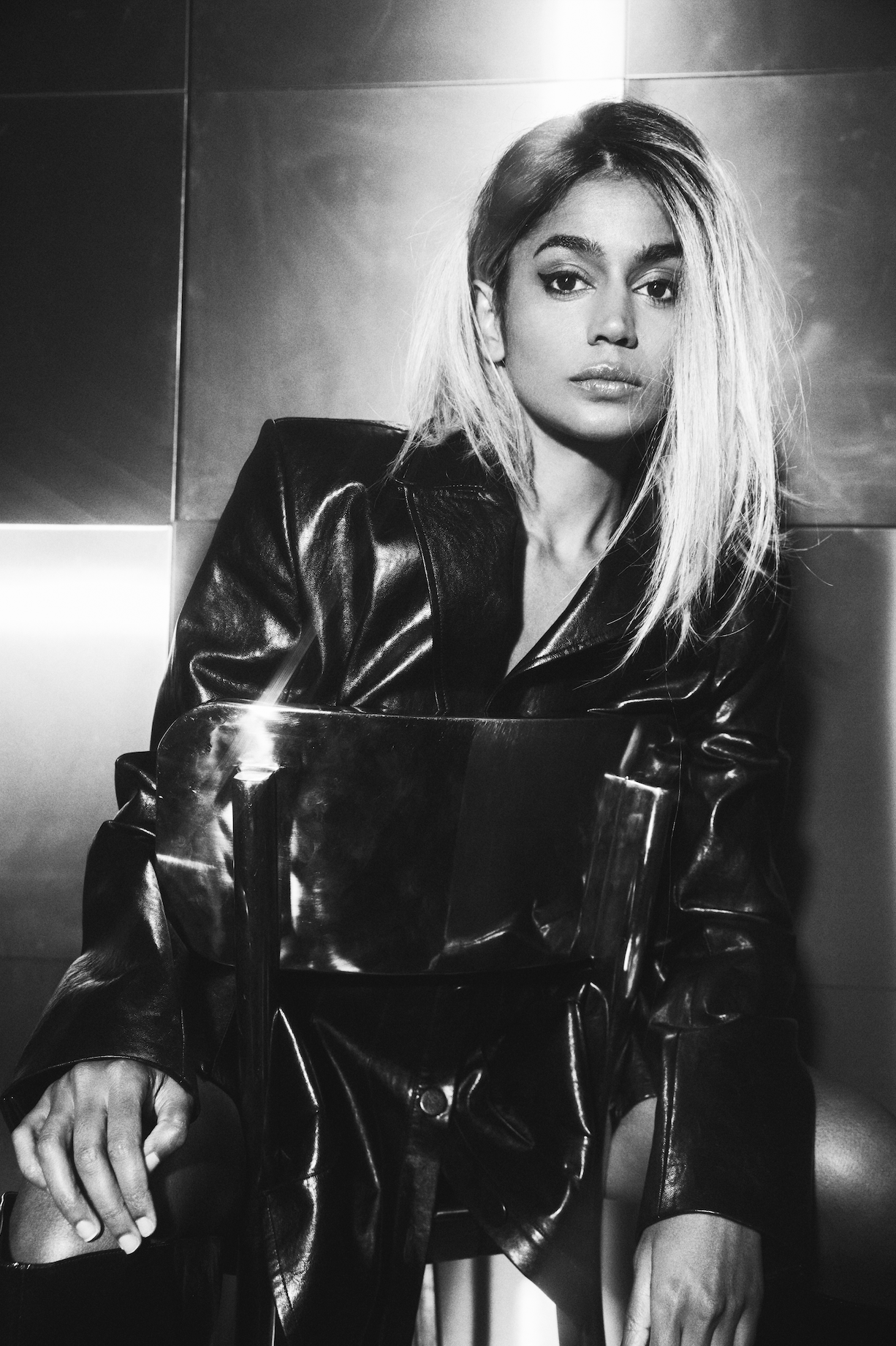
Danish actress Linnea Berthelsen has reignited global fan excitement with her shock return to ‘Stranger Things’ in its fifth and final season. First introduced in season two as Kali, also known as Eight, the long-mysterious sister of Eleven, Linnea’s character has remained one of the series’ most talked-about unresolved threads. Now, with Kali’s dramatic reappearance in the final season, she stepped back into the world of Hawkins at a pivotal moment, bringing renewed emotional depth and intrigue to Netflix’s cultural phenomenon.
Fans were stunned by Kali’s return. What was your reaction when you were first asked to return for the final season?
My reaction was that it was just so unexpected, but lovely to have that conversation. I’d been keeping in touch with Matt and Ross over the years, and they’ve been so supportive along the way, so when I got the call, I didn’t necessarily expect it to be about that. I was in the middle of looking at another potential project when I got an email about going on a call with them, so it was such an unexpected, lovely surprise that they wanted to pitch their ideas and a potential arc for Eight for Season 5.
They took me through her transition, the ‘Terminator 2’ references, her function within the story and the end for the character. And I’m so grateful that they offered her and me such a strong transition, and what I believe is a phenomenal closure of a character arc, as I’m fully aware that this is not an easy thing to offer actors on such a big show.
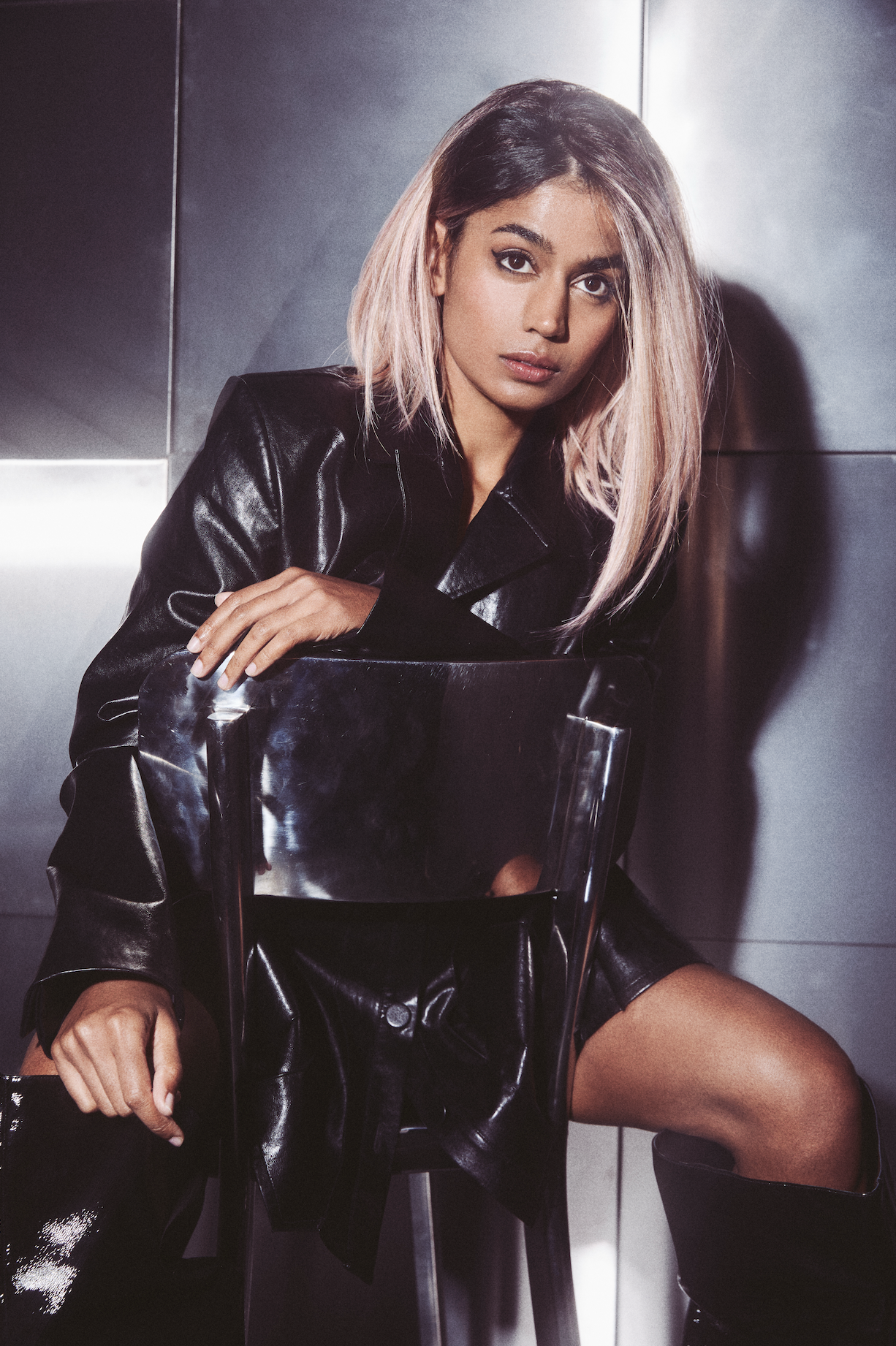
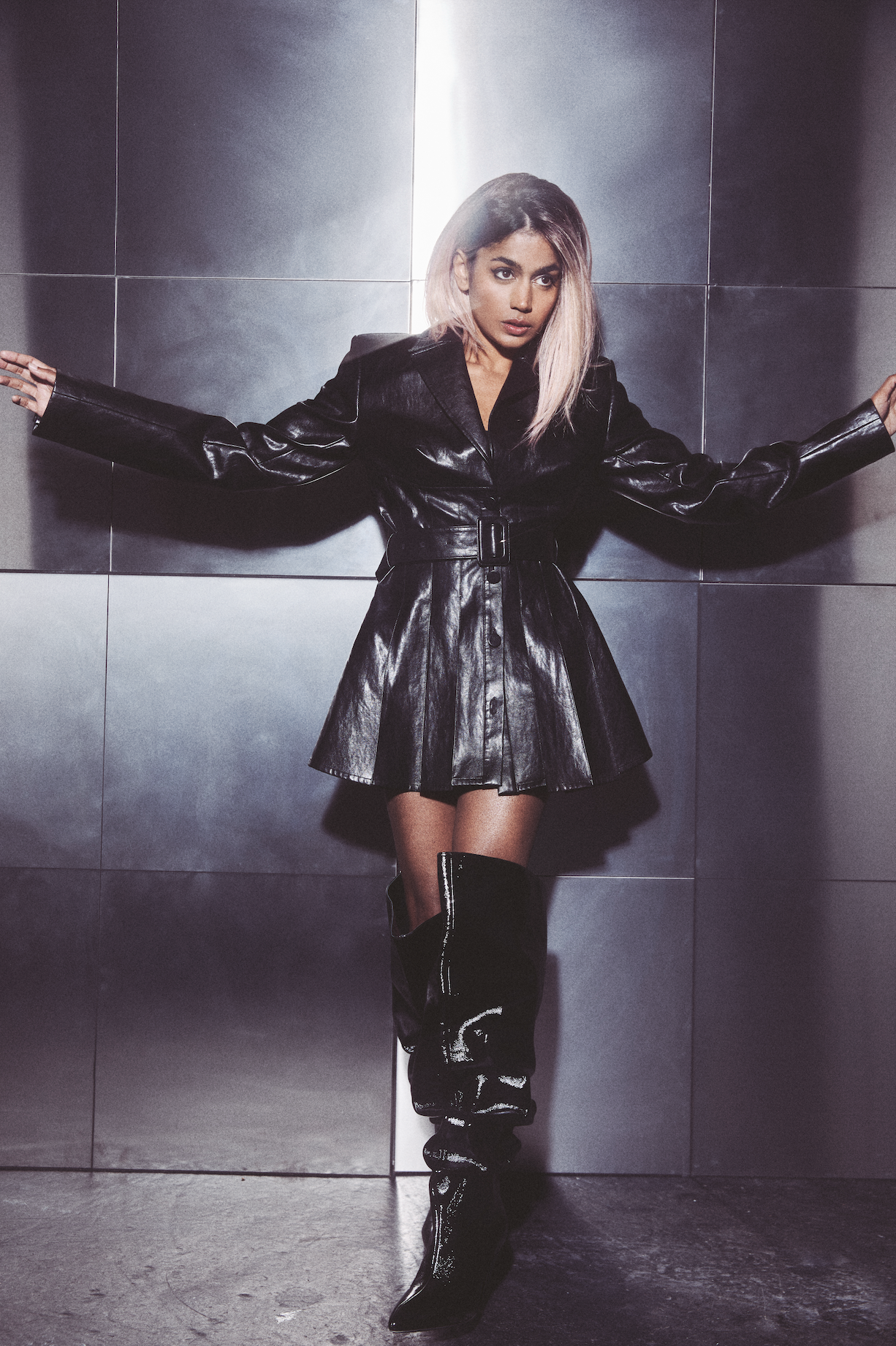
Kali has remained one of the show’s biggest unanswered questions. How do you view her place in the ‘Stranger Things’ universe?
I think, perhaps, her place within the ‘Stranger Things’ universe is exactly that. The unanswered. That element of uncertainty and surprise. She brings tension to the table and some sort of complex, ethical dilemmas. As with the Eleven ending, I think Eight introduces elements of the Trolley Problem and other basic utilitarian questions, which aren’t always easy to answer. And that I find incredibly interesting.
But on a more basic level, Matt and Ross also created her to represent what Eleven could have been had she not met Hopper, Mike, her friends, and been conditioned to unconditional love. A mirror if you will.
What was it like stepping back into the role after so many years away?
It's been lovely. Such a wild challenge though to resurrect a character after 8 years. I think the key for me was to honour the fact that time had passed and that she’s under such different circumstances now. Her friends are gone, her somewhat stable foundation is gone, and I think her personas are gone, because there is no reason for them to exist. All there is left I think, as she is approaching her end, is her guardedness, her deep love for Eleven, and that slight hope to find a way to be worthy of unconditional love.
So, I allowed myself to start from scratch and mostly treat her like a new character in the prep-phase which was really lovely and exciting. I got to take the time to make mistakes, try again and refine with my teachers.
What did it mean to you to help bring closure to Kali’s story in the final chapter?
It meant a lot to me. I know how lucky I am that Eight got that closure. And I think as an actor, you try to protect the character as much as you can. And I think with that ending, I got to protect Eight to the best of my ability, as the audience was allowed to witness how she ultimately opened up her heart, when Hopper showed Eleven pure, unconditional love in Volume 3.
We got to see something that I always knew about her, which is that her intentions are so pure. She cares so deeply for Eleven. And on a personal level, that closure was a lovely way to finish this chapter of my life with Matt, Ross and their brilliant teams.
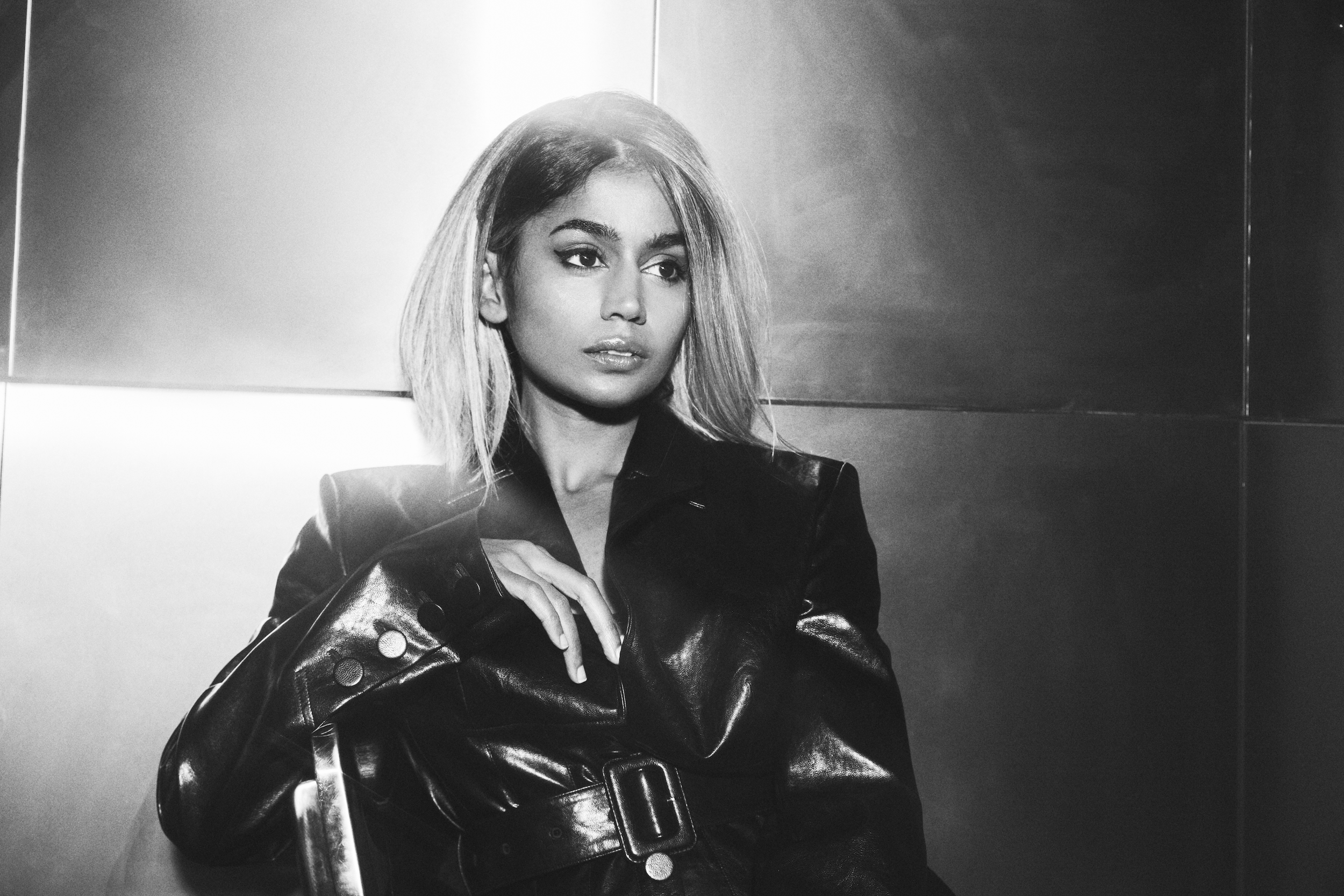
From ‘Stranger Things’ to ‘Devs’, your roles often live in complex, cerebral worlds. What draws you to these projects?
Definitely personal interest is a huge part of it. I think both Alex and The Duffers projects ask you to dig a little deeper, ask those ethical questions, pay attention to nuances and have a bit of understanding of international politics, the world around you, I’d say. Ultimately, The Duffers and Alex Garland are obviously incredible film makers, but they are also incredibly kind people, and they work with incredibly kind and talented people, so that draws me to their projects more than anything.
On ‘Devs’ I got to work with the wonderful Rob Hardy and Alex's wonderful producers Allon Reich and Andrew MacDonald who were just brilliant. And on ‘Stranger Things’, I got to learn from amazing talents like makeup department heads, Devin Morales and Eryn Mekash, who are absolute legends in their field, the wonderful Christo Morse, one of our 1st ADs, who's part of Jesse Armstrong’s legendary ‘Succession’ creative team, but I also got to learn from young talents like Nick Muller, our camera operator, whose work and commitment absolutely blew my mind. They inspire me, and draw me to projects, too.
I’d also say that I’ve spent the majority of my training in comedy, in particular the french clowning tradition, so the fact that people have seen me mostly in rather dramatic settings likely has more to do with timing and being on longer contracts in between ‘Stranger Things’ and ‘Devs’ than with personal interest. I love comedy. And some of the highligts from these jobs are watching superb, comedic timing-based perfotmances by Nick Offerman on ‘Devs’, and Brett Gelman, Gaten Matarazzo and Joe Keery on ‘Stranger Things’.
Has your relationship with acting changed since your early career?
My relationship with acting has definitely changed since my early career. And by design, I should say. As actors, we have to keep growing and adapt to different environments, directors, fellow actors, etc. That’s part of the job. So I guess this forces you to develop that relationship quite significantly.
I never acted as a child, so my process has always been quite structured, but shaped by different types of training and from previous productions.And I ultimately think that working with Alex on ‘Devs’ years ago allowed me to prepare well for the work here on Season 5.
On ‘Devs’, Alex Garland told me that we do two takes, “1 - get it right” and “We do number 2 for variety”, so in other words “No fuck ups”. I think that instilled a healthy discipline in me that I carry to this day. I can prepare to do one-takes, which is helpful. And this really helped me prepare for that one-take that I had to do with the brilliant Frank Darabont. I didn't know Frank, but I had studied his work and I’m such a huge fan of his. He’s a master of this type of work, so you really want to make sure that you bring your A game. We ended up shooting so well together, and I think I was allowed to have that experience because I did ‘Devs’ those years ago.
What kinds of roles or stories are you most excited to explore next?
I honestly don’t think too much about what stories, or roles I want to play. What I hope to find is a great script, and a great director whose vision I can help elevate somehow. That said, I miss theatre, I miss being part of a great ensemble. Also, I love European cinema, the urgency and the grittiness that I grew up with. So, I’d be immensely excited if those type of projects come along.
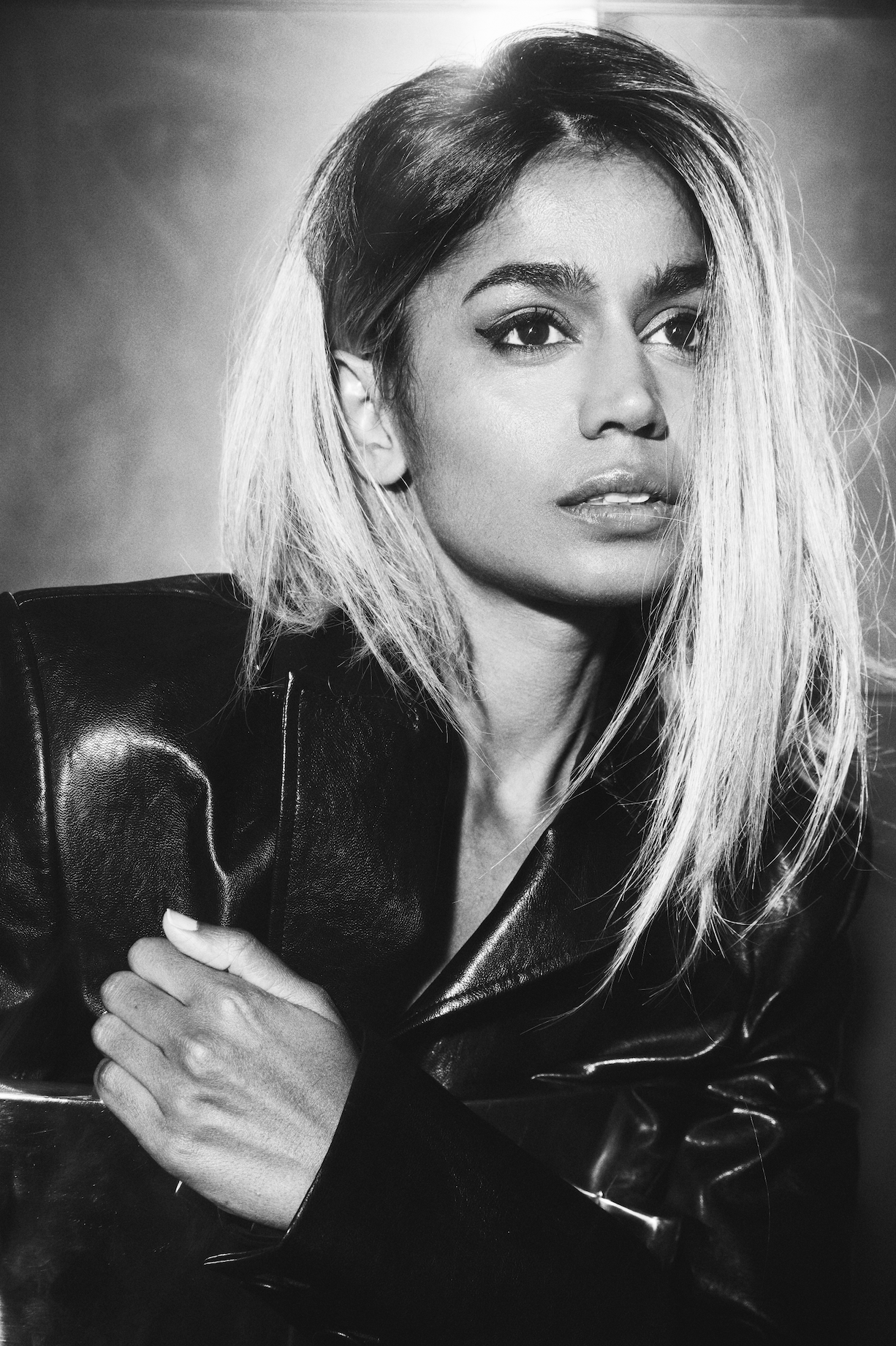
How has growing up and working between Denmark and international sets shaped your worldview?
I think growing up between Denmark and international settings has allowed me to understand more varied perspectives on the world, politics and creative traditions. And working between international sets has made me work towards being quite flexible within my working style to be able to accommodate a variety of creatives and actors who all have very different approaches to the work. And that’s been really exciting.
The British theatre tradition might differ a bit from how Americans approach screen work, and it’s lovely to be able to tap into whatever is needed of you and feel like you’re well-equipped for a specific working style. I went to a more method based drama school in the UK, I studied with British voice teachers from Guildhall and I’ve trained with American movement practitioners for years, and think all of that has helped me be flexible and understand varied worldviews.
What brings you a sense of calm or grounding when you’re not working?
I really love art and museums. I love drawing, and listening to podcasts on politics, art or movies. TalkArt, In Our Time or MUBI’s podcasts are just gorgeous and totally favourites. I studied art in London at this little art school that is run by alumni from Central St Martins. I learned how to draw and I now work mostly in charcoal. So I think, what brings me a sense of calm, are long park walks, museum visits or drawing for a whole day, having coffee and listening to other people talk.
What can you share with us about your upcoming projects?
Unfortunately, I can’t share much at this point, but I can say that I’m quite excited about this year ahead, and I’m very grateful to the people who’ve supported me along the way. I filmed my first little project in early January with an artist that I’ve admired for years, and I’m just so grateful that projects like these are possible at this point.
TEAM CREDITS:
talent LINNEA BERTHELSEN
photography DAVID REISS
styling AIMEE CROYSDILL
makeup CHARLOTTE YEOMANS
hair KAT SUHRE
interview JANA LETONJA