
IN CONVERSATION WITH SELTON MELLO
interview by JANA LETONJA
Selton Mello is one of Brazil’s most celebrated and multifaceted storytellers, an actor, director, and screenwriter whose work has shaped modern Brazilian cinema while resonating far beyond its borders. In recent years, his work has gained renewed international attention, from his powerful portrayal of Brazilian politician Rubens Paiva in I’m Still Here to a slate of bold upcoming projects that position him as one of the most vital cinematic voices emerging from the Global South today. Most recently Mello appears alongside Jack Black and Paul Rudd in the action comedy Anaconda, playing in cinemas now.
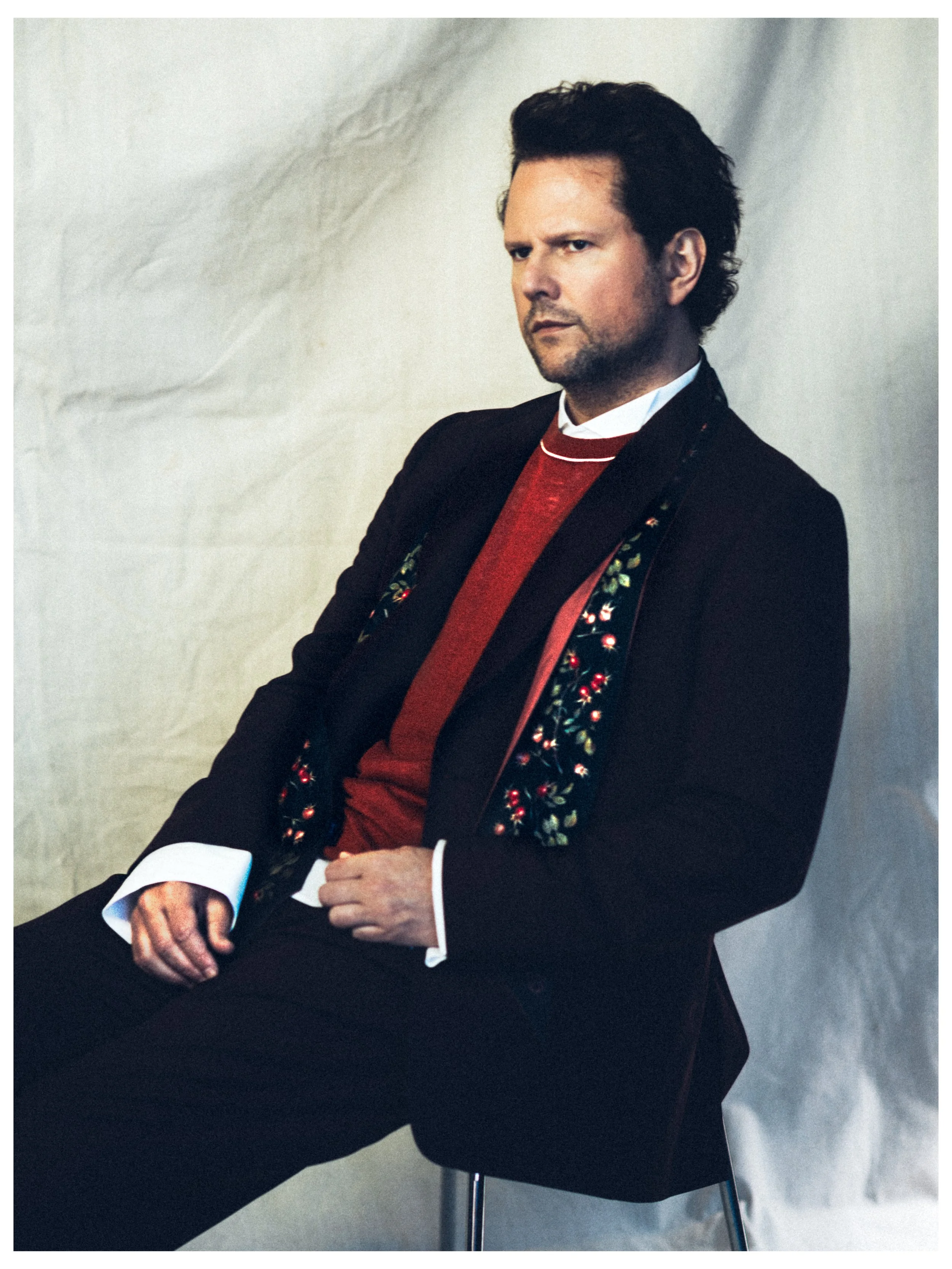
shirt GUCCI
sweater HUGO BOSS
boots SCHOTT NYC
blazer and trousers PAUL SMITH
You’ve worked as an actor, director, and screenwriter for decades. How do these roles inform one another in your creative process?
I started acting on television when I was eight, so I learned very early that acting is play. Growing up inside that world of imagination and creativity, it felt almost inevitable that, at some point, I’d want to explore my creative capacity more fully.
With acting and directing, one feeds the other. When I’m directing, I’m not just learning about what happens behind the camera. I’m learning from the actors I’m working with. They show me paths I might never have taken as an actor. Because I do both, I know how to make the bread, and I know how to eat it.
For instance, when I’m acting, I speak to the director only when necessary. I know they’re under pressure, thinking about two hundred things at once, managing countless departments and decisions. In this sense, acting feels almost like being on vacation. It’s something I’ve done since childhood. It doesn’t demand effort. It’s play. It’s like becoming a child again.
I’ve always had a very active mind, full of dreams and a strong desire to express myself. Acting and directing are complementary for me, and they bring me a lot of joy. And being joyful is the only thing I need in life.
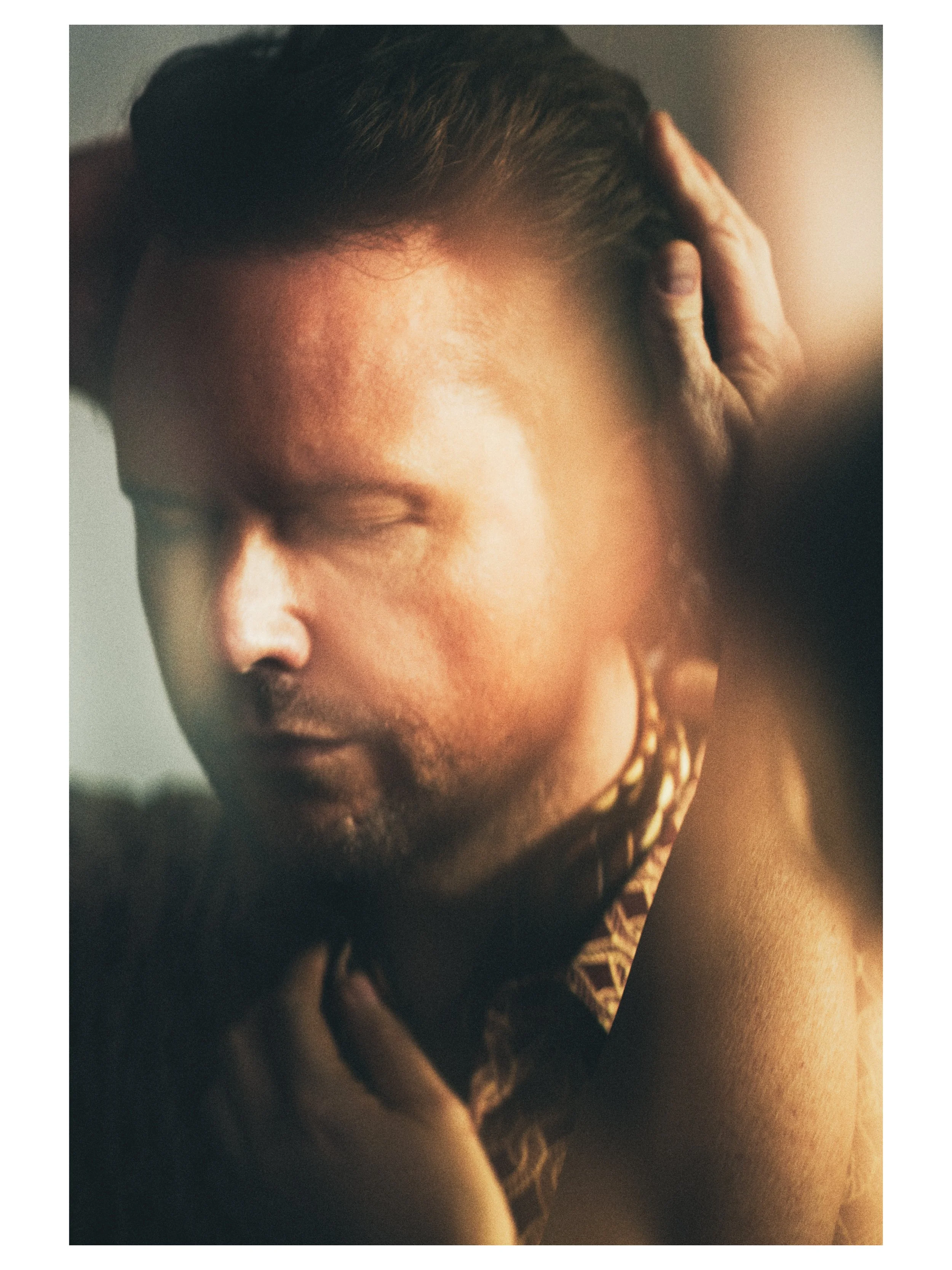
shirt SANDRO
scarf PIERRE CARDIN
trousers DOLCE & GABBANA
boots YVES SAINT LAURENT
Looking back at your early career, did you imagine your work would one day reach such a global audience?
I was a very introverted child, with a very fertile imagination. And I still am. I’m still that boy, just inside the body of a grown man. I keep that boy close to me. He protects me.
I dreamed big. I don’t know if everyone reading this interview is interested in this kind of thing, but I am, astrology. I’m a Capricorn. I was born on December 30, right at the end of the year. Capricorns are known for being focused and persistent, so it doesn’t surprise me that at this stage of my career I’m living something so meaningful.
Life is a construction process. You lay one brick, then another, then another. I come from a very simple family, from a small town in the countryside of Minas Gerais, in Brazil. I’m the one who asked to become an artist. My parents could have said “No, go work in an office, get a regular job.” But instead, they saw something different in me, a certain sensitivity, and they gave me wings. They supported me completely. I’ve always been a builder of my own dreams. That’s very Capricorn, I think. You know where you want to go, even if it takes five, ten, twenty years. And now I’m living a very special moment, internationalizing something I’ve been doing in Brazil for over forty years. Bringing my sensitivity, my creativity, my sense of humor, what I carry in my heart, to people who are just discovering me now. That’s something I always dreamed of.
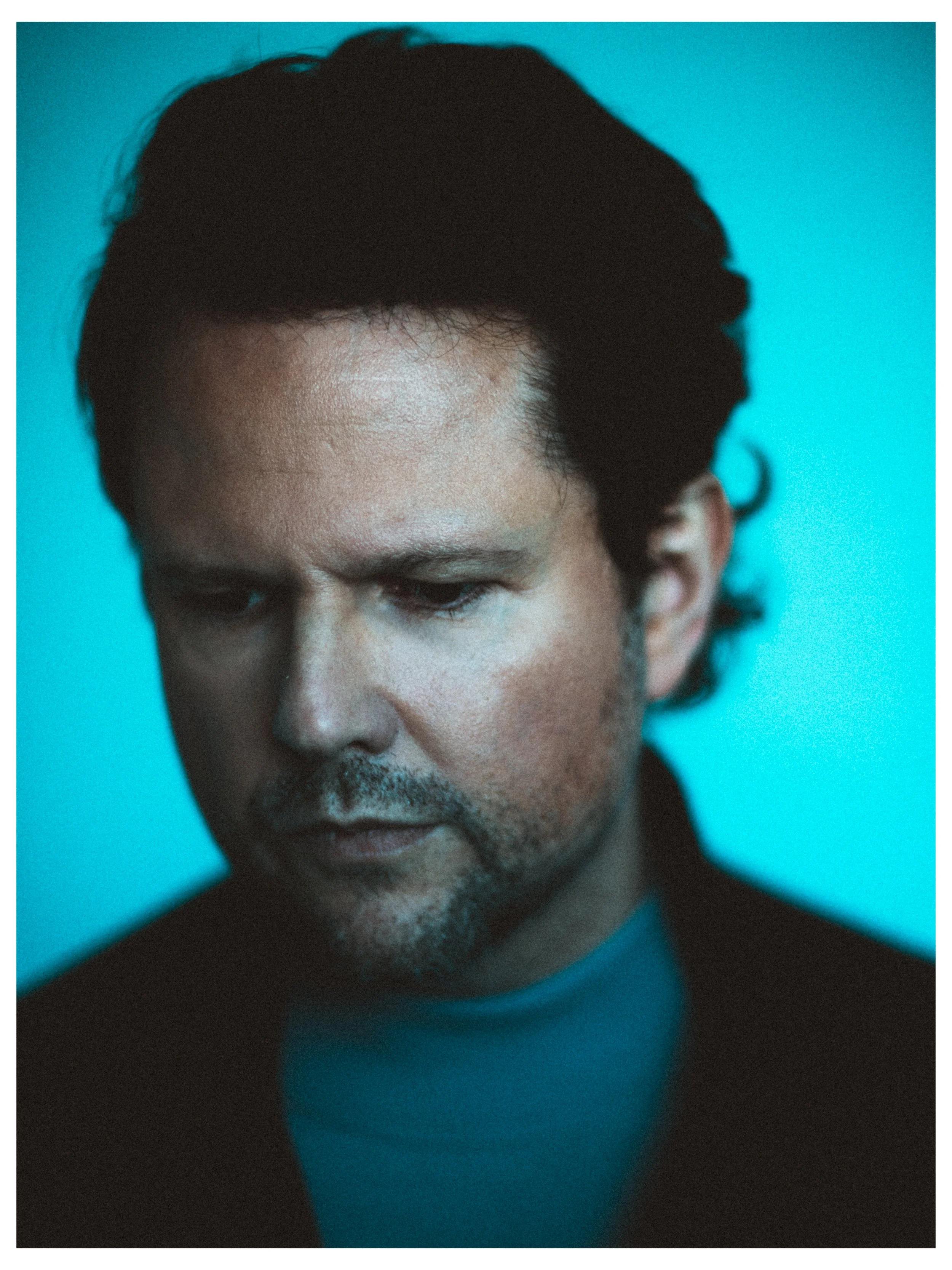
turtleneck SANDRO
jacket and trousers LACOSTE
boots YVES SAINT LAURENT
Films like ‘The Clown’ and ‘A Dog’s Will’ have become cultural touchstones in Brazil. Why do you think those stories continue to resonate?
Thank you for this question, because you mentioned two films that are very important in Brazilian cinema, for very different reasons. ‘A Dog’s Will’ is based on a stage play, written by the cultural icon Ariano Suassuna, that’s considered the most performed play in Brazilian history. It’s been staged thousands of times, by students, amateur theater groups, during festivals, across generations. Our film version became something definitive for Brazilian audiences. I play Chicó, a character who has been loved by generations. That film placed me deeply inside the heart of Brazilian popular culture, and I’m very proud of it.
‘The Clown’ is something else entirely. It’s a very personal film. I wrote it, directed it, and played the lead character, Benjamin. It came from a moment in my life when I was questioning everything. I was in my early thirties, asking myself, am I really an actor? Why have I been doing this since I was a child? Am I tired?
Capricorns carry a lot of responsibility on their backs. There’s even this idea of the Capricorn as an old child, an old soul. That emotional and spiritual weight went into the film. ‘The Clown’ is a very intimate meditation on vocation, whether something is a calling, or a burden that starts to weigh on you. The audience connected deeply with Benjamin’s questions. It’s a rare film. It’s an indie, arthouse movie that became a blockbuster. Millions of people saw it. It won over fifty awards worldwide. It represented Brazil in the Oscars race that year. And for me personally, it marked the consolidation of my work as an author.
Thanks for asking about these two films. Giving interviews like this is almost like therapy. You reflect, you analyze, and sometimes you discover things you hadn’t realized before.
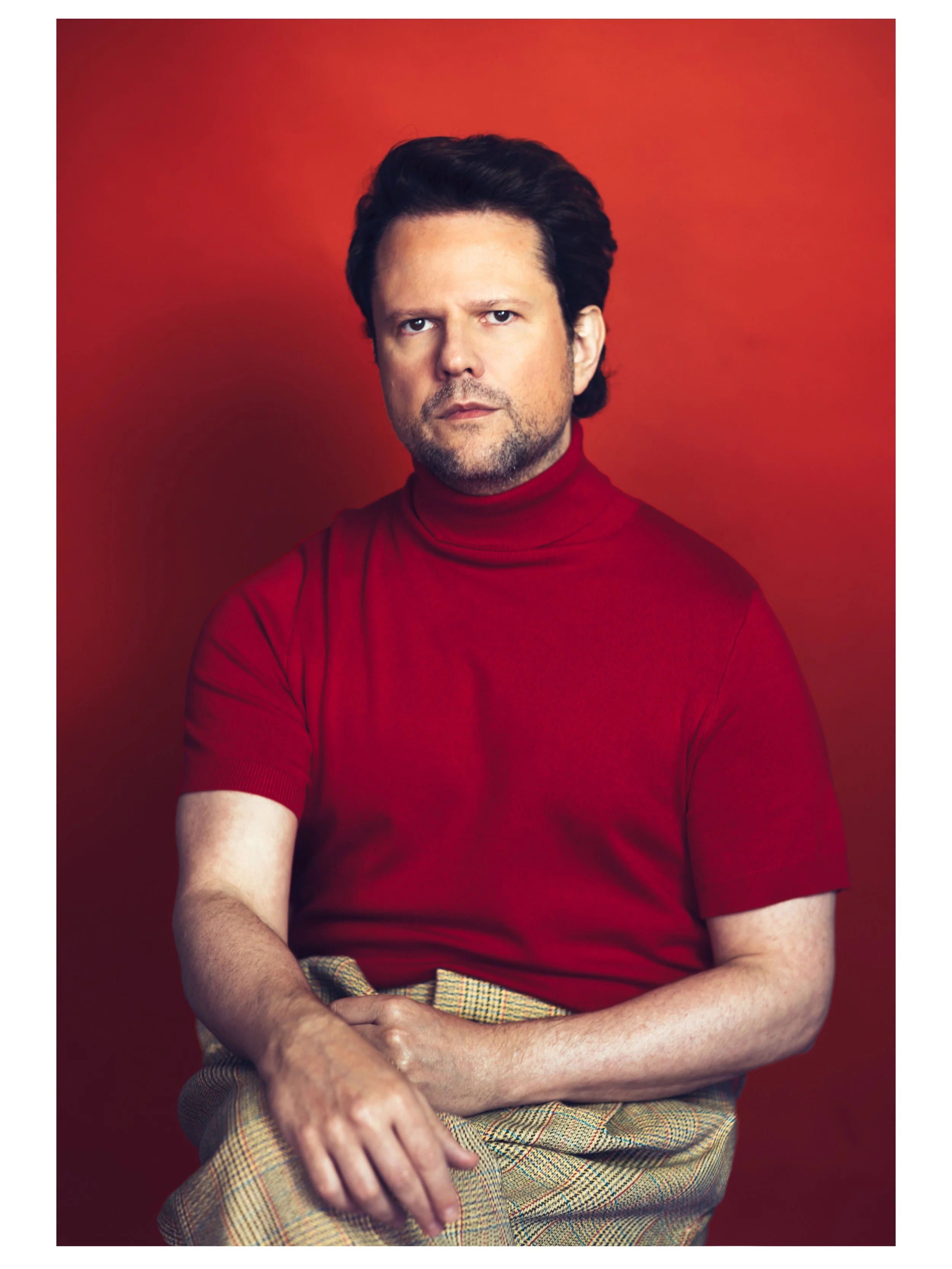
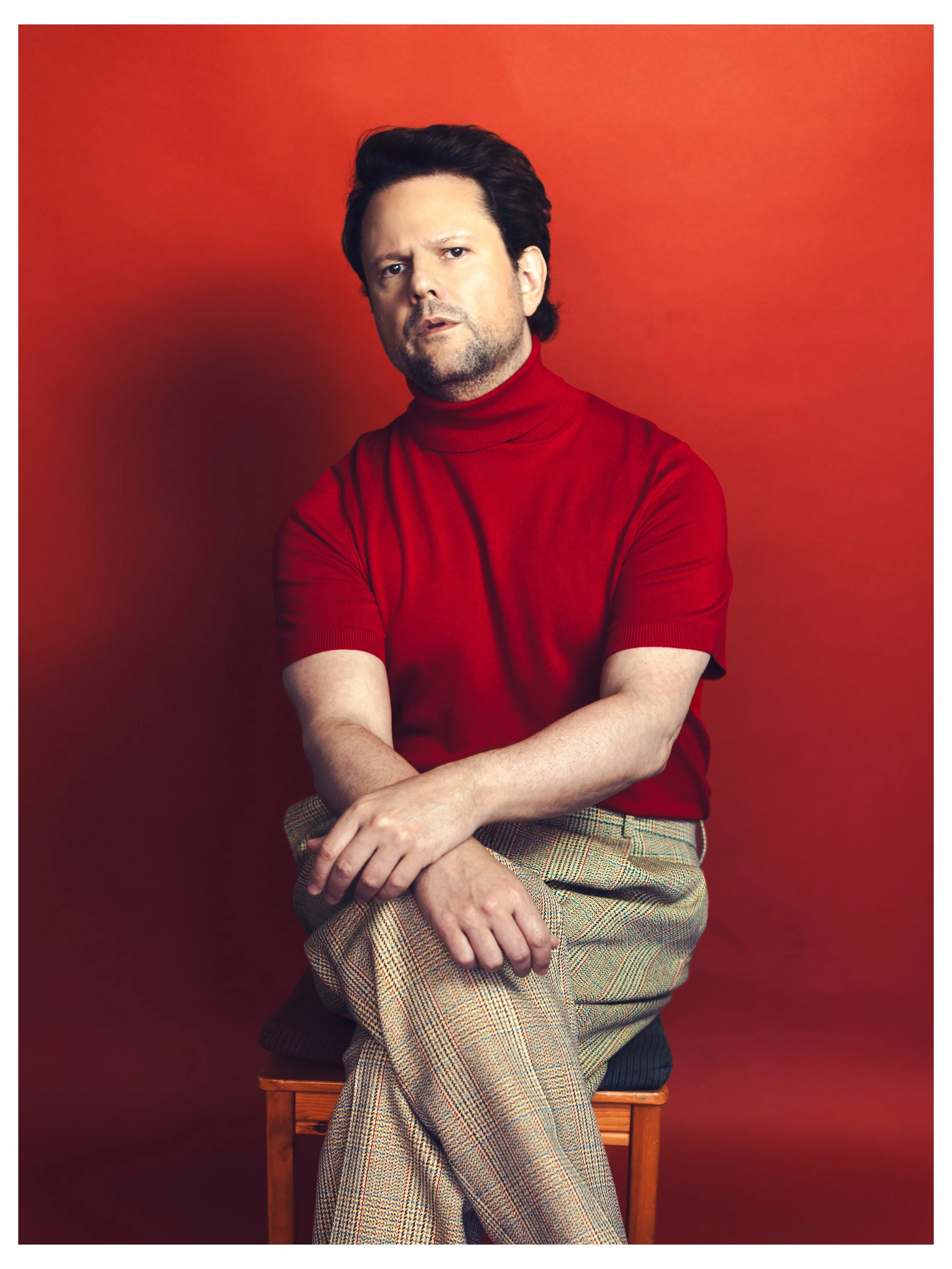
turtleneck H&M
trousers BOTTEGA VENETA
boots FRAY LONDON
How do you balance humor and melancholy, which often coexist so beautifully in your performances?
Melancholy runs in my veins. It’s part of my DNA, part of my soul from Minas Gerais. It’s a region surrounded by mountains, and that shapes people. There’s something introspective, spiritual, and yes, melancholic in that landscape. That sensibility allows me to see humor, tragedy, beauty, and absurdity coexisting in everyday life. And I’m grateful that I can express that as an actor, a writer, and a director.
At the end of the day, artists are observers of humanity. We lend our bodies and souls to characters that help fill emotional gaps in the people watching. And the audience, whom I deeply respect, are coauthors of everything I’ve done. They watched me grow in Brazil. And now they’re cheering as a Brazilian artist goes out into the world. It feels like Brazil, as a symbolic mother, is saying “He’s ready. He has something to say to the world.”
Portraying Rubens Paiva is deeply tied to Brazil’s political memory. How did you approach such a historically and emotionally charged role?
It was a profound honor to portray Rubens Paiva. It was a spiritual encounter, with the Paiva family, and with Walter Salles, who is one of the great filmmakers of all time. Playing Rubens was painful. I gave life to someone whose life was violently taken. My role was to fill the first part of the film with light. I was the sun of the movie. And when I leave the story, that light disappears. The windows close, the curtains shut, and darkness takes over, the darkness of dictatorship, of lives interrupted.
The entire journey of the film was extraordinary. From preparation, to filming, to its incredible reception, culminating in Brazil’s first-ever Oscar win, which happened during Carnaval. Our people were celebrating in the streets. It was the closest I’ve ever felt to what an athlete might feel representing their country. Crowds applauded us wherever we went. There was a deep sense of collective pride.
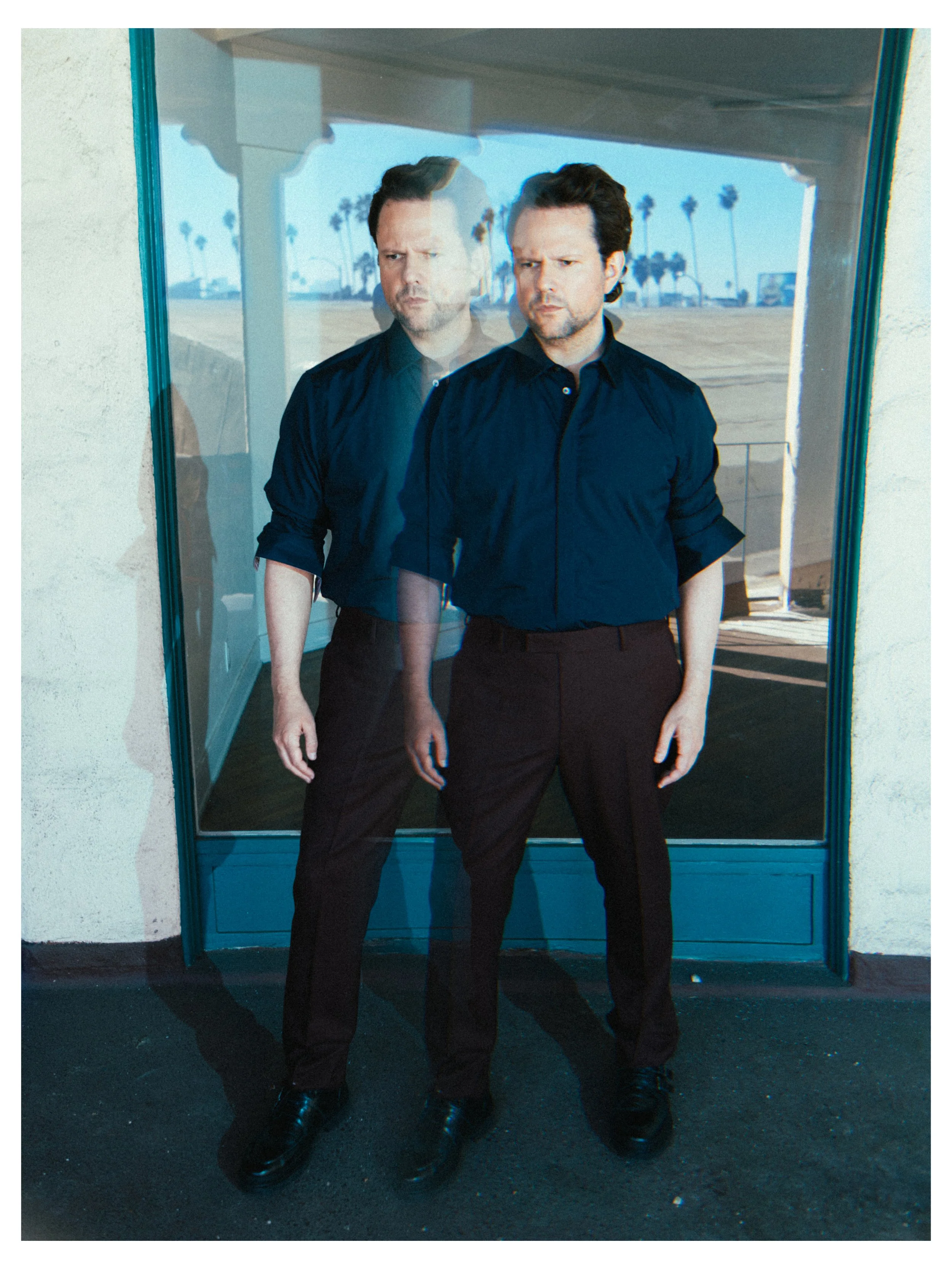
full look PAUL SMITH
How was it sharing the screen with Fernanda Torres on a project of this emotional weight?
Fernanda is a great actress, but above all, a great human being and a dear friend. We had worked together before, but this material was real, powerful, and painful. One of the hardest parts was knowing Ruben’s fate. As an actor, I had to forget what I knew. I had to live the present moment truthfully. That’s incredibly difficult, and we managed it thanks to Walter Salles’ sensitivity and guidance.
The film’s reception at TIFF brought renewed international attention. Do you feel cinema from the Global South is finally receiving the visibility it deserves?
The response actually began earlier, in Venice, London, then TIFF, New York, etc. Everywhere, audiences connected emotionally. When Rubens disappears, people feel his absence as deeply as the protagonist does.
This journey opened doors. It expanded how the world looks at Brazilian cinema and our creative power. After ‘I’m Still Here’, the world sees Brazil in a new light. That’s been beautiful to witness, and it’s creating new opportunities for other Brazilian talents as well.
You’re starring in ‘Anaconda’ alongside Jack Black and Paul Rudd. What excited you about this project?
Expanding my creative possibilities. It’s my first Hollywood film, something the boy Selton dreamed of. This whole process is so new to me. And so inspiring.
It was mind-blowing making a film that would premiere simultaneously around the world.
Santiago, the snake wrangler in ‘Anaconda’, has been very well received. When I talk to people who’ve seen the film, he keeps coming up as one of their favorite characters. That was possible because Tom Gormican gave me the freedom to create. He gave me a kind of passport into this new world, and I’ll be eternally grateful for that opportunity. And that sense of freedom was amplified by the generosity of the main cast. Jack Black and Paul Rudd aren’t just huge stars, they are generous, adorable, genuinely kind people. They gave me a ton of support on set and cheered like old pals for ‘I’m Still Here’. They followed the Oscar campaign, asked about my work. It was love at first sight.
That atmosphere gave me confidence to act in another language without fear. The new can be scary, but it’s also stimulating.
Right after ‘Anaconda’, I made a beautiful film called ‘La Perra’ with Dominga Sotomayor, a fantastic Chilean filmmaker. That was another first for me, because it was in Spanish. I realized that Latin American cinema was calling me more and more. This is a very new moment in my life. It’s exciting, because it feels like I’m now taking what I’ve done in Brazil for years and bringing it into the world, just on a broader scale. I’m speaking to an audience that doesn’t know me yet, an audience that’s just starting to discover my work. And maybe someone watches ‘Anaconda’ and thinks “Who is that guy? I want to see more of him.”
Then they go looking for my other films. Maybe they connect the dots, realizing that Santiago from ‘Anaconda’ is the same actor as Rubens Paiva from ‘I’m Still Here’. New doors open. New people appear. New creative possibilities arise. And that’s growth. That’s expansion. Spiritually mostly. And that is a beautiful thing to live.
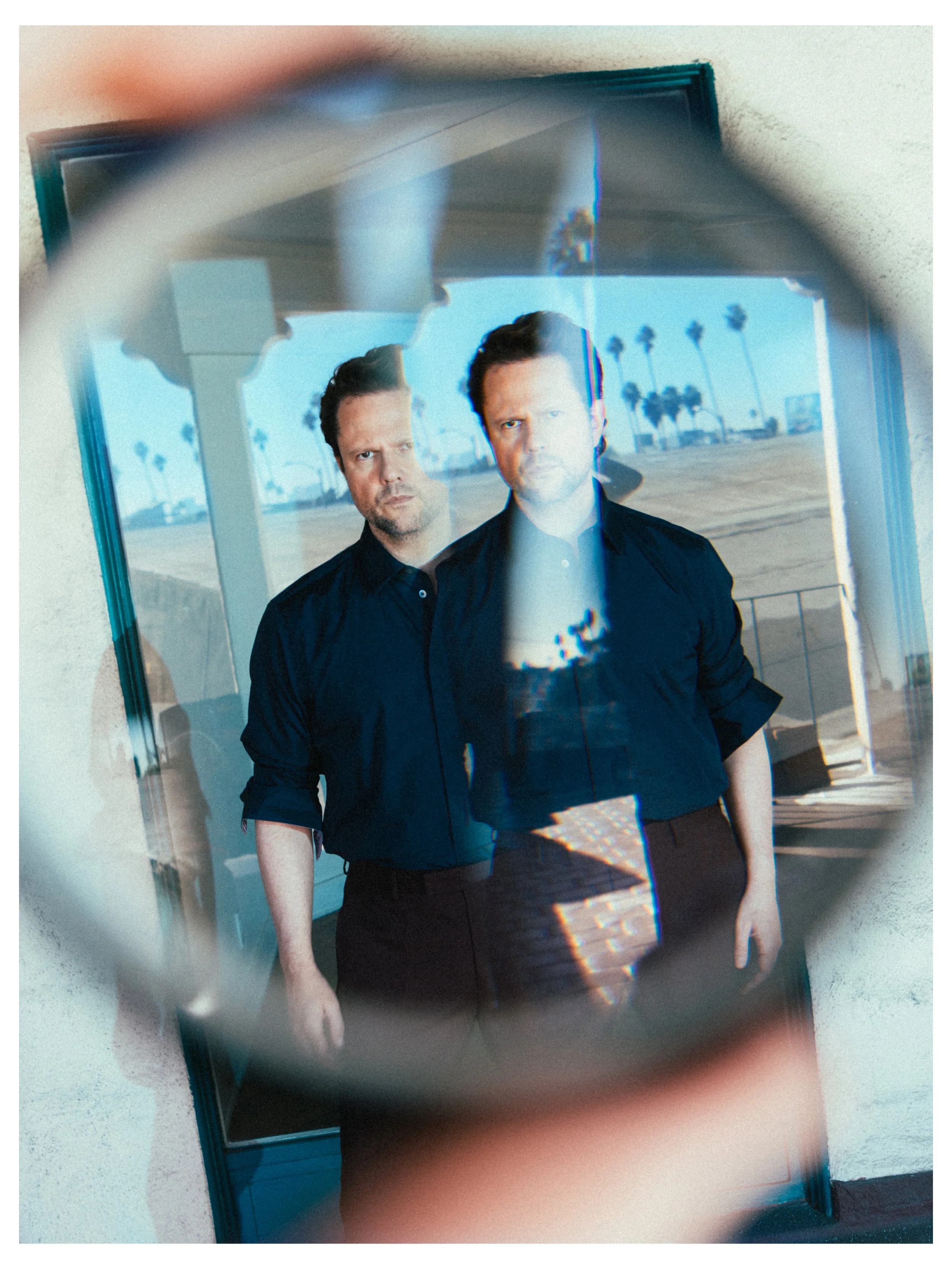
full look PAUL SMITH
‘Bury Your Dead’ explores apocalypse, faith, and longing. What drew you to Edgar’s journey, and what was it like premiering at Sitges?
Sitges is the perfect place for a film like this. It embraces bold, fantastical, and unconventional work.
Edgar Wilson is a rich character who carries darkness within him, and the film blends horror with art cinema in a way that deeply fascinated me. The film speaks about the apocalypse, about the end of the world, while freely mixing genres. But at its core, it’s an arthouse film.
It was a joy to play Edgar Wilson, a very complex character who literally carries the devil inside him.
Produced by one of ‘I’m Still Here’ producers, the visionary Rodrigo Teixeira, and directed by the beloved and super talented Marco Dutra, the film is now being released in an arthouse film circuit in the United States. ‘Bury Your Dead’ is something completely different for people who know me from ‘I’m Still Here’ and ‘Anaconda’, which is a massive blockbuster.
How do you choose projects that challenge you without repeating familiar ground?
In Brazil, I’ve always tried to balance projects with a strong popular appeal alongside more experimental work. What I’m doing now is essentially the same thing, just on an international level. That balance is something I’ve always pursued and now I’m finding it again.
‘I’m Still Here’, ‘Anaconda’, and ‘La Perra’ are three different genres, three different tones, and three different ways of expressing myself.
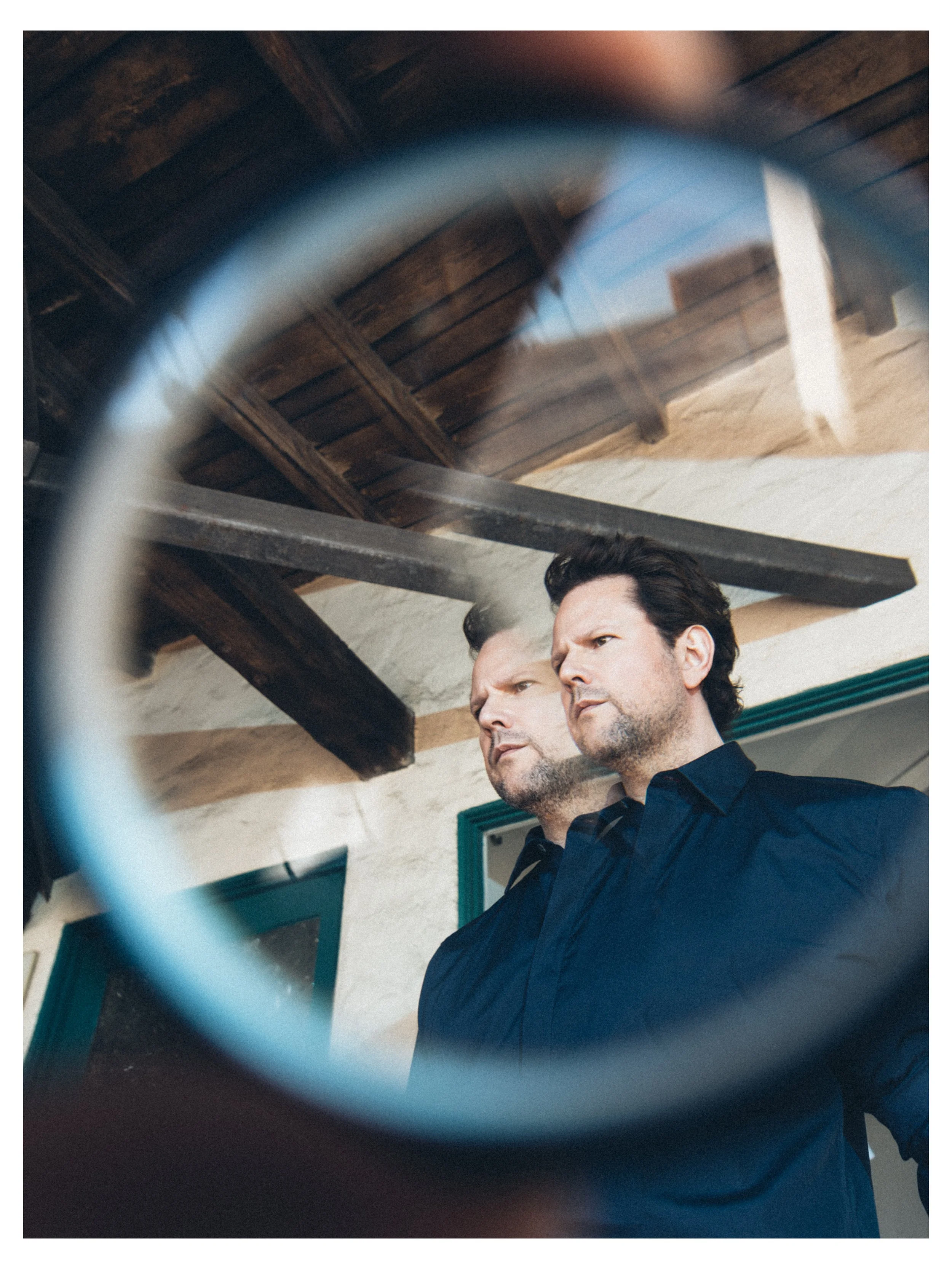
full look PAUL SMITH
At this stage in your career, what excites you most creatively?
What excites me is keeping that spark in my eyes. Never becoming stagnant. Always challenging myself, challenging my senses, challenging my certainties.
When I’m acting in another language and another culture, like I have been doing recently, I am excited by the unknown. Discovering new places, new cultures, encountering people with different ways of thinking and different backgrounds. That exchange is beautiful. I’m truly happy with the success of ‘Anaconda’, and deeply moved by the reception of Santiago, who is a very special character to me. It’s a Hollywood debut I couldn’t have imagined in a better way, alongside great people. Not just great talents, but great human beings.
And all of this keeps expanding the path. I think that’s who I am, an explorer, a real Capricorn, a dreamer, a hard worker, someone who learned early on that if you don’t take the reins of your own destiny, no one will do it for you. I keep moving forward with joy in my heart, always chasing it, always trying not to stagnate or stand still. I’m in constant motion. Always wanting more. Always wanting to offer the audience something emotionally powerful. To offer reflection. To allow the audience to complete my work. More than anything, I want people to feel. Not just watch, but feel. Feel deeply. The way I feel deeply.
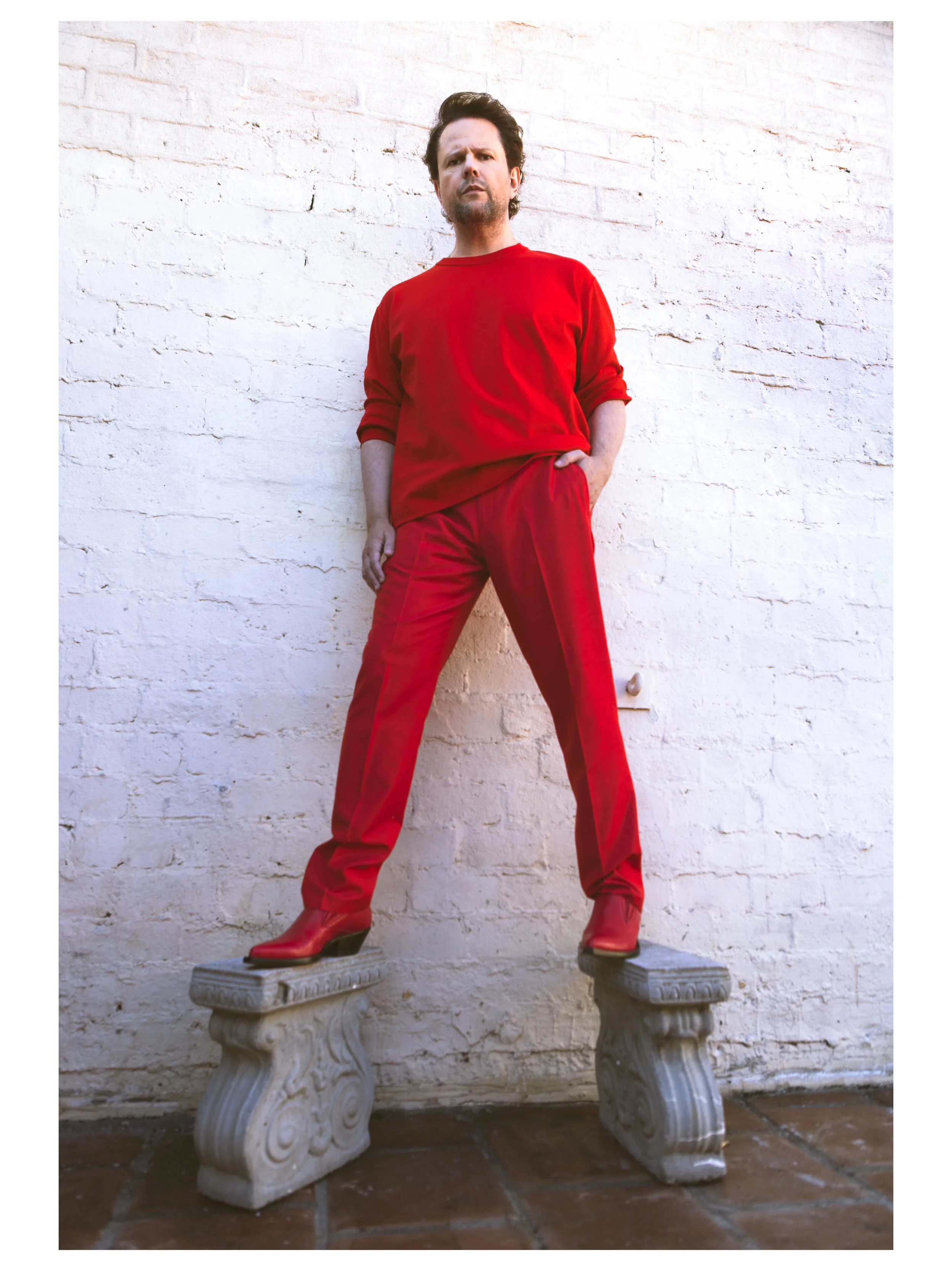
sweater COS
trousers YVES SAINT LAURENT
boots SONORA
TEAM CREDITS:
talent SELTON MELLO
photography NICK RASMUSSEN
creative direction NICK RASMUSSEN and PATRICIA ZUFFA
styling and fashion production SU TONANI
hair and makeup LOUISE MOON at Cloutier Remix Agency
production assistance JADEN BURNETT
editor TIMOTEJ LETONJA
editorial direction and interview JANA LETONJA
