
IN CONVERSATION WITH LIV HILL
interview by JANA LETONJA
Actress Liv Hill is stepping into an exciting new chapter as she prepares to make her West End debut at London’s Ambassadors Theatre this May, playing Jane in the critically acclaimed play 1536 recently nominated for Best New Play at the Olivier Awards. She first broke through in the BBC’s powerful drama Three Girls, earning a BAFTA nomination for Best Supporting Actress, and later delivered a widely praised leading performance in the independent film Jellyfish, portraying a teenage carer navigating family hardship while discovering her voice through stand-up comedy. More recently, she starred as Young Catherine de Medici in Starz’s The Serpent Queen, and will soon appear in Faith alongside James McAvoy and Erin Doherty.
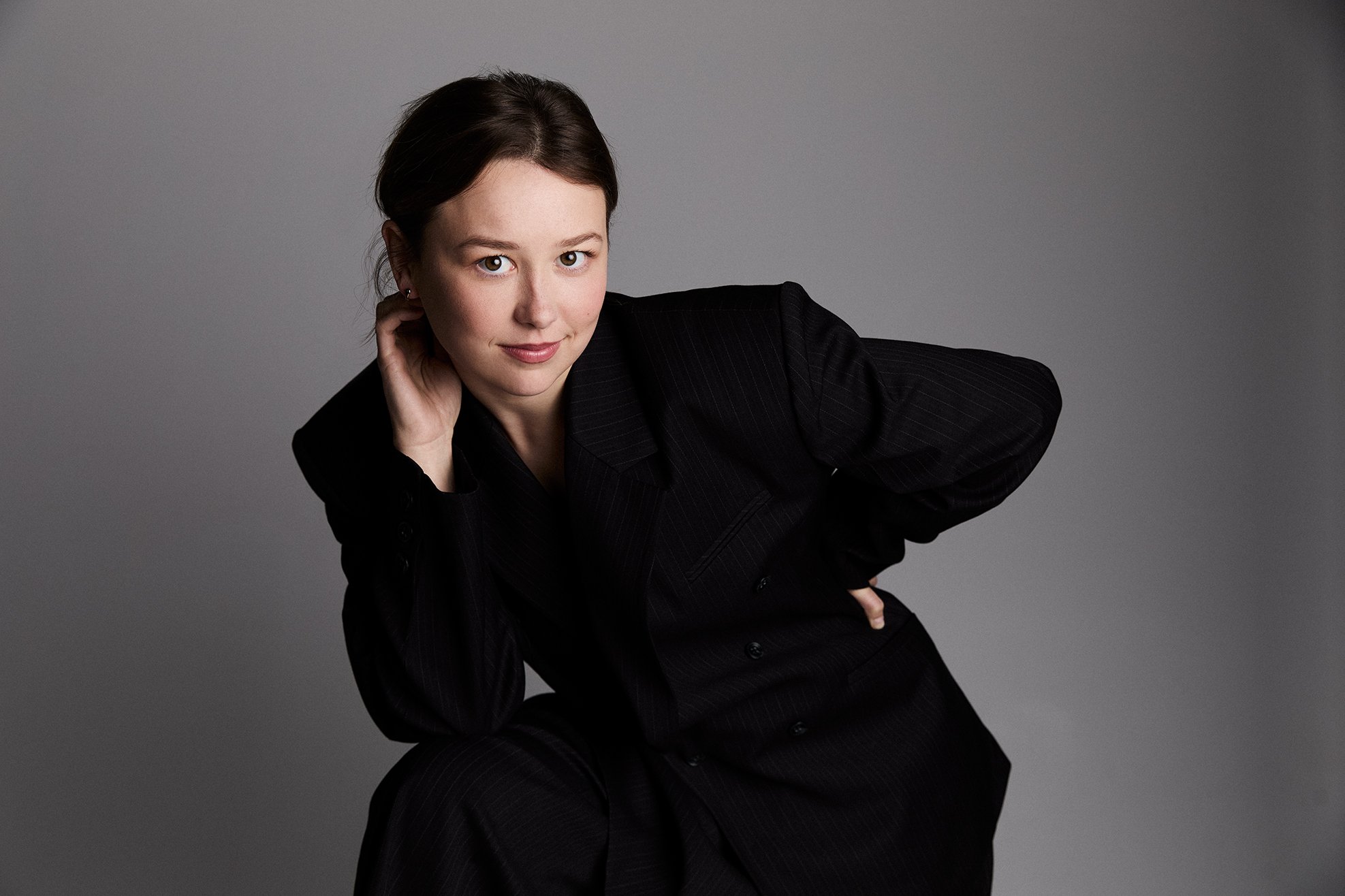
You’re about to make your West End debut at the Ambassadors Theatre. What does this milestone mean to you personally?
To be making my West End debut with this particular play at this particular time feels very meaningful to me. I feel incredibly passionate and grateful to help tell the story of 1536 at the Ambassadors Theatre this year. I have also heard that the schedule of performing in a show in the West End is a different kind of discipline that I’ve yet to experience, so I feel excited, if not slightly apprehensive, for the challenge.
The play has already been nominated for Best New Play at the Olivier Awards. How did you react when you heard the news?
For a new play that had only a 5-week run last year at The Almeida Theatre, to be nominated for best new play at The Olivier’s was no mean feat. I was delighted for Ava, the writer, and I hope the nomination brings more people to watch it.
LuckyChap Entertainment joining the production is a major moment. Does that level of support change the way you view the project?
It is wonderful that such a brilliant production company is on board. It hasn’t changed the way I view the project, though. From the moment I first read 1536, I knew how special it was, but to have such a production team like LuckyChap believe in this story as much as we do feels very exciting and hopefully can bring it to wider audiences.
What initially drew you to the character of Jane?
Where to start? A year on, and I’m still discovering so much about this character. All the characters are so rich on the page, but what I loved about Jane initially was that she is full of contradictions. She is incredibly funny, sweet and yet has a very tough and somewhat ruthless inner streak when scared, which I found compelling and disturbing in equal measure. This part has really taught me to always question authority, question the boundaries that society sets, to be brave and raise your head above the parapet when necessary, because the cost to your own sense of self and to your freedom by floating through life based on others’ expectations is far too great.
How has your approach to preparing for this stage role differed from your work on screen?
The biggest difference for me is the rehearsal process. On screen, the preparation often feels solitary, and I have to rely a lot on my instincts beforehand. With theatre, however, we are given the time to explore the text collectively and really understand the type of show we want to create together. These few weeks of preparation before performing it to a live audience allow for a lot of risk-taking and experimentation in a private space, which I find thrilling. Screen work, in my experience, tends to demand immediacy and precision straight away, which can be quite daunting.
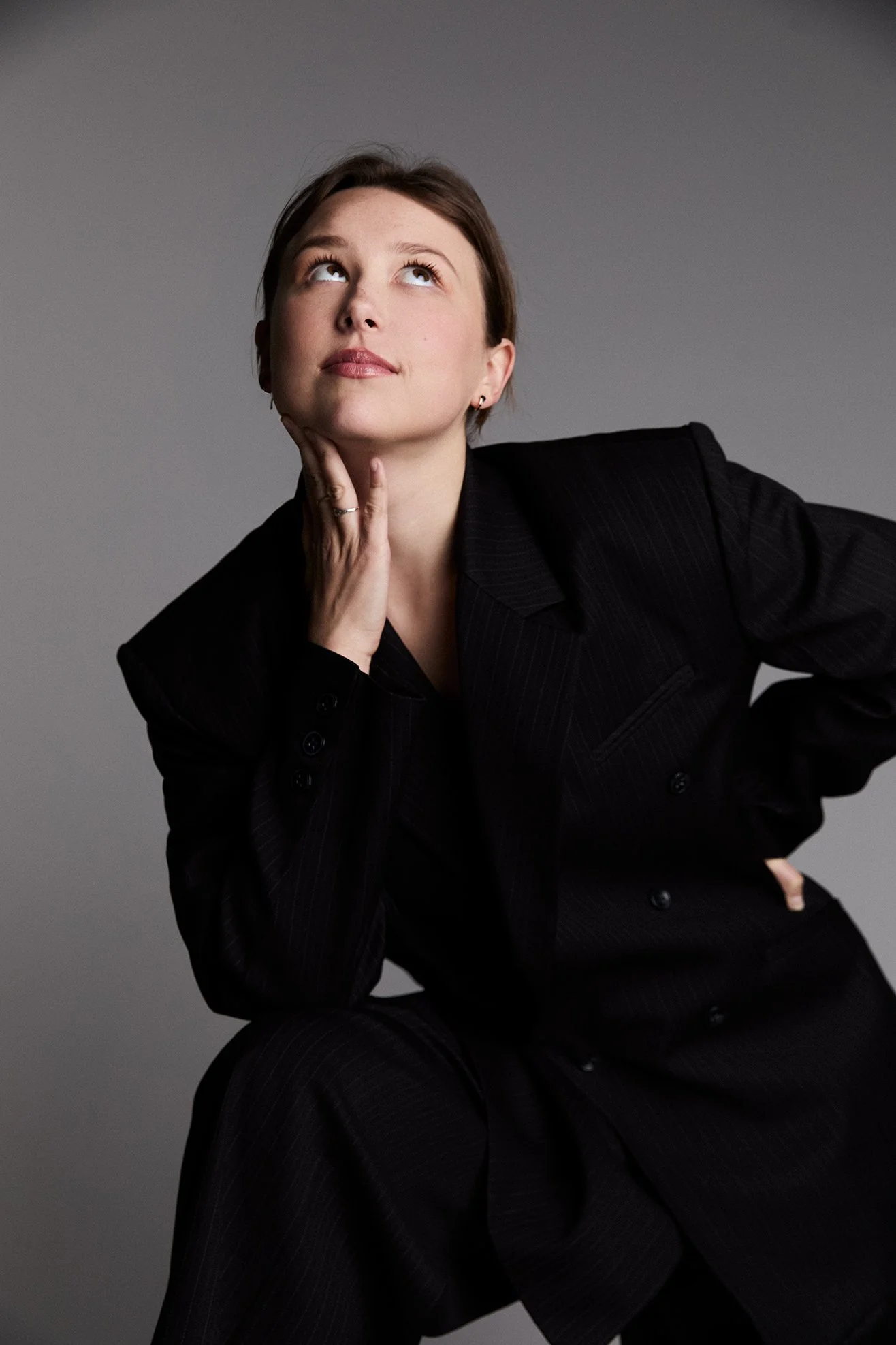
Theatre audiences experience the story in real time. Does that immediacy excite you or make you nervous?
It is an exhilarating experience on stage, always. My first few years acting professionally were on screen, which I adored, and then I rediscovered the joy of theatre when I was 19 in my first professional production. As I’ve grown older, I’ve noticed I have more nerves on set than I did beforehand. It’s much more intimate, and there is little distance between yourself and the technicians. In a theatre, whilst it is terrifying just before stepping out onto that stage, the hundreds of faces in the auditorium become one big blur in the darkness, and I feel incredibly free. There’s no feeling quite like it.
You first gained widespread recognition in Three Girls, which earned you a BAFTA nomination. How did that early recognition impact your career?
Three Girls is a project I feel very proud to have been a part of. It was my first professional role, and I think it really shaped my instincts early on, both in terms of the kind of stories I want to tell and the people I want to work with. I’m not sure the BAFTA nomination changed anything career-wise, as I was still very young and felt I had a lot to prove, but I took it as a huge compliment, and of course, it was a huge moment for me at 18. It gave me a sense of maybe being accepted or welcomed into an industry that is notorious for being difficult to break into.
You’ve worked across independent film, television, and theatre. Do you feel drawn more strongly to one medium?
I’ve always loved film. That’s what first inspired me to act. I love the naturalism of it, the detail in performances, and the visual storytelling it allows. I discovered the thrill of theatre later on, and I completely fell in love with the ability to discover, change and risk every night in front of a live audience. Independent cinema will always be something that I’m drawn to and excited by, though, because I feel very passionate about how daring and bold it is allowed to be. It is driven by a clear vision from the director, and usually it isn’t shaped too much by commercial values, which, for me, is what makes independent cinema what it is.
You recently wrapped filming Faith alongside James McAvoy and Erin Doherty. What can audiences expect from that project?
I’m very passionate about independent cinema, and so I felt very lucky to be involved in director Paul Andrew Williams’ film Faith alongside two incredible and generous actors. I won’t give too much away, but I think it is a film of hope, and I’m certain it will be a very moving and meaningful film.
What kinds of stories excite you the most as an actor right now?
The stories that put fire in my belly. I believe art is also political. It reflects who we are, what we value, and how daring and brave we are willing to be. I’m drawn to projects that carry a strong perspective, or just with real heart, work that inspires me, challenges me or opens up my way of seeing the world. I know that I know nothing, and so I’m constantly curious about how others interpret the world. I want to keep reading, playing and sharing stories with others. That is what I love about this job. I never know what is around the corner and what is next on the horizon.
As your career continues to evolve, what kind of artist do you hope to become in the long run?
I don’t think I could predict what type of actress I’ll become; I can only set good intentions. Ultimately, I want to be the best storyteller I can possibly be and to just make good work. Whether that is part of a large-scale production or something quieter, I hope I continue to have courage in the choices I make and to take risks. It’s usually when I’m uncomfortable that I know I’m on the right path.
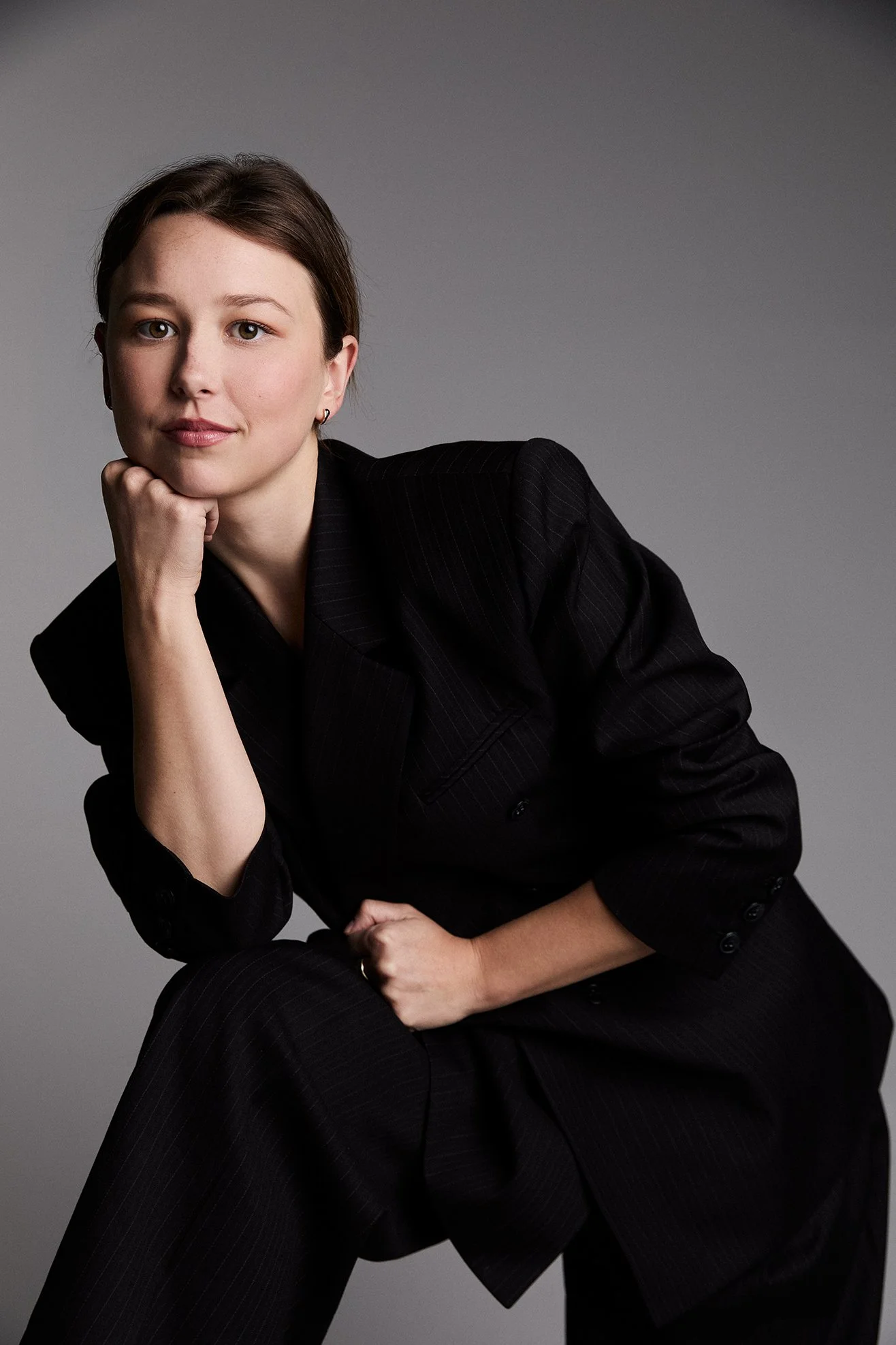
TEAM CREDITS
talent LIV HILL
photography DAVID REISS
editorial director and interview JANA LETONJA
