
IN CONVERSATION WITH LYKKE LI
interview by ELIANA CASA
For Lykke Li, music has always been an integral part of who she is. “Moving from Sweden to Portugal was so destabilising, so I always had my headphones on and escaped into music. It was always with me,” she told me hours before her London concert weeks ago, when I nervously asked about her earliest memory of music. Lykke Li is the kind of person who makes you feel a bit nervous. Not because she spent nearly two decades shaping alt-pop music with an impeccable, melismatic precision and a nostalgic sound, so intimate, empathetic and devastatingly raw, that it almost seems to bypass your ears entirely and settle somewhere much deeper; but especially because, at fifteen, while listening to her albums and crying over your latest crush convincing yourself that sadness somehow looked good on you, she just made you feel seen and understood.
If her previous albums explored the allure of heartbreak and the birth of one self that follows, The AfterParty dives into what happens when you finally learn to love yourself at your lowest. Across nine tracks, the album unfolds as a sonic landscape of revenge, euphoria, and, as she puts it, “Ram Dass for fuckboys.” It’s the moment after the comedown, when the emotional hangover forces you to confront everything you've spent months — if not years — trying to avoid. But before that clarity hits, there's one last dance that still awaits you.
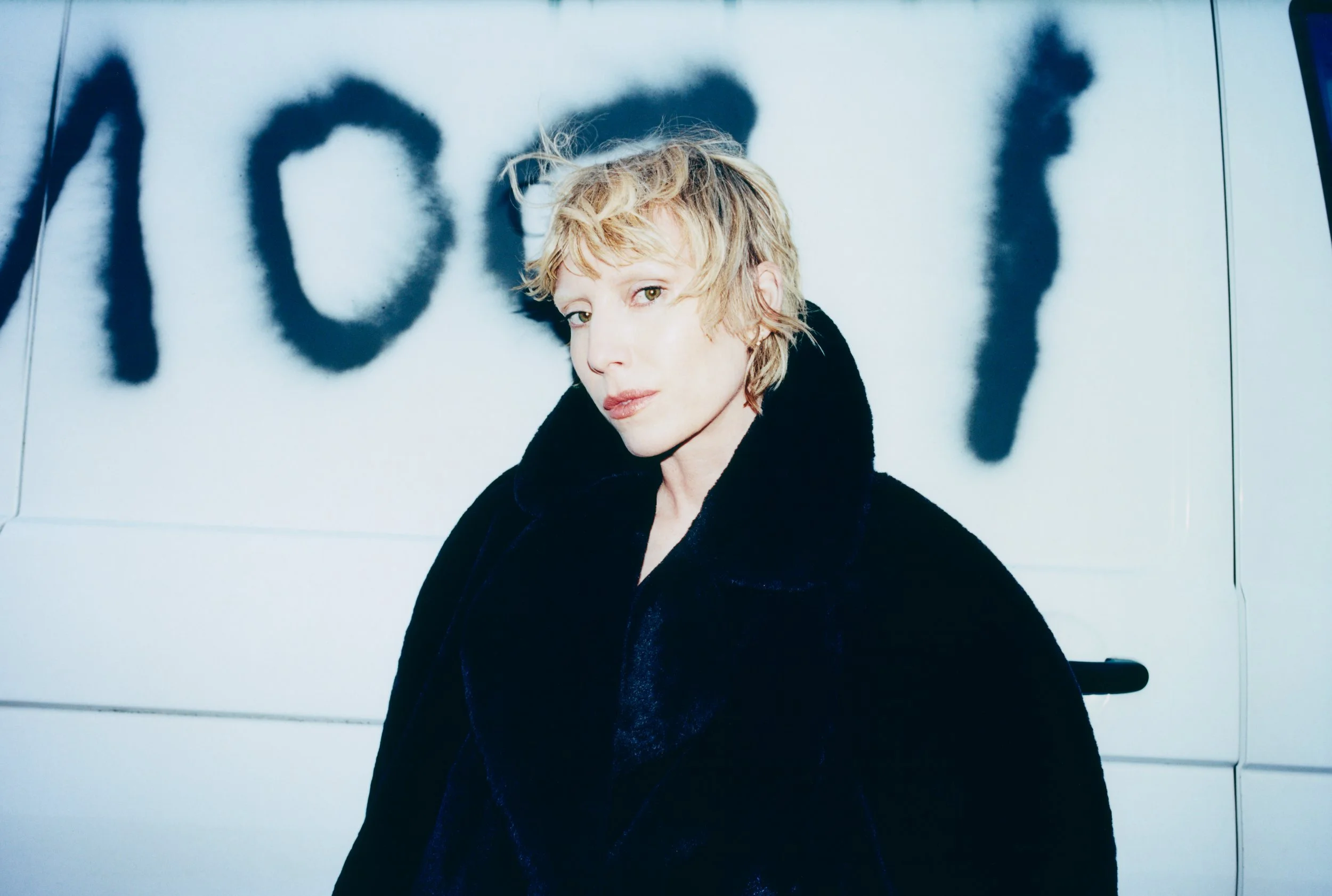
all images courtesy of LYKKE LI
In your first album, Youth Novels (2008), you portrayed love in a pure, naive way. What memory stands out from creating that album, and what has changed since then?
When I did that album, I had no experience in bands or studios, so it was just truthfully very naive. Looking back, I’m surprised at how I experimented with so many instruments. Follow Rivers changed everything, though — it marked a shift in my career.
Do you remember that moment in your life?
Well, the remix happened after… I had already done my version and I was back home, done touring. To this day, people always send me different clips from parties, weddings or movies – so only now I'm starting to understand the huge impact it has had on my life.
Wounded Rhymes (2011) is a masterpiece in harmonies. Where did its emotional and sonic direction come from? Do you think that sadness is still a blessing after all these years?
I think the beauty of being a songwriter or a poet or an artist is that you can transform sadness into something more beautiful, like a poem or a song. We all feel sad. It's a part of being alive, so it's just up to you – the artist – to alchemize all those emotions.
So Sad, So Sexy (2018) captures the feeling of being heartbroken, and a bit lost. We’ve all been that girl that cries when she thinks, "Actually, I'm hot." Do you still feel like that girl?
Definitely.
What were you trying to understand or express at the time with that album?
Every album I’ve produced has been inspired by a movie or a world about where I was at that time. But So Sad, So Sexy was different – it was the first time in my life when I started to feel like a woman. Before I felt more just like a lost kid and I was very uncomfortable in my skin. This was the moment I realised the power of being a woman. We are so fragile, and there's something very cinematic about the rollercoaster that womanhood is. To be a woman is to have access to all these emotions.
How has motherhood changed the way you see yourself and your career?
Motherhood is something that is happening in real time. So, it’s really something I'm living through at every moment. I’m still figuring out how to be a mother and an artist at the same time. I don't have the definitive answer yet.
In 2022, you released a reversed version of EYEYE, creating an ambient, immersive experience. What pushed you to this idea of reversing the songs?
During an installation at The Broad, I was playing around in the edit, and I started reversing the image and the sound. Then something in me was like: "Oh my God, this is what I've been trying to say this whole time." It revealed the album’s shadow side and subconscious, psychedelic elements. Words can only say as much, but then when you reverse them…a whole new album’s shadow side opened up, and it felt cathartic, almost spiritual . I thought to myself: "This is the beginning of something”.
What does your latest album, The After Party, reflect about your life now?
It’s a different phase – turning 40 made me reflect on loss, mortality, and finite time. You have a few more hours until the sun rises, and, in a spiritual sense, that can also refer to death and mortality.
And how does that feel? Did it give you another kind of sense of excitement about life?
You don't have everything ahead of you, and understanding that time is finite – that makes you really want to have meaning in life, a purpose, and depth. It forces you to make more interesting choices. But, I find it so interesting that it's very dancy. It kind of gives you a new thrill.

You wrote the album in Los Angeles but recorded in Stockholm. Does returning home really feel like a way of reconnecting with yourself?
When I come back to Sweden, it's the same studio, producer, drummer, so it's almost like I'm this voyager who travels the world and gathers all these experiences and then comes back and makes an album about it. I love that process. I had an amazing exchange in the studio working with old friends and collaborators. I’ve known them all since forever.
The album blends orchestral elements and unexpected textures. How did that sound come together?
I've actually used strings a lot in I Never Learn and Wounded Rhymes. I remember composing the symphony orchestra with a 17-piece orchestra, and it was just such a magical experience. I really wanted this album to capture the magic of human beings in a room creating together.
I feel like your lyrics are almost as confessions of past relationships and admissions of feelings you don't really wanna walk away from. How has your approach to writing lyrics evolved?
I hope that I grow as a writer in every album. I really try to approach the writing process maybe in a more existential way rather than singular and introspective. Hopefully I sharpened my pen a bit.
Is writing about pain and loss easier than writing about happiness?
Well, when you're happy, you don’t really feel like going away and grabbing a pen and a paper? You just wanna fully live that moment. I think it's harder to sit with those hard emotions. It's not so much fun to just sit there, so then you want to somehow put it on paper too. It feels almost like a way to get away from it.
What's the biggest lesson you've learned from actually loving yourself?
I think it's just a very beautiful experience. People should more often make that their mission – to get to know themselves. I find that process of truly understanding yourself, and facing your fears both fascinating and extremely freeing.
You've worked with amazing artists, Mark Ronson, A$AP Rocky, David Lynch – just to mention a few. What does collaboration bring out in you as an artist? And is there someone maybe you still dream of working with for maybe the next album?
There's artists I adore but I don't necessarily think that we should be writing something together. Collaboration is unpredictable, like falling in love. You don't know who that person is gonna be, so I'm sure someone mysterious will pop up. The right person will show up when it’s meant to be.
How do you hold onto hope in relationships in today’s disconnected world?
My family is my anchor — it’s precious and keeps me grounded.