
IN CONVERSATION WITH MARC BARTRA
interview by SAMO ŠAJN
Marc Bartra has built a career defined by intelligence, composure, and adaptability at the highest levels of European football. Developed within the renowned academy system of FC Barcelona, he emerged during one of the club’s most iconic eras, refining a style rooted in tactical precision and calm distribution. His journey later took him to Borussia Dortmund where he embraced the intensity of the Bundesliga and expanded his game with greater physicality and resilience. Now a key figure at Real Betis Balompié, the Spanish defender has evolved into both a leader on the pitch and an increasingly compelling presence beyond it. Blending elite sport with a growing interest in fashion, image, and contemporary culture, Bartra represents a modern generation of athletes whose influence extends far beyond football.
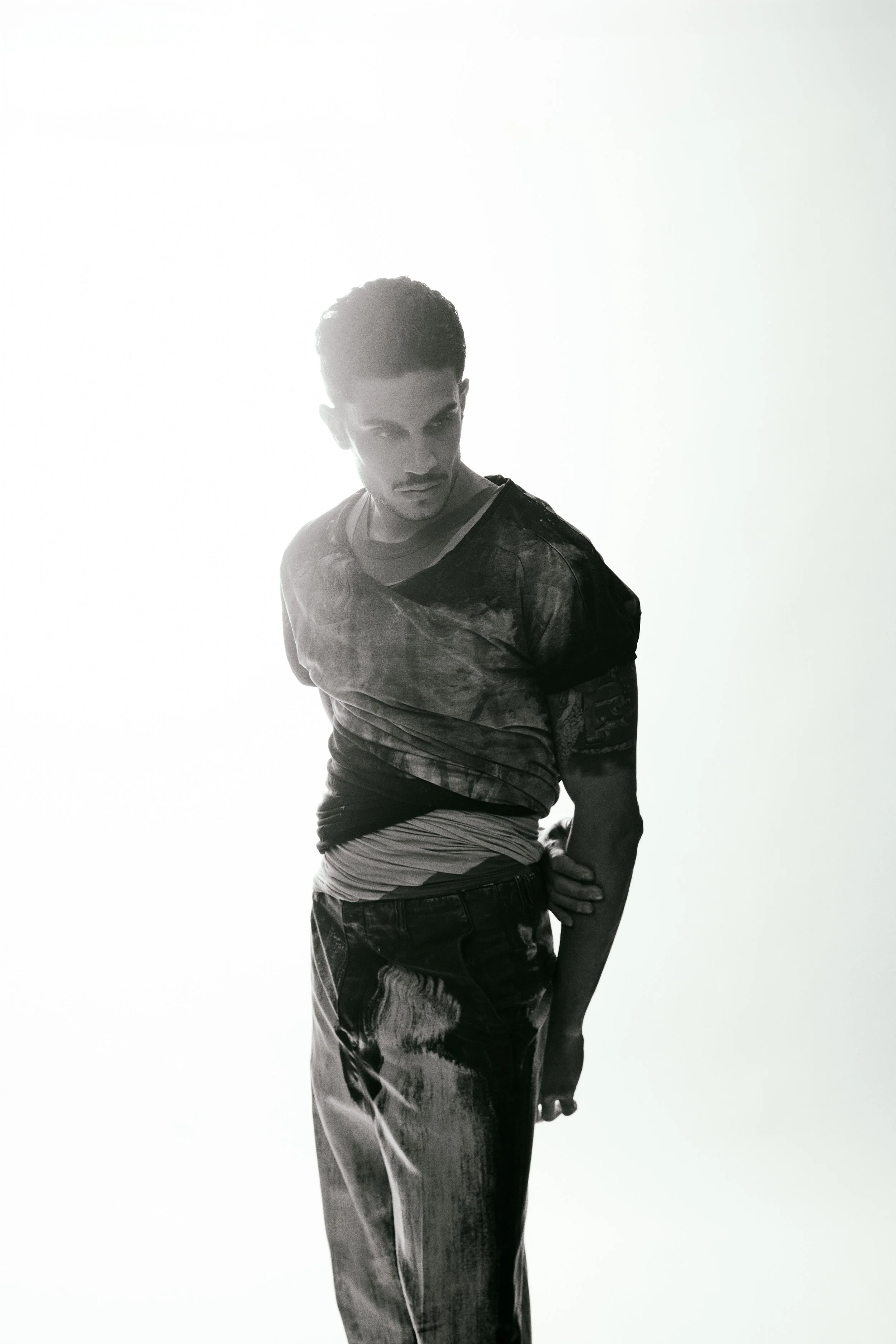
full look DIESEL
You came through Barcelona’s academy during one of the club’s most iconic eras. What did that environment teach you about discipline, pressure, and identity at such a young age?
It was a real privilege. Barcelona’s academy is one of the best in the world, consistently producing elite-level talent. Arriving there at ten and eventually reaching the first team meant living a constant process of learning, both as a footballer and, above all, as a person.
As a child, it was extremely demanding. The pressure was constant and, at times, difficult to enjoy. Every detail was scrutinised, and every week new players arrived from around the world competing for the same dream. It could feel overwhelming. But that environment forces you to grow up quickly. You learn to stay focused, to accept scrutiny, and to understand that nothing is ever given. In many ways, it made me addicted to competition and to precision in everything I do.
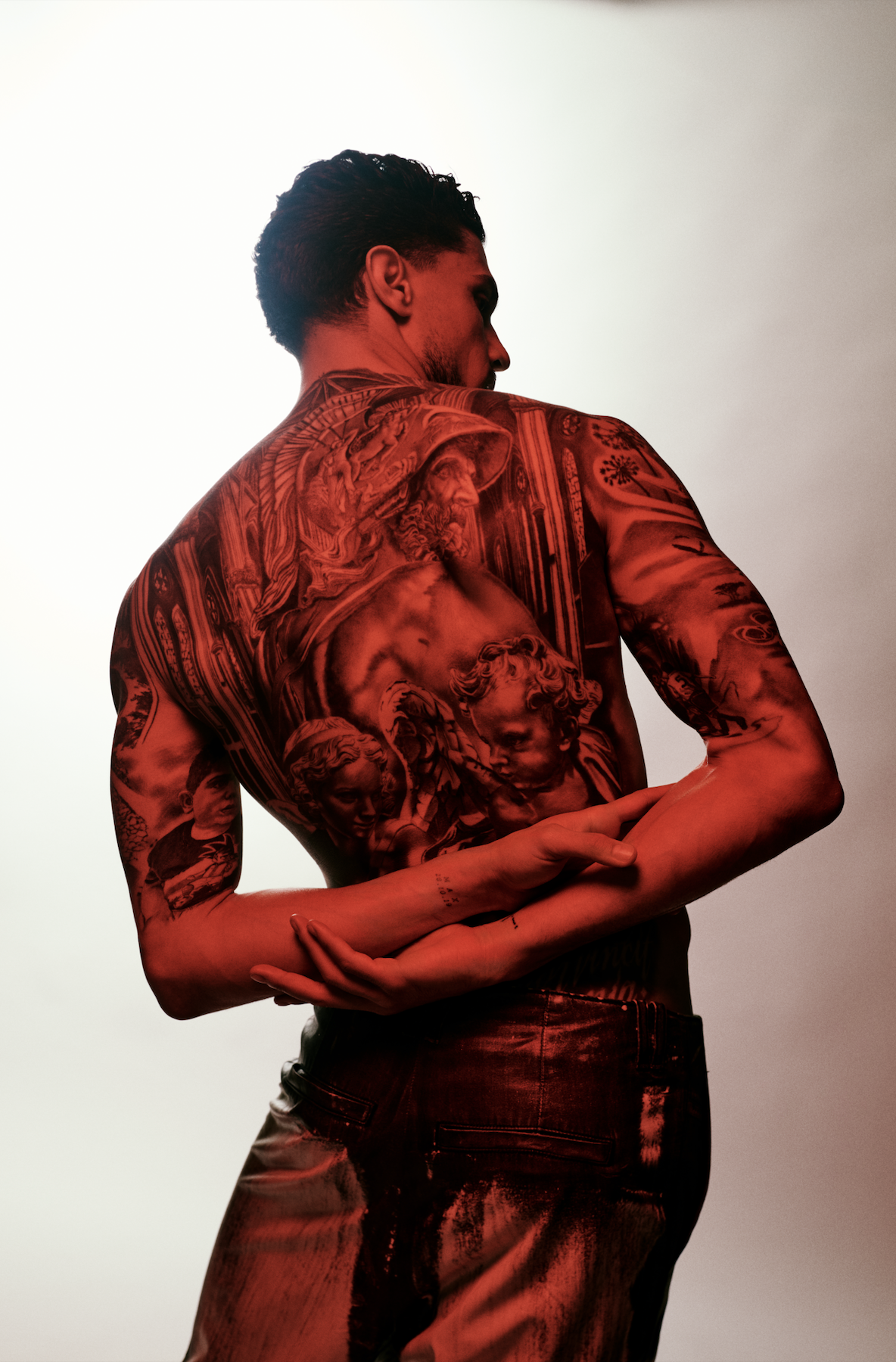
trousers DIESEL
Your style of play has always conveyed calm and elegance. Do you think football has its own aesthetic language?
Absolutely. Football is a highly competitive sport, but one that should always be guided by values. I grew up watching my father, an honest and humble man whose principles I deeply admire, and I think that shaped my understanding of the game early on. At La Masia, that same emphasis on behaviour, responsibility and values is everywhere.
When you reach the elite level, you realise you are no longer playing only for yourself. Millions of people are watching, and you become a reference whether you want it or not. For me, that means remembering that before being footballers, we are people, and we should act accordingly. There is an aesthetic to football, yes, but it comes from the way you carry yourself as much as from how you play.
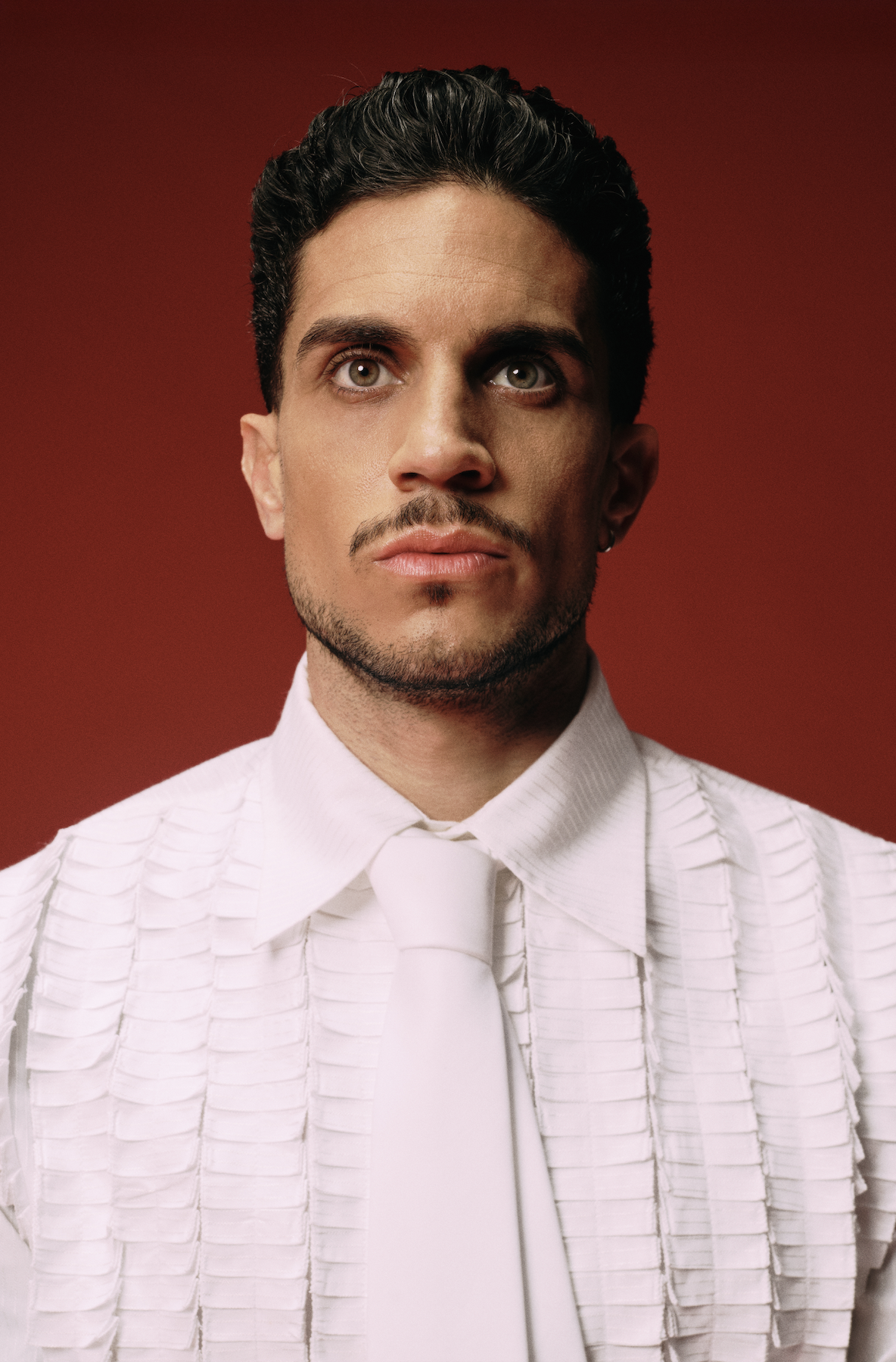
full look MANS
shoes CAMPER
Moving from Barcelona to Dortmund meant entering a completely different football culture. How did living in Germany change you?
Completely. Everything changed: the language, the lifestyle, the weather, the football philosophy. But I’ve always believed that in life you either adapt or you fall behind, so I embraced it fully. I started learning German, tried to understand the culture of the club and the league, studied opponents in detail, and adapted my training to a more physical style of football.
I also observed my teammates closely, many of whom were world champions with Germany. The intensity of the Bundesliga forced me to evolve physically and mentally. Looking back, it felt like a master’s degree in football. That period was essential in my development; it’s where I really matured as a player and as a person.
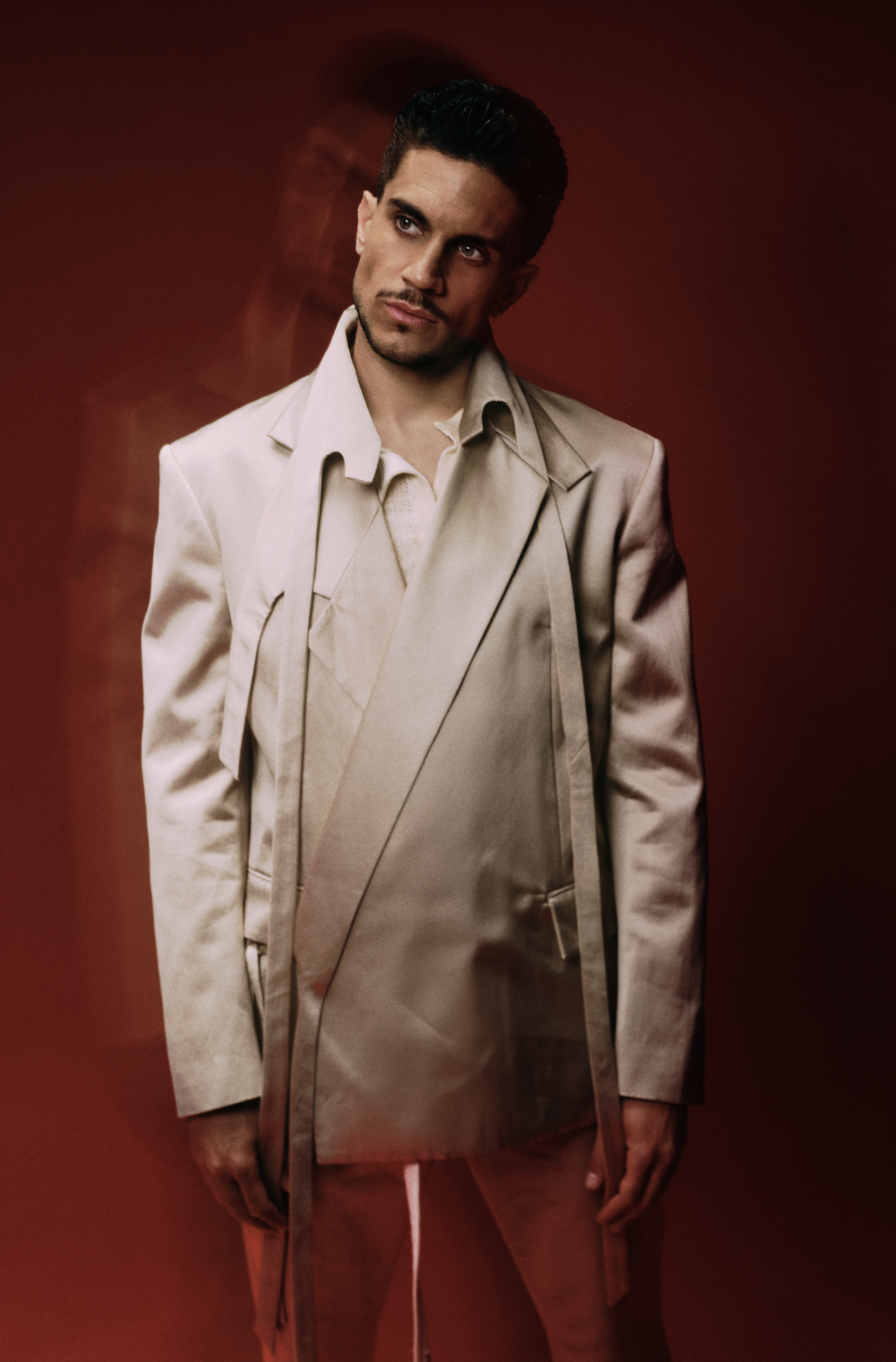
full look DIESEL
After so many years at the highest level, has your relationship with ambition changed?
Not really. Ambition is still my greatest strength. I’ve always seen every goal as a starting point rather than a destination, and that mindset has never changed. Competition excites me — I’ve been competing all my life, even with my twin brother — and I genuinely feel I was made for it.
Of course, over time you need to find new ways to stay motivated. You can’t rely only on the same external goals forever. I’ve learned to listen to myself more, to read more, to work closely with my performance coach, and to constantly reset my focus. But the essence remains the same: the desire to improve every day.
The best is still ahead.
You’ve become increasingly connected to fashion and visual culture. Where does that come from?
It’s something I’ve always been drawn to, even if for many years football and family naturally came first. I never wanted to lose focus, so I kept it on the side. Only in recent years have I had more space to explore it more seriously.
For me, fashion is not about image in a superficial sense. It’s another form of expression, another way of communicating something about yourself without speaking. I feel comfortable in that world, and I enjoy learning from it. It’s also something that inspires me creatively and gives me a different kind of satisfaction outside of football.
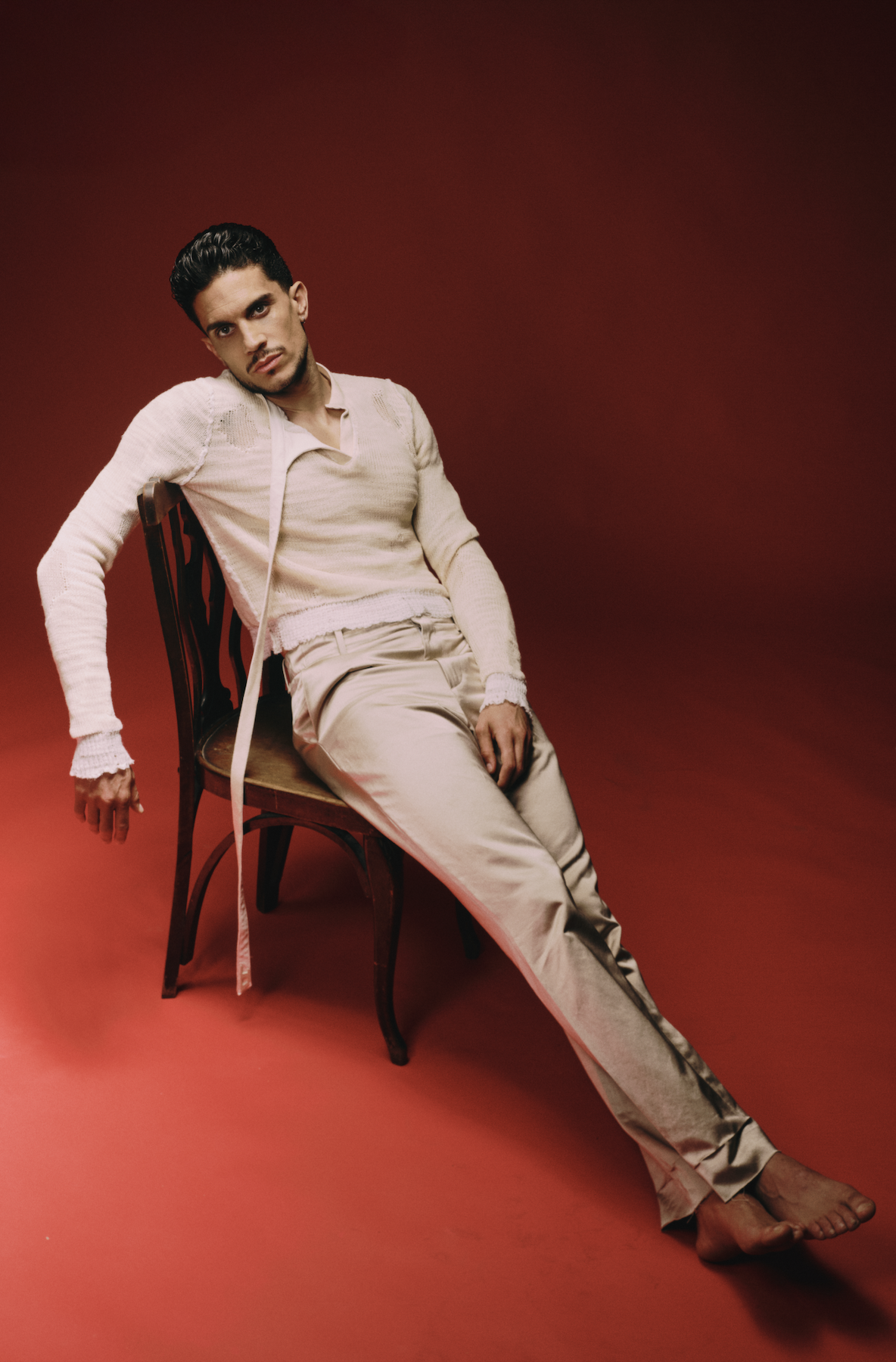
full look DIESEL
Footballers today are expected to be more than athletes. Does that ever feel like pressure?
I don’t feel it as pressure. I think everyone should have the freedom to be themselves and to follow what feels right without constantly thinking about external expectations. My reference is always that inner voice, which becomes clearer with time.
The most important thing is authenticity. As long as you act with respect for yourself and for others, you should be free to explore different sides of who you are. I think that’s something the modern game is slowly learning to accept.
You’ve played for clubs with very different identities and fan cultures. Where did you feel the strongest connection?
All four clubs I’ve played for — Barcelona, Dortmund, Betis and Trabzonspor — have supporters who live football in an incredibly intense way. For many of them, it is almost a form of faith. That emotional connection is something I’ve always felt very close to.
I’m a very emotional person myself, so I naturally feel drawn to environments where passion is lived so openly. I spent the most years at Barcelona and Betis, and I feel something very special for both clubs. I love them like family. At Betis especially, I feel completely at home. The relationship with the fans, the city and the club is something very deep and difficult to put into words.
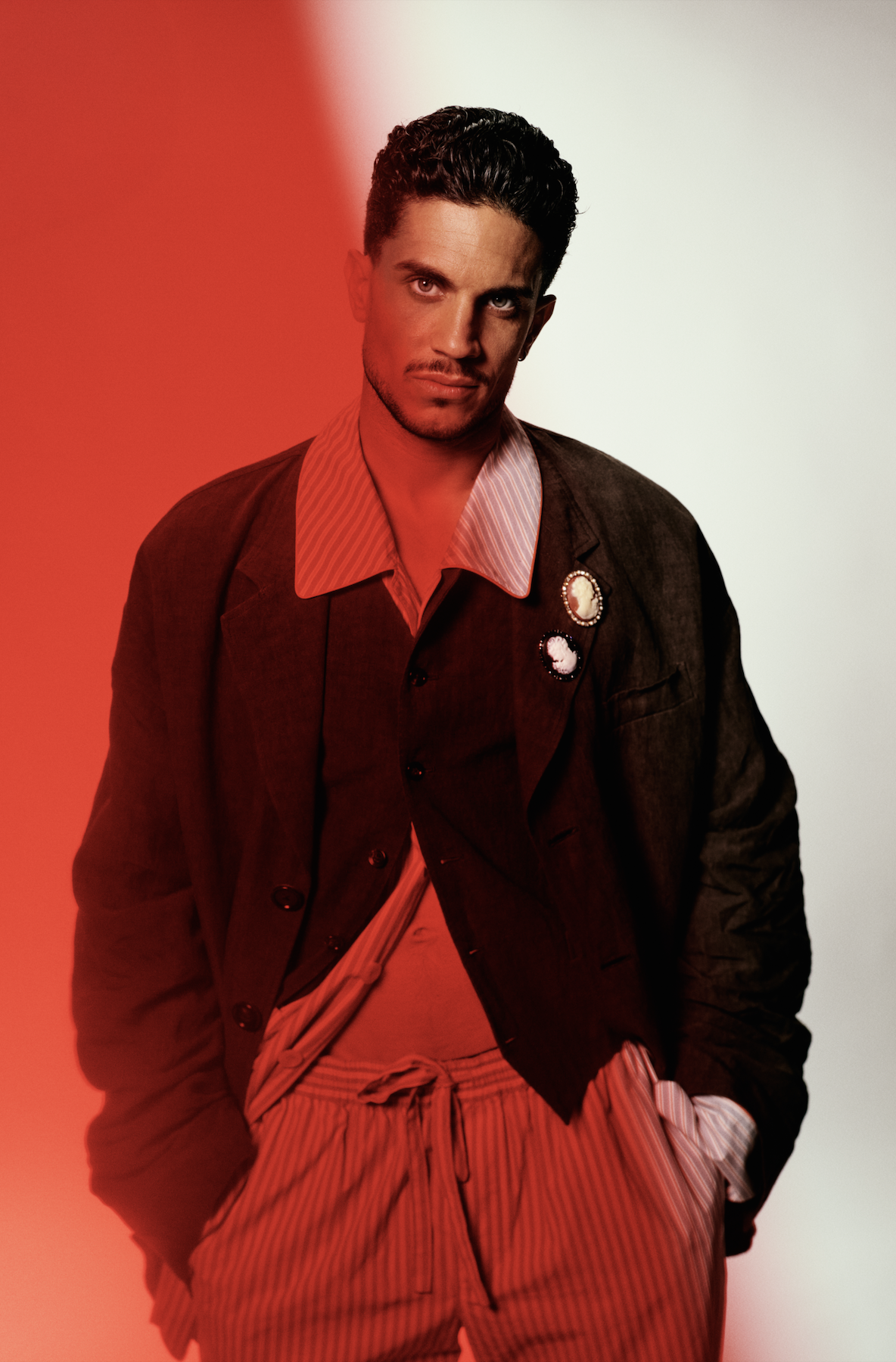
full look DOLCE&GABBANA
Football often celebrates perfection, but careers are rarely linear. How did you deal with moments when things didn’t go as planned?
That’s absolutely true. In football, success is often reduced to trophies and final results, but only one team can win. Does that mean everyone else has failed? I don’t think so.
Betis taught me that success is also the journey itself. Of course, winning the Copa del Rey was unforgettable, but beyond that, what stays with me is everything that has been built here: the growth of a historic club, the feeling of belonging, and the emotional connection with the city and the fans.
Those experiences go far beyond any trophy. They stay with you in a different way, and for me, that is also a form of success.
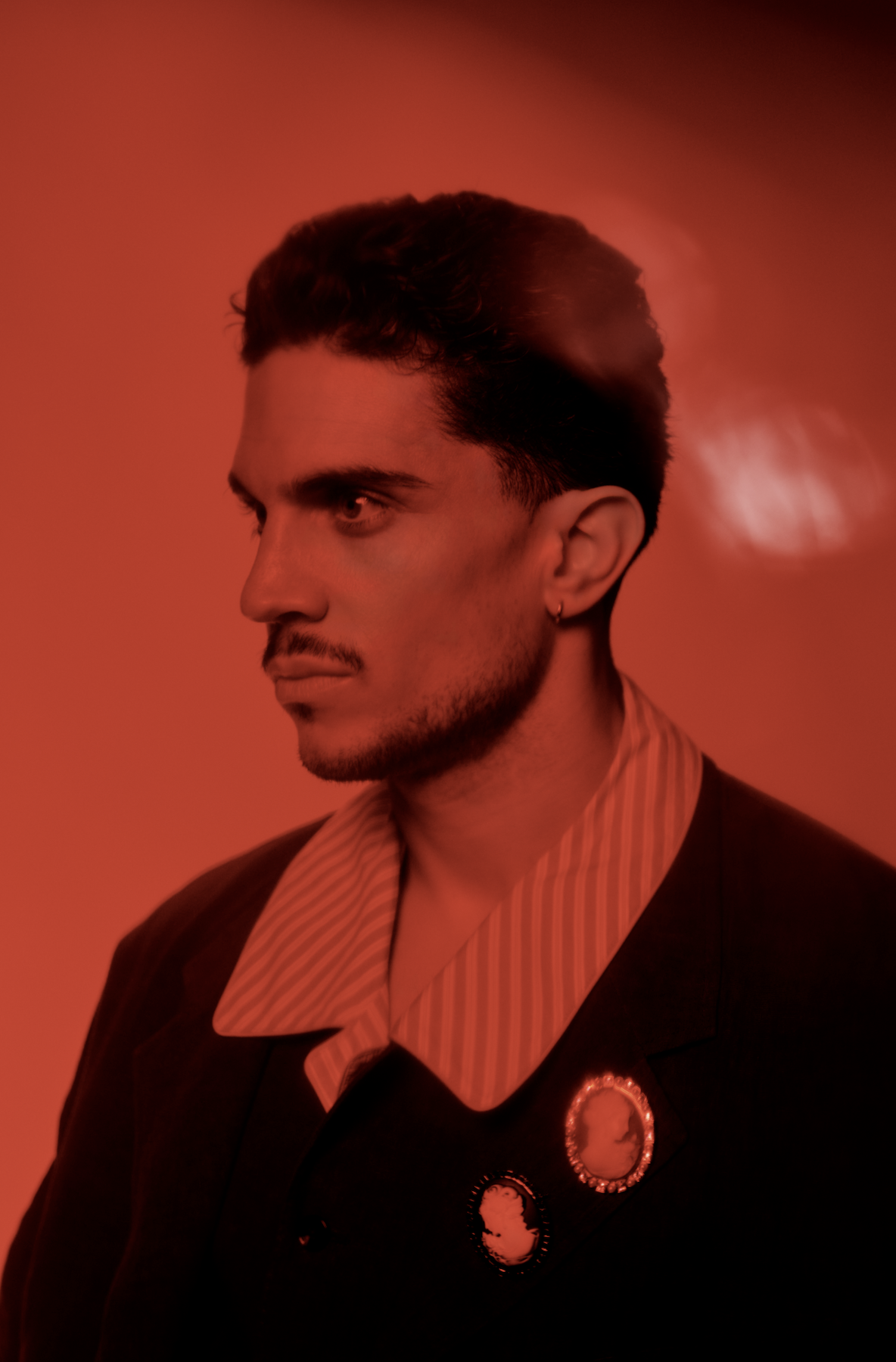
full look DOLCE&GABBANA
Outside football, what is inspiring you most creatively right now?
My family is the biggest source of inspiration in my life. Being with them, sharing time with them, that’s what grounds me the most. Beyond that, I’ve always been very curious about fashion, and I also enjoy reading, meditating every day, and taking care of myself physically and mentally.
But if there is one thing that really helps me disconnect, it’s music. Music and dancing. Whether I’m at home, in the gym, or with friends, if there is music, I can’t stay still. It’s something very instinctive for me.
When football eventually fades, what do you imagine next?
It still feels far away because I feel very good and I believe I can continue playing for many years. I try not to think too much about the end, but I know I will remain connected to football in some way. After so many years at the elite level, everything I’ve learned has to continue somewhere, whether that’s in a different role or in a different form within the game.
At the same time, I would like to explore fashion more seriously, ideally collaborating with brands that inspire me. And on a personal level, what matters most is simple: spending more time with the people I love, especially my children. That, more than anything, is what I look forward to.
TEAM CREDITS:
talent MARC BARTRA
photography ANDRÉS GARCÍA LUJÁN
styling LOGGA
hair and makeup YOHANA ROJAS
photography assistant ISABEL ANDUEZA
pr MANU BERMÚDEZ
editor TIMI LETONJA
editorial director JANA LETONJA
interview SAMO ŠAJN
