
IN CONVERSATION WITH MARCEL RUIZ
interview by JANA LETONJA
photography GRIFFIN LIPSON
Marcel Ruiz is building one of the most exciting multi-hyphenate careers of his generation. Born in Puerto Rico, he first broke through as a standout on Netflix’s acclaimed One Day at a Time, earning recognition as one of Variety’s “Top 10 Latinxs to Watch.” Now, he’s taking a major creative leap with Summer of Three, a deeply personal coming-of-age story that he not only stars in, but also co-wrote and produced. Premiering at the Tribeca Festival, the film marks an exciting new chapter in his evolution as a storyteller. Beyond acting and filmmaking, Marcel is also a DJ with regular gigs in New York, while upcoming projects include Netflix’s anticipated teen psychodrama The Body. Whether in front of the camera, behind the scenes, or behind the decks, Marcel Ruiz is proving himself to be a creative force with many dimensions.
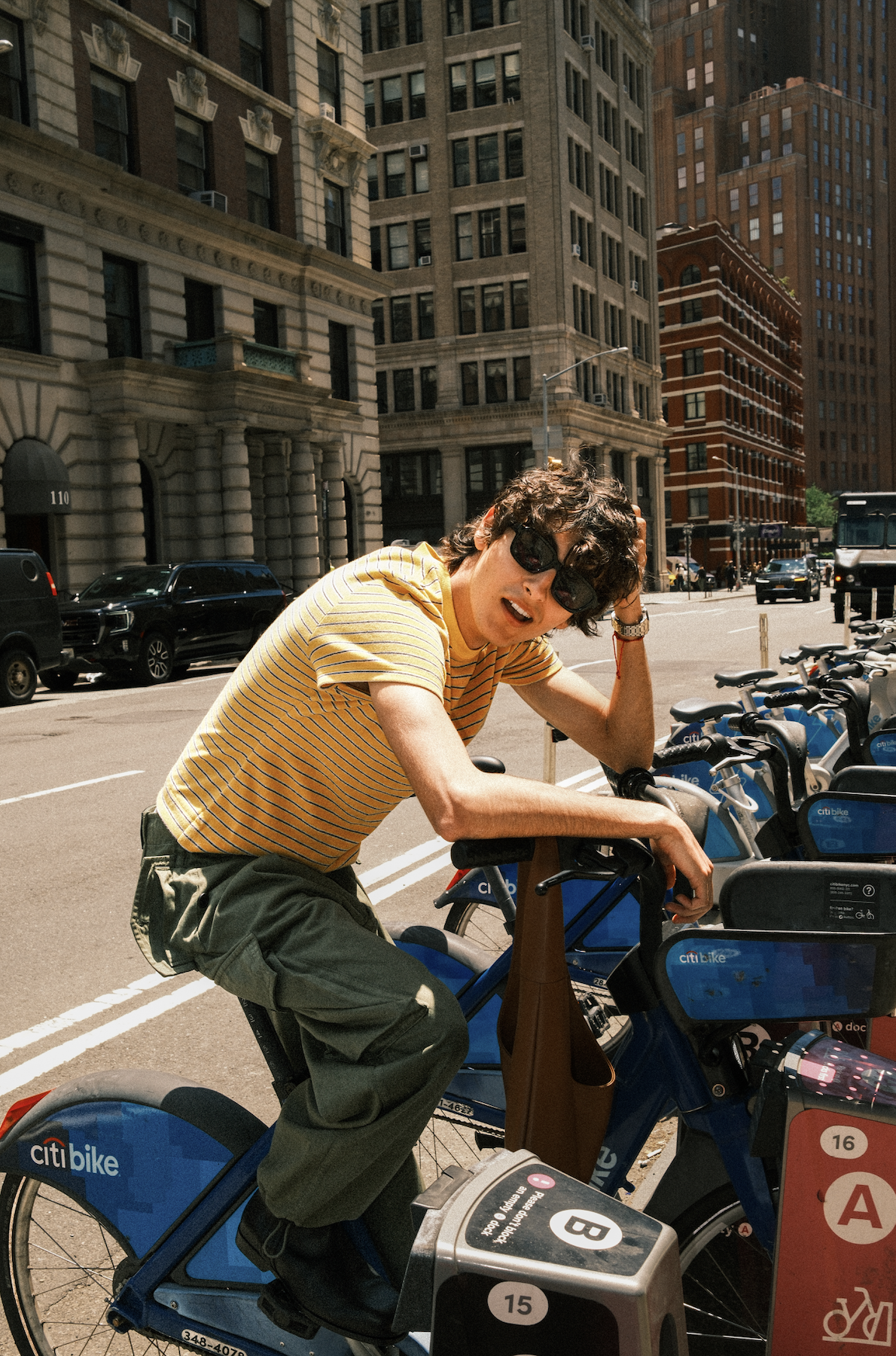
full look LOEWE
Summer of Three marks a major milestone because you co-wrote, produced and starred in the film. What inspired you to take on all three roles?
My attachment to the project in the writing process and knowing how meaningful its potential was pushed me to completely submerse myself in the work. The credits were just a reflection of that.
What was the original spark for the story, and why did you feel compelled to tell it now?
The original spark was to capture a portrait of what it’s actually like to be young in Puerto Rico. That led us down a rabbit hole of the coming-of-age genre and summer love triangles but with a modern, Caribbean perspective. Eventually we found our trio of characters who would lead us through this focused moment in time as they experienced both an eventful and intimate island summer. For me, this story needed to be told now because I couldn’t escape the craving I had of seeing a youthful and grounded Puerto Rico on screen. It was important to include the slang, music, scenery, and peculiar social life that fans of our culture from around the world are so intrigued by. Of course, in dealing with universal themes, it ends up resonating on a human level first. It was about targeting the senses, which stems from the nostalgic and magnetic feeling of coming of age in Puerto Rico, and the best way to communicate that uniqueness was to take audiences on a journey where they come out on the other side as if they were actually there.
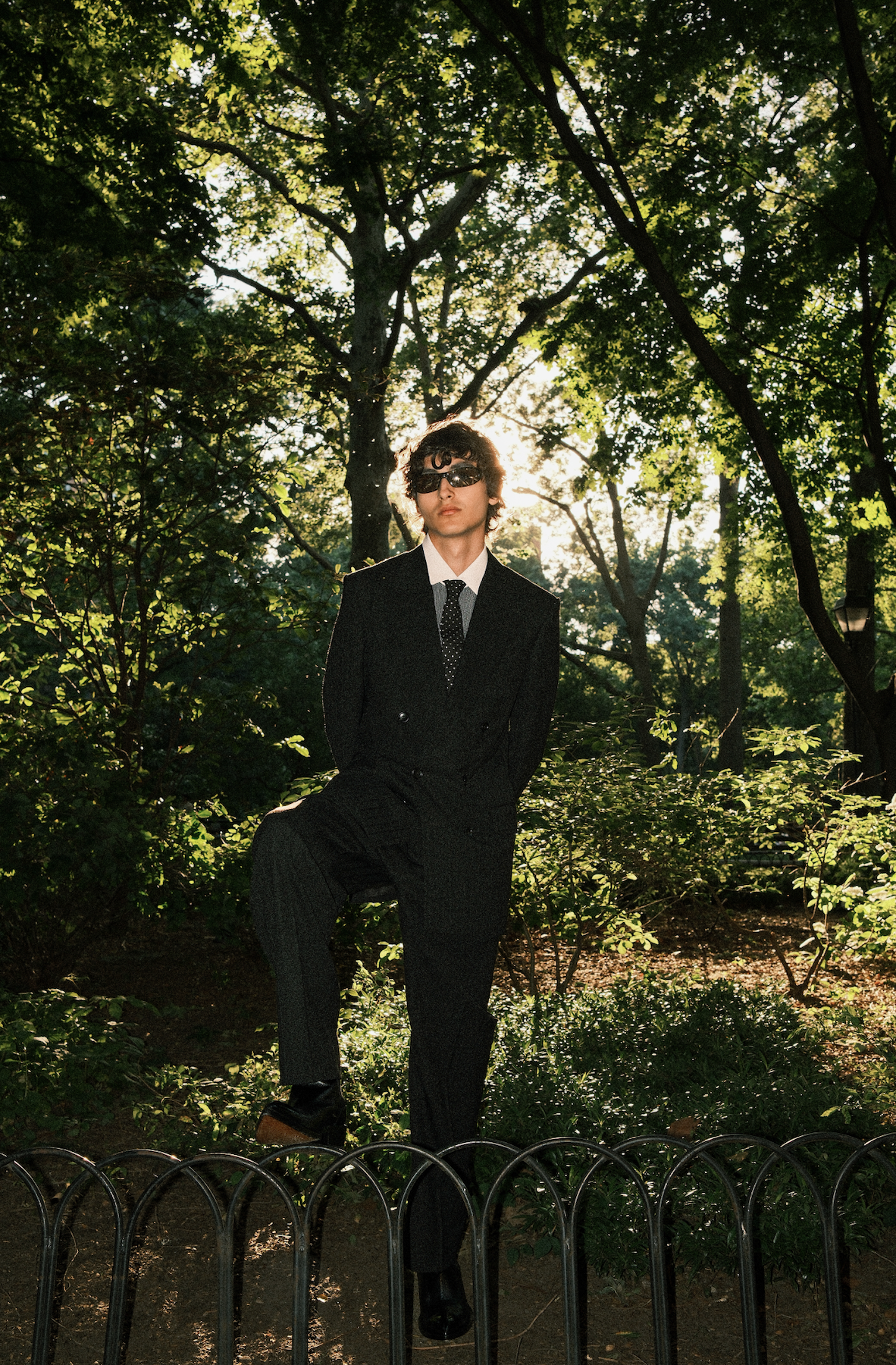
full look TOM FORD
Coming-of-age films often resonate because they’re deeply personal. How much of your own experiences found their way into the script?
A lot of the experiences that made it into the script felt very personal, or at least the approach to the story was, but it was more on a sensory level than a literal sense. We wrote this script based on memories and feelings of growing up in Puerto Rico, and after spending so many summers there, especially after high school, there were so many ideas for characters and lines that came from my immediate environment and were fresh on my mind. We would take the non-fiction as a starting point for characters, lines, and scenes, and see where it would take us. So this story did not happen to me in real life, but in a way, the elements and emotions are completely relatable. It contains many personal easter eggs that are sometimes direct references to occurrences in my personal life.
Which role challenged you more: actor, writer or producer?
Definitely producer. Jesus Christ, it’s not easy to make indie films. I’m glad I was deeply passionate about the story so many years before committing to it, otherwise it would’ve been twice as difficult. It was the most addictive role though, because the to-dos were never ending and checking each one off was a daily dopamine hit. It’s the only role I shouldn’t talk about in the past tense as it could not be more active still on a daily basis for me.
How did your perspective as a writer influence the way you approached your character on set?
My perspective as a writer was the entire way how I approached my character on set. Writing became my acting process for this project. I got to constantly work on the script, even each day of shooting, in order to adapt to what both my character needed and what I needed as an actor, as well as how my cast mates and every other filmmaking element was evolving with the story. I realized writing crosses off a lot of the things you would work on leading up to a role, such as background, subtext, memorization, and even ideas that aren’t on the page. This allowed me to have more time to play and improvise, as well as help out on set along with my dad to change lines or try new things on the spot.
Premiering a film at the Tribeca Festival is a huge achievement. What does that moment mean to you?
It’s so exciting. We made this movie with Tribeca in mind and on top of that, my dad’s debut film premiered here when I was three years old, so it’s a full circle moment in many ways. It’s also my first big film festival experience so for it to be with a project of mine truly means the world. I actually didn’t attend any of the test screenings we did. I wanted to save my first time watching it in a theater to be at the festival with people.
Looking back at your younger self on One Day at a Time, could you have imagined you’d be premiering a film you co-created at Tribeca just a few years later?
Oh yeah. And I mean that in the least cocky way possible. There’s an interview article that came out when I was 15, titled “He Dreams of Making Films With His Parents”. It’s something I’ve been talking about for a while, I just didn’t have the tools or the ability to do it yet. It’s crazy to think 6 years have passed since the last season of One Day at a Time. Achieving goals you’ve thought about for so long is the coolest thing. You dream about doing certain things, but when they finally happen it’s always in unexpected ways.
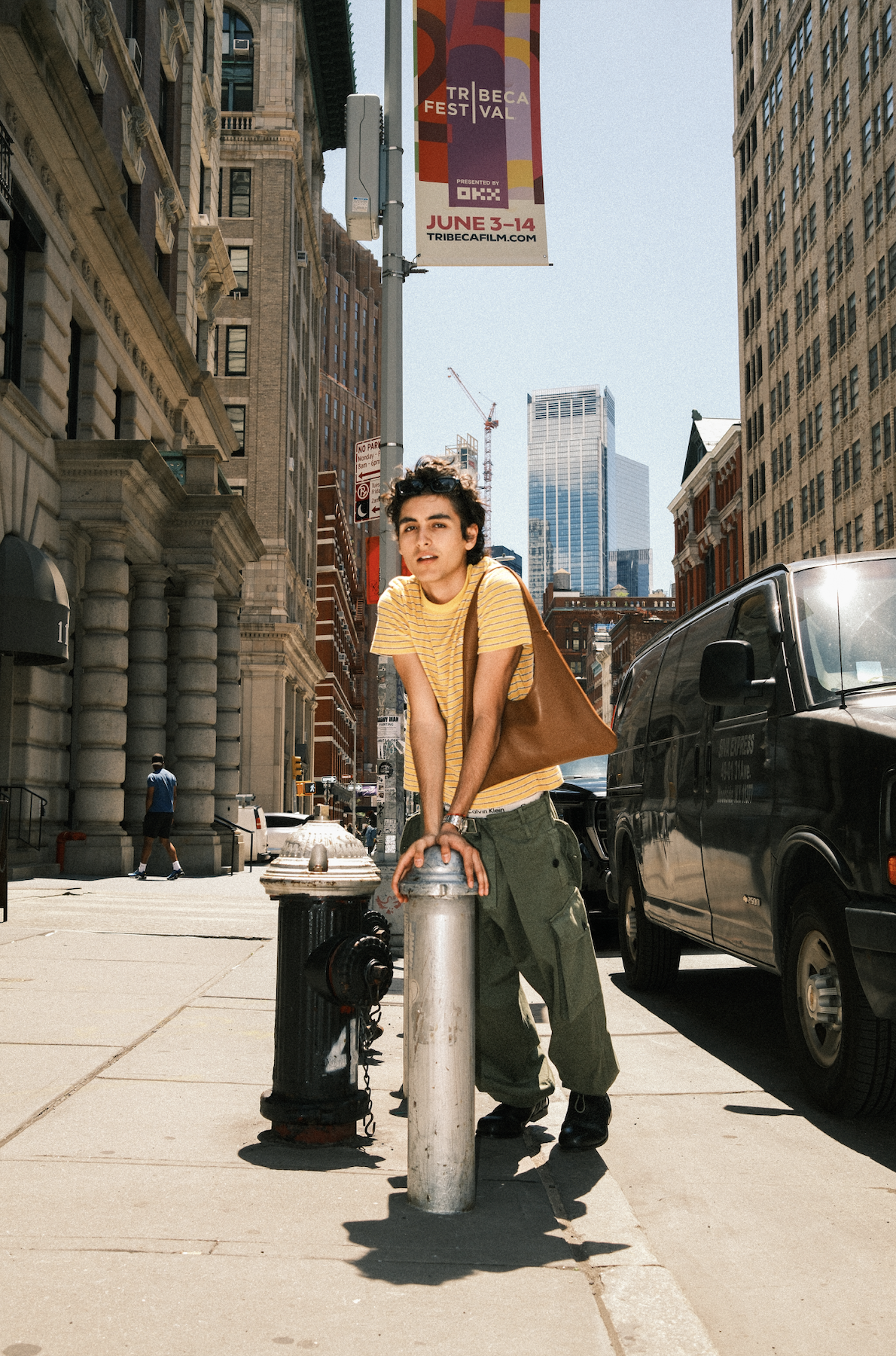
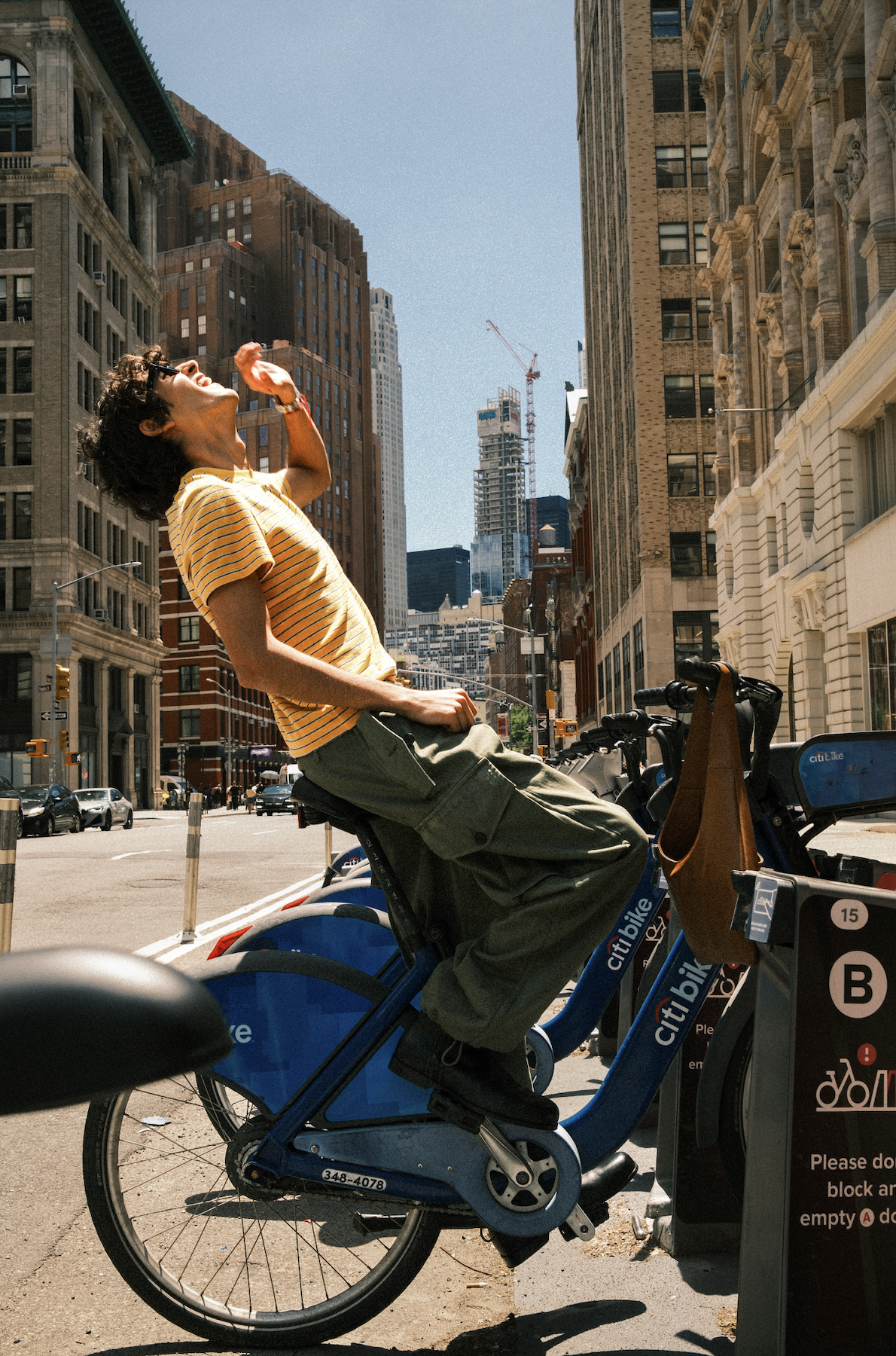
What kinds of stories are you most interested in creating as a filmmaker?
I’m most interested in realism and playing in extremes, both in my writing and acting. Mixing dark elements with humor and sometimes even realism and the magnificent. Specifically focusing on young, faulted characters, and navigating their fast paced environments from their POV. I’m very inspired by Italian neorealism as much as I am by Ruben Östlund and the Safdie Brothers.
You’re also an active DJ. How did music become part of your life, and what do you enjoy most about performing?
Music has always been a big part of my upbringing. Both my grandparents are musicians and I played the piano and the cello growing up. Raised in Puerto Rico, then living in LA for 10 years, and now in NY, I’ve been exposed to a variety of different sounds that shine through in my DJing. It allows people to get to know me even better in a new way.
At home, my parents would play Willie Colon, Folk, Samba, Nina Simone, and Juan Luis Guerra to name a few. They gifted me a DJ deck in 2018. I didn’t pick it up until two years later and just taught myself through trial and error. When I moved to NY, I was exposed first hand to the rich history of house and disco, and naturally gravitated towards these classic dance music genres, which I later realized have had a huge Puerto Rican presence and influence. This inspired me to start a party brand by the name of Nuyo Ritmo to pay homage to the intersection of Puerto Rican, Caribbean, and Afro American sounds and rhythms that have shaped New York’s underground scene. Performing becomes both an expression of myself and a history lesson, and hopefully people come out of it feeling like they learned something new.
Do you find any creative overlap between DJing and filmmaking?
It sounds kind of funny, but yes, so much. As a DJ, you better know your music so well that you’re able to let go and surprise yourself as you play it in a set. In acting, you better know the material so well and work on it with such devotion that on set you’re able to let go and have more opportunities to play with the scene on the spot. Presence is everything in DJing. You want to be able to listen to the way the crowd is reacting to what you’re giving them and that informs what you give in return. Similarly in acting, listening is everything. It’s a give and take with your scene partner, and no matter what’s written down on the page, you need to be able to adapt. And of course, they’re both a performance in their own ways.
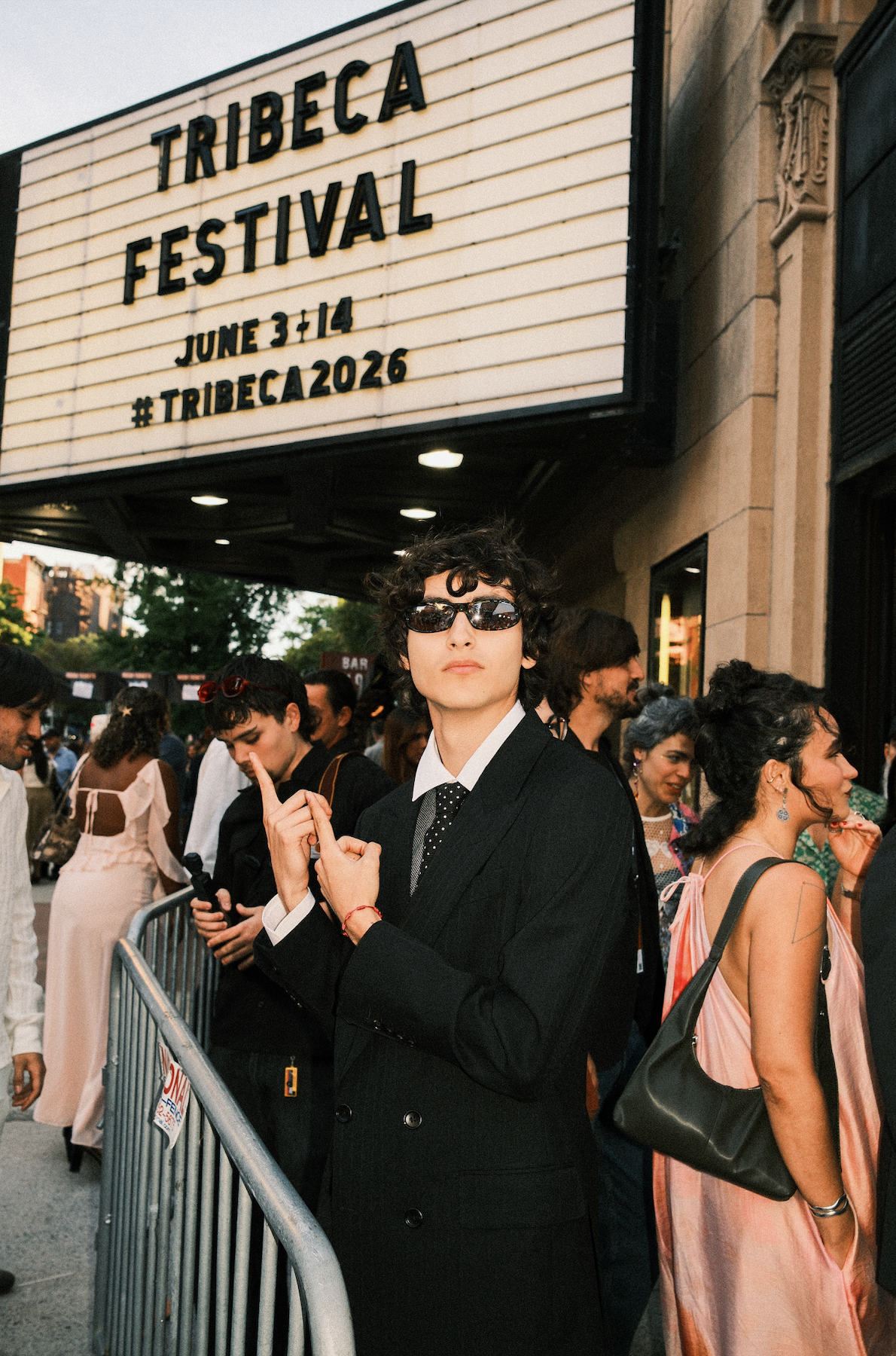
You’re also about to appear in Netflix’s The Body. What drew you to that project, and how does it differ from work you’ve done before?
The Body is really special because it was my first project after Summer of Three, and I was able to bring everything with me that was still so fresh in my head from the experience. The writing is what instantly drew me in, it felt so natural and representative of the high school experience, elements I personally strive for in my work. I had never felt such a freedom to improvise on set and continue to grow into a character in a way that felt my own. Wrapping the first season of The Body was quite emotional because I loved my character so much and became so attached to him that it felt like I went through a breakup after wrapping. There’s so many things I want to talk about in regard to The Body, but I won’t spoil it. I’m such a fan of the show and everyone involved.
You’re entering a period where multiple major projects are arriving at once. How are you navigating this exciting moment in your career?
A lot of gratitude and making sure to enjoy each new experience while being present as much as possible. Also keeping in mind what’s important and not putting so much weight on work. Remembering that what I’m getting to do in my career is very fun, but not letting it take away from all the other aspects of my life that are just as or even more important.
