
IN CONVERSATION WITH ALYSHA NEWMAN
interview by JANA LETONJA
At the intersection of sport, fashion, and cultural visibility, Alysha Newman represents a new kind of athlete, one whose presence extends far beyond performance. As part of a generation redefining the boundaries between competition and identity, she has built a distinct visual and personal language that moves seamlessly from the track to the red carpet. With her sights set on the 2028 Summer Olympics, set to mark her fourth and final Games, she enters a pivotal chapter where discipline, image, and ambition converge. It’s a moment that feels both transitional and expansive, positioning her not only as an elite athlete, but as a figure shaping the evolving narrative of modern sport.
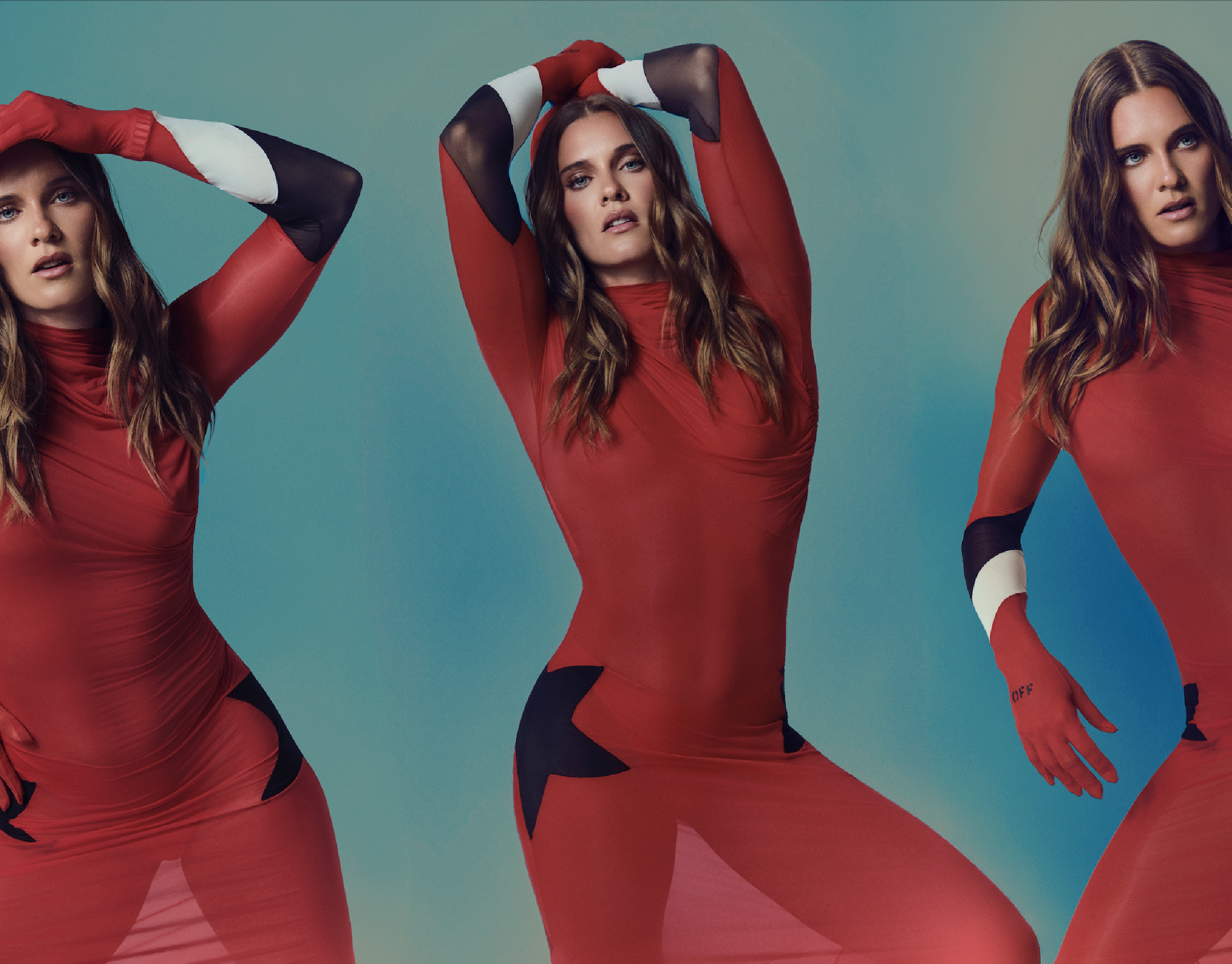
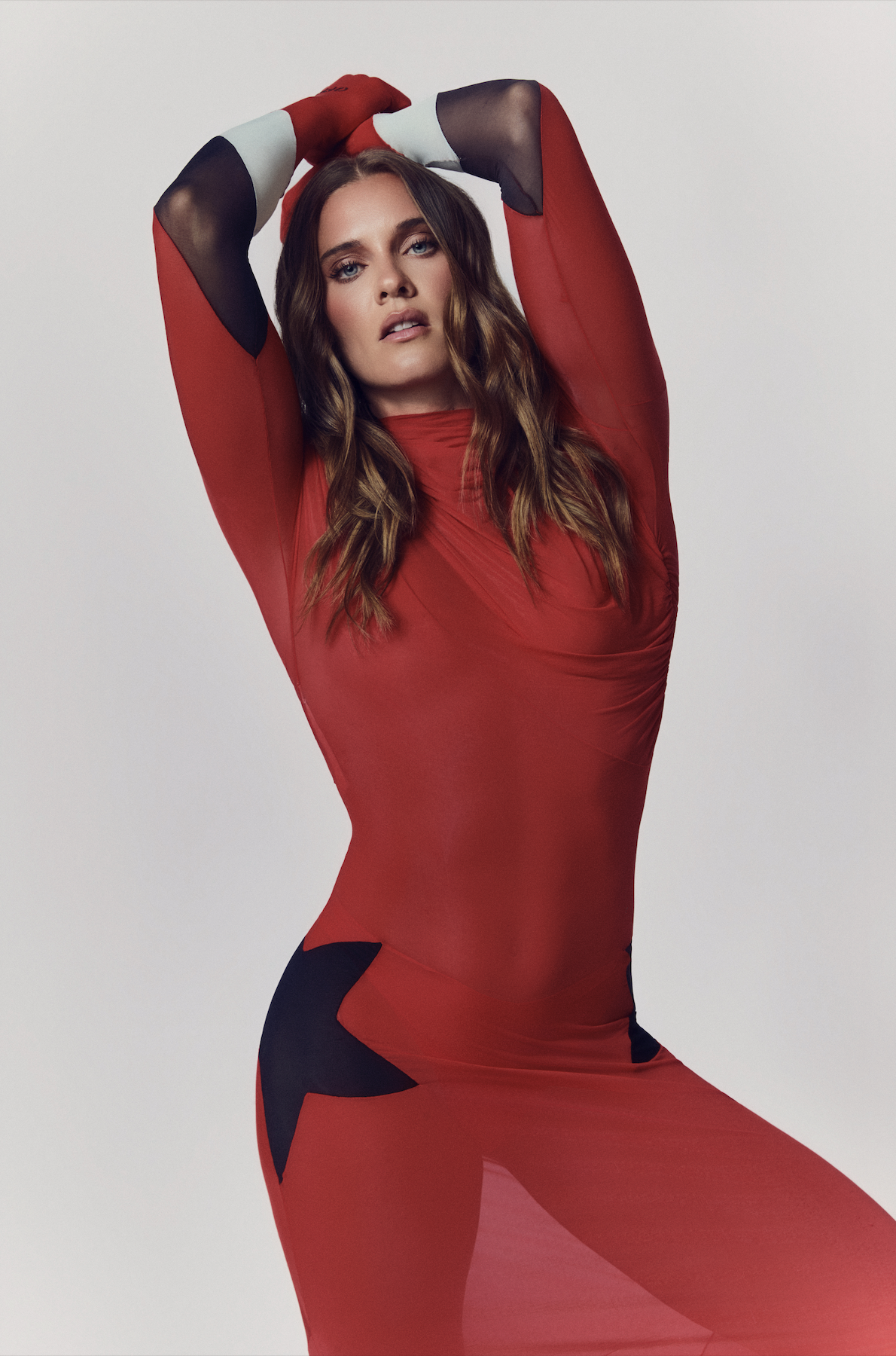
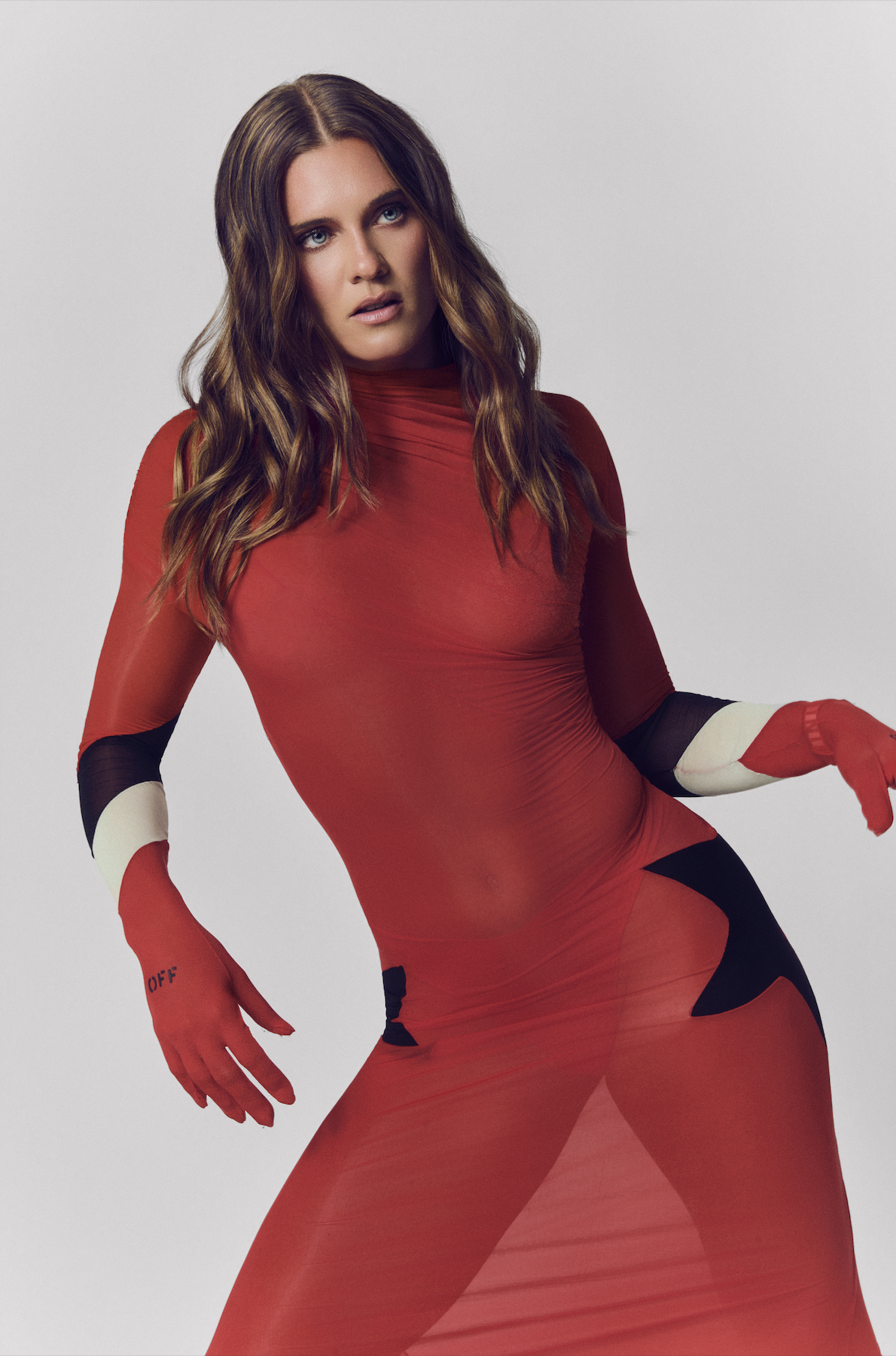
dress OFF-WHITE
shoes JORDAN
undergarments VICTORIA’S SECRET
jewels 8 OTHER REASONS
There's a new generation of athletes redefining visibility. How do you see yourself within that shift?
I think women's sports are becoming cultural in a way they weren't before. Athletes are no longer expected to exist only inside their sport. We're entering fashion, entertainment, business, media, all of these worlds that used to feel very separate.
Growing up, I always felt that tension. People were comfortable with me being disciplined, competitive, driven. I wanted to be a model as well as a pole vaulter and they told me I couldn't be both.
I never understood why those things were supposed to cancel each other out. Now I think a lot of women are realizing they do not have to choose one version of themselves anymore.
Do you feel a responsibility to represent something beyond performance today?
Yes, but I think about it differently now than I used to. After winning bronze at the Paris Olympics, my world suddenly felt much bigger. People who had never watched pole vault before were paying attention to me, a lot of them young women who don't follow track at all.
That changes what visibility means. I feel less responsibility to be a perfect role model and more to be an honest one, to show the setbacks and the rebuilding, not just the podium. I think that's what actually helps the people watching, seeing the whole climb instead of only the moment it pays off.
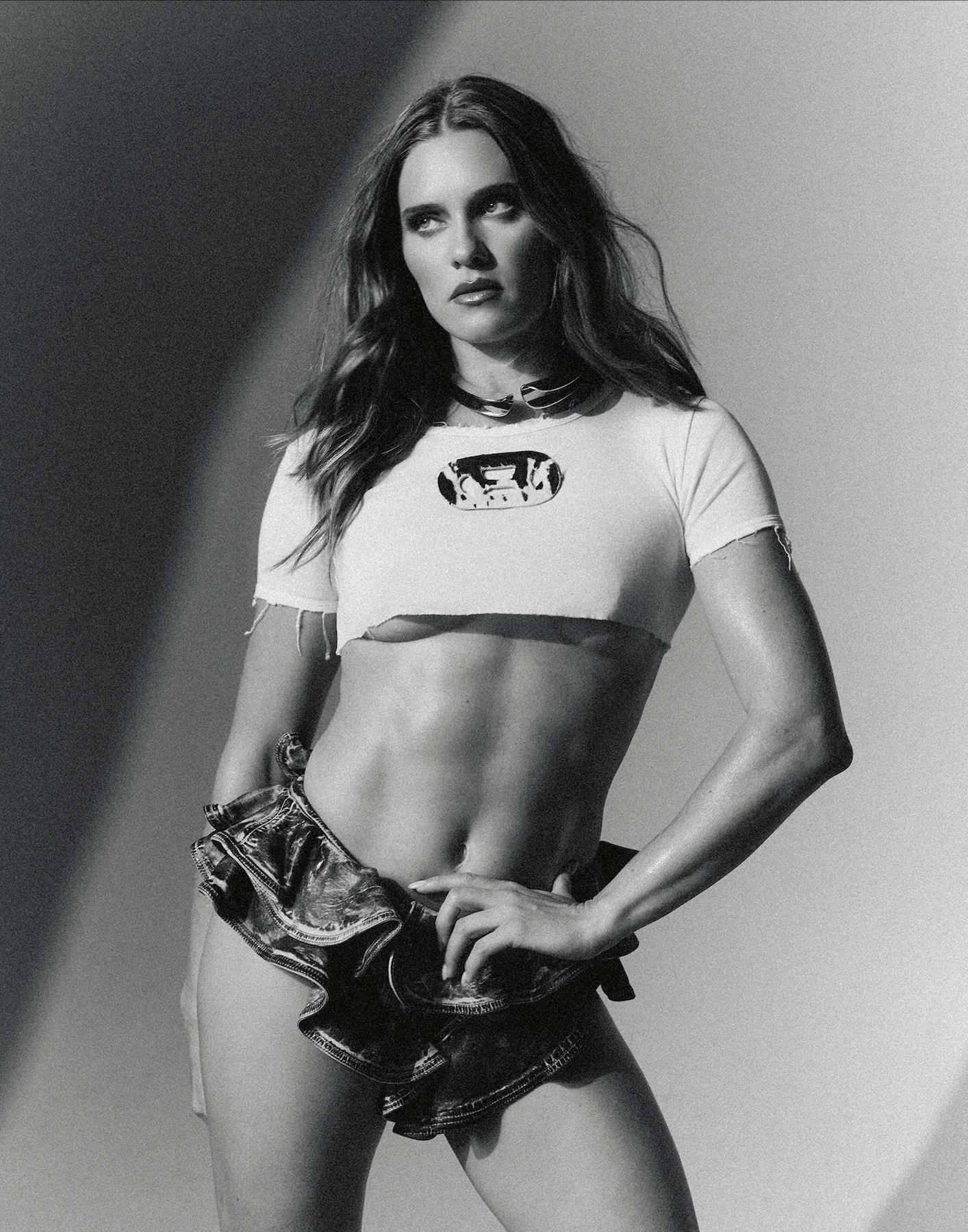
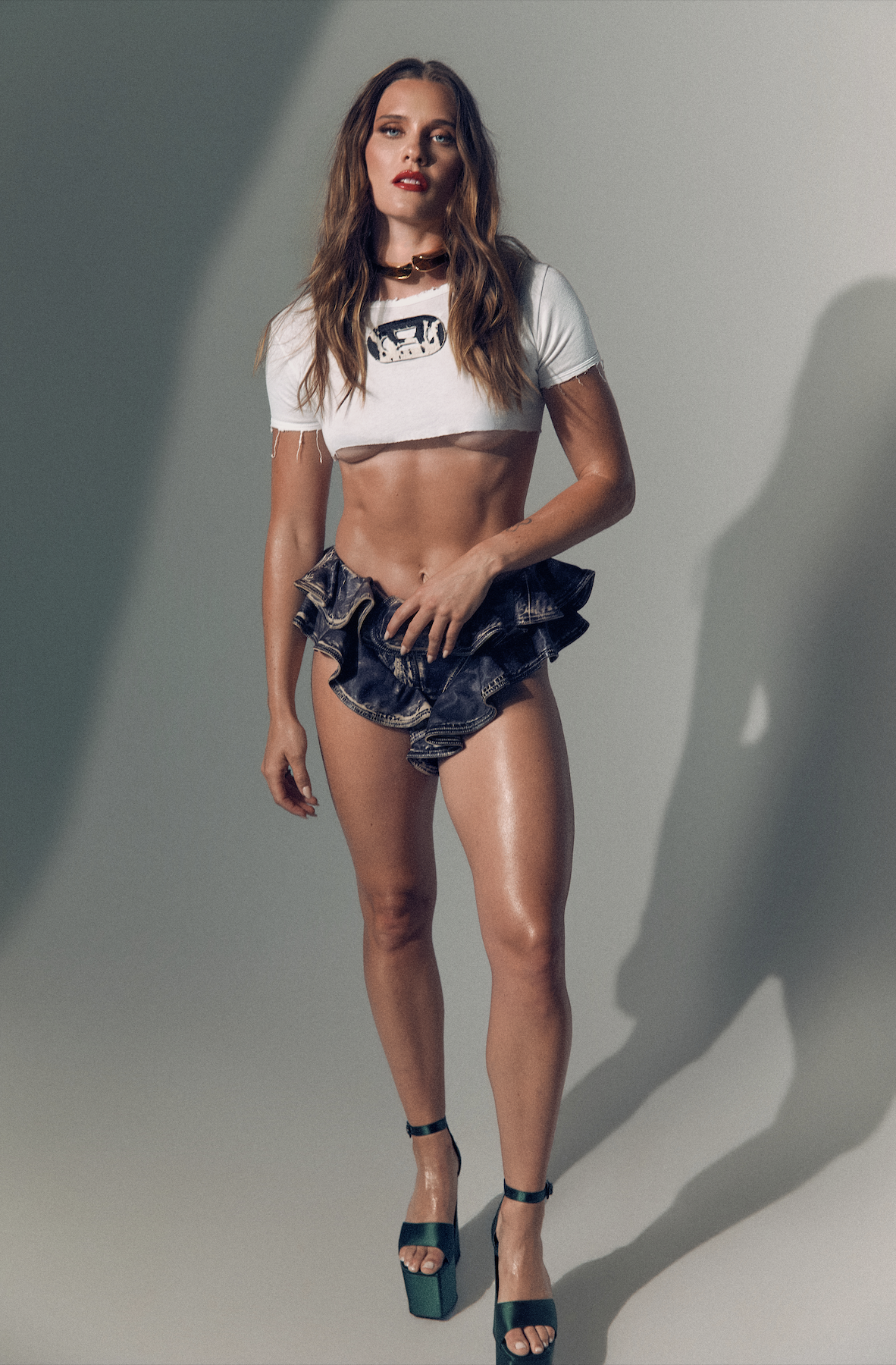
top RADICA STUDIO
bottoms AKNVAS
shoes BRANDON BLACKWOOD
jewels SPINELLI KILCOLLIN and ARMARIUM
How important is it for you to build a personal identity outside of athletics?
It's become very important to me because sport can be emotionally brutal sometimes. Three months before Tokyo, I slipped getting out of an ice bath in a hotel and hit my head badly. I was dealing with brain fatigue, blurred vision, and memory loss heading into the Olympics. At the time I kept trying to push through it because that's what athletes do.
When you spend years building toward something and it falls apart publicly, it forces you to reevaluate yourself completely. Paris felt very different emotionally because I no longer felt like my entire worth existed inside results. I think that experience opened me up to life outside sport in a new way. Travel, fashion, creative environments, different conversations, all of it started feeling exciting to me again.
There's also a part of me that genuinely loves beautiful environments — fashion, hotels, the atmosphere of a place — and I've stopped feeling guilty about that.
When did fashion and visual storytelling become part of your world?
Honestly, I think I became more aware of fashion once I started entering spaces outside track and field. As an athlete, most of your life is spent in uniforms where everything is about function and performance. So when I step into fashion, it feels like freedom. It was the first place where I started thinking about expression differently.
Cannes was a huge moment for me in that sense. I remember being fascinated by how intentional everything felt. The styling, the atmosphere, the photography, the way people carried themselves. It made me realize fashion is not really about clothes alone. It's about emotion, confidence, presence, storytelling.
I've been really drawn to the old 90s supermodel era lately. There was something so powerful about it. Glamorous, confident, feminine, but still natural and effortless.
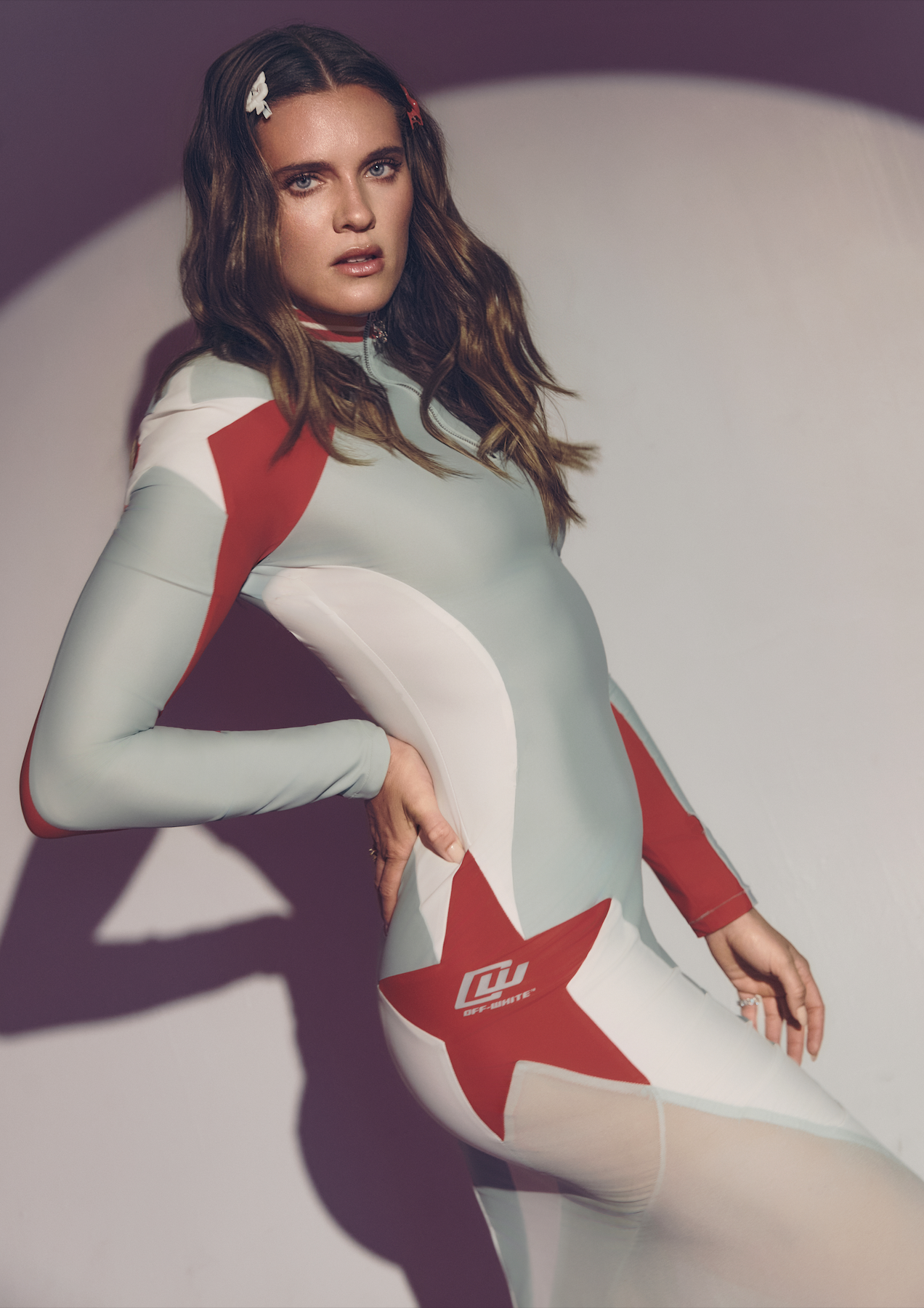
dress OFF-WHITE
shoes JORDAN
jewels SPINELLI KILCOLLIN and ZALES
Do you approach style as an extension of your personality or something more strategic?
Both. Style is emotional, but it's also intentional. I dress based on how I want to feel, but I also understand that every visual moment tells a story.
As an athlete, people are used to seeing me in motion — jumping, sprinting, competing. Fashion allows people to see stillness, elegance, softness, confidence. I think that contrast is powerful.
I never want style to feel forced, but I do want it to reflect who I am and who I'm becoming.
Pole vaulting requires a unique combination of strength and precision. What draws you to the discipline?
Pole vaulting is one of the most beautiful and terrifying events in sport. It demands speed, strength, timing, courage, trust, and control, all in a matter of seconds. You're running full speed toward a box, carrying a pole, and launching yourself into the air with complete belief that your body, your mind, and your preparation will meet you there.
What I love about it is that you can't hesitate. You have to commit fully before you know the outcome. Pole vaulting taught me how to fall, how to rise, how to trust myself, and how to chase heights that once felt impossible. And when it all comes together, it almost feels like flying.
How do you balance the physical demands of training with everything else happening in your career?
I'm still learning honestly, but balance for me is not about doing everything perfectly. It's about understanding what season I'm in. There are periods where training has to be the priority, and there are periods where the bigger picture matters too
I've learned my body is the foundation for everything. Without health, there's no performance, no travel, no fashion moments, no future. So I protect my recovery, my training, and my peace much more seriously now than I used to.
At the same time, my world has expanded a lot since Paris. Between training for LA and stepping into spaces outside sport, I've had to become much more disciplined with my energy. I don't feel pressure to say yes to everything anymore. I'm much more interested in what actually feels aligned with the life I want to build.
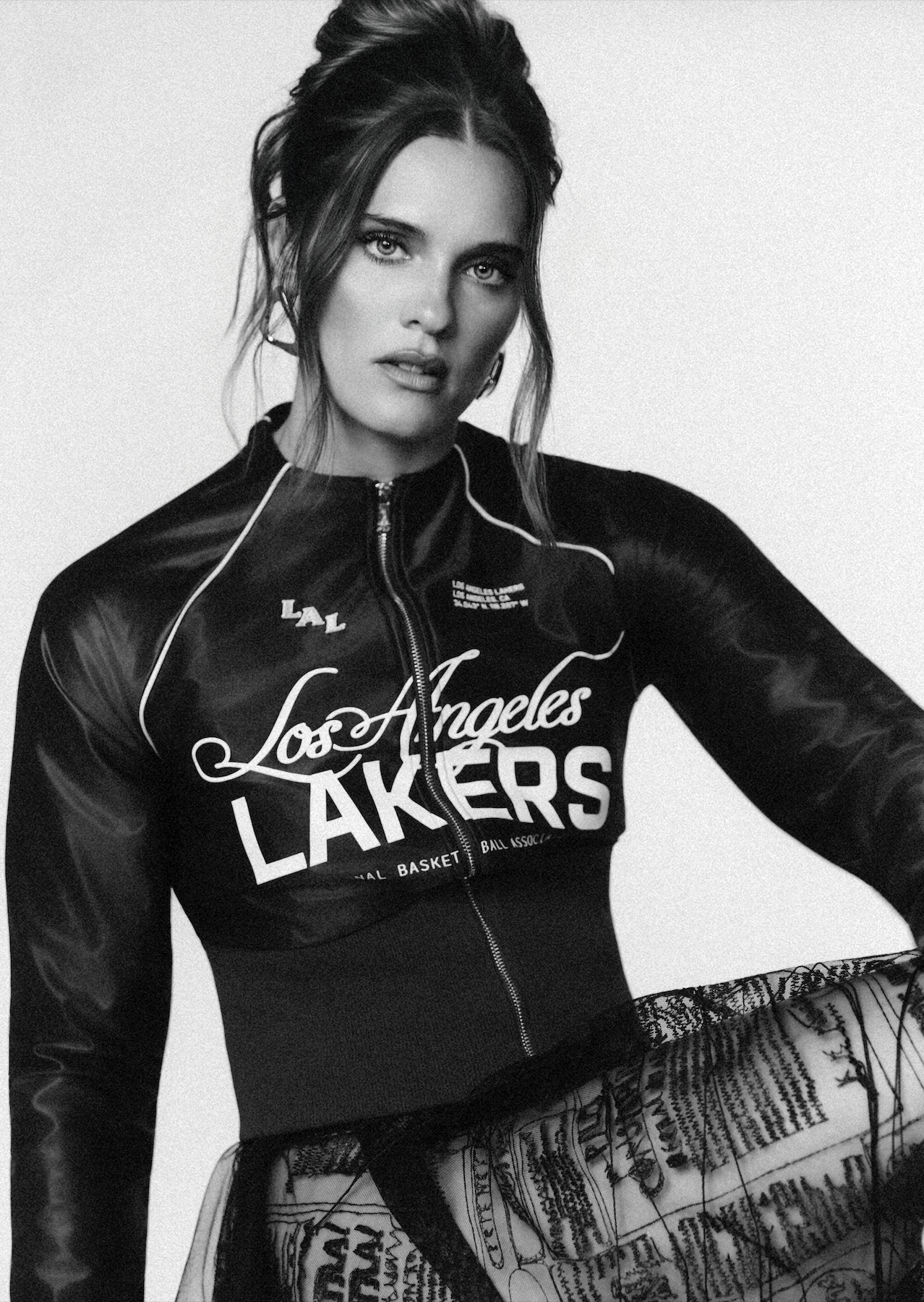
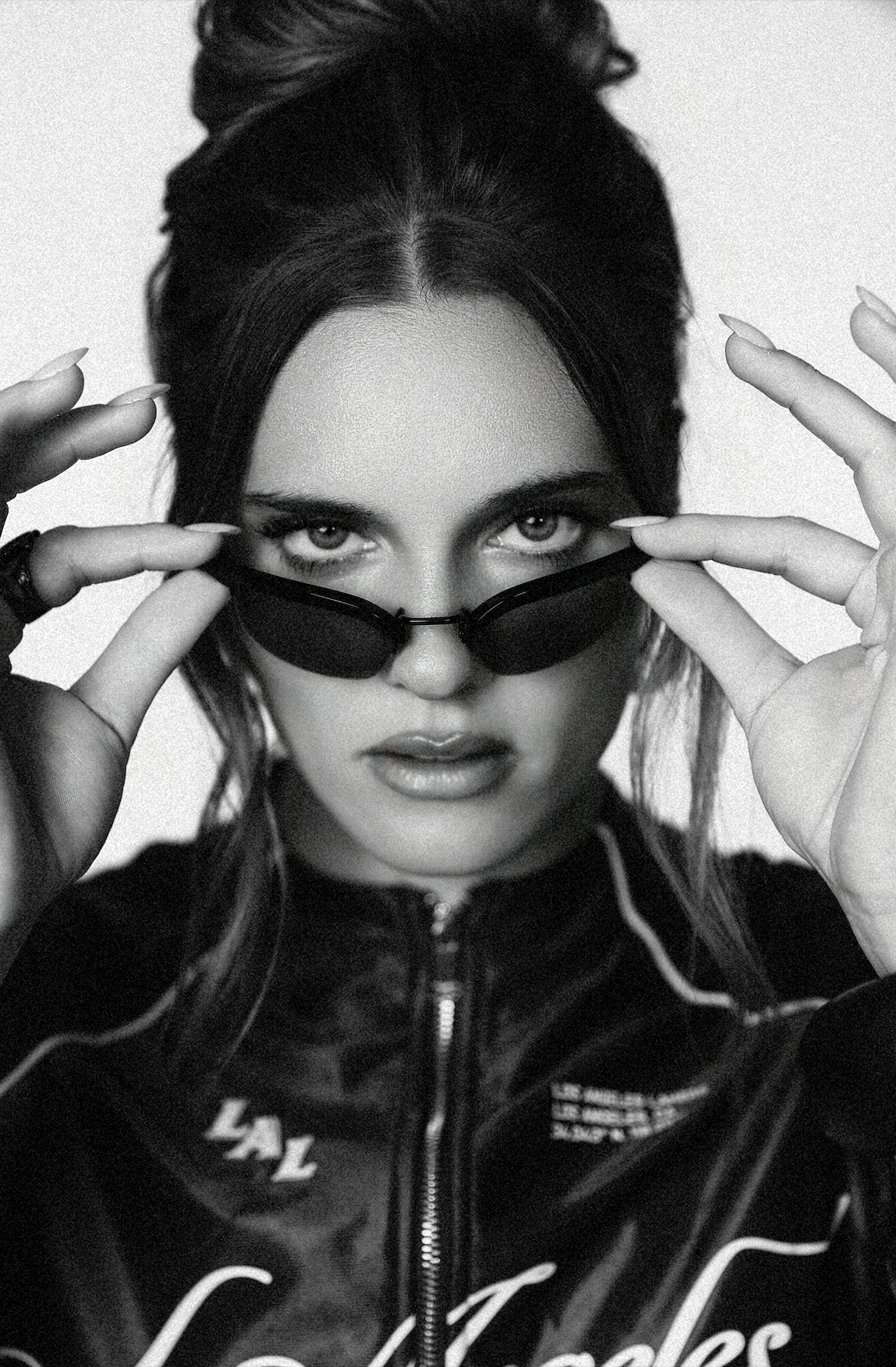
top OFF SEASON
bottoms DAWID TOMASZEWSKI
undergarments VICTORIA’S SECRET
shoes BRANDON BLACKWOOD
jewels ALEXIS BITTAR, LORI RODKIN and DEFIANCE
sunglasses PRADA
You're working toward your fourth Olympics. How does this chapter feel different from the previous ones?
My first Olympics was about proving I belonged. Tokyo was survival honestly. Paris was completely different because after everything that happened physically and mentally, just standing on that podium meant so much more than I can explain.
I think I enjoy things more now than I used to. There's more gratitude now, but also more curiosity about who I'm becoming outside of sport too. LA feels emotional because it may be my final Olympics. That awareness changes the way you experience things. You become much more present.
Does knowing it may be your final Games change your mindset in any way?
Yes. It makes everything more meaningful. Every training session, every recovery day, every competition, every photoshoot, every partnership, it all feels connected to the bigger picture now.
When you're younger, you think you have unlimited time. Now I understand how sacred these moments are. I don't want to rush through them. I want to be present enough to feel them and disciplined enough to honor them.
If LA 2028 is my final Games, I want it to feel like both a closing ceremony and a beginning — the last dance in sport, and the first opening act of everything beyond it.
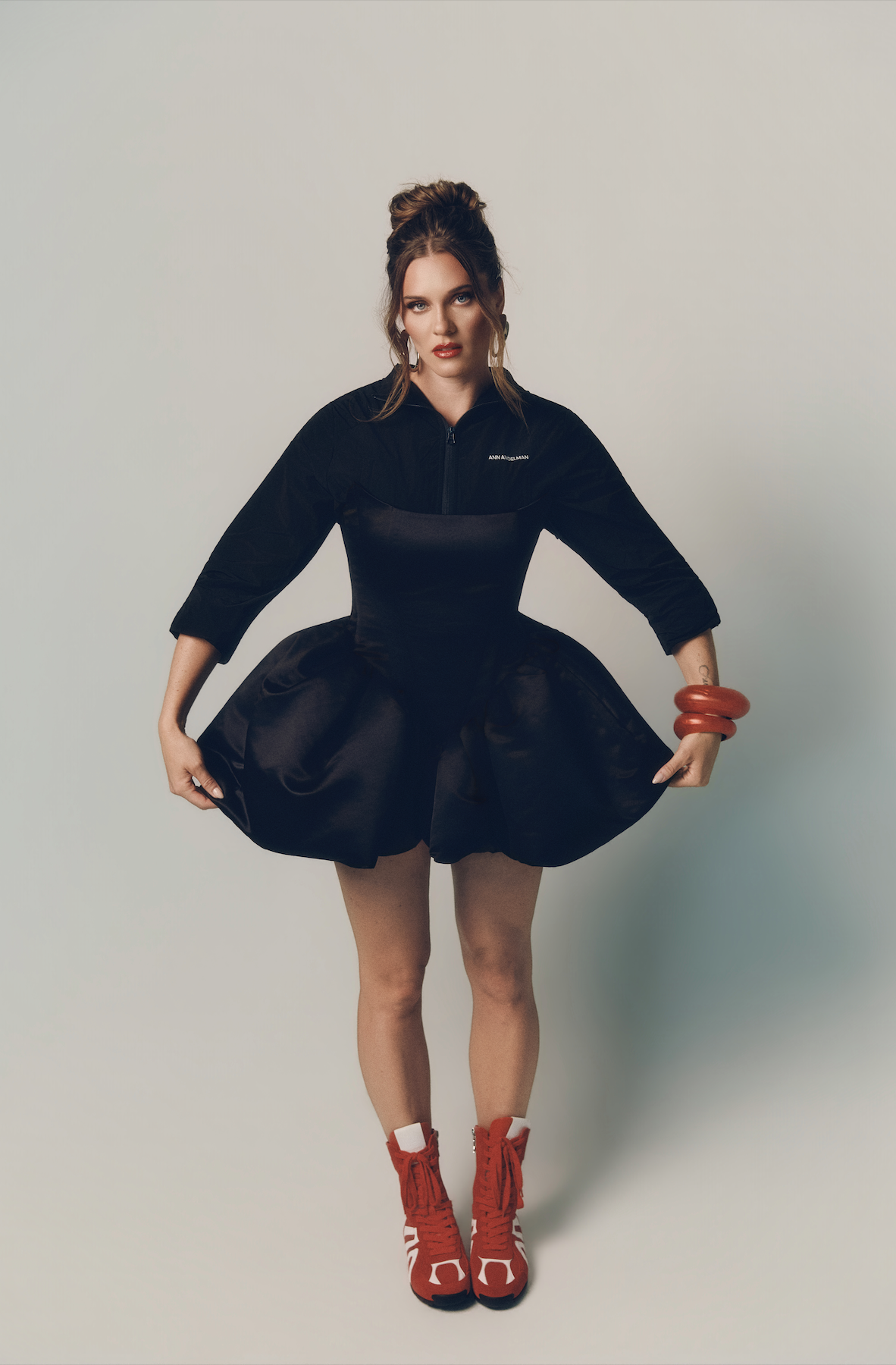
dress BALYKINA
jacket ANN ANDELMAN
shoes DAPHNE LAB
jewels ALEXIS BITTAR and ARMARIUM
Has your relationship to pressure changed over time?
Completely. I used to think pressure was something I had to fight. Now I see it as something I can work with. Pressure means you care. It means there's something at stake. It means you've built yourself into someone people expect greatness from. That can feel heavy, but it can also be a privilege.
Over time, I've learned that pressure doesn't have to break you. It can refine you. The biggest shift for me has been realizing I don't need to prove my worth every time I compete. My worth is already there. Performance is something I do, it's not the only thing I am.
How do you see your career evolving beyond the Olympics?
I think it will continue evolving around storytelling, performance, and building things that last.
I recently helped raise over $20 million for the first-of-its-kind performance centre I'm building in Bolton, which will give Canadian athletes access to world-class coaching, recovery, and training resources I didn't have access to growing up. That project means a lot to me because I understand firsthand how difficult the path can be for young athletes without access and resources.
Beyond sport, I know I want to continue expanding into fashion, modeling, media, and entertainment in a meaningful way. Acting really interests me, and so does long-form storytelling and projects that show a more human side of elite performance and public life.
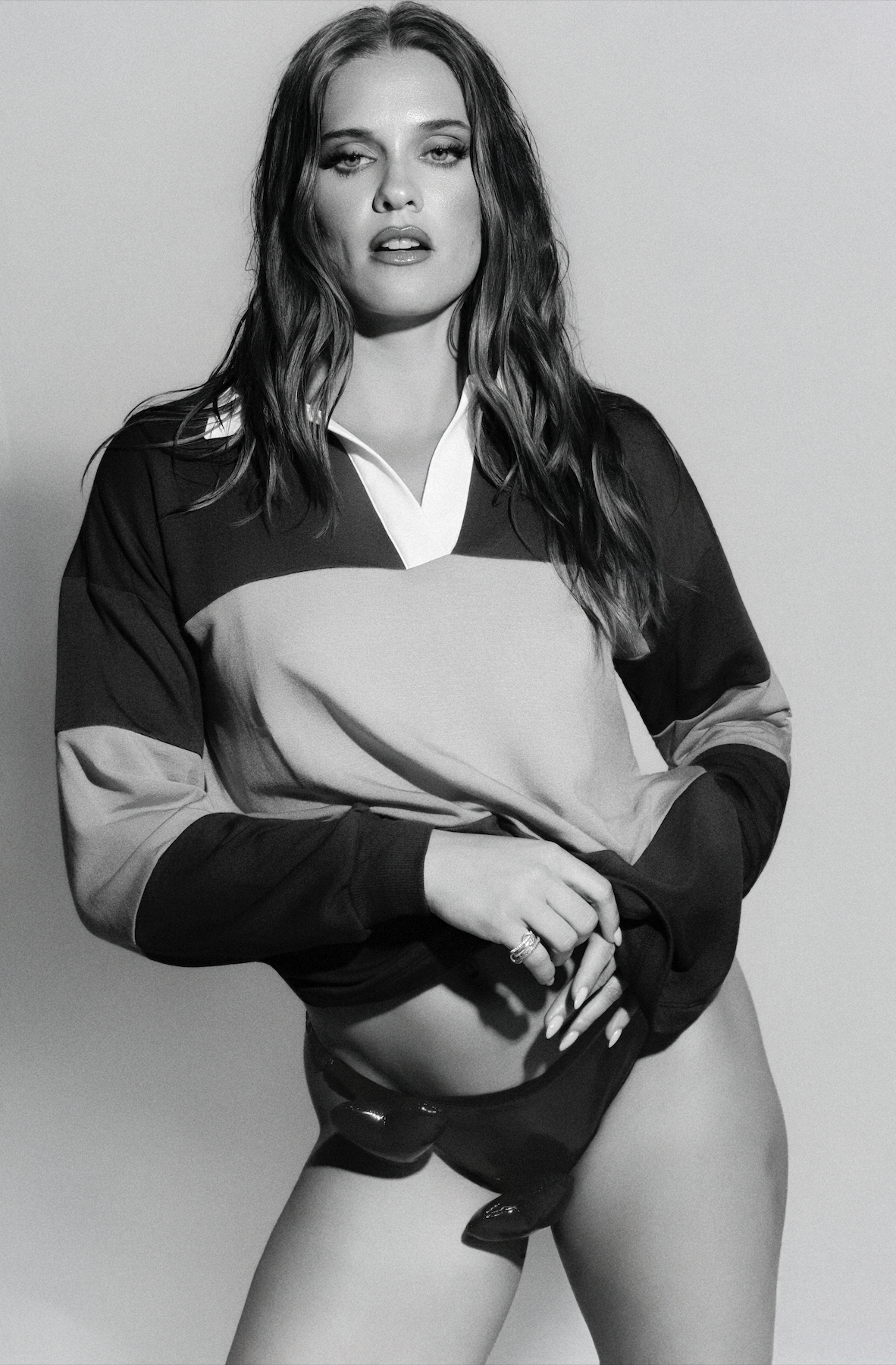
top SPLITS59
bottoms CULT NAKED
shoes BRANDON BLACKWOOD
jewels 8 OTHER REASONS
What kind of legacy do you hope to leave, both in sport and beyond it?
I want my legacy to be that I raised the bar, literally and figuratively.
In sport, I want to be remembered as someone who changed what was possible for Canadian pole vaulting. Someone who fought, came back, made history, and helped create a better pathway for the athletes coming next.
Beyond sport, I hope people remember someone who kept evolving. Someone who wasn't afraid to want more out of life, and wasn't afraid to grow publicly instead of staying attached to one version of herself forever. I think reinvention takes courage.
Outside of sports and fashion, what keeps you fulfilled?
My relationships. My family, my close friends, my team, my dog, traveling, nature, being around people who challenge and inspire me.
I'm ambitious, but I also value a very grounded life outside public moments. As much as I love competing and performing on big stages, I think some of life's most meaningful moments happen away from the spotlight.
I want love. I want a family one day. I want a life that feels full both publicly and privately.
The older I get, the more I realize success is not only about medals or visibility. It's also about the relationships you build, the people you impact, and the kind of life you create for yourself along the way.
TEAM CREDITS:
talent ALYSHA NEWMAN
photography JESSE VOLK
styling YASI GUILANI SCHULZ
makeup ALINA DETUK
hair ANASTASIIA FOBIEIANCHUK
styling assistant ODEL DANIALI
editor TIMI LETONJA
editorial director and interview JANA LETONJA
