
IN CONVERSATION WITH MISSDARCEI
interview by JANA LETONJA
Darcei Giles, known online as MissDarcei, is a beauty creator, inclusivity advocate, and the radiant face transforming the global K-beauty conversation. She’s become one of the most trusted and joyful voices in the digital beauty world, blending her love of skincare, K-culture, and honest conversation to inspire millions. Her viral Black Girl Tries series and unfiltered product reviews have made her a leading force in bridging Korean beauty and Western audiences, with tangible results. With major beauty players like TIRTIR entering ULTA, Darcei’s influence and insight are more vital than ever as she continues shaping the next chapter of global beauty, one inclusive foundation shade at a time.
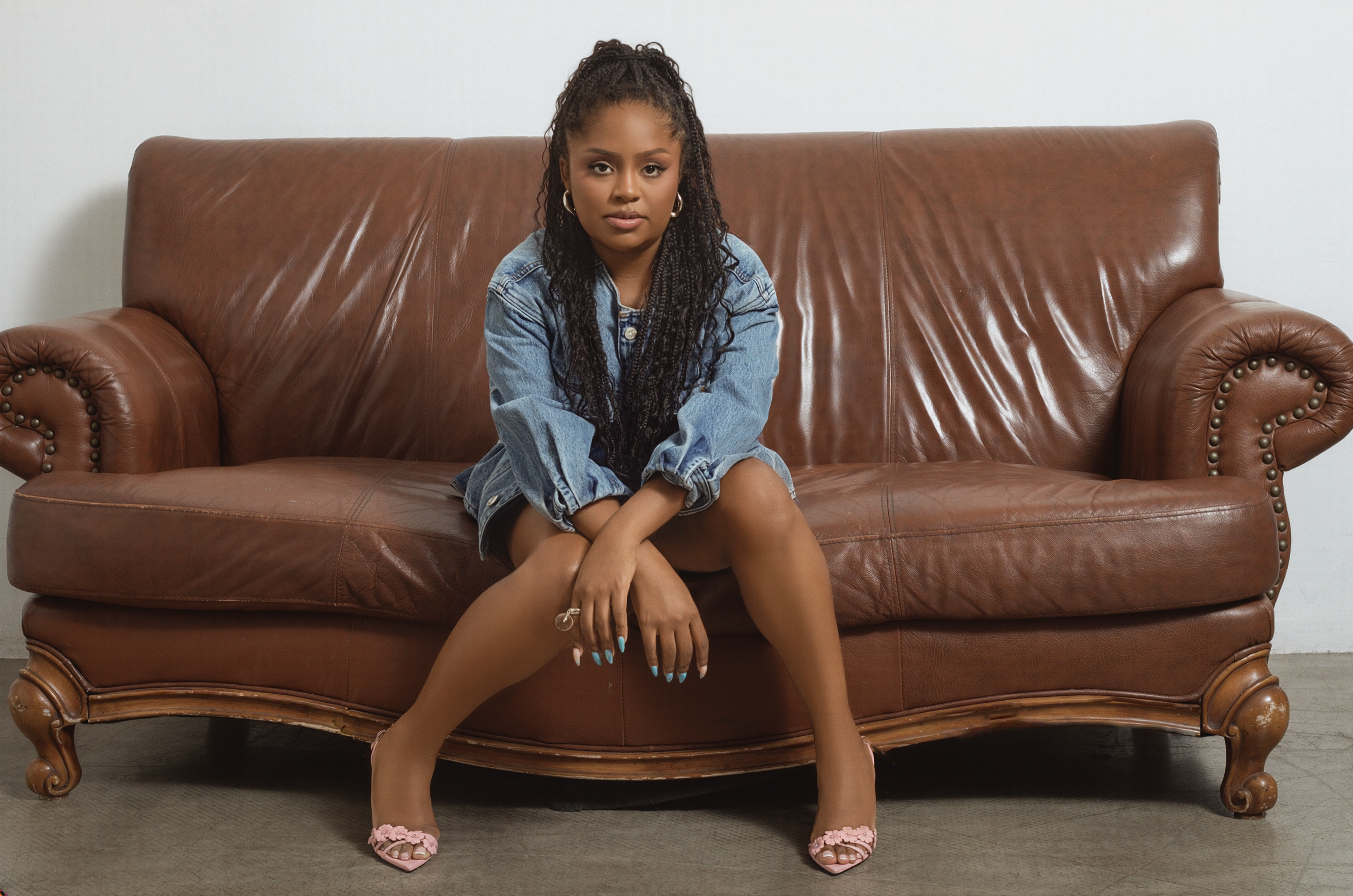
You started sharing your beauty journey on YouTube just for fun. When did you realize it was becoming something much bigger?
I think it really shifted when I started seeing people genuinely connect with my content beyond just makeup itself. At first it was fun and experimental, but once my videos started reaching people who felt excluded from beauty conversations, especially darker-skinned women trying to navigate K-beauty, I realized it was becoming something much bigger than just product reviews.
Your Black Girl Tries series became a viral hit. What inspired the concept, and how do you choose which trends or products to feature?
The series actually started because I thought it would be funny and entertaining. I was trying beauty trends and aesthetics you don’t usually see Black women represented in, and people really connected with that perspective.
Now I choose trends based on a mix of curiosity, cultural conversation, and whether I think my audience would genuinely want to see how something performs on deeper skin tones. A lot of my content comes from seeing a gap and wanting to test it myself.
How has your relationship with beauty evolved since you first started creating content?
In the beginning, beauty felt more aspirational to me. Now it feels much more personal and expressive. I’m less interested in perfection and more interested in how beauty makes people feel, especially when they finally feel represented or understood.
I’ve also become much more aware of the industry side of beauty and how important thoughtful product development and shade inclusivity really are.
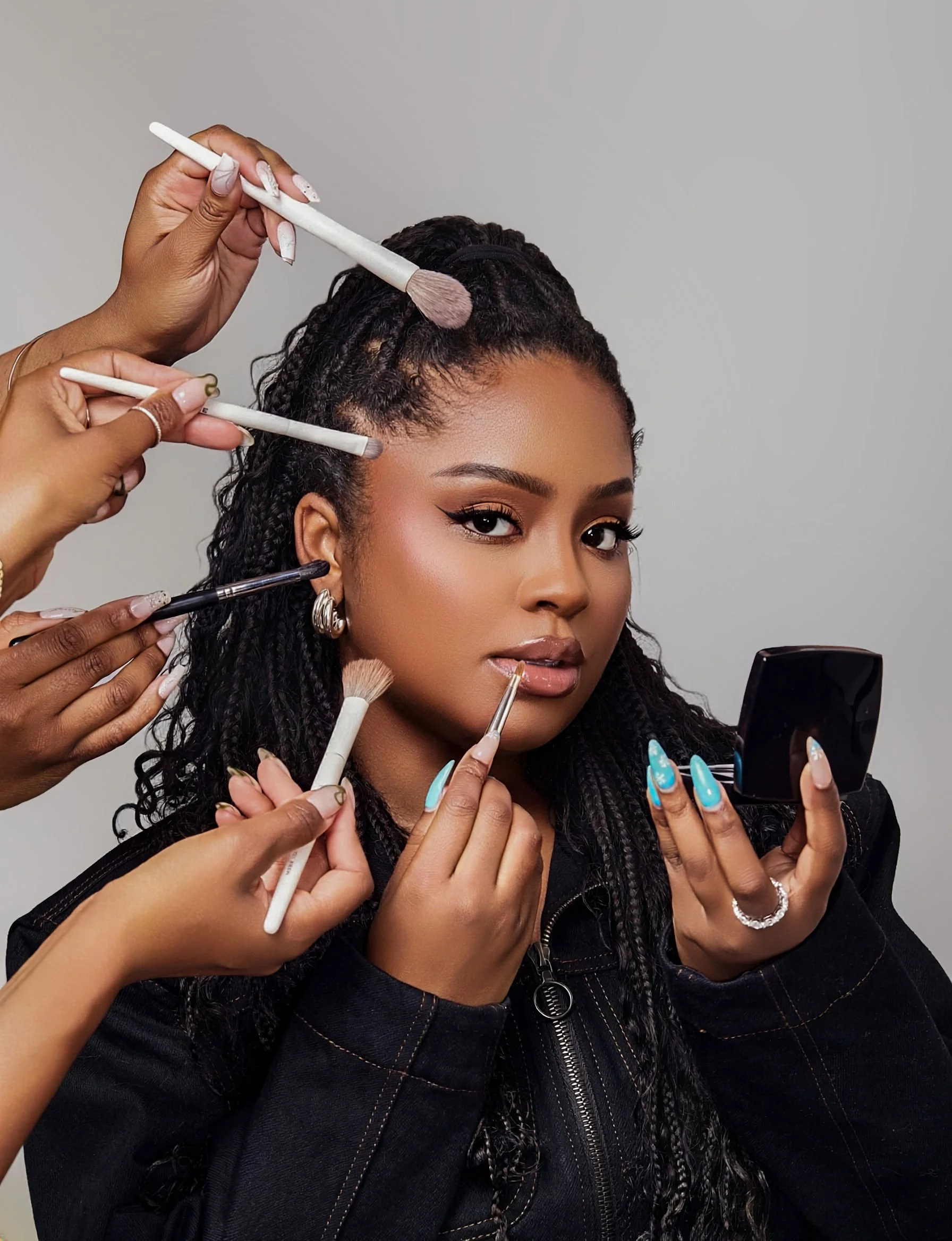
You’ve built such a loyal and diverse community. What do you think resonates most with your audience?
I think people connect with honesty. I’m very transparent about what works, what doesn’t, and how I genuinely feel about products or trends.
I also think my audience appreciates that I approach beauty in a relatable way. Even when content is polished, it still feels like you’re getting ready with a real person, not watching something overly filtered or unattainable.
You’ve been a major voice in bringing K-beauty to Western audiences. What first drew you to Korean skincare and makeup?
I was already interested in Korean culture long before I got into beauty. I grew up loving K-pop and K-dramas, so when I started getting into makeup, discovering that there was an entire Korean beauty industry felt really exciting to me.
I was drawn to how creative and innovative K-beauty felt compared to what I was used to seeing at the time. The textures, packaging, formulas, and overall approach to beauty felt very different and fresh.
At the same time, I noticed a huge gap in inclusivity, especially in complexion products, and that became a big part of why I continued talking about it. I wanted to explore the category while also challenging where it was falling short.
How does it feel to see brands like TIRTIR and Parnell embrace inclusivity, and to know you played a part in that change?
It’s really rewarding because for a long time, darker-skinned consumers were almost completely left out of K-beauty complexion conversations. Seeing brands expand their ranges and take deeper skin tones seriously feels meaningful, especially knowing that my audience and I helped demonstrate that there was real demand for it globally.
Tell us about working with Parnell on creating 40 inclusive shades for the Cicamanu Serum Foundation. What was that experience like?
It was a very collaborative experience. A big part of the process was discussing undertones and making sure deeper shades still felt nuanced and realistic instead of just becoming darker versions of the same formula.
We talked a lot about pigment balance, saturation, and how shades actually appear on real skin. That level of detail is especially important for deeper complexions because small undertone shifts make a huge difference.
With more K-beauty brands entering major retailers like ULTA, what do you hope consumers, and the industry, take away from this shift?
I hope the industry understands that inclusivity is not a niche concern or a trend, it’s an expectation.
I also hope consumers realize that K-beauty can be for everyone. For a long time, many darker-skinned consumers felt like the category wasn’t made for them, so seeing these brands become more accessible and inclusive is a really important shift.
You’ve said you want women of color to feel seen in the beauty aisle. What does true inclusivity look like to you today?
True inclusivity goes beyond just adding darker shades at the end of a range. It means thoughtful undertones, accurate marketing, representation in campaigns, and products being developed with different skin tones in mind from the very beginning. It should feel intentional, not like an afterthought.
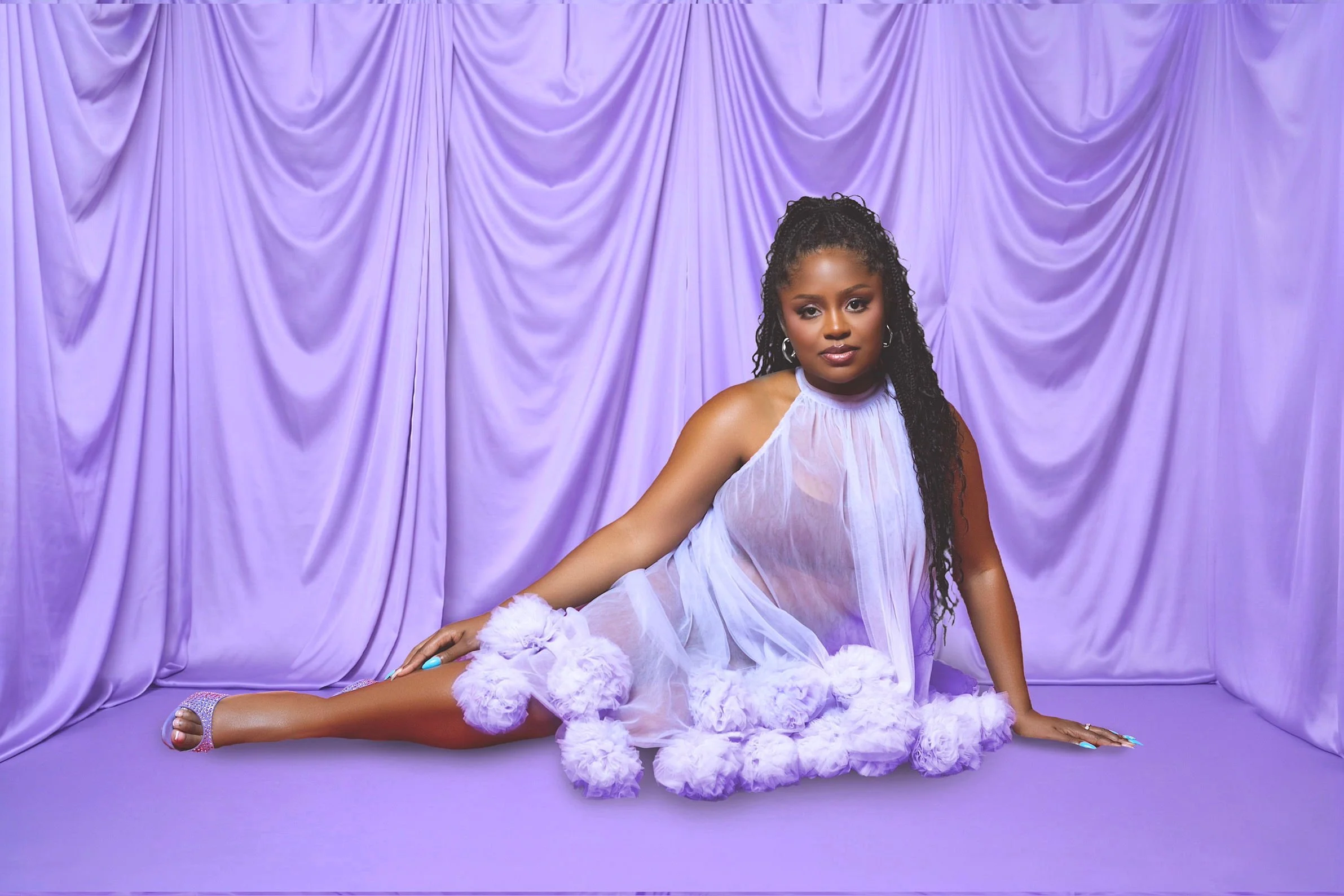
Outside of beauty, what brings you joy or helps you recharge creatively?
Honestly, I recharge most by being at home and having time alone in my own space. Content creation can be very overstimulating and social, so I need quiet time to reset creatively. A lot of my creativity comes from having space to think and observe rather than constantly being “on.”
You’ve already made beauty history with your Streamy win. What do you want your next big impact to be?
I want to continue pushing the beauty industry toward more thoughtful inclusivity, especially within global beauty spaces like K-beauty.
Long-term, I’d also love to create products that genuinely solve problems for people who have historically been overlooked by the industry, while still feeling innovative, exciting, and culturally relevant.
TEAM CREDITS:
photography GRACE BUKUNMI
