
IN CONVERSATION WITH MELISSA AND MICHELLE MACEDO
interview by JANA LETONJA
Melissa and Michelle Macedo are redefining what it means to be multi-hyphenate artists. Identical twins, longtime collaborators, and creators who move fluidly between music and film, the Macedo sisters star in, and compose the score for, the psychological horror film ‘Thinestra’, a daring, body-horror thriller that confronts disordered eating, beauty obsession, and the dark seduction of weight-loss culture. Playing two halves of a single fractured character, their performance is as unsettling as it is emotionally precise, earning critical acclaim and major festival recognition. With over 1.7 million music streams as pop duo MACEDO and a new EP arriving in February 2026, Melissa and Michelle are carving out a bold creative lane, one that’s unapologetically intimate, confrontational, and entirely their own.
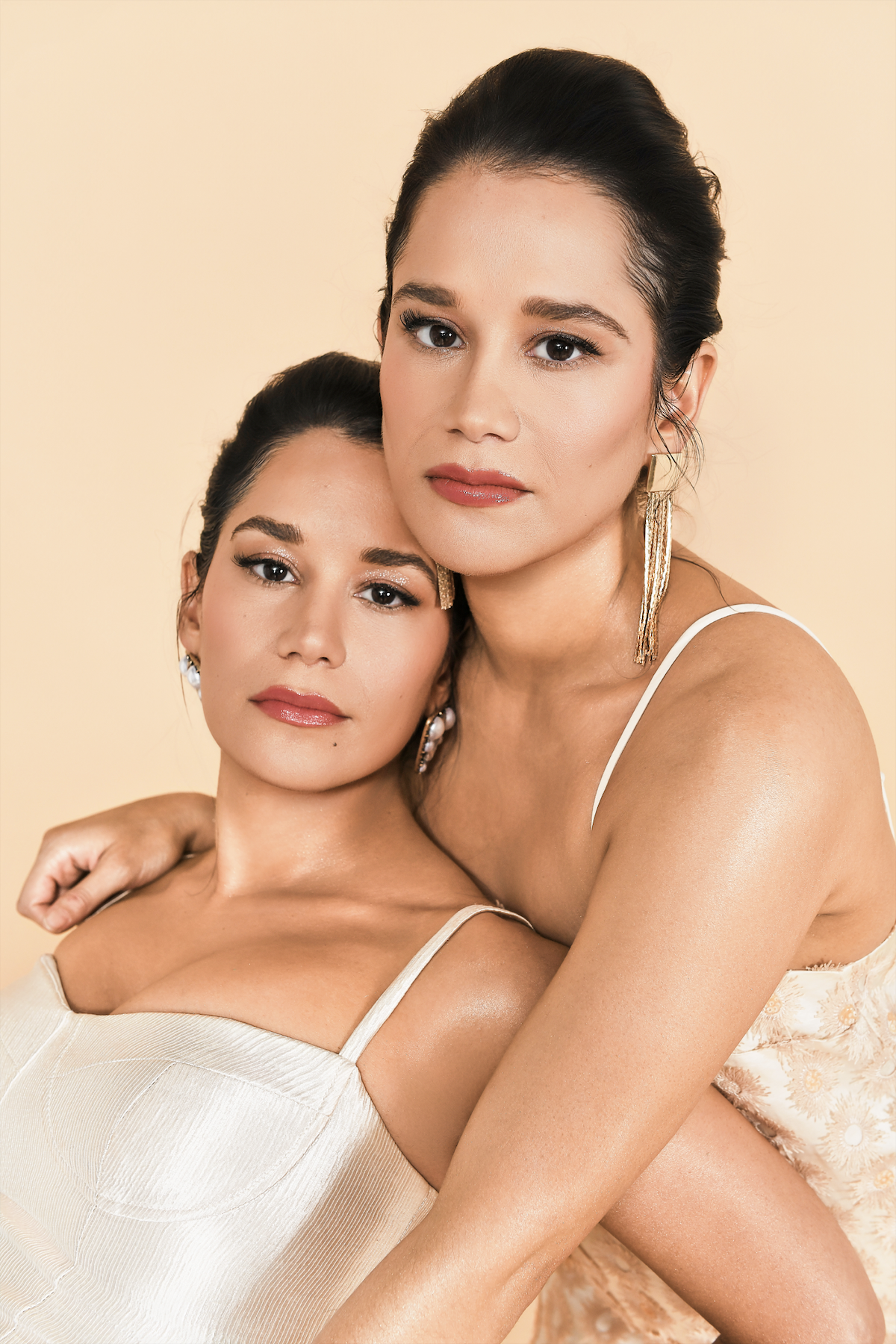
‘Thinestra’ is deeply unsettling in the best way. Where did the initial idea for the film come from?
The initial idea for ‘Thinestra’ came from the emergence of GLP-1 drugs, which felt like a sudden promise of a “magic pill.” Director Nathan Hertz and writer Avra Fox Lerner were interested in how that promise intersects with disordered eating and body dysmorphia. The monster character externalizes something so many people experience internally: shame, obsession, and a distorted relationship with their own bodies.
Body horror felt like the most honest genre to explore those ideas. It allows the film to depict the psychological damage caused by unrealistic beauty standards and the warped ways we’re taught to see ourselves. Nathan and Avra were especially drawn to examining the societal expectation of perfection, what’s considered an “acceptable” body, and the very real toll that pressure takes on our humanity.
You play two halves of one fractured character. How did you develop such a precise emotional symmetry on screen?
We approached this role entirely as a team because finding that balance, one character expressed through two different states, required a shared foundation. From the beginning, we worked with a great movement coach, Erika Ackerman. She really helped us discover the physicalities and vocalizations of both Penny and Penelope. We also made sure to be on set while the other one was filming. Watching each other work helped us stay aligned emotionally and tonally. it allowed us to subtly mirror or counter certain choices so the performance remained cohesive. Being twins definitely gave us an advantage in understanding that connection, but it was also challenging because we had to differentiate these two sides while maintaining their unity. But for this project, we were able to use that dynamic to our advantage and explore it in a way that felt both personal and universal.
As identical twins, how did your real-life bond influence the psychological tension of the film?
Being twins gave us a unique perspective on this role. We’ve always had this built-in connection, someone who gets you, challenges you, and has your back no matter what. But there’s also this cultural fixation on twins, like we’re one person split in two, like we owe people sameness. That tension, between deep intimacy and being constantly watched or compared, really informed how we played Penny and Penelope. It’s not just two characters, it’s one identity torn in half, and we know that dynamic firsthand.
The story confronts body dysmorphia and the rise of Ozempic-style weight-loss drugs. Why did this feel urgent to explore now?
We’re living in a moment where the question isn’t whether weight loss is possible, but whether because it’s possible, we’re expected to pursue it. Ozempic-style drugs introduce a new kind of pressure. If you can inject yourself and change your body, why wouldn’t you? And if you don’t, what does that say about you?
That’s what made this feel so urgent to explore. The existence of these drugs raises deeper questions about autonomy, obligation, and how narrowly society defines an “acceptable” body. Even engaging in a conversation about it can feel like an act of resistance. We felt it was important to confront these ideas now, while the cultural conversation is still unfolding, and to bring awareness to how these expectations are quietly reshaping our relationship with our bodies.
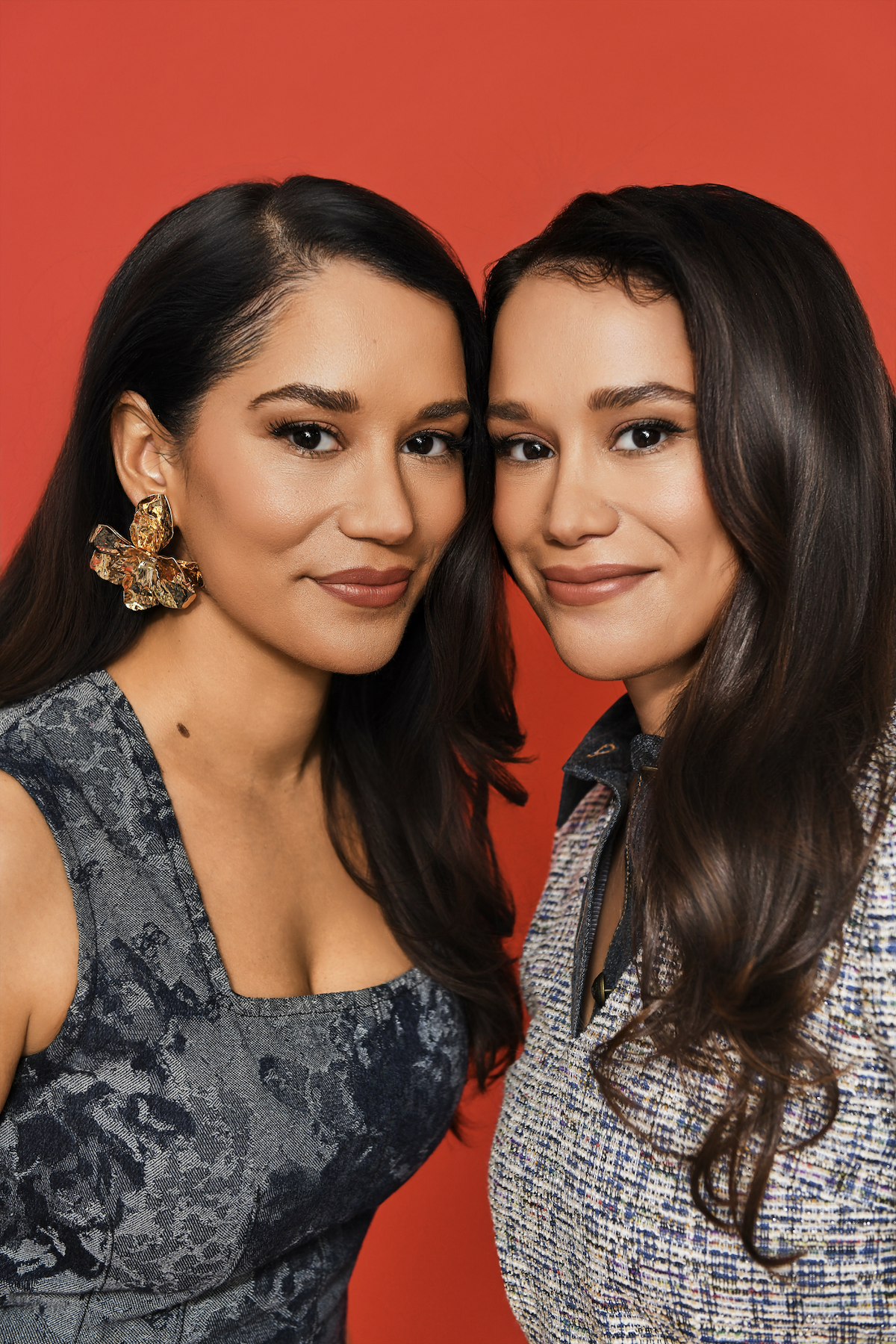
Was there a moment during filming that genuinely disturbed you both?
Michelle: Some of the most physically and emotionally challenging moments for me were the dream sequences. In that space, the character is forced to confront her deepest fears head-on. The world the team built for those scenes was incredible, which made the experience even more intense. It was unsettling in a way that lingered.
Melissa: For me, it was the violent scenes. They had to be meticulously choreographed, and the darkness of them was genuinely disturbing. The process was emotionally heavy, and at times it felt as if it was really happening.
Horror often allows difficult conversations to be amplified. What conversations did you hope ‘Thinestra’ would spark?
We would love there to be conversations about society’s power on our bodies and our identity. We wanted people to have more self compassion towards themselves. This project was the first time we stepped into producing together, and that experience really shaped the kind of stories we want to champion moving forward. It reaffirmed how important it is for us to tell narratives that feel honest to the female experience, stories that aren’t afraid to acknowledge the messy, complicated, and sometimes volatile parts of being human.
What’s been the most moving is hearing from people after screenings who see their own struggles reflected in the film. When someone tells us they felt genuinely understood or accurately portrayed, it reminds us why we wanted to make this in the first place. Those conversations have been incredibly emotional and validating.
We love using horror as a lens to explore the internal violence of themes like shame, rage, and self-perception. There’s a rawness to the genre that gives permission for those emotions to exist without apology. So many women don’t always feel safe expressing their anger or even acknowledging it, and we’re passionate about making more films that hold space for that, stories that invite women to step into their full emotional range without fear.
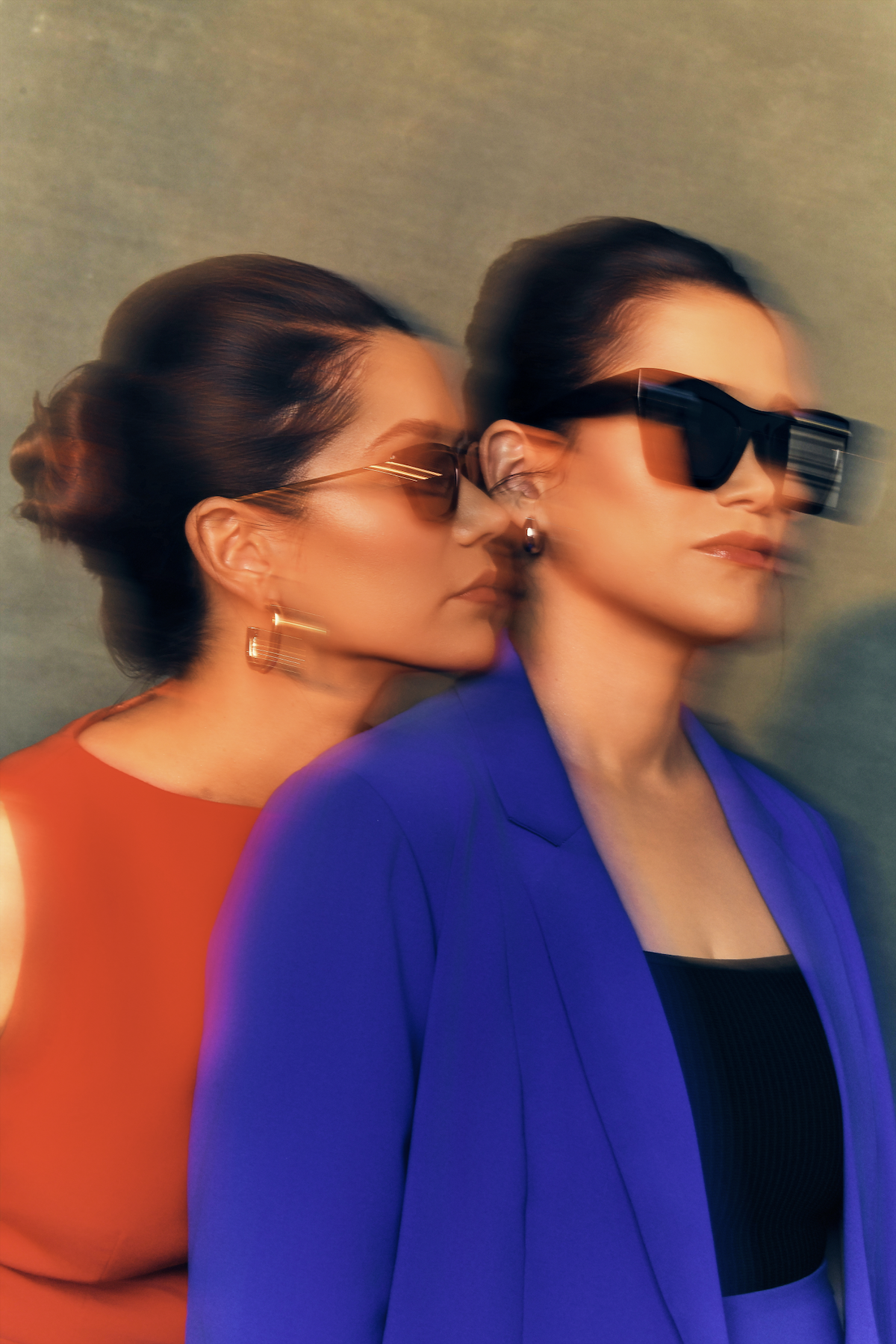
You didn’t just star in the film, you composed the score. How did the music evolve alongside the character’s psychological descent?
The film’s score was composed by the brilliant Tom Walley and Charlie Laffer, and we collaborated with producers Nicci Funicelli and Shayon Daniels at Jenga Productions to create a series of dark, twisted Christmas songs. We were drawn to the unsettling undercurrent of the holiday season, the expectation to feel joyful, even when for many people it’s actually a deeply difficult time.
The music became a way to heighten the tension within our characters. Christmas is so heavily centered around food and celebration, yet for her, food is loaded with fear and shame. That contrast, between what she’s expected to feel and what she’s actually experiencing, creates a constant internal conflict, and the music helps make that emotional dissonance palpable.
As musicians first, did stepping into horror feel like a natural extension or a creative risk?
It actually felt like a natural extension rather than a risk. Music and acting are just different languages for accessing emotion, story, and imagination, and each one deepens the others.
That musical instinct carried directly into working in horror. We often lean on music when preparing for emotionally intense scenes because it helps us find the right emotional frequency, whether that’s stillness, vulnerability, or something more unsettling. Music also opens the door to the genre’s darker humor, sometimes the right song can shift the energy and inspire new ideas.
The film deals heavily with comparison culture and social media pressure. How has that personally affected you both?
We both had an immediate, visceral reaction to the script because it tapped into something we live with every day. Comparison culture and social media amplify an already relentless scrutiny around bodies and self-worth. With the rise of Ozempic and the diet world being flipped on its head, the idea of your “discarded” body returning as an evil twin felt disturbingly timely.
As twins, our bodies have always been compared, to each other and to an external ideal, so stepping into characters who are literally two halves of the same person was unexpectedly cathartic. The roles forced us to confront our own shame and the constant noise around body image in a very direct way.
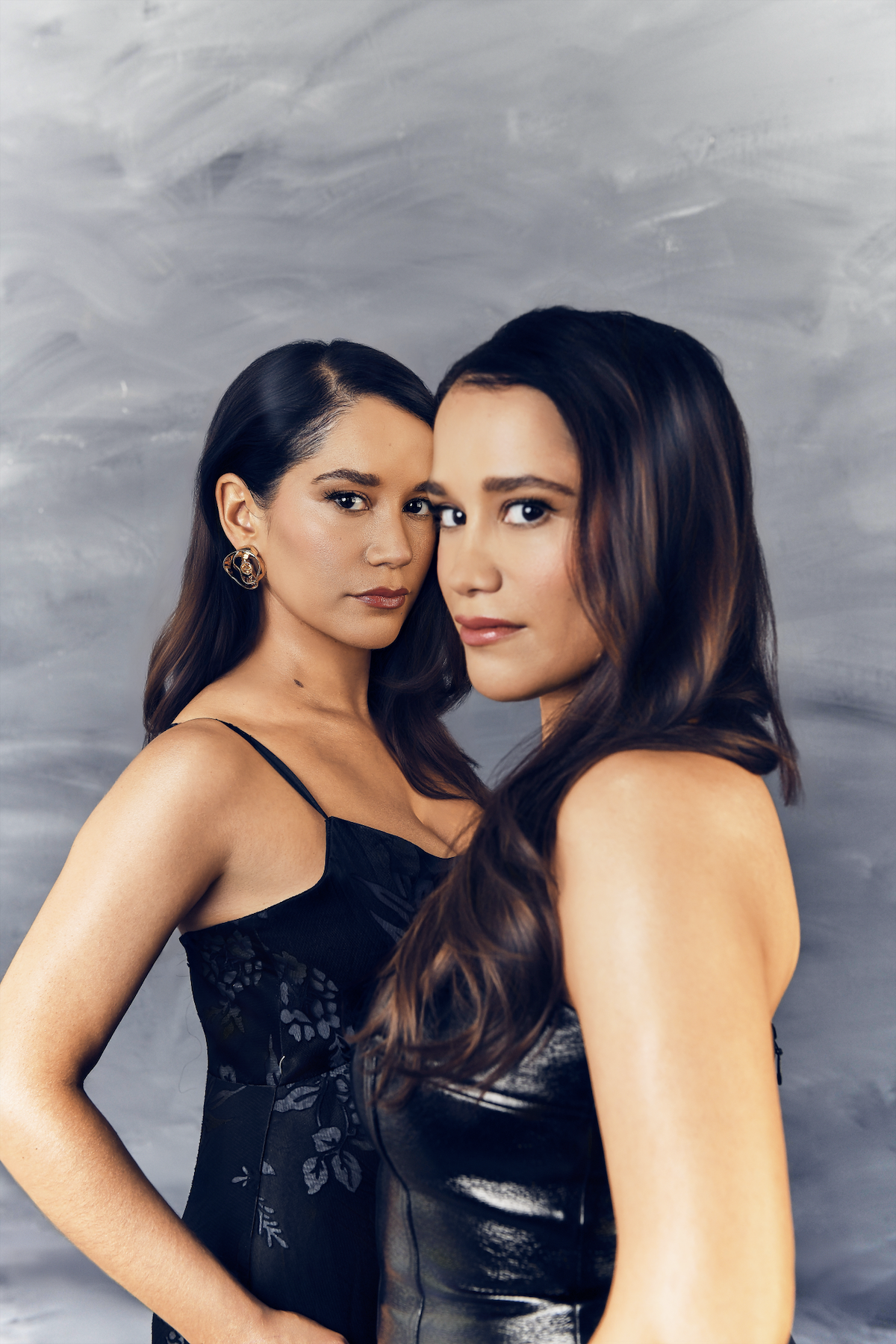
How do you protect your own mental health while creating work rooted in discomfort and vulnerability?
It’s definitely challenging. A huge part of protecting our mental health is staying connected to our creative outlets and leaning on our community for support. Having places where we can process, decompress, and express ourselves outside of the work is essential.
We’ve also learned the importance of allowing ourselves to sit in discomfort rather than immediately trying to push past it. This kind of storytelling asks you to feel a wide emotional range, sometimes all in a single day, and we try to meet that experience with openness instead of judgment. Self-compassion is a practice, and it doesn’t always come easily, but giving ourselves permission to be human has become one of the most important ways we stay grounded while doing this work.
As Hispanic artists, how important is representation to the stories you choose to tell?
We’re actually of East Indian and Latina heritage. Growing up mixed race, we often felt like we didn’t fully belong anywhere, and that experience has shaped the stories we’re drawn to tell. Representation is incredibly important to us, seeing yourself reflected on screen can be validating, powerful, and even transformative. We want audiences to know that their stories matter, their feelings matter, and that they do belong.
Your upcoming EP arrives this month, February 2026. How does the emotional world of your music compare to ‘Thinestra’?
This EP allowed us to explore a more personal and introspective side of our lives through music. While ‘Thinestra’ deals with externalized fears and dark humor, the EP is about the inner emotional landscape, reflecting on self-care, resilience, and how to navigate the world with the energy to give to what truly matters. Collaborating with artists like Professor C, Lazerbeak, and Allee Futterer (all made up) helped us capture that universal feeling of the moment, balancing vulnerability with a sense of joy and release. In many ways, it’s a continuation of the emotional honesty of ‘Thinestra’, but in a form that’s intimate and entirely our own.
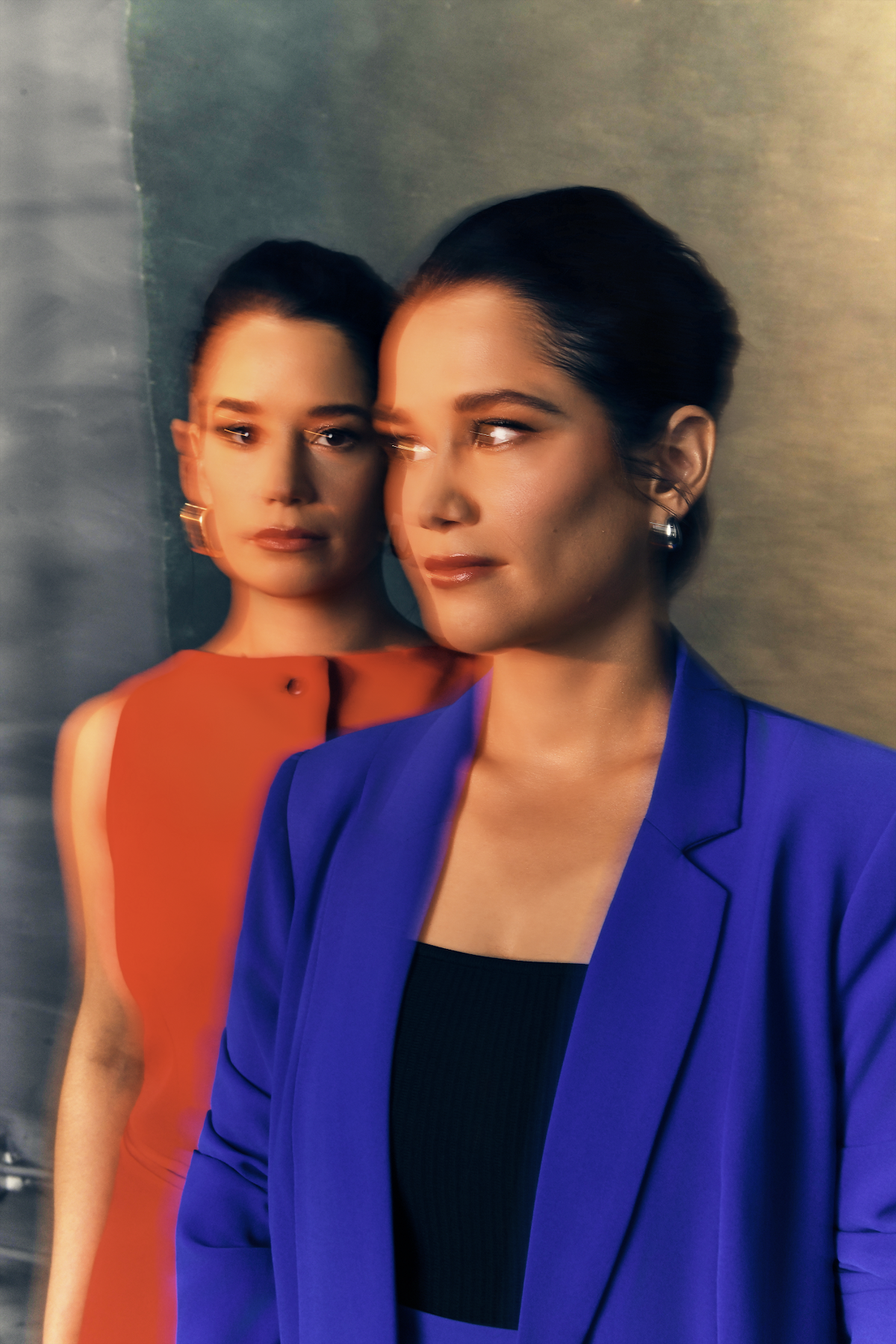
What was the inspiration behind single ‘Double Date’?
Releasing ‘Double Date’ right now felt especially important because it’s a celebration of empowerment and self-liberation. The song is about shedding the pressures of society and giving yourself permission to simply be, to take personal space, protect your mental health, and let yourself enjoy the moment. In a world that often feels heavy, finding joy, even for one night, becomes its own act of resistance.
You both record overseas and conduct sessions in Europe, being a European based magazine, what ties you creatively when composing and writing music there?
We absolutely love working in Europe. There’s something about being surrounded by such rich history and stories, it’s incredibly inspiring. For example, recording at our friend’s studio in Fife, Scotland, which was converted from a Victorian-era church into an amazing creative space, allowed us to fully immerse ourselves in the work. Being there, we could focus completely on what we wanted to say while feeling connected to the legacy of the artists who came before us.
Working abroad also reminds us how much art is valued and respected, and we thrive on collaborating with people from diverse backgrounds. Hearing different perspectives and learning from them always deepens our creative process. Europe feels like a space where we can fully explore ideas and emotions, and that energy carries into everything we create.
What excites you most about where MACEDO is heading next, both musically and cinematically?
Looking ahead, we’re most excited about continuing to tell stories that feel meaningful and authentic to us. Music and acting constantly fuel each other, and we love exploring the ways one informs the other. Ultimately, our goal is to use our platform to spark conversation, support causes we care about, and create work that helps people feel seen and less alone. We also have a lot of new music in the pipeline, and we can’t wait to share it.
TEAM CREDITS
talent MACEDO
photography IRVIN RIVERA
editor TIMOTEJ LETONJA
interview JANA LETONJA
