
IN CONVERSATION WITH SHAUN EVANS
interview by JANA LETONJA
Shaun Evans returns to ITV in the lead role of ‘Betrayal’, a gripping new espionage thriller directed by BAFTA-winner Julian Jarrold. Best known for his iconic portrayal of DS Endeavour Morse across eight acclaimed series of ‘Endeavour’, Shaun now steps into the morally complex world of modern intelligence as John Hughes, a seasoned MI5 agent caught between national duty and personal reckoning. Intense, layered, and psychologically rich, ‘Betrayal’ marks a bold next chapter for him, not only as a leading actor, but also as an executive producer shaping the series from the inside out.
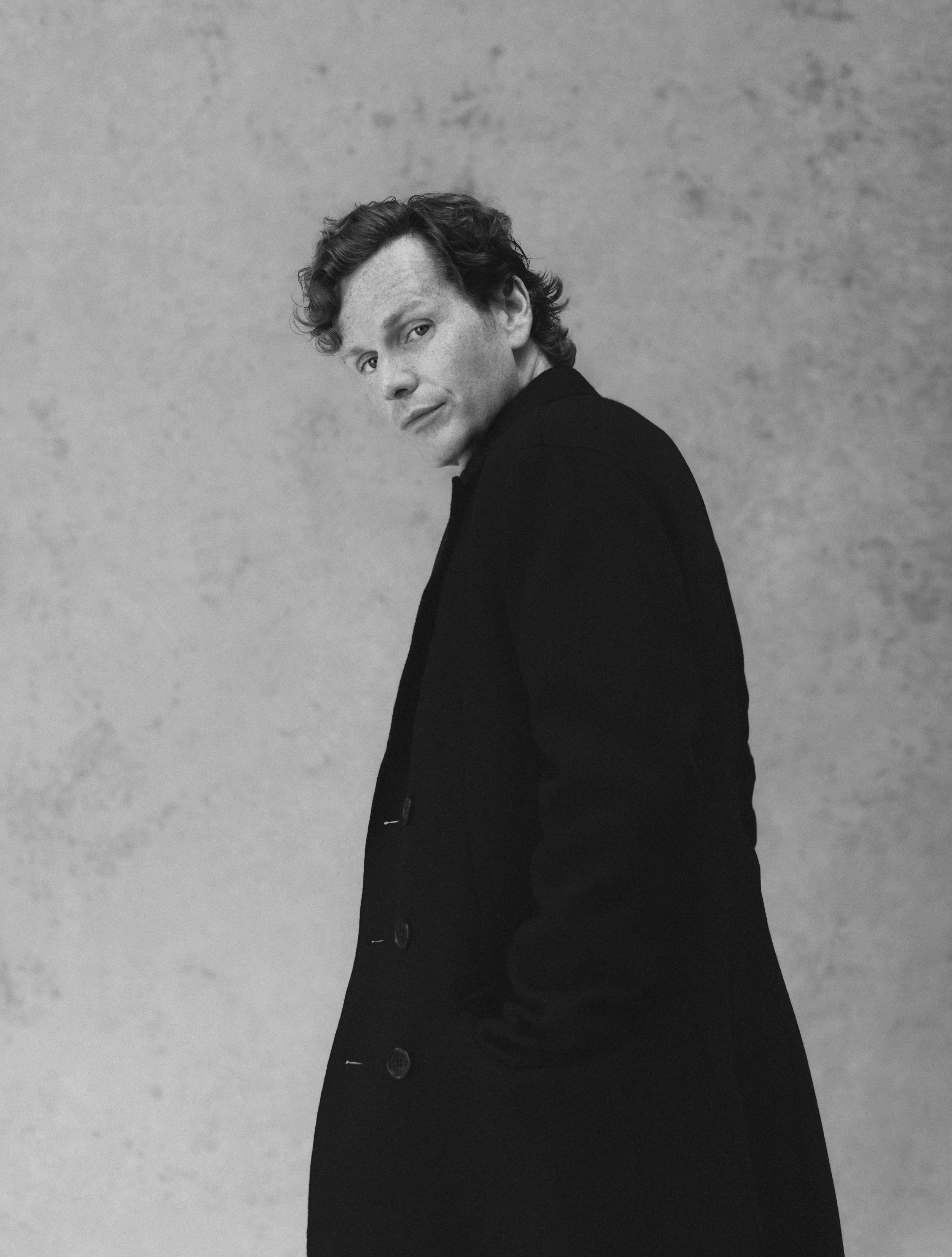
‘Betrayal’ places you at the centre of a morally complex world. What was it about John Hughes that resonated with you on a personal level?
Well, in truth, the idea of John came out of a series of conversations I had with my fellow collaborators, Tom Legget and then the writer David Eldridge. I was interested in a man going through a mid life crisis, in an attempt, perhaps to stave off my own.
John is a seasoned MI5 agent, but also deeply unsettled internally. How did you approach balancing professional authority with personal fracture?
Great question, the character and plot were structured in such a way as to give the most to play at any given moment. Being a four parter rather than the more leisurely 6 or 8, I wanted ‘Betrayal’ to be all killer no filler, and this manifests as John being put under pressure both at work and at home.
You’ve often been drawn to characters with strong inner lives. What do you think that says about the kinds of stories you’re personally compelled by?
Good observation. I once met with an American company whose MO was telling stories about ordinary characters in extraordinary circumstances, like alien invasions for example. I left the meeting realising all the stories I like to read and watch are about extraordinary characters in ordinary situations. That’s not to say I wouldn’t want to tell a story about a chap saving the world, but the ones I connect with are the latter.
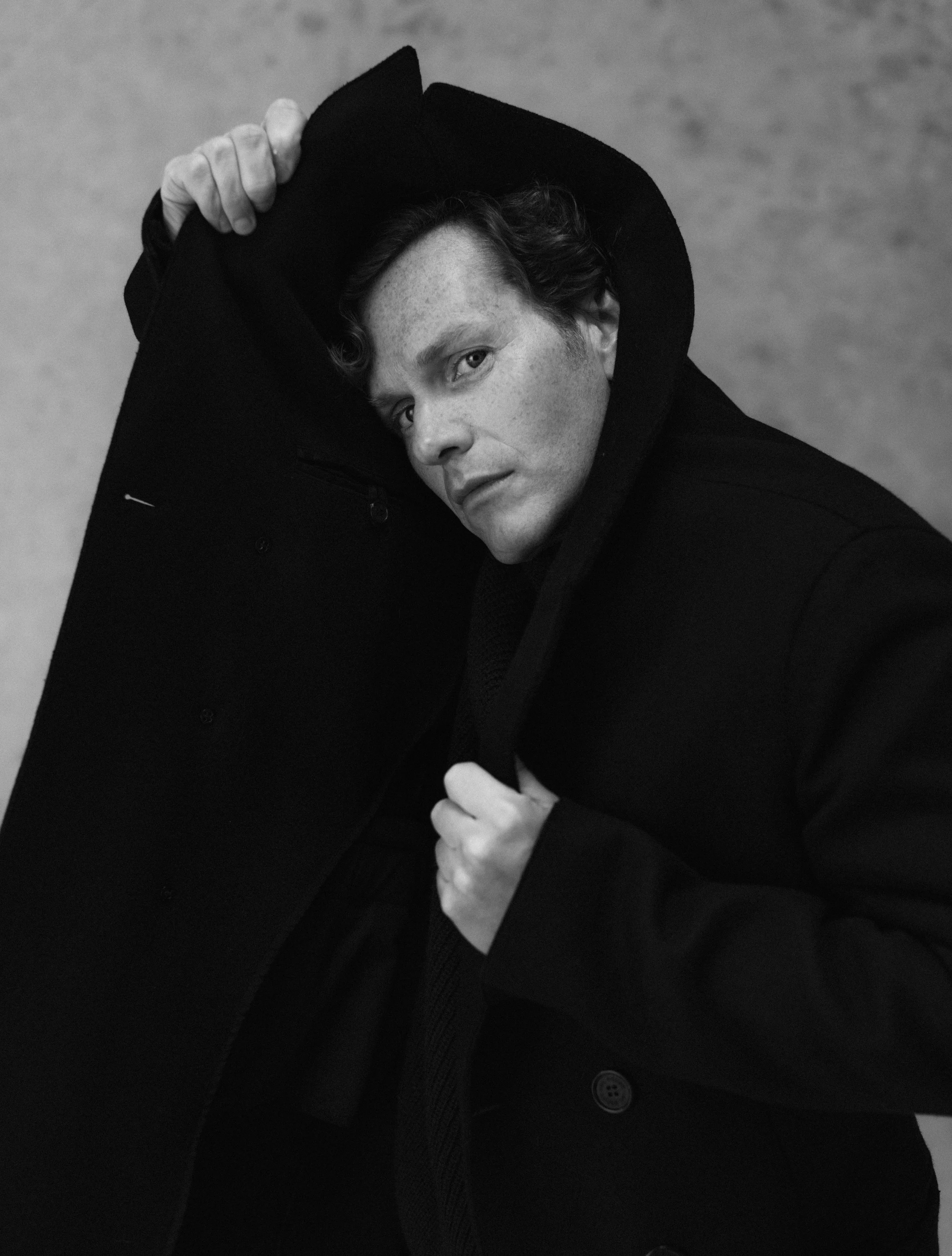
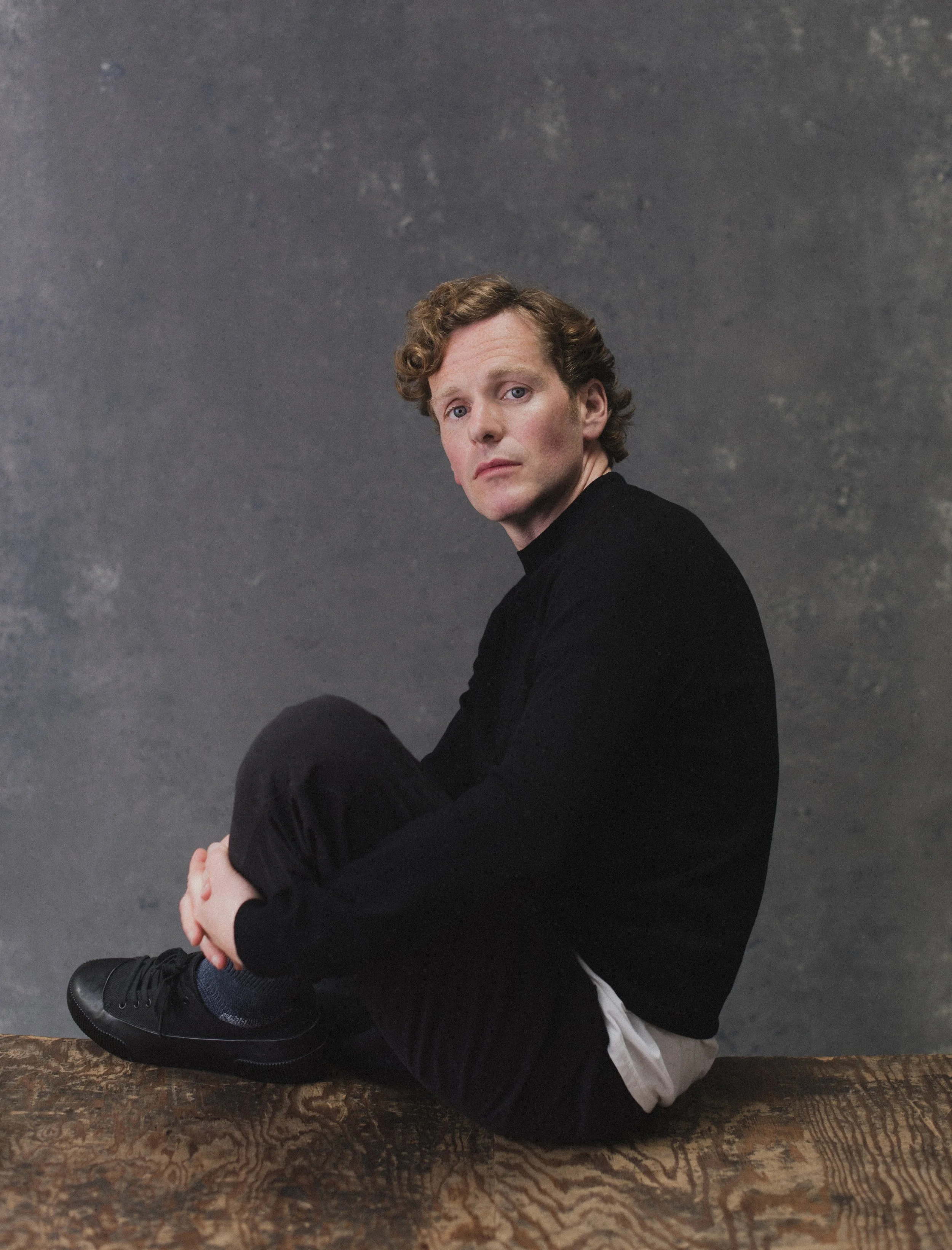
As an executive producer, you’re shaping not just a character but a whole world. How has that shift changed your sense of ownership or responsibility?
I think playing the character Endeavour for such a long period of time educated me in having an opinion and a voice on as many aspects of the story and production as possible, and that’s something I’ve taken with me from that experience. Whether acting, directing or creating stories, I try to take as much responsibility for the whole as possible, in collaboration, of course, with my colleagues.
‘Betrayal’ explores identity under pressure. Have your own ideas about identity evolved as your career has progressed?
Interesting question. I think the work of an actor is to always closely interrogate the character that you’re playing , and that of course involves a degree of reflection upon your own character. To that extent, I feel like I’ve always been grappling with the concept of identity.
When you take on psychologically demanding roles, how do you leave the work behind at the end of the day?
It’s like an engine always running, and I enjoy keeping it slowly ticking away until the whole job is done. Of course you can turn the volume down on it when you wrap at the end of each day, and that just comes with practise.
You’re known for being quite private. Has stepping into producing changed how comfortable you feel being more visible or outspoken?
Not really. The more work I do, the closer I want to guard my life, in order for me to live as normal and free an existence as possible, and also in order to give me the space to have something genuine to offer when I do work. To observe rather than be observed.
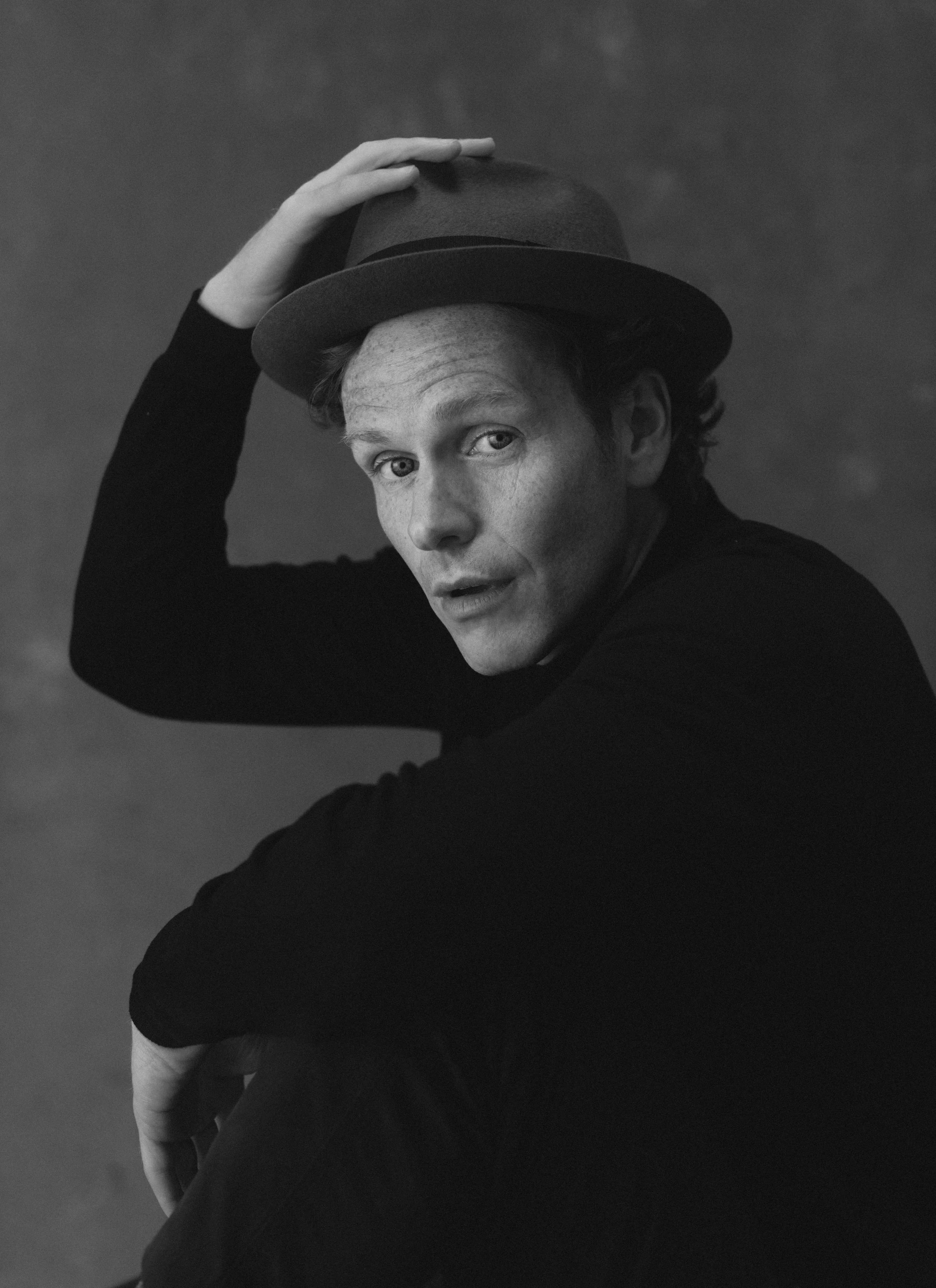
Do you feel more confident taking creative risks now than earlier in your career?
I feel the same. You’ve less to lose when you start out, but that’s replaced by confidence and an ease as you get further down the line.
Outside of acting and producing, what helps ground you when work becomes all-consuming?
I love photography, analogue, though film is becoming increasingly expensive. But to answer your question, perhaps it’s something about framing the world through the viewfinder that I find grounding, though I’ve not really thought about it in great depth to be honest.
What still excites you about acting after all these years?
Collaboration and conversation with my peers. Process rather than product.
What do you hope audiences take away from John Hughes’ journey by the end of the series?
I hope the audience enjoy watching a good story, told with care and attention by its makers.
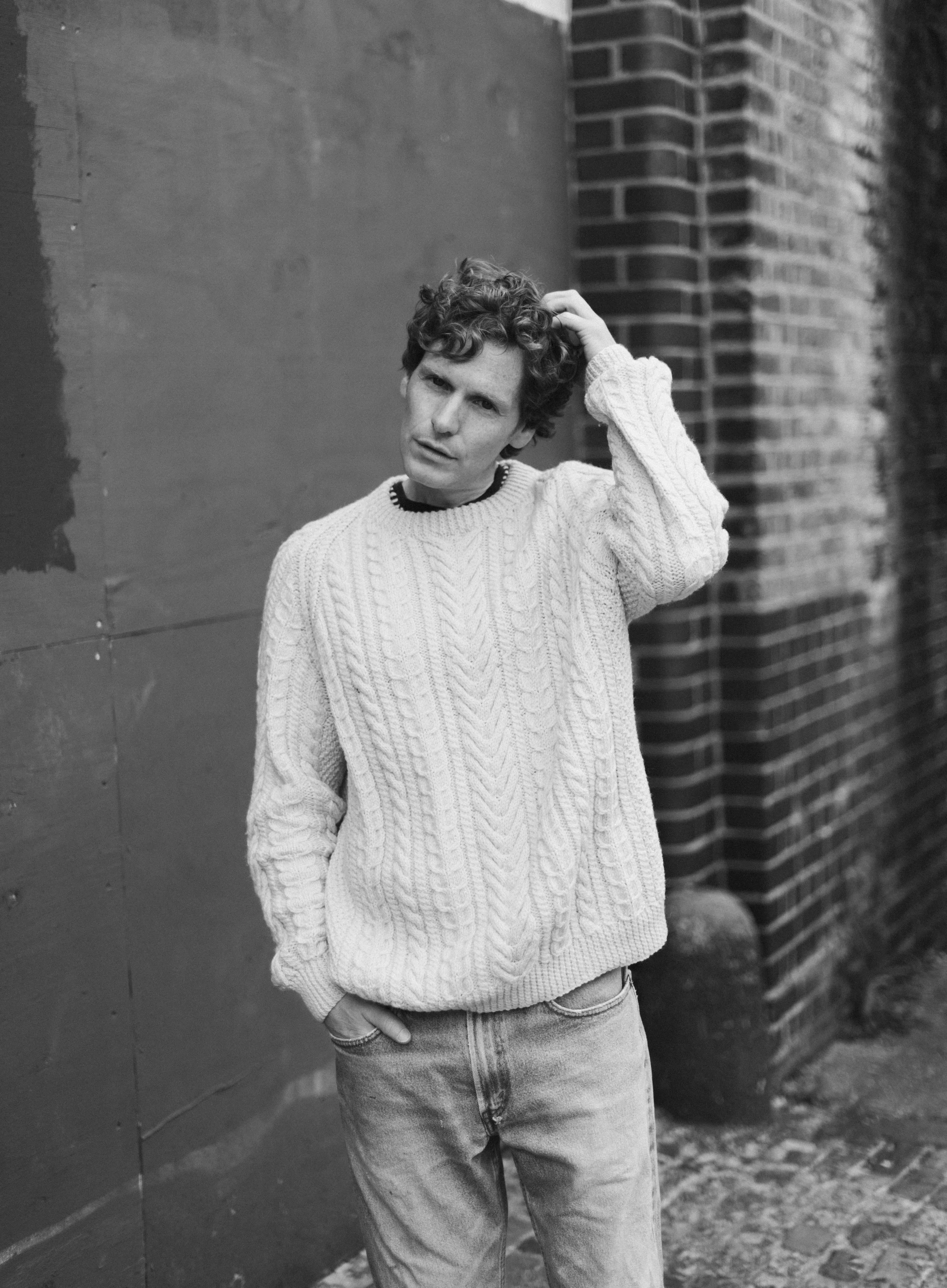
TEAM CREDITS:
talent SHAUN EVANS
photographer BYPIP
styling WAY PERRY
grooming CHARLIE CULLEN
