
IN CONVERSATION WITH MILO QUIFES
interview by JANA LETONJA
Spanish actor and writer Milo Quifes makes a striking entrance into cinema with La Bola Negra, the ambitious new film from Javier Calvo and Javier Ambrossi. He was studying Biology in Granada, with no professional screen experience or formal acting training when he was cast as Carlos, one of the film’s three central characters. Following the film’s acclaimed Cannes premiere, Milo has emerged as one of its most exciting discoveries. Yet acting is only one part of his creative identity. Already the author of his debut novel Ultravioleta, he is equally drawn to writing, music and storytelling, making this unexpected arrival on the international stage feel less like destination than the beginning of a much larger creative journey.
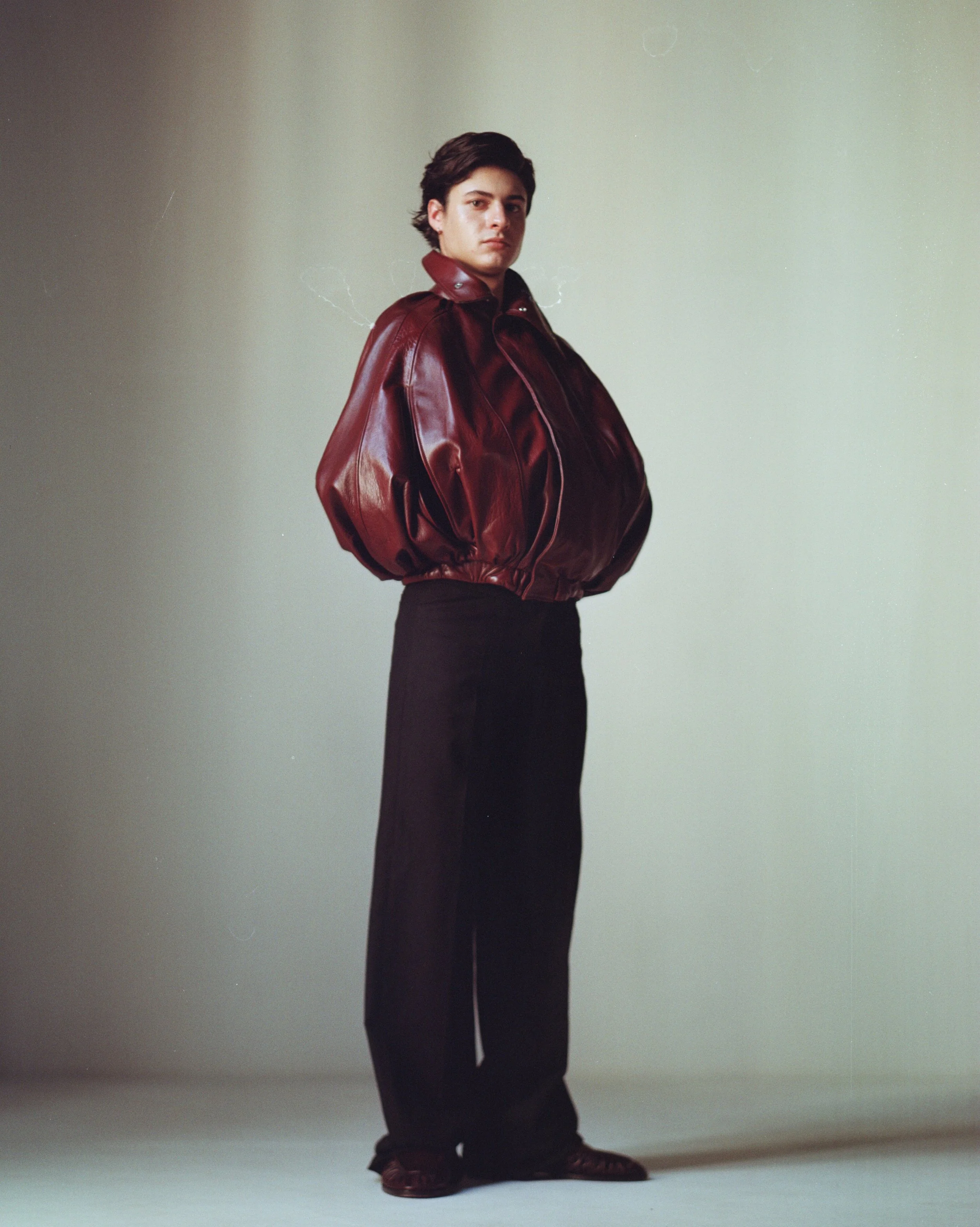
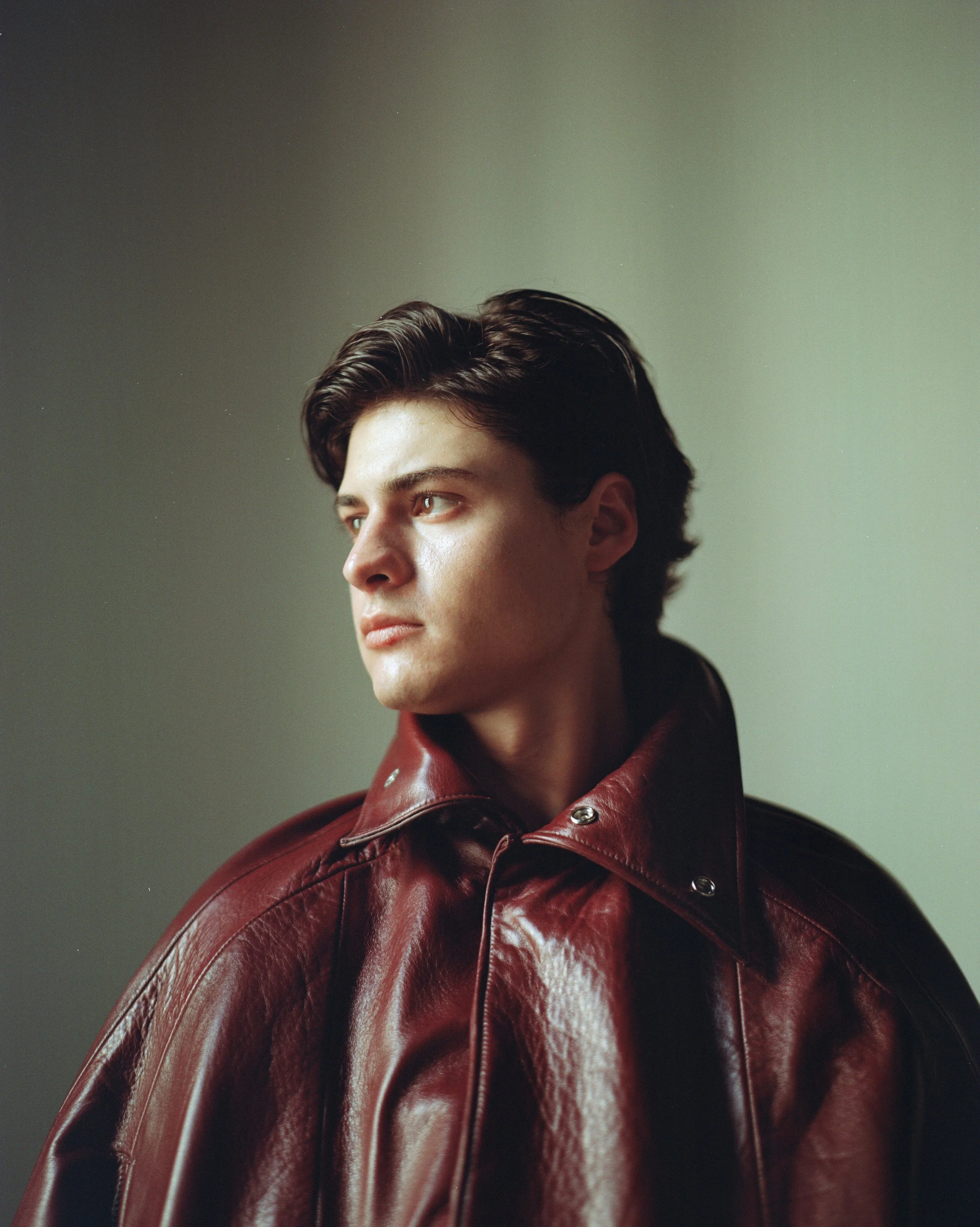
jacket HABEY CLUB
trousers DOBLAS
shoes BOBBIE
How did La Bola Negra actually enter your life, and what made you take the chance on auditioning without having followed a conventional path into acting?
A friend sent me a casting call that was open to everyone. I remember feeling very anxious about going out at the time and I thought I needed to do things that scared me in order to step out of my comfort zone, and I certainly achieved that. I did five or six auditions over the course of two months and without even believing it myself, I was already in.
Do you remember the moment you found out you had been cast as Carlos? What was your immediate reaction
I covered my face because I was about to burst into tears. It was a very strange moment in my life, with happiness, personal growth, and imposter syndrome all mixed together. But I felt grateful and emotional. I have to admit it was one of the most beautiful moments of my life.
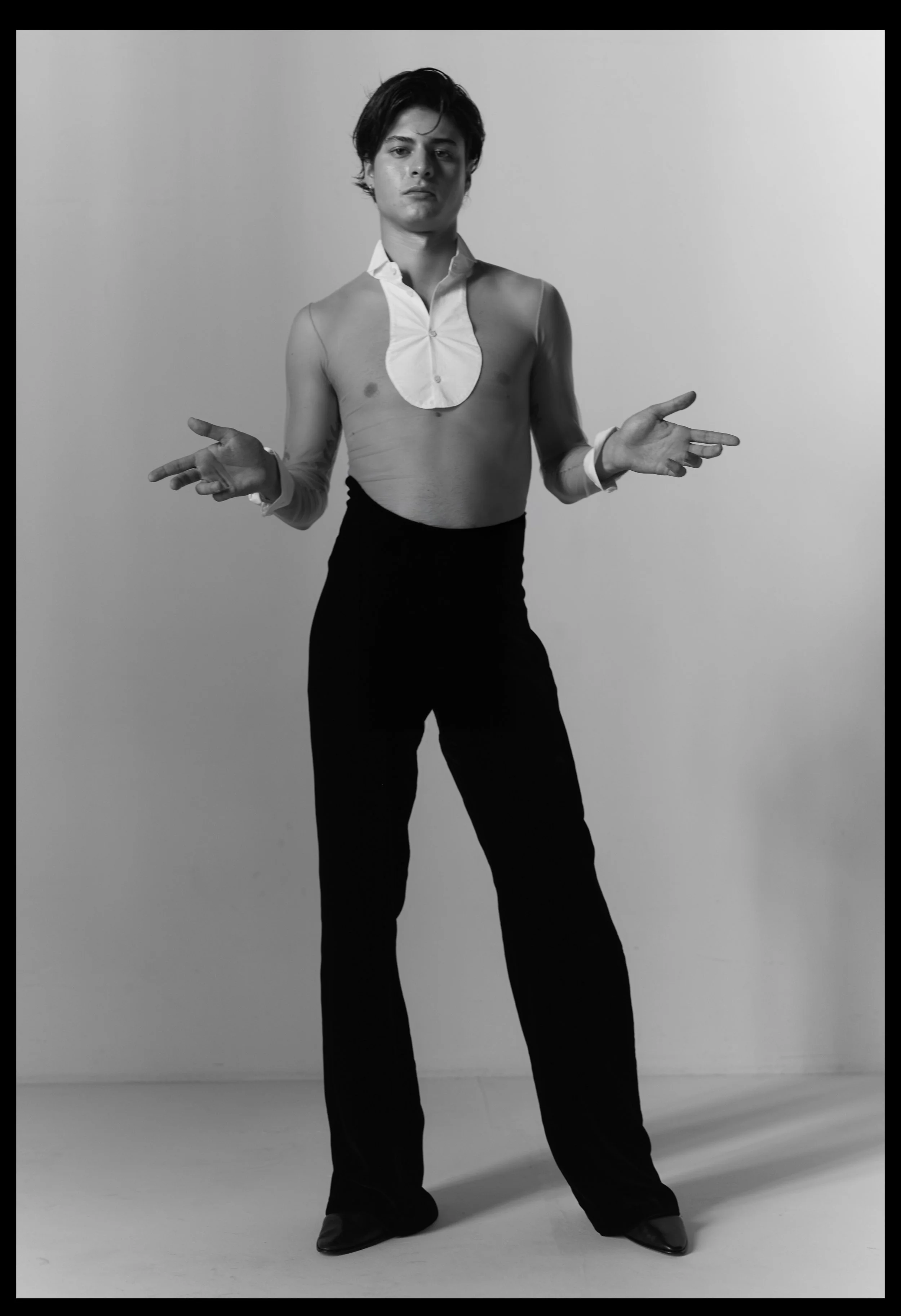
top and trousers PELLICER
shoes CELINE
Having never worked professionally in film before, what was the most intimidating part of arriving on set for the first time?
The first thing I thought about was the magic behind it all. I had spent my whole life as a consumer of a finished product and now I had the opportunity to be part of creating that magic. I also became aware of the hard work that goes into everything, the energy and talent of the team behind it all. I remember thinking, “If you don’t know how to do it well, at least put the same amount of heart into it that everyone else is putting into this work.”
Carlos is navigating desire, identity and family expectations in 1932, when living openly as a queer person carried enormous consequences. How did you begin understanding his inner world?
When I started connecting it with my own experience. The film is in itself about the experiences that queer people have shared throughout history and how their stories are in turn intertwined with family, desire and everything that is left unsaid. In that sense Carlos and I are one.
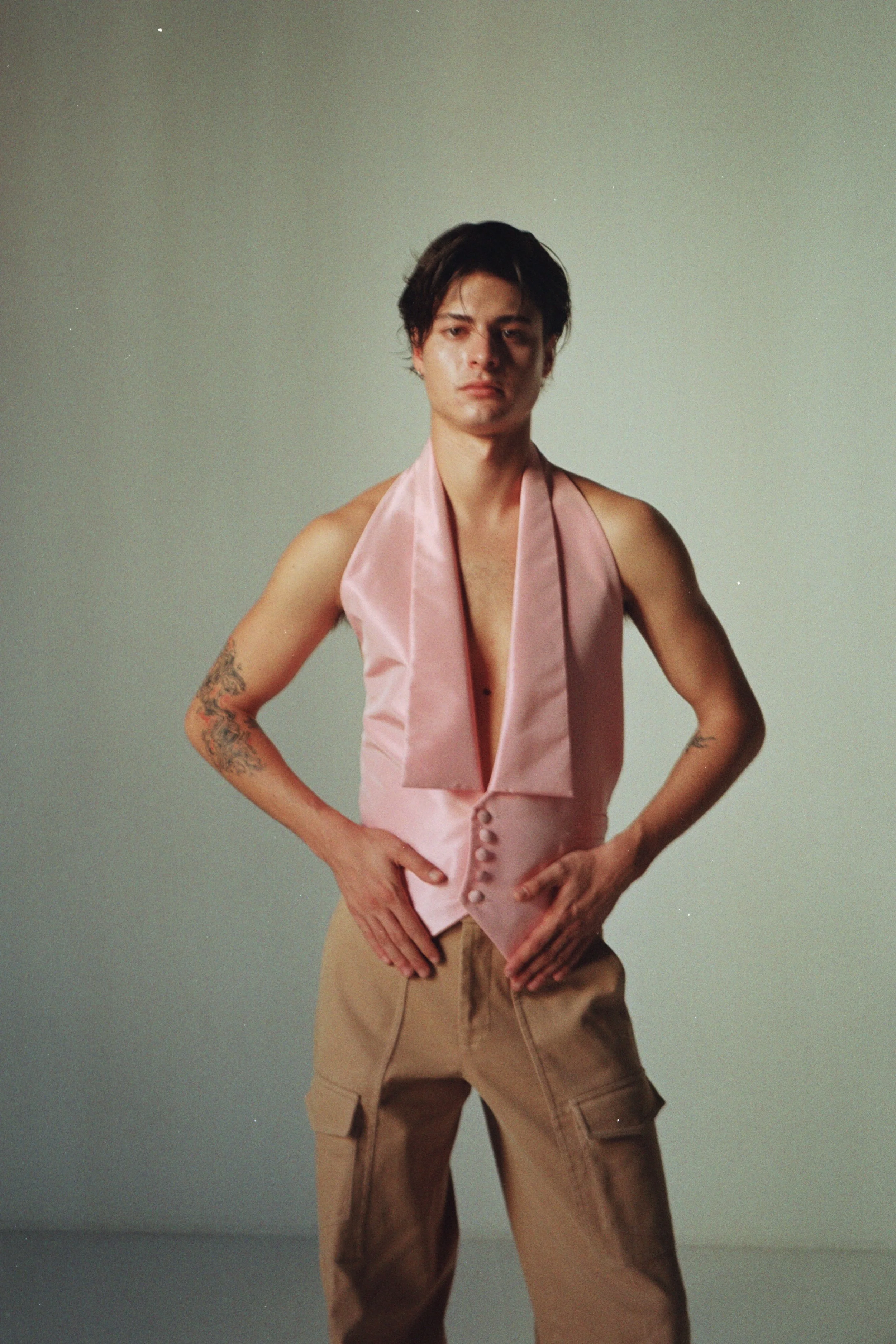
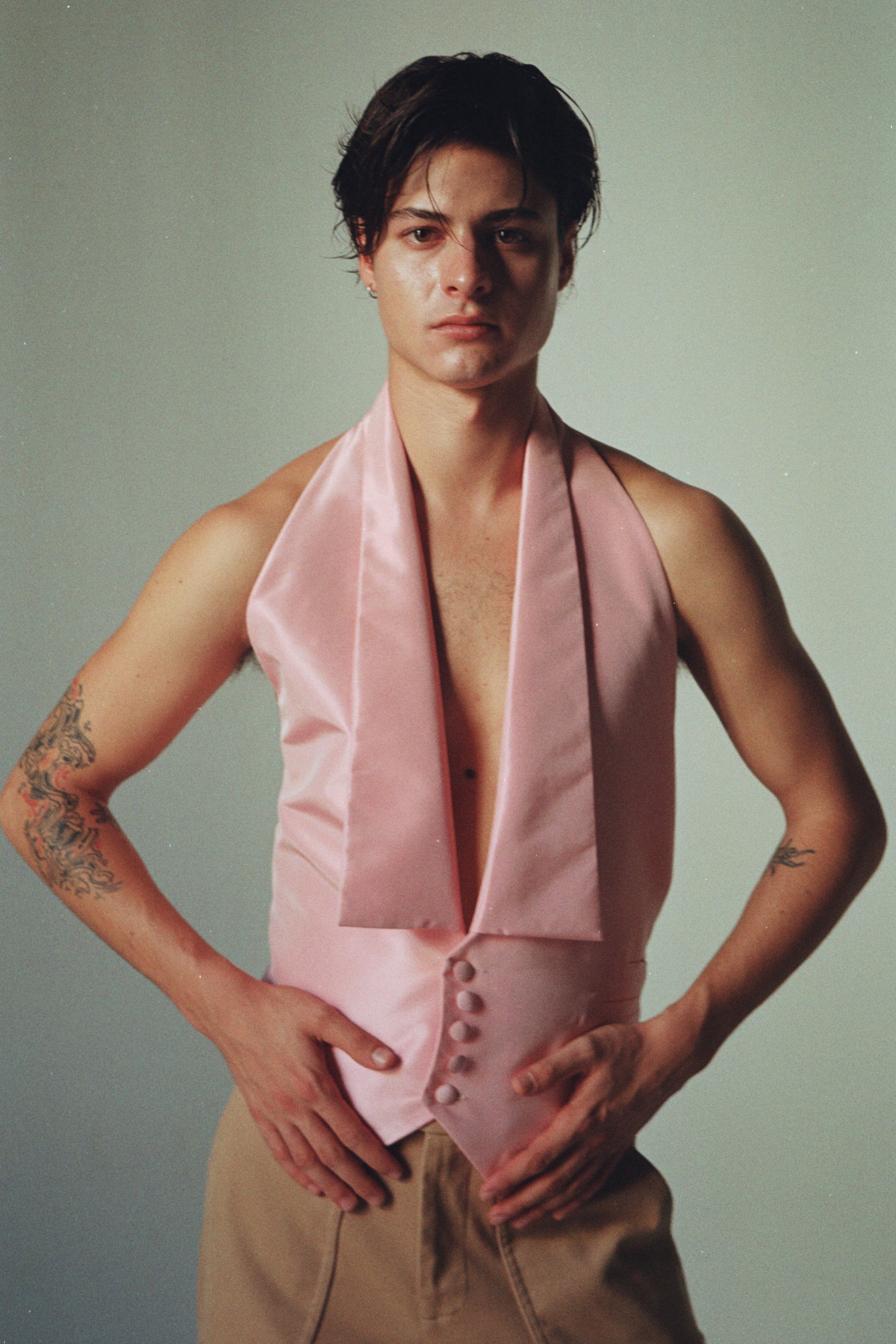
full look MANS CONCEPT
The film connects queer experiences across different periods of Spanish history. Did playing Carlos change the way you think about the freedoms your generation has inherited from those who came before?
It has definitely made me much more aware. I’m still young and I still have a lot to learn about the history of my own country, but this film has helped me understand both the differences and the similarities between our eras, the work that has been done and the work that still remains to be done.
What was the most important piece of direction Los Javis gave you during filming?
It’s not really a piece of advice as such, but I remember that, thanks to them and to the character of Carlos, I was able to understand many things about myself and in doing so, forgive myself. They are incredibly talented and precise, but above all, they are deeply kind people who never hesitate to look after you and lend you a hand when you need it. They give you the space to fly freely, artistically speaking, and they’re genuinely happy to see you doing it.
You also play piano in the film. Did music become another way for you to understand Carlos emotionally?
Everything that had to do with the ways Carlos could express himself and let things out made me feel closer to him. His music, his dancing, his gaze. The ways we both kept things inside and struggled to express ourselves were often the same, and understanding that also allowed me to get much closer to him.
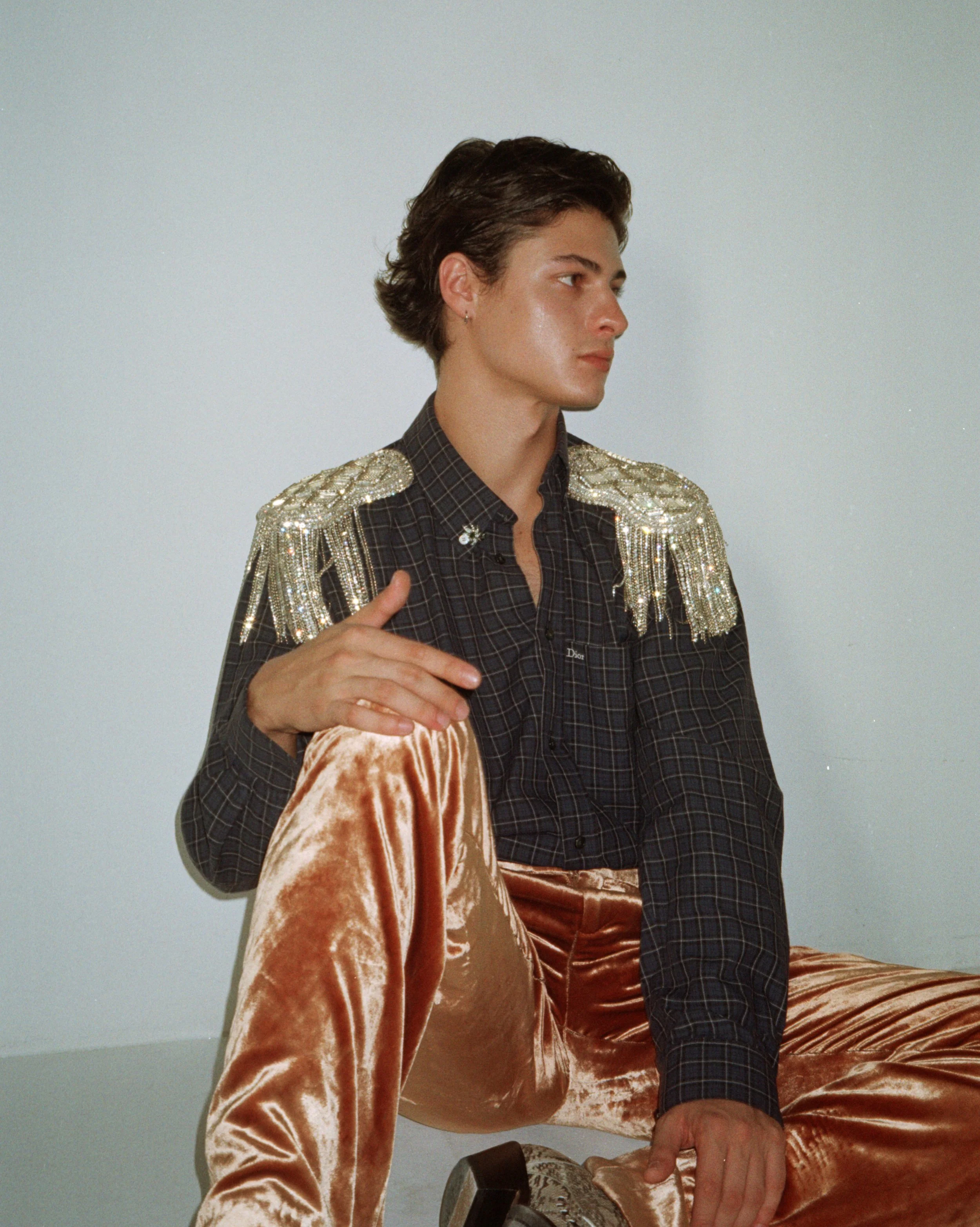
full look DIOR
brooch CAVALLI E NASTRI
Your first experience of releasing a film also happened to involve walking into the Cannes Film Festival. What do you remember most vividly about experiencing that level of attention for the first time?
I remember being in the car on the way to the red carpet with my incredibly talented co-star Carlos González, who held my hand and kept telling me over and over again that if I was nervous, I shouldn’t hesitate to remind myself that this was our moment.
Not everyone gets to experience something like this, and I felt I should be grateful for it, so I wanted to live it to the fullest while still keeping my feet on the ground.
We got out of the car, all held hands, and walked forward together, without fear and with joy, to the screening of the film.
Before acting, you were already telling stories through writing, publishing your first novel, Ultravioleta, in 2024. What can you express through writing that you can’t through performance?
They are different forms of expression. I used to feel more comfortable with words, between the pages of novels. That’s what I had experienced throughout my life, and it was the form of expression I knew best. Now I can proudly say that the world of acting has given me another way of expressing myself, and I’ll be more than happy to embrace it.
Both Ultravioleta and La Bola Negra engage with LGBTQ+ experiences and intimate relationships. Why are those stories particularly important for you to explore?
To feel that we are part of something bigger. That we are part of a community where we love and support one another, understand each other, learn from each other, and stand up for one another. Sharing stories and having experiences in common, being aware of that, is the greatest tool we have to build an even more united future.
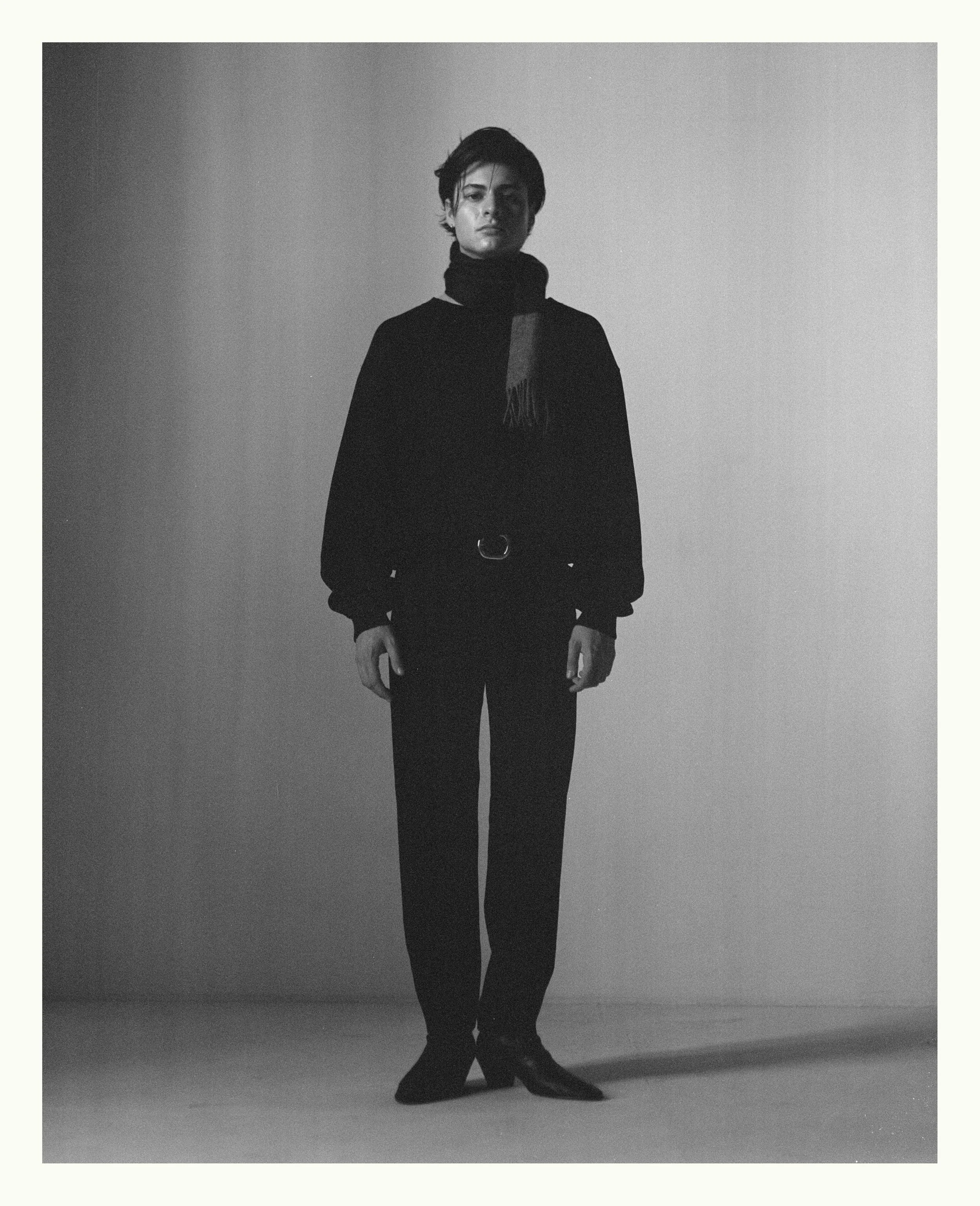
full look CELINE
You’re studying creative writing and have an interest in screenwriting. Do you ultimately imagine yourself moving between acting and creating your own films?
I think if there’s one thing I’ve learned from being part of the cast of La Bola Negra, it’s that I should never close myself off to doors or opportunities. Never say never, life can take so many unexpected turns, and I have a whole lifetime ahead of me to study, watch, write and create new things. So, why not?
Going from university life to Cannes and international film festivals inevitably changes how other people perceive you. How are you protecting your own sense of identity while everything around you is changing so quickly?
I still have a lot to learn about doing things properly. There are steps I haven’t taken yet and obstacles I haven’t had to face. However, for now, things seem to be unfolding in line with what I’m learning along the way. I have some wonderful people around me, and I always listen to their advice. I think that’s important, listening to those who have already walked this path and who, out of kindness, try to make your journey a little easier.
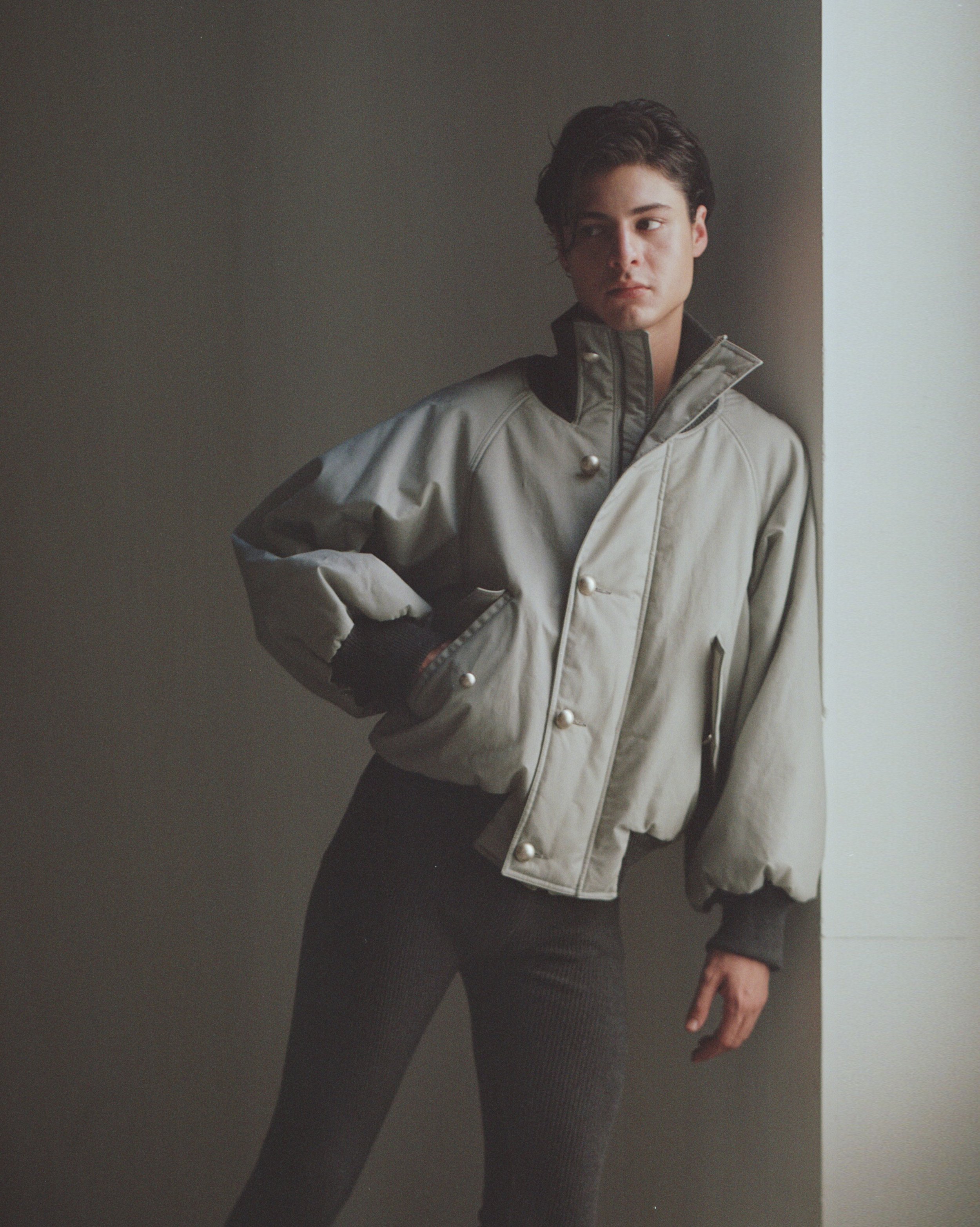
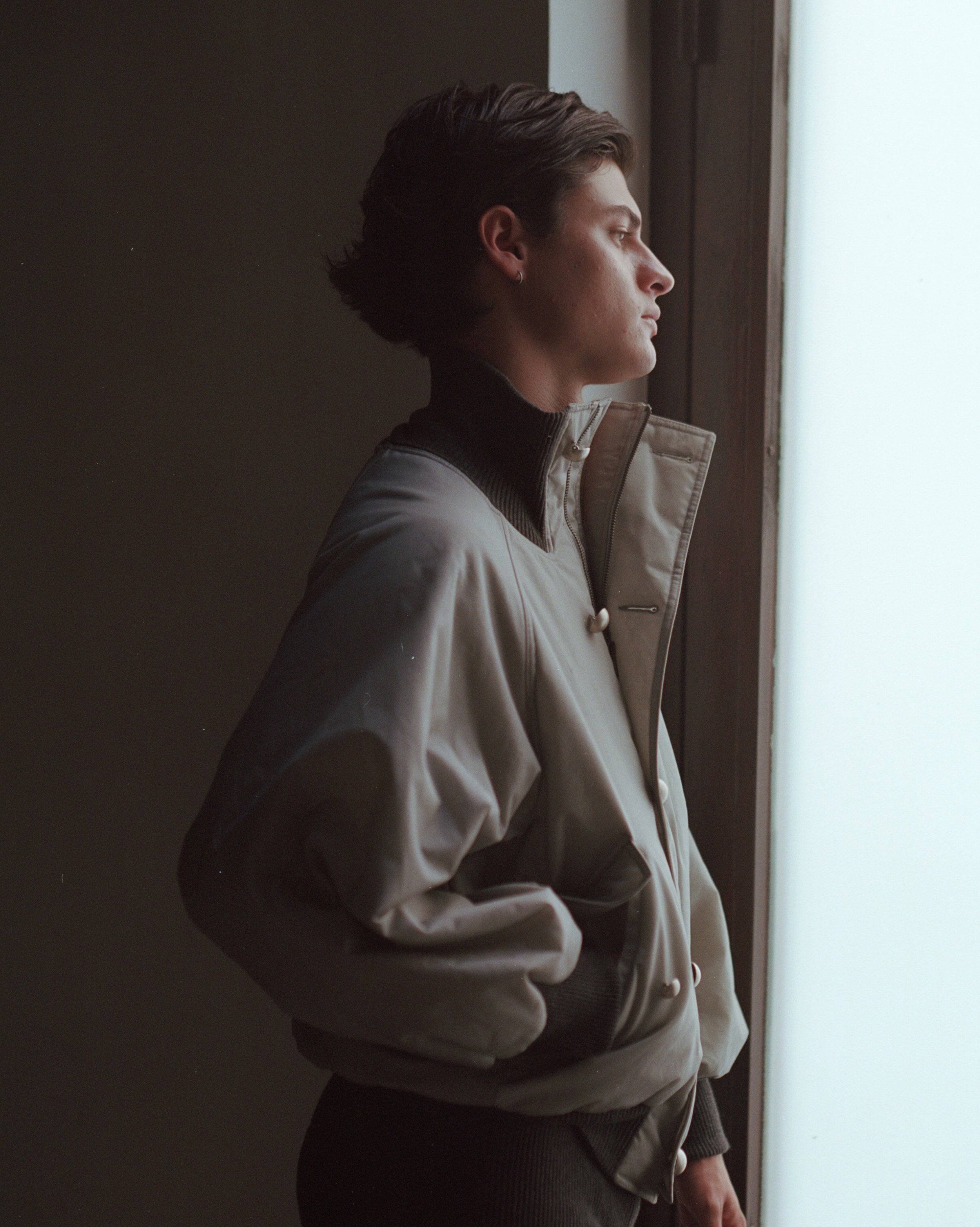
full look NAVALES.000
TEAM CREDITS:
talent MILO QUIFES
photographer DARÍO VÁZQUEZ
stylist JESUS LAFUENTE
groomer EUGENIO GARCÍA using ARMANI BEAUTY
production JUAN MARTÍ
styling assistant ALICIA SUAREZ
production assistant PABLO JIMENO
prJORGE MELIÁ
agency CARCELÉN MGMT
editor TIMI LETONJA
interview JANA LETONJA
