
IN CONVERSATION WITH NICOLA FORMICHETTI
interview by MARIA MOTA
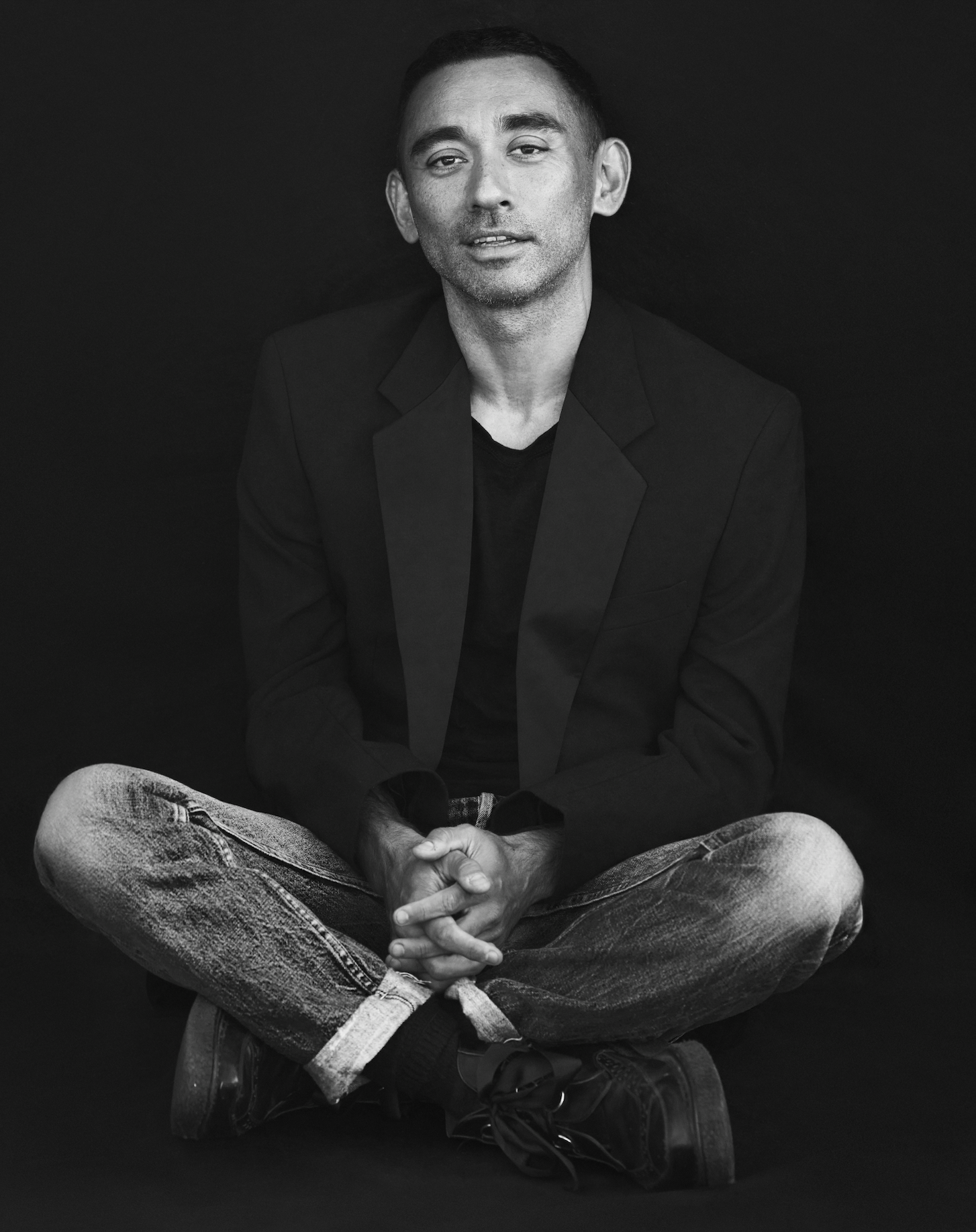
Nicola Formichetti is one of those names that needs no introduction, but deserves one anyway. You might know him from the pages of influential magazines, or from his game-changing work as Lady Gaga’s fashion director, responsible for some of the most unforgettable looks in pop culture history. He went on to reshape Mugler as Creative Director, leave his mark on Diesel as Artistic Director, and later collaborate with Uniqlo. Somewhere in between, he launched his own label, Nicopanda.
Few creatives speak the language of vision like Nicola. Rather than following trends, he imagines entirely new creative worlds. Now, he’s bringing his signature boldness to one of the world’s most iconic beauty brands, stepping into his newest chapter as Creative Director of M·A·C Cosmetics.
all images courtesy of M·A·C Cosmetics
I want to start by congratulating you on the new role. You began your journey with M·A·C already a couple months ago but all the work you've been putting out is amazing, so congratulations on that!
It’s crazy. It feels like yesterday, but also like 10 years ago, one of those weird feelings. I’ve already done so much since I joined, which is insane and very exciting.
Can you take us back to the moment you decided to join M·A·C or when this opportunity even became a possibility? What was going through your mind?
I’ve always been in touch with M·A·C over the years, but I never imagined actually leading as Creative Director. When they asked me, I was like, “Me? Really? Why? I’m a fashion person.” But then I thought about it and realized “I’m the only person that could do this. I'm the perfect person. Genius for them.” Jokes aside, I was caught off guard at first, but then it all made sense. I got excited quickly, the creative juices started flowing, and the rest is going to be history. I’m really honored and excited.
Doja Cat kicked off her role as the new face of the brand by eating a M·A·C lipstick at the VMAs. What inspired that intro?
We were wondering how to announce it, and I'm a kind of a stunt queen…so I thought, what if we did something crazy on a red carpet? And it worked.
It worked.
Someone wrote that two of the biggest VMA moments in history were Gaga’s meat dress and Doja eating lipstick, and I did both. I was like, okay, I’ve done something. I can die now.
How did this moment set in tone for your creative vision at M·A·C?
Doja really embodies this fearless attitude of M·A·C. She’s secure in herself and what she wants, but she’s also open to collaboration. She’s so confident that she also listens, and I love that. So collaboration with her has been really incredible.
I grew up with M·A·C. Even at the start of my career, I was always involved with M·A·C, working on their campaigns, eventually doing Gaga’s Viva Glam, had my own Nicopanda line. So I've always been in with M·A·C philosophy. But I felt like the world evolved and we hadn’t fully revisited what M·A·C truly represents. I wanted to start there.
The I Only Wear M·A·C campaign feels like a reset, classic, minimal yet powerful. What made you want to take M·A·C in that direction?
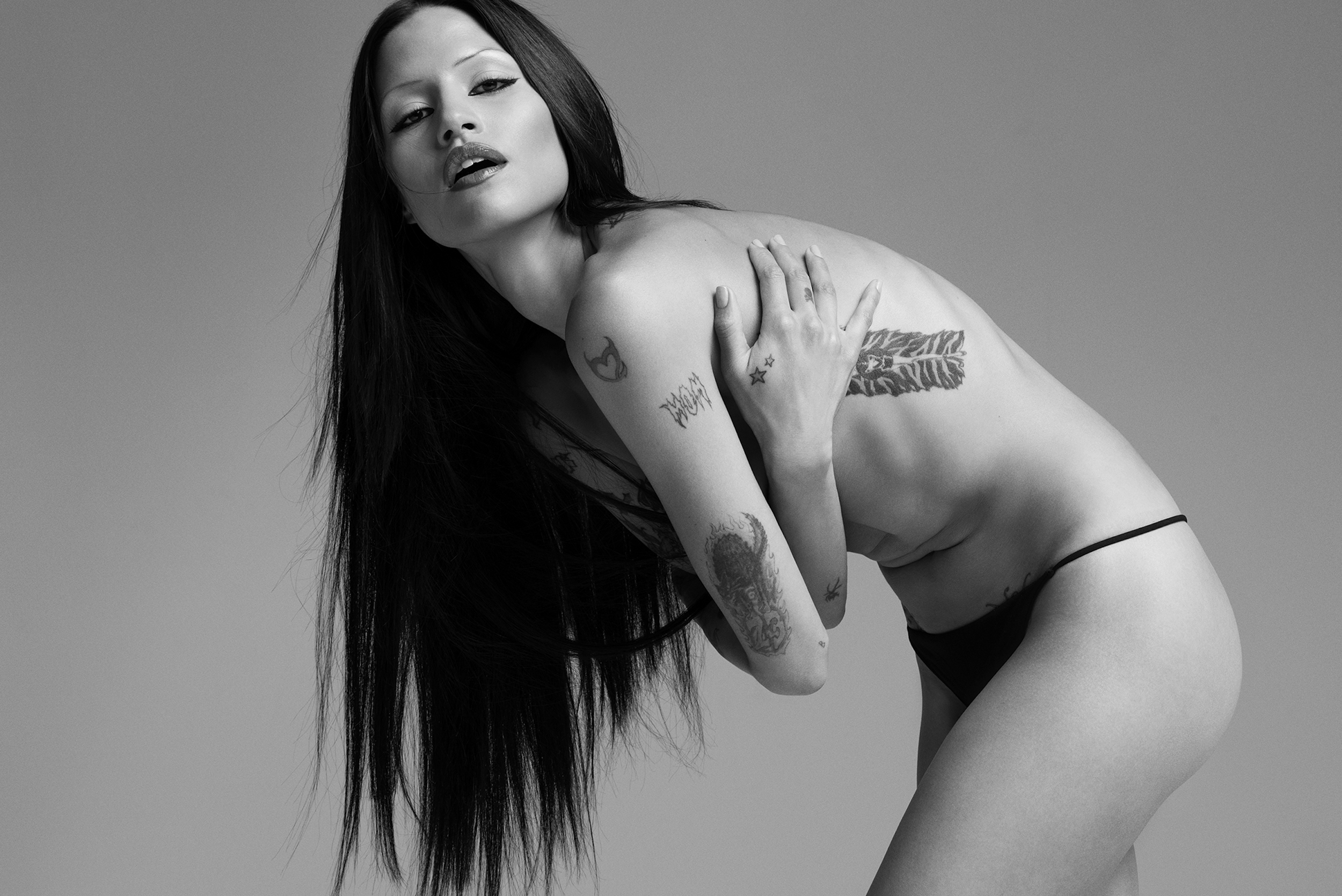
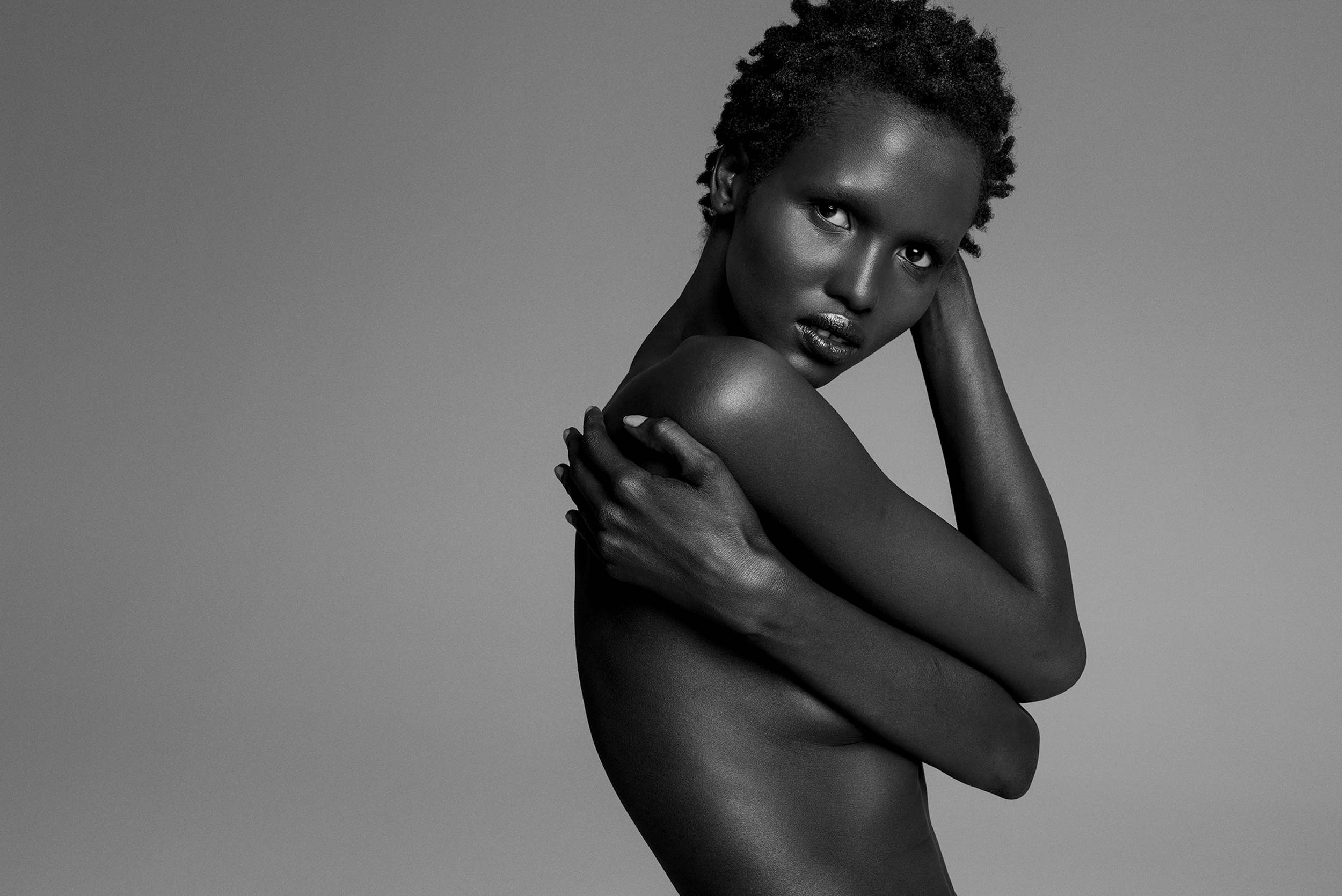
Visually speaking, I wanted to go back to the original M·A·C aesthetic, which is black and white, elevated, very ‘90s. That era was so exciting for beauty. I wanted to do something a little bold that would instantly elevate the brand, and what a better way to do that than with timeless black and white visuals.
I always say to move forward, you have to look back. So the first thing I did was going to the core of the brand, which is the messaging: all ages, all races, all genders. From day one, M·A·C has been about inclusivity. It was the first brand to feature drag queens in a campaign, and we have Viva Glam that donates 100% of profits to charitable organizations advancing sexual, gender, racial and environmental equality. I wanted to bring that energy back to the surface.
Above all, the campaign celebrates people. It's about our cast of diverse cross-generation icons living in togetherness. I love that we have Kris Jenner, and Doja, then we have Cortisa Star, Kristen Mcmenamy, Kiko Mizuhara, Gabriette, and dancers, actors, models. I really feel this diverse casting represents M·A·C at its core.
Ultimately, it’s about keeping that elevated M·A·C spirit but offering it to a wider audience, could be older, could be younger, whoever it might be.
You’re known for pushing boundaries. How did it feel to start your M·A·C era with something more understated?
I wanted to do something different that would resonate with people and cut through the noise of craziness. In a way, I did something shocking by not doing something shocking. People expect me to go crazy, but I wanted to cleanse the palette first and bring M·A·C’s philosophy to the front. And don’t worry, we’ll go crazy later.
This campaign is a foundational moment for M·A·C to say: we are who we are. M·A·C is back. And we’re more than just a beauty brand. It’s about artistry, community, and culture.
Also speaking a little bit about the choice of doing a black and white campaign, it almost feels like an invitation to look beyond surface aesthetics and deeper into emotion, something rarely seen in makeup campaigns. How do you think makeup can evoke feeling and identity beyond just color and texture?
Makeup is such an emotional thing. There’s something about beauty today that is more exciting than fashion, personally speaking. It’s easier, you can make mistakes, it’s affordable, and you can play. I see M·A·C as a sort of toolbox for artists, where you go in and all these colors and creativity come alive. You can go crazy, go soft, or be whoever you want to be.
There are amazing makeup brands, and they each reflect a personal point of view. But M·A·C is made up of tens of thousands of makeup artists globally. That’s where the feeling and identity come from.
Inez & Vinoodh are known for capturing intimacy and power. What drew you to their style for the “I Only Wear M·A·C” campaign, and was that creative process?
Inez & Vinoodh, fellow Dutchies! Back in the late ’90s, I was a huge fan of their work. They were still living in Amsterdam, and I saw their picture on the cover of a magazine. At that time, they were using digital manipulation in their work and mixing genders, and it was so insane. I’d never seen anything like it. Then I saw the iconic Devon Aoki cover for Self Service magazine, wearing Viktor and Rolf, and that image became one of my all-time favorites, so I’ve always admired their work. About 10 or 15 years ago, I managed to get them on my side, and we started collaborating. Since then, we’ve done a lot of iconic stuff together.
They're such an incredible duo, and such sweet souls. So for me, it was a no-brainer to work with them to create these very resting, timeless, classic visuals. For this campaign, I wanted something magical, bold, timeless, but also very sensual.
With the beauty world moving so fast, how do you keep M·A·C innovative while still holding onto what makes the brand iconic?
As a beauty brand, we have to focus on a few key things. First of all, the products, we need to keep innovating, and that’s at the core of the brand. I’m always challenging my team to push boundaries, develop, and create products that are modern and innovative. I’ve been working tirelessly on this, traveling recently to Korea and Japan, just looking around the world, and learning from what’s around us.
I speak to my makeup friends all the time, and they’re like, “M·A·C products are insane.” We have the best foundation range of any brand, and we don’t talk about it enough. Then there’s our lipstick range, from the shades Madonna used, to Gaga, to RuPaul, so the products are already incredible and iconic.
On top of that, as you can start seeing already, I want to have fun. I want this to be a fun journey for everybody. So it’s a great challenge for me to collaborate with such a legacy brand like M·A·C and simultaneously bring it into the future.
Having worked on both the editorial and fashion sides and now shifting into beauty, what lessons from editorial storytelling have you brought into M·A·C?
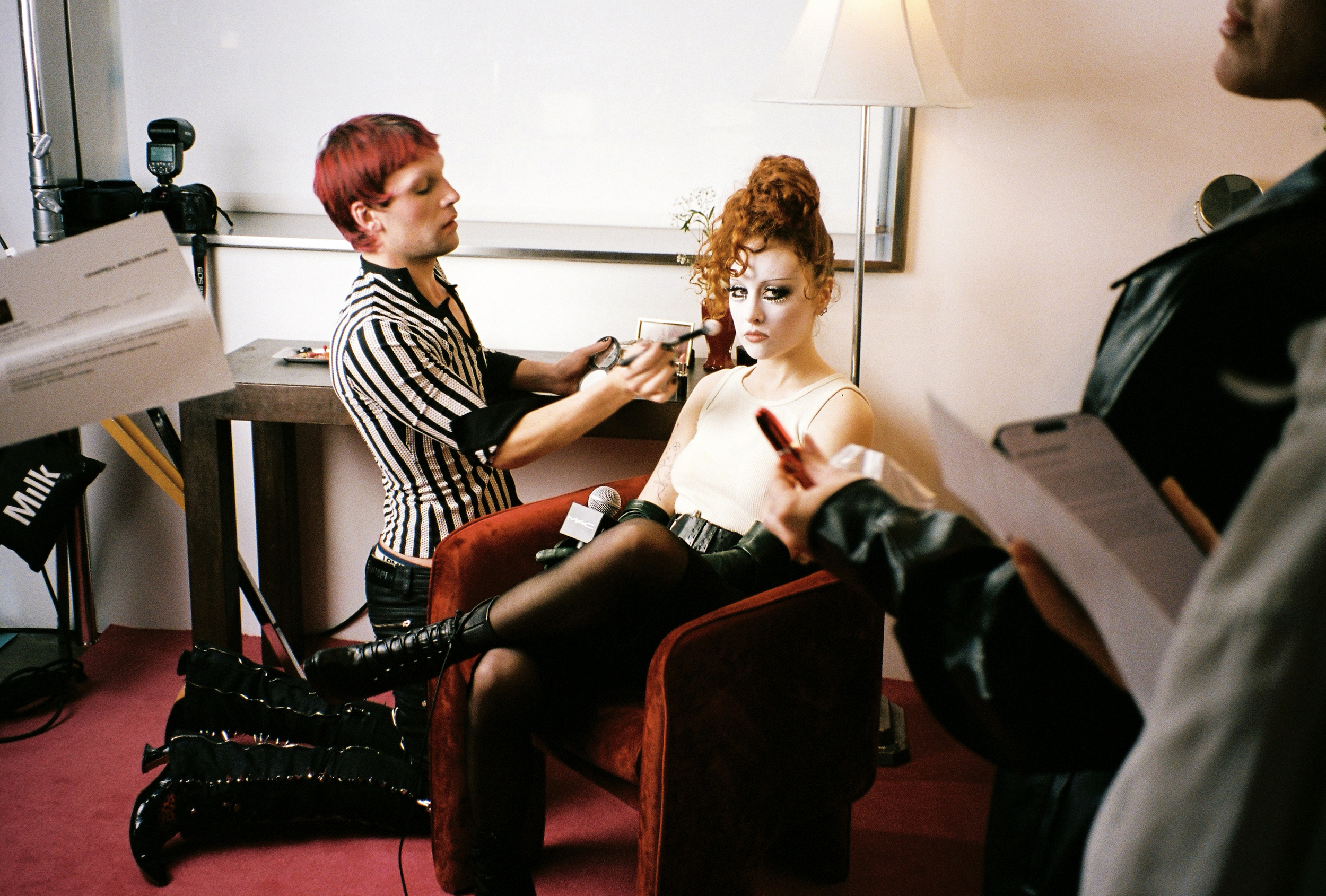
At the end of the day, in fashion we are just selling fabrics, and in beauty we are just selling powders. But what excites me is the storytelling and how you showcase things. I learned all of that by being in magazines.
Collaborating with other artists and creatives is what I thrive on and what I love doing. Then the products themselves are secondary. In the end, you are selling a dream, a “vibe.” That is the same across editorial, fashion, campaigns, and beauty.
Personally, I am not a technical makeup person. I am obsessed with makeup and artistry, but I do not actually do makeup. The same goes for fashion. For me, it is about having a vision of what I want and surrounding myself with the best of the best. It's more fun to collaborate anyway. My time in the editorial world taught me that, and I carry it into everything I do at M·A·C.
Dream collab, real or fictional, who would you call?
I mean, all the dream collaborations, I'm already talking to them. So it's coming!
I want to do something unexpected. M·A·C kind of started the idea of collaboration back in the day when no one else was doing it. The Hello Kitty collab, for example, today feels normal, but back then it was unheard of. I want to take that idea to the next level.
We'll wait and we'll see.
Yes, just wait. The new era of M·A·C is coming.