
IN CONVERSATION WITH NOCAPZ.
interview by SAMO ŠAJN
Samuel Soares, known as nocapz., is a Brazilian DJ and producer. Born in Bahia and now based in São Paulo, his music blends 90s house influences with crisp percussion and a strong sense of rhythm. With support from artists like Michael Bibi and Marco Carola, and releases on labels including DFTD and Solid Grooves, he’s quickly building a name through a style rooted in taste and simplicity.
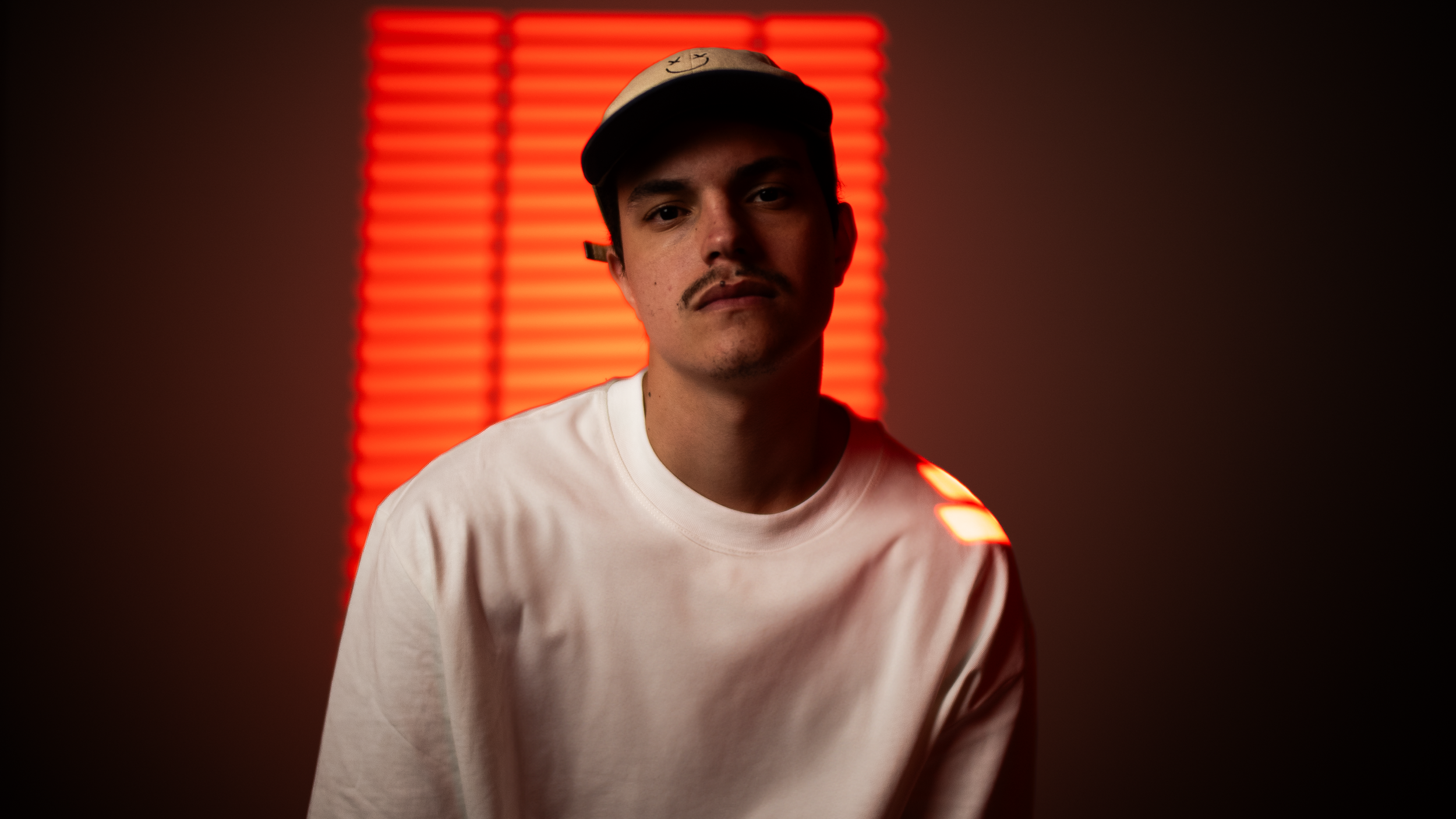
Your new track Too Much with Coppola just dropped on DFTD. What was the idea behind it and how did you both shape the final version?
I started the idea myself, aiming for something simpler, more minimal, and rooted in house. I spent some time experimenting with classic drum machines like the 909, 707, and LinnDrum until I found the groove I was looking for. From there, I brought in the vocal, bassline, and piano to really lock in the concept. Then I invited Coppola to collaborate on it, and he helped shape the track further while keeping both of our identities intact.
It’s already getting support from names like Jamie Jones. Do you pay attention to that kind of feedback, or do you stay focused on your own vision?
I definitely pay attention to it. It’s really rewarding to see big names connecting with the track the same way we did. It doesn’t take me off my path of staying unique and creative, but it’s definitely a stamp that adds strength to the release.
You’ve got releases coming on Solid Grooves, MOTRAXX and Moxy. Does your sound shift depending on the label, or is it all part of the same direction?
I try not to shape my sound around labels. For me, it all comes from the same place. I like to disconnect from everything and just sit in front of a blank project, and that’s where things happen in a very honest way. So even if the releases land on different labels, the direction stays consistent. It’s more about staying true to that process than adapting the sound to fit somewhere.
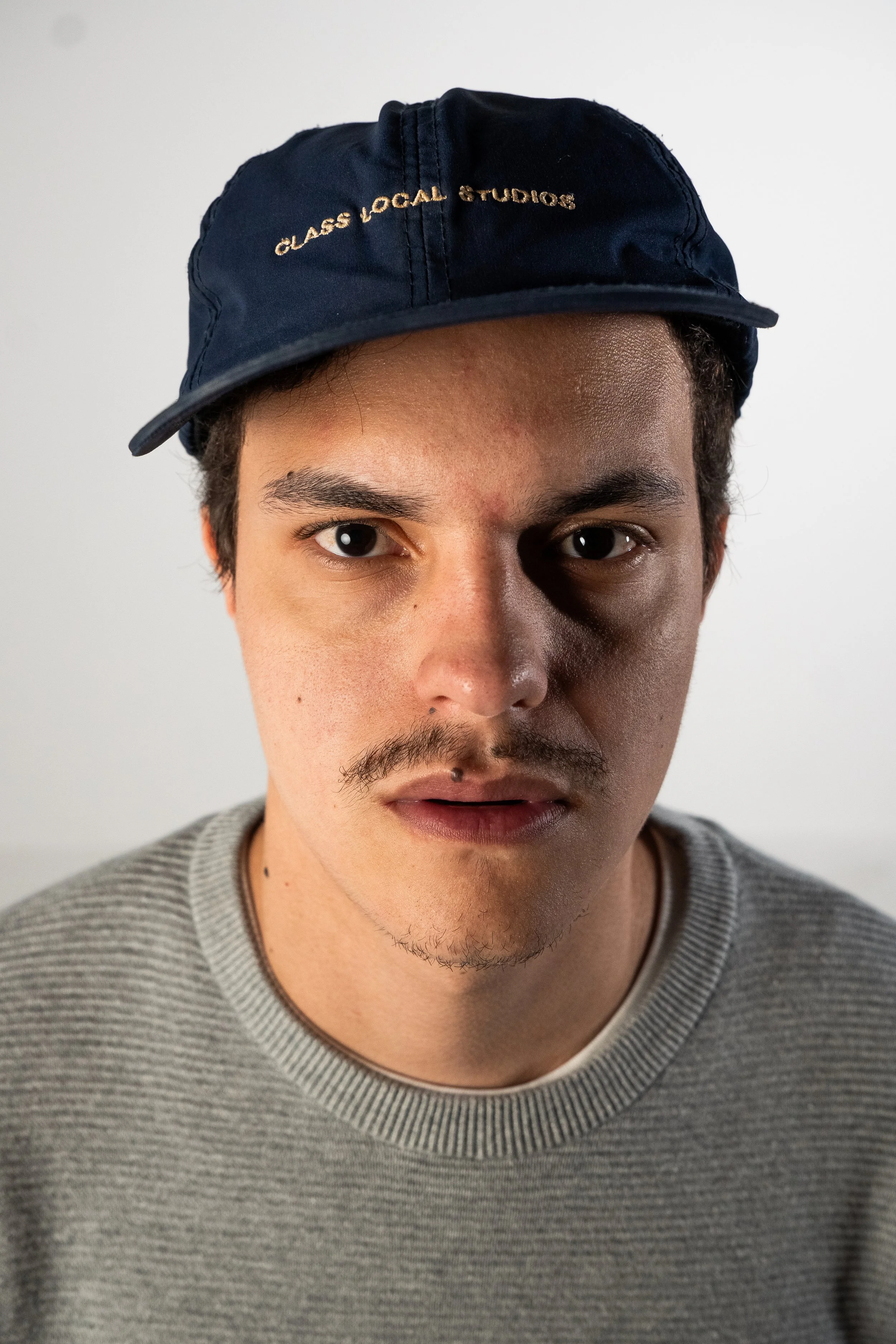
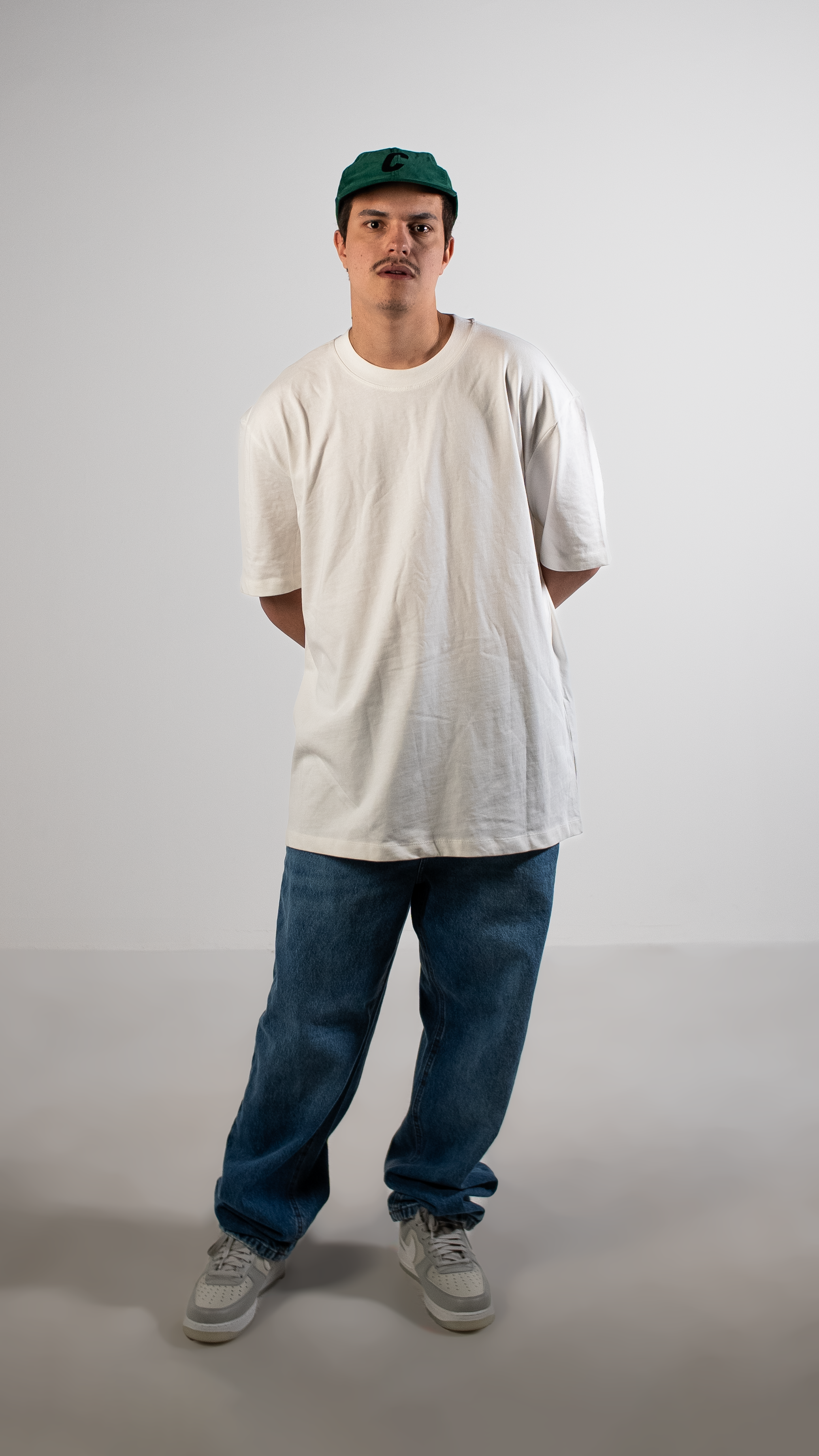
Your tracks always feel very groove-driven but still quite precise. What are you usually focusing on when you’re in the studio?
I feel like translating what I’m feeling at the moment into drums is what comes most naturally to me, so in about 80% of my tracks, that’s where I start. At the same time, I understand that groove comes from the interaction between all the elements, not just the drums, so there’s always room to develop that feeling further as the track evolves.
You grew up in Bahia and now live in São Paulo. How do those two places show up differently in your music?
Bahia is where my roots come from, and where most of my musical taste was shaped. São Paulo, on the other hand, is where I expanded my curiosity. Music has always been part of my life, but moving to São Paulo was the moment I started experiencing things on my own, and that led to a more genuine connection with music. Also, the electronic scene in El Salvador isn’t as developed as it is here, so this is definitely where I discovered myself as the producer I am today.
You’re known for having a strong taste when it comes to digging. What actually makes a track stand out to you?
Soul. I can recognize that from a distance. When a track has soul, it immediately stands out to me. Of course, not every soulful track is something I’d play, but that’s always my first filter. I’m drawn to music that feels different, solid, and carries a story. That’s what creates a real connection between me and whoever made it.
Your sets move between house, minimal and Afro influences. How do you build that journey without losing the crowd?
If I look at my musical journey as a business, I’ve always believed my main difference is my taste, and that’s what I want people to connect with. I can’t really break it down in a technical way, but being honest with myself, being willing to take risks, and really listening to the tracks I play helps me build that journey without losing the crowd.
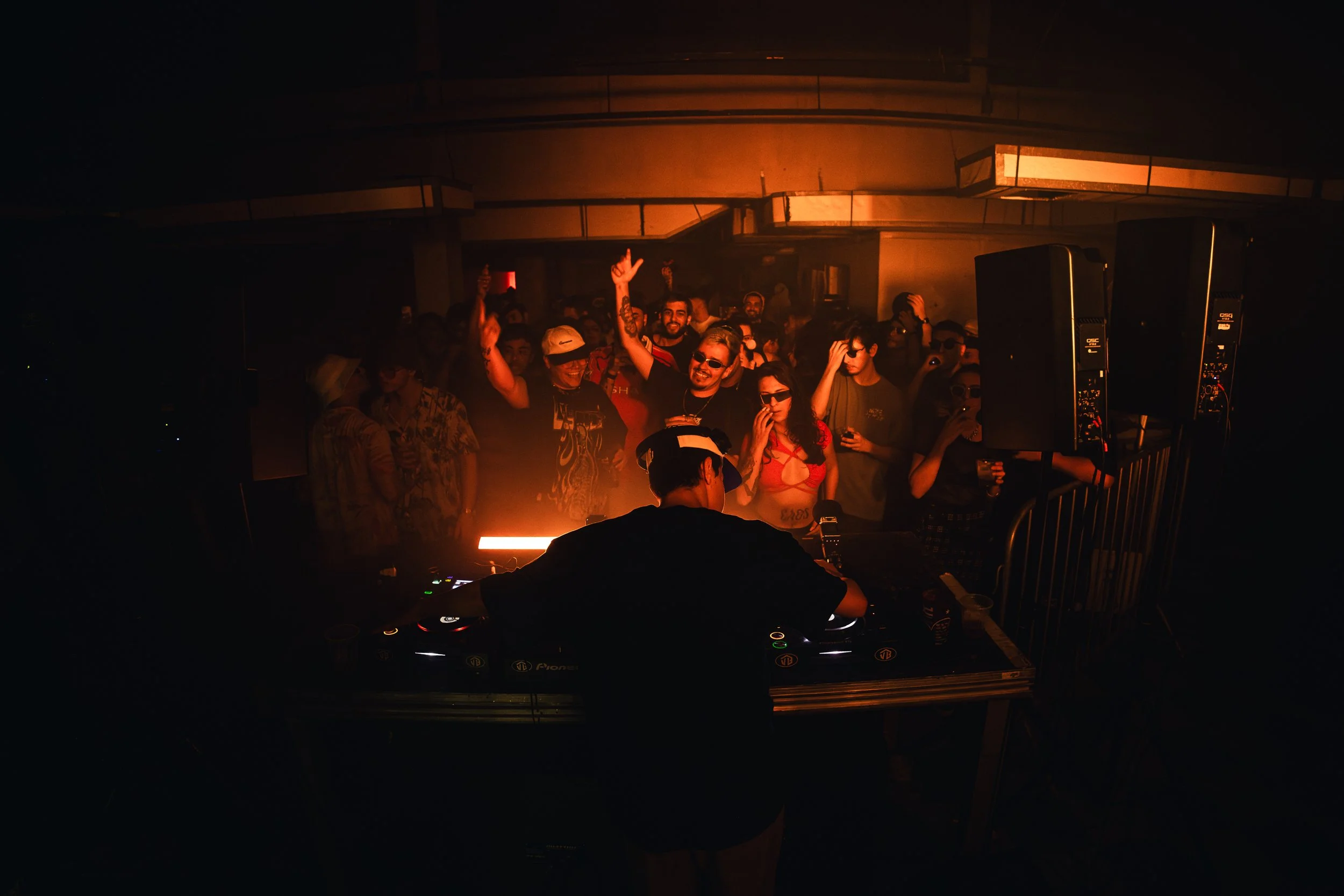
You’ve had support from artists like Michael Bibi and Marco Carola. Was there a moment where that recognition really hit you?
The first time I played outside of my hometown. In 2022, Michael Bibi downloaded one of my unreleased tracks, “Pretas & Pretos,” and played it consistently for about eight months. That made a lot of people start asking who I was, and it naturally caught the attention of promoters who then started booking me. When I got on a plane for the first time, that’s when it really hit me—the power of music and the weight that kind of support carries.
You’ve played some big stages already. What have those experiences taught you about controlling a dancefloor?
They’ve taught me that no matter how big the stage is, the DJ is never the main character—the crowd is. I believe we have the responsibility to introduce new things to people, sounds they didn’t even know they liked. But bigger crowds require a more universal language, something that connects more easily with a larger group. Not having that close eye-to-eye connection definitely makes a difference.
There’s a real sense of restraint in your productions. Do you ever have to hold yourself back, or does that come naturally to you?
I don’t hold myself back at all. I do what I want, when I want, the way I want. That’s exactly why I chose this life instead of a 9 to 5. I truly believe that if I lose the freedom to create on my own terms, the artist in me dies, and then none of this makes sense anymore.
