
IN CONVERSATION WITH NORA MAE
interview by JANA LETONJA
Emerging with quiet confidence and emotional precision, Nora Mae introduces herself with fin, a debut album that feels both intimate and self-assured. While she carries the legacy of her grandmother, Eartha Kitt, Nora’s voice is distinctly her own—modern, introspective, and grounded in lived experience. Inspired in part by her past relationship, fin explores love, growth, and emotional clarity with honesty and restraint. The result is not a statement of arrival, but something more nuanced, the beginning of an artist who understands the power of vulnerability and how to shape it into something lasting.
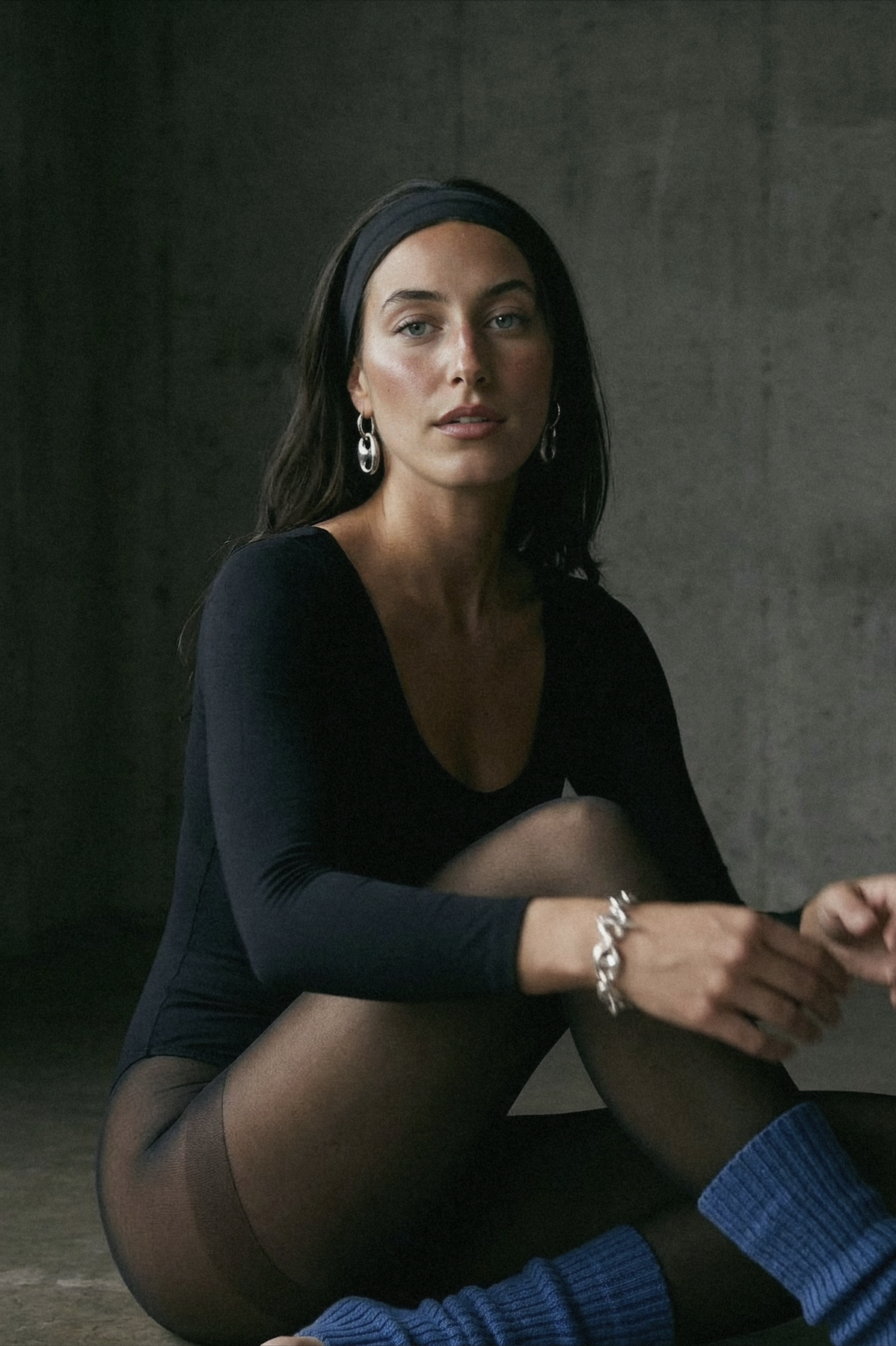
fin feels like both an ending and a beginning. What does the title represent to you?
I always imagined it as the word that would appear on screen after the grand finale of a cinematic version of this story. It felt simple, but all encompassing in that way, a single word can hold so much weight.
It marks the end of a chapter—of a relationship, of a version of myself—but it also holds that quiet understanding that “endings” are also beginnings. Those things don’t really resolve in a perfectly linear way. It’s closure, but not neatly tied up, as many cyclical patterns in our lives aren’t. More like acceptance, and the willingness to begin again without needing all the answers.
This album is deeply personal. At what point did you decide to share these experiences publicly?
I don’t think there was ever a single moment where I decided. The album was always something I was building toward, even if I didn’t fully realise it at the beginning. I couldn’t have predicted where it would end up, but it’s a natural extension of being an artist to use your life as material.
I was just writing as I was processing things in real time, and eventually, it revealed itself as this narrative body of work, and I started to build the world around it.
There’s a kind of power in that reclamation, getting to tell your own story, in your own voice, on your own terms. So, it never felt like a big, dramatic decision. It felt more like following through on something I had already set in motion.
How did writing this project help you process that chapter of your life?
It gave me both an outlet and a sense of structure. My sister used to always say she was jealous that I had music as a way to make something tangible out of what I was feeling, to take something abstract and emotional and give it form, somewhere to go.
I was able to move through everything—hope, fantasy, anger, grief, disappointment—and place it somewhere outside of myself. And as I got further from the experience, I could reflect on it with more clarity and bring that back into the work too.
It helped me understand what actually happened versus what I had hoped was happening. And in doing that, it gave me a sense of closure. Not in a final, definitive way, but in a way that felt like understanding, and forgiveness, and peace.
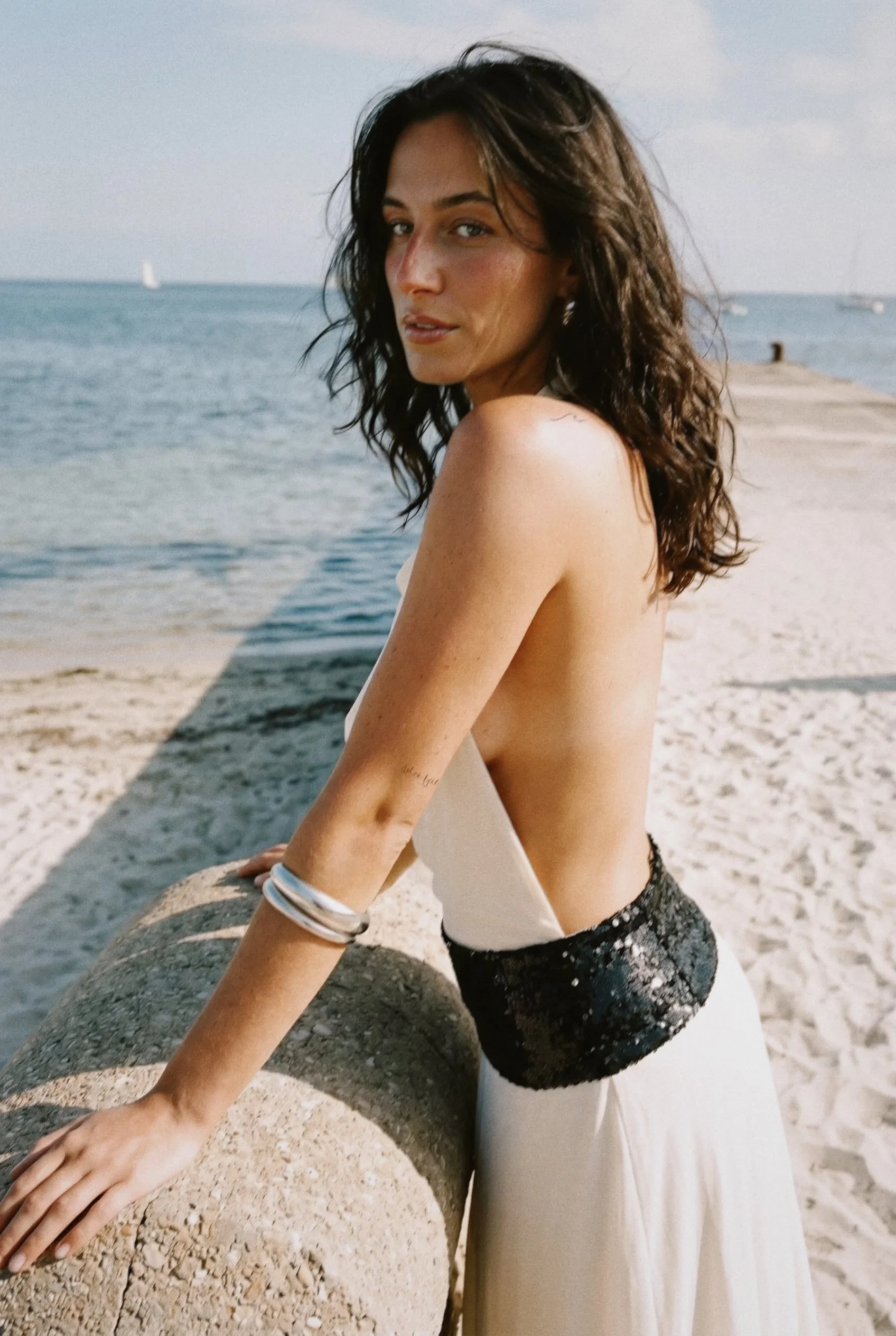
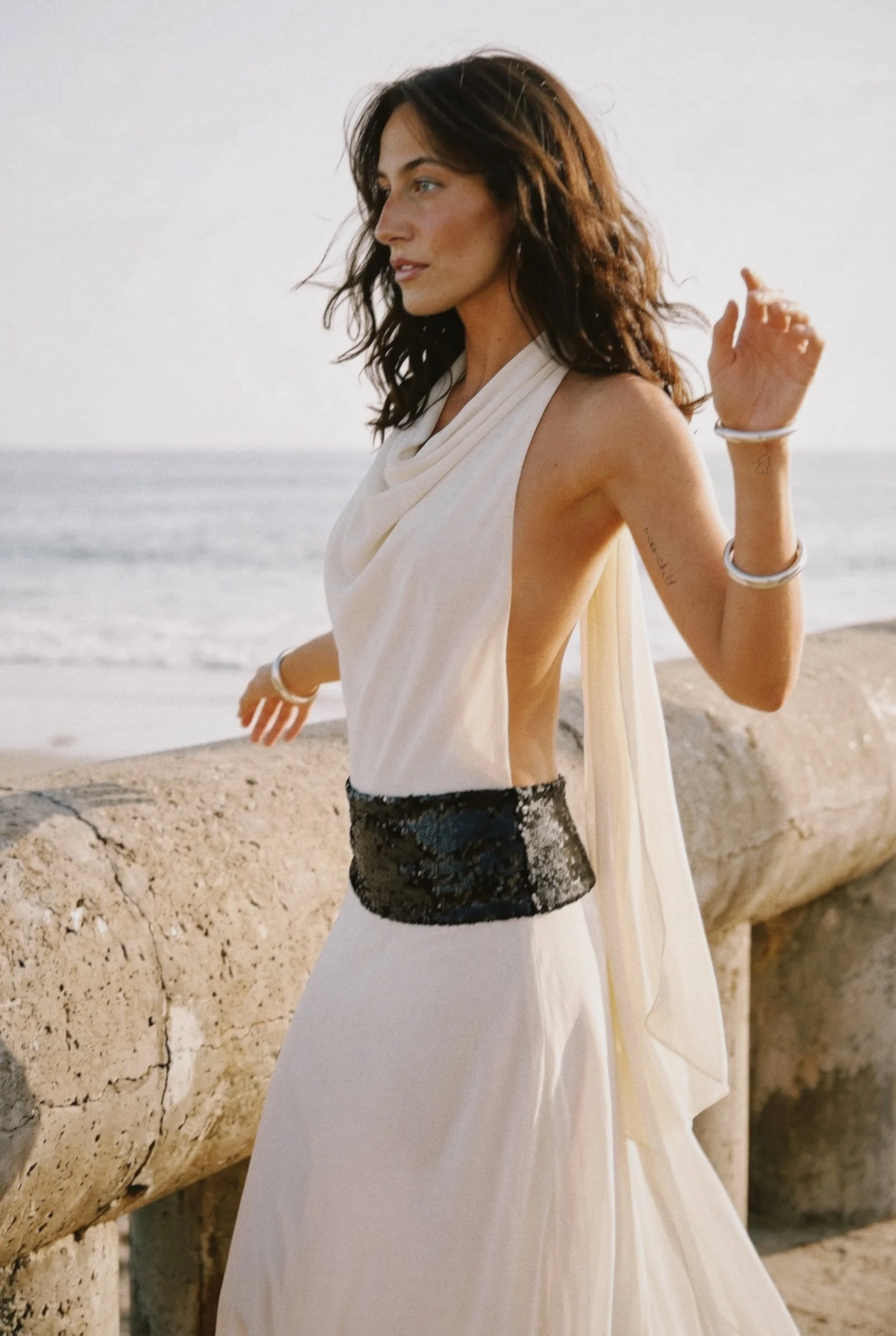
The album draws from your past relationship. How did you approach telling that story with balance and respect?
I wanted to stay very grounded in my own experience. I wasn’t interested in assigning blame or telling someone else’s story, just being honest about how it felt from where I stood.
As the granddaughter of Eartha Kitt, how do you define your identity as an artist separate from that legacy?
It’s something I’m incredibly proud of, but it’s not something I try to replicate. If anything, her legacy gives me permission to be fully myself. She was so singular and uncompromising in who she was, and I think honoring that means finding my own voice and trusting that it’s enough.
I feel very grounded in my identity as an artist, and in deserving my own seat at the table. Carrying her with me feels less like imitation and more like a kind of internal compass—trusting my instincts, my perspective, and building something that feels true to me.
Are there elements of her influence that you feel naturally carry into your work?
More than anything, it’s her presence. The way she carried herself, the mystique, the duality between who she was on stage and who she was in private.
There was an emotional directness to her, and she never shied away from complexity or contradiction. She didn’t need to over-explain herself; she just was. And there was a quiet confidence in that, an effortlessness at least from the outside. That’s something I try to embody more and more as I get older and know myself better.
How would you describe the sonic world of fin?
It’s less about genre and more about creating a world you can step into. It’s cinematic and intimate at the same time. Each song exists on its own, but together there’s a clear emotional arc, a through line that carries you from beginning to end.
It’s theatrical and bold, definitely more technical than what I’ve done before, but still approachable. There are elements of fantasy and surrealism, but it’s all grounded in very human emotion.
I like to say my elevator pitch is it’s like Alice in Wonderland meets James Bond, a kind of voyeuristic, musical experience. It moves in and out of what’s literal and what’s emotional, what’s imagined and what’s remembered. It pulls from pop, jazz, indie, rock, cabaret, but it still feels cohesive.
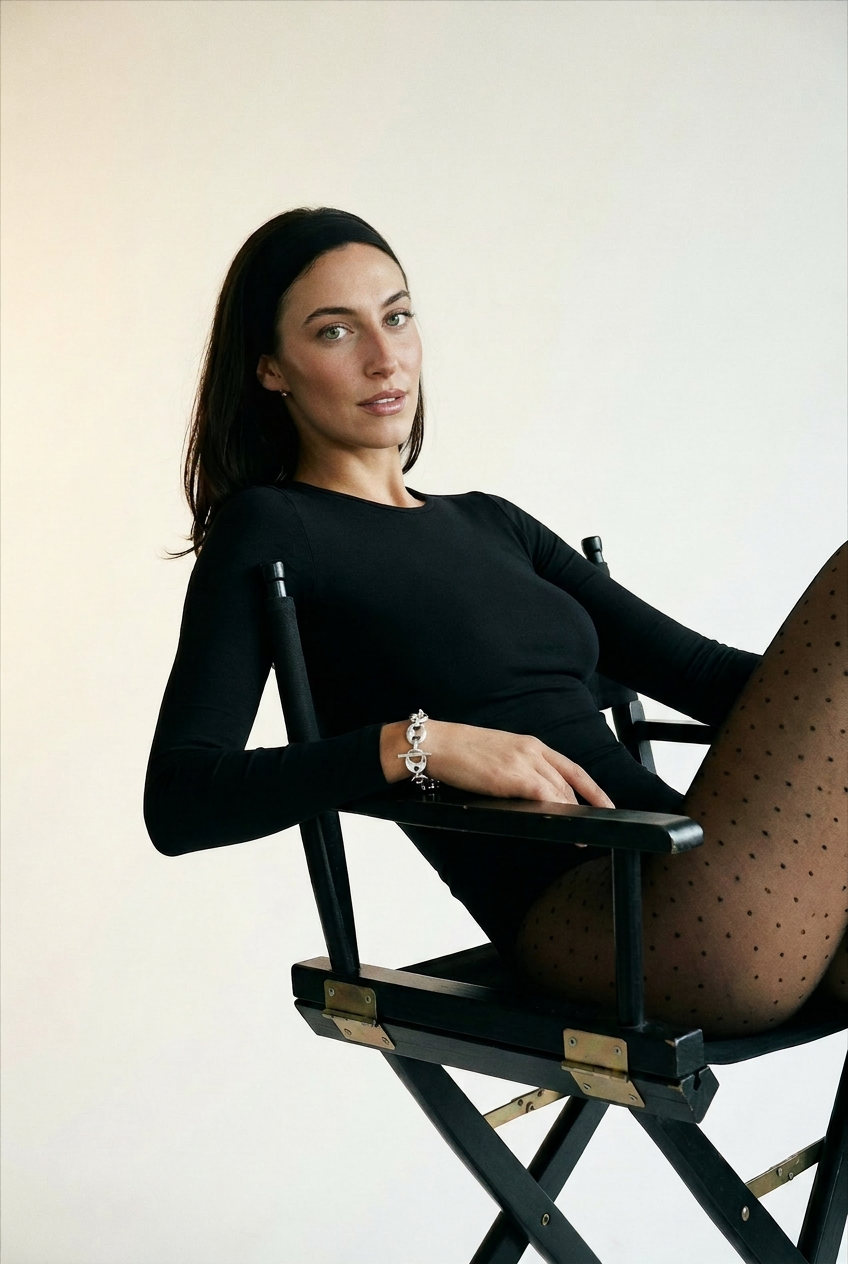
What does vulnerability in music mean to you today?
To me, it’s authenticity and intention. It’s not about saying everything, it’s about saying what you choose to say truthfully. You can understand the emotional landscape of my experience through the music, but you’re not getting every detail. There’s a balance between letting people in and still keeping parts of yourself protected.
I think vulnerability can exist without total exposure. It’s more about clarity and about letting people feel something real, while still maintaining a sense of self and boundaries.
What have you learned about yourself through making this album?
That I can trust my own perception more than I used to. I spent a long time second-guessing my feelings or trying to make things make sense in a way that kept me comfortable, and this process didn’t really allow for that.
I had to confront a lot—grief, fantasy, ego, the fear of not being chosen or not being enough. And also my own patterns, like how quickly I can idealise or get ahead of reality. There was something very freeing about that level of honesty.
It also helped me make peace with the fact that there’s so little in this life we can control. Sometimes love isn’t enough, and that’s hard, but it’s ok. But I never lost my belief in love or my sense of romanticism; I just came to understand that love in action is different from love, the feeling. Relationships are about choosing. It’s making the choice to keep showing up and doing the work to grow together.
As you begin performing live, how does it feel to translate such personal material on stage?
It’s quite freeing, honestly. It’s no longer just mine; it belongs to the room. It becomes less about reliving something and more about sharing it. There’s something really cathartic about turning your inner world into performance art. It allows me to reclaim it in a way that feels empowering.
And seeing people connect with it, whether they’re singing along, crying, or just sitting with it, that’s the most meaningful part of the whole process.
fin feels very intentional. What kind of artistic path do you see unfolding from here?
I want to keep building immersive, emotionally precise worlds. This album feels like a foundation. It showed me what’s possible when I really trust my instincts.
I’m interested in expanding that, both sonically and visually, while keeping the intimacy intact. I’ve always been drawn to creating full bodies of work, so I imagine continuing to build toward larger, cohesive projects—albums, maybe beyond music as well.
It feels very open right now, which is exciting. There’s a lot of room to play and experiment.
If this is your introduction, what do you want people to understand about you as an artist?
That everything I create is intentional. I care about the details, how something feels just as much as how it sounds. I’m not interested in polish for the sake of it. I want the work to feel honest, immersive, and connected.
And if people take anything from it, I hope it’s that there’s strength in being vulnerable. Overall, I hope that for a moment, they can step into this world and feel something—seen, entertained, or just a little less alone and a little more lovable. Because we all deserve love that truly sees us, love that feels like home.
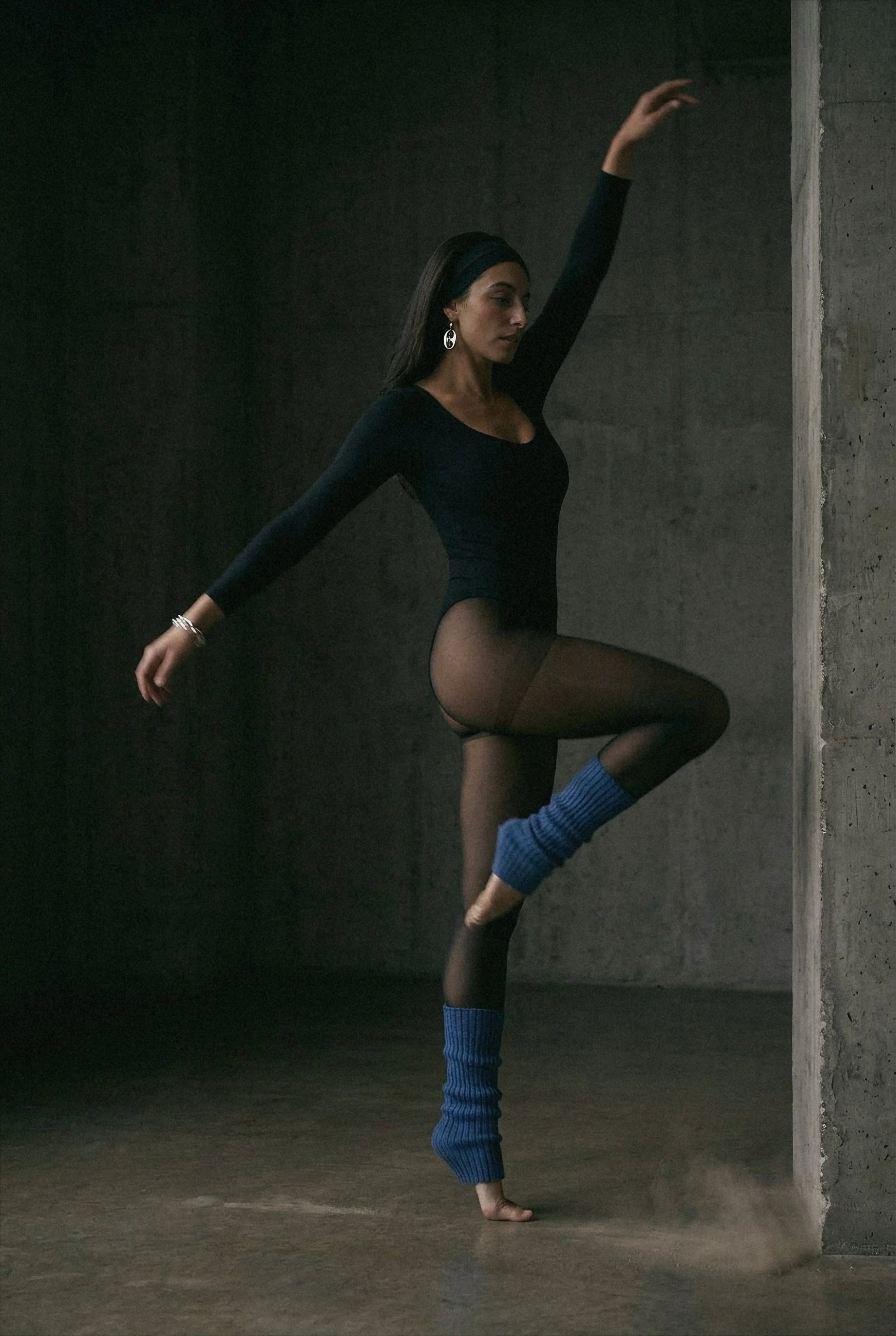
TEAM CREDITS:
talent NORA MAE
photography MADELEINE KLIGERMAN
editorial director and interview JANA LETONJA
