
IN CONVERSATION WITH NTO
Interview by Samo Šajn
French melodic techno producer NTO returns with new music ahead of his upcoming album Naked, due for release in October. Following the release of his latest single I Cared for You, we caught up with him to talk about the personal stories behind his music, his creative journey, and what's next.
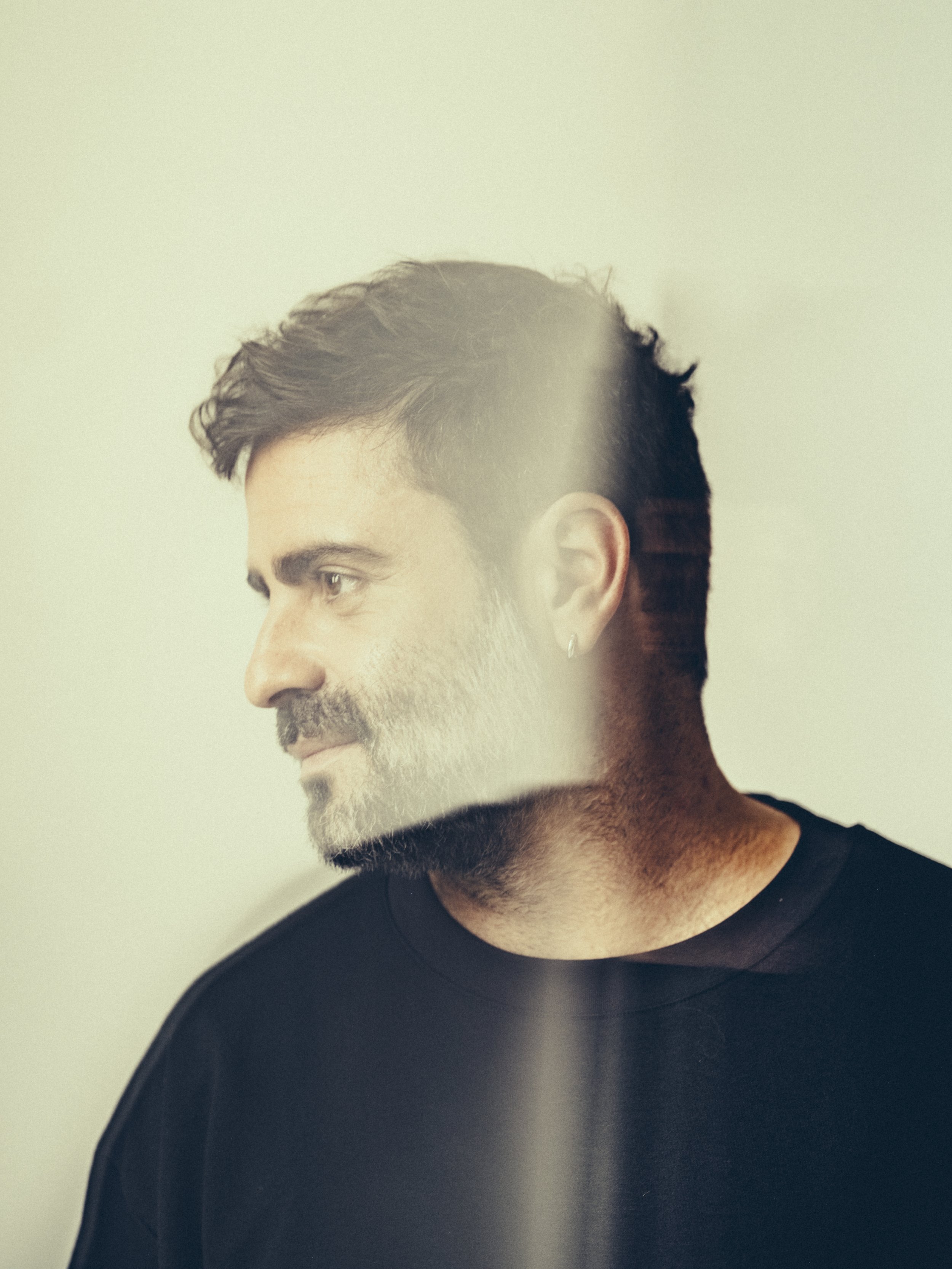
Your new track “Fior Di Macchia” comes from a very personal story. How did finding your father’s sketchbook shape the music?
After my father passed away, my brother and I discovered many things we didn't know existed: drawings, paintings, song lyrics... all signed "Fior Di Macchia". It was kind of his artistic alter ego. It was a very emotional moment because it felt like discovering a hidden part of him. Suddenly, I wasn't only grieving my father, I was also discovering an artist.
The music came later. At some point, it felt obvious that this name and everything behind it deserved to live on somehow.
You’ve always blended emotion with club energy in your productions. How do you find the balance between something personal and something made for the dance floor?
I don't really separate the two. For me, some of the strongest moments I've experienced on a dance floor were emotional moments, not necessarily the biggest drops or the loudest tracks. I always try to make music that works physically and emotionally at the same time—something you can dance to but also connect with on a deeper level. If the emotion feels honest enough, the balance usually finds itself.
Your latest single “I Cared For You” has a very emotional title. What’s the story behind it?
It's a track about attachment, love, loss... all the beautiful and difficult things that come with caring deeply for someone. I think most people have experienced a moment when a relationship ends, but the feelings don't disappear overnight. The title comes from that place.
In a way, it also reflects the relationship I have with the people who listen to my music. Over the years, I've realized that music creates connections that can be surprisingly deep, even between people who've never met. I didn't want the track to feel sad, though—more like a memory you're learning to live with.
Your upcoming album “Naked” is coming soon. What direction are you taking with this project?
This album is probably the most personal project I've ever released. For a long time, I was interested in building concepts, stories, and worlds around the music. With Naked, I wanted to remove a lot of those layers and be more direct.
The album talks about grief, love, change, sobriety, and family. Basically everything life has thrown at me over the last few years. Musically, it's still electronic, still melodic, and still made for live shows. But emotionally, I think it's much more exposed than anything I've done before.
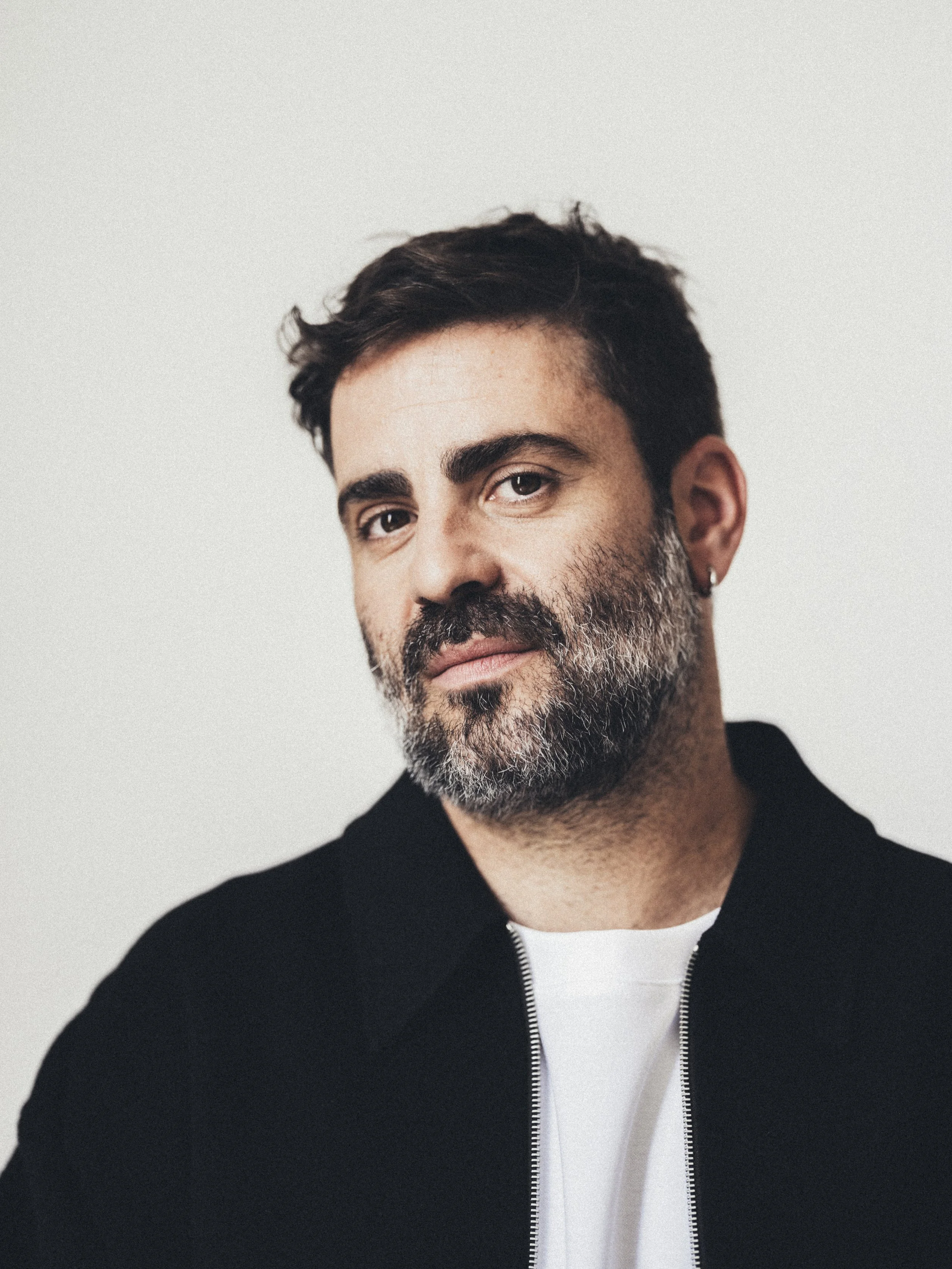
How does this new era of NTO feel different from your earlier work like “APNEA”?
APNEA was already very introspective, but I think I was still searching for answers. This new chapter feels more peaceful somehow. Not happier necessarily, just more accepting.
A lot has happened since then. Losing both my parents changed my perspective on many things, and getting sober changed a lot too. The music reflects that. It feels more honest, less concerned about where it belongs, and more focused on saying what it needs to say.
You started out with a guitar background before moving into electronic music. Does that still influence your sound today?
Absolutely. Even if I spend most of my time with synthesizers and computers now, I still think a lot like a musician rather than a producer. I still play guitar a lot, not necessarily in my tracks, but it's one of my favourite ways to connect with music. Melodies are always the starting point for me, and harmony too. I think the guitar taught me to look for emotion before technique, and that's something I've kept with me ever since.
Your music is often described as emotional and cinematic. Where do you usually start when building a track?
Most of the time, it starts with a feeling. Sometimes it's a melody, sometimes just a few chords, and sometimes an image or a memory. I'm rarely thinking about genres or trends when I start a track. I'm usually trying to capture a specific emotion before it disappears. Everything else comes afterwards.
You co-founded Hungry Music with Worakls and Joachim Pastor. How important was that period for your development as an artist?
It was hugely important. We were just three friends making music we loved without really thinking too much about strategy or expectations. Looking back, Hungry Music gave me confidence. It taught me that there was an audience for emotional electronic music and that we didn't need to follow trends to connect with people. It was a very special period, and I'm grateful I got to experience it.
Tracks like “Trauma” helped introduce your music to a global audience. How did that success change things for you?
At first, it was exciting, obviously. Suddenly, you're travelling more, playing bigger shows, and reaching people in countries you've never even visited.
But with time, I realized that success doesn't really solve the deeper questions. You still walk into the studio alone and face the same blank page. What changed the most was probably the opportunities. Creatively, though, the challenge remains the same: making something that feels true.
You’ve played major stages like Tomorrowland, Printworks, and Sónar, and you’re now returning with new music and touring across Europe. What are you most excited about in this new live chapter?
Honestly, playing these new tracks live. Some of them have been with me for years already. I've lived with them in the studio, on headphones, alone at home... and now they're finally going to belong to the audience too.
That's always my favourite moment: when a track stops being mine and starts creating memories for other people. And after twenty years of doing this, that feeling is still pretty magical.
You can pre-order NTO’s album ‘Naked’ here!
