
IN CONVERSATION WITH OFIR SANDLER
Interview by Samo Šajn
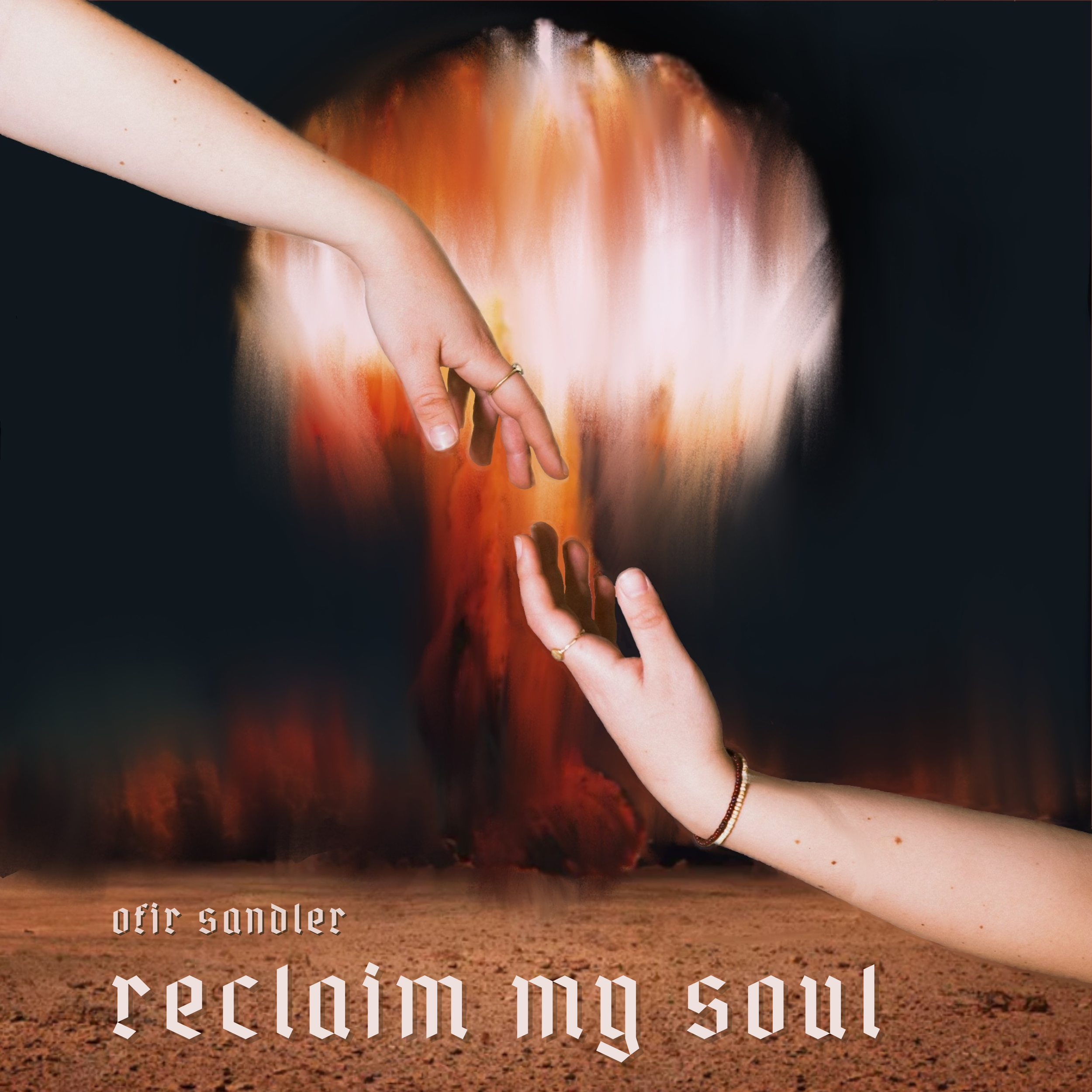
There’s something quietly powerful about Ofir Sandler, not in the way she enters a room, but in how her music lingers, settles, and slowly reveals itself. With her new single Reclaim My Soul, the Liverpool-based indie rock artist steps into a darker, more introspective space, exploring the tension between numbness and feeling, surrender and resistance. Her journey from the Middle East to the UK has shaped both her sound and perspective, and she writes for the observers, the overthinkers, the ones who feel too much and say too little, creating music that resonates with listeners who recognize themselves in her work.
Reclaim My Soul marks a shift, capturing existential exhaustion born not just from personal experience, but from witnessing the world at large. There’s no neat resolution, only honesty without performance, vulnerability without apology, and the quiet persistence of finding your way back to yourself. Here, Sandler speaks about emotional burnout, creative instinct, and reclaiming the self.
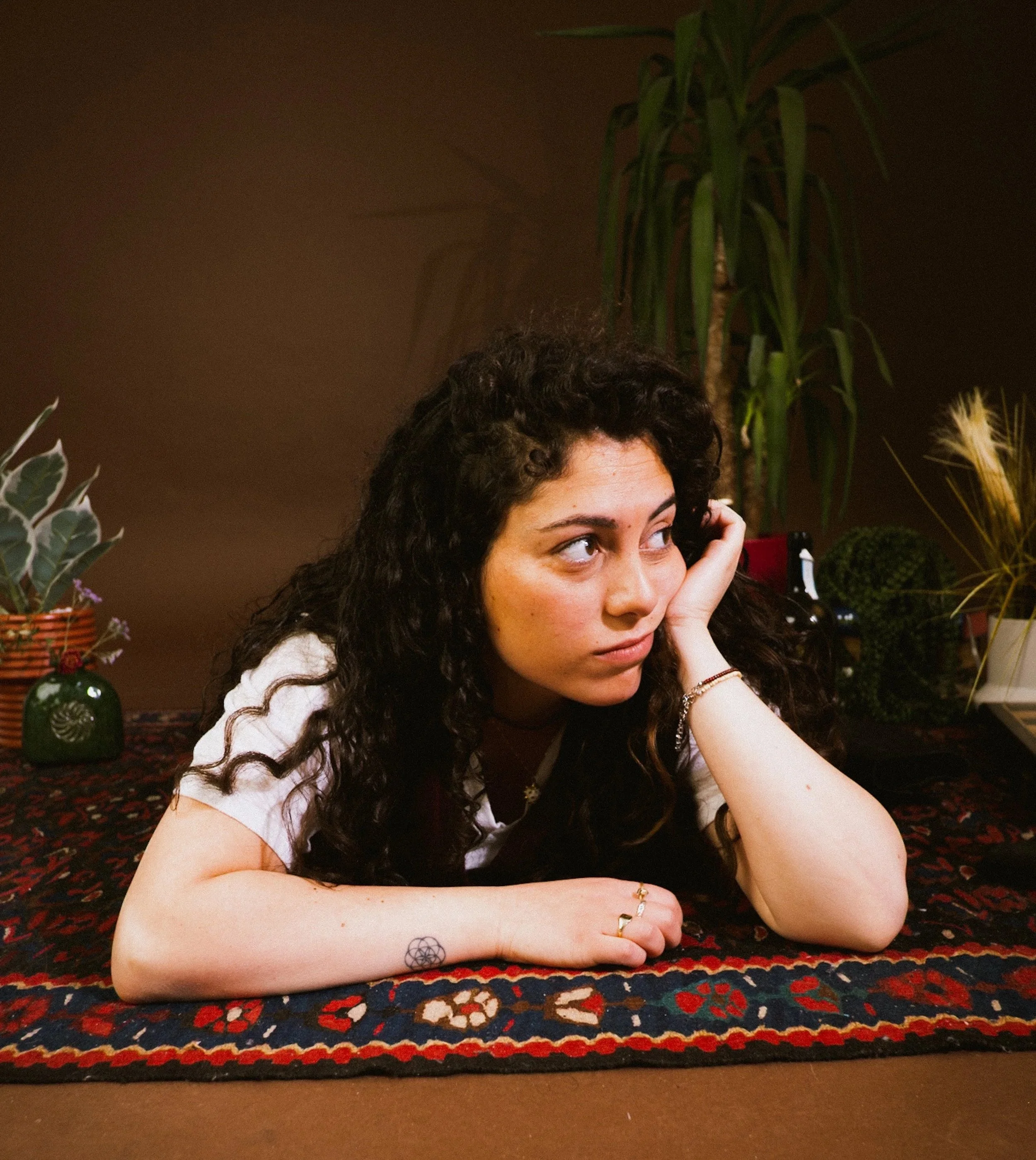
Your new single Reclaim My Soul touches on burnout and emotional exhaustion. What inspired you to write this song?
I started writing the song while I was reading a book called Sapiens. I reached a chapter that mentioned how, with every new continent Homo sapiens discovered, we drastically reduced local populations. The book also talked about how we can’t go back, once something is done, it’s done. While I was reading that chapter, the war in Ukraine started, and I remember being shocked by some of the stories and feeling horrified, thinking that this was the lowest point of humankind. But it’s not, and it wasn’t. The difference now is that we have more emotional intelligence and empathy, but also much greater exposure through social media. Being constantly confronted with that kind of reality can either break you or burn you out.
This track feels darker and more atmospheric than some of your earlier music. What changed creatively for you while making it?
I like to think that every song I write explores a different atmosphere in its own way, while still sounding like me, but I’ve always loved darker indie rock, artists like Nothing But Thieves, Dead Poet Society, and even a bit of Hozier. With this kind of message, it felt like the right moment to lean into that sound.
The line “reclaim my soul” feels very powerful. What does that phrase personally mean to you?
To be honest, it wasn’t meant to sound powerful. It was more of a gentle, almost polite way of saying, “I’ve had enough of this planet, can I please go now? Can whoever is up there just reclaim my soul? Thank you very much.” But of course, it can also be interpreted in a more hopeful way, reclaiming my soul from numbness and apathy, reconnecting with emotions, values, and care. For me, it’s really a call of frustration and exhaustion.
Your music often feels very honest and vulnerable. Do you ever find it difficult to share such personal emotions through your songs?
One hundred percent, but it’s not because I’m afraid people will judge it or dislike it. It’s more that I’m afraid they won’t feel anything at all or will find it boring. I would rather be criticised or even ridiculed than ignored, and the hope that someone might find my songs relatable or even helpful, knock on wood, is what helps me overcome that fear.
You grew up in the Middle East and are now based in London. How has that cross-cultural journey influenced your music and songwriting?
Back home, indie rock isn’t very big, so being fully introduced to the genre here, and feeling such a natural connection to it, has influenced my music a lot. I grew up with a constant sense of survival, which can often push creativity aside, and living in the UK gives you a bit more room to breathe. I still keep my feet on the ground and don’t take things for granted, but now I also have a sense of calmness and openness that I wouldn’t have discovered otherwise.
When you are writing a song, do the lyrics usually come first, or does the melody guide the process?
Melody, for sure. I love metaphors, so if I come up with a strong one, I’ll find a way to build it into the song, but melody is the first impression. If people connect with it, they’ll stay for the lyrics, especially now when attention spans are so short. That said, lyrics are what I spend the most time on, and writing lyrics before melody, for me, is like putting milk before cereal.
Your earlier songs connected strongly with people who feel like observers or overthinkers. Why do you think those listeners relate so much to your music?
I think my listeners are quite similar to me, observers and chronic overthinkers, and while that mindset has its strengths, it can also make you feel isolated or anxious. I used to struggle with social anxiety a lot. As a kid, I barely spoke. I mostly observed and thought, and music was always the thing that helped me, and still does. Those artists and songs you can truly relate to, and at the end of the day, the dream is that someone finds comfort in my music, some kind of cocoon.
When someone listens to Reclaim My Soul for the first time, what do you hope they take away from it?
That it’s okay to feel emotionally exhausted and that they’re not alone in it, but also that it’s important not to stay in that place for too long. We need to challenge ourselves to be better, to do better, with empathy and self-awareness. Social norms can be questioned, and the path we’re on can still be changed.
Reclaim My Soul feels like the start of a new chapter. What can listeners expect next from you in 2026?
To expect the unexpected, just kidding, but definitely more honest, self-reflective music, and live shows of course.
