
IN CONVERSATION WITH WAVE WAVE
Interview by Samo Šajn
Wave Wave is a Hamburg-born DJ and producer known for his melodic, club-focused sound. Since moving from hip-hop to electronic music in 2016, he has built a strong following, released music on major labels, and quickly grown into an in-demand name on the international scene.
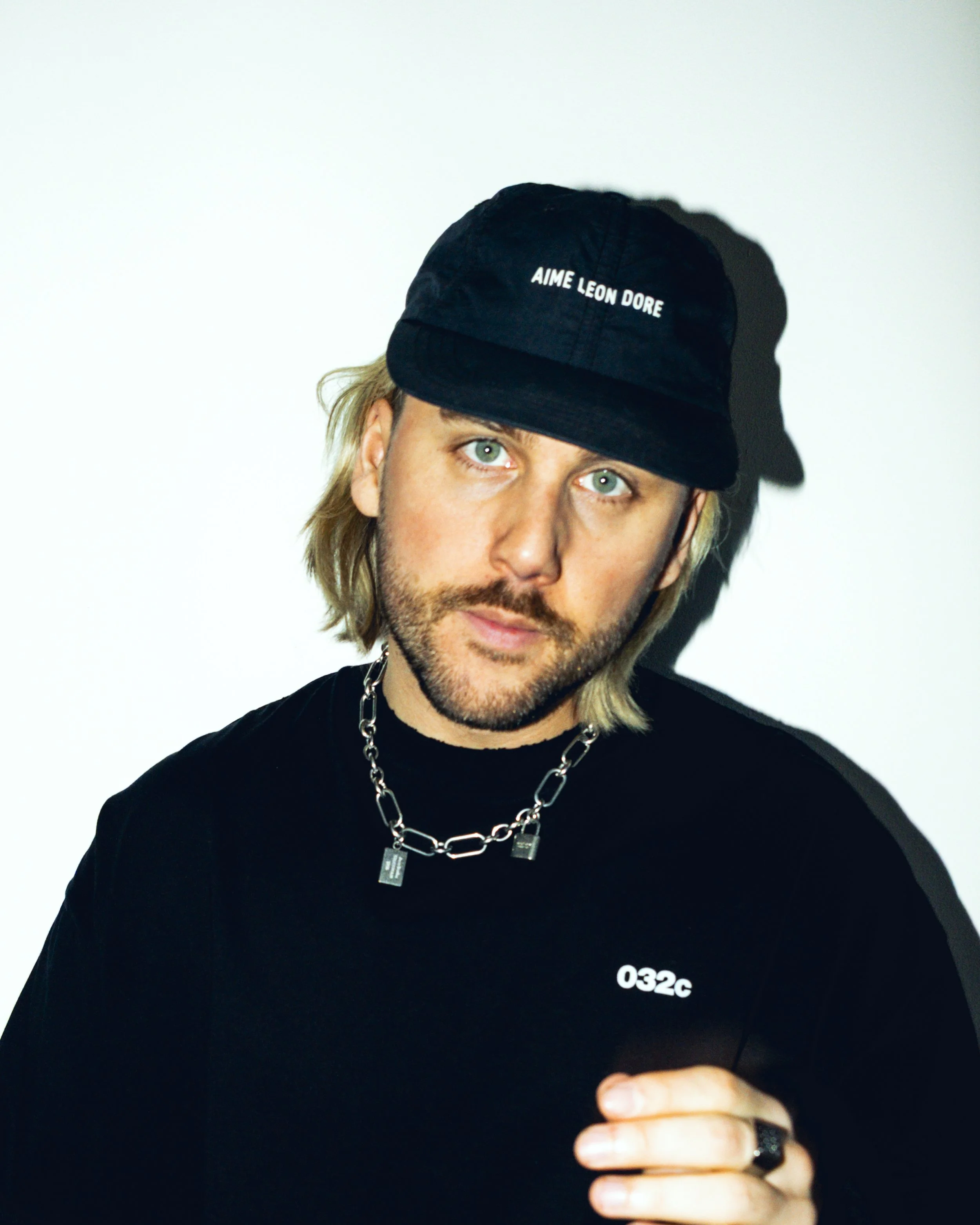
You started in hip-hop before moving into electronic music. What made you decide to change direction? Does the genre still influence your sound today? If so, how?
I started making hip-hop beats with my friends when I was about 14, and it was always a very communal thing for me, we would come up with ideas, write lyrics, and build beats together. But when I was alone in my bedroom, I found myself drawn to electronic music, which felt more personal and like my own space to experiment. Later, I started going out to clubs in Hamburg and Berlin, and instead of concerts, I became fascinated by DJ sets and how DJs connect with people purely through music. That opened up a whole new world for me, and starting my own electronic project just felt like the natural next step.
You’ve released music on labels like Diynamic Music, SIZE Records, and Experts Only. What have you learned from working with these different teams?
Working with labels like Experts Only, Diynamic, and SIZE has been really meaningful because each represents a different part of the electronic scene, but they all share a strong connection to the dance floor. Releasing on these labels means your track has to work in a club context, which is very different from how I approached music before I found my current sound. Now my music is much more club-focused, and these teams really know how to position and promote it. It also means a lot personally. If a track comes out on Experts Only, John Summit believes in it. If it’s Diynamic, Solomun connected with it. And with SIZE, it means Steve Angello supported it. That kind of recognition gave me confidence after changing my sound, and it also taught me not to overthink things, because often the track I least expected gets picked.
Your hometown of Hamburg has produced some hugely respected electronic names, including Helena Hauff, Solomun, and Boys Noize. How have you watched the scene evolve there, and how has it influenced your career?
Hamburg has been a huge influence on me. I moved to Berlin for a few years when I started producing electronic music, which exposed me to a different club culture, but I always kept an eye on Hamburg’s underground scene. The smaller clubs there really shaped the sound I’m making now, and if you listen to sets from around 2015, you can hear a lot of similarities to what big artists are playing today. It’s inspiring to see how the city has shaped artists who went on to have a global impact, and I’m definitely working on adding my name to that list. I’m also excited to bring my Waterized Sessions event series to Hamburg in the future.
You only began touring regularly in 2022 and already played places like Parookaville and Pacha Ibiza. What has that experience been like for you?
It all happened very quickly, and playing venues like Parookaville or Pacha Ibiza so early in my touring career has been incredible. I’m very grateful for those opportunities, especially with early support from my friend Robin Schulz, but it also came with challenges because I had to adapt fast. Most DJs develop their skills gradually in smaller clubs, but I suddenly found myself playing big stages, which meant learning how to read crowds and control energy under pressure. At the same time, switching between large festivals and small club nights can be mentally challenging, but I have learned to appreciate both. Opening a night, playing longer sets, and building the atmosphere slowly can be just as rewarding as playing peak time slots.
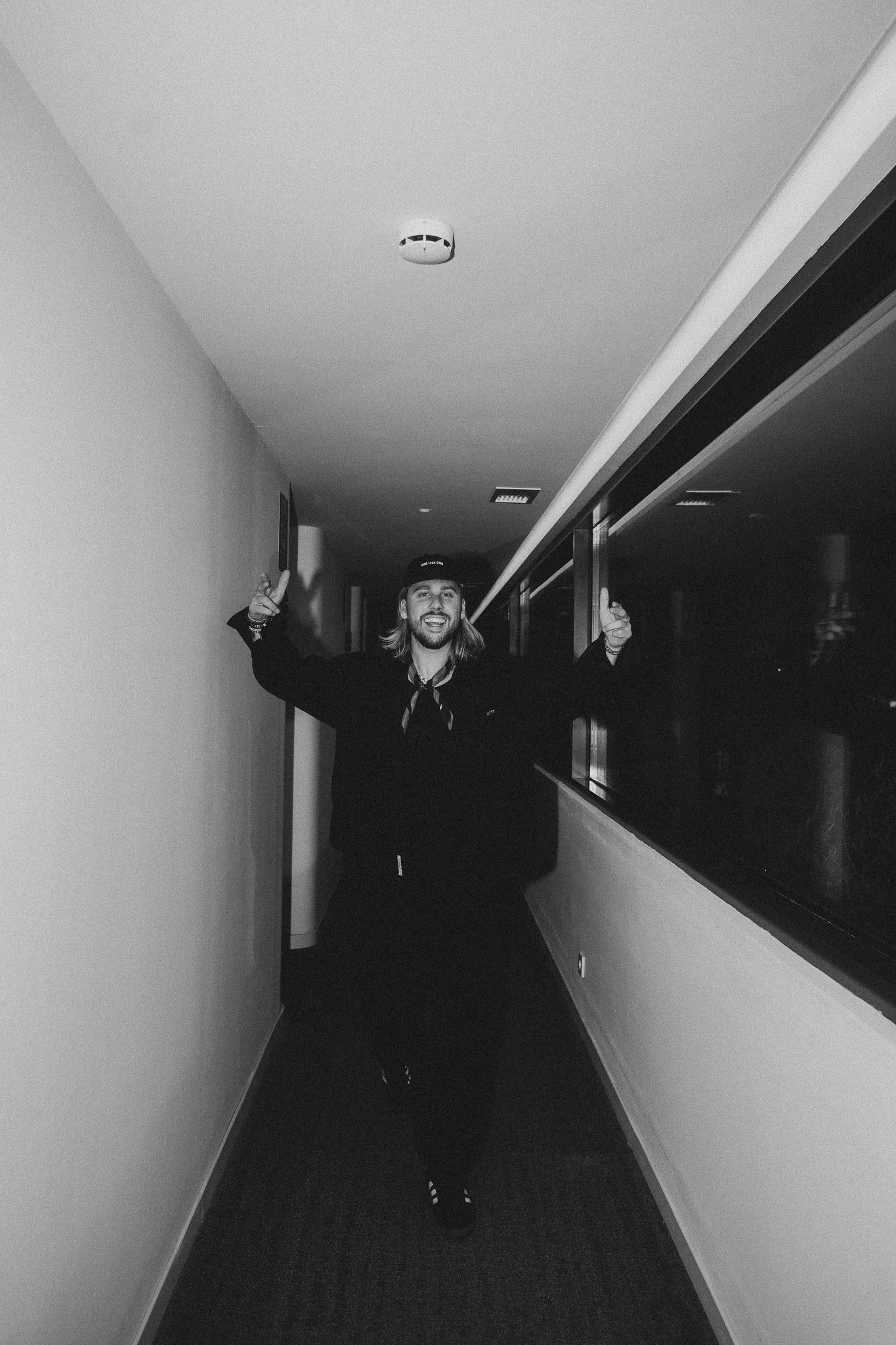
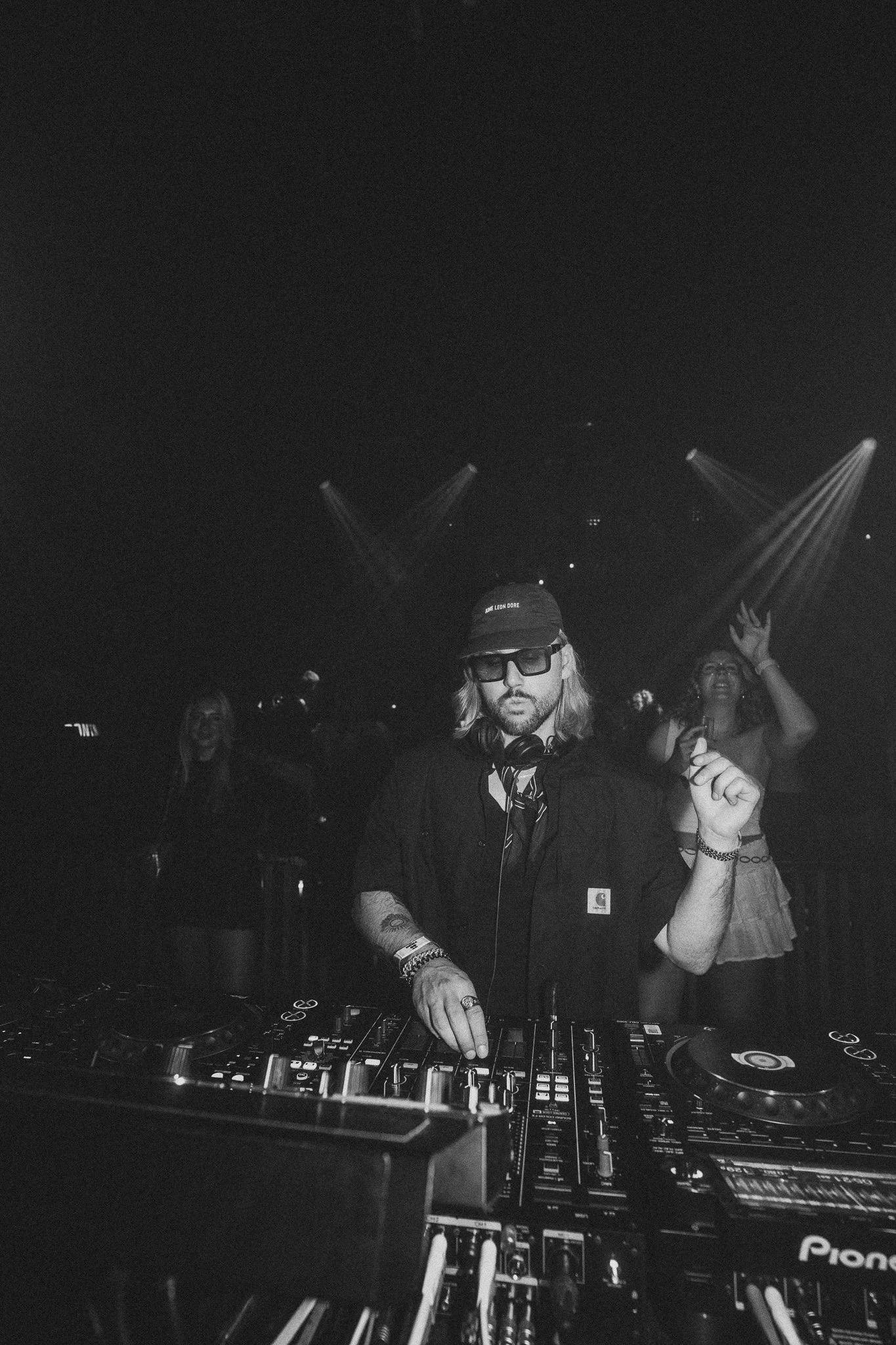
Your DJ sets focus a lot on tension and atmosphere. What do you think makes a set truly memorable?
For me, a great set is not just about playing big tracks, it is about creating a journey and an atmosphere. Reading the room is important, but I also think unpredictability is key. If people can guess what is coming next, the magic disappears. A memorable set takes people through different emotions, from tension to euphoria and even moments of melancholy, so that by the end of the night, it feels like a full experience rather than just a sequence of tracks.
You have remixed artists like Robin Schulz and Jonas Blue. Do you approach remixes differently from your own original tracks?
I usually overthink things a bit less when working on a remix because you are not starting from scratch. The vocal or a key element already gives you a direction and emotional base, which makes the process feel more intuitive. At the same time, I always make sure the result still sounds like me and fits naturally into my DJ sets, so it becomes part of my world rather than just a reinterpretation.
Collaboration is a big part of your catalogue. What makes a good creative partnership for you?
Collaboration is always a learning experience for me because it gives me insight into how other producers think and work. When I receive project files back, it feels like stepping into someone else’s creative process, which is really valuable. Often, the track evolves into something completely different from where it started, and that is what I enjoy most because it pushes the music into new directions. For me, a good collaboration is about staying open, exchanging ideas, and allowing the track to grow beyond your own initial vision.
You were named one of 1001 Tracklists’ Future of Dance Artists of 2025. What did that recognition mean to you personally?
That recognition meant a lot, especially because I had shifted my sound about a year earlier, so seeing things grow so quickly was very rewarding. Even before that, it was already an amazing feeling to see artists like Solomun, John Summit, and Vintage Culture playing my tracks, but being named alongside bigger and more established names made it even more special. It felt like confirmation that I was on the right path and that the work I was putting in was starting to pay off.
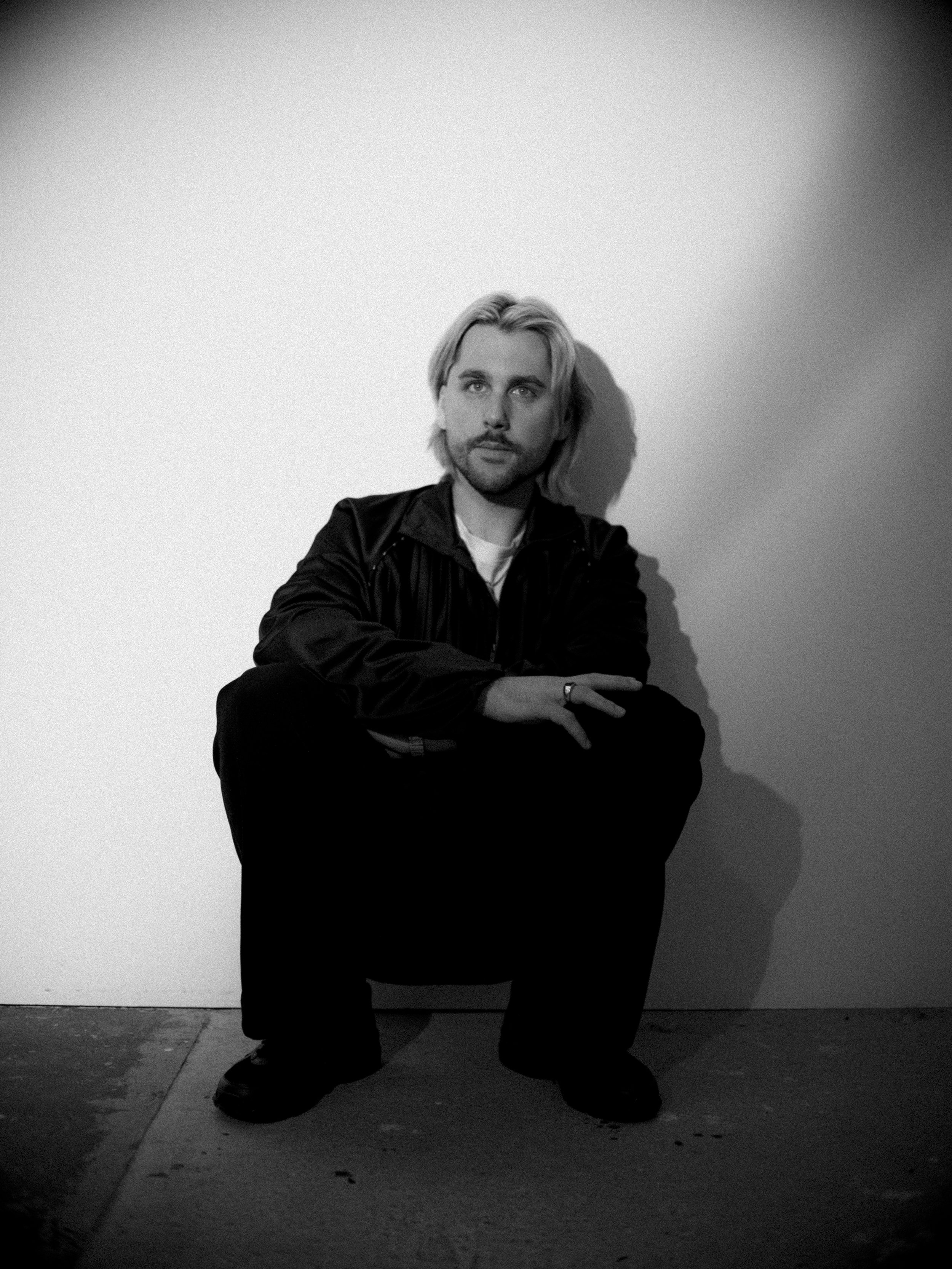
If you could change one thing about the electronic music industry overnight, what would it be and why?
I think the industry would benefit from more openness between different scenes and styles. Dance music is so diverse, which is what makes it exciting, but sometimes those differences create unnecessary boundaries. It would be great if artists felt freer to experiment and collaborate across genres without worrying about expectations. That said, I do think things are improving, and I have seen more crossover collaborations recently, which is a really positive development.
With your Waterized Sessions growing, your debut EP, and your expanding tour schedule, what are you focusing on next?
My main focus is growing Waterized Sessions into a full event series, and I will also be releasing at least two more session recordings this year featuring only my own productions. Another big step is launching my own record label, which came from having tracks I loved but could not place with existing labels. It felt natural to create my own platform, not just for my music but also to support new artists, as I receive a lot of strong demos from emerging producers that deserve more attention.
