
IN CONVERSATION WITH RADHIKA DAS
Interview by Samo Šajn
Radhika Das is a London-based kirtan artist and Bhakti yoga teacher who has helped bring mantra music and chanting to wider audiences around the world. Through his live events, online community, and new EP Lightfall, he continues to introduce people to the power of music, meditation, and connection. We spoke with him about his journey, the growing popularity of kirtan, and what he hopes people take away from his work.
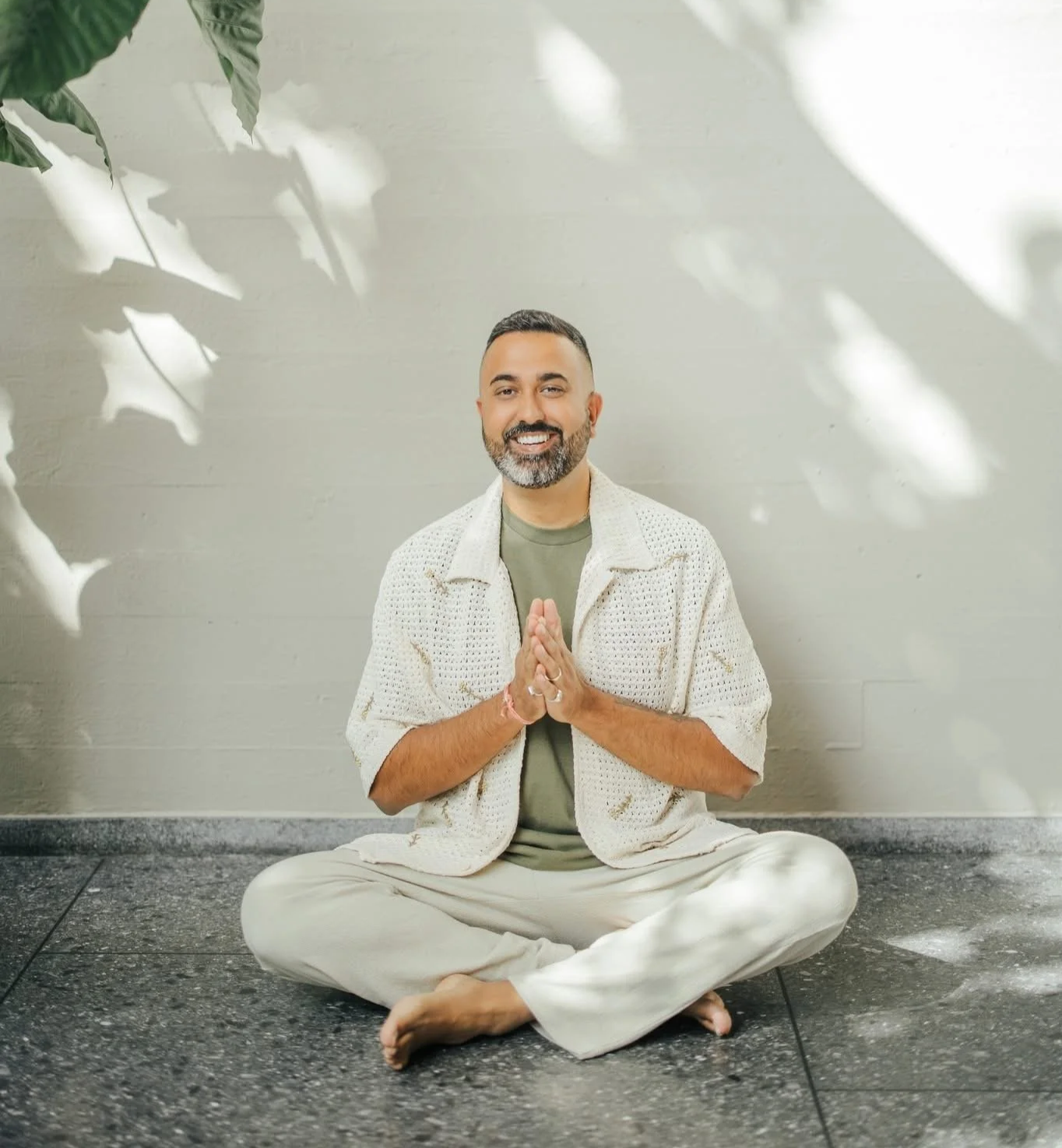
Kirtan and mantra meditation used to feel quite niche in the UK, but now it’s reaching much wider audiences. Why do you think so many people are connecting with it right now?
I think people are looking for experiences that help them slow down and reconnect. We live in a world of constant stimulation, endless scrolling, and information overload. At the same time, many people feel disconnected from themselves, from each other, and from their spirituality.
Kirtan offers something very simple: people gathering together to sing, breathe, and be present. You don't need any prior knowledge or belief system to participate. In a culture that often feels fragmented, that sense of connection is incredibly powerful.
You’ve spent nearly 20 years immersed in Bhakti yoga. How has your relationship with chanting and spirituality changed over that time?
In the beginning, chanting was something I did because it made me feel peaceful. Over the years, it has become much more than that. It's become a lens through which I understand life, relationships, and purpose.
What has changed most is that spirituality has moved from being something I practiced to something I try to live. The music remains important, but today I'm just as interested in how these teachings shape the way I treat people and navigate the world.
Your new EP Lightfall feels very calming and accessible. What kind of atmosphere or feeling did you want listeners to experience with this project?
I wanted Lightfall to feel like a deep exhale.
The world can feel heavy and overwhelming, and I wanted these songs to create a sense of spaciousness, warmth, and hope. Whether someone is listening through headphones during their commute or in a room full of people singing together, my hope is that the music helps them feel lighter and more connected.
You often blend traditional kirtan with a more modern sound and presentation. How do you balance making it accessible while still staying true to its roots?
For me, the essence must always remain intact. The intention, the message, and the heart of the music don't change.
What evolves is the musical language around it. Every generation expresses timeless ideas through contemporary forms. Modern production, new instruments, and immersive live experiences can help people connect with these traditions without changing what makes them meaningful in the first place.
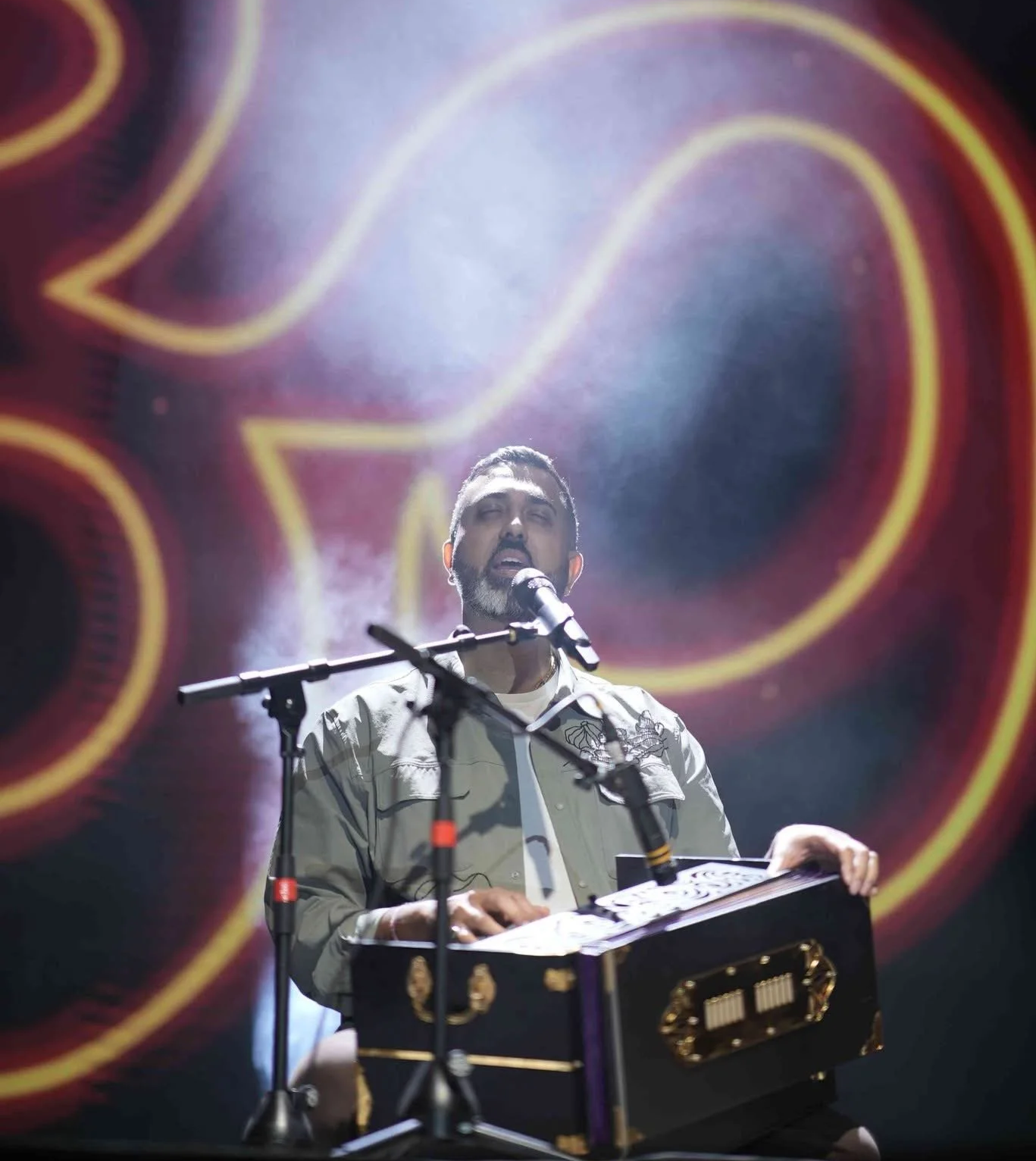
A lot of your events feel more like shared experiences than traditional concerts. What do you think people are searching for when they come to these gatherings?
I think they're searching for connection.
Not just connection to spirituality, but connection to themselves, to other people, and to something larger than their daily concerns. Many people arrive expecting a concert, and leave feeling like they've participated in something communal.
In a world where so much of our interaction happens through screens, there is something profoundly moving about hundreds or thousands of people sharing the same experience in real time.
You’ve built a huge online following, but your in-person events are also selling out around the world. How different is the energy between digital connection and live chanting together in a room?
Both are valuable, but they're very different.
Online platforms allow the music to reach people anywhere in the world, which is extraordinary. But nothing replaces being in a room where everyone is singing together. There is a collective energy that emerges when people breathe, move, and make music together.
The internet can introduce people to the experience. The live gathering allows them to fully step into it.
You recently performed at the Ambani family celebration, which brought a lot of attention online. What was that experience like, especially seeing devotional music reach such a global audience?
It was a unique experience and a reminder that devotional music can resonate in all kinds of settings.
What I found encouraging was seeing people from different backgrounds and walks of life engage with the music. Whether someone encounters these sounds in a temple, at a festival, or at a global event, the underlying human response is often the same. Mantra has a remarkable ability to transcend cultural boundaries.
Your podcast For Soul's Sake and your book Mantra Meditation explore mindfulness and connection beyond music. Do you see yourself more as an artist, a teacher, or something in between?
Probably somewhere in between.
Music is my primary medium, but the deeper intention behind everything I do is to create conversations about meaning, connection, and wellbeing. Whether that's through a concert, a podcast episode, a retreat, or a book, I'm interested in helping people explore those questions.
I still see myself first as a student, though. The learning never stops.
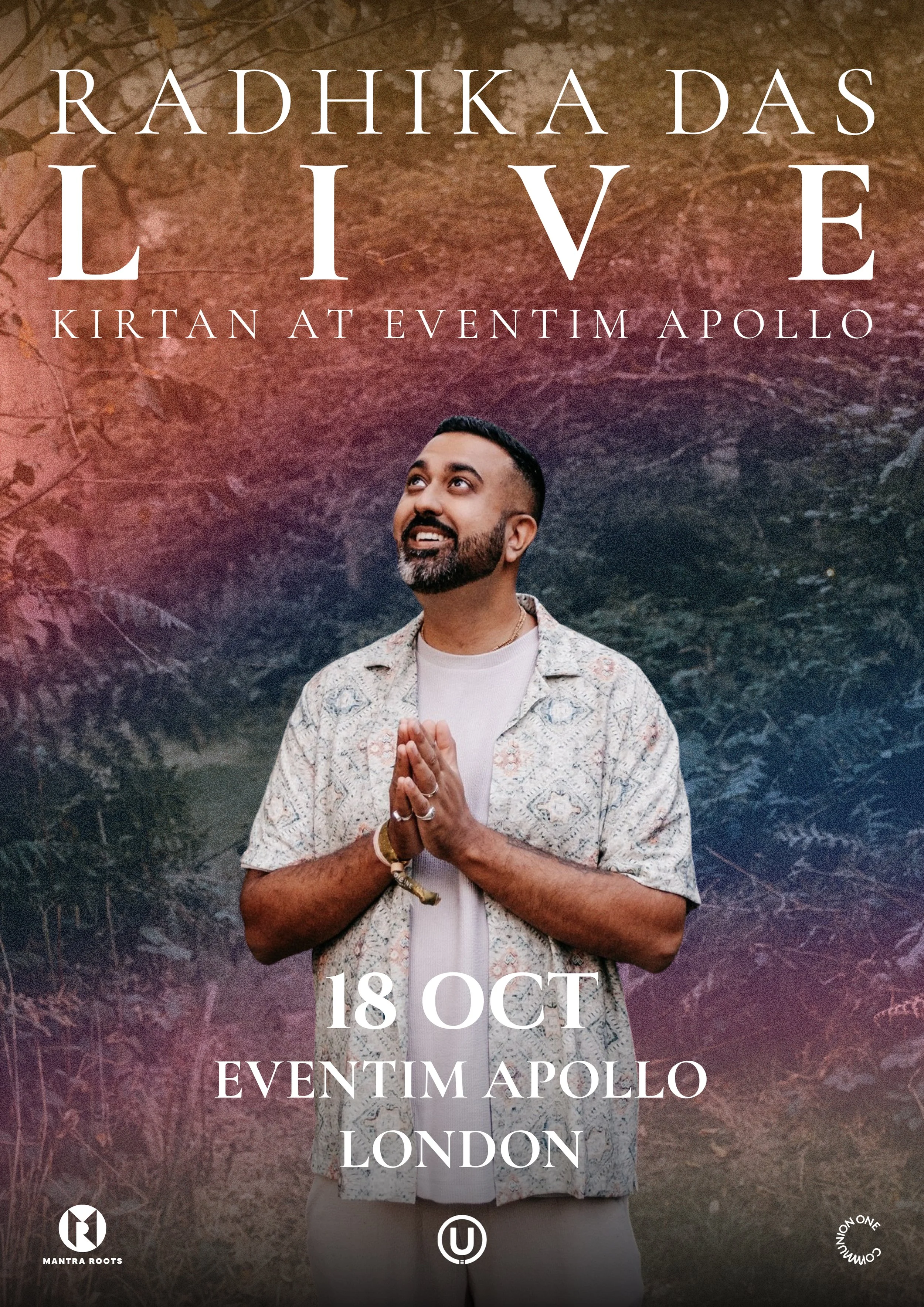
You’re preparing for your biggest London headline show yet at Eventim Apollo. How does it feel seeing this kind of scale for a practice that started in much smaller community spaces?
It's incredibly moving.
The Apollo is one of London's most iconic venues, and to see this music fill a space like that is something I could never have imagined when I first started chanting in small community gatherings almost twenty years ago.
More than anything, it feels like a reflection of how much people are longing for these experiences. The scale is exciting, but what matters most is that the essence remains the same: people coming together through kirtan.
For someone completely new to mantra meditation or kirtan, what do you hope they take away after hearing your music or attending one of your events for the first time?
I hope they leave feeling lighter than when they arrived.
You don't need to understand the words, know the tradition, or have any spiritual background. Just come with a sense of curiosity.
If someone leaves feeling a little more present, a little more connected, or simply a little more at peace, then the music has done its job.
