
IN CONVERSATION WITH RAFAEL NASCIMENTO
interview by LEANDRO DA SILVA
For over a decade, Another Place has positioned itself at the forefront of Brazilian streetwear, emerging as one of the first genderless brands in the South American market. Built around self-expression and sustainability, the label operates both within fashion and beyond it, regularly partnering with other brands on collaborative projects. Founder Rafael Nascimento reflects on the legacy he has built, the community that has formed around it, and what comes next.
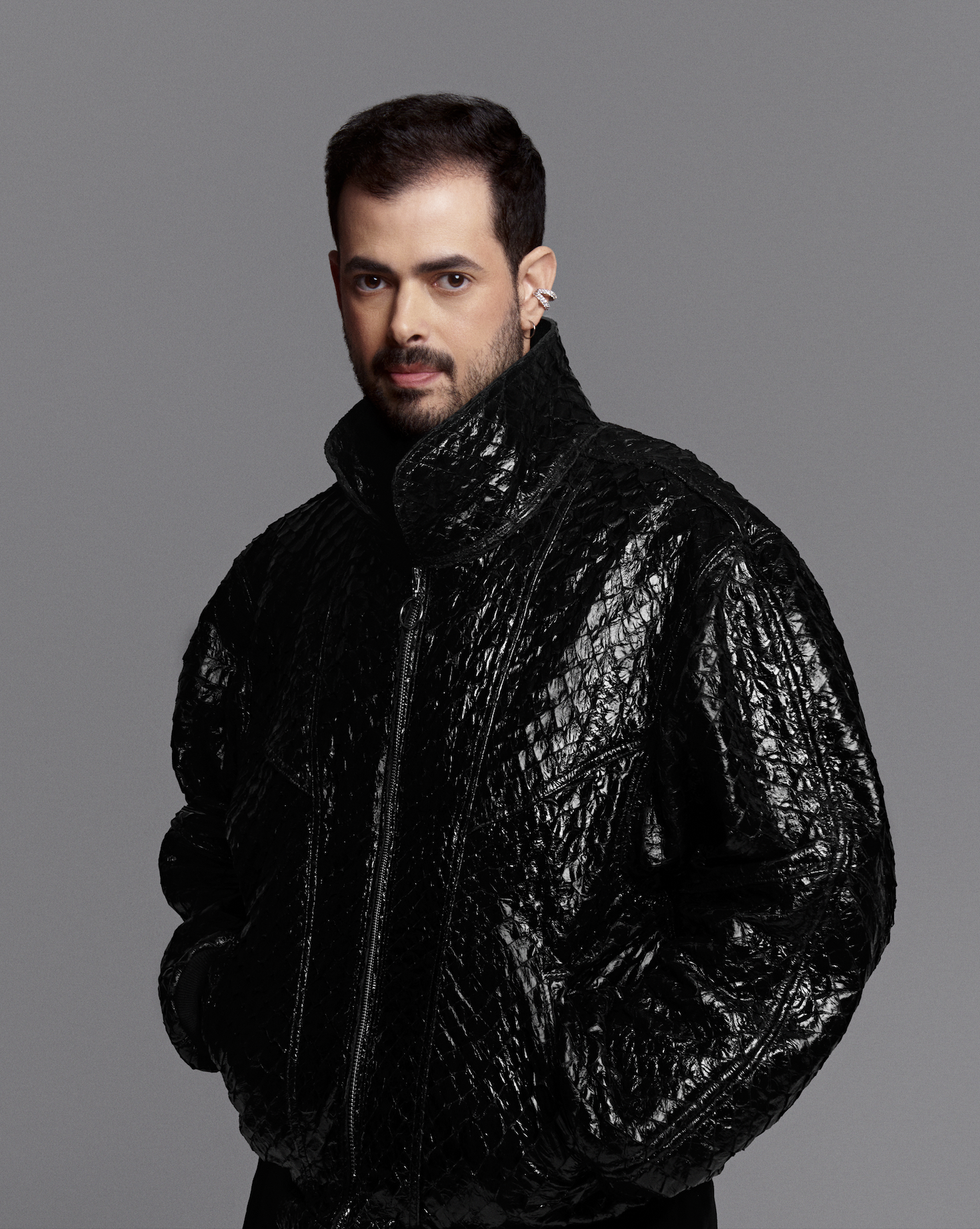
all images courtesy ANOTHER PLACE
You described Another Place as “genderless, digital, and accessible.” Those three words almost sound like a manifesto. Which of them was the hardest to make real?
We were one of the first, if not the first, 100% genderless brands of Brazil. That topic alone brought a big challenge, which was to present this category to the market and build commercial space along with our audience. Today, no doubt, our biggest challenge is to be accessible. Balancing design, quality, and price is constant work. As the brand grows, we keep improving every step to make this balance more and more efficient.
Your training in advertising suggests you understand systems of desire. Did founding Another Place feel like breaking the system you helped build?
Today, I look at my experience in advertising as an advantage in my career. My professional background helps me a lot to create narratives, the Another community and also the collaborations with other brands. Something that used to bother me, as an employee in the advertising industry, was having to create desire for products I didn't believe in. Having Another has helped me with that, today, I have control over my work and can use my professional experience to create desire and amplify only the messages I truly believe in.
How do you maintain subcultural credibility while expanding commercially?
The main thing is not to give up the DNA and the community that brought us here. I always try to understand what is the moment and the limit of the flexibility to create new products and lines or what are the necessary adjustments in the communication to reach new targets and new people. This balance and this care are important to being able to expand without losing the customer base we’ve already built and what we’ve created as a brand.
Another topic is the creation of new revenue streams, such as collaborations and partnerships, that help us to strengthen and maintain the brand’s other pillars. Today, our portfolio includes partnerships with major national and international brands such as Samsung, Tinder or Spotify.
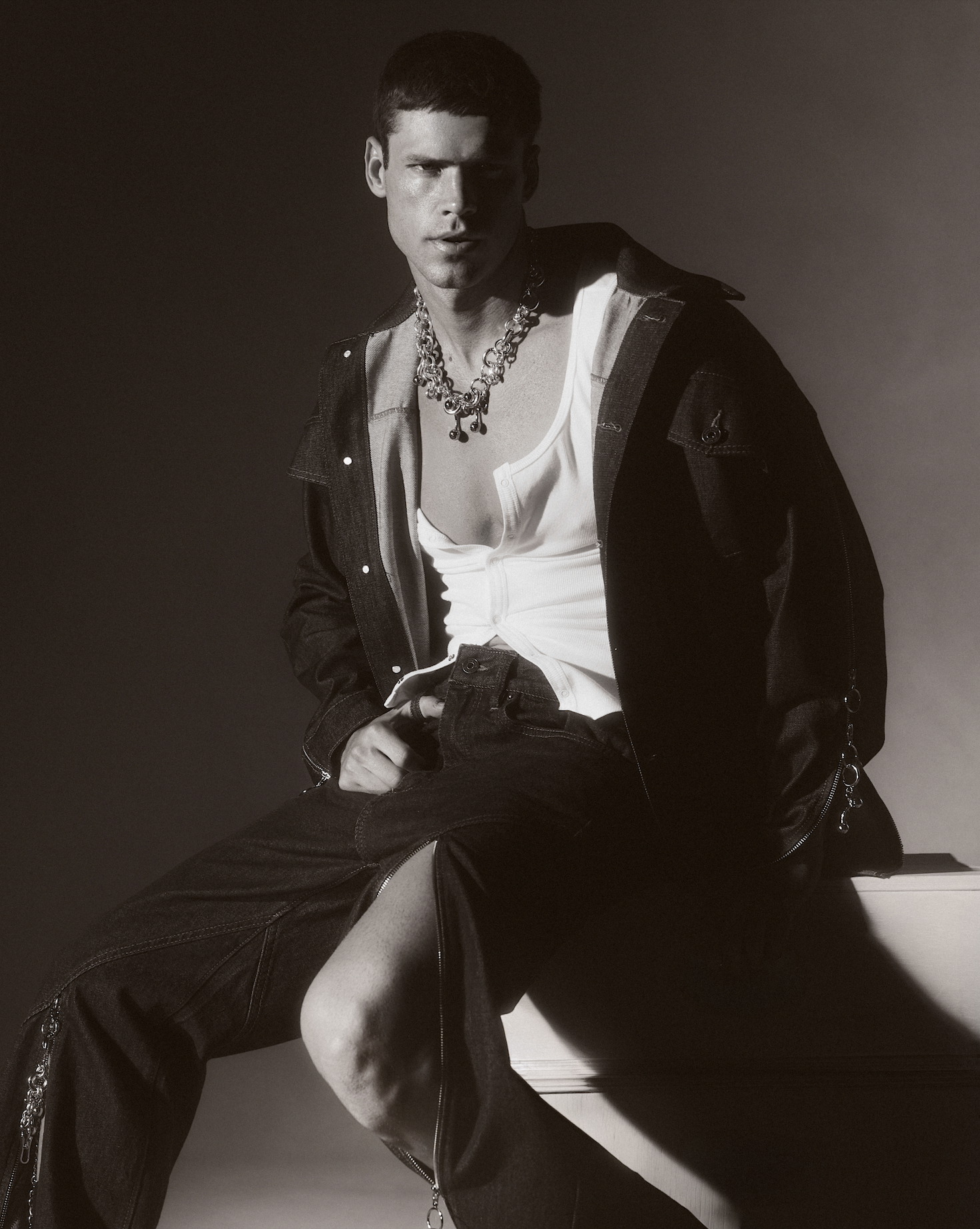
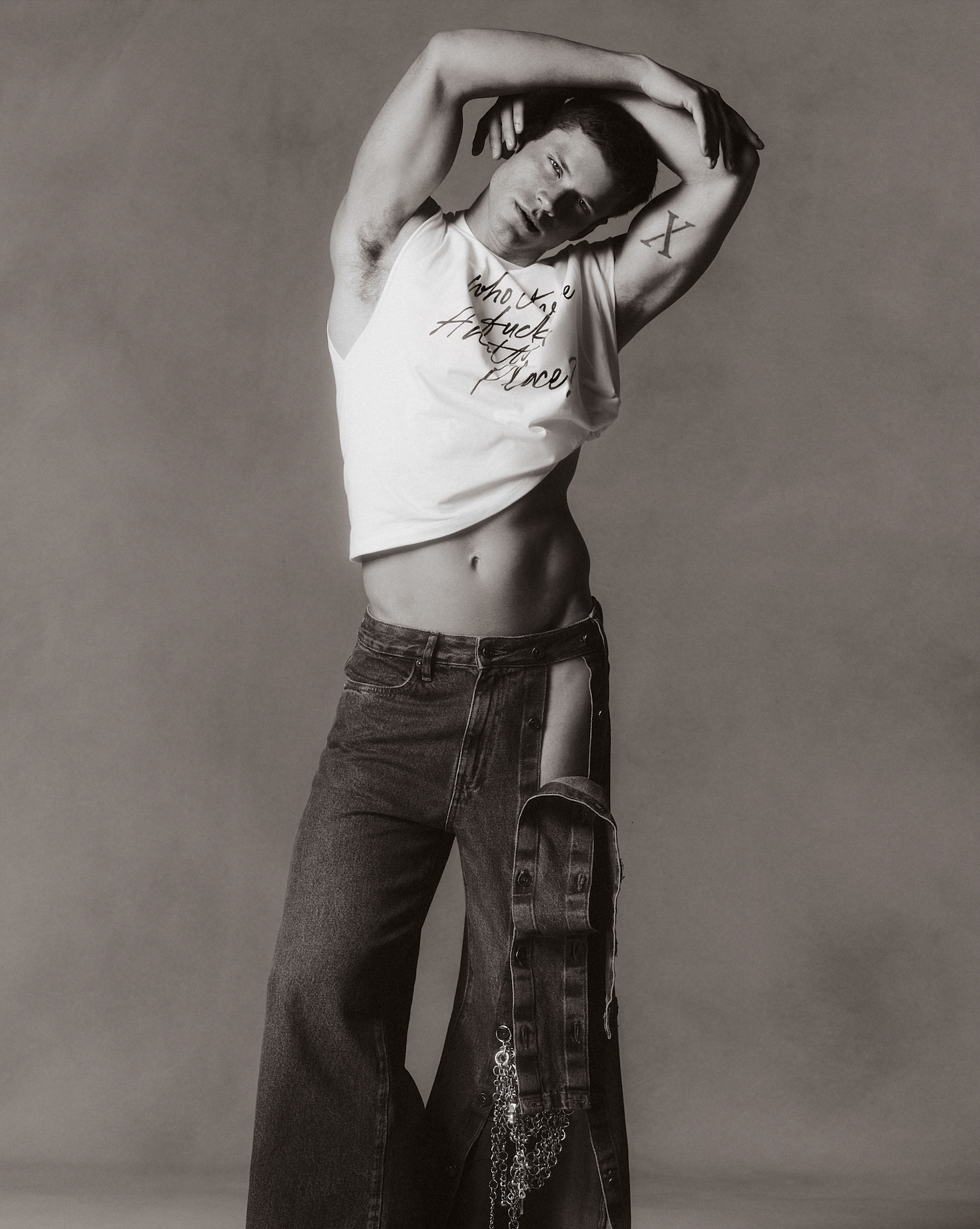
Dressing artists like Pabllo Vittar or Anitta places the brand at the centre of Brazilian pop scene. How does stage performance reshape your understanding of silhouette?
I love music and I've always been a regular in music concerts and festivals, it's an experience that has always been a part of my life. Today, I'm lucky to work with artists I like and listen to in my daily life. I believe the key to making it work is always the exchange with the artist and their team.
Understanding the message that needs to be conveyed, as well as the timing and movement on stage, is essential to developing a costume that enhances the overall experience of the show. Each artist and tour is a unique case and a different challenge. These experiences add significantly to my repertoire and, in one way or another, end up influencing my creations as a brand.
Your collaborations range from tech to food to lifestyle. What is your internal filter when deciding whether a partnership aligns with your universe?
The concept and the story we're telling needs to resonate with our audience. That's our non-negotiable filter. If I have any doubts about how the audience will respond or about the brand we’re collaborating with, I don’t move forward.
What collaboration most surprised your audience?
Without a doubt, it was the collaboration with Hellmann’s, no one saw it coming. But when the proposal came in, the concept made a lot of sense. The brand was transitioning to packaging made with recycled plastic and wanted the collaboration to highlight this shift, as well as a proprietary project focused on food waste. Overall, the concept strongly aligned with our own production practices and led to a limited-edition collection featuring upcycled pieces developed from leftover materials from our productions.
The underwear line is described as a benchmark for the brand. Why do you think it resonated so strongly?
I think that, in general, for those who weren’t familiar with the concept of genderless fashion, underwear would seem almost impossible to design as a single solution for different bodies. So I see this line as a way to materialize the brand’s concept in a tangible way for a wider audience. We launched our underwear line in 2016, and it remains a bestseller to this day.
Launching a fragrance is often a declaration of maturity. What does scent allow you to express that clothing cannot?
The idea to launch a fragrance came from the desire to create a product that would bring the brand’s DNA and values to a broader audience in a more accessible way. Another has a strong aesthetic and an audience that connects with everything the brand represents, but doesn’t necessarily purchase our apparel. This category opens up a new way to experience and engage with the brand’s concept. The fragrance sold out sooner than expected, and we’re already working on new scents to be released soon.
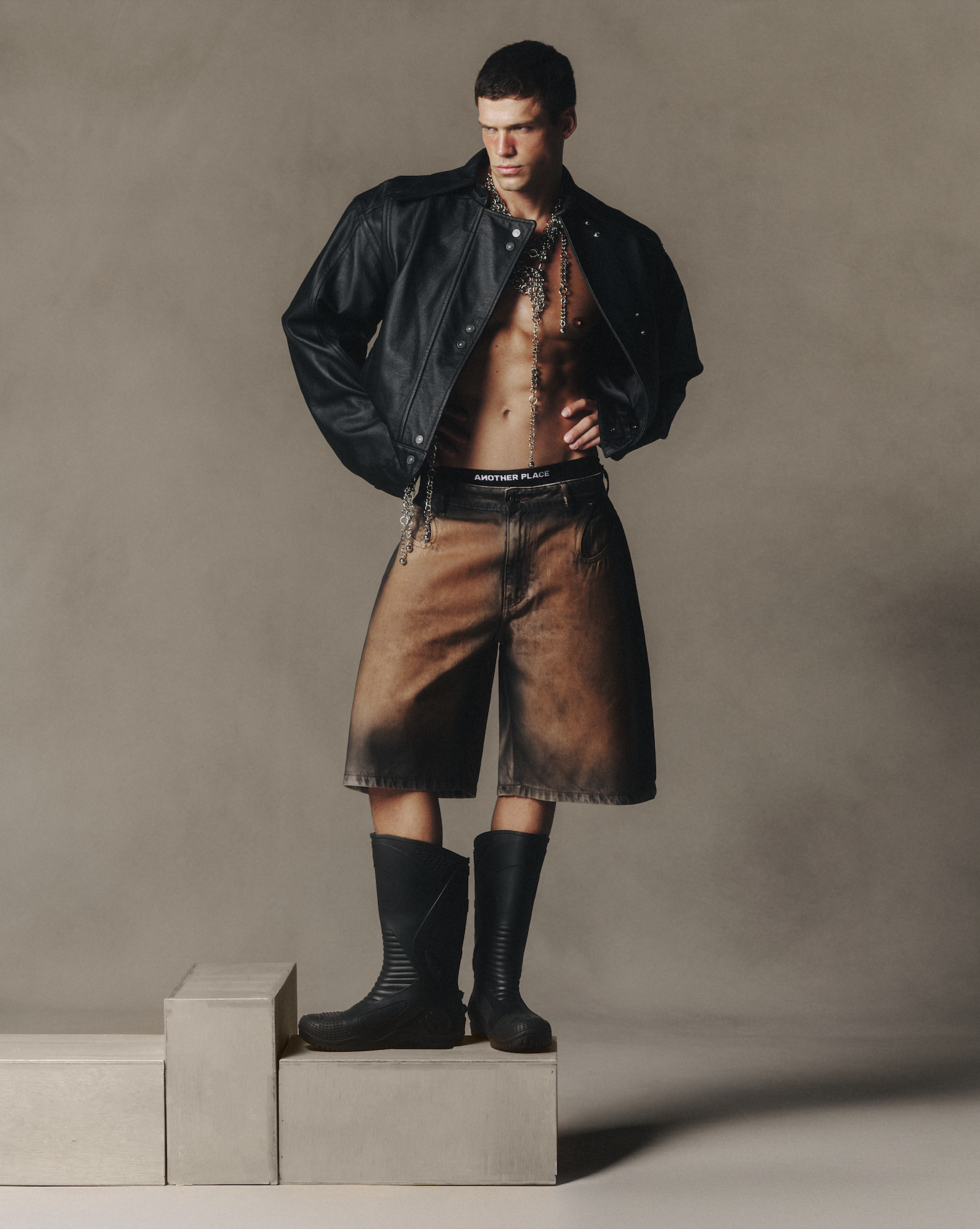
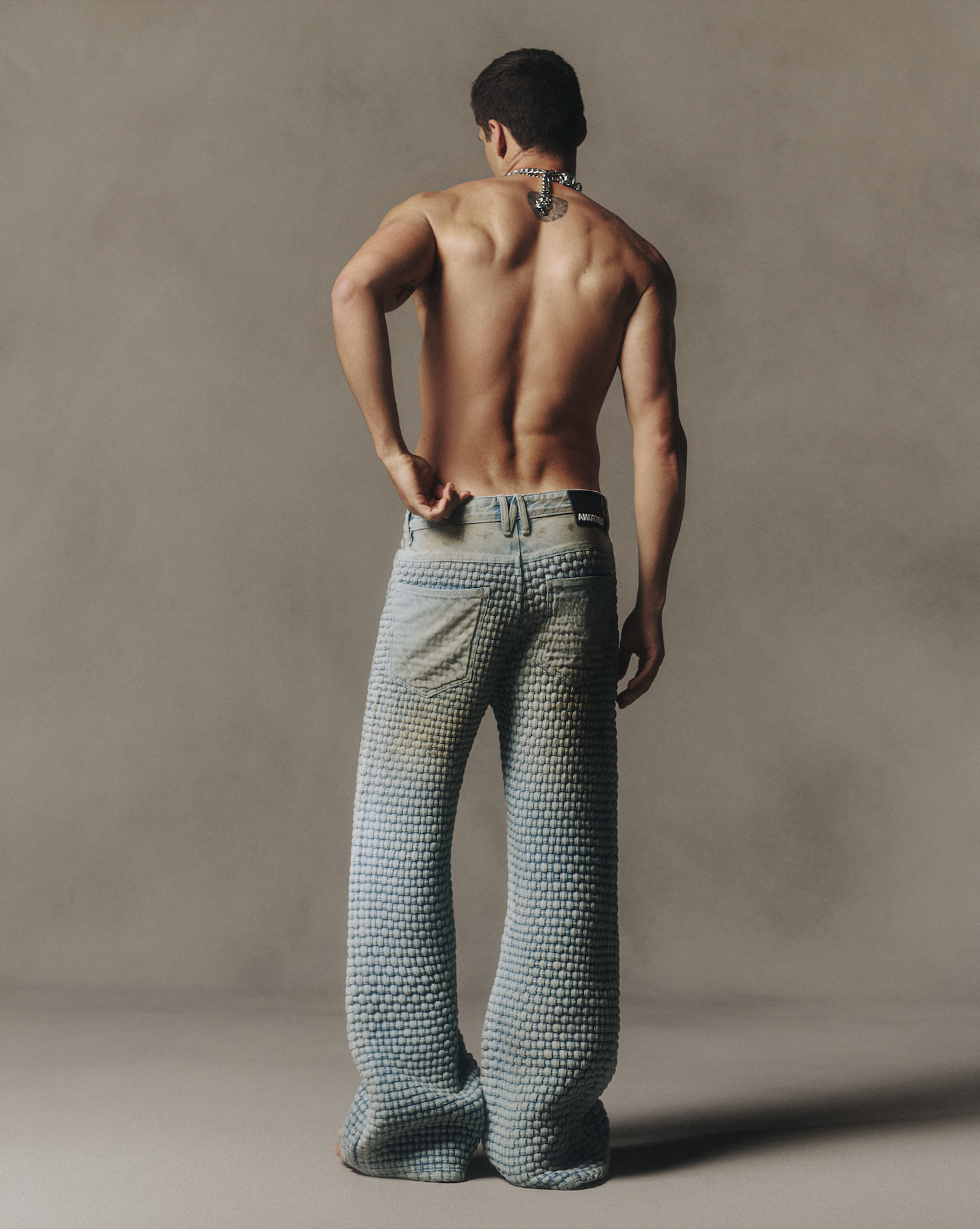
Producing in-house at the ANP Denim Lab marks a decisive industrial step. Was this about creative freedom, sustainability, or sovereignty?
At first, it was a decision driven by the pursuit of creative freedom. I had always wanted to work with denim, but faced several barriers when trying to outsource production — both in terms of design constraints and the minimum quantities required by the market. Now, with the brand more established in the segment, we’re gradually moving toward onboarding manufacturing partners and outsourcing part of our denim production. This allows us to scale production and offer more accessible pricing, without compromising on quality or the brand’s DNA.
What concrete innovations in washing or waste reduction are happening inside the Lab that you’re most proud of?
What I’m most proud of are our initiatives around waste reduction. Today, in denim, we’ve been able to virtually eliminate production waste. We’re constantly creating and developing products from what we generate. For example, the Wide Weaven Pants we launched in our current collection. We use the edges and leftover pieces from production cutting to create denim loops, which are then woven into the base of the new garment’s construction, avoiding additional cuts and potential waste. In addition, anything we can’t repurpose, along with pieces that don’t pass, whether due to fit or quality control, is donated to recycling organizations or independent upcycling brands.
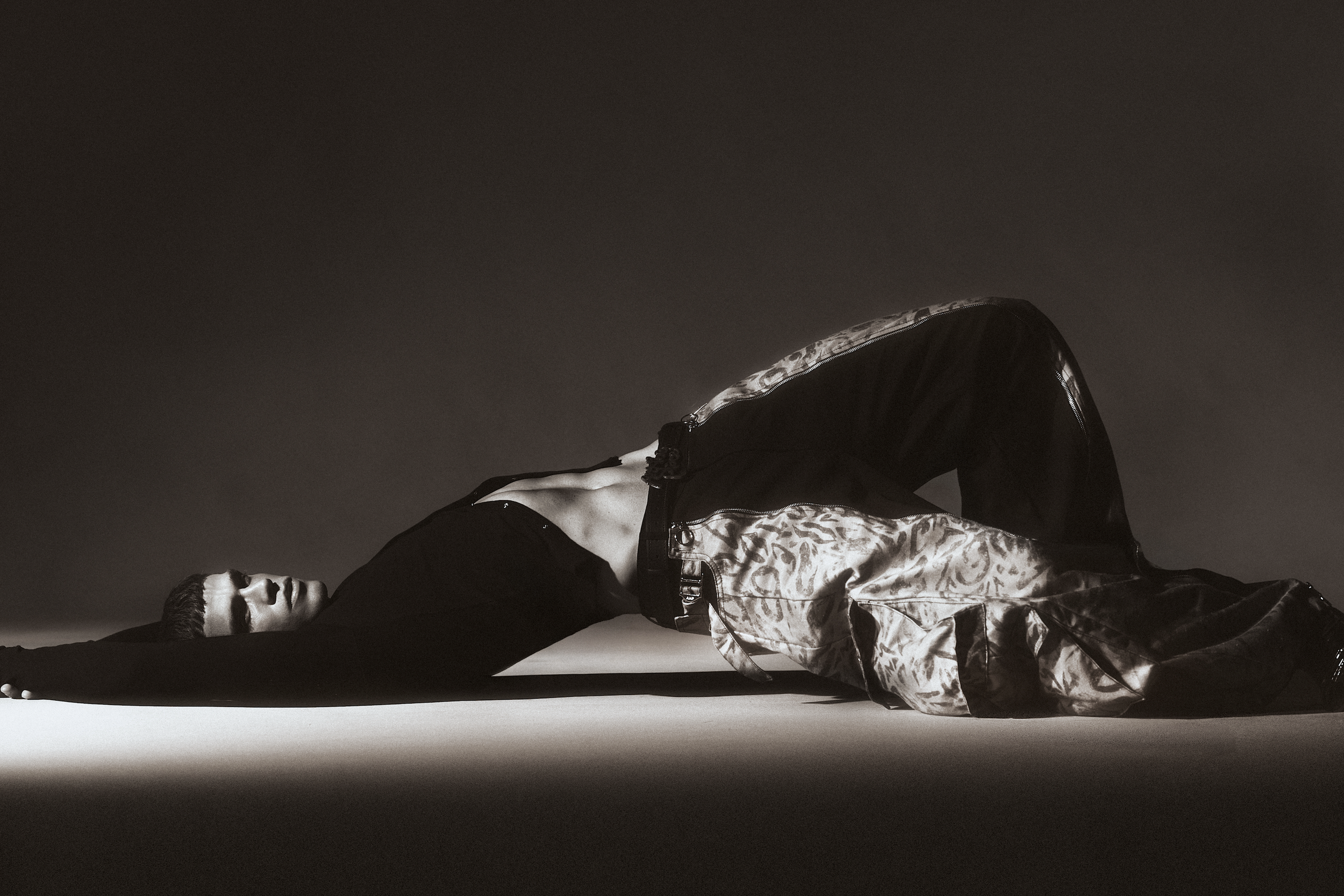
Revisiting your bestsellers for the 10-year anniversary collection; is that nostalgia, evolution, or confrontation?
It’s less about nostalgia and more about evolution, with a certain level of confrontation. Revisiting these pieces forces me to look at what we created in a completely different context, both personally and as a brand. Some of them still feel very current, while others I would approach differently today, in terms of fit, construction, or even intention. There’s definitely a nostalgic layer internally, because it brings me back to where everything started and what shaped the brand. But it’s not about celebrating the past as it was, it’s about reinterpreting it with everything we’ve learned since.
At the same time, a large part of our current audience has never seen or had access to these pieces. So throughout this anniversary year, I’m revisiting key moments and blending them with new releases. For someone new, it will feel entirely fresh. For those who’ve been with us from the beginning, it carries a different weight, not just nostalgia, but a sense of continuity and transformation.