
IN CONVERSATION WITH REBECCA BLACK
interview by JANA LETONJA
Fifteen years after becoming one of the internet’s first viral sensations, Rebecca Black has transformed one of pop culture’s most unlikely origin stories into one of its most compelling reinventions. The Mexican-American singer, songwriter, DJ, and queer icon has steadily built a fearless independent career, embracing experimentation, club culture, and radical self-expression. With her sophomore album Age of Exhibitionist arriving on 4th September, Rebecca enters her boldest era yet, one defined by uninhibited pop, striking visuals, and complete creative ownership. Ahead of a major headlining tour and festival appearances at All Things Go and Austin City Limits, she speaks about exhibitionism, reinvention, and finally owning every chapter of her story.
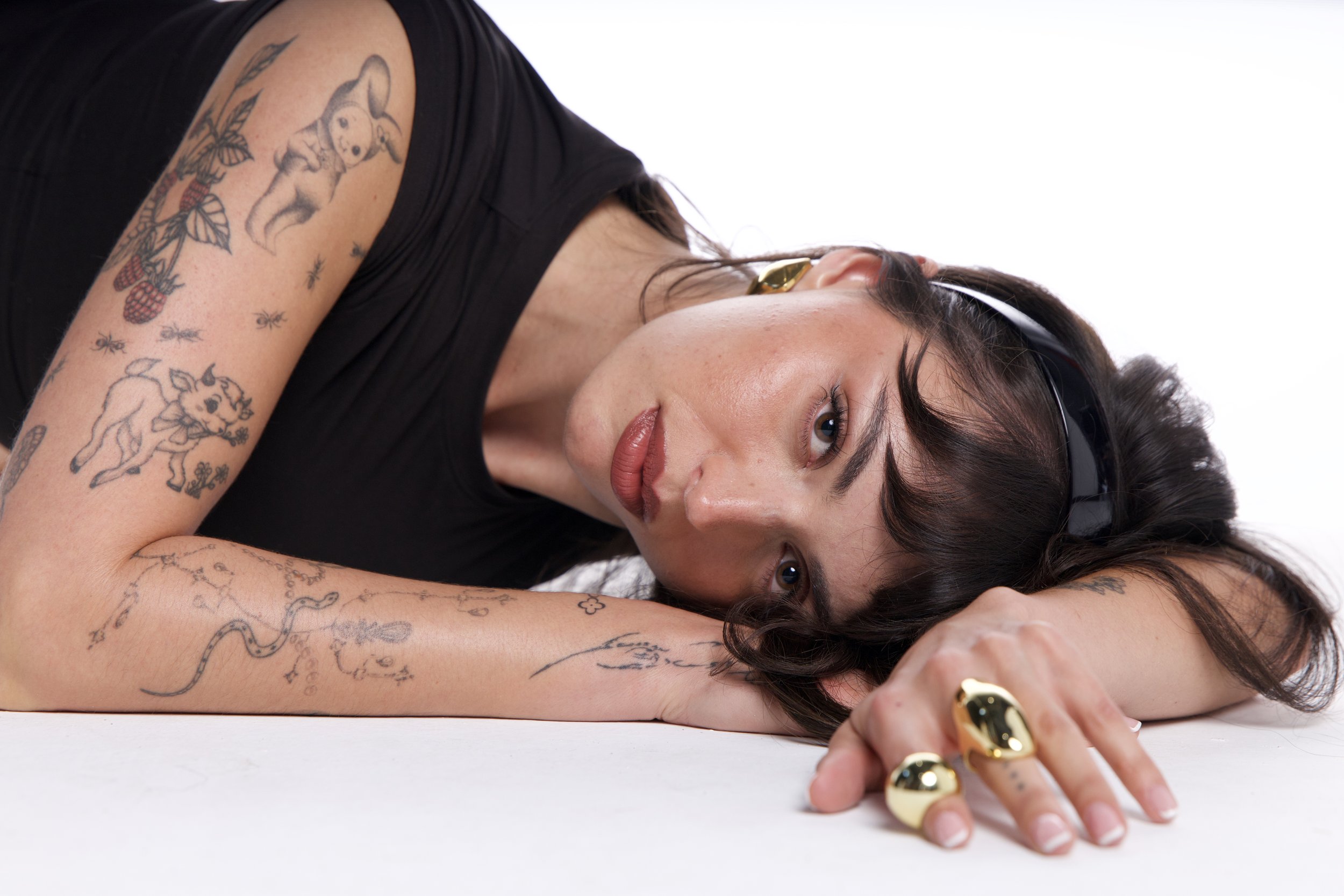
all photography by LARRY ARMSTRONG
Age of The Exhibitionist is such an evocative title. What does “exhibitionism” mean to you beyond its literal definition?
The idea of reframing the meaning of exhibitionism came from this understanding of a need I have always had to put myself on display to truly feel understood, and by questioning what it's meant for me to find identity in the modern world. Sometimes I find myself wobbling on this balancing act of these two pillars of identity, who I want to be versus what makes me who I am without my choice. Now more than ever, it feels like we each have our own exhibits of self we live inside of everyday - made up of choices, preferences and ideas that make up the outward presentation of who we are. But at what point do those choices become more performance than truth, and who is the final audience, our own eyes or everyone else’s?
This album feels bolder and more uninhibited than ever. What gave you the confidence to embrace this version of yourself?
I think after so many years of facing opinions of those in this industry telling me that who I felt I was at my core was never quite right, seeing my intuition be the thing that connects with my audience the most is more than validating. It’s been really encouraging to see my more risk-taking, individualist tracks become trademark moments of my career over the past few years, and it’s only allowed me to push myself to try to dive deeper into who I am and dissect what really inspires me to create something new and unique when I return to the studio each time.
Your music has continually shifted genres and aesthetics. Do you think of yourself as someone who deliberately resists categorization?
I think rather than feeling like I deliberately resist anything, I more so feel the way I only ever approach creating these days is as boundary-less and free as I could possibly make it, especially at the beginning of making a record. To be honest, the thought of limitation definitely stifles and maybe even scares me a little too much. But one of my favorite things about the pop legends of our time is their abilities to shift, adapt, and create new worlds for us to soak ourselves into as they change and evolve as people, and as artists over time, all whilst keeping the threads of what makes them who they are as the thru line between all of those different eras. I think that’s the thing I’ve learned to search for within myself in that in between, because I feel if an artist owns that, there’s no realm they can’t explore.
Looking back, how has your relationship with vulnerability changed since your earliest releases?
Well, in a way it feels like nothing has changed. There's this ever-familiar feeling that always comes with releasing any music. Albums and songs feel one way when they're just yours to know. There's a big feeling of safety that comes with only having your own opinion on the table about something you've worked so diligently to perfect in your own eyes. But as soon as I'm a couple days or weeks away from a release, I begin to hear and see everything I've made in a completely new light. That's that moment of relinquishing control over something you treasure so much, and to me there's huge vulnerability in that. I've learned to try to love it and embrace those feelings, because good artistry requires all of that. But it never becomes less intense. If anything, the more care you take in creating anything, the harder it is to let go.
You’ve spoken about making music independently. How has creative freedom changed the way you approach songwriting and visuals?
I’ve always been independent, so sometimes in a way it feels like it’s really all that I’ve known, to be honest. But I think creative freedom really became its best for me when I began to understand the value of sureness in my own opinions and beliefs. My team is small and by all means it’s mighty, but there are not many cooks in the kitchen to pass ideas or decisions off to. The music and the visuals I make, a lot of the time even marketing and business decisions, all of those things fall on me to have the final say. For a long time in my teens and early 20s, I felt really young, and like I didn’t have the “right” to make those final decisions, like it’d be better off to rely on someone else decide those things for me. But in truth, I find it's much easier to live with the outcome of any choice, creative or otherwise, knowing that at the very least it was my own decision.
The visuals for this era are incredibly cinematic and fashion-forward. How involved are you in building your visual universe?
I would consider myself probably pretty extremely involved. I really enjoy putting the pieces of a project's entire world together. I spent a lot of time last winter, in the final months of finishing this album, developing the visual perspective from my POV. I created tons of moodboards, color stories, and cinematic references that felt like the most exciting and well rounded way to connect the imagery to the music. Every collaborator was hand-picked by me, and I knew from the jump I wanted to take an even bigger role in directing visuals for this album the further I got into it. It always feels a little daunting at the beginning of the process, but every video and piece of imagery we made only lent itself to more ideas and context along the way, which I’ve found really fun and consistently inspiring.
You’ve become an acclaimed DJ alongside your recording career. How do DJing and songwriting feed each other creatively?
They both really only work well if you put an understanding of what music is meant to make you feel at the forefront. You cannot algorithmically force a good song or good set, it really comes down to the way it moves people, whether that's with chaos, or surprise, or joy, heartache or anything else. If I make a song, or build a set before a gig and it doesn’t excite me, I’ll simply start over and try again. If something isn’t moving me, and I don’t believe in it myself, I can’t bank on it doing anything for anyone else either.
You were one of the first people to experience internet fame on a massive scale. Has that unique experience changed how you view celebrity today?
If anything, I feel like I learned quite early on that you’ll never win a last word with the internet if you constantly try to explain yourself to it. No matter the case, when you put yourself on display for others to view, you have to become at peace with giving away an element of control. I’ve seen that be so challenging for so many, validly so, but I think the only way to protect your own sanity through any of it is to pull your own focus into what you know to be true about yourself, and hold that tighter than anyone else’s view of you.
As a queer artist, do you feel a responsibility to create spaces of freedom and joy for your audience, or is that simply a natural extension of who you are?
Well, my answer would be a yes to both, honestly. I think regardless of my own queerness, I’d uphold the same mission, because every piece of freedom, or joy, or opportunity to be a part of a space to communicate and connect has only bettered my own life, or those around me. So much of my own happiness I have to credit those in my life I was fortunate enough to meet, who welcomed me into their worlds with kindness and open-mindedness. I’d be impossible to feel like passing that along in whatever ways I could, it would be anything but necessary.
Between the upcoming tour, festival stages, and this new record, what excites you most about performing this material live?
It’s been over 3 years now that I put out a full record, this one now being my longest to date. I feel like with this record, I got to cover so much more ground on the things I really have wanted to create for so long, not only from a logistical perspective, but conceptually and visually as well. This tour, and the rollout of this record, are certainly my biggest productions to date, and while I’ve always shared the same motive of world building, it’s very exciting to create a world with some real resources rather than just relying on myself. I am always excited to show people what not just me, but the crew around me are truly capable of.
Fashion has always been integral to your artistic identity. How does clothing help you communicate emotions that music alone can’t?
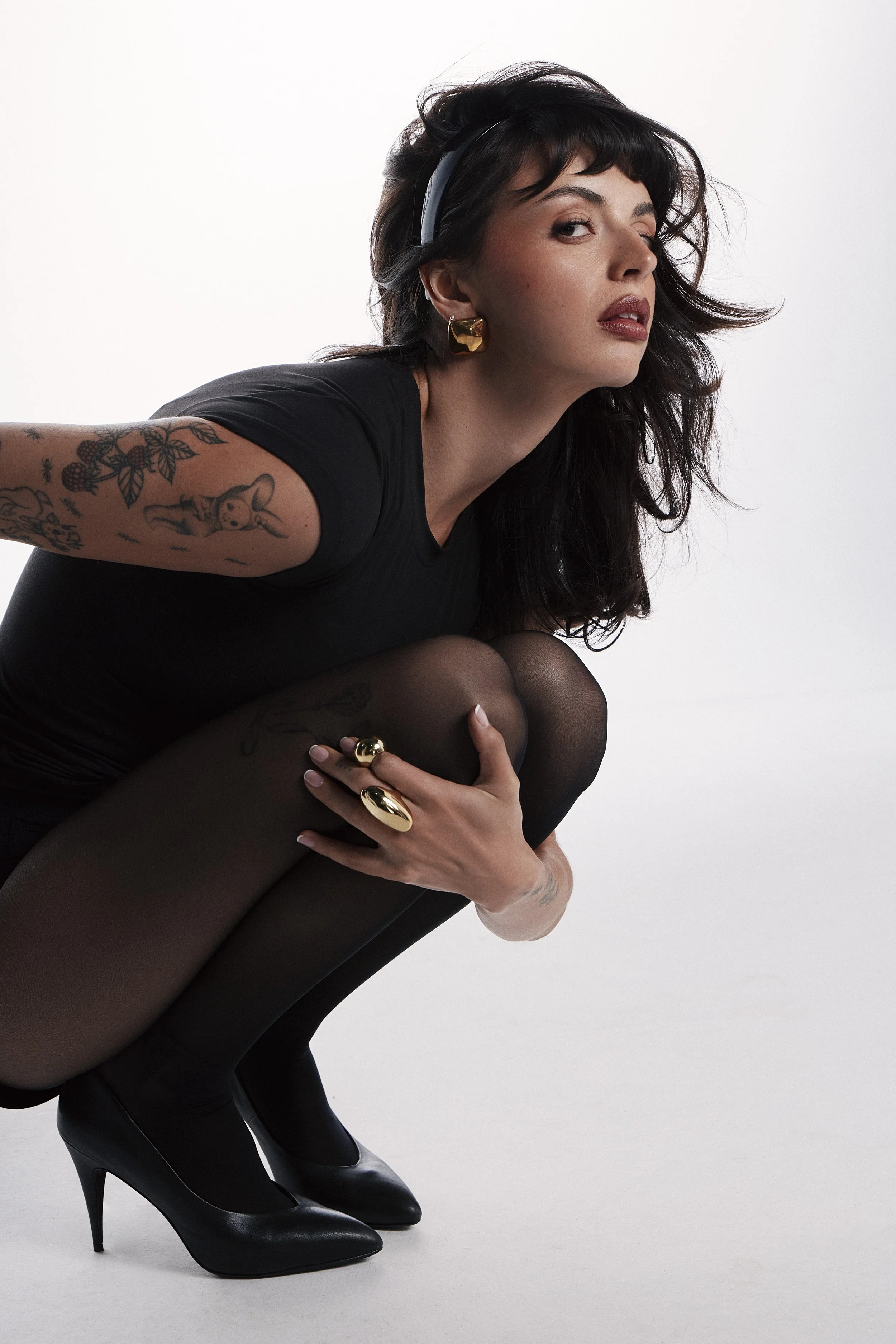
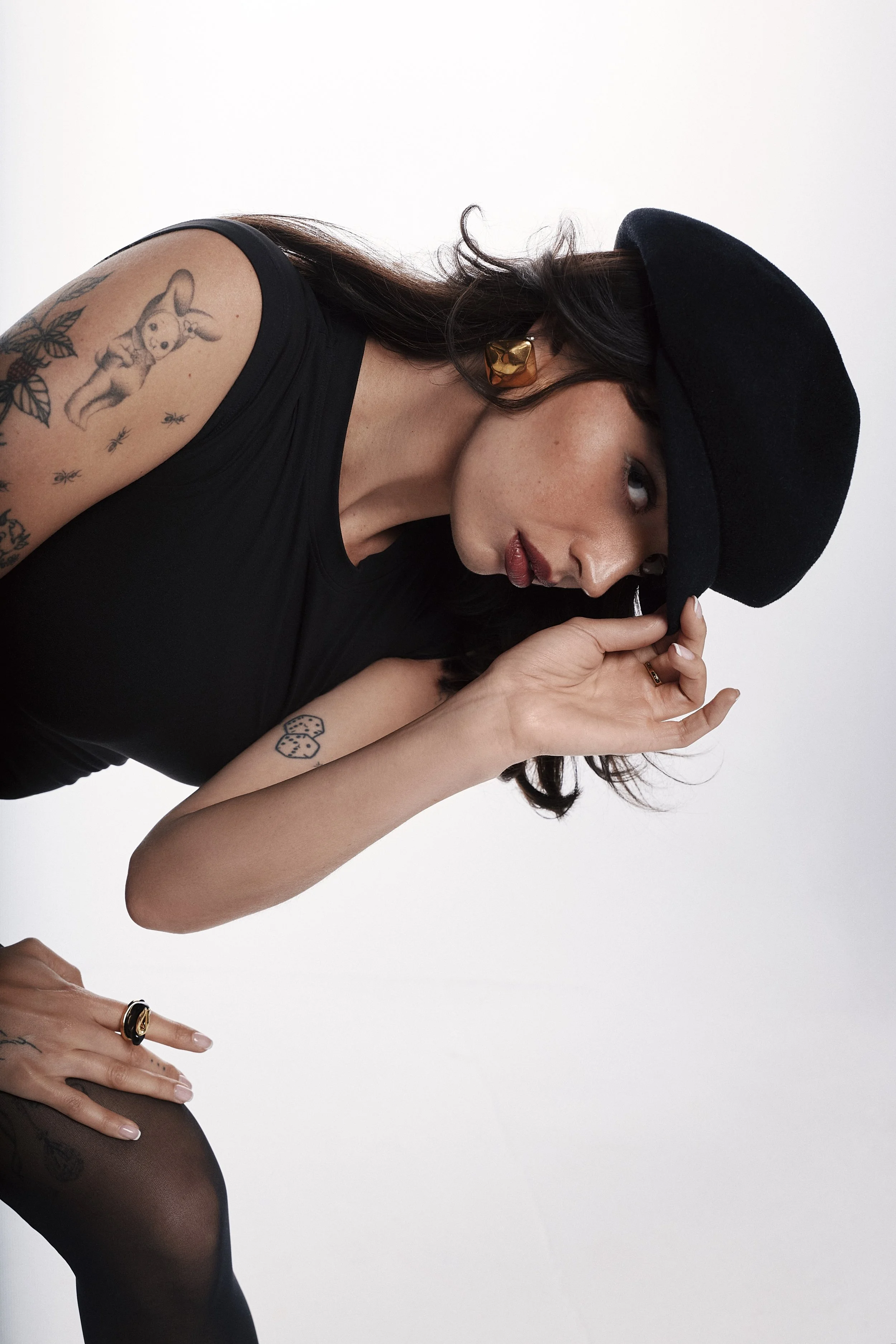
I’ve been working with my stylist Dot Bass for several years now, and I really have never felt as understood in my taste in fashion as I do by them. I think we both view fashion with a record as a tool to tell a story. I think the greatest moments in pop history are built by all of these pieces that only contextualize the visual of the music, fashion being so key in creating characters and building worlds. I’ve loved in this album rollout in particular focusing on repetition and minimalism to further allow people to understand the narrator behind the album. Sometimes it’s the simplest choices that become the most memorable, but they’re never not intentional.
If someone only knew you from Friday, what song from Age of The Exhibitionist would you play first, and why?
I’d maybe play Anaheim Star. That song not only sonically taps into something that feels really like something only I could make, but it narrates my life and line of thinking in a way I feel like I haven’t really ever done before. To me, it feels like an actualised version of myself from a confidence perspective only my younger self could have dreamed of becoming.
Looking ahead, what does success mean to Rebecca Black in 2026 compared to what it meant when you were 13?
I mean, at 13, especially before Friday, my world was exponentially smaller, as it should have been for a kid. It’s the age where I probably felt like I was just properly introducing myself to a slightly bigger world than I was used to. Success in adulthood felt pretty irrelevant to me back then. I was way more focused on my grades, my friends at school, and just trying to understand what the hell was going on around me for the first time. Over these past few years of my life, now that I’m rounding out my 20s, I can pinpoint many different kinds of success that feel important to me now. In my relationships, my career, the person I am, but more than anything, I think if I stepped back at any moment and looked at the biggest picture of what my life is and could be, I will feel successful if I knew I spent my time exploring every piece of life and the world that I could, every kind of connection, creativity, and challenge. I feel very lucky that my job inherently allows the privilege of genuinely bringing me so much joy and passion. That’s a major success within itself.