
IN CONVERSATION WITH LIM KIM
interview by JANA LETONJA
After more than a decade between full-length albums, LIM KIM returns with Exit to Nowhere, her most personal project to date. The seven-track record is a musical memoir, tracing her journey from adolescence to adulthood through synth-pop and alternative pop, with her voice taking center stage. Moving away from the experimental electronic and hip-hop influences of GENERASIAN, the album explores identity, loneliness, transformation, and self-acceptance. Accompanied by cinematic visuals inspired by the elegance of the 1960s, Exit to Nowhere marks a new chapter for one of Korea’s most distinctive artists—an intimate reflection on growth, creativity, and finding freedom by embracing one’s authentic self.

all photography by LIM KIM
Exit to Nowhere is your second full-length album, released 13 years after your debut. Why did now feel like the right time to tell this story?
A lot has happened since my first full-length album over 13 years ago. It took many experiences and challenges to become the person I am today, and I finally felt that enough time had passed for me to look back and tell this story. Personally and professionally, I also felt like I had reached the end of a long passage and was stepping into a new chapter, and this album naturally became a reflection of that moment.
You described the album as “a personal chronicle of the years that shaped me.” Was it emotionally difficult to revisit those memories?
Revisiting those memories wasn’t always easy, but it was also incredibly freeing. Putting emotions that had stayed with me for so long into music felt like a way of releasing them. More than anything, the process brought me a sense of closure.
Your previous album, GENERASIAN, explored identity through experimental electronic and hip-hop sounds. What inspired the shift toward synth-pop and a more voice-focused approach?
After GENERASIAN, I spent a lot of time thinking about where I wanted to go musically. One of the biggest questions for me was what kind of music truly complements my natural voice. I wanted to find a sound that could express what I wanted to say while also allowing my voice to shine. That naturally led me toward a more melodic, synth-pop direction, where I could still experiment sonically while keeping the vocals at the center.


The album follows a journey from loneliness and uncertainty to freedom and acceptance. Was this sequence intentional from the beginning?
The narrative was planned from the very beginning of the album. As I started writing down personal memories and emotions, I could suddenly see the past ten years laid out in front of me. The emotional journey revealed itself naturally, and that became the album’s structure.
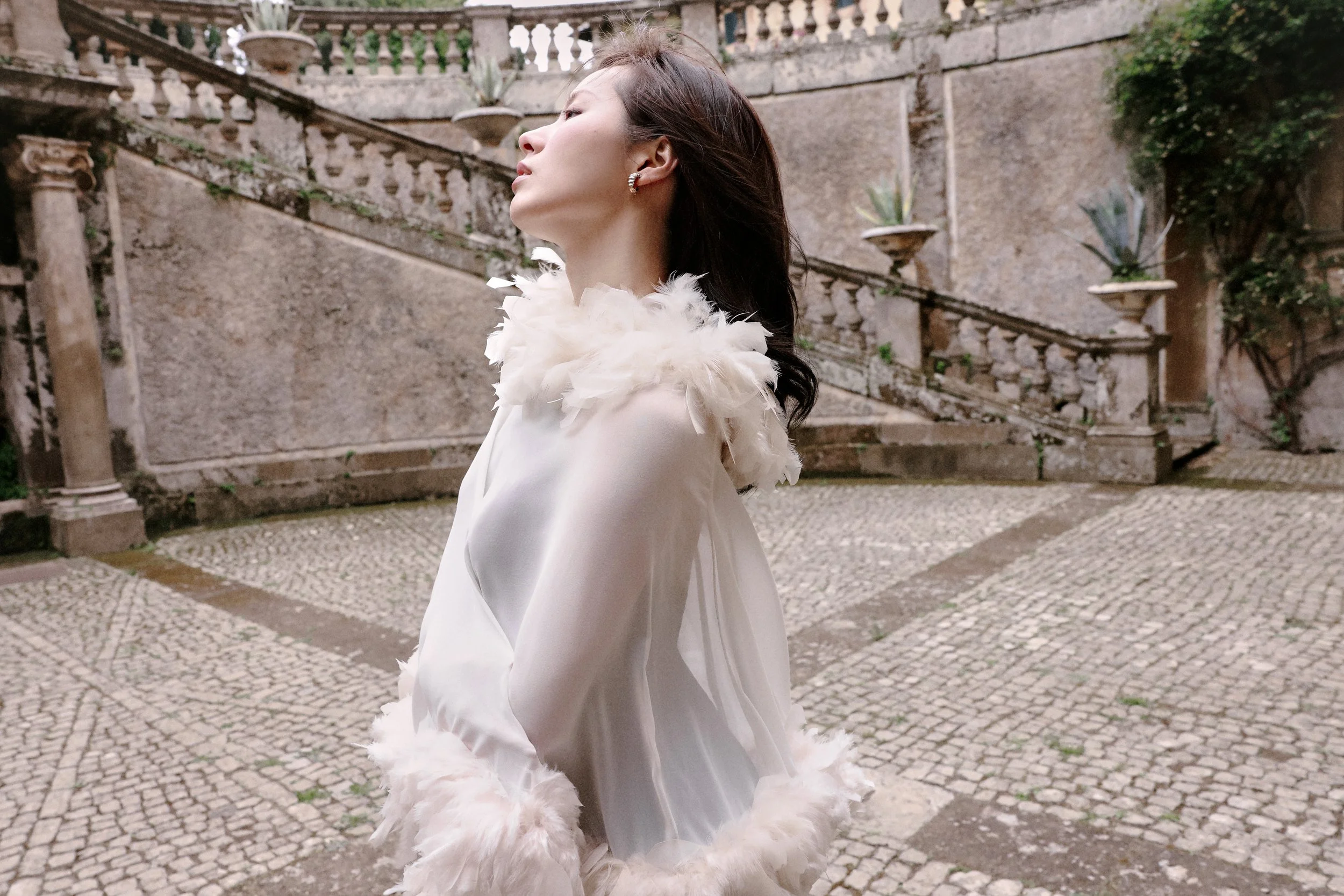
The visuals for Exit to Nowhere draw inspiration from the 1960s and the Yé-yé aesthetic. What attracted you to that era, and how does it connect to the album’s themes?
Because the storytelling of the album was so clear, I felt that cinematic elements would fit it naturally. Reconstructing and reinterpreting my own story from my current perspective reminded me of the language of classic films, so I drew a lot of inspiration from them. The nostalgic atmosphere of the music also connected beautifully with that visual direction.
Looking back at the person who released A Voice in 2013, what would you want to tell your younger self now?
I know the person I was back then could never be exactly who I am today, but I would tell my younger self to be bolder to go after what she truly wants without holding herself back.

Your reinvention with SAL-KI surprised many people and redefined your career. How did that transformation prepare you for Exit to Nowhere?
That period helped me discover my identity as a creator. Before that, I mainly saw myself as a vocalist, but once I became involved in every stage of making an album, from planning and songwriting to the visuals and the release, I gained a much deeper understanding of the creative process. That experience allowed me to approach this album from a much broader perspective.
Throughout your career, you’ve balanced music, fashion, and visual storytelling. Do you think of yourself as a musician first, or as a multidisciplinary artist?
Ultimately, music and visuals are all different ways of expressing who I am. Music is still at the center of everything I do, and I want to build from there using different creative fields to tell one cohesive story and express my world more completely.
After exploring such personal themes on this record, what do you hope listeners take away from Exit to Nowhere?
From the beginning of my adult life until now, there have been many difficult moments, and I think this album captures emotions that almost everyone experiences at some point. Our stories may all be different, but I hope listeners can find parts of themselves in these songs and feel a sense of connection.
Finally, after such an introspective album, where do you see your creative journey heading next?
Honestly, I don’t know yet. I think all I can do is trust my instincts and follow wherever they lead me. Looking back, that’s when I’ve always created my most honest work, and I imagine that’s how I’ll continue making music in the future.