
IN CONVERSATION WITH DALEX
interview by JANA LETONJA
Dalex has never been interested in following the expected path. Long before Latin R&B found its place in the global mainstream, the Puerto Rican singer-songwriter was shaping a sound that blurred the lines between R&B, reggaetón and melodic urban music. His breakthrough hit Pa’ Mí became a defining anthem of the genre, earning an RIAA Latin Diamond certification and establishing him as one of its leading voices. Now, with his latest album RED ROOM, Dalex fully embraces the intimate, sensual and nocturnal aesthetic that has always defined his artistry. As he enters this new chapter, the conversation expands beyond music—exploring identity, vulnerability, visual storytelling and the evolution of Latin R&B.
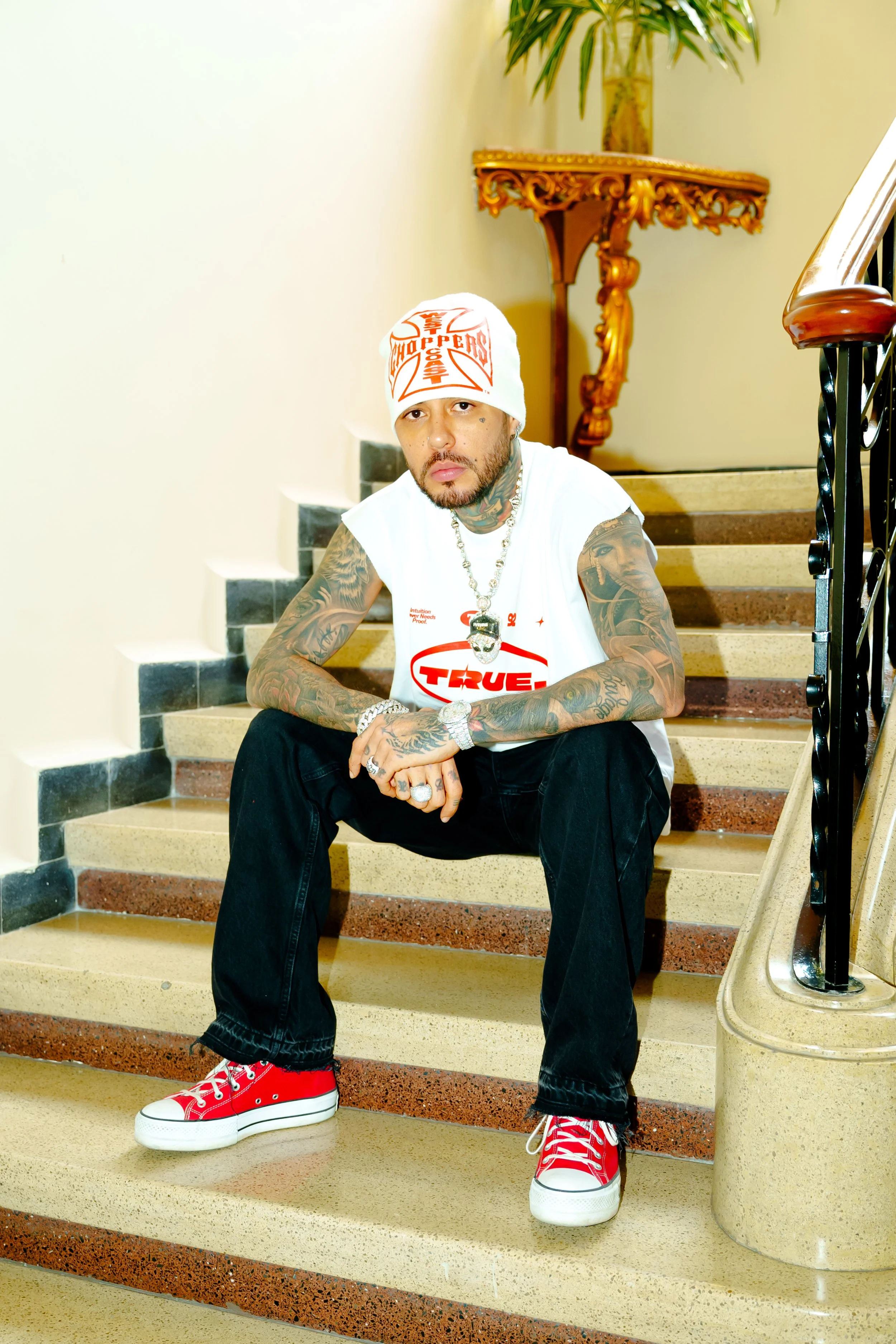
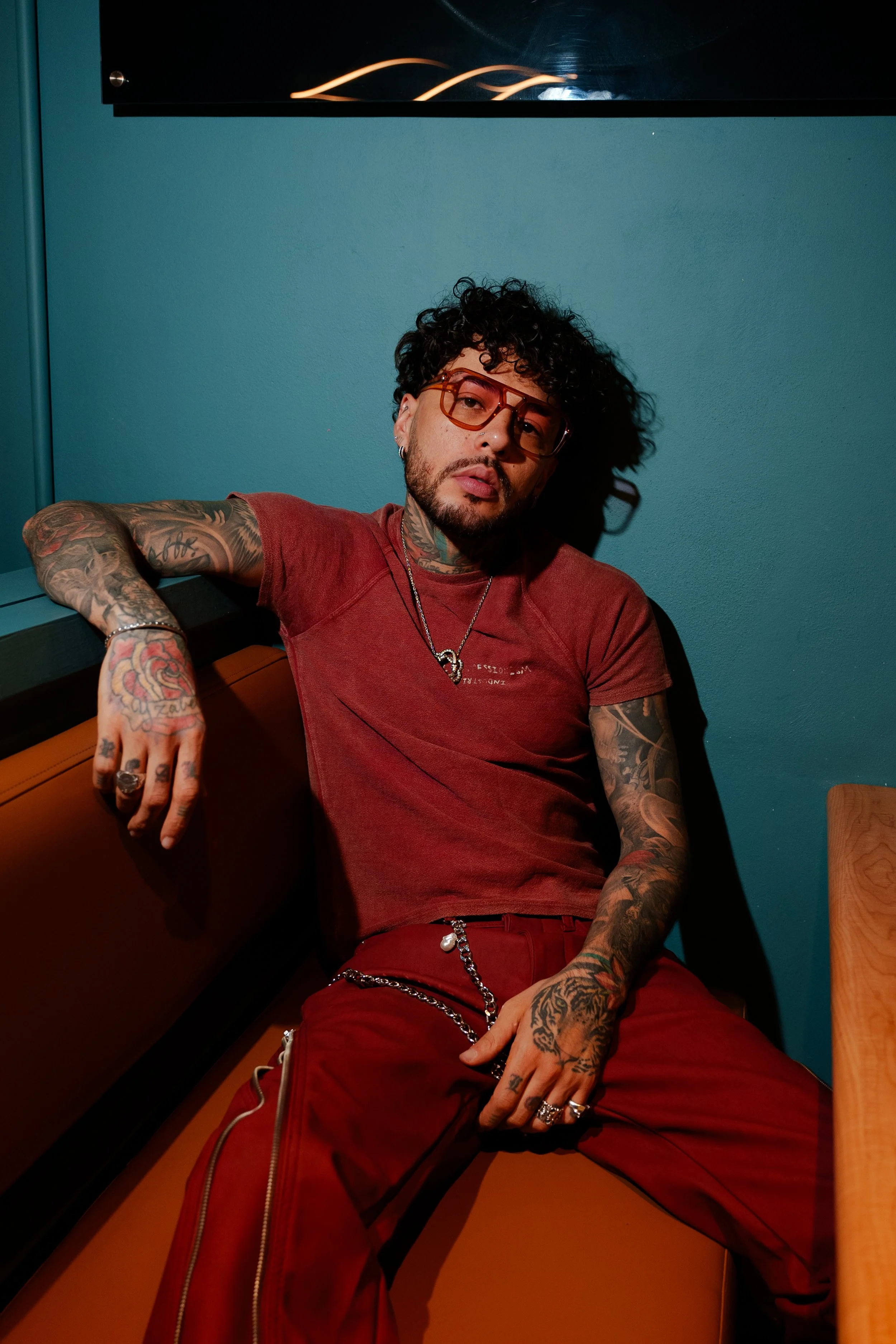
all images courtesy of SERVING SOUNDS
RED ROOM feels like your most complete expression of Latin R&B yet. Why was now the right time to fully embrace that sound?
It was the project where I allowed myself to create without filters and reconnect with the reason I started making music. More than focusing on numbers, I wanted to return to the sound and emotions that have always represented me. It helped me rediscover myself as an artist and prepare the foundation for everything that is coming next.
Looking back at Pa’ Mí, did you ever imagine it would become such a defining record for the genre?
While I always hoped my music would resonate, I never anticipated the profound impact Pa’ Mí would have on the genre. It felt like a personal project, an exploration of my own narrative. To see it embraced by listeners and recognized as a pivotal moment is incredibly humbling.
You’ve often balanced reggaetón, R&B and melodic urban music. Do you still see genre boundaries, or have they become irrelevant to you?
I don’t think too much about boundaries when I’m creating. R&B has always been at the heart of my music, but reggaetón and melodic urban sounds are also part of who I am. This new era is about freedom, evolution and intention, so I want to make music that feels honest without limiting myself to one category.
Your music has always carried a sense of intimacy and sensuality. Where does that emotional honesty come from?
Emotional honesty in my music stems from my own experiences and the stories around me. Sharing my truths allows listeners to connect with my music on a deeper level.
The title RED ROOM immediately creates a visual world. What does the “red room” represent for you creatively and emotionally?
The “red room” symbolizes passion, love, and a space for raw creativity. It’s a place where I can confront my emotions without hesitation.
Your recent visuals feel increasingly cinematic and refined. How important has visual storytelling become to your artistic identity?
Visual storytelling has become an integral part of my artistic identity. It allows me to enhance the narrative of my music and create a more immersive experience for my audience. Each visual element, whether in music videos or promotional content.
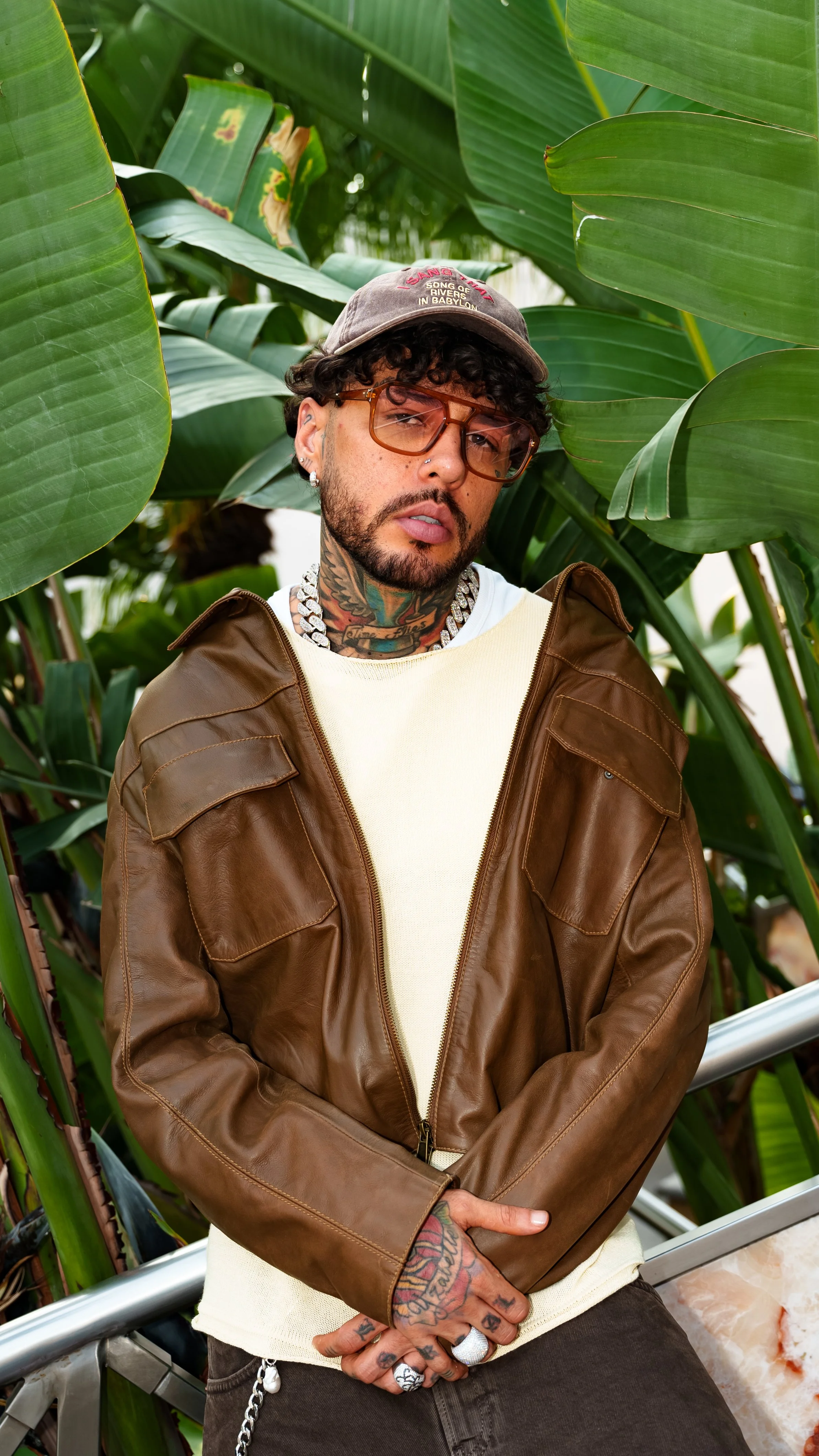
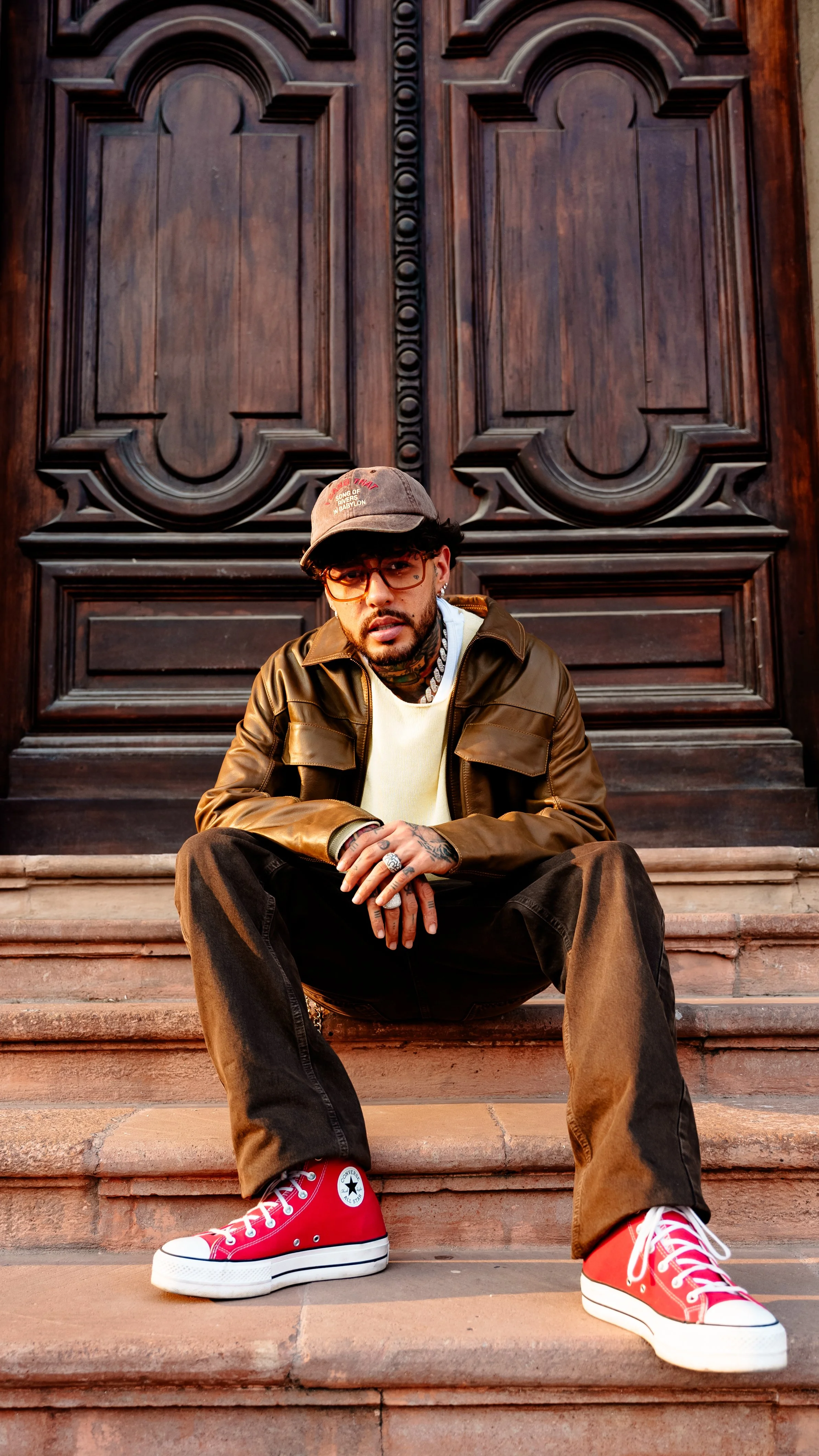
Fashion is often another way artists express themselves. How would you describe your personal style, and how has it evolved alongside your music?
My personal style reflects my journey and the various influences in my life. It’s a mix of urban, chic, and comfortable, allowing me to express my identity authentically. As my music has evolved, so has my fashion sense, becoming bolder and more experimental. I see fashion as an extension of my artistry, where each outfit tells a story and complements the vibe of my music.
Many people associate Latin urban music with high energy, but your work often embraces vulnerability and restraint. Do you feel you’ve challenged expectations within the genre?
I think I’ve always shown that Latin urban music can also be intimate and vulnerable. A song doesn’t always need a huge production or a high-energy beat to connect. Sometimes, when you remove certain elements and allow the voice and lyrics to speak for themselves, the audience gets to experience a more genuine side of the artist.
Collaboration has always played an important role in your music. What do you look for in an artist before deciding to work together?
For me, the connection has to feel natural. I look for good chemistry and for each artist to bring their own personality to the song. That was the case with Honguito Remix. Everyone contributed their individual style and energy, but it still felt cohesive. When a collaboration happens organically, you can hear it in the final result.
As someone who helped shape modern Latin R&B, how do you see the genre evolving today?
I see Latin R&B evolving into a more inclusive and diverse space. Artists are experimenting with different sounds and collaborating across genres, which is refreshing. There’s a growing appreciation for the emotional depth and storytelling that this genre can offer, and I believe we’ll continue to see more artists pushing the boundaries and redefining what Latin R&B can be.
Success often changes an artist’s perspective. What inspires you now compared to when you first started making music?
Initially, my inspiration came from personal experiences and the desire to be heard. Now, while those elements remain, I’m also inspired by the community around me—other artists, fans, and the movement of music as a whole. The responsibility that comes with success motivates me to create more intentionally.