
interview by MARIA MOTA
REBECCA DAYAN grew up in the south of France surrounded by art, nature and the freedom to make things up as she went: paintings, little performances, dances — whatever could turn an afternoon into something creative. That impulse has stayed with her ever since, taking her from acting to painting and, now, to directing, as she prepares to make her first short film.
A restless observer, Dayan moves through each medium with the same instinct: follow the feeling, see where it leads and don’t worry too much about naming it. Her work has a dreamlike quality, but there is nothing vague about her vision. If there is a thread running through it all, it is curiosity.
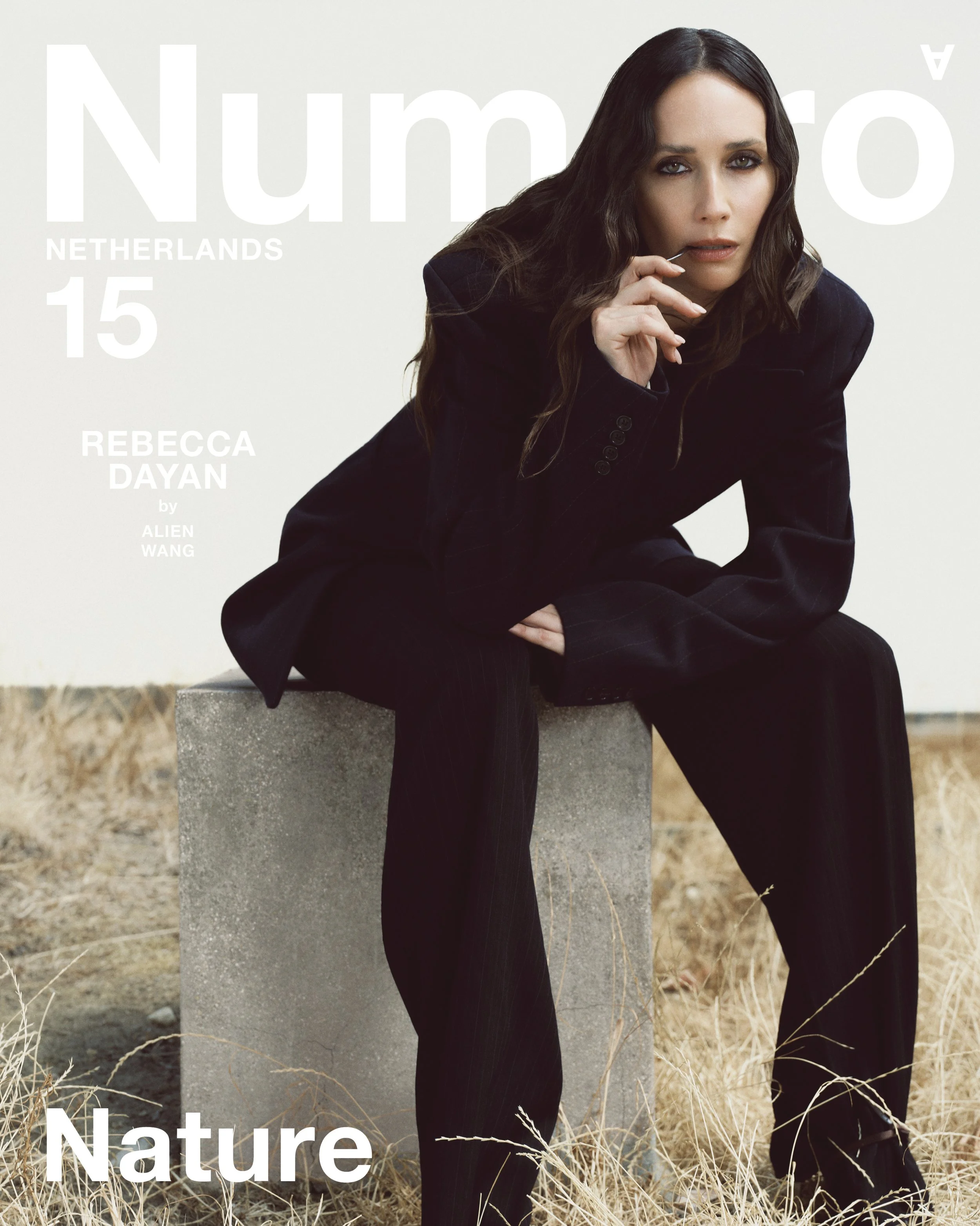
You grew up in France and later moved to New York. Is there a particular landscape or smell from nature that you will never forget?
It’s funny, because it’s not really where I grew up, but I spent a lot of time in Camargue. There is this flat landscape with pink flamingos, black bulls and white horses. I have memories of going to empty beaches, which was very different for me growing up on the Riviera.
And just the sea in general. Different iterations of the sea.
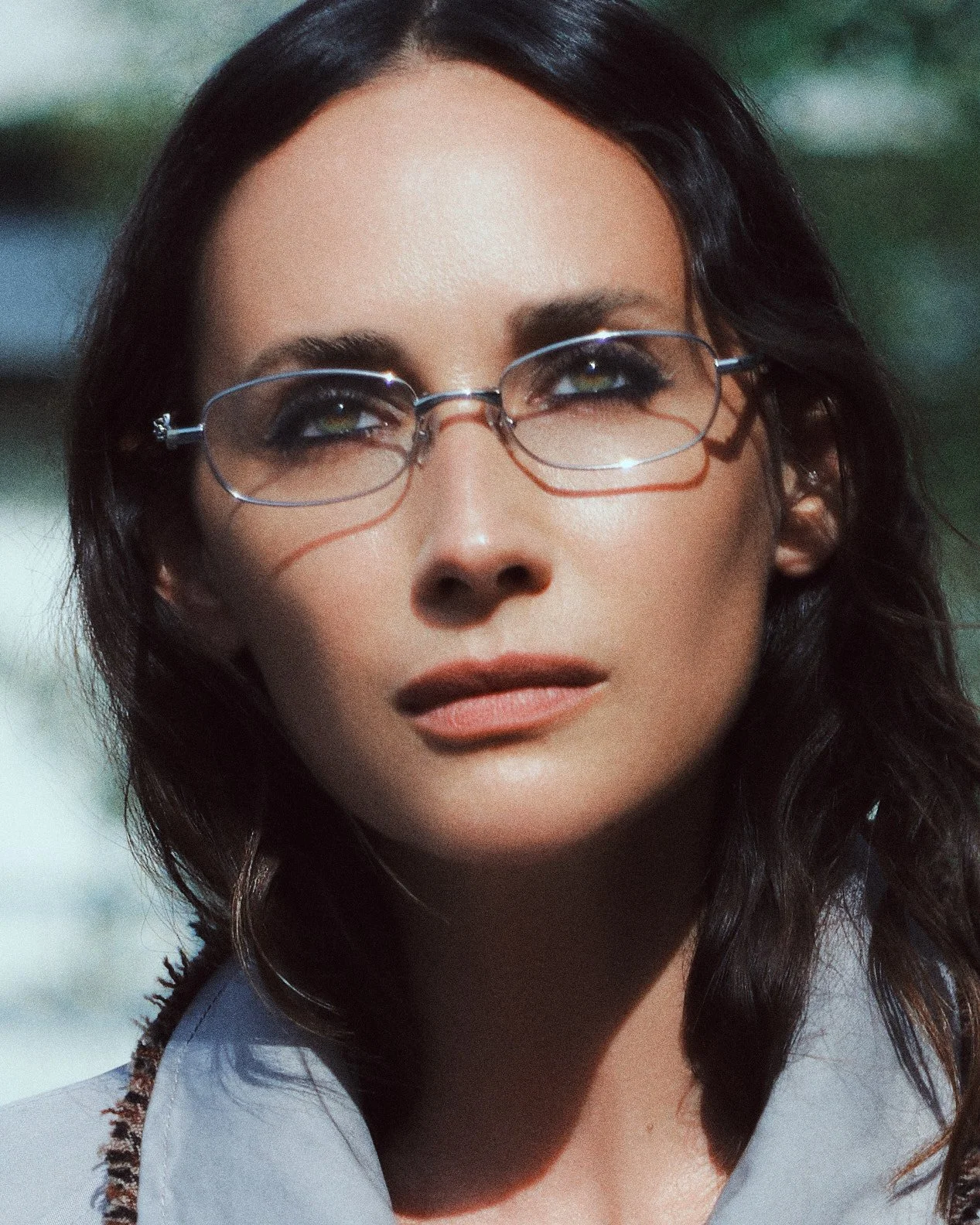
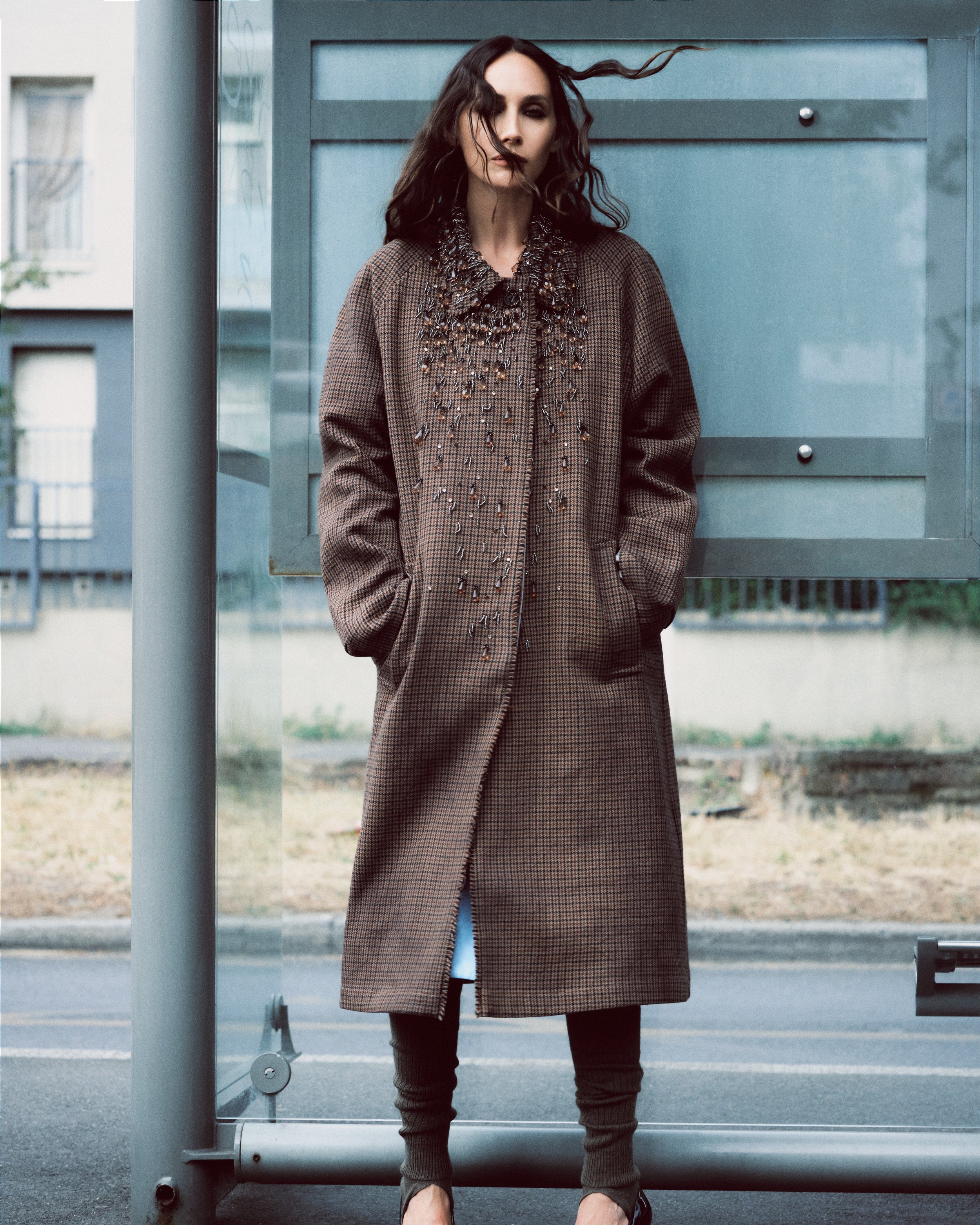
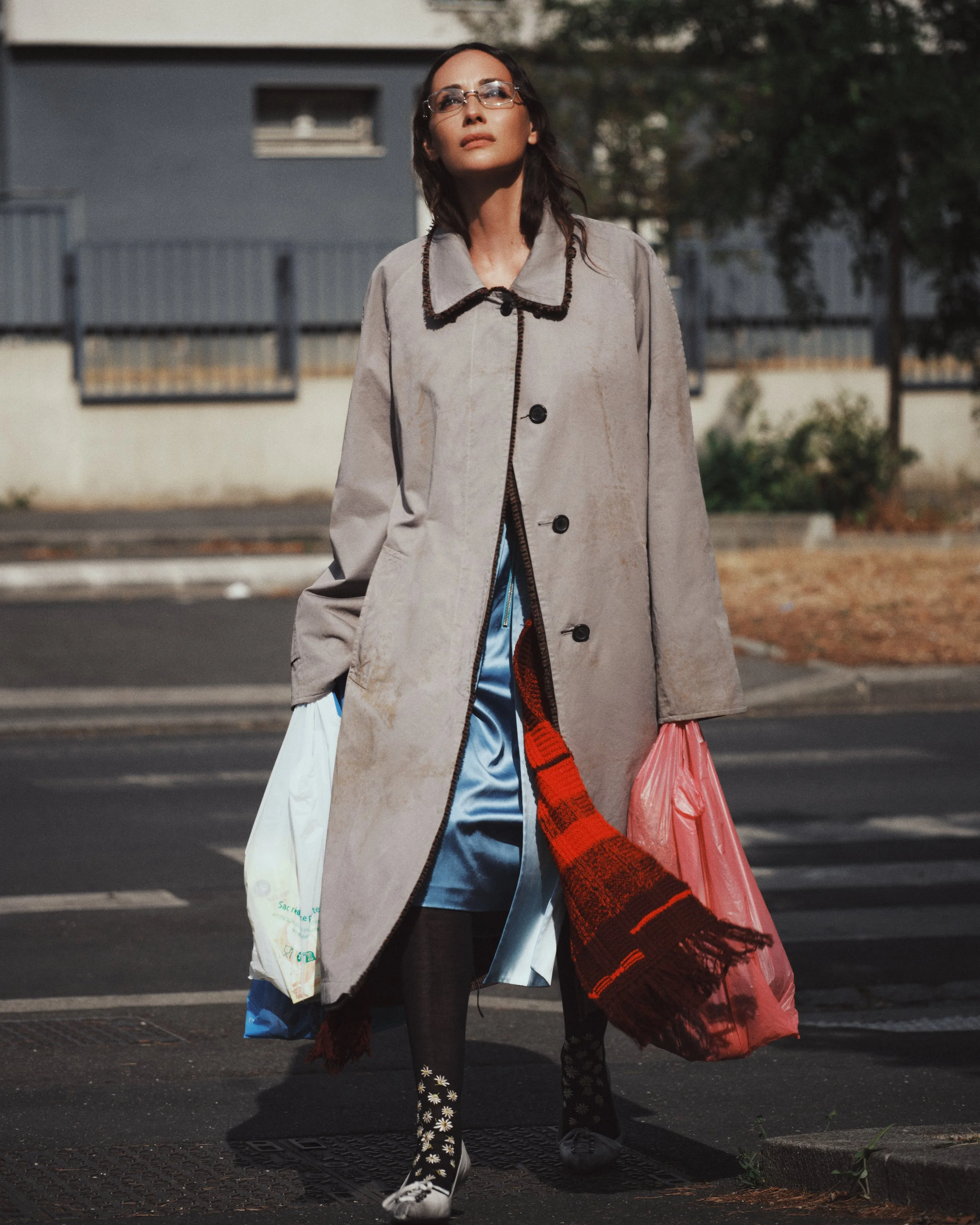
coat, scarf, tights and heels PRADA
eyewear GENTLE MONSTER
You’ve carried a creative and intuitive way of seeing from your childhood into your work, including painting. You had your first solo exhibition, Assumption, in 2015. Is that something you’d like to continue exploring?
For that exhibition, I was working on a film called Novitiate (2017) where I played a nun, and I became really curious about this whole idea of the VIRGIN MARY and the significance of that word. So I think it came from that part of my work.
I still love painting, and I think I’ll always continue to do it. But everything I’m focused on right now is just coming out in a different format — not through painting, but through film. So my answer would be: yes, why not? But it has to come from somewhere. I can’t force it out.
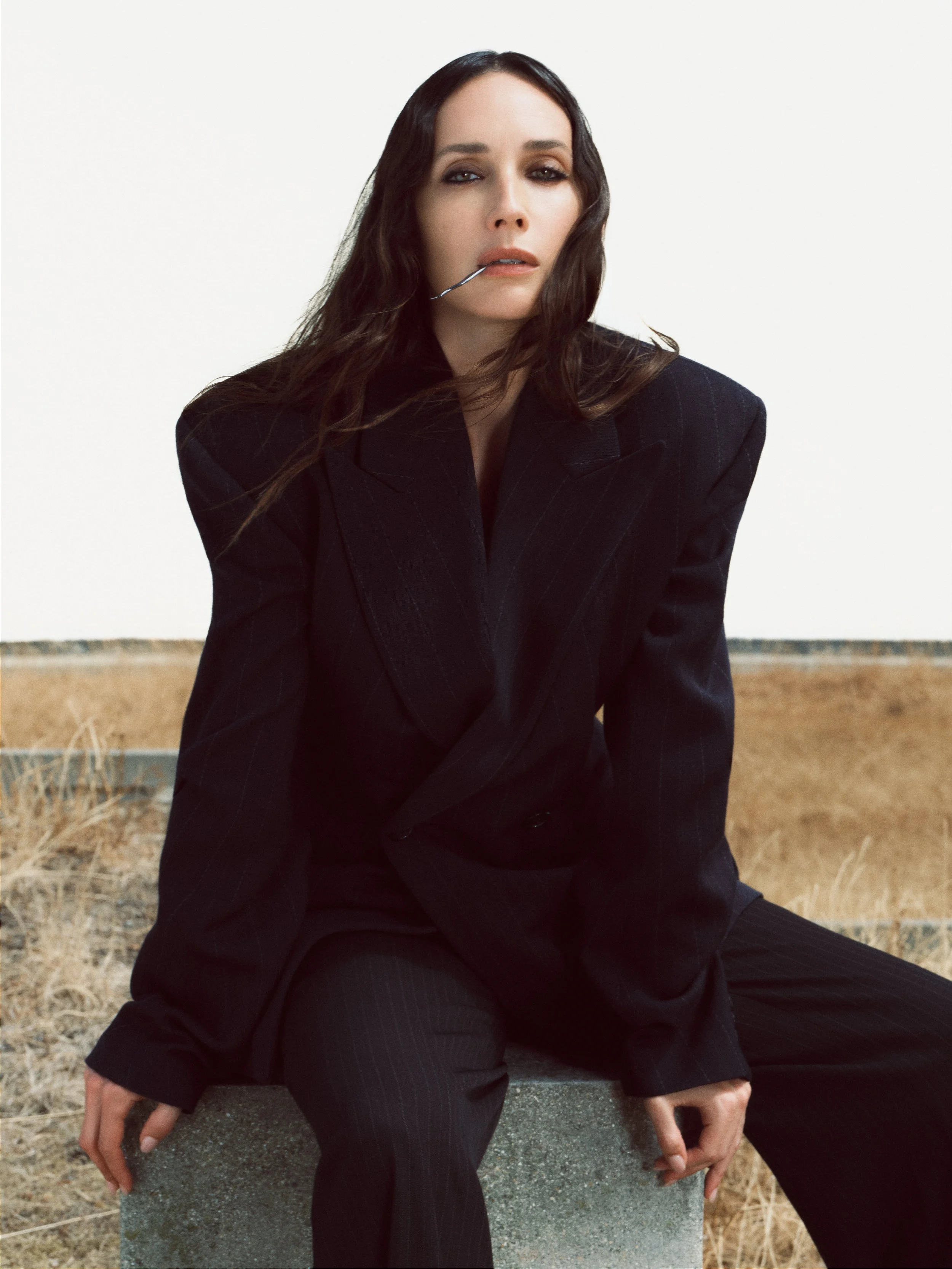
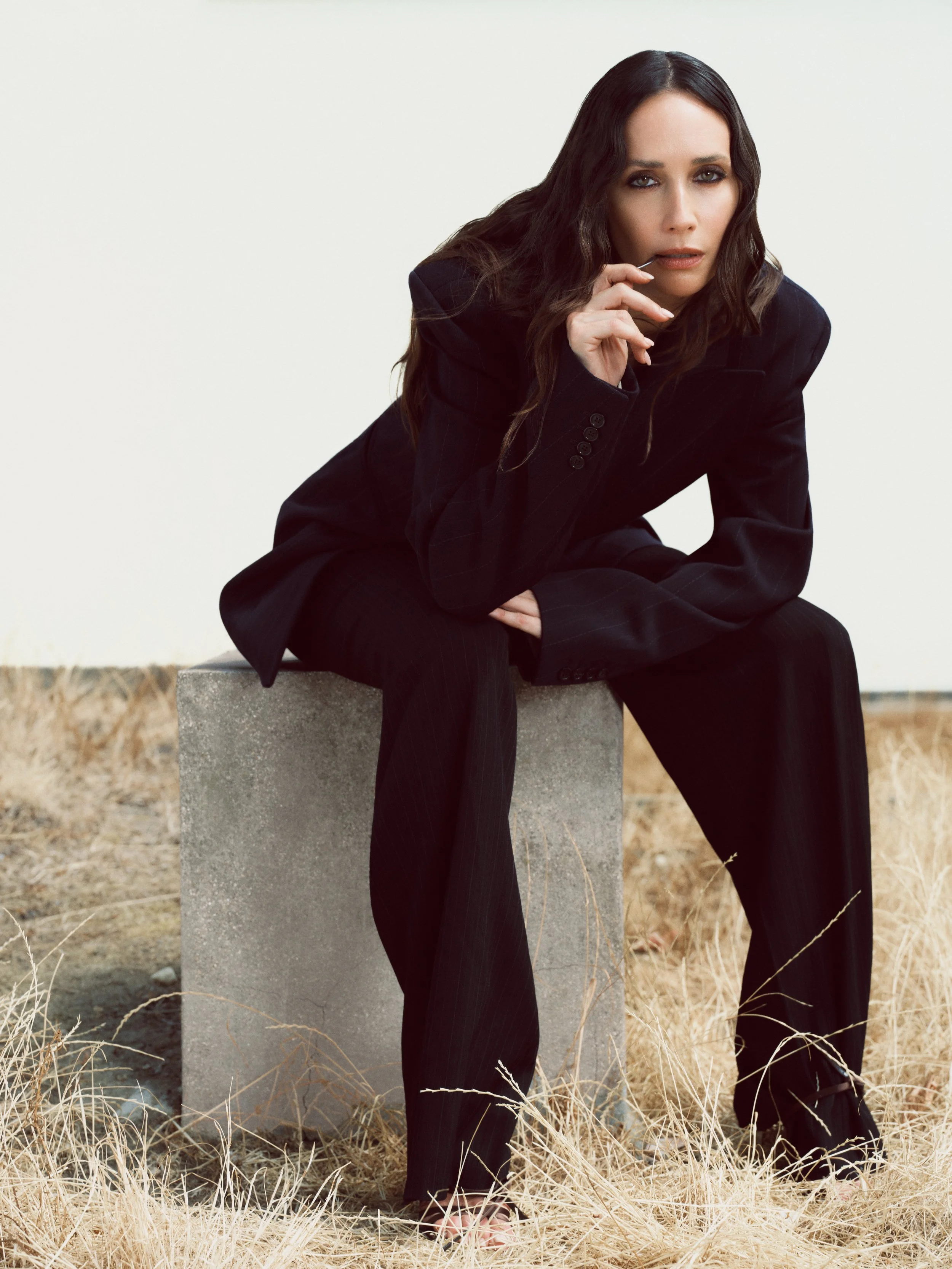
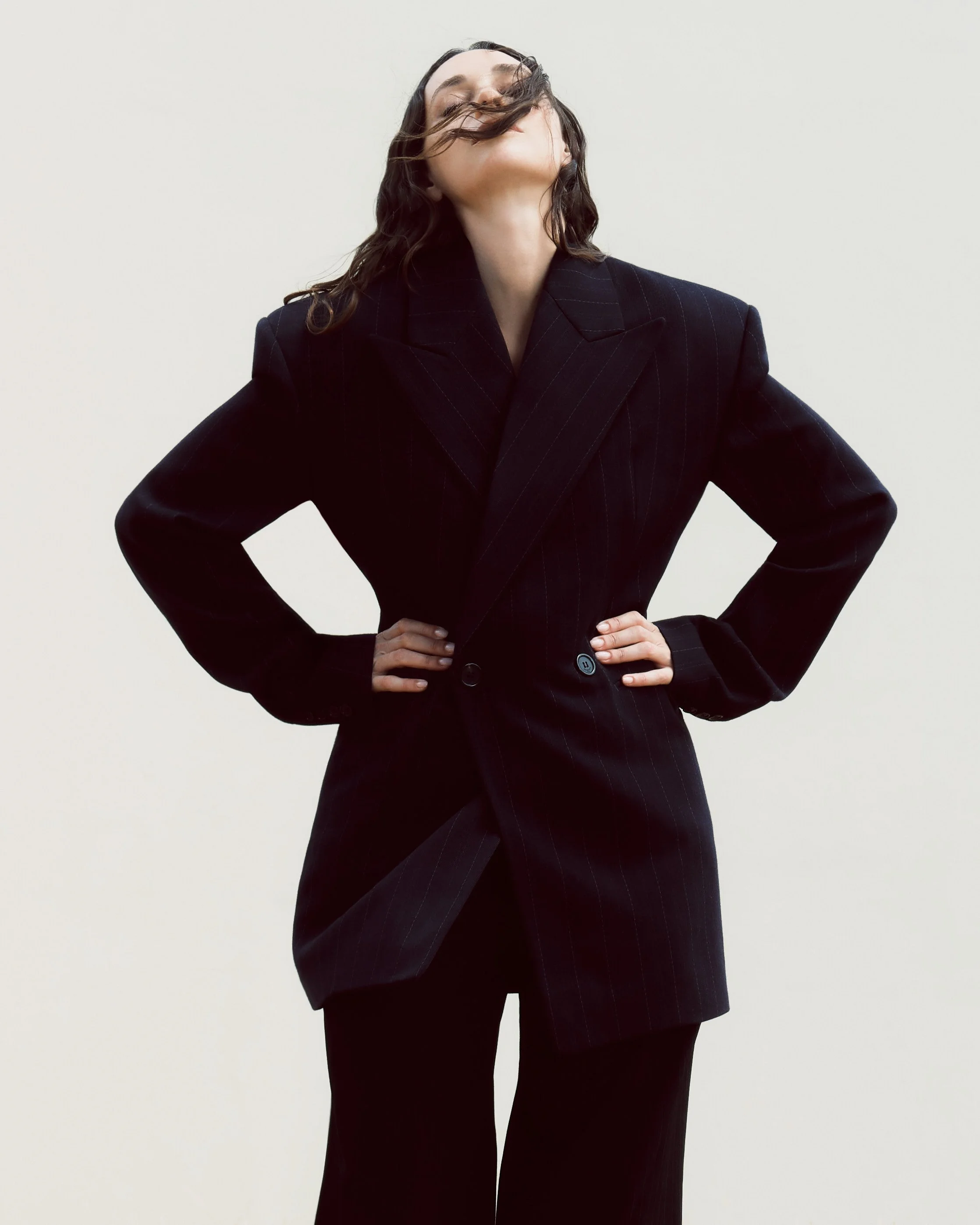
full look YSL
You’ve played some extraordinary women, like fashion icon ELSA PERETTI in Halston (2021). Is there something you took from playing her that has stayed with you, in your life or personal style?
She was definitely an iconoclast. She was very uncompromising, and I think that’s something I try to carry with me in many ways. I also like that she was, I guess you would say, difficult by today’s standards. She knew what she wanted, and she wasn’t afraid to go after it.
Style-wise — and not just in terms of style, but in the way she designed — there was always this goal of simplifying and getting rid of what was unnecessary. I keep that in mind too.
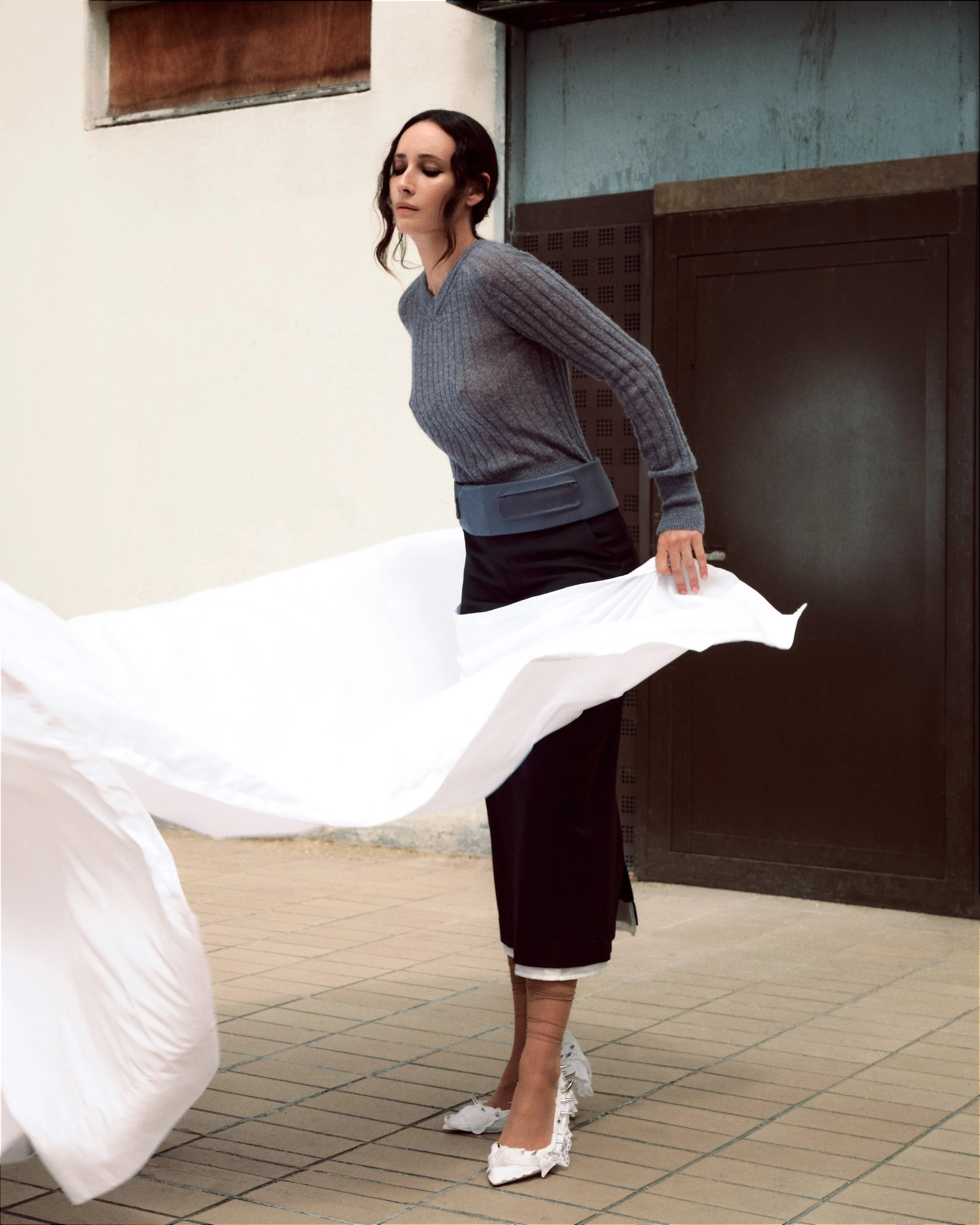
sweater and skirt FAX COPY EXPRESS*
belt LINA NIX
heels TRINITESTUDIO
Do you have any rituals, sayings or personal rules that you live by?
I’m very bad at trying to keep a routine. I try to meditate, but then I don’t. I try to journal, but then I don’t. So, let’s not do rituals. I guess I have more rules: to just be kind and stay curious.
What are you curious about right now?
I’m about to direct my first short film. So right now, I’m really obsessed with writing and directing. I’m curious about this next part of my creative journey.
It’s a small portrait of a woman who is going through a strange episode over the course of one very particular day, and it touches on a lot of the themes I keep exploring. There’s this duality between dream and reality, the subconscious and what’s on the surface, women’s bodies and mental health — and there’s water.
All of these are themes I always seem to circle back to. At its core, it’s about the things we don’t express that somehow end up coming out through our bodies.
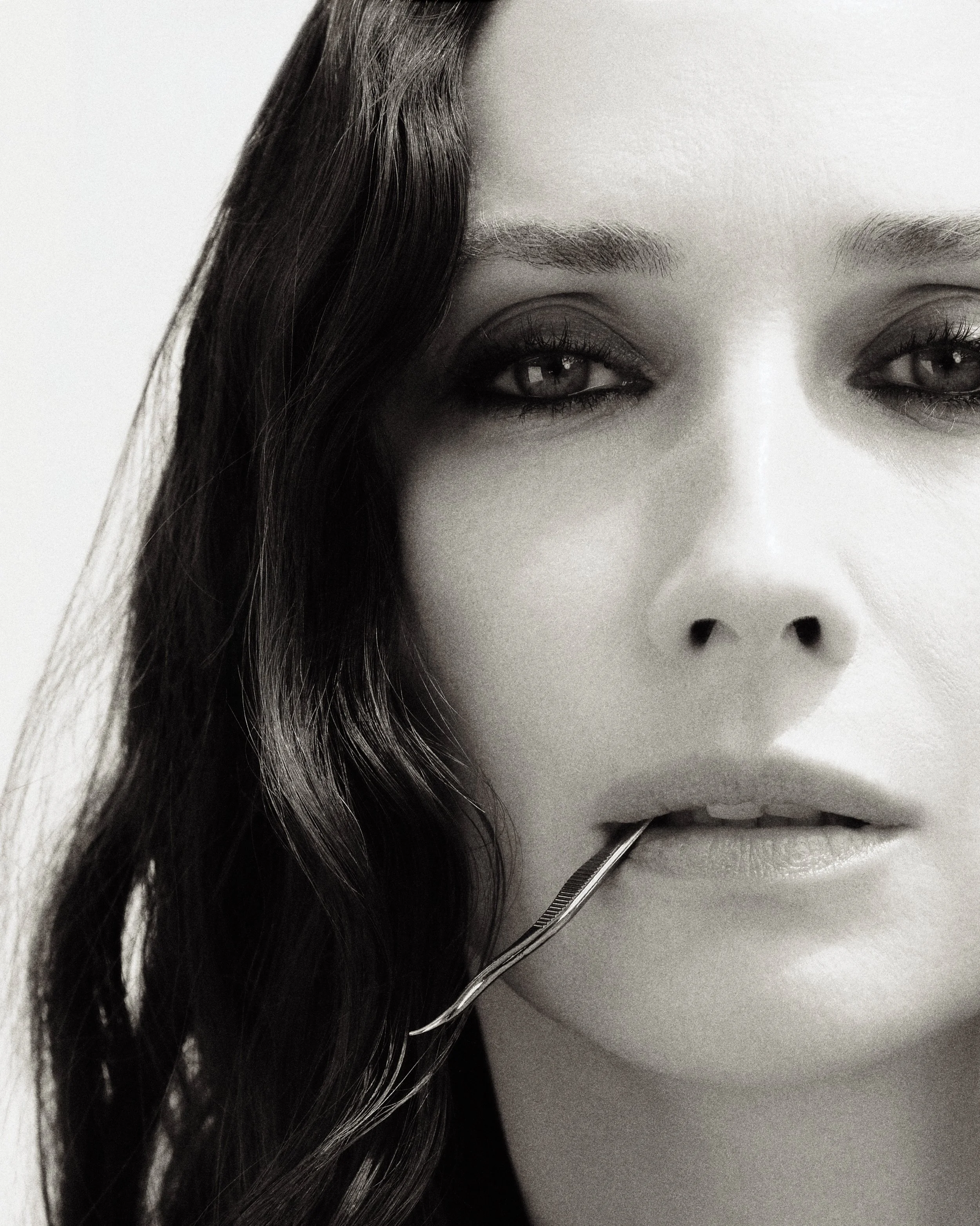
Besides acting and painting, and now directing, you have co-produced the documentary Born Free (2022) and co-founded the non-profit MOTHER LOVERS, which explores maternal health. How did you become involved in these projects, and what made it important for you to be part of them?
Mother Lovers began after we started making the documentary. PAULA JAMES-MARTINEZ, who directed Born Free, had just found out about the maternal mortality rate rising in the United States, and that it was the only developed country where this was happening. Now it’s come down a bit, but it’s basically flat. It’s still the worst rate of any wealthy country.
More than 85 percent of these deaths are preventable, and that number is worse than it used to be. We just found ourselves thinking: What can we do about this? How do we get people to care? It seemed like a subject people didn’t know much about or want to actually talk about. So we decided to make a documentary that had a lot of information for future pregnant people, but also something that wasn’t so dire and sad. Because it is ultimately really sad.
I don’t have children yet, but the idea of giving birth still terrifies me. And there’s so much about pregnancy and postpartum that feels strangely absent from everyday conversation. Mental health is a leading contributor to pregnancy-related deaths in the US, and that’s another part of the conversation we need to be having much more openly.
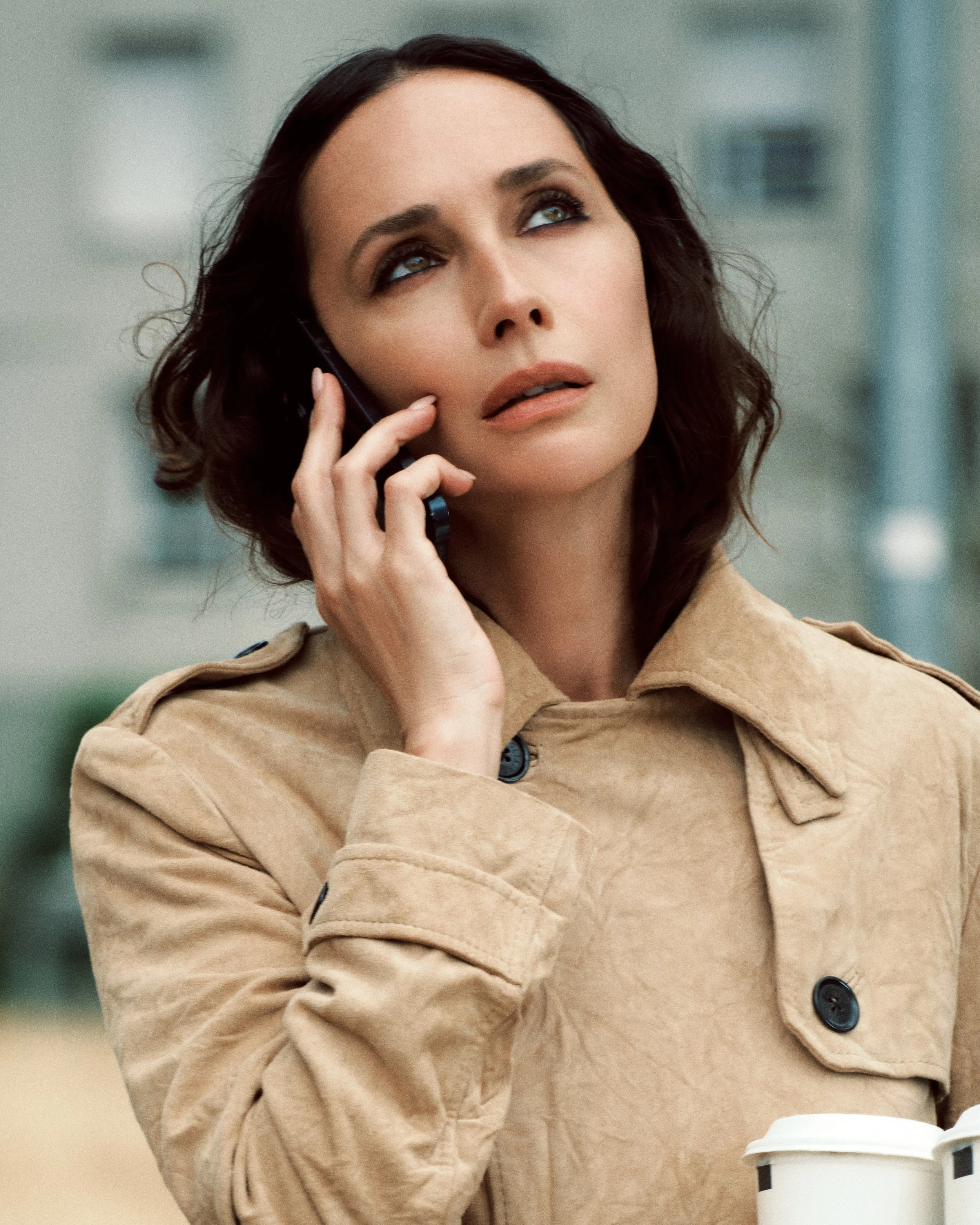
trench coat ZADIG & VOLTAIRE
So much of the shame women carry about pregnancy and birth seems to begin much earlier with the way we’re taught to feel about our periods, our bodies and our sexuality. How do you think those early messages shape the way women experience pregnancy and birth?
It starts immediately. The moment you “become a woman” — I don’t know if I really abide by that term — but when you get your period, you learn to be ashamed of something that is normal, human. It’s the little whispers: “Do you have a tampon?” And then you hide it. From that moment on and through the repetition of it, because it happens every month, you’re reminded that there’s a part of you that isn’t for public discussion. It’s a secret. And so you become more reticent to ask questions and seek out information related to our bodies.
Those early messages can follow you into pregnancy and birth, when suddenly you’re expected to navigate some of the biggest physical and emotional experiences of your life.
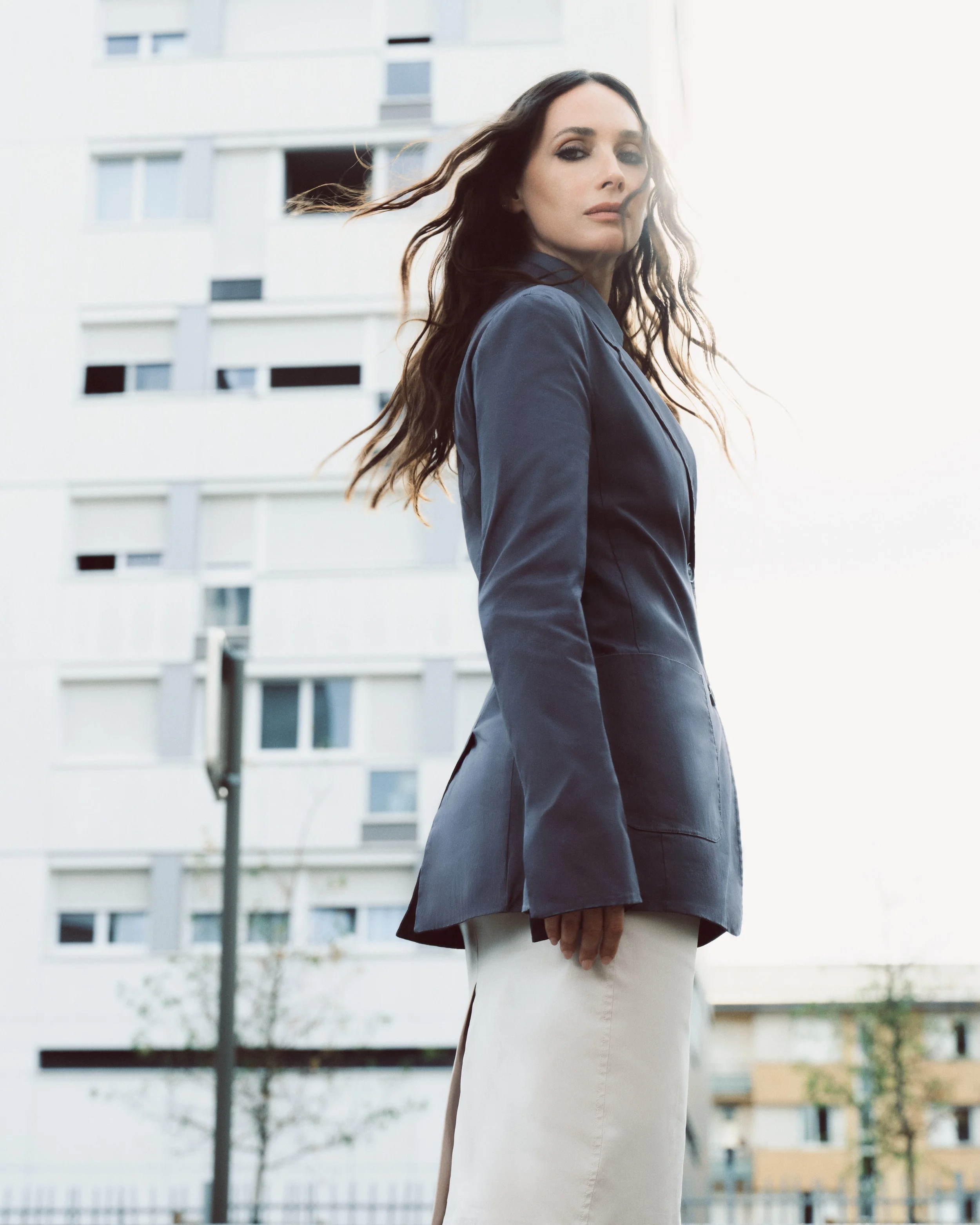
full look MIU MIU
What do you think is a necessary next step toward changing the culture that makes women feel ashamed of their own bodies?
Ultimately, there should be more education around all of it. I mean, it’s not groundbreaking to say that, but more information, listening to each other, believing women and keeping the conversation going.
It’s tricky because when we talk about maternal mortality and childbirth, we’re also talking about the medical system, and there’s obviously a need for change there too. But I think it starts much earlier with how we learn to understand our own bodies. If you learn at 11 years old that your body is embarrassing, you’re not necessarily going to suddenly trust it when you’re giving birth. And I think women’s pain gets dismissed constantly.
So it all starts with more information, normalising the normal and believing what is happening.
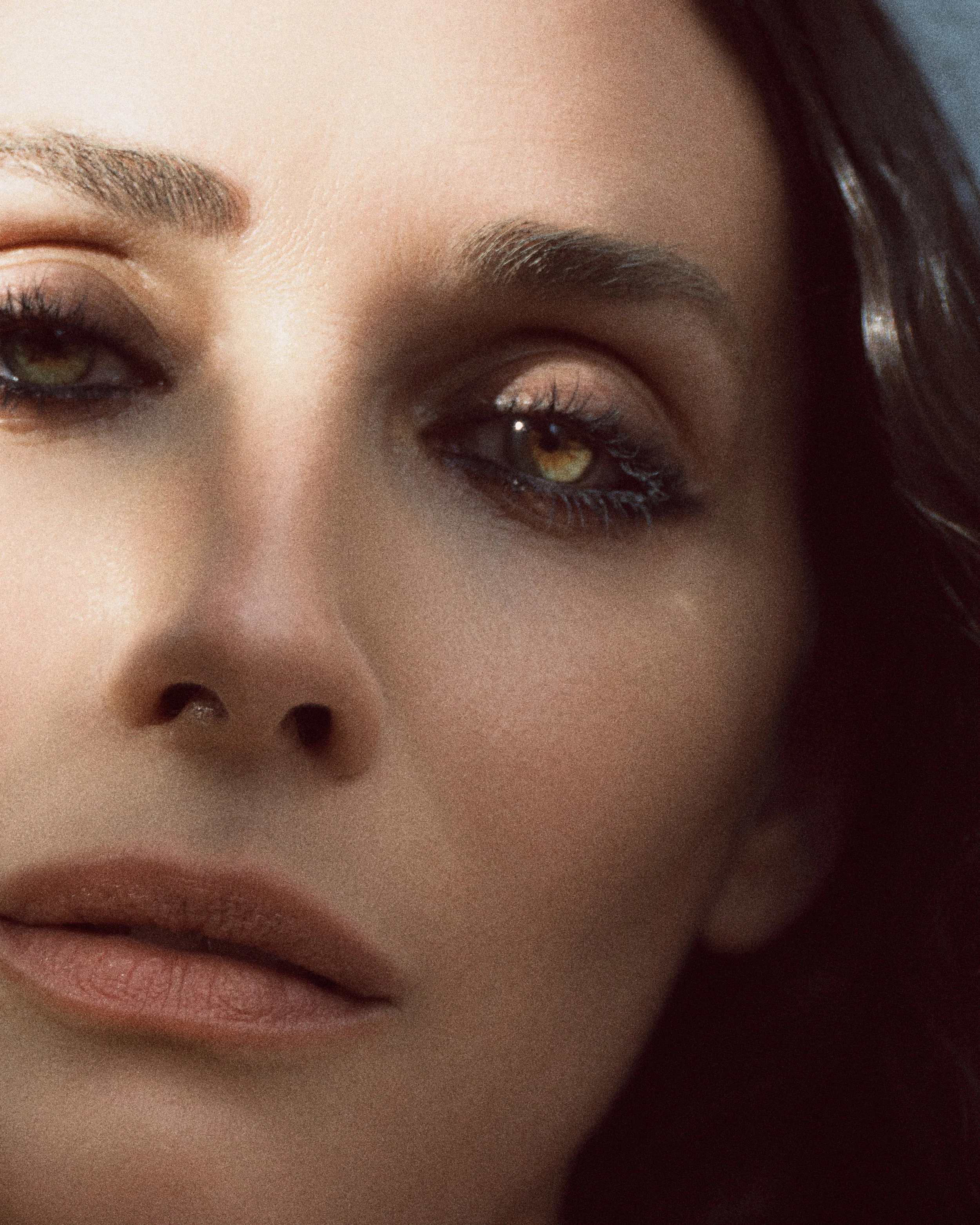
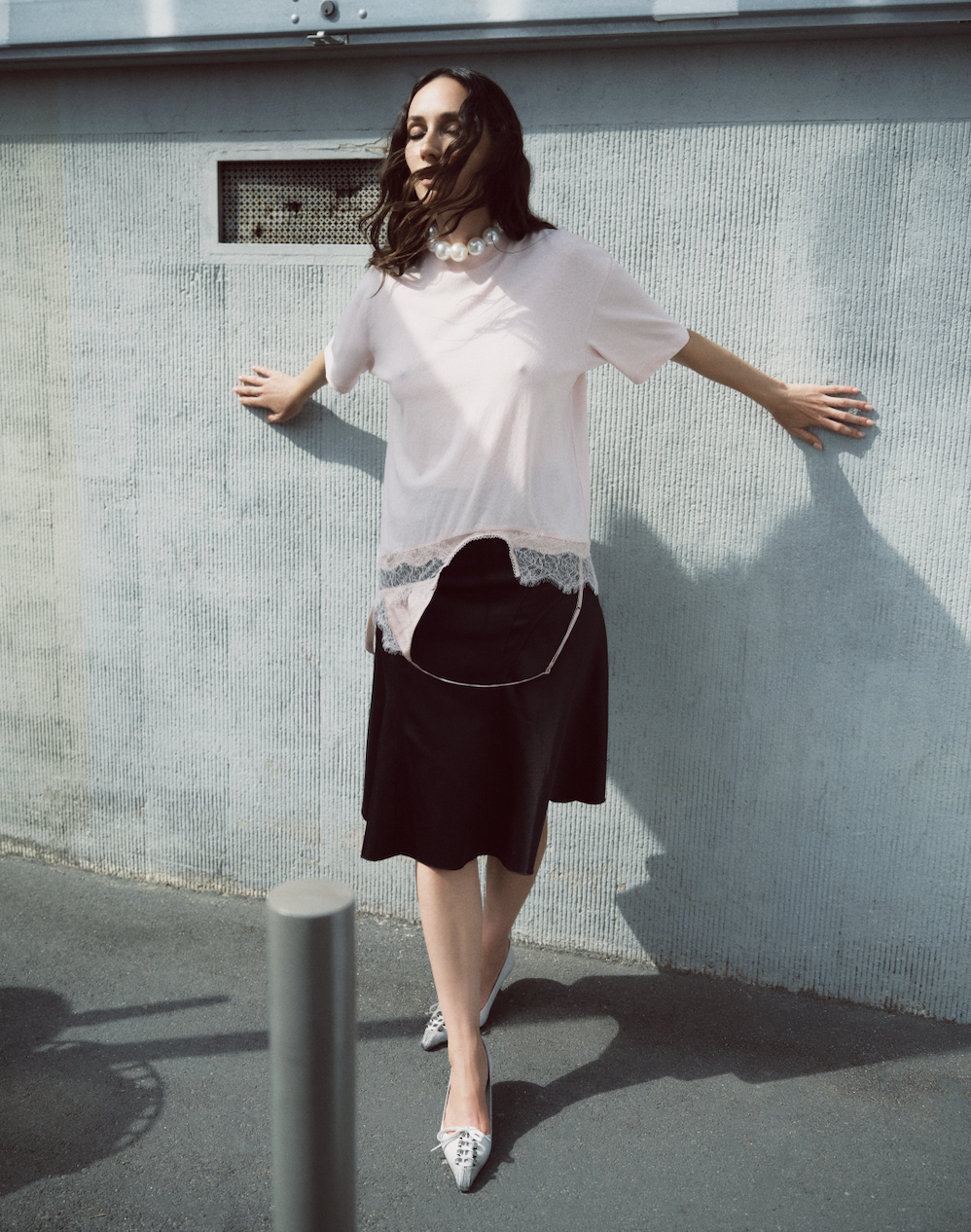
top, bra and skirt TRINITESTUDIO
heels PRADA
TEAM CREDITS:
talent REBECCA DAYAN at ZZO
photography ALIEN WANG at GO-SEE
styling ALDANA and ANTONELLA SIMES
hair KAZUE DEKI at CALLISTE using SISLEY
makeup LILI CHOI at CALLISTE using AORA
set design CLARA DULIBINE
executive producer INDIA IFRAH
production GO-SEE
1st photography assistance QUENTIN PEREZ
2nd photography assistance ROMAIN PETON
3rd photography assistance MAÏWEN HARDY
styling assistance KIERON HARPER
editor TIMI LETONJA
interview MARIA MOTA
cover design ARTHUR ROELOFFZEN
