
IN CONVERSATION WITH REBEKAH
Interview by Samo Šajn
Rebekah is a DJ and producer known for her powerful, hard-hitting sound at the darker end of techno. With her new album Industrial Mind, she returns to her industrial roots while exploring a more open and experimental approach. Ahead of the release, she talks about her journey, how her sound has evolved over the years, and her collaboration with Hardkar on “Cry Baby.”
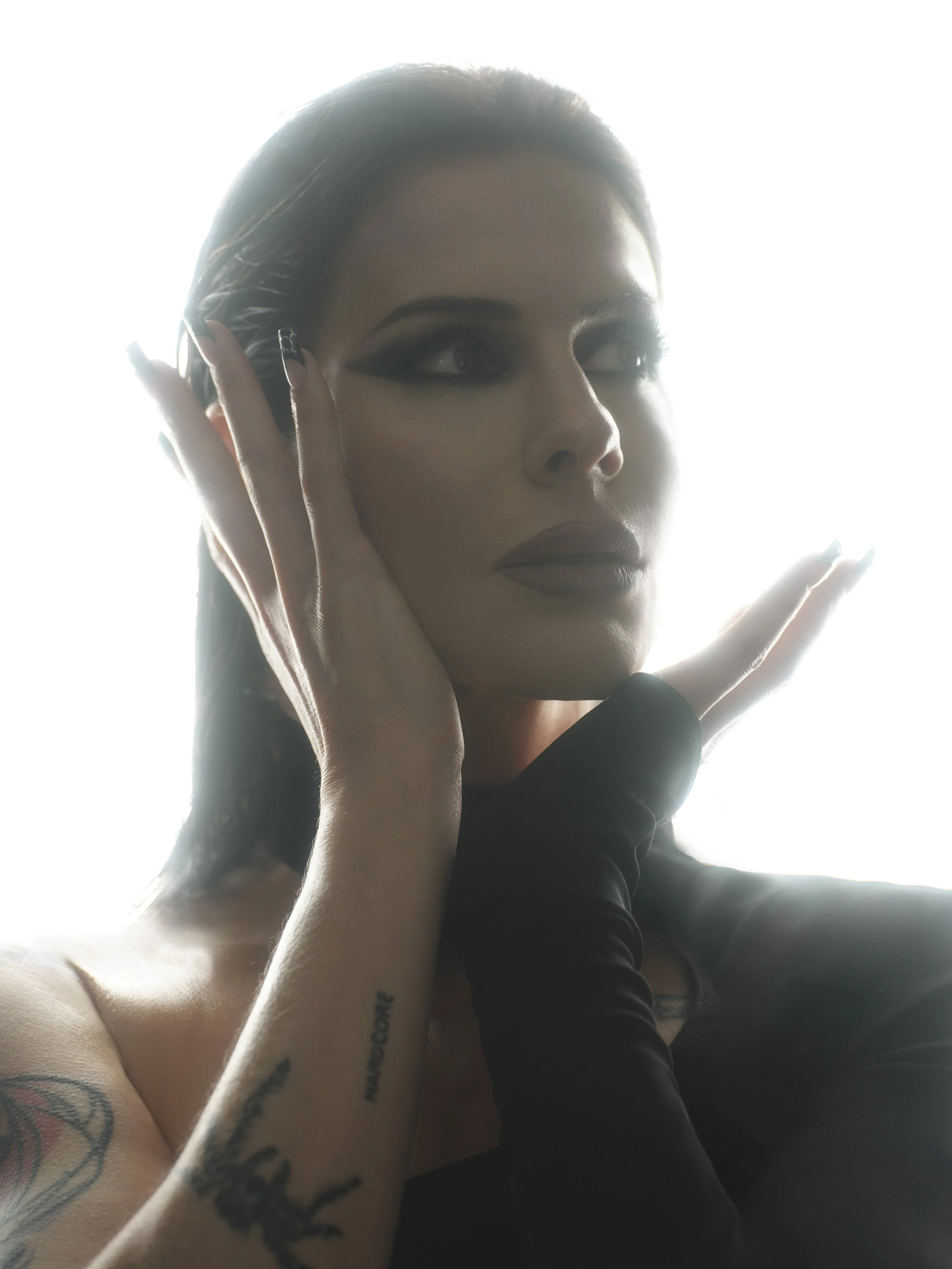
This album feels like a return to your industrial roots. What made you go in that direction now?
It was really to show how my industrial influences have developed and adapted with all of the new influences I have been exposed to. The years leading up to the pandemic, the industrial techno sound was stripped back and cold, but even then, I was leaning into industrial hardcore. Covid really accelerated everything that came after and gave a lot more freedom to experiment and make creating music more playful.
You’ve said the album is about change and reinvention. What’s been the biggest shift for you since the pandemic?
The biggest shift has been my confidence, which has been years in the making. Moving away from the darkness and challenging myself to play more melodies and breakdowns within my sets has probably been the most noticeable change. Delving into different genres and how they can be used to create new dynamics within sets has also been a massive shift. Creating Industrial Mind is really the accumulation of all of this.
“Cry Baby” brings in some different influences. What did you enjoy most about experimenting with those sounds?
“Cry Baby” was the last track made for the album and it was very fun to produce and collaborate on. From the reverse bassline to the melody, it moves and grooves. The melody was probably the most fun part, layering different sounds to make it evolve and feeling brave enough to let it stand alone and be quite catchy, or as some might say cheesy. I really love it when it drops into the track, giving it movement. The hardcore kicks are also really fun, making the track slightly less predictable.
What was it like working with HARDKAR for the first time?
Working with HARDKAR was very easy. His experience made it flow quickly, trying different things and discussing where it could potentially go. I really respect his vision of what HARDKAR stands for, which is of course separate from his main project. I’m really excited to see people enjoying the track.
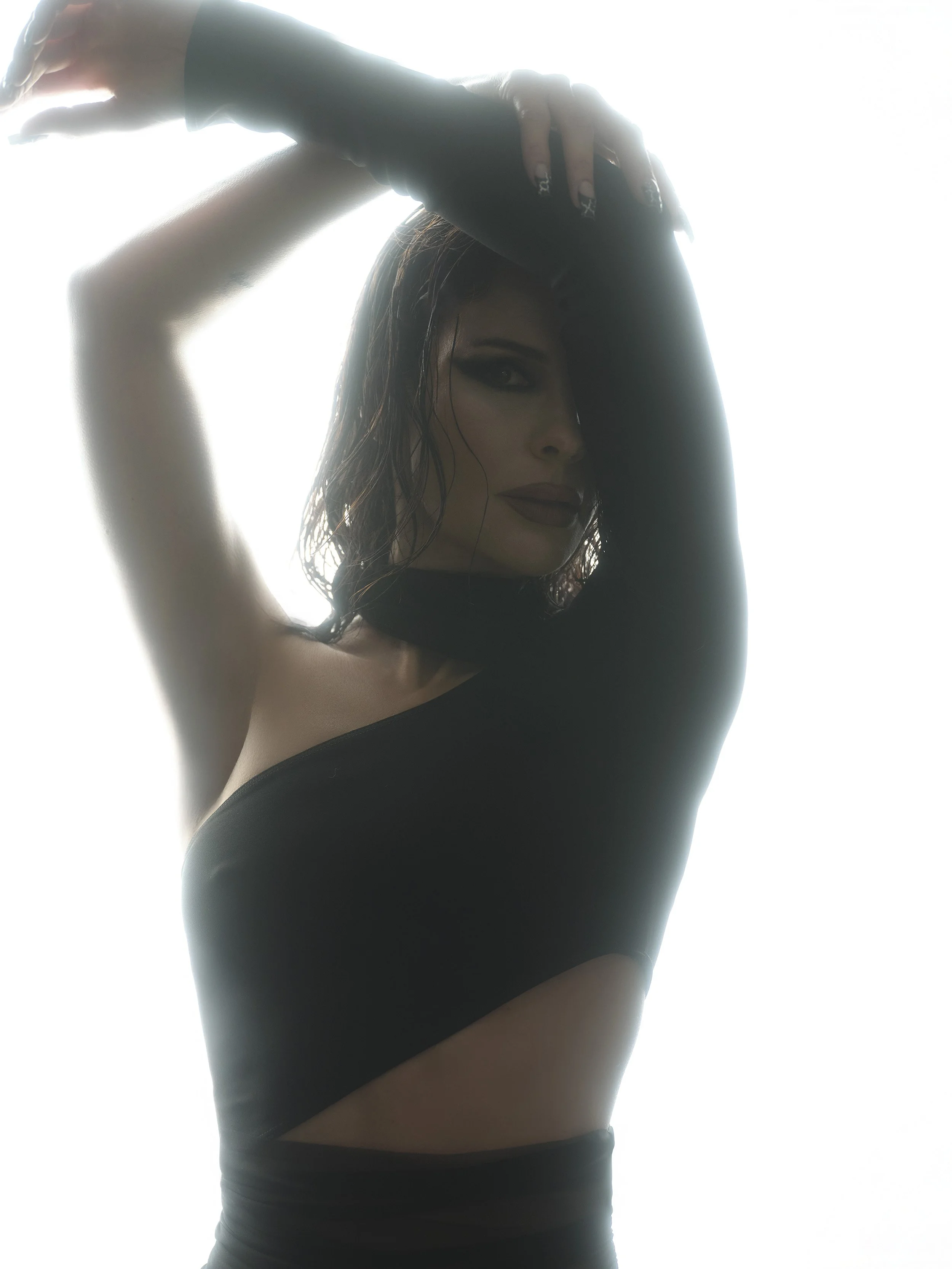
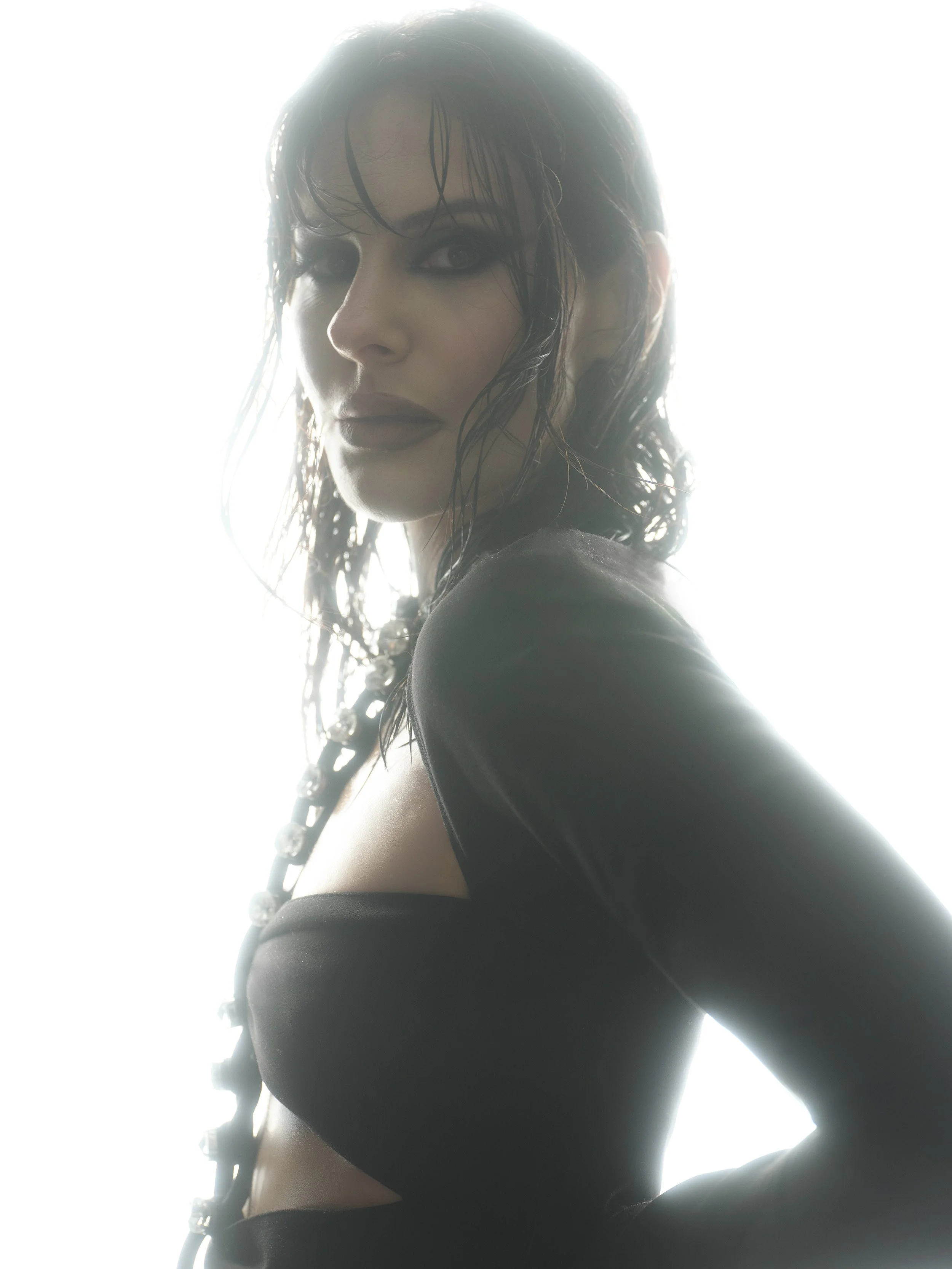
Did making Industrial Mind change the way you see yourself as an artist in any way?
It really showed how I have changed and developed over the past years, for better or for worse. It highlighted the areas where I have stepped out of my comfort zone, including the sounds I am now drawn to. It also showed where I could still improve, e.g., more stripped-down production and more simplicity. But in those moments, I believe I would still end up losing myself, and I never want to sound like anyone else except myself.
The album feels very emotionally intense at times. Was making it a personal experience for you?
The intensity is always channelled from my DJ sets. That energy comes from the dance floor and is directly converted into my music. The whole album is an extension of my DJ world and how that feels. My debut album was definitely more personal in terms of where I was at that time in my life. This one is more like: I’m just here doing my own thing, and this is my energy now.
When you’re making music, do you think more about how it will sound in a club, or do you just follow whatever feels right creatively?
I follow the energy to get the vibe of the track, but for some of the music I really had to test how they worked, what impact they had, and then readjust for the floor a bit. Some tracks were also left intentionally not fully “functional” for the drop, to challenge how music is perceived as a whole rather than only focusing on 10 seconds being important — like the build and the drop.
After spending so much time working on this project, what does finally releasing the album mean to you personally?
I don’t think I have thought that far ahead, as I’ve been very compartmentalised with everything happening in my life right now. I’m sure it will hit on release day, and I will have moments of reflection where I may feel overwhelmed — this usually happens with big life projects and goals. I am just grateful that I am still here and still have something to say musically after all these years.
