
IN CONVERSATION WITH ROB ANDERSON
interview by JANA LETONJA
Rob Anderson, also known to many as Heartthrob Anderson, has carved out a singular space in contemporary comedy, where sharp cultural analysis meets absurd, internet-savvy humour. A New York Times bestselling author, podcaster, and international touring comedian, he has built a devoted following through projects like Gay Science, his viral series that playfully dissects queer identity and pop culture through mock-academic logic. Whether on stage or online, his work blends intelligence with irreverence, turning everything from 90s nostalgia to institutional rituals into sharp, hilarious commentary. With a new special, which was released this April, Rob continues to expand his voice, one that feels as thoughtful as it is unapologetically funny.
You have a new special that just came out. How would you sum it up for our readers?
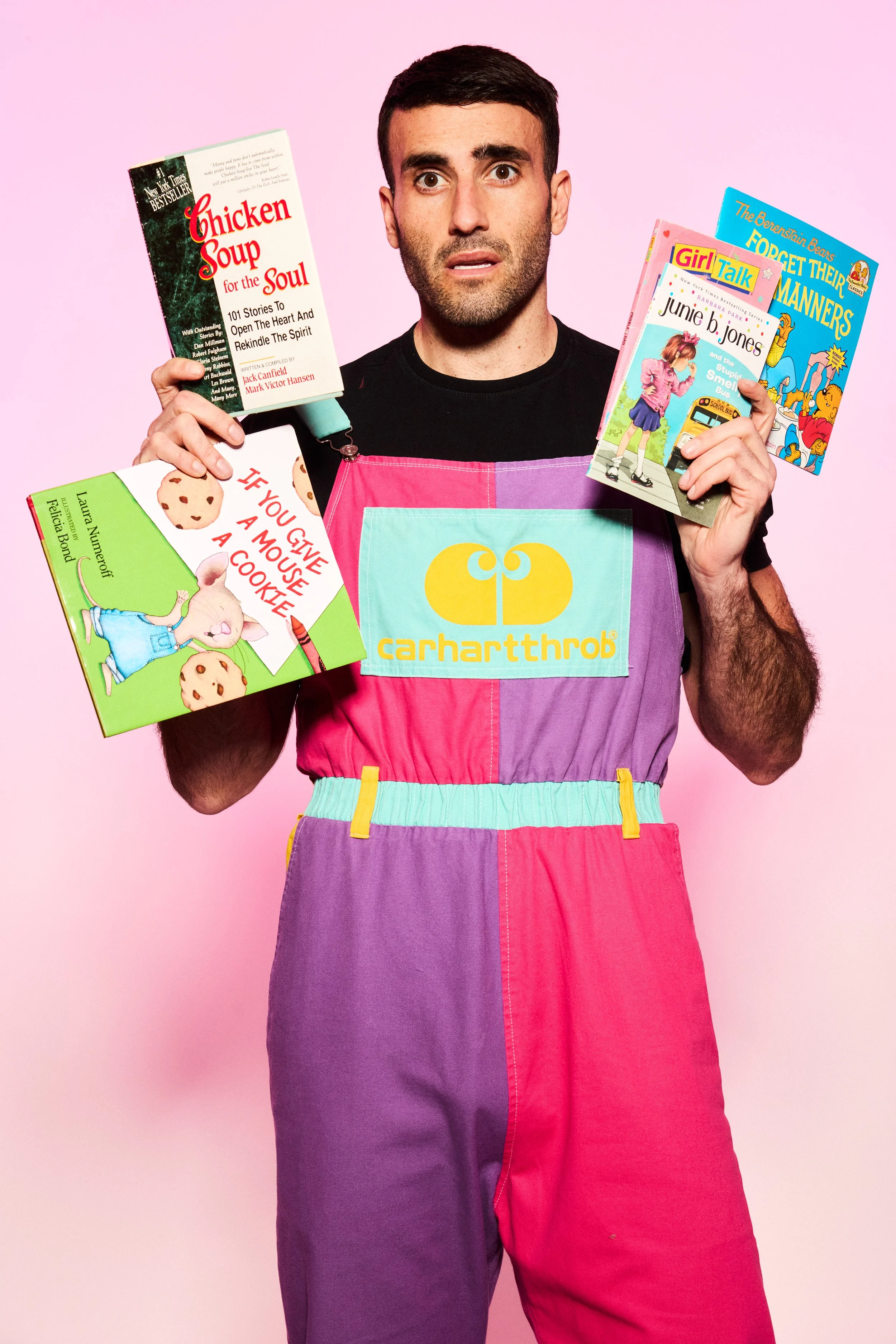
It’s a look back at 90s TV, movies, and books and the “lessons” they tried to teach us about heavy topics in a very short amount of time. Like underage drinking, drug addiction, age gaps, racism, homophobia, and eating disorders. It’s an all-star lineup of 90s dangers with original musical numbers and costume changes.
How does this special differ from your live shows or previous work?
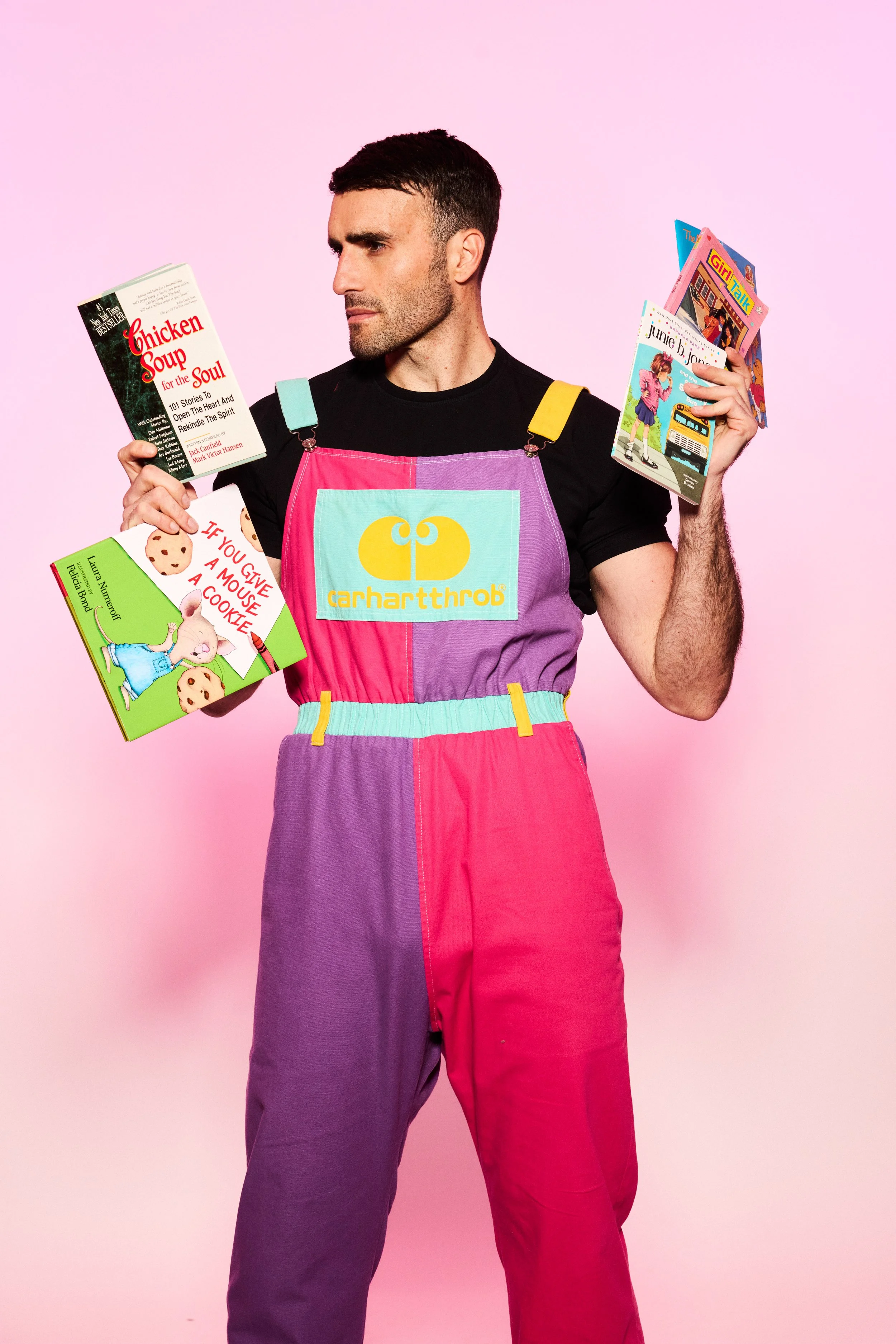
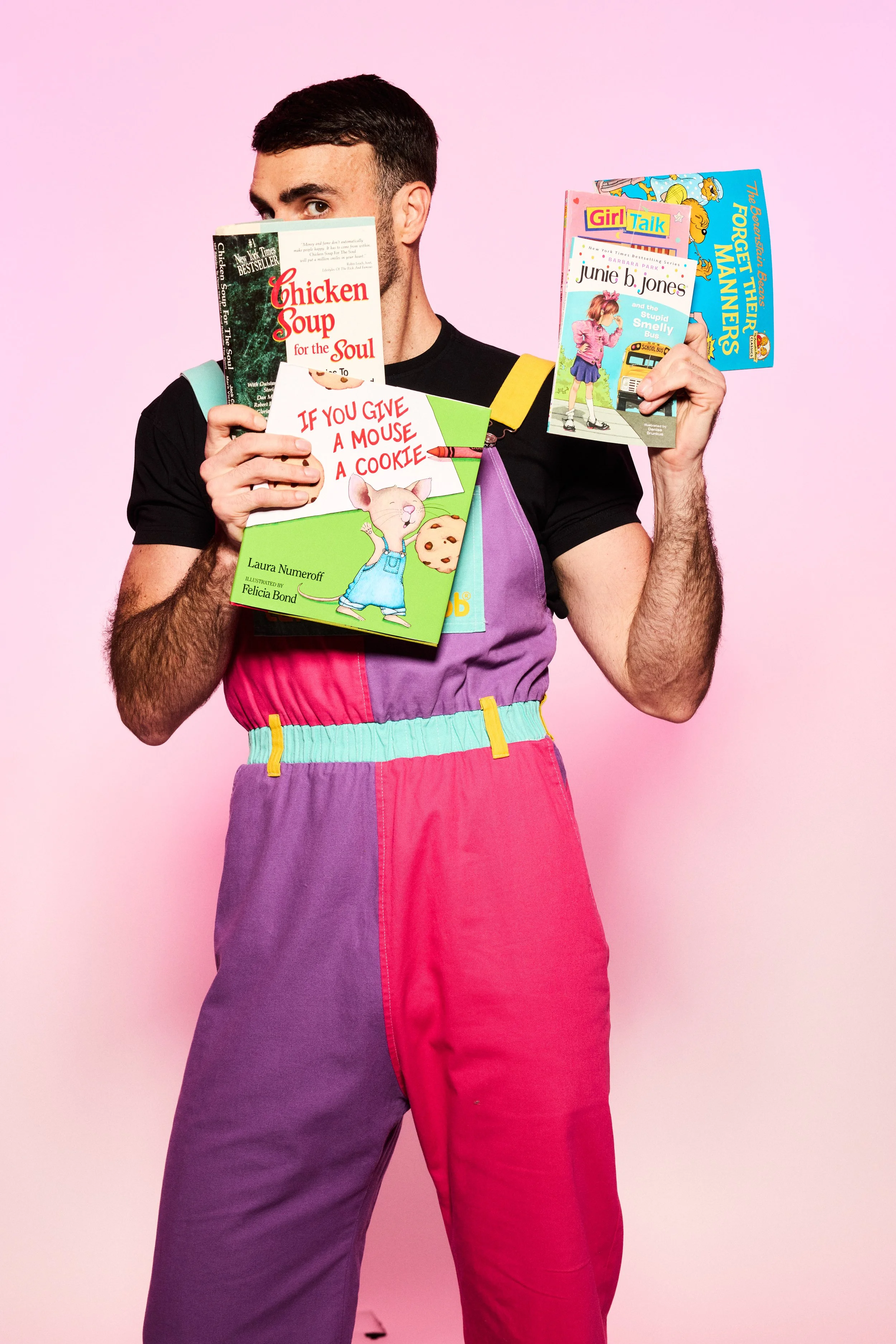
I took the movie review format I’m known for online and adapted it to a live show, so it’s still the same storytelling but moves quickly through over 40 shows and movies. There are a few things people have seen before, like 7th Heaven and The Berenstain Bears, but it’s mostly new commentary on classic shows like Baywatch, 90210, Boy Meets World, and Captain Planet. I also sing in this one.
What themes or ideas were you most excited to explore this time around?
A lot of shows tackled drug addiction and underage drinking in really funny ways. Like Shawn from Boy Meets World, whobecomes an alcoholic and recovers from it all within the same episode. Everything was heightened. A girl almost dies from one diet pill on Baywatch. Ally McBeal has her client plead insanity because she’s trans. You don’t just get allergies, you die from them, if you’re Thomas J. in My Girl. I poke fun at a lot of those depictions.
Your comedy often blends humour with cultural analysis. How did that style develop?
I’m a gay Virgo who has always seen things with a more critical eye, and I learned that being a wet blanket isn’t as fun as enjoying the things that don’t work or seem silly. I like finding the things we’ve all experienced and finding creative ways to poke fun at them without hating on them.
How do you approach making complex or niche topics feel accessible and funny?
Having a point of view, to start. Then I’ll look into whether or not that point has been made well somewhere else, or if it even needs my take on it. If I feel good about that, then I’ll set up things in a way where people who are unfamiliar with the subject can understand it, but load that explanation with jokes so the people who are already familiar won’t swipe away. To make it relevant, I’ll tie older material into current pop culture, like calling out Milly’s likeness from Seven Brides for Seven Brothers, to Sabrina Carpenter, for example.
Do you think our relationship to nostalgia has changed in the internet age?
With the internet age? I’m not sure. I grew up with the internet, so it’s tied into it for me. Social media age? Absolutely. Going off the grid was just called living in the 90s. Our media is quite scattered now, and many people have strong feelings for a time where we collectively watched things together and then talked about them at school or work the next day.
How do you balance being insightful without losing the humour?
I only ever try to make something entertaining and funny, and I lean into my observations. I don’t think I’ve ever tried to consciously balance making it insightful. I think that’s just what ends up happening sometimes. I think I’m left with some content that makes a very strong point and some that is absolute nonsense. And I love all my children equally.
As a queer comedian, how do you navigate identity in your work today?
When I was making Gay Science exclusively, it was quite obviously all out there. Now I’m providing commentary on broader topics and media, and my audience has grown into all types of people, so it’s not something people may recognise immediately. I’d like to believe my queer perspective and tone come out quite often. Like in my live show and comedy special, there’s an LGBTQ+ segment. I also bring up Walker Texas Ranger many times in my show, but in the end dig into Chuck Norris’s homophobia. It’s a way of enjoying the nostalgia we all grew up with while, humorously, acknowledging the darker reality of some of it.
Do you feel a responsibility when addressing queer culture, or is it more instinct-driven?
On one hand, I am very suspicious of any person who believes they represent an entire culture, or have a responsibility to be reflective of that. It’s an impossible thing. We’re part of a community, but we’re all different people with different perspectives. On the other hand, my Gay Science series seems to do just that, which is where the absurdist overly “matter-of-fact” tone comes into play. Gay Science isn’t really claiming to be the mouthpiece of all lesbians who make cat patios. I’m often criticising the detractors and not so much people within the community, unless it’s gay men who are always fair game.
How do you stay creatively inspired in such a fast-moving digital landscape?
I’m lucky that I’m a person who gets bored easily. I find it exhausting to stick with the same format, idea, or series for too long. I’m just keeping myself entertained.
Looking ahead, what excites you most about this next chapter of your career?
I feel like right now I’ve got an audience who trusts me to tune into anything I want to discuss, and that’s very, very exciting. They watched a few green screen movie recaps and then came out in droves to see a 90-minute one man musical comedy show, and sold out over 85 shows across 5 countries. Just the trust that I’m going to bring them something entertaining without knowing what it is, it gives me the confidence to make something I enjoy and know they’ll be along for the ride.
TEAM CREDITS:
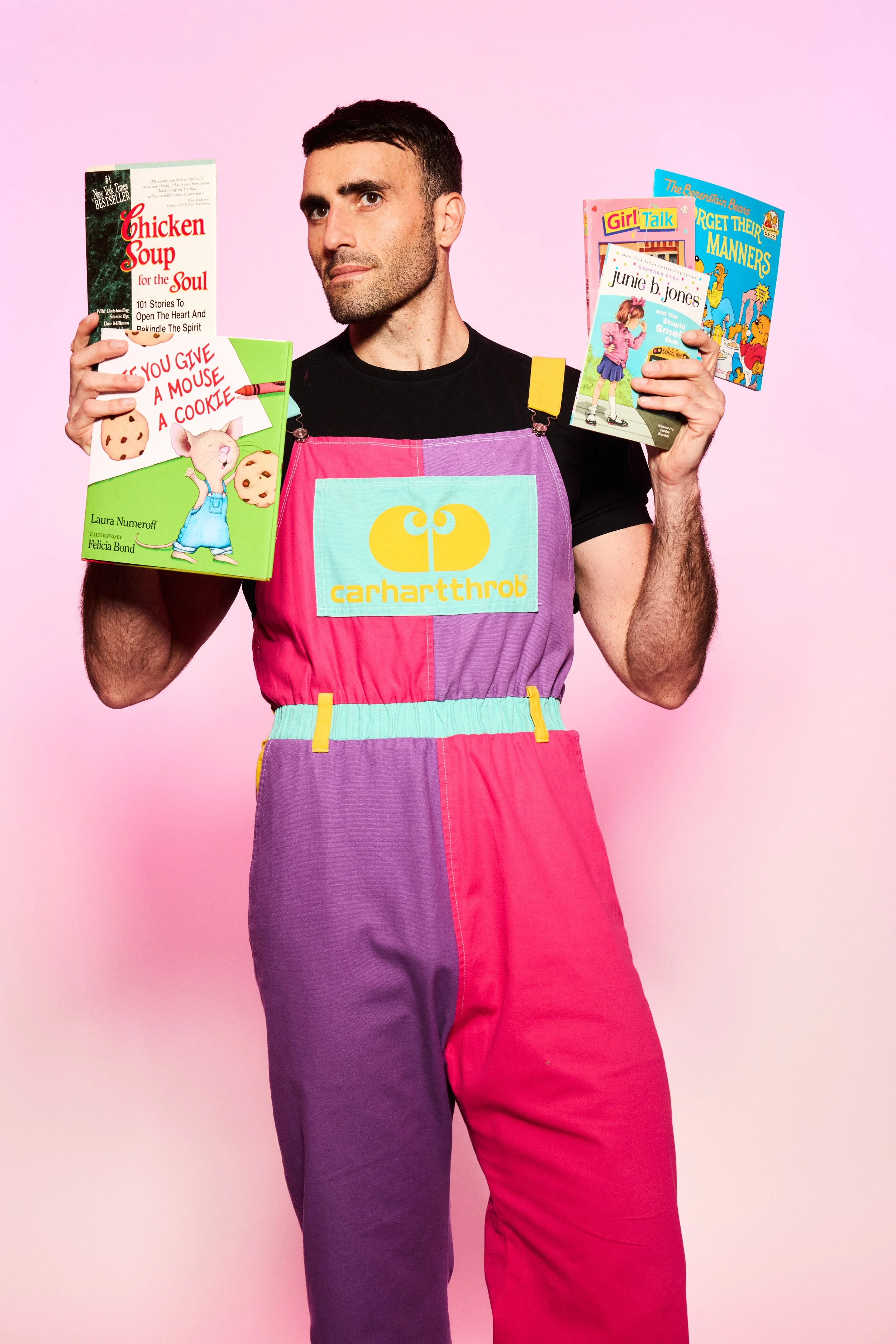
photography ALEX MATTHEWS
