
IN CONVERSATION WITH RUTH B
interview by JANA LETONJA
Few artists have experienced the kind of enduring connection that Ruth B has built with listeners around the world. From the breakout success of Lost Boy, a generation-defining hit that has surpassed 1.3 billion streams, to the remarkable resurgence of Dandelions, which has evolved into a global phenomenon with more than 6 billion streams, the Canadian singer-songwriter has quietly become one of the most streamed and beloved voices of her era. Yet behind the numbers lies a deeply personal artistic journey. Following a five-year hiatus, a viral on-stage moment with Rod Wave reignited her passion for music and ultimately led to the creation of Peace To Make, her upcoming album and most vulnerable work to date. As Ruth B enters a new chapter, Peace To Make feels less like a comeback and more like a reintroduction, an artist reconnecting with herself and inviting listeners to do the same.

Peace To Make arrives after a significant period away from releasing a full body of work. What does this album represent for you personally?
I was really lucky to be able to take time away and truly live life before and during the creation of this album. To me, this album represents a defining chapter of my life. It holds both weakness and strength, confusion and peace, searching and understanding. It's all the things you go through when you're trying to find yourself for the first time.
You’ve described the record as your most vulnerable project yet. Why did now feel like the right time to tell these stories?
I'm not sure there ever really feels like the right time with these things because, to be honest, it can feel very scary to put these feelings out into the world. But I think something I've learned is that the most impactful music comes from deep within and feels a little scary to share. That's when people seem to connect with my songwriting the most. Once I finished the last song on the album, I knew it was ready to be heard.
The album explores the aftermath of a long and misaligned relationship. Was writing these songs a form of healing for you?
Absolutely. Songwriting is my therapy and my way of processing and making sense of the many experiences life throws at you. I distinctly remember writing what would become the first song on the album and crying through the entire process, but afterward I felt such a sense of relief. That's what writing has always provided for me. A space to feel without boundaries.
The title Peace To Make feels both reflective and hopeful. What does it mean to you?
Picking a name for an album is always an interesting experience. With this one, I felt that Peace To Make was the common thread that tied all of the songs together. They all carry this yearning for peace or understanding. Whether it's within myself or in an external relationship, they all share that longing for answers.
You worked with Cole M.G.N. on the album. What did he bring to the creative process that helped shape the project?
Working with Cole was such a gift. The one thing I knew for certain going into the making of this album was that I wanted to work very closely with one person, someone I could really get to know and feel comfortable enough to be my full self around. I knew right away after meeting Cole that he was the one. He immediately understood that I didn't want to stray too far from who I've always been as a musician, real instrumentation, honest, raw storytelling, but that I wanted to elevate the sound. He was incredible at doing just that, and he also pushed me to explore new songwriting techniques.
Your music has always felt deeply personal, yet listeners around the world connect to it in their own ways. What do you think makes vulnerability such a universal language?
I think, at the end of the day, we all feel, live, and go through experiences. We all experience love, loss, and heartbreak, so being able to put those emotions into a song and let someone know they're not alone creates a real sense of connection.
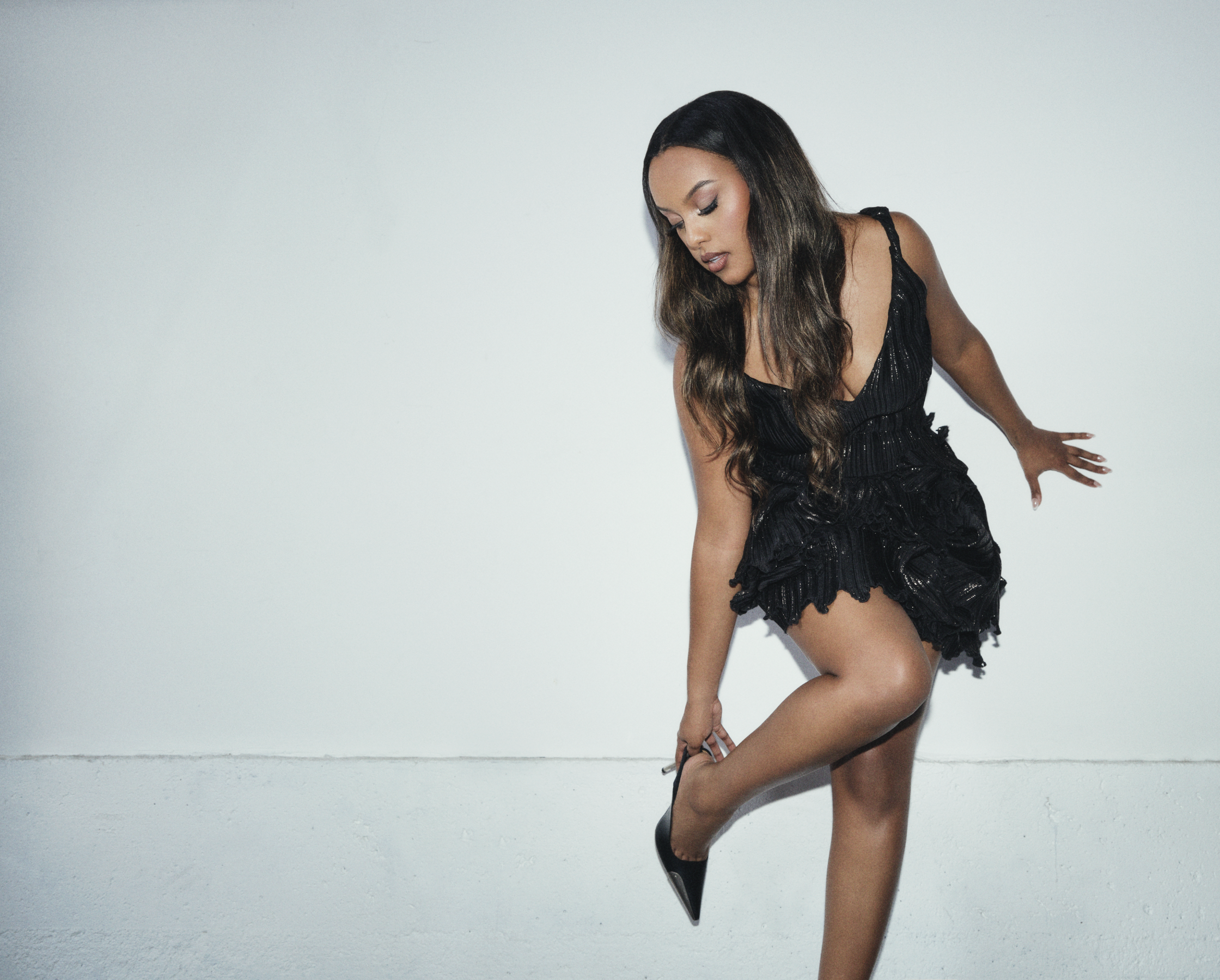
Lost Boy became a cultural phenomenon and introduced your music to millions. How has your relationship with that song evolved over the years?
My relationship with it now is really beautiful. I think, like most artists, it can be complicated when a song takes off and for the next few years, that's all the world wants from you. Meanwhile, you're writing what you feel is your best music, but people are still asking for another Lost Boy. It can be discouraging, but now that some time has passed, I'm just incredibly grateful. That song opened so many doors for me and introduced me to the world as a songwriter. Seeing the impact it's had on so many people is beyond anything I ever could have dreamed of.
More recently, Dandelions found an entirely new audience through streaming and social media. What was it like watching a song take on a second life years after its release?
It was so wild to watch Dandelions completely take on a life of its own. It all happened during Covid, so I was back home in Canada, sitting in my room and watching my song go viral in real time years after I'd released it. It was such an exciting experience, and it ended up introducing so many new people to my music.
The viral moment with Rod Wave seemed to play an important role in bringing you back to music. What did that experience mean to you emotionally?
That was definitely one of the most special experiences of my life. I think sometimes it's easy to get disconnected from streams and crazy numbers because it all feels too much, but being able to see that in person and feel it, really reminded me of how far I've come. It was so surreal hearing all those voices sing a song I wrote.
You took time away from the spotlight during your hiatus. What did that period teach you about yourself?
That time really allowed me to live life and have new experiences to write about. I learned so much about myself during that period, and I did a lot of healing as well. I think one of the biggest things I learned is that I'm stronger than I thought. I didn't think I'd make it through that heartbreak, but I let myself mourn it, I felt the pain, and I came out of it stronger and better than before.
How do you think you’ve changed as a songwriter since the days of Lost Boy?
Like with anything, practice and experience help you grow and become better at your craft. Lost Boy was the very first song I ever wrote, so I think I've evolved a lot as a songwriter and, overall, as a person.
Looking at this new chapter, do you feel more confident in your artistic identity than ever before?
Definitely, and that’s a really good feeling. There have been times when that wasn’t the case, when I would second-guess myself and wonder if my music was even good. But with this album, I’ve never felt more confident in my artistry. It’s one of those projects where, no matter what happens, I know I’m incredibly proud of it.
The music industry has changed dramatically since your debut. What has remained constant in your relationship with songwriting?
I think it’s simply my absolute love for it. Things come and go, and the industry is constantly changing, but my love for writing has always remained the same. I feel so blessed that it’s something I can always turn to and rely on.
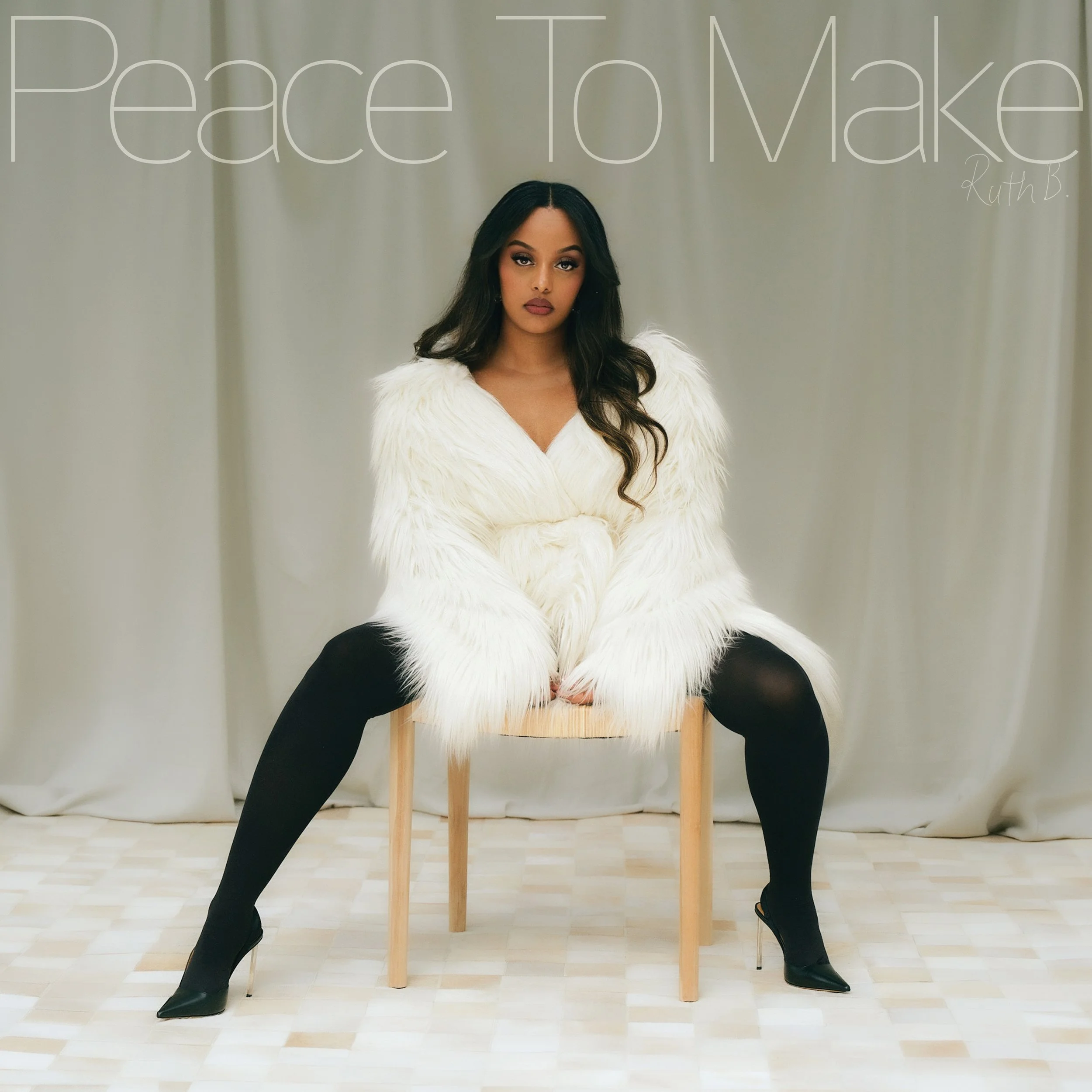
TEAM CREDITS:
photography DENNIS LEUPOLD
