IN CONVERSATION WITH SAOIRSE
interview by ANOUK WOUDT
Established in the UK dance music scene, Saoirse is an Irish-born DJ and producer best known as one of the founders of Body Movements Festival, held annually in Southwark Park, London. Her love for electronic music began through DIY free parties and an obsession with the sounds of Leftfield, The Prodigy, and Orbital — influences that eventually catapulted her into the music industry. Drawing from a wide range of musical interests, a Saoirse DJ set is never confined to a single genre, moving seamlessly between tech house, liquid bass, garage, and beyond. In this conversation, we focus on Body Movements Festival and what to expect from the upcoming edition on August 30. Before that though, Saoirse will perform on Sunday, May 24, at Lentekabinet in Het Twiske — a set you won’t want to miss.
As the founder of the Body Movements festival, alongside Clayton Wright and Simon Denby, what originally inspired you to create this event?
Body Movements came from a shared feeling that queer nightlife deserved a larger cultural platform.
All three of us had spent years immersed in queer club culture and had seen firsthand how influential those spaces are creatively, musically and socially. But despite that impact, there still weren’t many large-scale festivals truly centring queer and trans communities in an authentic way.
With artists that span all kinds of genres across London’s queer underground, how do you make the selection for the lineup?
A lot of thought goes into balancing musical quality and discovery.
We spend the entire year listening to music, going to events, watching how scenes evolve and paying attention to the collectives and artists creating something meaningful.
We want the lineup to feel reflective of the richness of queer nightlife rather than representing just one sound or aesthetic.
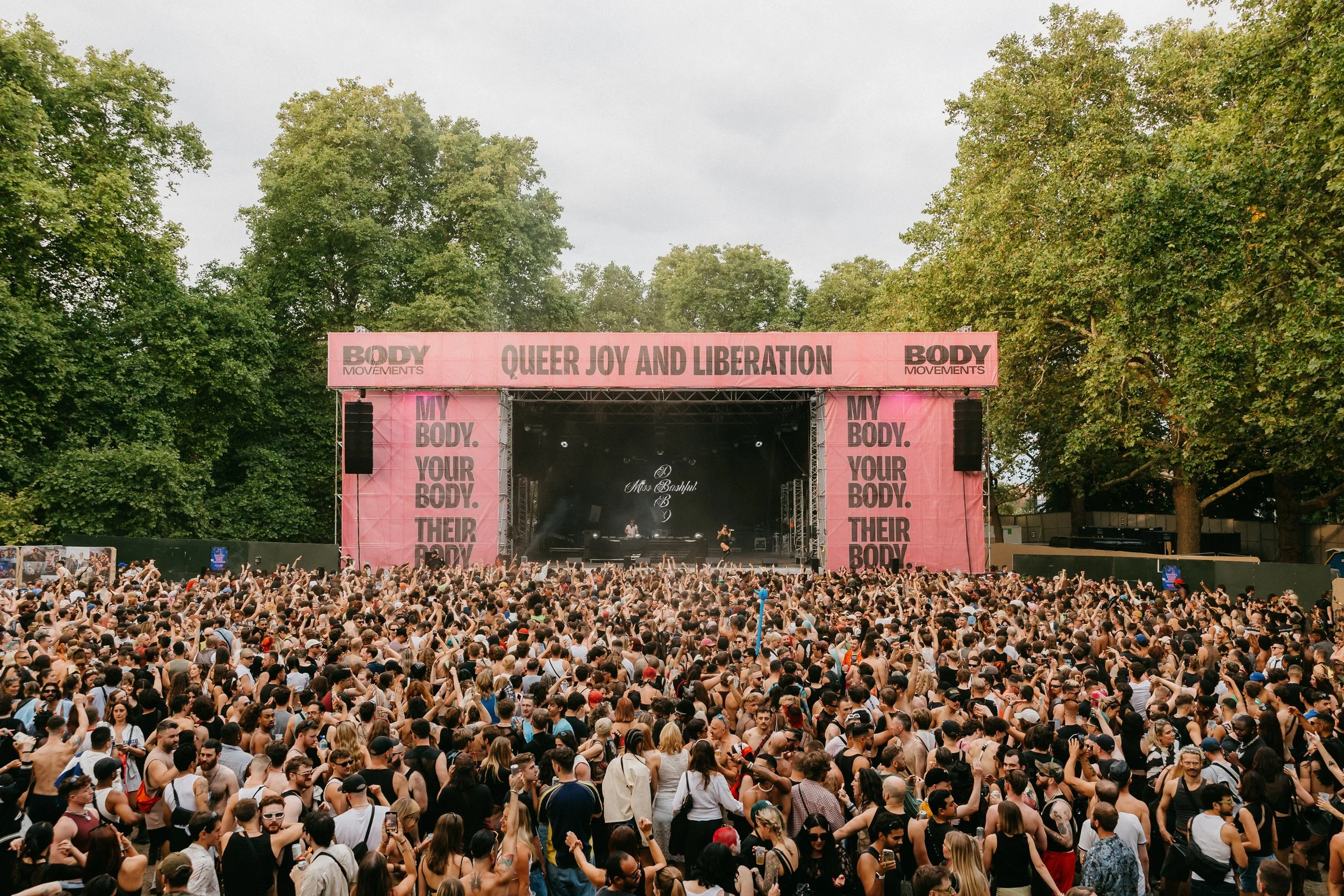
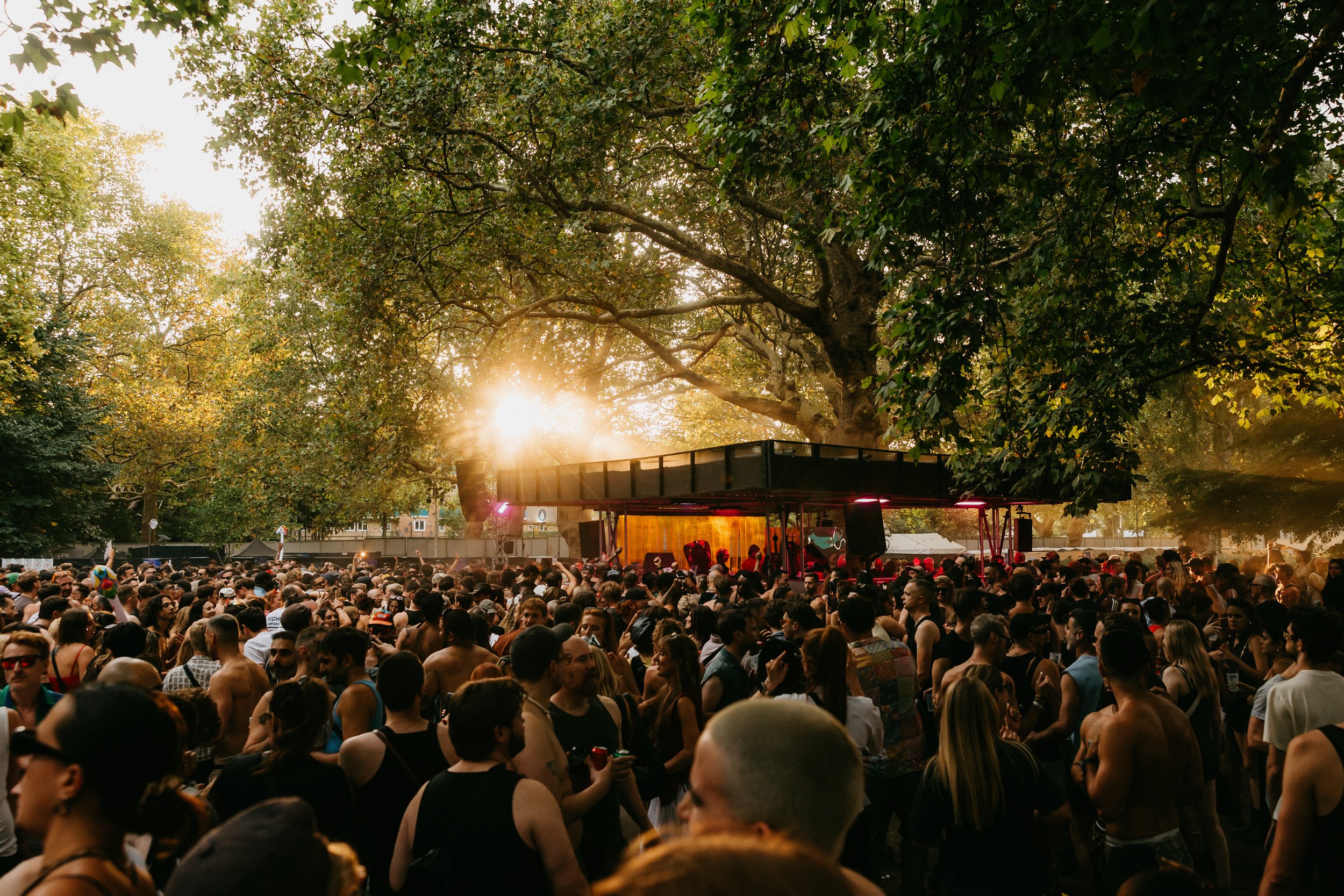
How would you describe London’s queer nightlife scene, and how does the Body Movements festival fit within it?
London’s queer nightlife scene is incredibly community-driven, but it’s also under a huge amount of pressure.
Grassroots venues continue to disappear and many queer spaces are constantly fighting for survival. Despite that, people continue building amazing things, new parties and collectives always!
I think Body Movements exists as both a reflection and celebration of that. We work closely with collectives and artists who are shaping queer nightlife year-round and try to use the platform of the festival to amplify that work.
As a queer festival, how does the Body Movements experience differ from a more traditional festival-going experience?
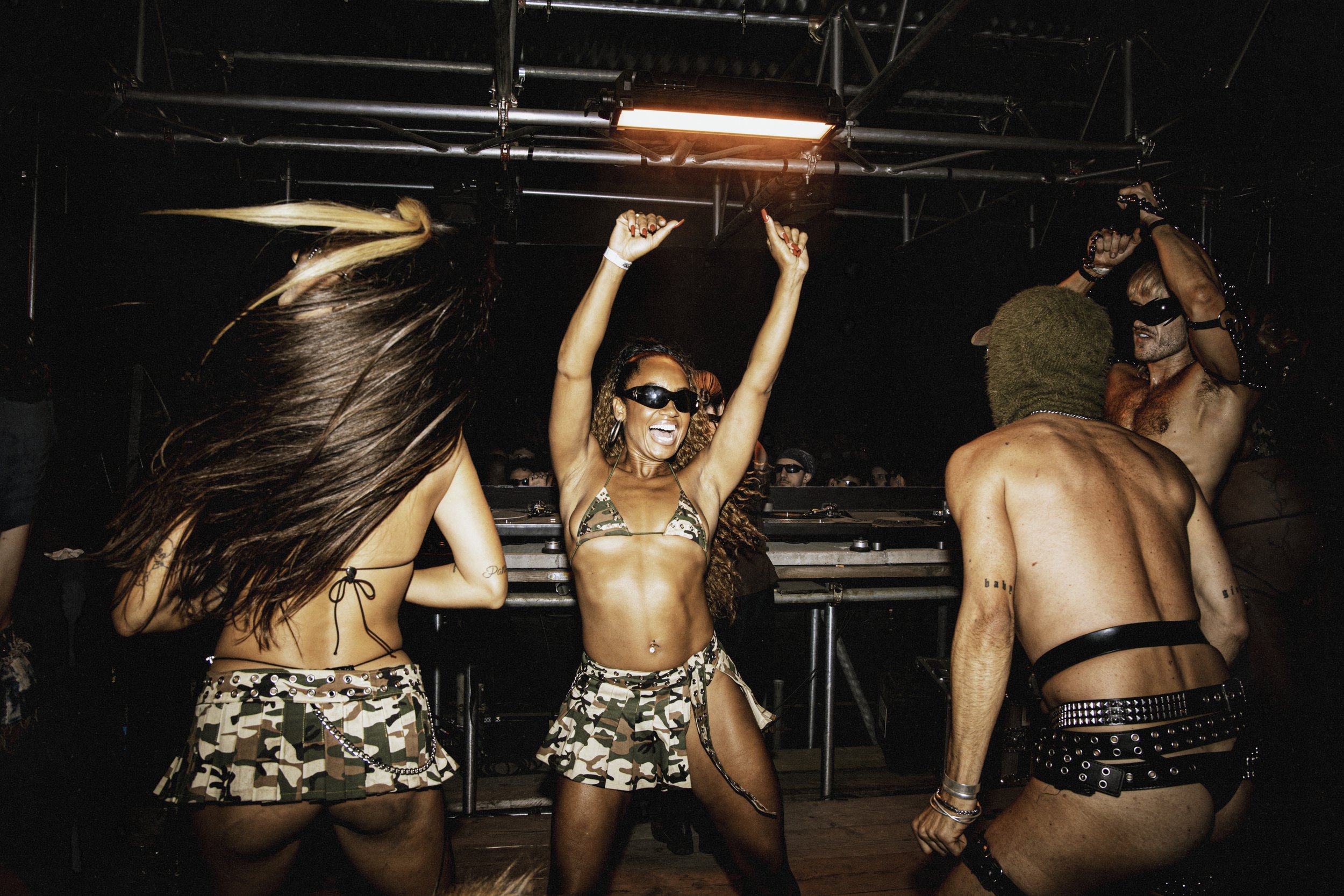
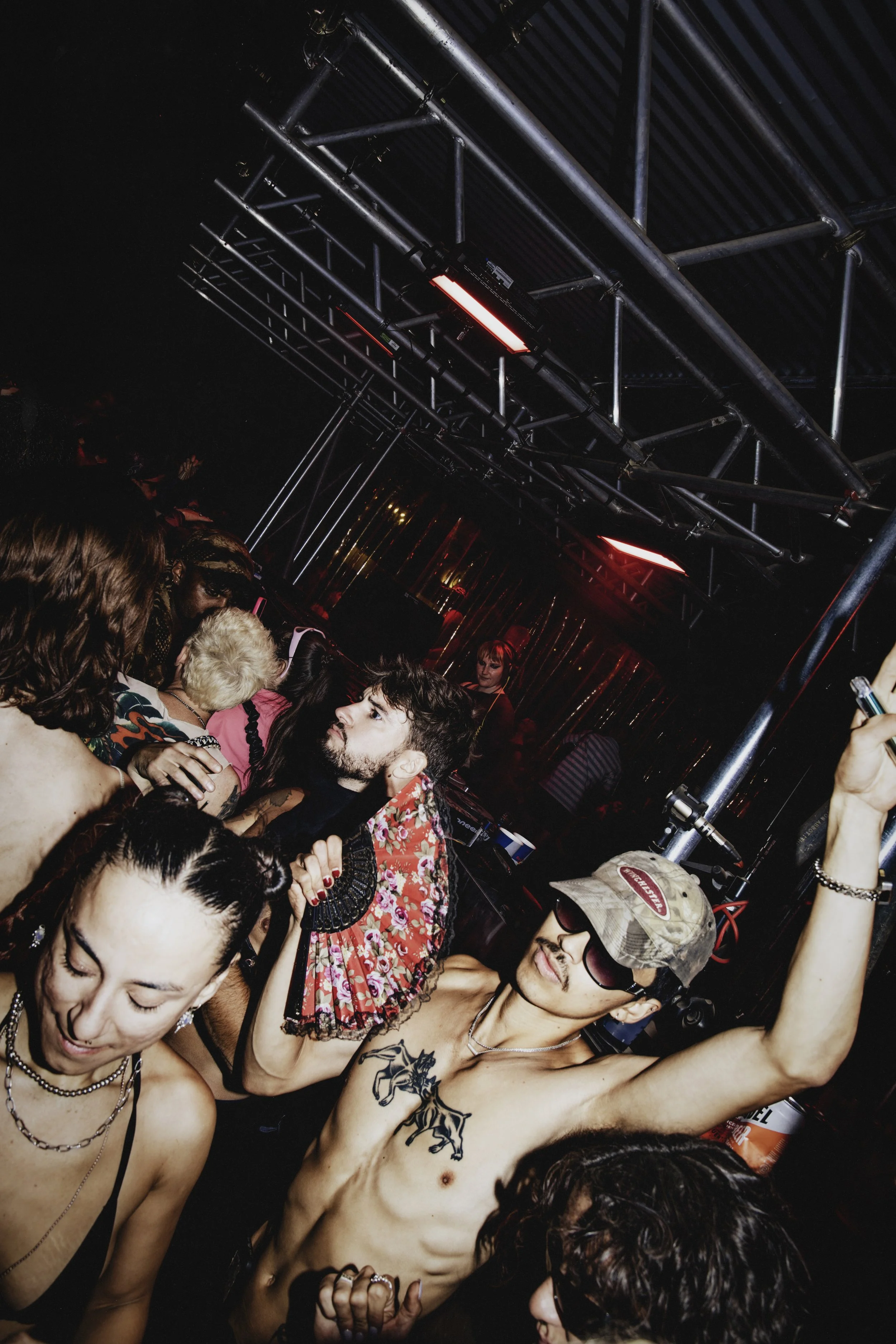
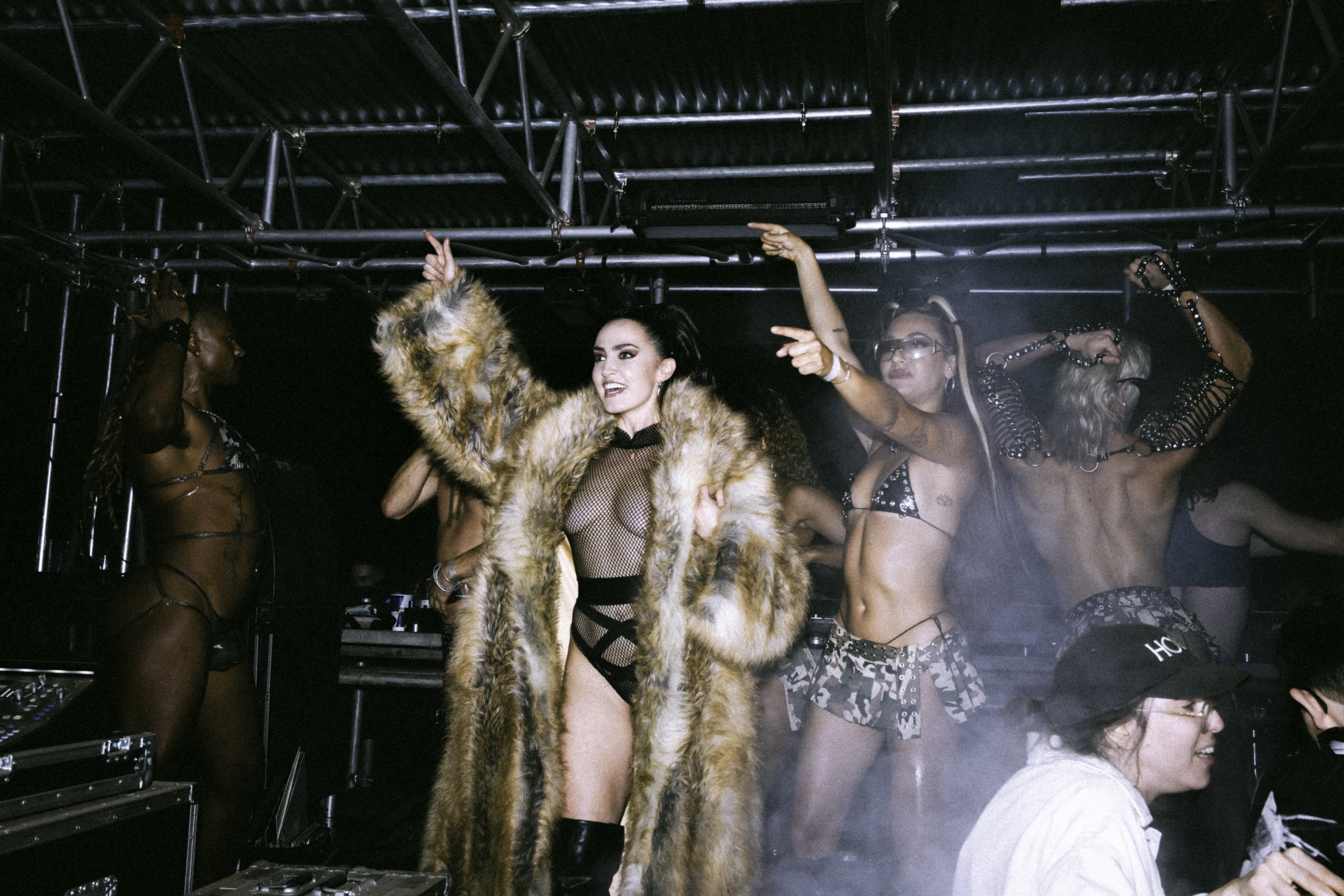
I think there’s often a different emotional atmosphere at queer events.
People arrive with a greater sense of self-expression and collective care because many attendees know what it feels like to search for spaces where they can fully relax and be themselves.
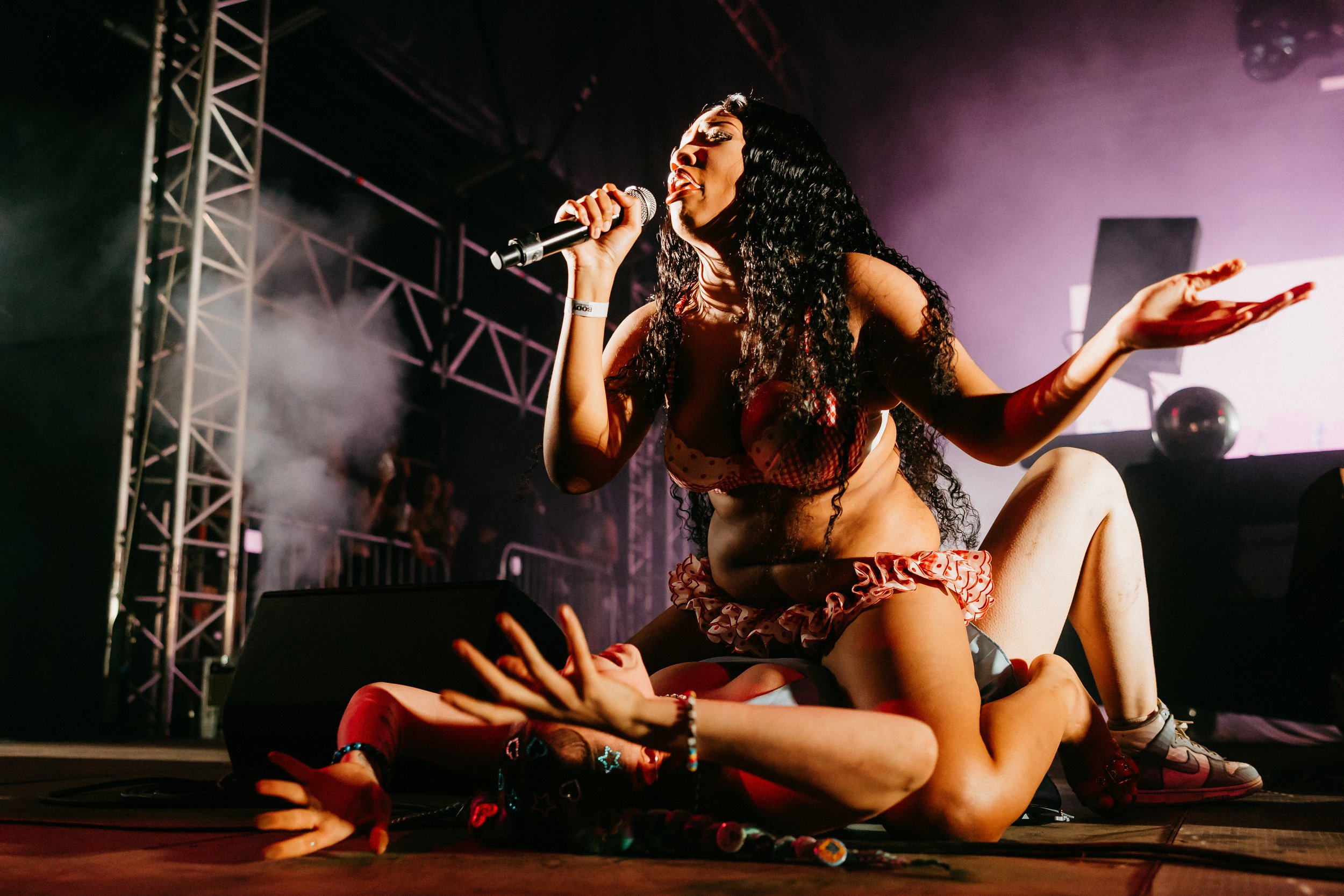
Body Movements champions itself as a safe haven for queer culture and nightlife. How do you ensure safe spaces for festival-goers?
Creating safer spaces requires active work and accountability.
We invest heavily in welfare teams, accessibility planning, staff training and harm reduction measures, and we work closely with people from within the community to constantly improve the experience.
We also try to communicate clearly from the outset about the kind of environment we want to create, one rooted in respect, consent and care for each other.
Started back in 2021, this year marks the sixth edition of Body Movements. How has the festival transformed since then, if it has?
It’s definitely grown in scale and ambition.
In the early days it felt quite DIY in many ways, which was beautiful, but over time we’ve been able to improve production, expand the lineup and collaborate with more artists and collectives internationally.
At the same time, we’ve worked very hard to protect the feeling of intimacy and community that people connected with initially.
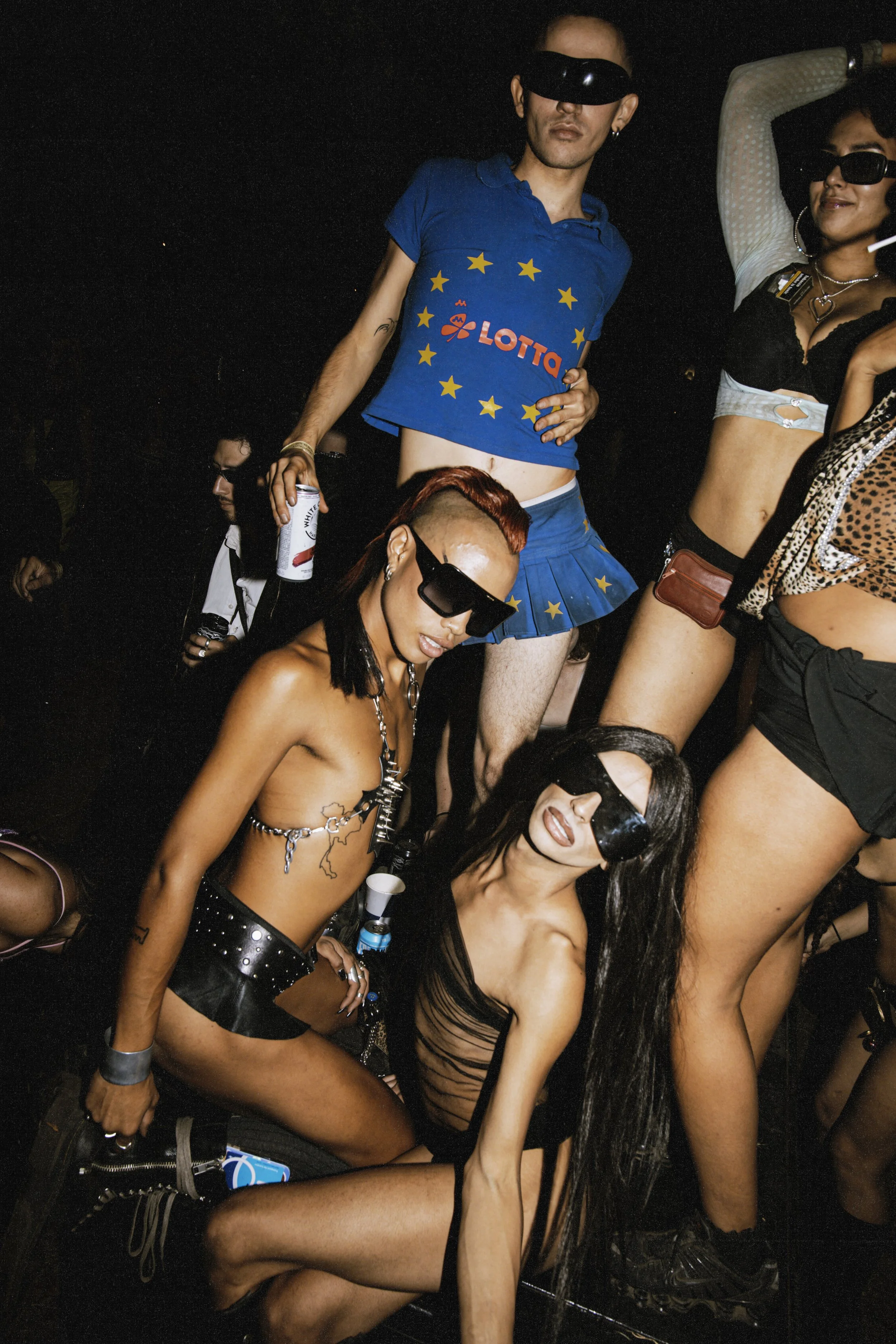
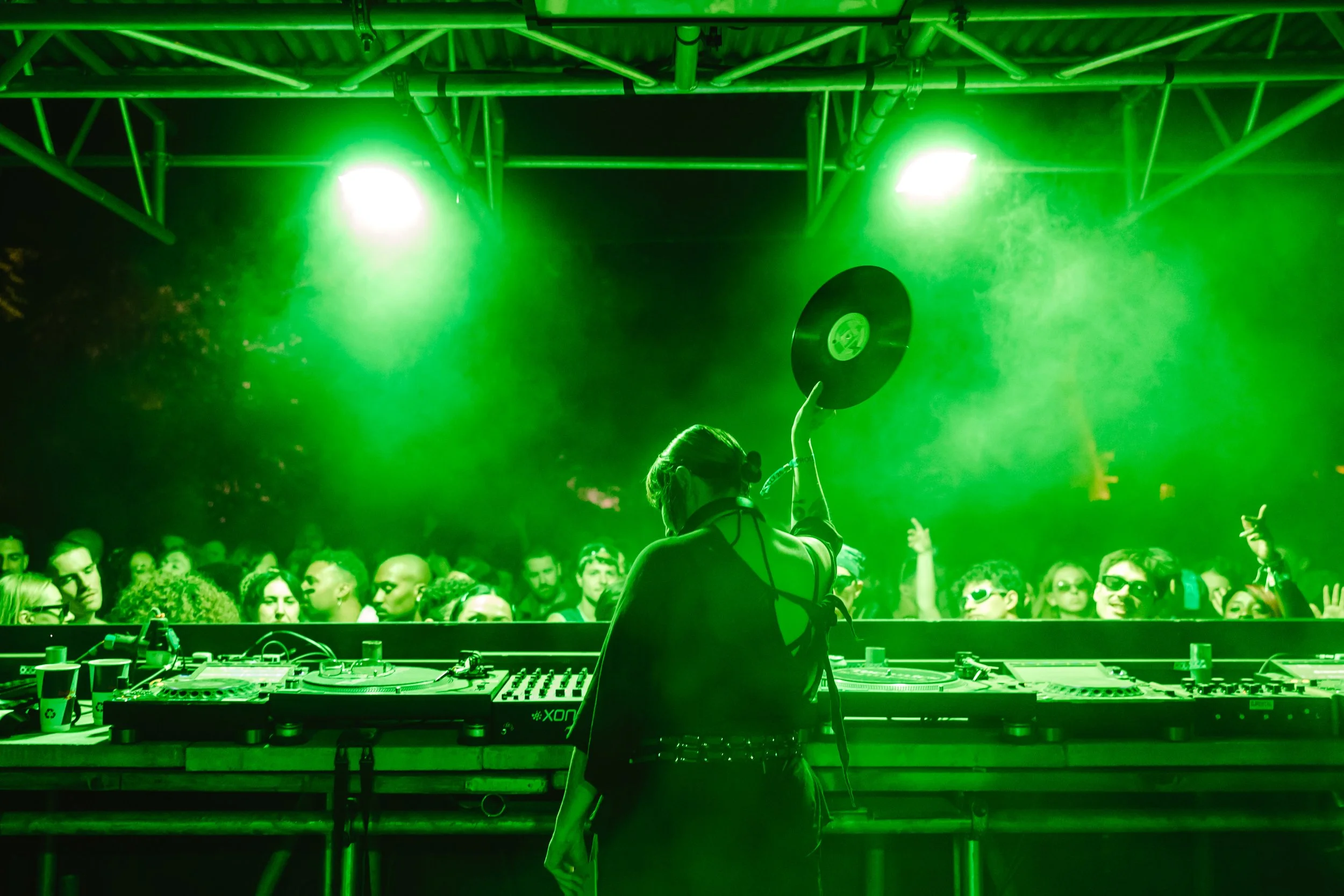
Has there been any performance throughout these years that really stood out to you as one of your favourite Body Movements moments?
Often it’s watching a newer artist completely connect with a crowd for the first time, watching the joy people have playing their first festival set is a really wonderful feeling.
With the 2026 festival coming up on the 30th of August, what are you most excited about for this upcoming edition of Body Movements?
I’m excited to see people reconnect. For a lot of attendees, Body Movements has become a meaningful annual gathering point with friends, chosen family and community and also this feeling that anything can happen on the day, the queer community is unpredictable so you never know the madness you may witness.