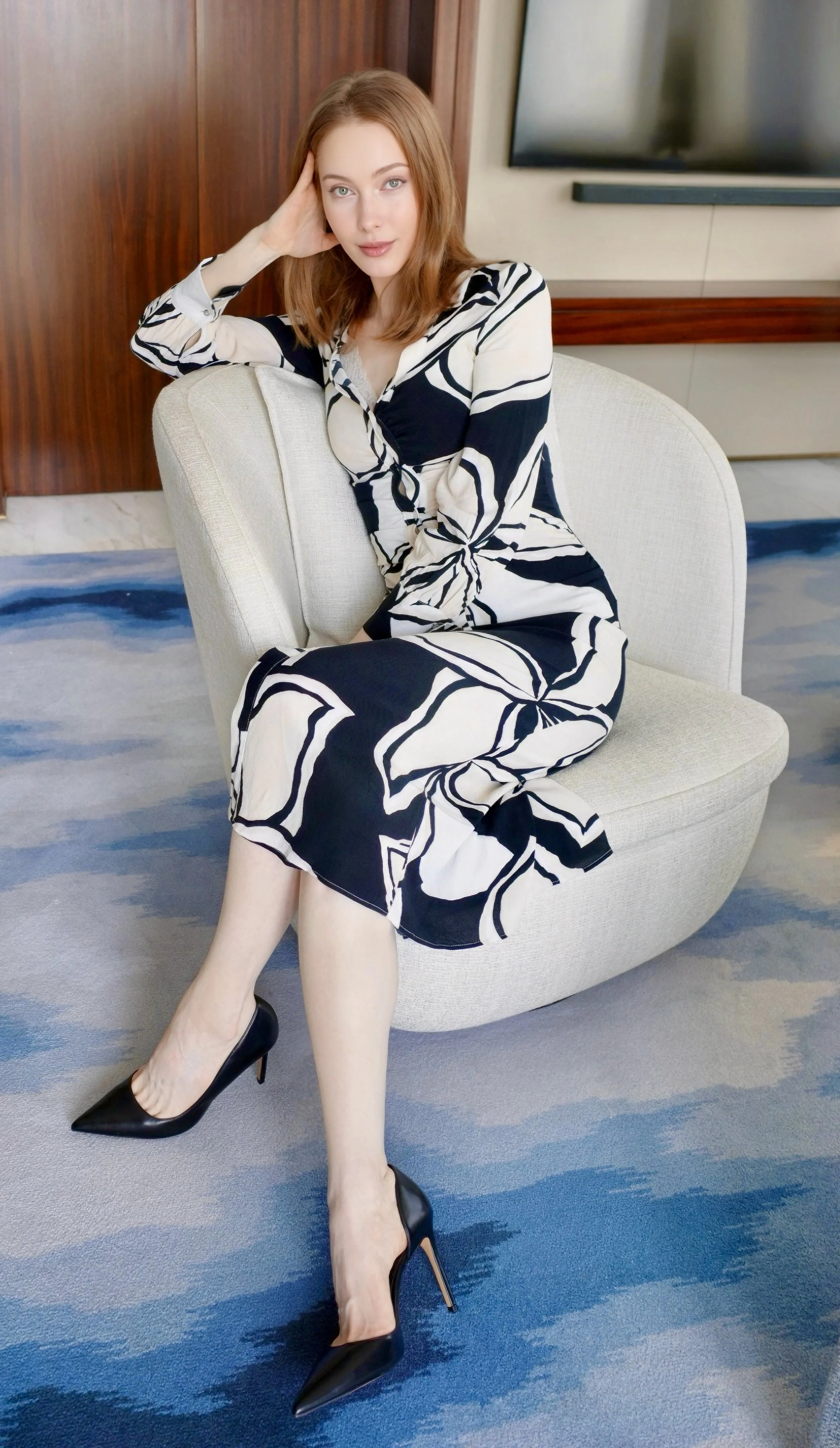
interview by JANA LETONJA
From the international runways to the literary world, Sara Stamford has built a creative life shaped by storytelling, self-expression and a fascination with the human experience. A former international model turned author and philanthropist, she brings a unique perspective to the intersection of fashion, identity and art. Having experienced the industry’s glamour as well as its more complicated realities, she has transformed her understanding of visual and emotional storytelling into a literary voice of her own, most recently with her novel The Lost Souls. With a passion for discovering emerging designers and using fashion as a powerful form of personal expression, Stamford continues to explore creativity beyond conventional boundaries.
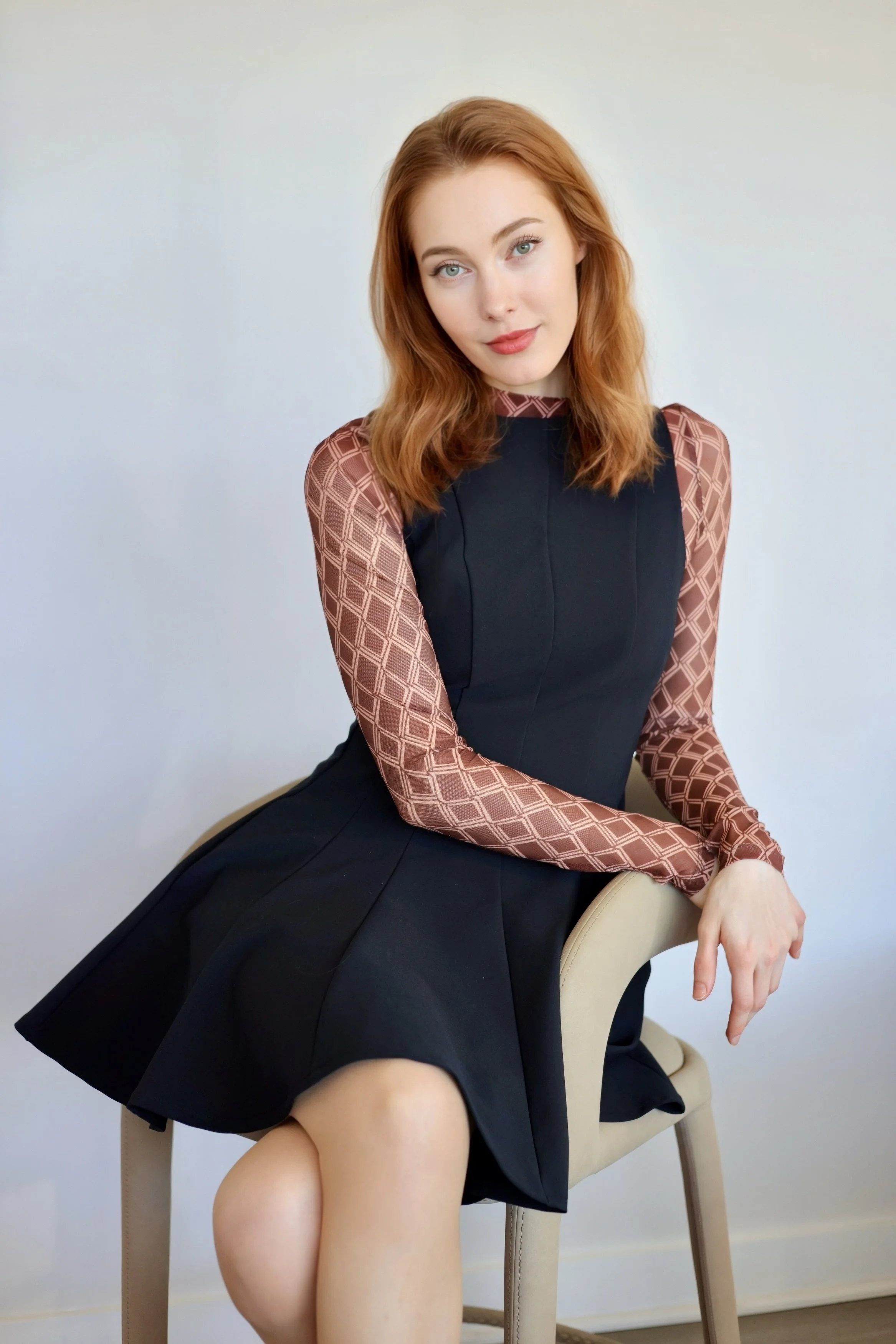
images courtesy of SARA STAMFORD
You’ve lived several creative lives, from international modelling to writing and philanthropy. Looking back, do you see these as separate chapters, or have they always been different expressions of the same person?
I see them as different sides of the same person. Modeling taught me to grow up fast, writing lets me tell stories that mean something to me, and philanthropy gives me a chance to make a real difference. I’ve never felt like I had to fit into one box. We’re constantly evolving, reinventing ourselves and exploring different sides of who we are. That’s what makes life interesting.
Your years in fashion taught you to think in images, moods and emotions. How has that visual language influenced the way you approach storytelling as a novelist?
Fashion opened my eyes to the little details, the moods, the energy and what people don’t say out loud. When I write, I see everything like a movie playing in my head. I want readers to feel like they’re watching the story unfold, not just reading a book. For me, it’s all about making people feel something and leaving them thinking about the characters long after they’ve turned the last page.
Your latest novel, The Lost Souls, marks another chapter in your literary journey. What was the initial spark behind the book, and why did you feel compelled to tell this particular story?
A lot of the story is inspired by things I’ve experienced or witnessed myself. Writing The Lost Souls was an emotional process because the themes are so real and relatable. Loneliness, friendship, betrayal and trying to find your place in the world are things so many of us go through, even if we don’t always talk about them. So, exploring those subjects is both compelling and emotional.
The title The Lost Souls suggests themes of searching, belonging and perhaps transformation. What does the idea of a “lost soul” mean to you personally?
To me, a lost soul is someone who’s trying to figure out who they are and where they belong. We all go through moments when we feel a little lost, especially when we’re trying to fit into a world that has so many expectations. Sometimes losing your way is actually part of finding yourself. It’s about learning to trust yourself, setting boundaries and simply realising that you don’t have to become someone else to belong.
Modeling often involves bringing someone else’s creative vision to life, whereas writing gives you complete control over the narrative. How did that shift in creative freedom change your relationship with self-expression?
I love writing because I get to create the characters, their flaws, their struggles and their worlds entirely on my own terms. There’s something liberating about that. Writing lets me express parts of myself that people don’t necessarily see on the outside. It’s a different kind of self-expression, and I love having that freedom.
Fashion has an extraordinary ability to create fantasy, but it can also place immense pressure on those working within it. How did you navigate the tension between the industry’s beauty and its darker realities?
From an early age, I learned to be cautious. Don’t go to sketchy afterparties after a runway show, even if the designer himself invites you. Don’t let people talk down to you, and always stay aware of your surroundings. You can’t afford to be naive in that industry. The glamour is one thing, but knowing how to protect yourself is just as important.
The fashion industry has undergone significant changes in its conversations around diversity, body image and representation. Where do you think genuine progress has been made, and what still needs to change?
I think the real change needs to happen behind the scenes, not just in campaigns. We need to stop putting so much pressure on women to look a certain way and make people feel valued for who they are, not just how they look. Social media has made that even more important because young girls are constantly comparing themselves to unrealistic standards. We’ve come a long way, but we still need to send the message that confidence and well-being matter more than appearance.
Fashion is often described as an industry obsessed with youth and reinvention. Having moved into different creative fields, how has your own understanding of beauty and confidence evolved over time?
When you’re younger, it’s easy to connect beauty with how you look or how others perceive you. Over time, I’ve realised that confidence comes from knowing who you are and being comfortable in your own skin. The more you experience life, the less you feel the need to prove yourself to anyone. For me, real beauty is about energy, self-worth and how you treat people. You can reinvent yourself at any age, and I think that’s much more powerful than trying to hold on to a certain image.
You’ve spoken about your love for discovering emerging designers. What excites you most about supporting new creative voices, and what qualities immediately catch your attention in a young designer’s work?
Fashion has become this huge industry, mostly controlled by a few big players who decide what brands produce and sell, and at what price. That’s why discovering small, independent brands feels like a breath of fresh air. They’re focused on their creative vision and building their own identity. They’re not afraid to experiment with fabrics, patterns and new ideas or to do things differently. And, of course, quality matters. Sometimes, you can just look at a seam and tell whether a piece is well-made or poorly constructed. So, for me, it really comes down to two things: a fresh vision and great quality.
How would you describe your personal style today? Is there a particular aesthetic you naturally gravitate towards, or do you see fashion as something that should constantly evolve?
I’d say my style is quite effortless but still feminine, with a mix of classic pieces and something a little unexpected. I love fashion, but I don’t like feeling like I have to follow every trend. I think your style should evolve with you and reflect who you are at that moment. Some days I’m drawn to something minimal and timeless, other days I want to experiment. For me, fashion should be fun, not a set of rules.
Alongside your creative career, philanthropy has become an important part of your life. What causes are closest to your heart, and how has giving back influenced your perspective on success?
Supporting young women, especially those coming from difficult circumstances, is really close to my heart. I believe every woman deserves the opportunity to build her own future, regardless of where she comes from. For me, success isn’t just about what you achieve personally, it’s also about what you can do for others. Being able to open doors for someone else or help them believe in themselves is incredibly meaningful. That’s the kind of impact I want to make.
Both literature and fashion have the power to challenge conventions and reshape the way we see ourselves. Do you believe creativity carries a responsibility to address difficult or uncomfortable subjects?
Creativity is a great way to talk about things people don’t always feel comfortable discussing. Not everything needs to have a deep message, but if you can make someone question certain things, feel something or see things from a different perspective, that’s quite powerful. Sometimes, the uncomfortable conversations are the ones we need most.
What inspires you most outside of fashion and literature? Are there particular places, artists, films or personal experiences that continue to influence your creative imagination?
I get a lot of inspiration from traveling, meeting people and experiencing different cultures. I’m really fascinated by human behaviour and relationships, and I love listening to people’s real-life stories. Sometimes, even a random conversation can spark a new idea. I believe inspiration can come from the most unexpected places when you’re open to the world around you.