IN CONVERSATION WITH SHANIQWA JARVIS
interview by NIA TOPALOVA
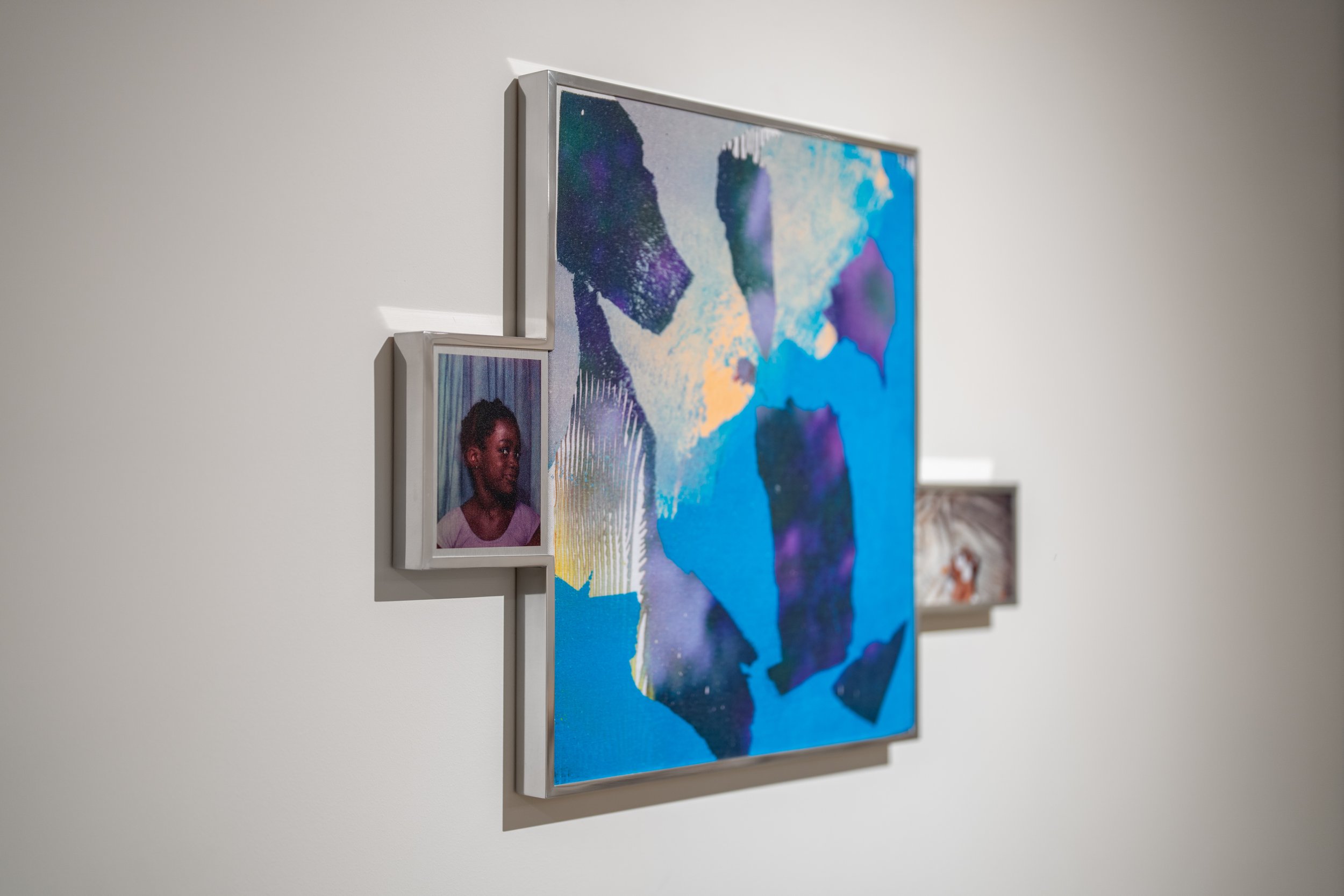
Shaniqwa Jarvis explores memory, identity, and self-reflection through a multidisciplinary practice that brings together photography, painting, collage, and textiles, drawing on personal experiences and childhood memories. In her exhibition Rest Assured, Progress Is Being Made at Anthony Gallery in Amsterdam, Jarvis reflects on growth, creative uncertainty, and the pressures of measuring progress. In conversation, she discusses the importance of intuition, the stories carried by materials, and learning to let go of control while continuing to evolve as an artist.
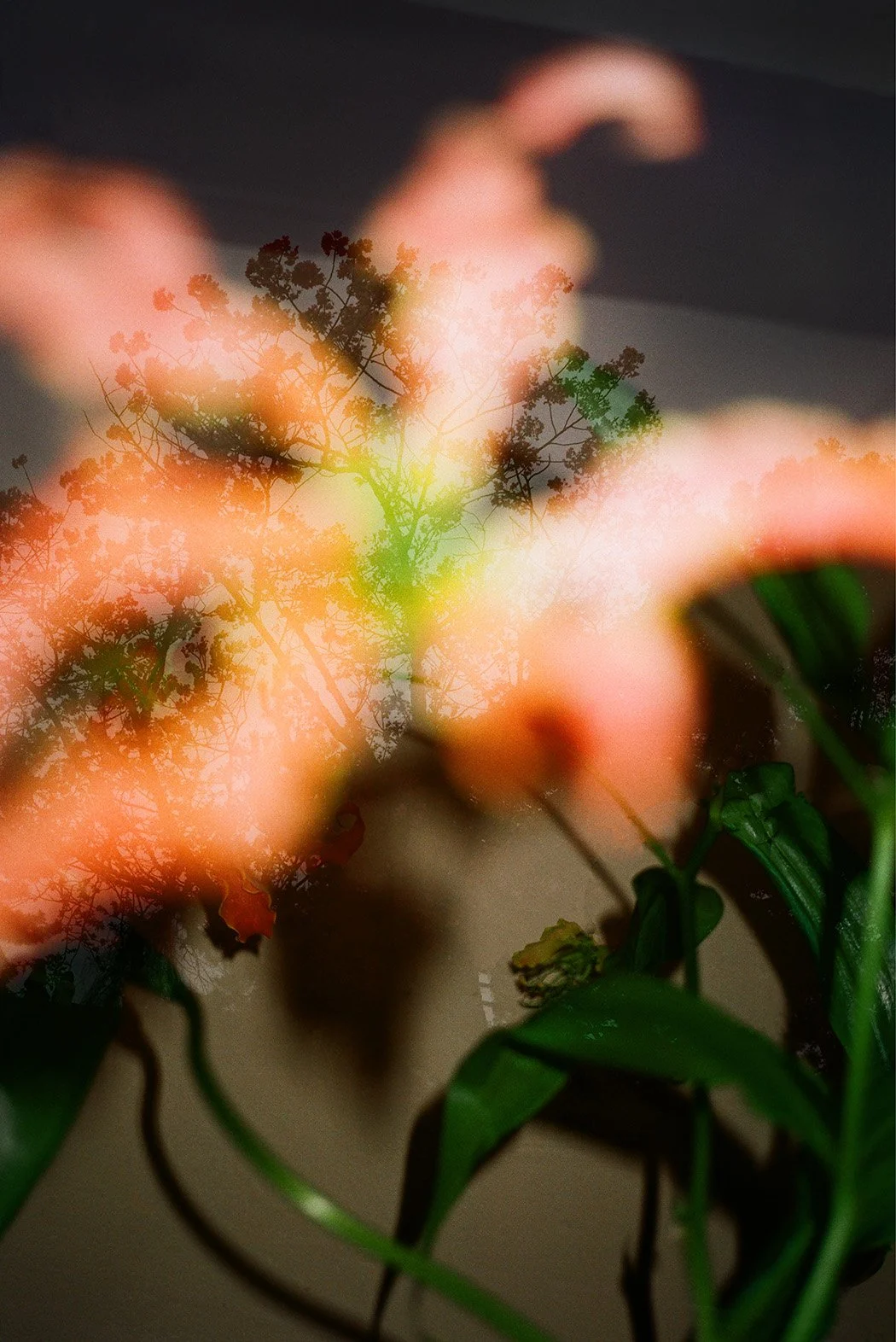
During the opening of your exhibition Rest Assured, Progress Is Being Made, at Anthony Gallery in Amsterdam, you talked about your 1999 “self-portrait” as a reminder that “everything is possible.” Is everything still possible today?
I think everything is still possible, but as I sit in what I’m calling the early Q4 of my life, I’m more aware that I don’t have as much time as I once thought. Maybe I’ll get to do everything on my ever-expanding list. I’d like to think so.
You shared that you walked through L.A. trying to find yourself. Did you? Or is finding yourself a constant work in process as well?
I think finding yourself is a constant process. When I walked through L.A. trying to find myself, I was in a transitional phase where everything seemed to hold different feelings and intentions. Looking back, I think I was trying to understand who I was becoming. I’m not sure you ever fully arrive at that answer, but you learn to recognise yourself along the way.
I’m interested in finding out more about the societal pressure you’ve been experiencing, and therefore the title of the exhibition, Rest Assured, Progress Is Being Made.
There are so many pressures we all deal with. While working on this show, I took the time to really look at what I was creating and how I was creating it. As an artist who left art school almost 26 years ago, the idea of progress being made feels both factual and comical. Artists are constantly being watched and asked, in one way or another, what’s happening with the work and whether it’s progressing. With this show, I wanted to answer that in my own way: yes, something is happening. Rest assured, I’m going to keep going, no matter what.
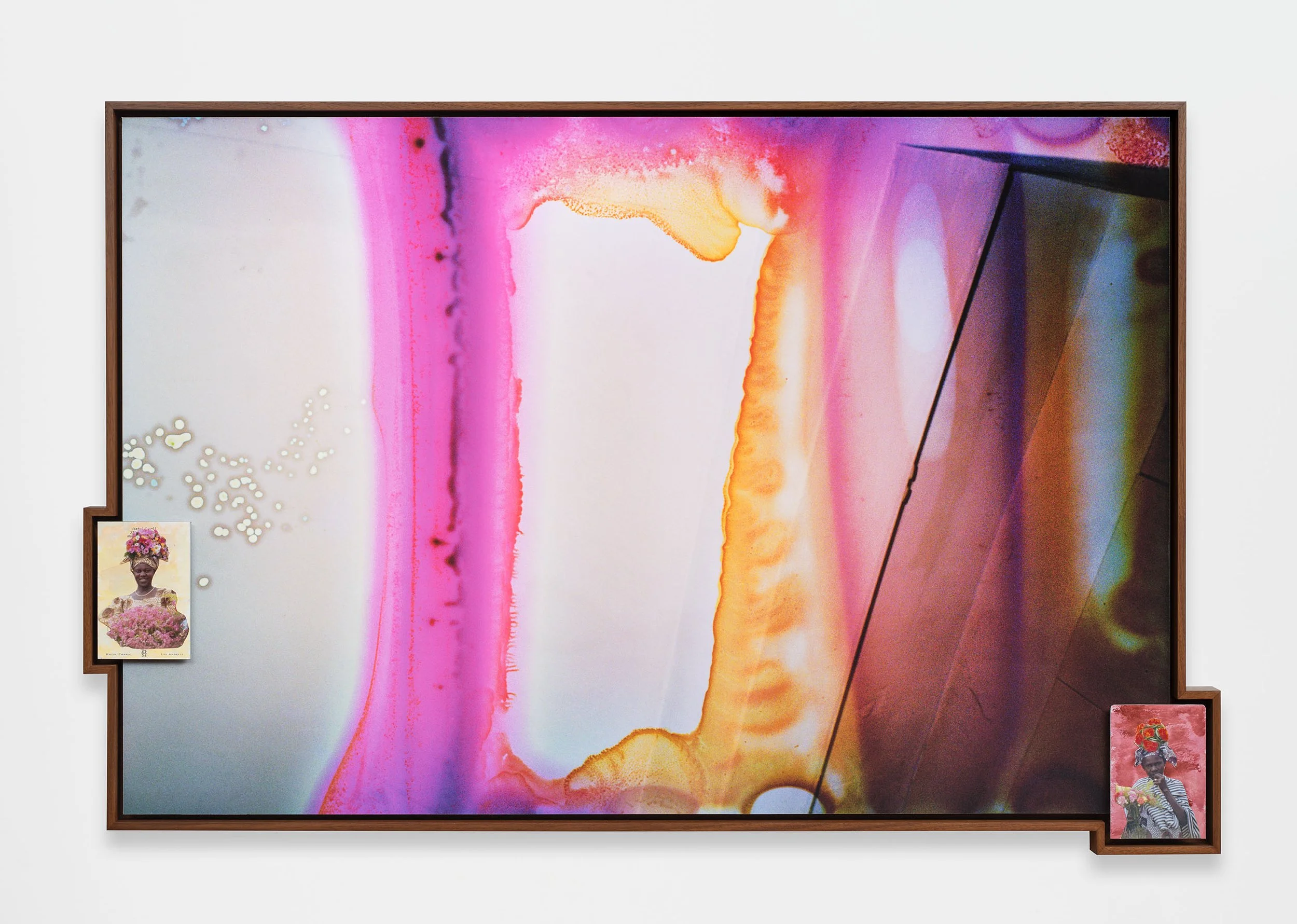
You mentioned you’re a control freak, but at the same time, you’re creating in a way that you almost never have an idea of the final result. What helps you lose that sense of control?
Maybe I should change that narrative and say I’m decisive. I usually know exactly what I’d like to see, but sometimes, when you’re living and experiencing the things you once hoped for, they don’t look exactly as you imagined. Learning to let go of that expectation is part of how I release the need to control everything. I can have an intention without needing to dictate exactly how it all turns out.
Can you tell me more about your book Guts?
I started working on Guts while I was working on my last show, Only Love Can Break Your Heart, at Public Gallery, and continued developing it alongside Rest Assured, Progress Is Being Made at Anthony Gallery. I’d spent the past year in a state of traumatic shock, rummaging through my feelings and questioning what and if I could have done anything differently. I kept coming back to this idea of listening to my gut more — leaning into intuition and leaving everything else alone. The book became a way of exploring what happens when you learn to trust that instinct.
Mirrors are symbolic in your work as well. Can you tell me more about what they represent to you?
I believe we’re meant to hold up mirrors to ourselves to become the best versions of ourselves. Sometimes that mirror is physical, and often it’s another person. I love working with that sentiment in my work. I love the idea that when someone sees themselves reflected in my work, it might also invite a moment of self-reflection — a chance to consider how we see ourselves, and who we are becoming.
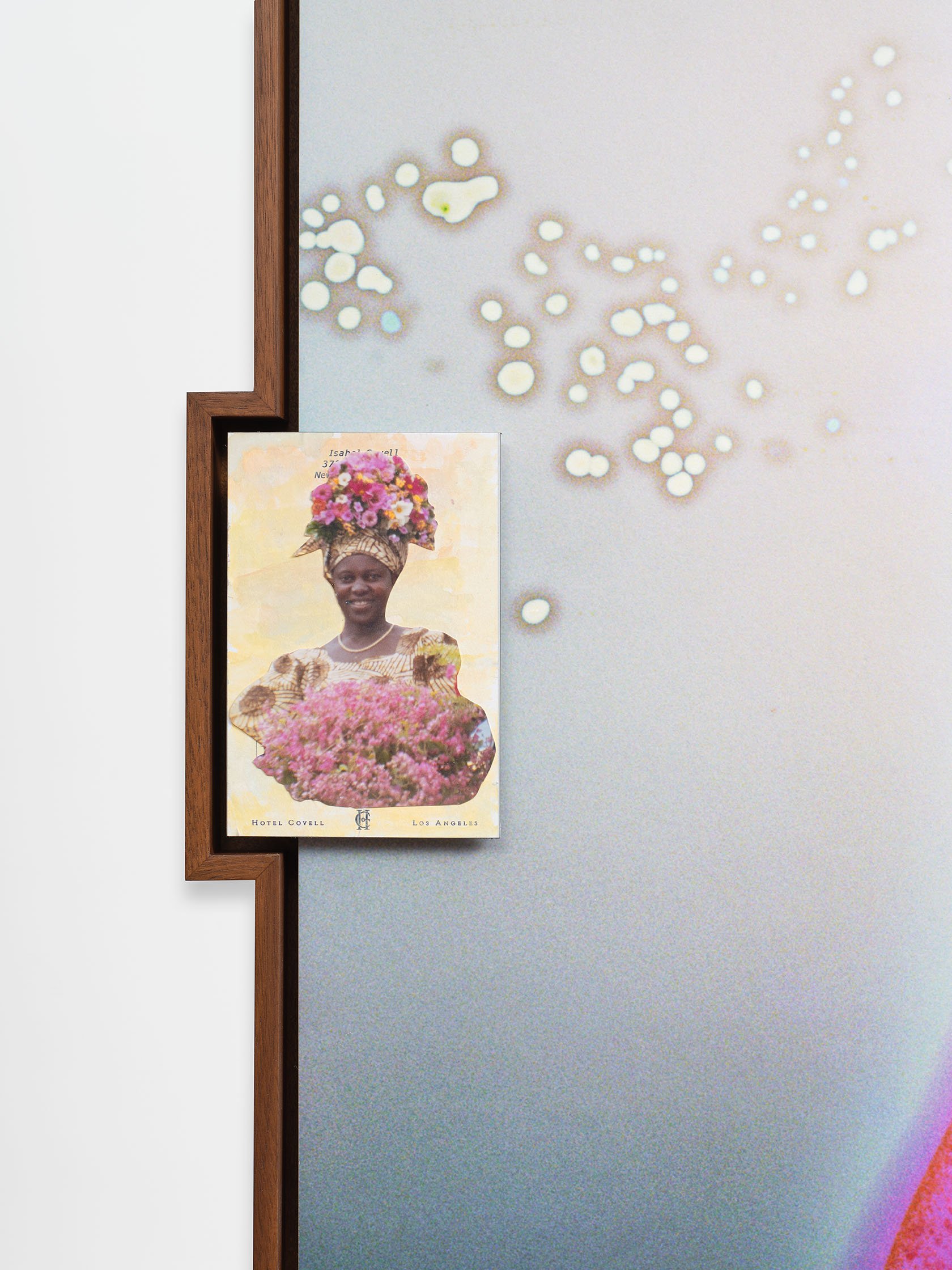
Silk is a special material in your work, as it brings back memories from your childhood, particularly of your grandmother. Can you tell me more about your relationship with this material?
Both of my grandmothers worked in service to others. My maternal grandmother was a tailor and seamstress, while my paternal grandmother worked for wealthy families since she was a young teen. When I think of their labor, I often remember washed laundry hanging on lines, fabric moving in the air, which was tended to and cared for. I also think about the long history of Black women’s labor and the ways our skill and care have so often been given in service to others.
I create from my own experiences and instincts, but my work ultimately lives in other people’s spaces. When I hang my silks, I wonder if I’m returning to something I absorbed long before I understood it. It feels like a shared language, with something of their skill and care continuing through my own work.
Does showing the process of your process make you more connected to your audience?
I don’t really like to show the process. I like leaving room for your imagination to run wild. I want people to experience the work in their own way rather than feel that everything has been explained to them.
Working across different media, from photography, including childhood photographs and damaged negatives, to prints from earlier projects, painting and collage, mixing materials such as fabric, towels, silk, and paper, I wonder whether each of these mediums communicates a different part of you?
I think each medium speaks to what’s hard and what’s soft, what’s exhausted and what’s energetic. I tend to return to things, as I think we all are inclined to do. Many of these materials are things I experimented with in school and then forgot about. Returning to them now, I can see something in them that I couldn’t see before. Giving yourself space to grow, return, and take what’s useful is important to me in my practice.
If a work is never finished, and always in progress, how do you know when to stop?
Deadlines help.