
IN CONVERSATION WITH SINIA ALAIA AND GG PALMER
interview by MAREK BARTEK
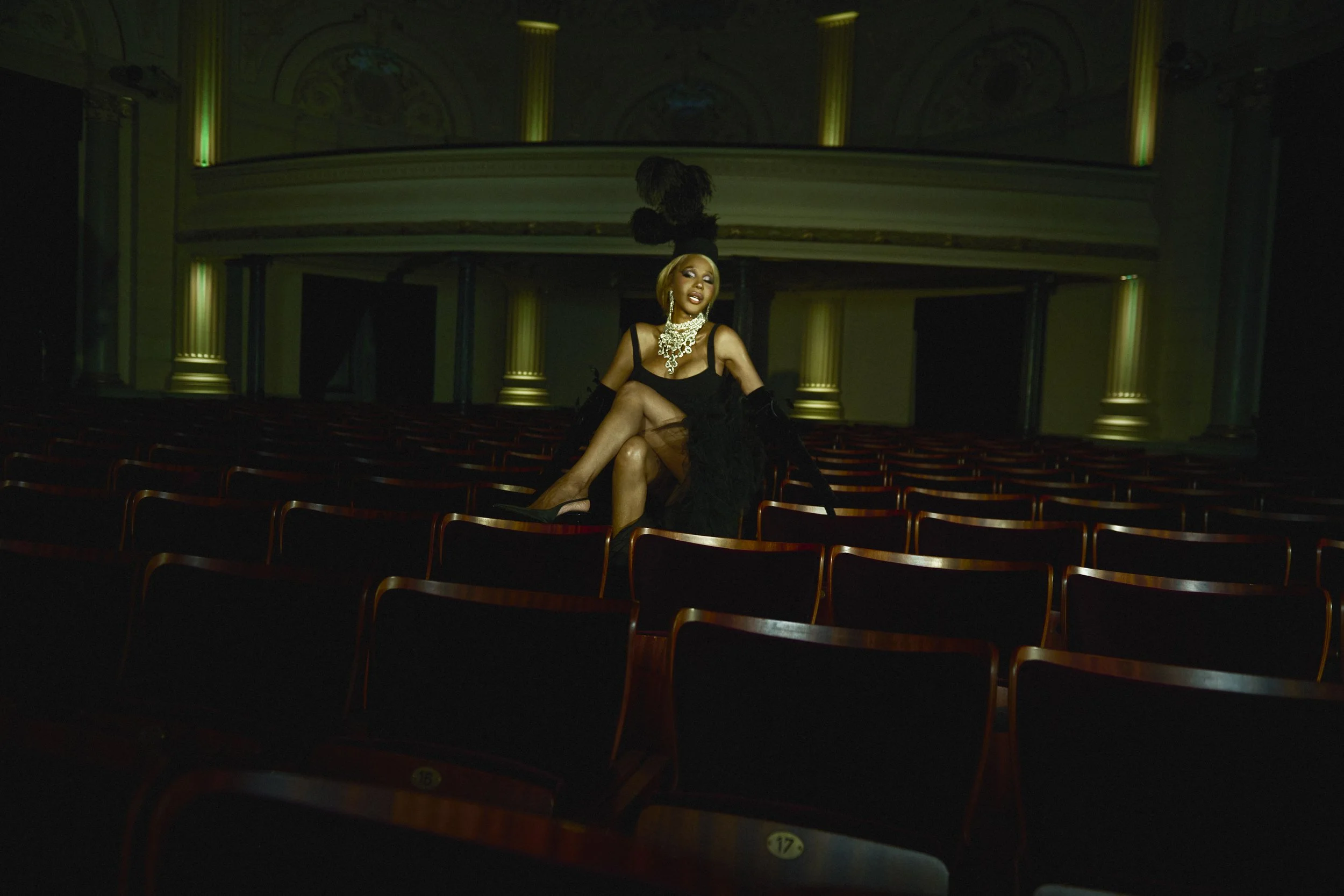
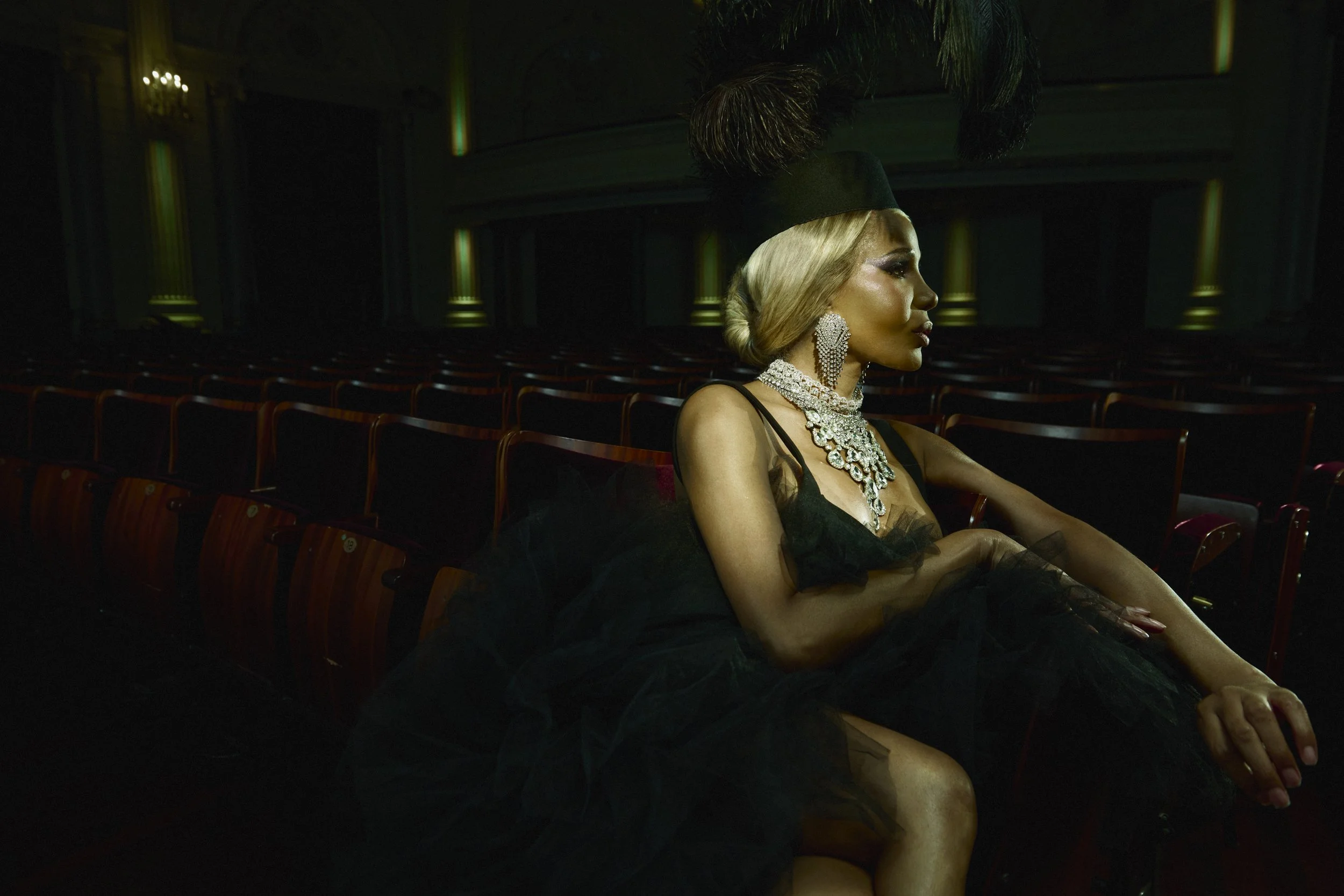
On Friday, August 7, 2026, the Opus 1 Ball brought ballroom to Amsterdam’s Concertgebouw for a historic first: performers competed to music played by a live orchestra. Among the evening’s many guests were GG Palmer, the first — and, for now, only — triple legend of Europe, and Sinia Alaia, whose ballroom history reaches back to 1980s New York. Photographed by Dion Bal, we caught up with both icons to discuss this extraordinary evening, and how something magical can happen when two seemingly unrelated worlds meet with respect, curiosity and love.
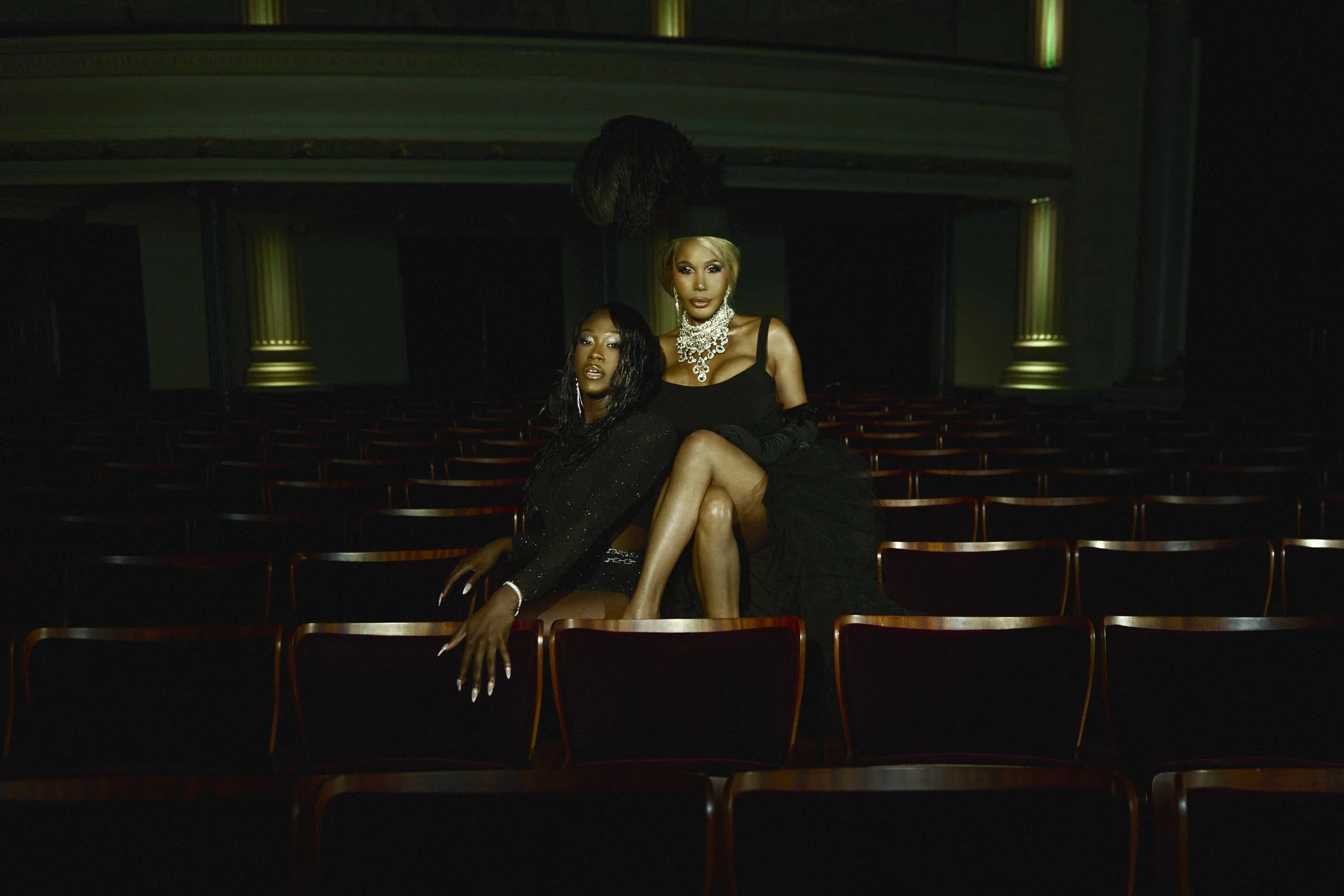
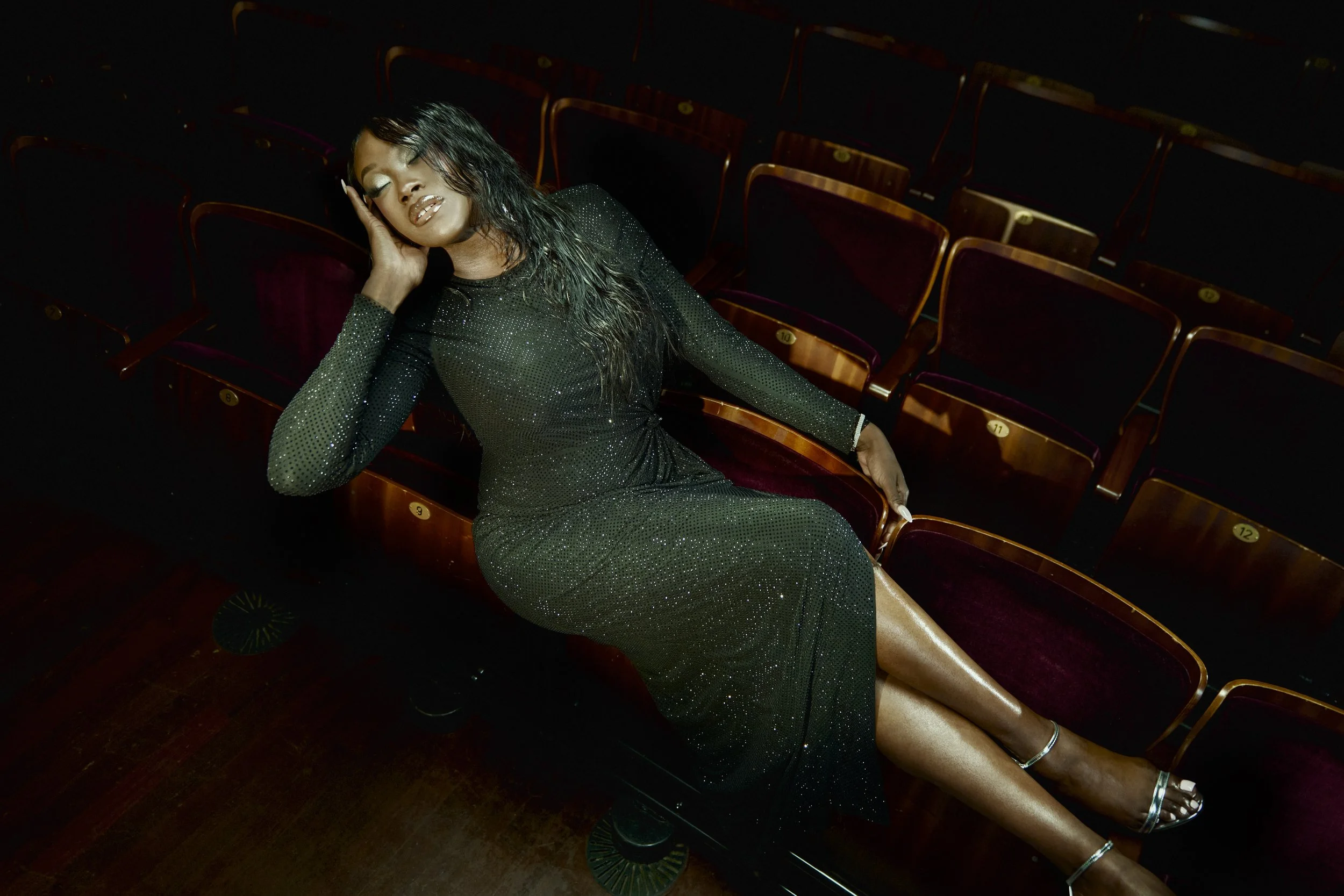
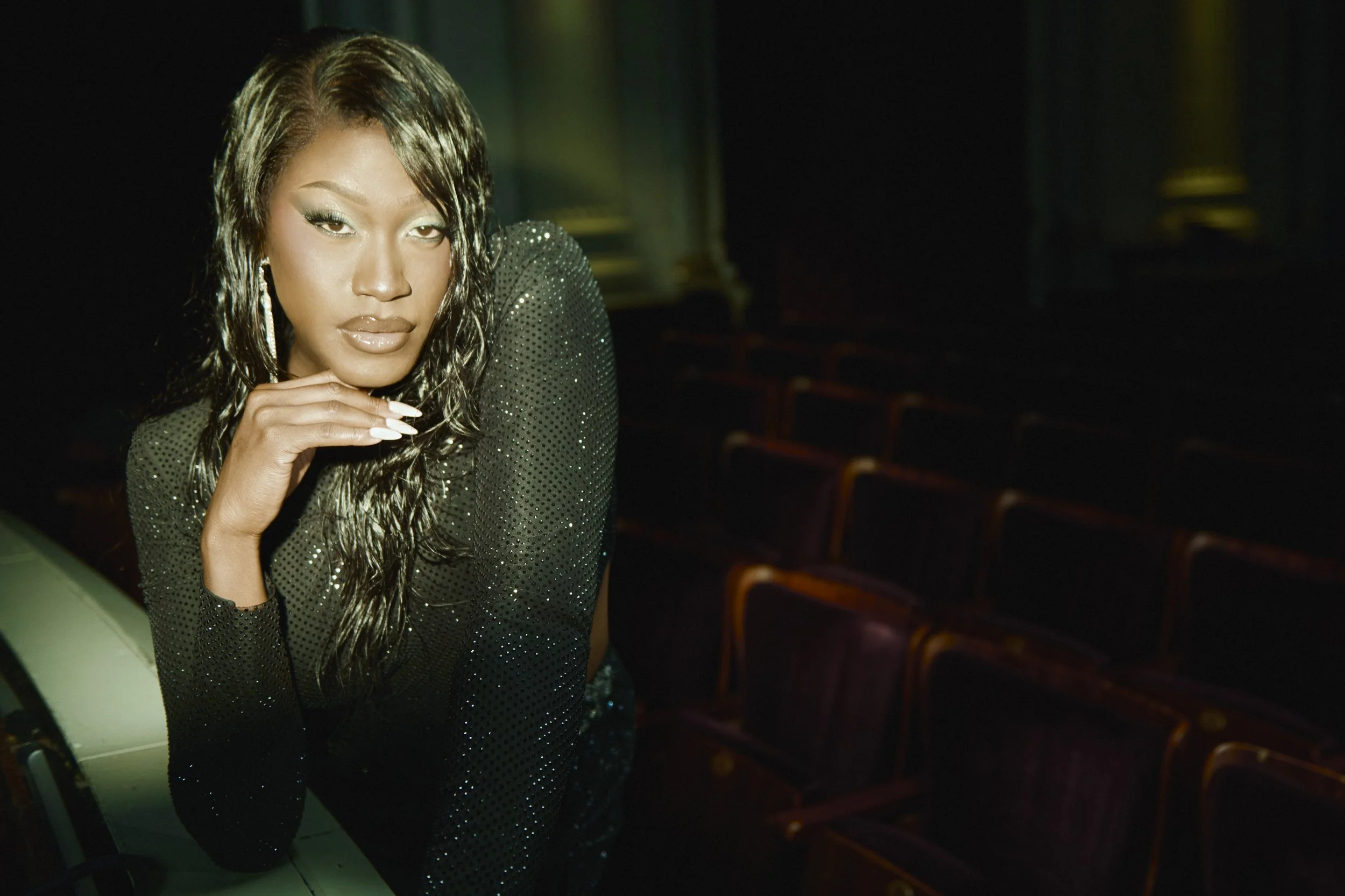
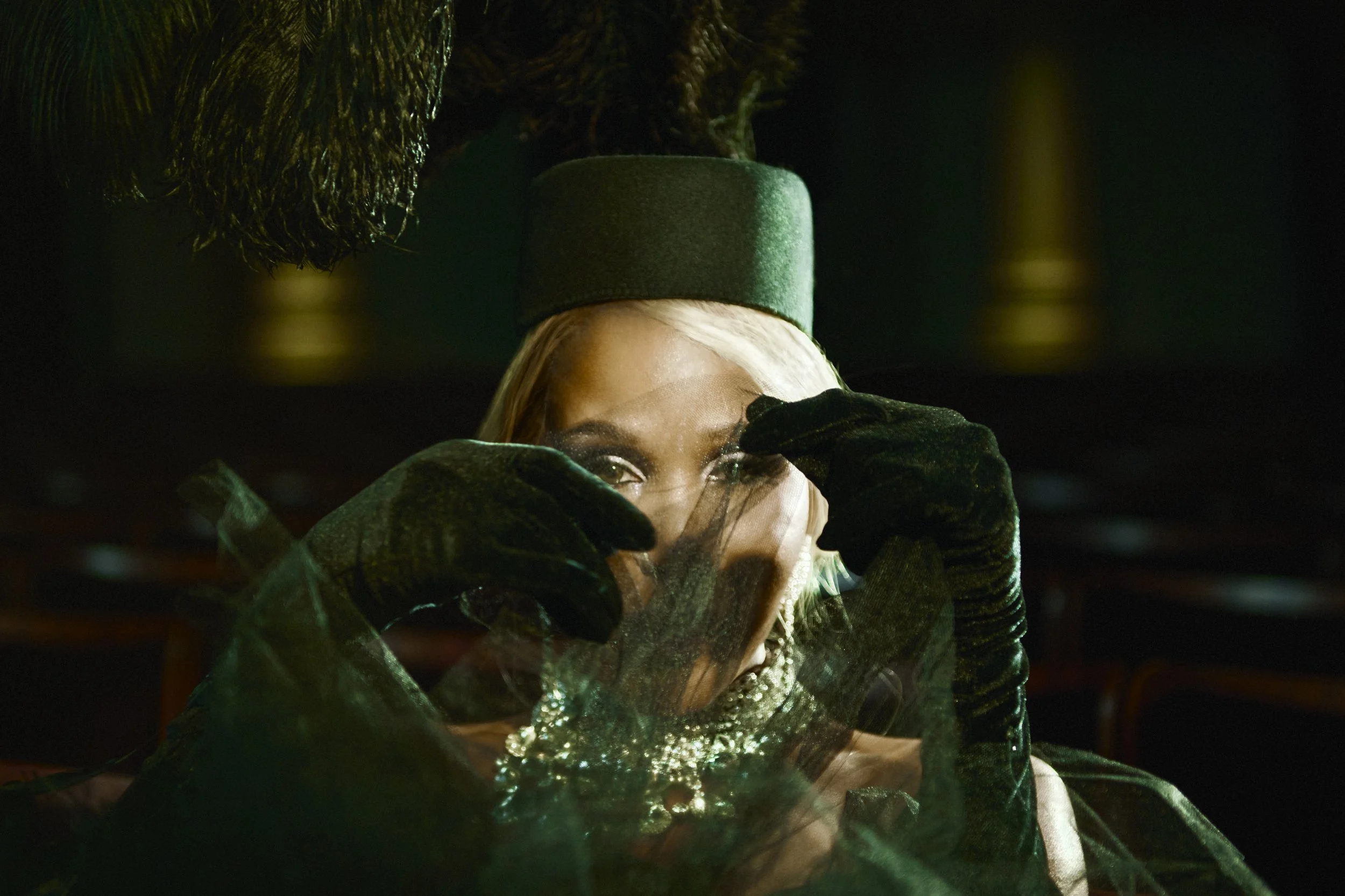
Sinia Alaia:
hat STORM NIJHUIS
gloves C'EST JEANNE
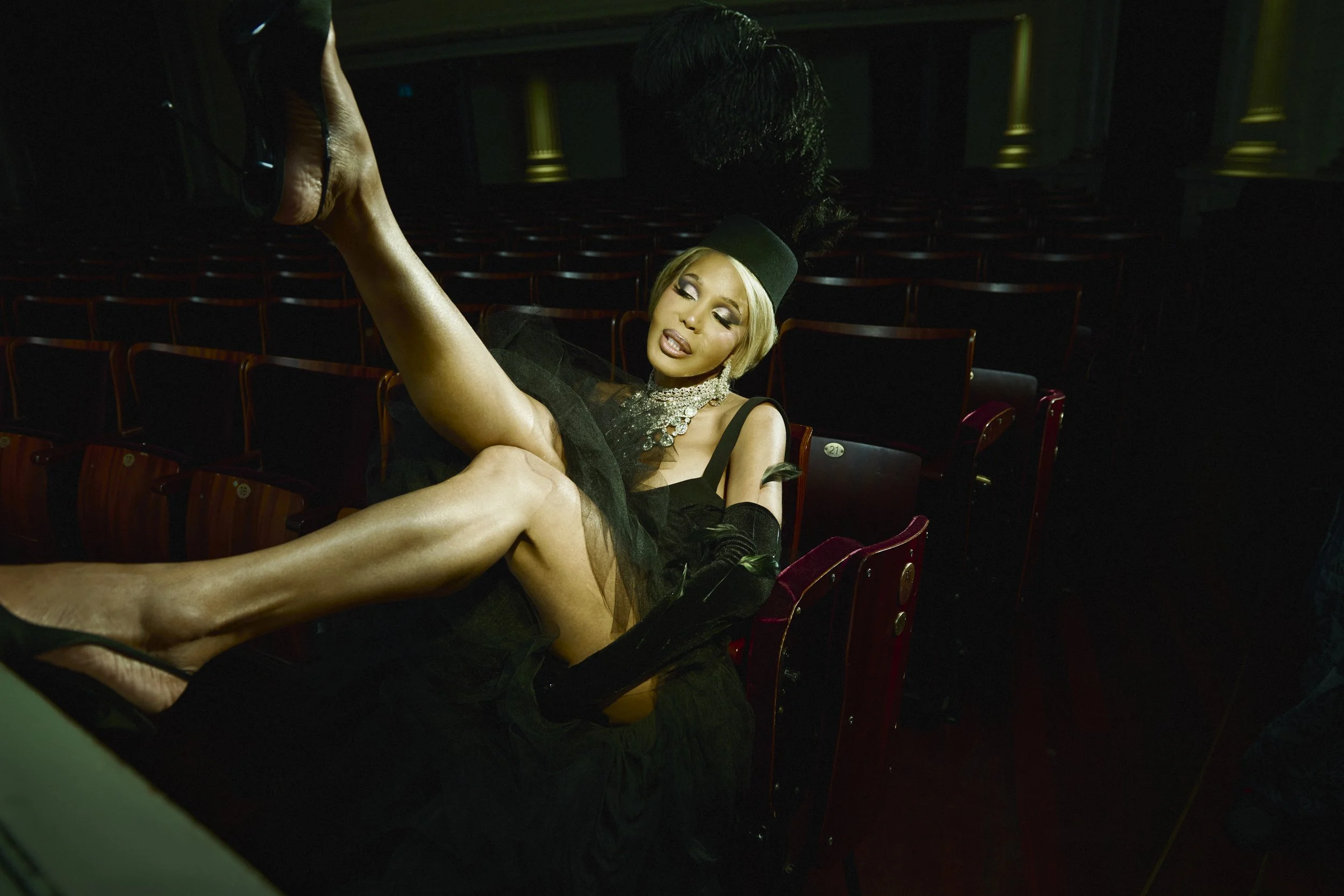
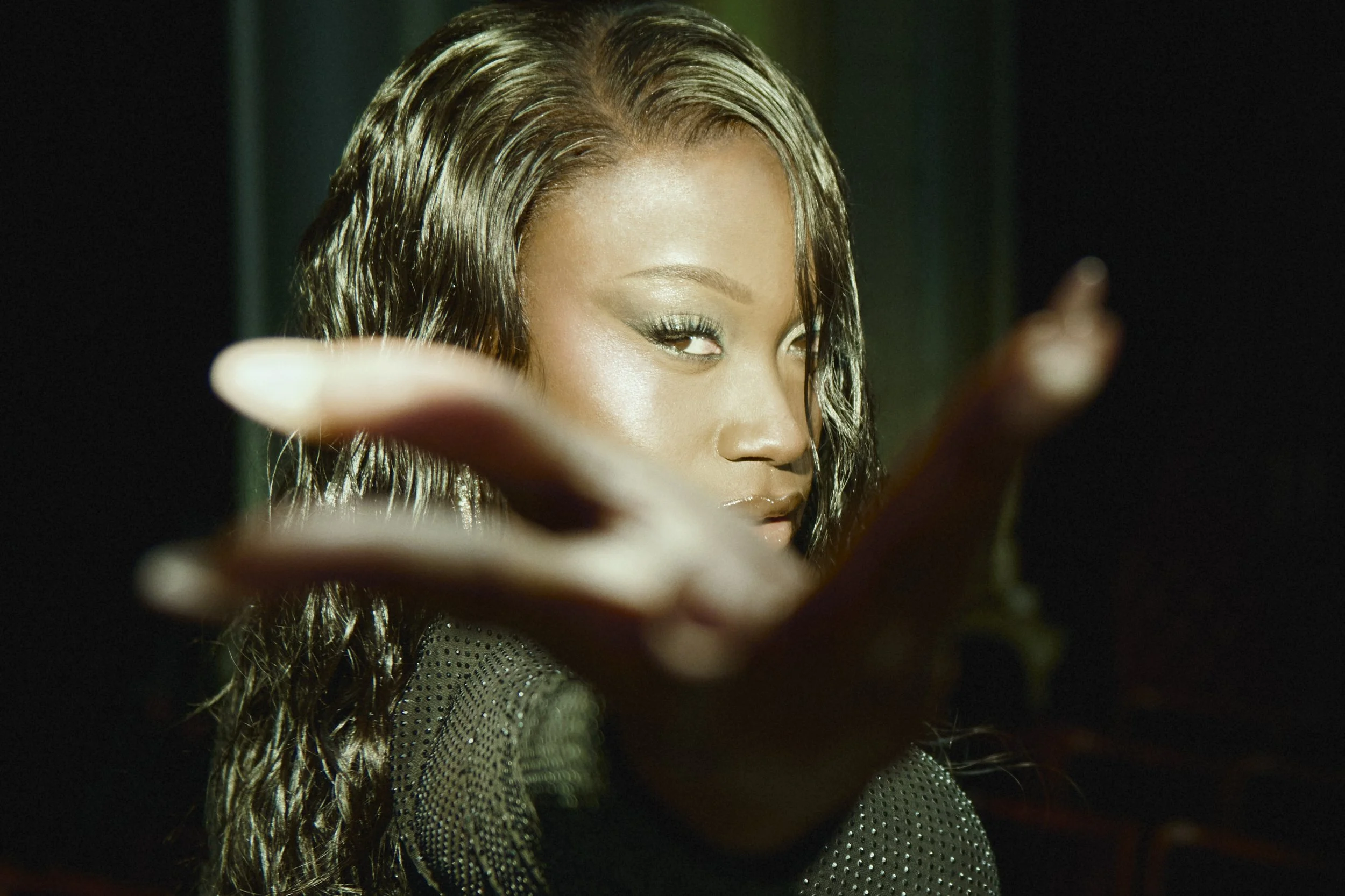
GG Palmer:
full look SELF-PORTRAIT
Take us back to the beginning. How did you first discover ballroom?
GG PALMER: I discovered ballroom back in 2012. I was so young and scared at first. I was like, what is this? It’s too much colour, too much fire, too much glitz and glam and shade. When I first saw it, I thought, I can’t do this. Maybe I was scared of my own truth. But after a while, I went to another ball. Then another one. Then another one. Ten years later, I’m the first and only — for now — triple legend of Europe. Period.
SINIA ALAIA: Well, I came across ballroom at a completely different time than GG. A friend from around my way took me to the Village, where LGBTQ+ people would hang out. It was the first time I realised I was not the only one. It was this lightbulb moment, like entering wonderland. Ballroom was a place for us to sharpen our tools and discover skills we didn’t know we had. Who knew we could dance this way? Who knew we could become this beautiful? You could channel dreams the world probably told you were impossible. My first ball was back in 1989. I was 12 years old.
I walked realness, and I won, of course. The girl who won grand prize told me, ‘We already know the most known one will always win.’ I’m 12 years old, happy, but that took something away from me right there. She let me know: baby, it’s cute, but if you’re not known, the one who is known will always win. Funnily enough, I went on to be her mother when I became the mother of the House of Ebony — a true full-circle moment.
GG PALMER: Sinia was one of the people I met early in my ballroom journey and my transition. She has always been the great auntie, the fun auntie who keeps it real with you, but guides you in the most positive way possible. She doesn’t make room for negativity.
Because for many it’s such a life changing experience, I can only imagine you build really strong relationships with each other.
GG PALMER: You have to live it to understand. Some people only have ballroom. When we got there, we didn’t know what we were looking for. Ballroom helped most — if not everybody — find themselves. In this community, we’re going to celebrate ourselves. Of course, it’s a competition, so I hate to say it, but it isn’t always a safe place. Beyond the competition, it depends on who you surround yourself with. I chose safe people, because ballroom is a chosen family.
SINIA ALAIA: Ballroom is a very passionate place. You could see Friday night how much passion and love was rooted in that whole moment. When you pull those emotions together, naturally things can get out of hand. So yeah, it is important to surround yourself with people who are there to uplift you.
And what does a house and chosen family mean to each of you?
GG PALMER: With a chosen family, you choose the people you want around you. You get to raise people — I have a lot of kids that I raised, literally. You learn more about yourself, compete together, meet people and help people. You choose those people and create memories with them.
Being in the House of Revlon has been such an honour. We represent the name internationally, and you carry that on your back. Sometimes it gets hard, but it comes with the territory. You make the best of it by raising kids who can carry the legacy of our time.
SINIA ALAIA: For me, being in a house doesn’t automatically make it your chosen family, because that’s a choice. When I was mother of the House of Ebony, there were many people I wasn’t close to. That wasn’t an issue; we just didn’t have that relationship. People from LaBeija, an earlier house of mine, were more my chosen family. We would eat and hang out together. A house can simply be the house you represent.
What is the biggest change you have seen in ballroom?
SINIA ALAIA: Ballroom has truly become front and centre: Pose on primetime television, ballroom reimagined through Cats on Broadway, performing at the Tonys. For it to go from underground to all across the world is beautiful. And look at the evolution of vogue — from a four-count to people twirling, spinning, doing backflips and jumping off things. It’s taken on a world of its own.
Pose brought ballroom history and culture to a much wider audience. What did the series mean to you?
GG PALMER: I feel like Pose showcased ballroom in the best way. People from ballroom helped the production portray the reality of our lives. If you want to understand ballroom, to me, you have to watch Paris Is Burning, then Pose, then go to a ball. If you go straight to a ball, you’re going to be lost.
SINIA ALAIA: Listen, Pose was so powerful. A friend who bullied me when I was younger watched it, reached out on Instagram and apologised. She realised how much we had to endure just to be ourselves. Pose gave her a visual of that. That was very powerful.
I was in all three seasons, and the most amazing part was spending time with young LGBTQ+ people I might never have met otherwise. I got to pour into them and share lessons from my own experiences. Of course, there was some drama — where there’s passion and love, there will be drama. But it was beautiful. I wouldn’t trade it for the world.
Has ballroom shaped who you are beyond the scene?
GG PALMER: Whatever the gig — modelling, acting, hosting, creative direction — I arrive with confidence. I don’t fear anything. Ballroom made me like that; it’s a tool I use every day. Even being trans, I’m not scared to walk anywhere. I am who I am. You don’t have to like it, but you have to respect it.
It’s glam, shade, feathers and all those other things but ballroom is one of the most influential communities right now. Everybody gets inspired by it. Everything is ‘House of’ now: makeup artists, campaigns, everything. ‘House of’ is ballroom-coded. That’s how I know our influence is real.
SINIA ALAIA: It’s an honour and a privilege I never take for granted. I’m grateful that simply living my life made a difference — that all my strife and struggles were not in vain. I have these pinch-myself moments: oh my God, wow. Just living your life created this for you. It’s an unbelievable feeling.
What did it feel like to experience the Opus 1 Ball at the Concertgebouw?
GG PALMER: It was perfect. So much happens in New York and Paris, but Amsterdam had one of Europe’s first ballroom scenes, so having it there was special. The first time ever with a full live orchestra — it was deeper than people might think. It was not just a gig. It was bigger than that. It showed that people want to work and collaborate with us, and that there is always room for something new.
I was the first to do many things — the first to open the Olympics, the first to win a ball at the Olympics. To be the first to host this event was another blessing. Years from now, I’ll still be proud that I was there.
SINIA ALAIA: I saw very little of the rehearsals, so I experienced it for the first time with the audience. Hearing the orchestra play the songs we usually dance to was out of body. Afterwards, people stopped me to say they had cried and been moved to tears. It was beyond what I expected. Even my performance was improv. The ballroom spirit took over the evening, it snatched me up.
Was there a category that captured the orchestra-and-ballroom connection for you?
SINIA ALAIA: Lip sync. They had two days to learn those songs, but you would think they had known them forever. It was a prime example of how anything driven by love can intertwine. Ballroom and classical — whoever thought those two could come together? But it was a love child, and it became this beautiful, historic moment.
What do you hope people who encountered ballroom for the first time that night took home?
SINIA ALAIA: I hope they understand that more of this is necessary. We’re naturally all different, but love is the key. We should support each other despite our differences. You may not understand us or live this lifestyle, but you know that we are human-loving individuals just like everyone else.
GG PALMER: We don’t yell for no reason. Come and form your own opinion live instead of through Instagram, where everything becomes viral without people really experiencing it. Come see us. Come with a friend or two, or even alone, so you can get in, vibe and experience ballroom for yourself.
What do you hope for ballroom’s future?
GG PALMER: What we just did in Amsterdam has to be done every year around Pride. People come from all around the world. This has to be done.
SINIA ALAIA: I hope it gets bigger and more accepted without being taken away from the people who created it. When things go mainstream, the people who brought them to the surface are often erased. Ballroom must remain aligned with those who put their passion, blood, sweat and tears into it.
And for someone curious about entering ballroom?
SINIA ALAIA: Come one, come all. You are welcome. It’s a place to discover yourself and build confidence you never thought you had. For the youth involved now, focus on living. I simply lived — and look how that turned out. Enjoy your life and know that greatness could be waiting on the other side.
TEAM CREDITS:
talents SINIA ALAIA and GG PALMER
creative direction ZOË BAB and DION BAL
photography DION BAL
styling JAN HÜRXKEN
hair FELITIA GRACE
makeup THIRZA KING
interview MAREK BARTEK
artistic story and ballroom ZELDA DAPAAH FITZGERALD at FOR ALL QUEENS!
artistic direction Sinfonietta CANDIDA THOMPSON at AMSTERDAM SINFONIETTA
creative direction and executive production ZOË BAB
overall consultant and executive direction PERRY GITS
project management PRISCILLA MACINTOSH
production and artist handling TYRA KONING
produced by BLACK PRIDE BALL AMSTERDAM, FOR ALL QUEENS!, AMSTERDAM SINFONIETTA and HET CONCERTGEBOUW