
Interview by Samo Šajn
Since launching in 2021, Sondela Recordings has grown into an independent platform championing African electronic music and the artists shaping its future. Now celebrating its fifth anniversary, the label is entering a new chapter with the launch of Sondela Volt, its expanding Africa Tour and its first full-length album, COMMON GROUND by Thakzin. We spoke with the Sondela team about the label’s journey, supporting emerging talent, its growing connection with fashion and what comes next.
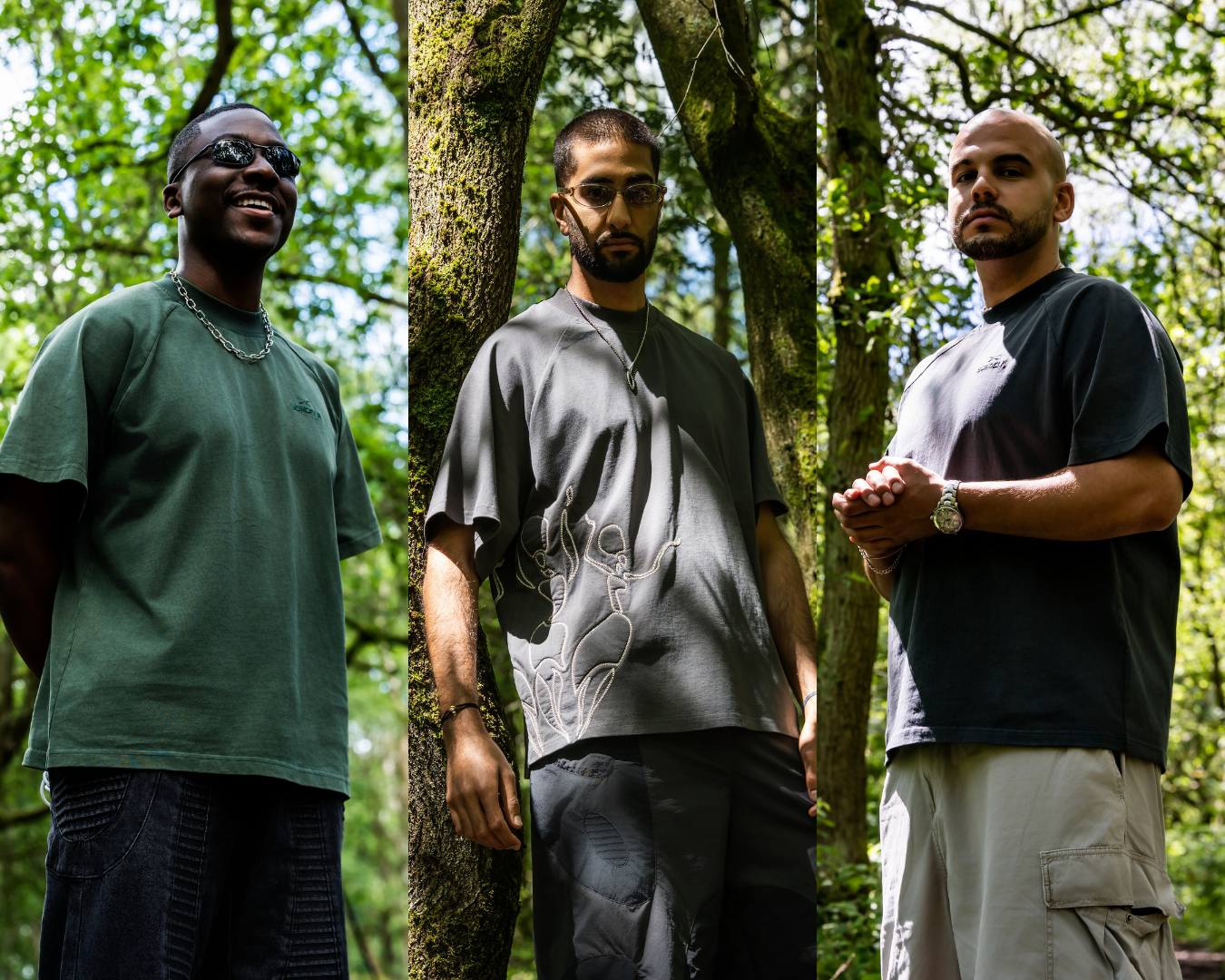
Sondela Recordings started in 2021 under Defected Records and is now an independent label. How has Sondela Recordings changed since the beginning?
Sondela’s core values remain exactly the same. We have always championed African-inspired electronic music and worked to promote it globally through our releases, events and social platforms. Starting within a large-scale operation like Defected gave us the opportunity to learn the processes and infrastructure needed to execute that properly on an international level.
Since becoming independent, our team is much smaller, but everyone involved is now solely dedicated to the Sondela project. That has allowed us to become more agile, make decisions faster and have greater control over the direction of the label. So while the values and quality of our output haven’t changed, the way we operate has become much more focused and hands-on.
Today, Louie Dunmore and CLEIDO lead Sondela Recordings, with Dillan Desai working across A&R and promotions. How do you each contribute to the label?
Sondela consists of a team of five people who are all essential in making the business run. Louie and CLEIDO were the original members of the team following the move to independence. As the founder, Louie oversees the overall strategy and operations of the business. CLEIDO works closely alongside him on this, while having a particular focus on Sondela’s creative and marketing output. Together, they make the key decisions around the direction of the label, our events, locations and lineup curation.
Dillan joined more recently as part of the A&R team alongside Louie and CLEIDO, helping us make decisions on the records we feel best represent Sondela. He also focuses heavily on promotions, making sure those records reach the right DJs, radio stations and tastemakers. Mark Long and Timeri Weinmann are equally important parts of the team, overseeing the legal and marketing sides of the business respectively. As an independent label with a relatively small team, everyone plays a very hands-on role, and each part is essential to keeping Sondela moving forward.
Sondela Recordings has always focused on the different sounds coming from African electronic music. What excites you most about the scene right now?
African electronic music has such a broad spectrum of sounds. It can range from deeper music you might listen to while relaxing at home, all the way through to records made for 5am in a club. What excites us most is how quickly that spectrum continues to expand. New sounds and subgenres are constantly emerging, while relatively unknown producers can suddenly appear with music that feels completely fresh.
There is still so much to discover. We genuinely feel that we are only near the beginning of understanding the full potential of African electronic music, both across the continent and internationally, and we’re very proud to play a part in representing it globally.
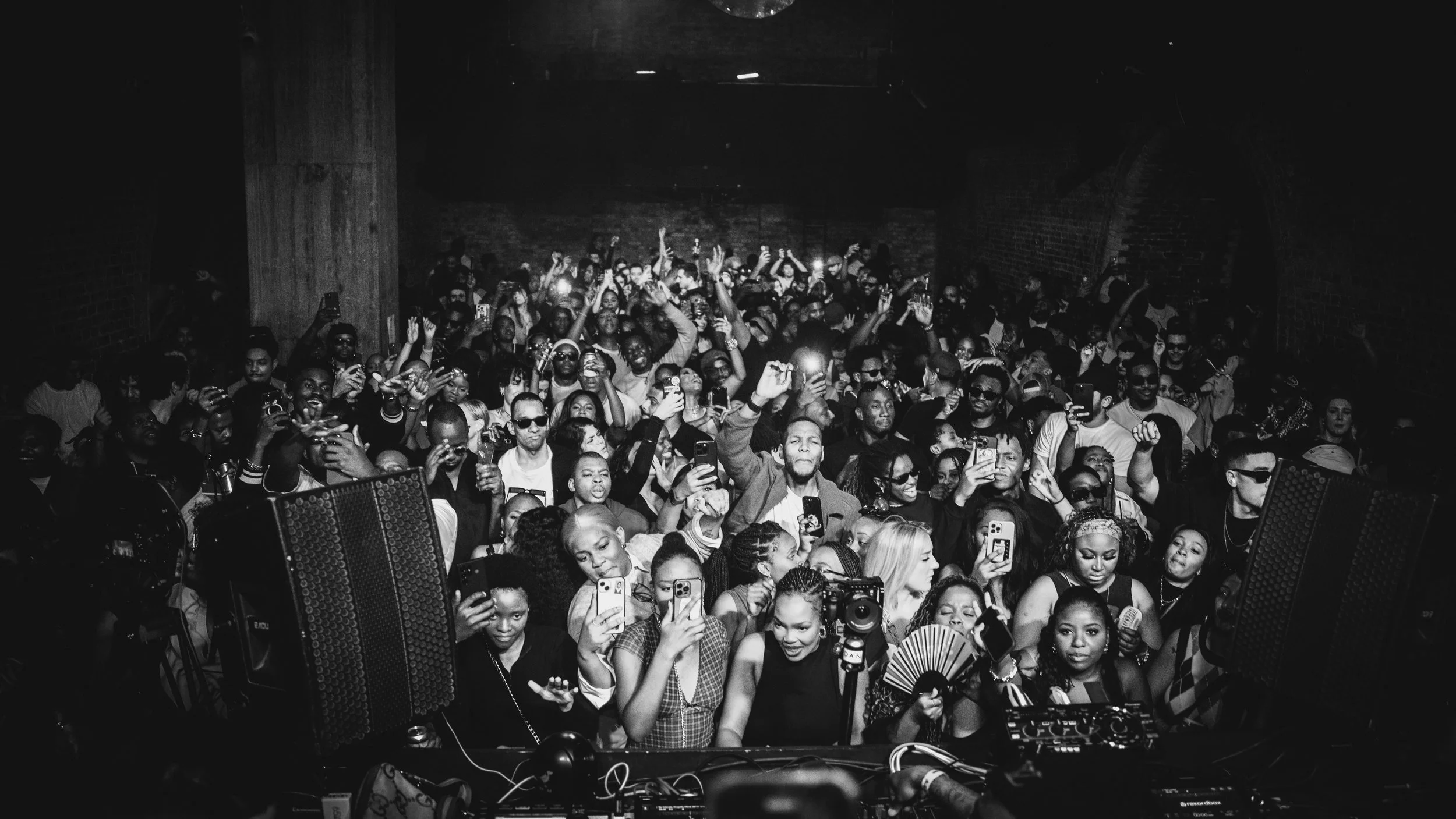
You’ve just launched Sondela Volt, focusing on deeper, darker and more club-focused music. Why did you feel this was the right time to launch Sondela Volt?
We were receiving a lot of incredible music that deserved a platform, but we also realised that not every record needed to follow exactly the same release model as the main Sondela Recordings label. A main-label release often comes with a much broader campaign around it, from mastering and marketing through to content, press and additional promotional spend. Sondela Volt gives us the freedom to be more agile and release records that are primarily built for clubs and DJs without forcing them into that same structure.
The sonic direction is deeper, darker and more dancefloor-focused, but the standard remains the same. Sondela Volt releases still go through our A&R process and are promoted to the same network of DJs and tastemakers. It simply gives us another way to support great music and develop artists.
Why was ‘Ascendance’ by Phila De Giant and Ayden J the right track to launch Sondela Volt, and what are you looking for in the artists you sign to the imprint?
‘Ascendance’ felt like the perfect introduction to Sondela Volt because it immediately communicated the direction we wanted to take. It is powerful, dark and built for the club, with the kind of tension and energy that can completely shift a dancefloor at the right moment. That track-first approach also defines how we choose artists for Sondela Volt. We are not looking for a particular level of profile, following or previous success.
If we genuinely love the record and it represents the sound and direction of the imprint, then we want to release it. Of course, professionalism, good communication and a real desire to develop still matter, but ultimately the music comes first. That gives us the freedom to place established artists alongside completely new producers without treating either differently.
Sondela Recordings has hosted showcases in Johannesburg, Cape Town, Nairobi, Amsterdam, London and Ibiza. What have these different dancefloors taught you about the Sondela community?
They’ve taught us that the Sondela community is much broader than one particular city or type of dancefloor. Every territory reacts differently. What works at 2am in London might connect completely differently in Johannesburg or Nairobi, and that has taught us not to approach every event with the same formula. We want each show to have a local identity while still feeling unmistakably like Sondela.
At the same time, there is a common thread wherever we go. The people coming to our events are curious, open-minded and genuinely interested in discovering music. Seeing records we believe in connecting across completely different cities has probably been one of the most rewarding parts of building Sondela.

The Sondela Africa Tour returns for its third year, expanding to Maputo and Durban alongside Johannesburg, Cape Town and Nairobi. Why is bringing Sondela Recordings back to Africa so important?
Africa isn't simply another territory on the Sondela touring calendar. It is fundamental to what the label represents. So much of the music we release, the artists we work with and the culture surrounding Sondela originates from the continent, so it is important that the relationship isn't one-directional. We don't only want to take African electronic music to audiences internationally; we want to continually invest back into the scenes and communities that inspire the label. This year feels particularly significant because it is our third consecutive Africa Tour and also marks five years of Sondela. We return to Nairobi, Johannesburg and Cape Town, where genuine communities have grown around the events, while entering Maputo and Durban for the first time.
Those new cities also represent different parts of the wider story. Maputo gives us an opportunity to begin building a stronger connection with Mozambique and the wider Lusophone and PALOP community, while Durban allows us to celebrate a city and sound that has had an enormous influence on South African electronic music. For us, growth isn't simply about adding more dates. It is about building relationships that we can return to year after year. Our ambition has always been for Sondela to be global, but firmly rooted in Africa.
You’ve grown beyond music releases through Sondela LIVE, Sondela RADIO, Sondela Spotlight and Sondela STORIES. Why is building this wider community important to you?
Because we don't believe a record label should only communicate with people when it has something to release. There are so many artists, scenes, stories and sounds surrounding African electronic music that can't be represented through releases alone. Sondela LIVE allows people to experience our events both in person and from the comfort of their homes. Sondela RADIO and Sondela Spotlight give us space to showcase DJs releasing under the label, while Sondela STORIES allows us to give more context to the people and cultures behind the music.
Together, those platforms create a much more complete picture of what Sondela represents. Ultimately, we want people to trust Sondela as a place for discovery. Whether that is discovering a new artist, a record, a city, a DJ or a story they weren't previously aware of, building that wider community is what gives the label a life beyond its catalogue.
You’ve recently collaborated with Xonotu, bringing together two worlds that increasingly intersect across music, fashion and culture. What drew you to Xonotu as a creative partner, and what did you want the collaboration to communicate about Sondela beyond the music?
There was already a personal connection between Louie and Xonotu founder Kim Grisdale from their time at university together, but beyond that, the collaboration made sense because both brands share a similar approach to creativity. Xonotu places a lot of importance on creating pieces that feel distinctive, particularly through texture, construction and stitching, rather than simply following what already exists in fashion.
We approach Sondela in a similar way. Whether it is the music we release, the artists we programme at our events or the visual world around the label, we are always trying to present something that feels considered and forward-thinking. The collaboration was also an opportunity to show that Sondela can exist beyond music. Music will always be at the centre of what we do, but there is a wider cultural identity around the label that can naturally extend into fashion, design and other creative spaces when the partnership feels right.
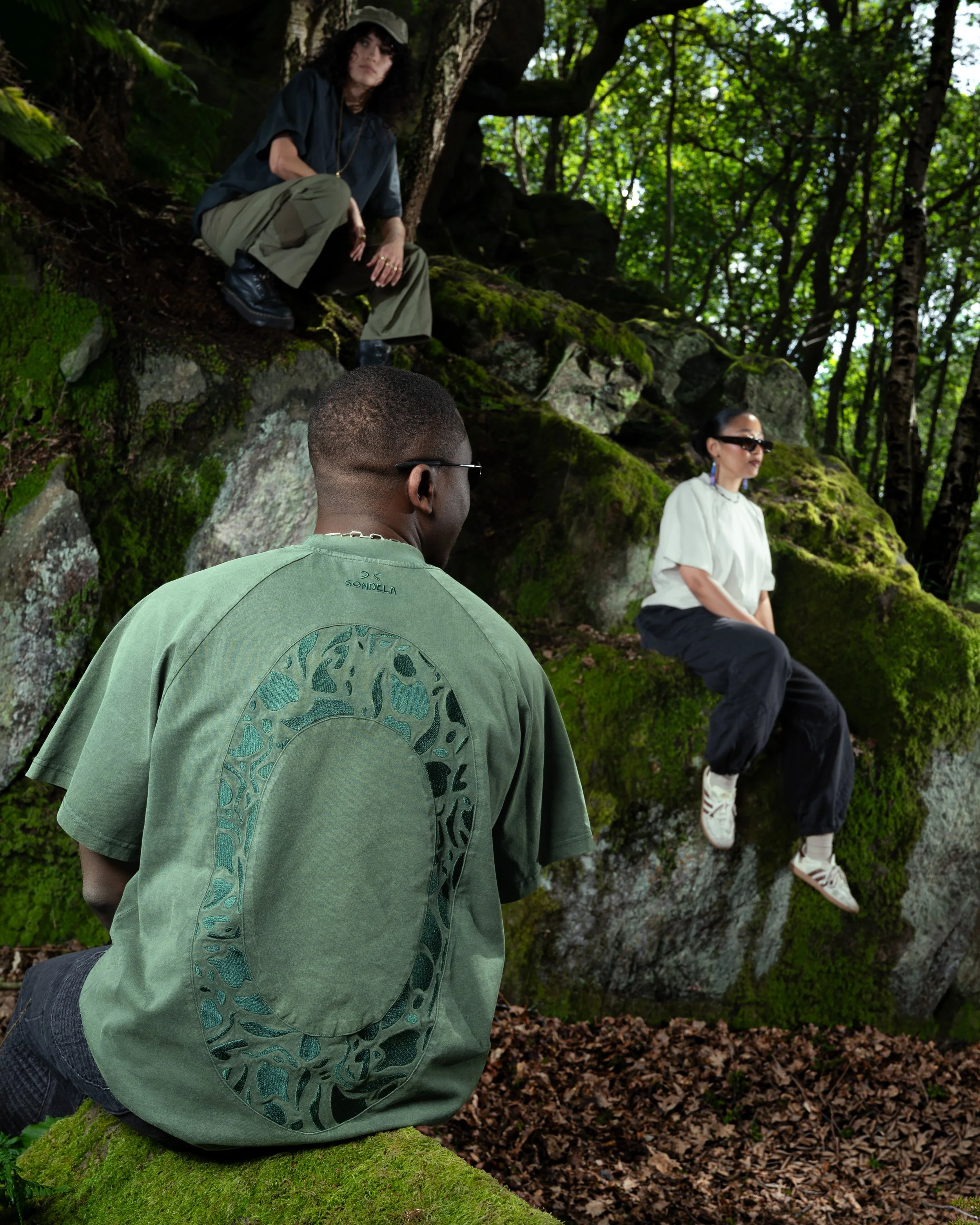
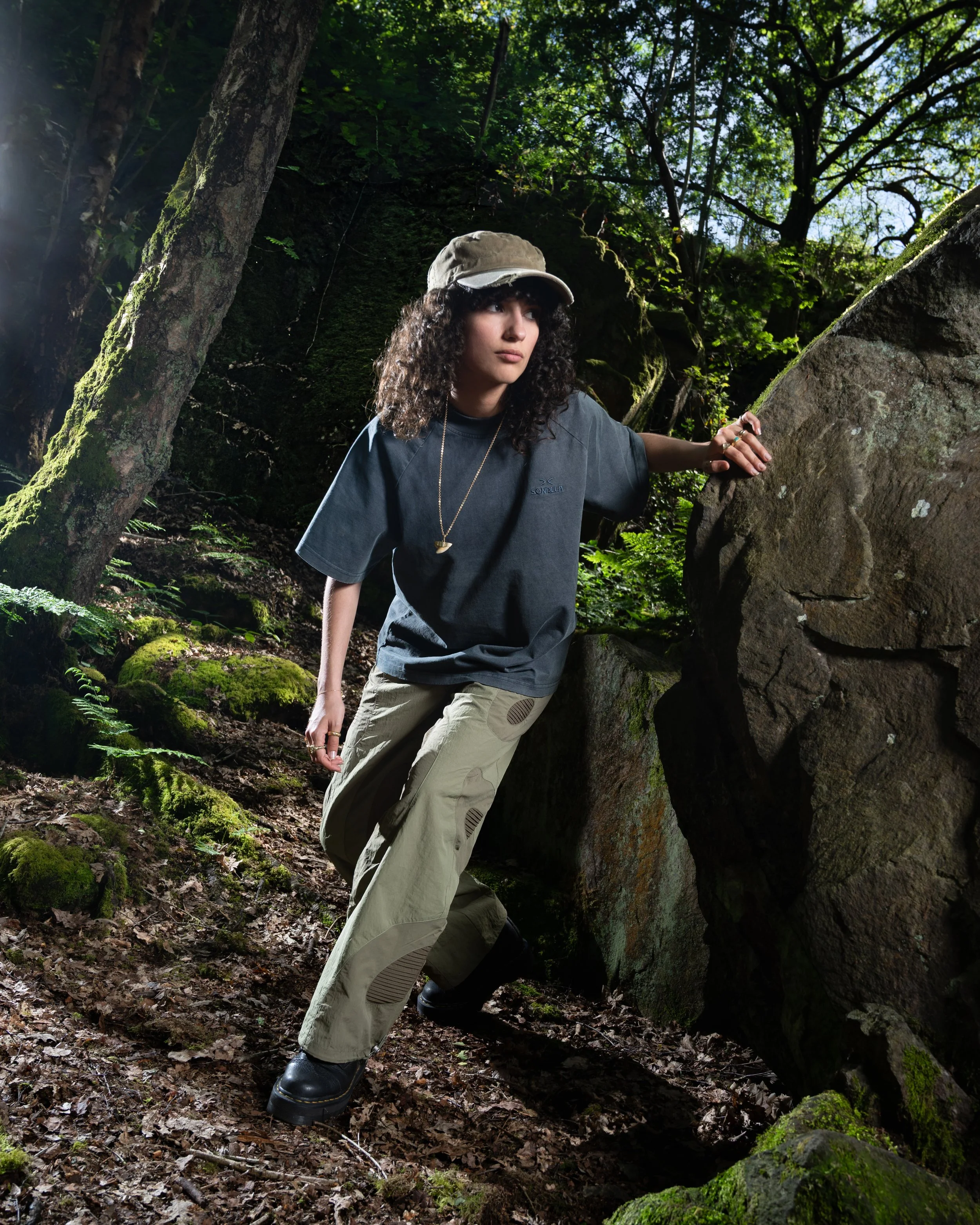
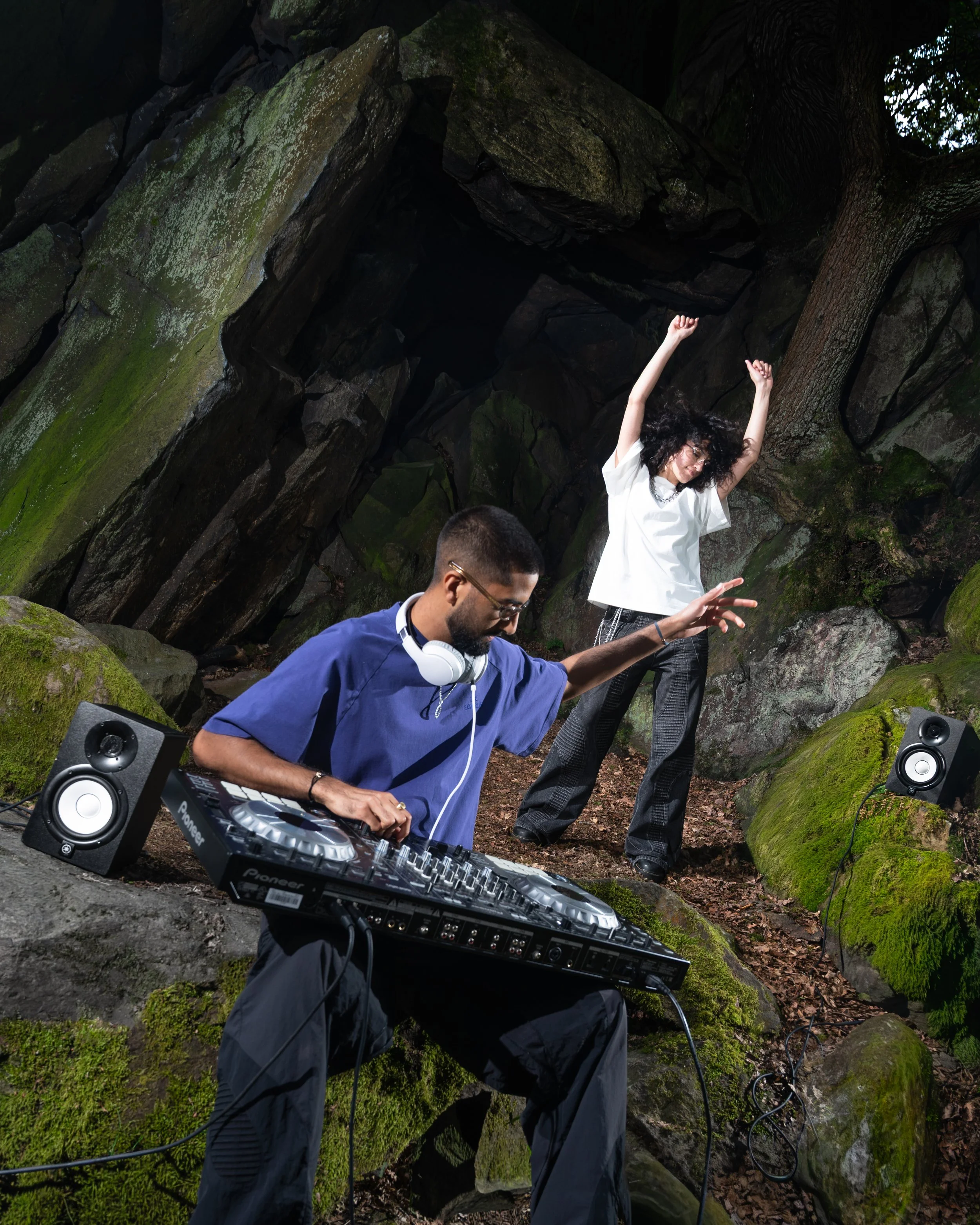
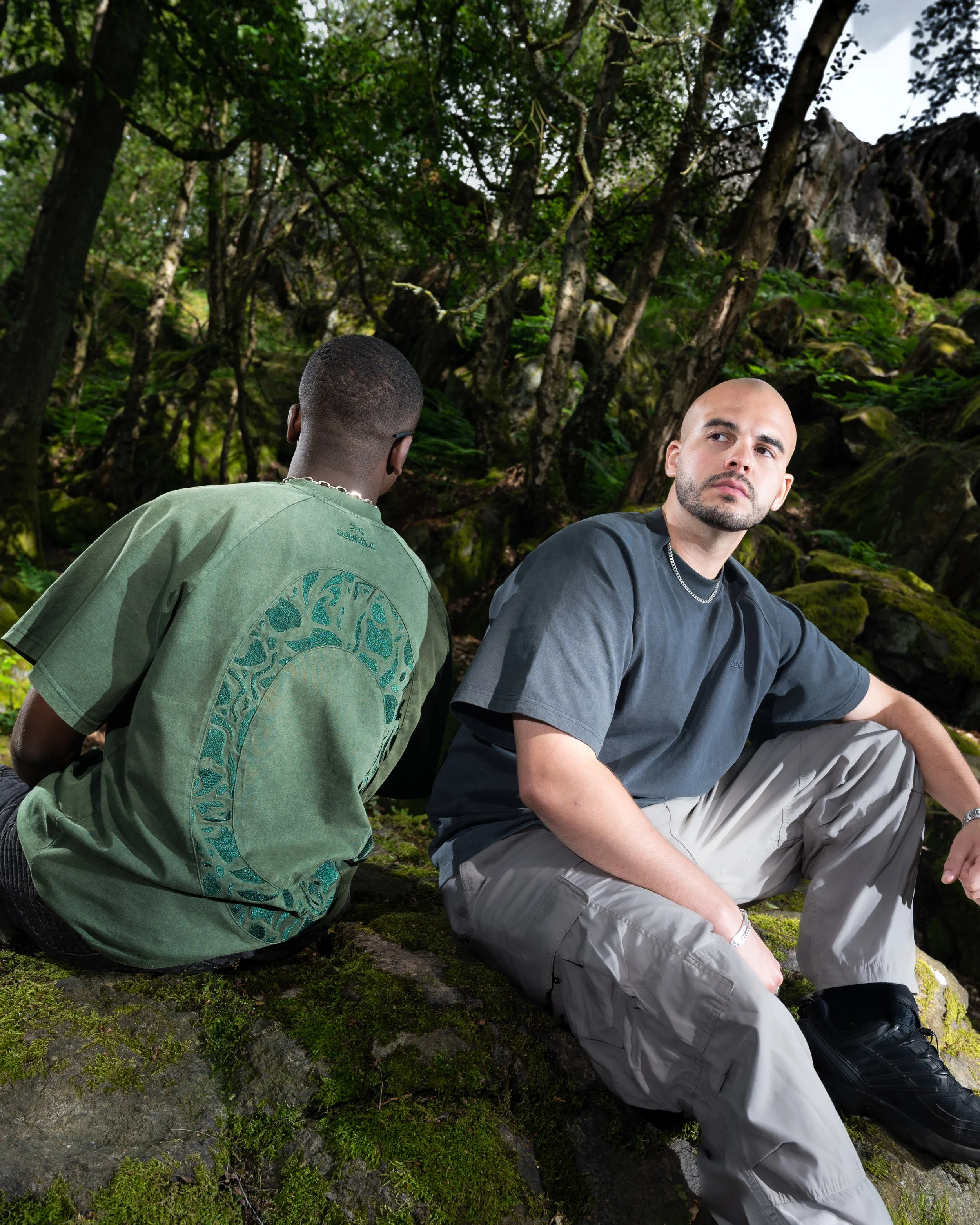
The success of your first Xonotu collaboration has led to a summer restock. Why do you think the collection connected so well with the Sondela community?
This was the first clothing release we had done since our time under Defected, so we were very intentional about not approaching it as a standard merchandise drop. Working with Xonotu allowed us to create something that felt much closer to a fashion piece than simply placing a Sondela logo on a T-shirt. I think that distinction is what resonated with people. The pieces had their own identity and could exist independently of the label, while still feeling connected to the Sondela world.
The response, and now the restock, has been encouraging because it shows that people are engaging with Sondela beyond individual releases or events. There is an appetite for the broader aesthetic and culture around the brand, which gives us room to explore more collaborations like this in the future, as long as they feel authentic to what Sondela represents.
Thakzin’s COMMON GROUND marks a major milestone as the first album to be released on Sondela Recordings. What does this moment mean for the label, and why did Thakzin feel like the right artist to share it with?
Releasing COMMON GROUND is a major moment for Sondela because it represents several chapters of the label coming together at once. It is our first full-length album, our 100th release, and it arrives in the year we celebrate five years of Sondela. For us, that makes it more than another project in the catalogue. It feels like a marker of how far the label has grown and the kind of work we are now ready to take on. For much of our journey, we have built Sondela release by release, artist by artist, gradually creating a clearer identity around the music and community we want to champion. Reaching a point where we could support a complete body of work, give it space to breathe and build a wider story around it felt like an important evolution for us.
Thakzin was the natural artist to share that moment with. Our relationship has developed over several years, from his remix of Jerk House Connection’s ‘Each & Everyday’, through ‘The Magnificent Dance’ and later ‘Chemistry’ with MÖRDA, Brenden Praise and Mhaw Keys. We have watched his sound evolve while Sondela has evolved alongside him, so there is a real sense of shared history behind this release. The campaign begins with ‘Maphorisa’, created during the God’s Window sessions and bringing together Thakzin, Mpho.Wav, Atmos Blaq, Suffocate SA, Citizen Deep, Tete, Ozana, Kisto, Moonchild Sanelly and Baby S.O.N. That collaboration captures much of what COMMON GROUND stands for: different artists, perspectives and sounds meeting in one space and finding something shared. For our 100th release, we wanted something that could look backwards at what we have built while also making a statement about where Sondela is heading next. COMMON GROUND does that for us, and sharing that milestone with Thakzin makes it even more meaningful.
With Sondela Recordings continuing to grow and Sondela Volt now starting a new chapter, what do you want to achieve next?
The next step for us is less about becoming bigger for the sake of being bigger, and more about building something that can have real longevity. Reaching our 100th release is a major milestone and gives us a moment to look back at everything Sondela has achieved since 2021, but it also feels like the beginning of another chapter.
We want to continue developing Sondela Volt, take our events into more territories, strengthen the Africa Tour and create more opportunities for artists both on and off the continent. We also want to keep improving the wider Sondela ecosystem around Sondela RADIO, Sondela LIVE, Sondela Spotlight and Sondela STORIES. Most importantly, we want Sondela to remain a trusted home for African electronic music, and for the artists that trust us with their music. If we can continue introducing people to incredible music and helping artists build sustainable careers while growing sustainably ourselves, then we're moving in the right direction.
