
IN CONVERSATION WITH STEPHEN DAWES
interview by JANA LETONJA
Singer-songwriter Stephen Dawes is stepping into a defining moment in his creative evolution. Known for his emotionally charged alternative pop and unmistakable rockstar presence, Stephen blends loose, beat-driven grooves with breezy Stratocaster riffs to create music that feels both intimate and cinematic. After early viral success and time within the major-label system, he has embraced independence—reclaiming full creative autonomy and shaping a sound that reflects his instincts, ambition, and lived experience. With the release of his new single Reputation, Stephen signals a confident new chapter rooted in self-definition, growth, and artistic freedom.
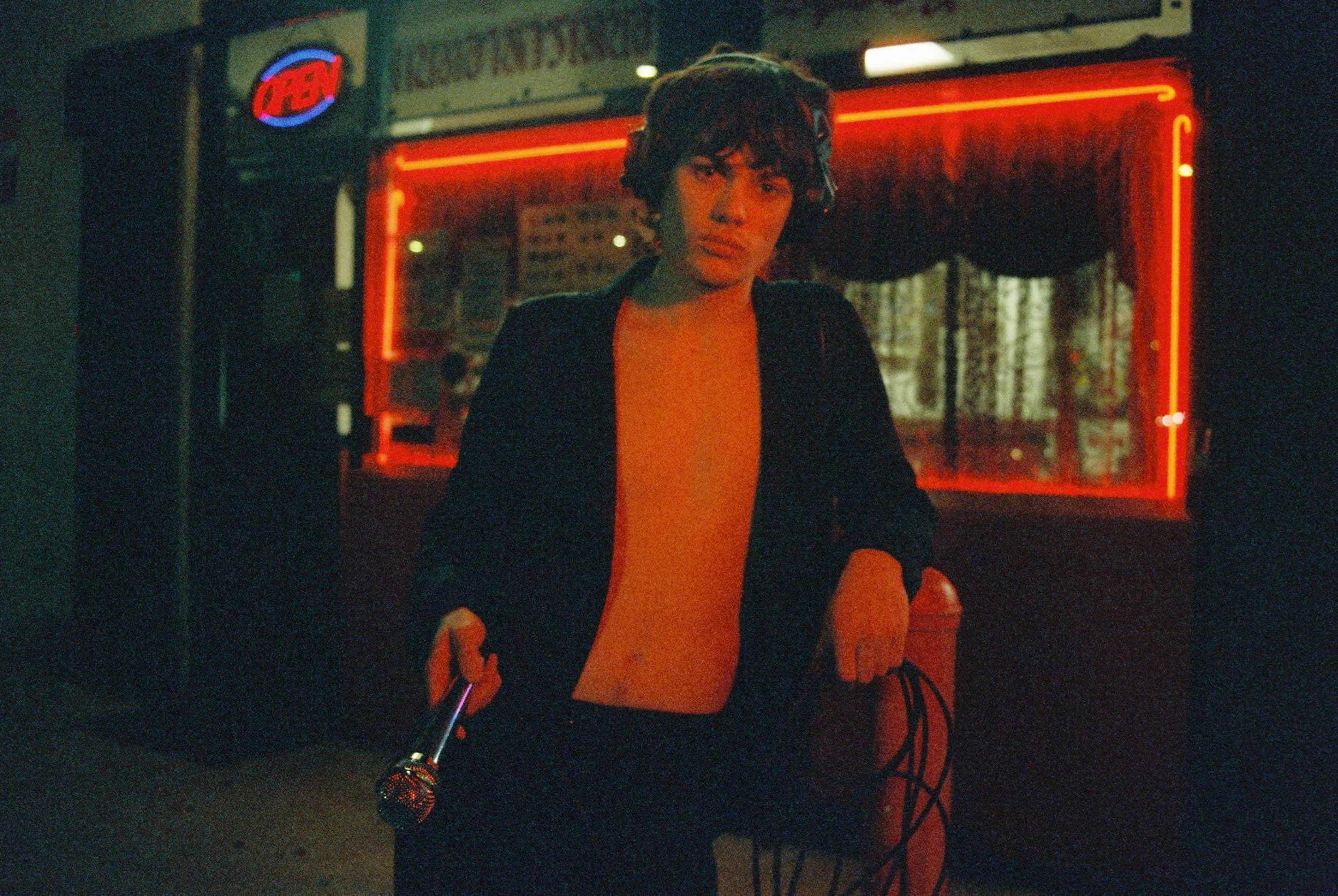
You’ve described your music as a coming-of-age narrative. What chapter of your life are you exploring right now?
In the last few months, I’ve been writing a lot about my move to Los Angeles. I’ve grown up in cities most of my life, but Los Angeles has a unique way of isolating you. This chapter has been very chaotic. I grew apart from my best friend. I watched two of my other closest friends break up. At times, it felt as if the city itself was towering over me while I sat at my piano wondering how I will make something of my early 20s. Amidst all this uncertainty and loneliness, I fell in love for the first time, and that has made this chapter my favorite so far.
How did your earlier releases like ‘Irregular’, ‘Symptoms’, and your EPs shape the artist you are today?
Every release, for me, is a learning experience. Before my first EP, I didn’t have much of an idea of the artist I wanted to be. After some touring, I realized my second EP needed to be written with the performance in mind. I wanted the melodies to be more dramatic and the instrumentation to feel more pronounced. This has carried on to my newest releases. ‘Symptoms’ and ‘Irregular’ were written to be sung with my whole chest. Every line is more personal, and the choruses give me room to really belt the lyrics out.
You were first discovered through your viral acoustic cover of ‘Teenage Dream’. How do you reflect on that moment now?
I first made ‘Teenage Dream’ for a class assignment. Through TikTok, it became something so much bigger than me. For a long time, its success felt like an impossible hill to climb. Now, I look back and feel very grateful for the fans and collaborators it connected me with. ‘Teenage Dream’ was the first stepping stone to becoming the artist I’ve always wanted to be.
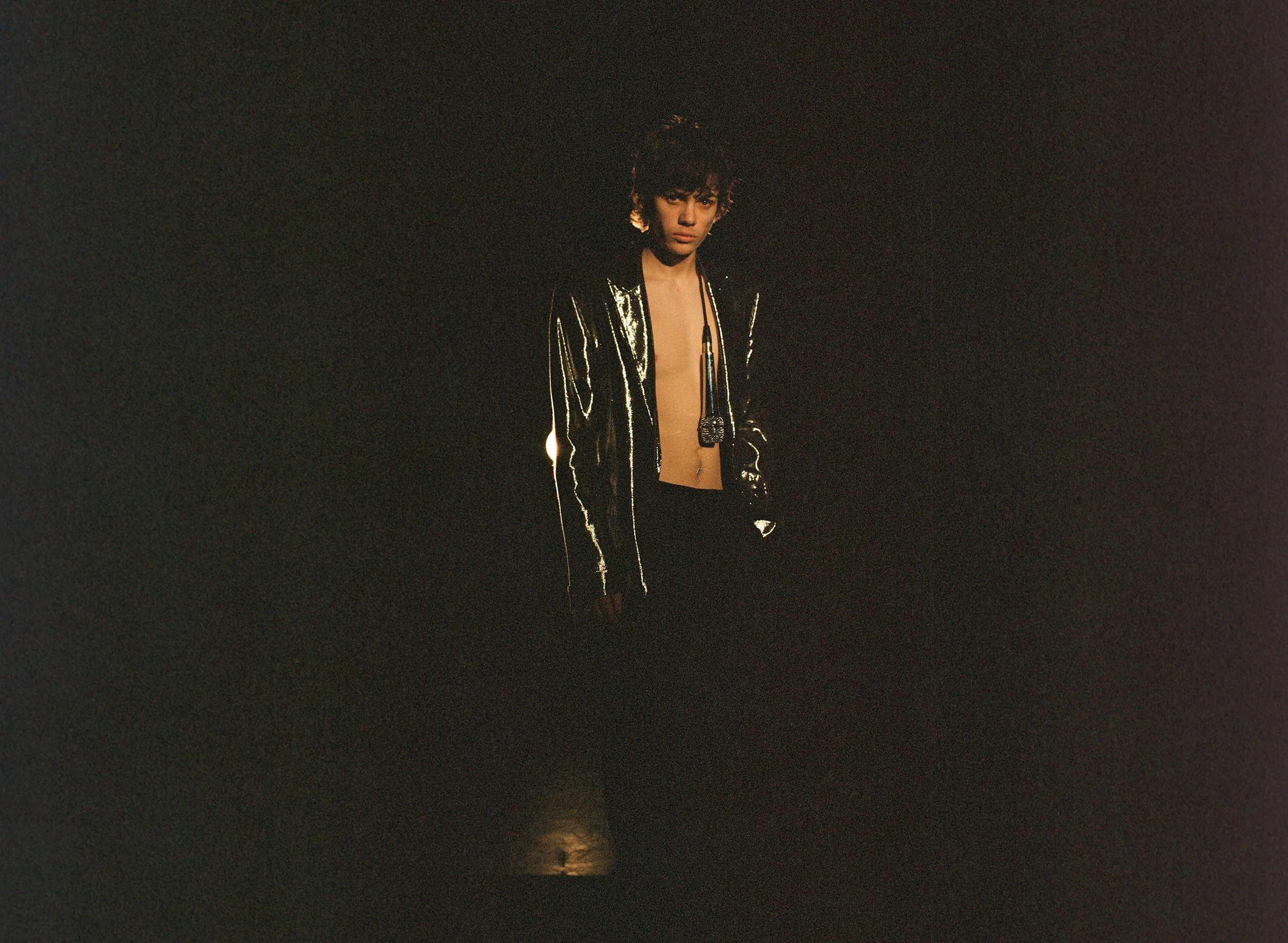
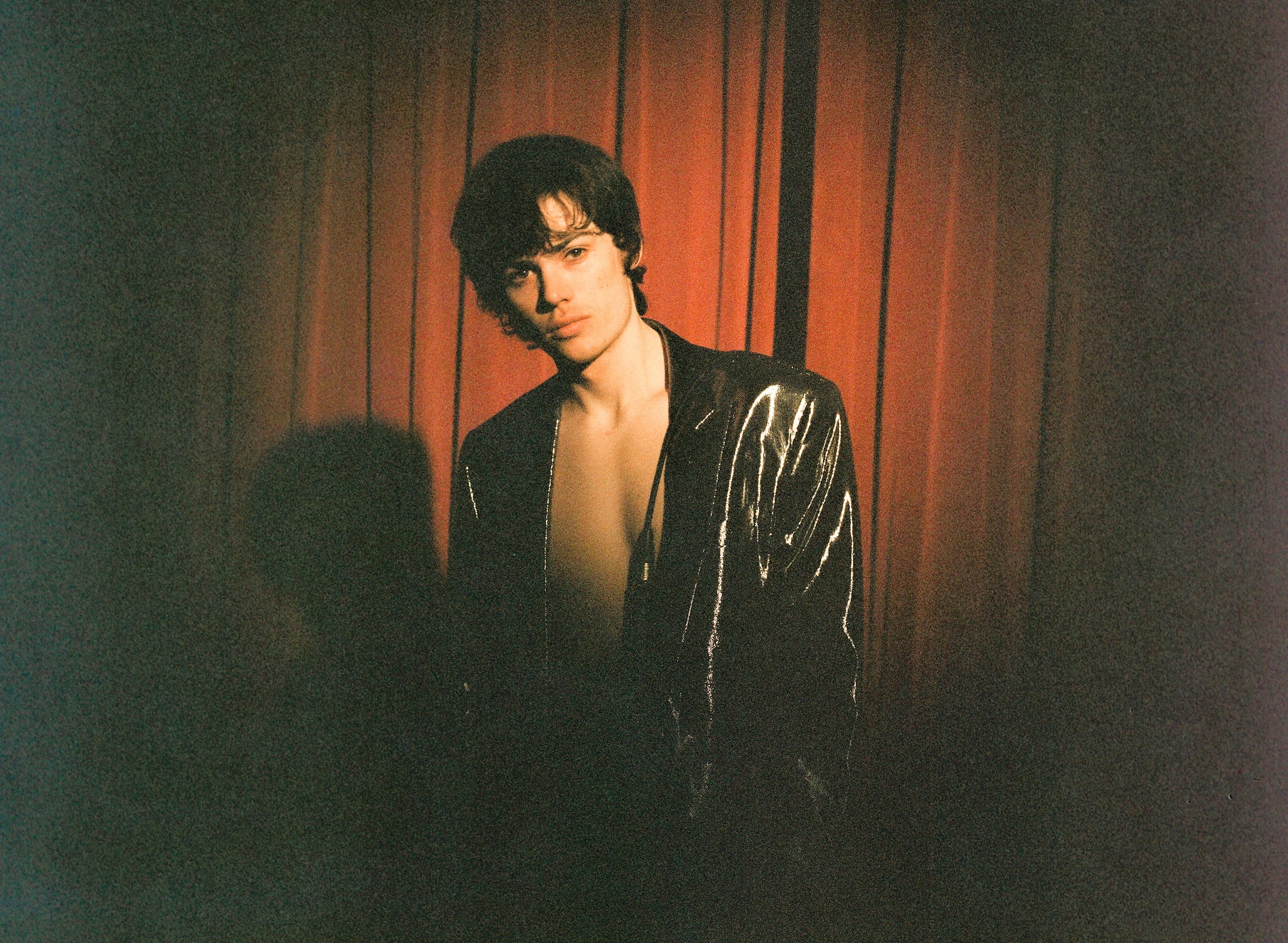
How has having full creative autonomy changed the way you approach writing, producing, and releasing music?
The biggest shift has been writing a lot more of the music alone. When I was with my previous label, every release was the product of a session with two to three other producers or writers. I find writing music alone lends itself to way more experimentation. There’s no need to justify a choice I’m making. I also love collaboration, and for making the best pop music, it is essential. On the other hand, it is refreshing to be able to go straight from my brain to my journal and computer with no distractions.
Sonically, your work blends alternative pop with loose beat-craft and guitar-driven textures. How do you build a track from the ground up?
Recently, I’ve been writing a lot on piano. I’ll find a chord progression and sing the first melody that comes to mind. Next, I’ll start writing down some lyrics in my journal. At this point, I’ll try to ground the song to a concept and produce it out. After figuring out the beat, I’ll add some guitars and bass to make it feel a bit more like a band.
When people say Stephen Dawes is “one to watch,” what do you hope they’re really seeing?
I hope that they mean at a concert. The thing that excites me most about this body of work is the idea of playing it live. How important is storytelling to you when you’re building a song? It is very important, but it is not just about the lyrics. My goal is to be able to make music that someone who speaks a different language could understand. I feel like the melody and production of a song should be telling the story too. I hope that when you listen to my music you can imagine the movie scene in your mind.
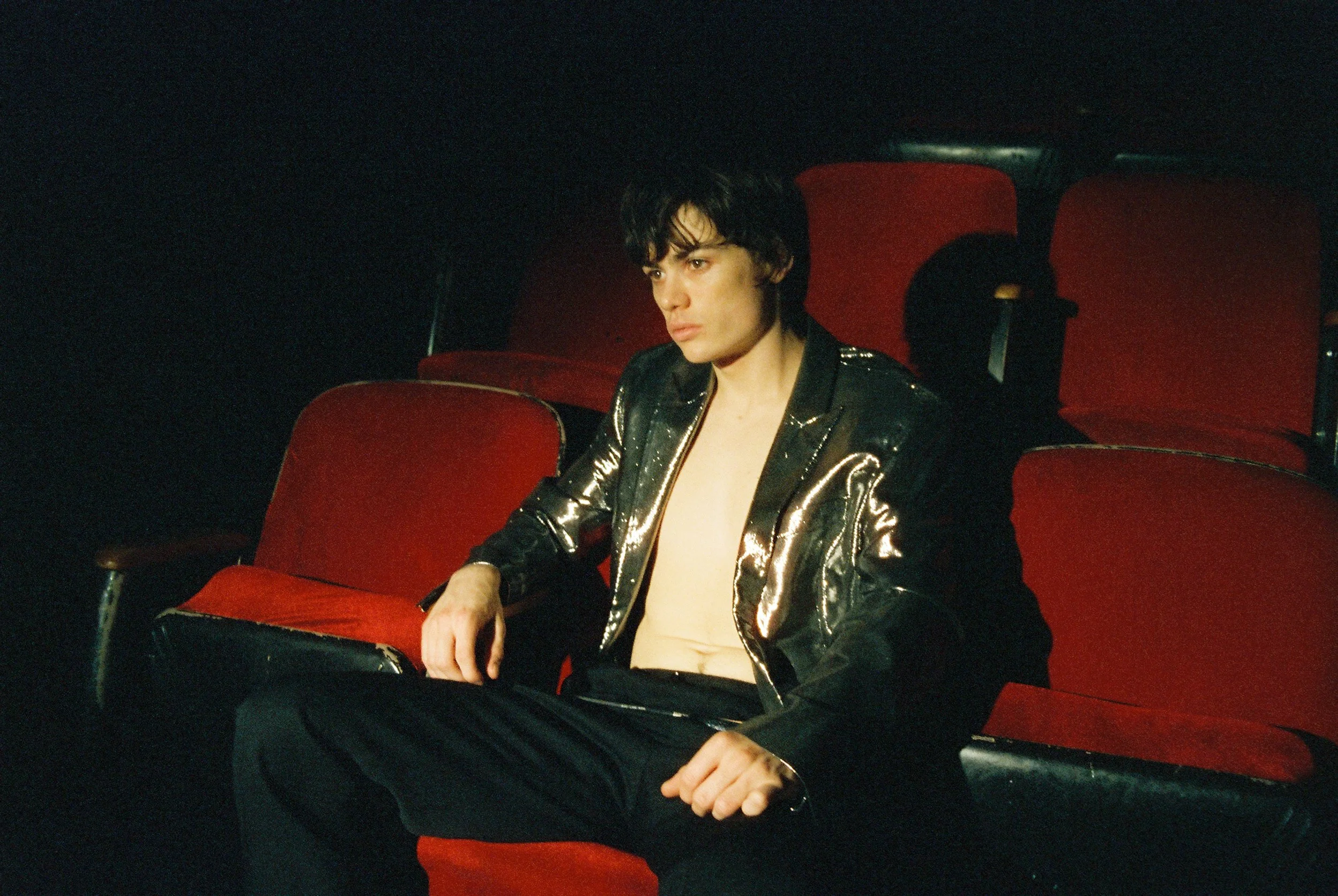
What parts of yourself do you feel most protective of as your audience continues to grow?
I hope to always make music that makes me feel inspired. As someone who finds it easy to be influenced by the words of others, I hope that more eyes and ears don’t change my love for what I so fortunately get to do as my job.
How do you balance vulnerability and confidence in your songwriting?
I find these come hand in hand. I always feel the most confident singing lyrics that I know deep down are coming from a truthful and raw place. The hardest lines to sing are the ones that say nothing.
What can you share with us about your upcoming music?
I’ve never been closer to songs in my whole life. Each lyric, synth, and guitar line was added because it reminded me of this chapter of my life. I hope there’s moments that make you tear up, but also some moments that make you smile and dance. Like this era of my life, I hope the music feels like an emotional roller coaster.
TEAM CREDITS
talent STEPHEN DAWES
photography GRANT SPANIER
editor TIMOTEJ LETONJA
interview JANA LETONJA
