IN CONVERSATION WITH FAE JUPITER
interview by ANOUK WOUDT
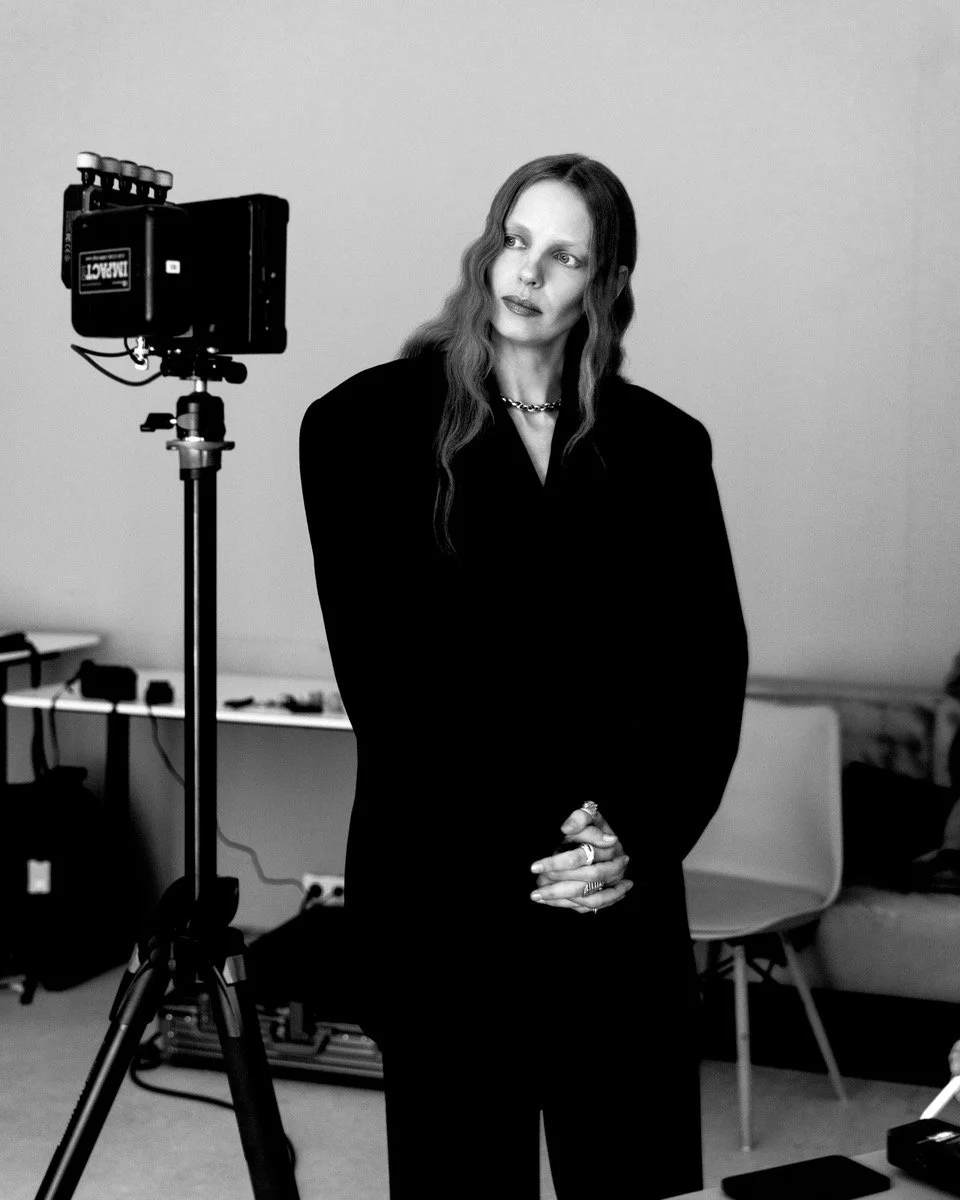
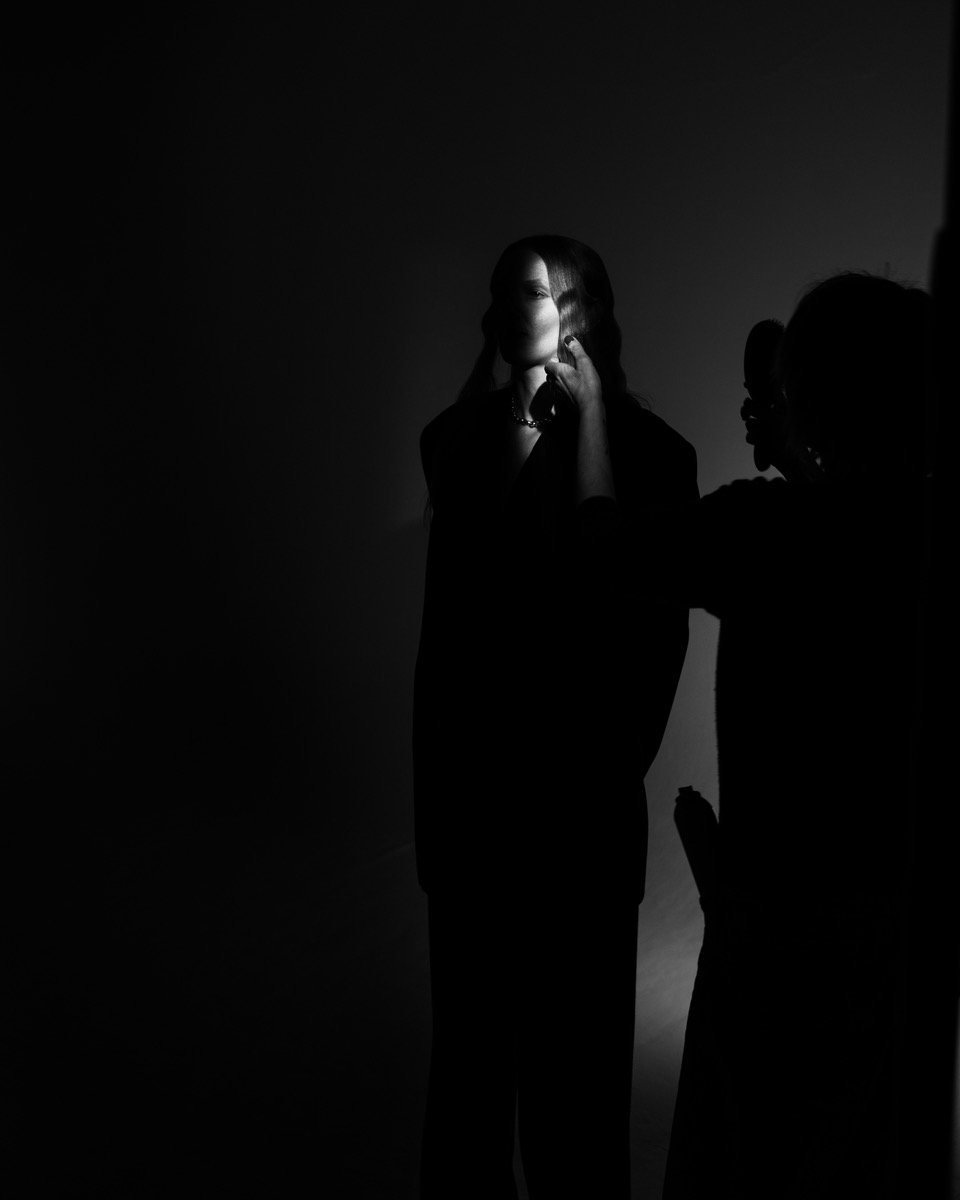
Fae Jupiter is the musical alter ego of Dutch model Dorith Mous. Drawing on past cinematic influences, her work places narrative at the core of her sound, inviting listeners to join her on a sonic journey. With her latest single, Rubicon, she delves deeper into her musical identity, embracing vulnerability as a defining strength.
After a 20-year successful international modeling career, what inspired you to switch to making music?
Music is in my bones. As a little girl, all I dreamt of was stages. During my mother’s pregnancy with me, my father played me music every day; a lot of classical, some Pink Floyd. Modeling fell into my lap at 13 –in the analog era of being scouted and having actual Polaroids taken in the street— it raised a platform for me. It gave me travel, constantly meeting new people, exciting opportunities, but never a sense of self. Music does. And after years of burying that side of myself, it was time to excavate her.
As an emerging artist, how would you describe your music to people who haven’t heard it before?
I definitely don’t tick just one box when it comes to genre; however, the common denominator in the music I make is ‘journeying’. All songs have cinematic elements that immerse the listener into a storyline.
How does your alter ego, ‘Fae Jupiter’, differ from ‘Dorith Mous’?
Fae Jupiter is Dorith Mous without the fear. She’s the 2.0 version of who I am as a person. She’s the outward artist, whereas Dorith Mous is the silent creator.
Your music aims to blur the boundaries between the visual and the sonic. Describe how this goal has influenced your musical career.
After modeling, I transitioned into filmmaking, where I found a strong beating heart for storytelling. In my films, which are mainly tellings of inner landscapes and strongly lean on my subjects’ emotional availability to share their stories of being human, I quickly realized that sound design and music supervision were my favorite parts of the post-production process. When what you see gets amplified by what you hear, the mind gets the full scope of the message. This works the same way the other way around, where visuals make sound almost tangible. It’s exactly that combination that drives Fae.
In your debut single, ‘These Waters,’ you sing in mainly nautical terms. What influenced this decision?
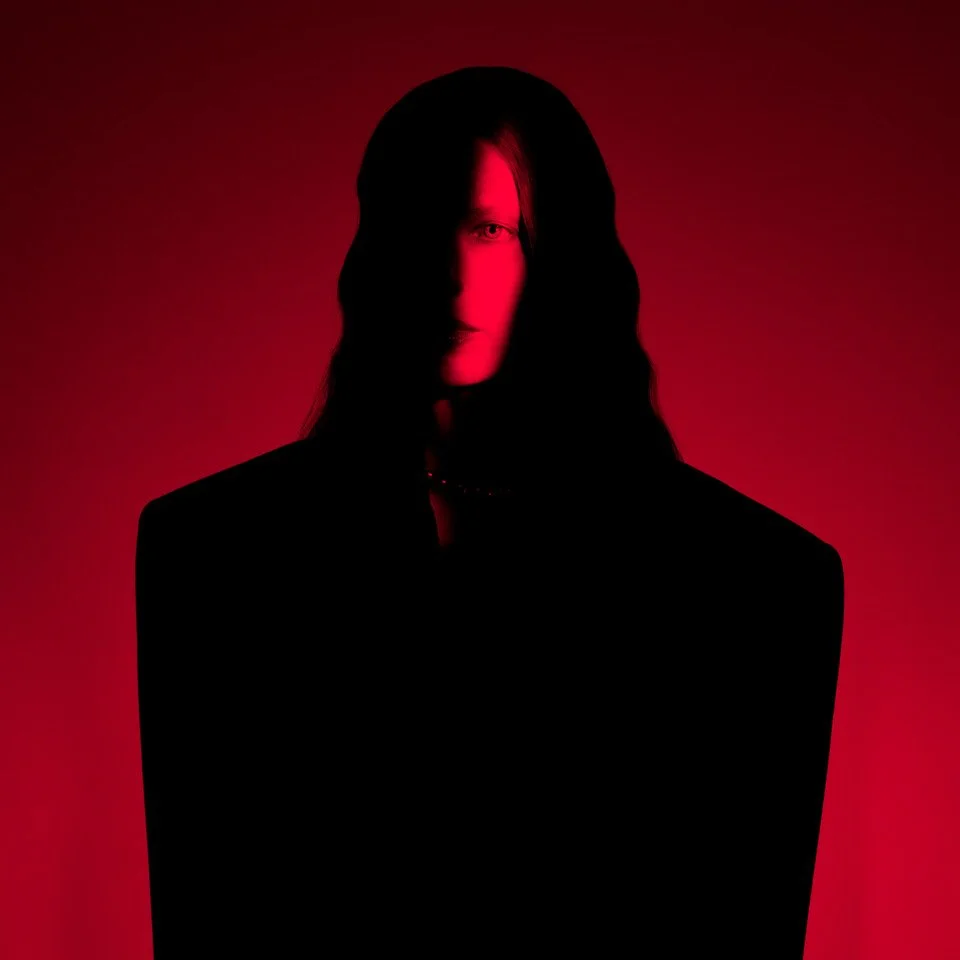
I wrote ‘These Waters’ after a break-up that crushed me entirely. Unfortunately, it wasn’t the first nor the last time I lost to a system that does not treat same-sex love as equal to heterosexuality, and things ended due to indoctrinated shame and the resulting secrecy that goes with that. My heart breaks at the thought of it, as who I loved has never mattered to my surroundings or cultural conditions. It felt right to write this song in ‘code’, as to sort of hide the literal meaning and protect the person it’s about. Besides, my country’s history has placed much nautical terminology in my mother tongue, Dutch, so it felt fitting. Essentially, music really has such a strong ability to make people identify with certain emotions, especially when there’s space felt for interpretation.
Your newest single, ‘Rubicon’, touches on the vulnerability of losing a father. What made you choose to share such a deeply personal moment in your life?
I think we need to share the things that connect us. Being human can be a challenge, and the most natural things are the ones we don’t openly discuss, and we are societally told to hide: sex, death, and feelings. Unfortunately, we are all set to lose our parents at some point; it’s the natural progression of things. My experience with the death of my father was simultaneously the most beautiful and hardest thing I have ever gone through. I have never felt as together and as alone at once. My father was a huge fan of Greek mythology, history, philosophy et al. and our bond mainly rested on knowledge. So I spoke to him, for 40 minutes, while he was seemingly in Purgatory, about the Rubicon River and about how this would have to be his solo journey, as you don’t come back from that. I realized while doing so that I had been energetically urging him to let me go, but that it was rather me having to let him go instead. He slipped out of life as soon as I turned this thought into action. When all was said and done, there was so much more to share. For me, writing this song was not only a way to grieve, to give it a place, to cope; it was an ode to the man who taught me music.
How did the collaboration with Symphonic Cinema’s creator, Lucas van Woerkum, come together for the ‘Rubicon’ music video?
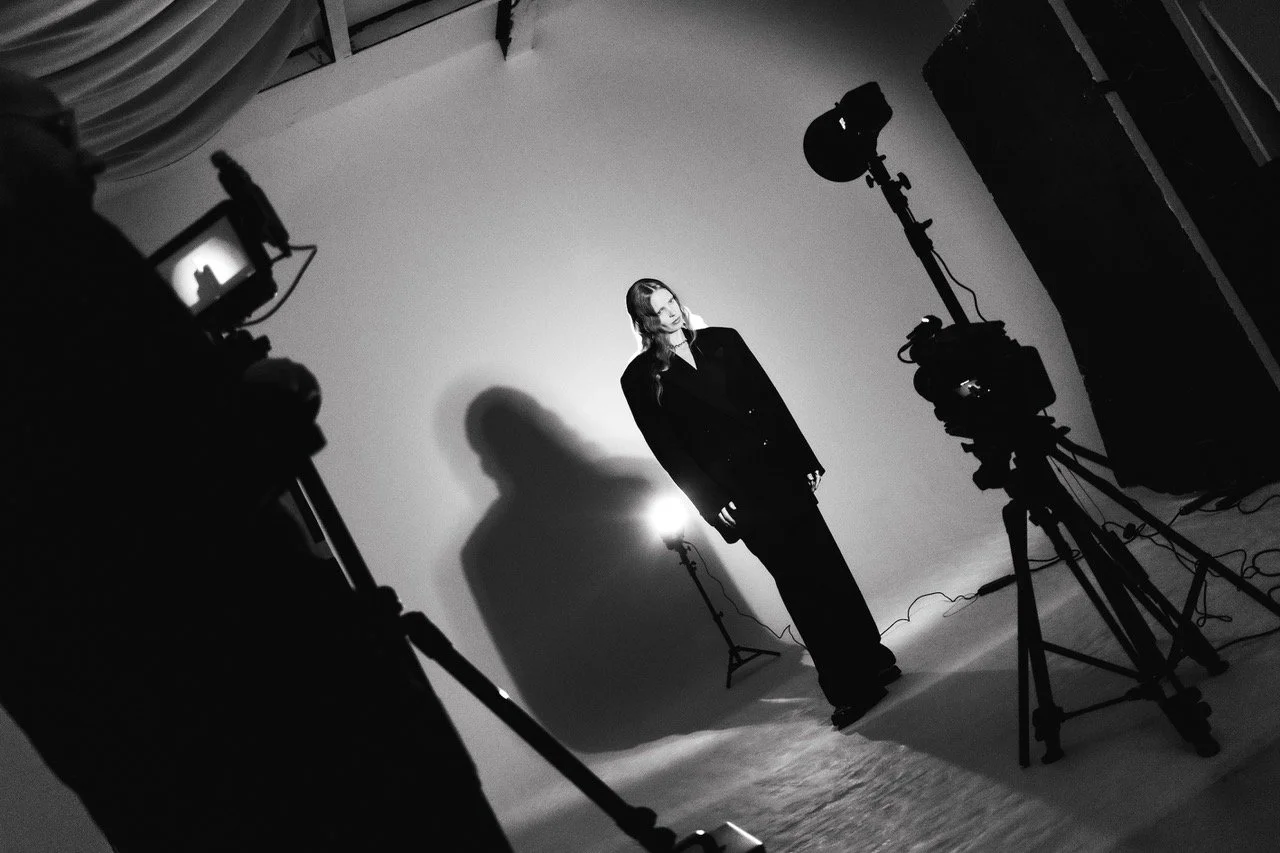
Lucas had reached out to compliment me on a film by my hand that he had seen. After an Instagram-hosted back-and-forth, we decided to meet up and talk about all things life, and have since been speaking every day. We are both sensitive spirits and use our tools in the arts to ask ourselves the questions this existence brings. In short, we just get each other. Lucas had never done a music video before and opted that he would love to create something with me for Rubicon. The rest is history, and now to be seen, here, with Numero.
Genre-sliding is an essential part of your music. What types of genres can we expect in future projects?
Ayayay, I think what not to expect would be an easier question to answer. I really love sliding across spectra. All kinds of them. In case of music, I tend to have phases that suit a particular version of me. I am currently working on a country/blues track and have just received the bare bones of a dark uptempo song that I think has massive potential. I think we can exclude heavy metal from the repertoire, but hey, never say never.
Now that your second single is out, what are you hoping that listeners take away from your new identity as a singer?
I hope that my music reaches into people’s chests. That it makes them feel. Perhaps even find solace in it. Personally, I know that music is, always has been, and always will be a medium that can help me exhale and inhale once again. Lift me up, accompany me when hardship is present. If my music can facilitate that, even if only for one person on the other side of the world, living in a town with a name I cannot pronounce: mission accomplished.