
IN CONVERSATION WITH LUC KUSTERS
interview NATALIE GAL
Luc Kusters is one of the leading chefs not only in Amsterdam but in the Netherlands as a whole. His focus on pure, sustainable dining is internationally recognised, and he is regarded as one of the pioneers of the Dutch cuisine movement. In recognition of his work, he was awarded the first Green Michelin Star in the Netherlands. He now continues his vision in his newly elevated restaurant in Rembrandt Park.
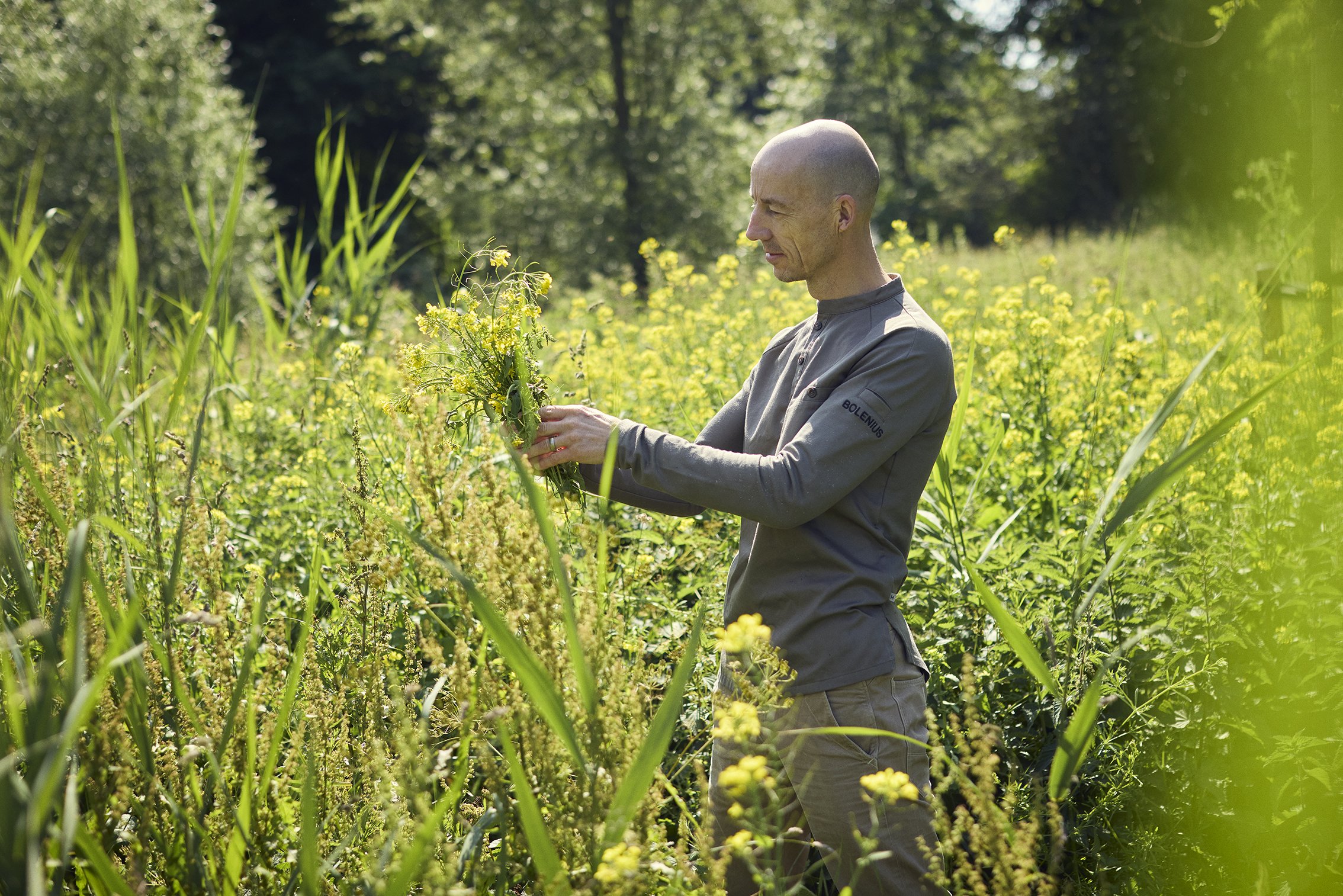
First of all, I’d love to know more about the move to Rembrandt Park this summer. Why did you choose this location? When I visited, it was clear how well it suits the elevated, modern atmosphere you’re known for, with the large windows creating a striking connection to nature.
In the past 15 years the whole sustainable movement made a big step. So it feels way more in place at this place now than 15 years, well, than a former place. I was very happy at the former place, but now everything is redeveloped.
Especially since it's a beautiful place in the park. providing way more opportunities. The kitchen garden is going to be three times as big. All those things are combined to make the restaurant way more sustainable. We were ahead, but this is a way to stay ahead as well.
You were the first chef in the Netherlands to receive a Green Michelin Star, which is an exceptional achievement. What do you think was the greatest compromise or challenge in achieving this milestone, and how did it make your work easier, or perhaps even more difficult?
It's not rocket science. It's just logic. Well, most of the restaurants are money driven and in those situations you're going to make different choices. I really think sustainability is the future. You just keep on doing the focused work well and the money will come. As we make more money, we can even develop a more sustainable project. Money is more of a tool.
How do you see the plant-based cuisine scene in fine dining today, and where do you think it’s heading?
Well, the good thing is: it's not a trend. It's a transition. And if it goes fast or slow? In my opinion, quite slow. But still, we are moving in that direction. Now you've got a lot of pure plant restaurants, which are good. It's a vision of what's possible. We also have our pure plant menu. But we also have fish and meat. You want to live in a complete circularity with the planet, we have to change.
Do you have any recommendations for Amsterdammers on where they can meet local artisans or growers who sell home-grown vegetables, so people can bring elements of this lifestyle into their own cooking at home?
Actually, it's quite simple. Just eat vegetables or make vegetable sauces. Don't use the butter and cream like they do in the French kitchen. The opportunities in the plant world are way bigger than we think. And it's way more fun. Start with small steps and discussions. Check what is seasonal and local, see how it's produced.
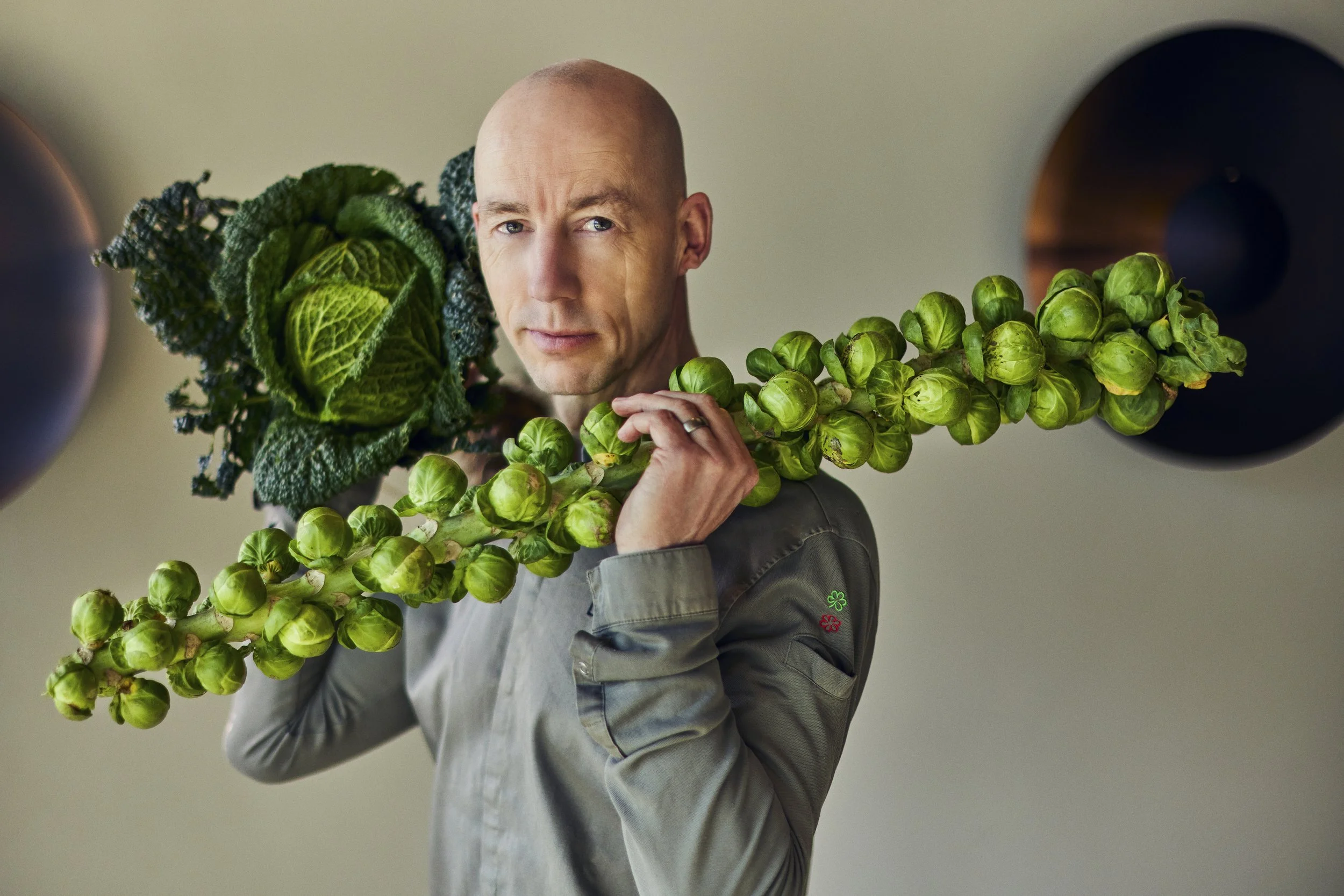
Could you tell us more about the Dutch cuisine movement? It seems like a truly futuristic concept aligned with the ideals of a sustainable future and a shift away from mass-produced food. How did the movement originate, and where did the initial idea come from?
It came with six people, I was one of them, and we just asked ourselves the question: how can we feed this planet in 2050? We made a hand guide for chefs who can use some help in this field. It's easy to make big steps, it's for the open-minded people, especially for the youth. The Dutch cuisine movement is now in five schools already, and progressing to get in more institutions. We want to educate people, young chefs, the chefs of the future.
What is a challenging element of sustainable gastronomy that guests might not even notice, something that’s difficult to execute but rarely considered when the dish arrives at the table?
We make our own handguide, our own language. We're a bit ahead with all these dishes, so to put energy in, to stay ahead, that's difficult. Luckily, our solution is to just make very delicious new dishes and use the vegetables and focus on what is seasonal.
For someone visiting Amsterdam or the Netherlands who is eager to explore genuinely Dutch cuisine and dishes that represent the country, what would you recommend?
Stamppot, which is mashed potato with a typical Dutch and vegetable, endives. Some put fried bacon in it. When you ask the Dutch what they want to eat when they go home, to their mothers or their family home, then they all nearly say Stamppot, because it's amazingly delicious.
Do you remember the moment you decided that your path was truly in sustainable dining and gastronomy, and that you wanted to dive deeper into this field?
I always wanted to become a chef. But cooking with vegetables, it's in my character. I like the new approach to cooking. Healthy, clean, pure, sustainable and more enjoyable to eat as well. During the years, as you work, you change a bit and then you notice. I know the traditional chefs who didn't try this approach, who don't agree with me, but I discovered that was not the goal.
