
IN CONVERSATION WITH SÜSS
Interview by Samo Šajn
Mexican DJ and producer SÜSS is making her mark with a unique approach to techno, combining analogue sounds, field recordings and inspiration from nature. Her new EP, BASALT, explores the connection between sound, movement and the natural world. We spoke to SÜSS about her music, the making of the EP and finding her own sound.
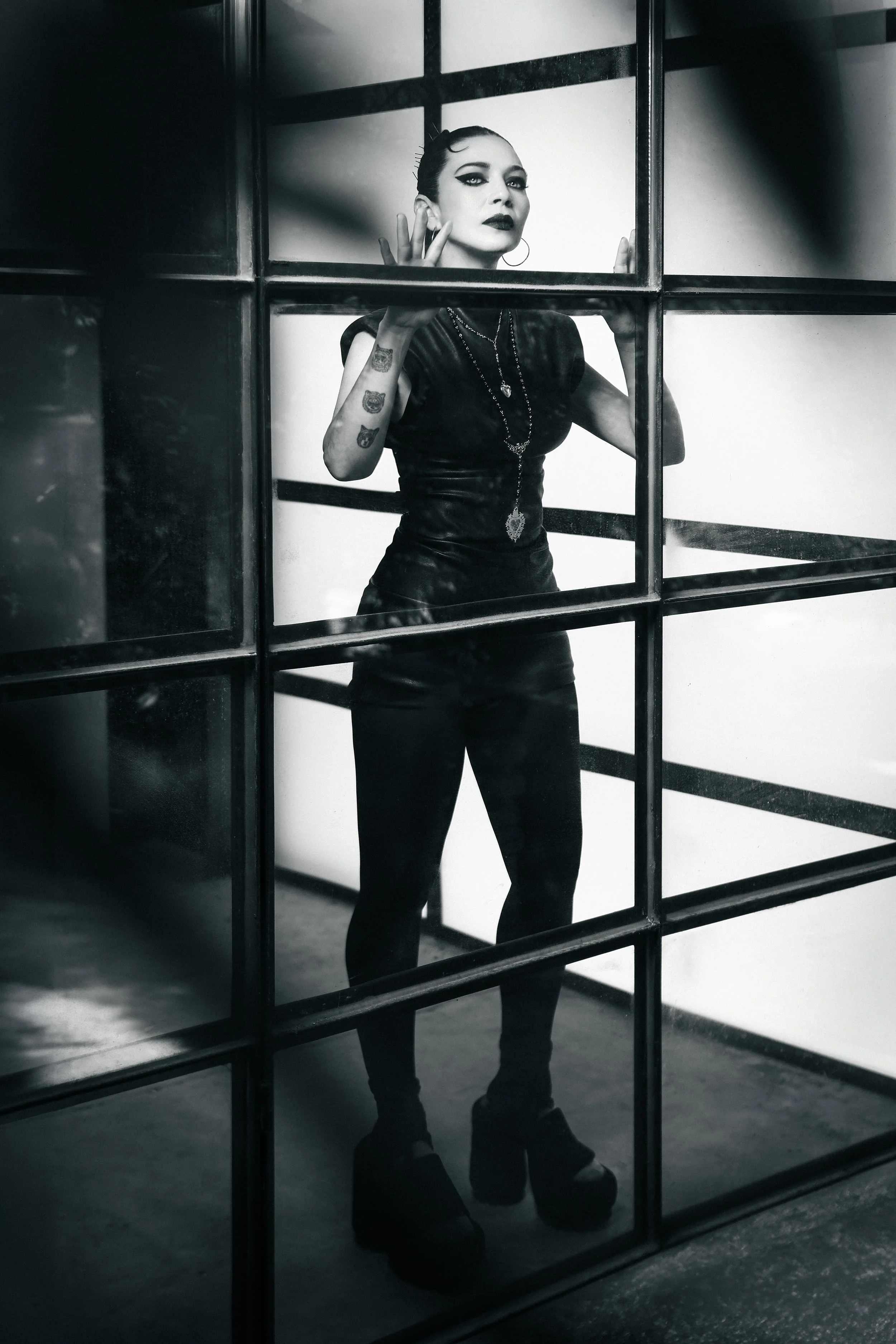
How did you first find your way into techno, and what made you want to start creating your own music?
I’ve wanted to make music for as long as I can remember. As a teenager, I became involved in the rock scene in Mexico, but for a long time I felt I hadn’t found the right language for myself.
Several years ago, during a period of personal searching, I decided to go to Berlin on my own. I wanted to step outside my usual context and explore my identity. That’s where I found techno and understood that this was the space I wanted to explore.
What struck me most was discovering that the dancefloor could also be a deeply intimate place. The repetition in techno can take you into a state of introspection while you’re surrounded by hundreds of people. You can be dancing and, at the same time, going through something completely personal and emotional.
I also fell in love with the history of protest, freedom and inclusivity surrounding the genre. Artistically, I found a language that allowed me to explore without so many rules. Techno can be protest, art, contemplation and self-discovery, while at the same time being a party. I don’t see any contradiction between those things.
That’s how I began making my own music: exploring sounds, learning new instruments and following my curiosity, but also wanting to create for other people some of the space I had found on the dancefloor.
When did you realise that SÜSS was becoming more than just a musical project, with its own distinct sound and identity?
I think I really understood it last year. For a few years, I had been exploring a more commercial side of music and, especially after the pandemic, I started noticing how the speed at which we produce and consume music was changing the parties themselves.
Everything had to be produced faster, consumed faster and create an immediate reaction. At some point, I started feeling that so much of it sounded very similar. To me, there was a broader loss of identity happening.
I personally love hard techno and older industrial techno, partly because I find its relationship with protest and counterculture so interesting. But I began to feel that music that had once found its place outside certain structures was also becoming a tool for competition: faster, harder, more immediate.
That led me to study sound healing. I wanted to better understand what happens when a group of people connect on a dancefloor, how repetition, frequency and sound can move us into certain emotional states, and how music can create a sense of belonging and community.
That process made me reconsider what I wanted SÜSS to be. I decided I wanted to explore a more handcrafted and contemplative approach to sound, without abandoning intensity or the club.
BASALT feels quite cinematic in the way it builds an atmosphere. Do you usually start a track with a particular image or feeling in mind, or does the music lead the way?
It can happen both ways. Sometimes the music leads me towards an image, and other times I begin with a sensation, a colour, a texture or a landscape and try to translate it into sound.
With BASALT, I was curious about why certain natural elements, when they come together in a specific place, create such particular sensations in us. Water doesn’t feel the same everywhere; neither do wind, ice or fire. Every environment has its own combination of sounds, frequencies, resonances and movement.
I wanted to bring some of those sensations into music. I used field recordings as raw material, explored their frequencies and used them to generate new sounds.
I wasn’t interested in simply placing sounds from nature on top of techno. I wanted to deconstruct and transform them, and see how far they could move away from their original source without losing the sensation they carried.
With BASALT, I wanted to give a story enough space to unfold, to make something that could function physically in a club, but still contain things you might only discover if you go deeper into the track.
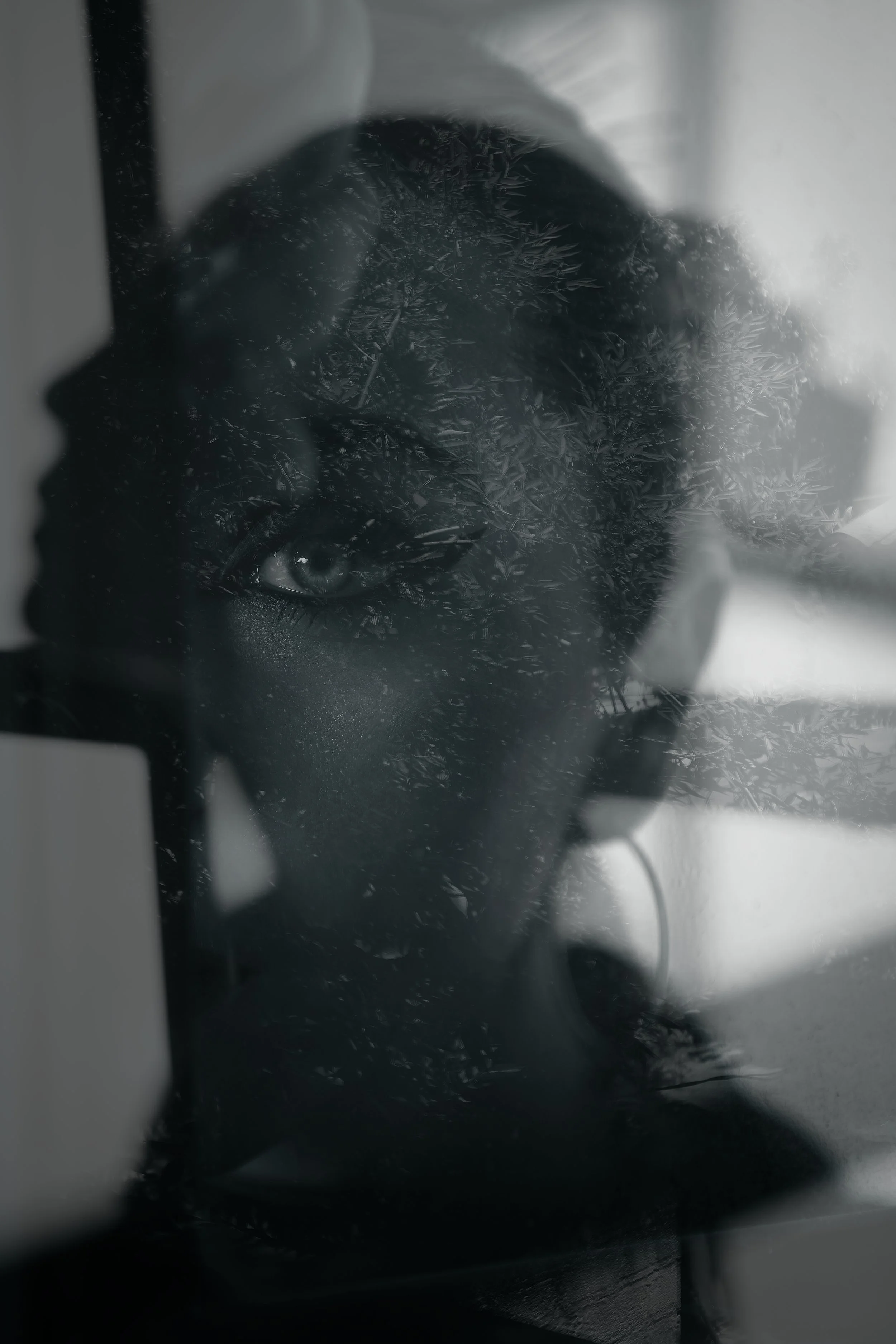
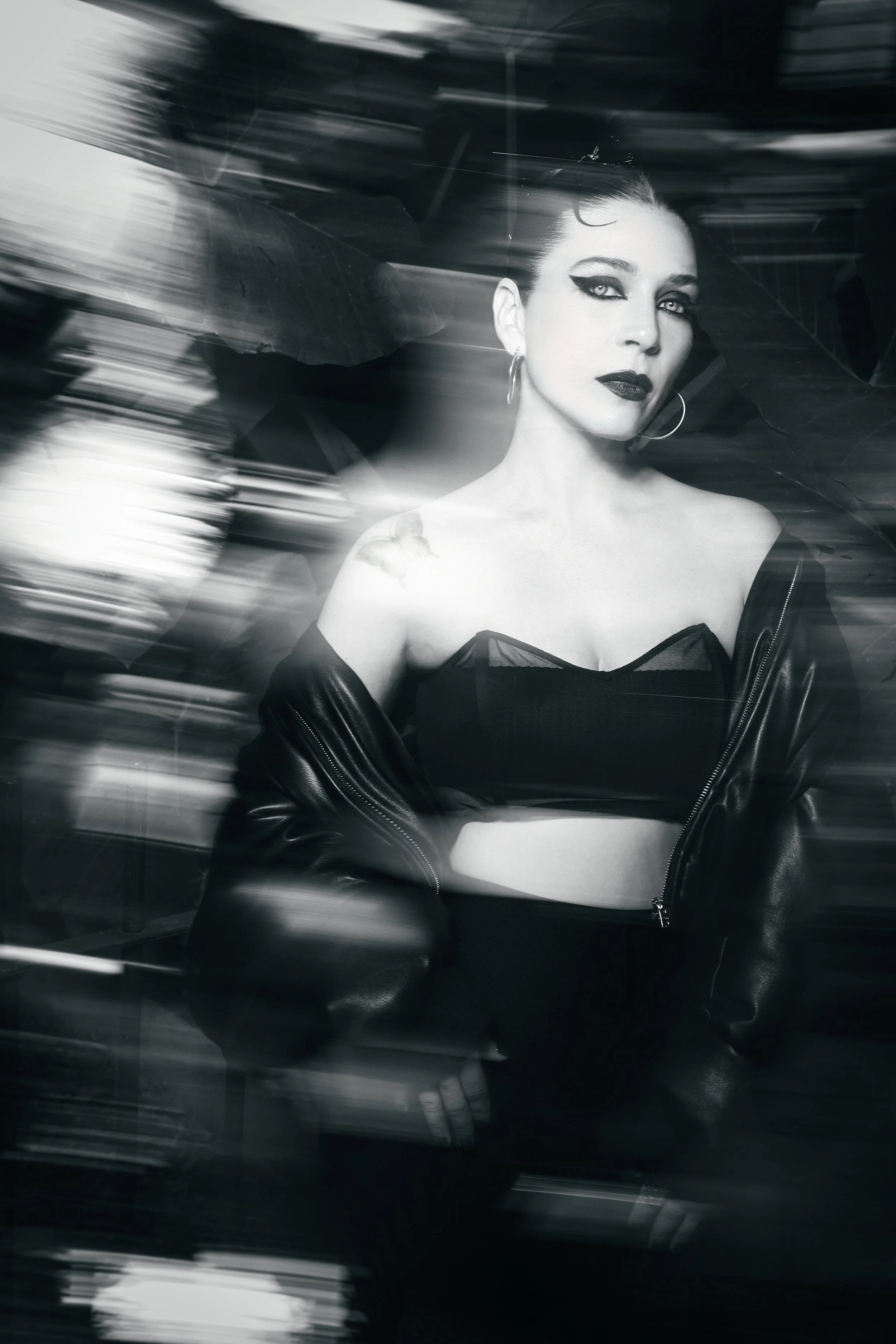
The three tracks on BASALT draw from very different natural landscapes. How did these environments shape the way you approached the EP?
BASALT begins with the idea that an environment can have a kind of sonic identity of its own.
I took sounds captured in Iceland as a starting point, not because I wanted to make a record about Iceland, but because it is a place where many natural elements manifest themselves in powerful ways. Wind resonating inside glacial caves, breaking ice, volcanic activity and the movement of the sea all contain completely different sonic behaviours and frequencies.
I became interested in thinking about those differences almost as codes. Two sounds can belong to the same element and still create completely different sensations depending on the environment in which they exist.
The three tracks explore different states of that idea. In some, there is something cold, immense and seemingly static; in others, there is more movement, pressure or force.
Instead of neutralising those differences to make everything fit within a techno formula, I allowed the characteristics of the source material to shape my production decisions. The landscape isn’t there as an illustration; it’s embedded in the construction of the sound.
You work with modular synthesis, analogue hardware and field recordings. What do these tools bring to your sound that you find difficult to achieve otherwise?
For me, the most beautiful thing about working with analogue tools is the personal experience of making music with my hands.
I know that today almost everything I need could exist inside a computer, and I don’t think using hardware necessarily makes a piece of music better. For me, it’s simply a creative decision, in the same way that a painter might choose oils, watercolour, acrylics or any other technique.
Working with machines and modular systems allows me to spend less time in front of a screen. There’s something about physically touching an instrument, patching a cable, turning a knob and immediately hearing the sound respond that makes me feel much more connected to myself and to what I’m doing.
There’s also an element of unpredictability that I really enjoy. You can have a clear intention and suddenly encounter an accident that takes you somewhere else. Instead of controlling absolutely everything, you enter into a kind of conversation with the machine.
Field recordings become another material within that process. I can take something that exists in the physical world and transform it until it serves an entirely different function. I’m more interested in what happens to the energy and texture of that sound when it becomes something else.
What do you think you’ve learned about yourself through making BASALT?
I think the most important thing I learned was to stay faithful to my own creative needs.
Making music has always been a way for me to stay sane. It’s a space where I can process things, investigate, obsess over an idea, or simply find my way back to myself. When the creative process starts responding too much to external expectations, I can lose the very thing that made me want to create in the first place.
BASALT reminded me that sometimes you need to go back to the beginning in order to reconnect. To ask myself again what makes me curious, what I want to investigate, and why I’m making something before thinking about where it will work or how it will be received.
I think BASALT was exactly that: allowing myself to become curious again without needing to know where that curiosity would take me.
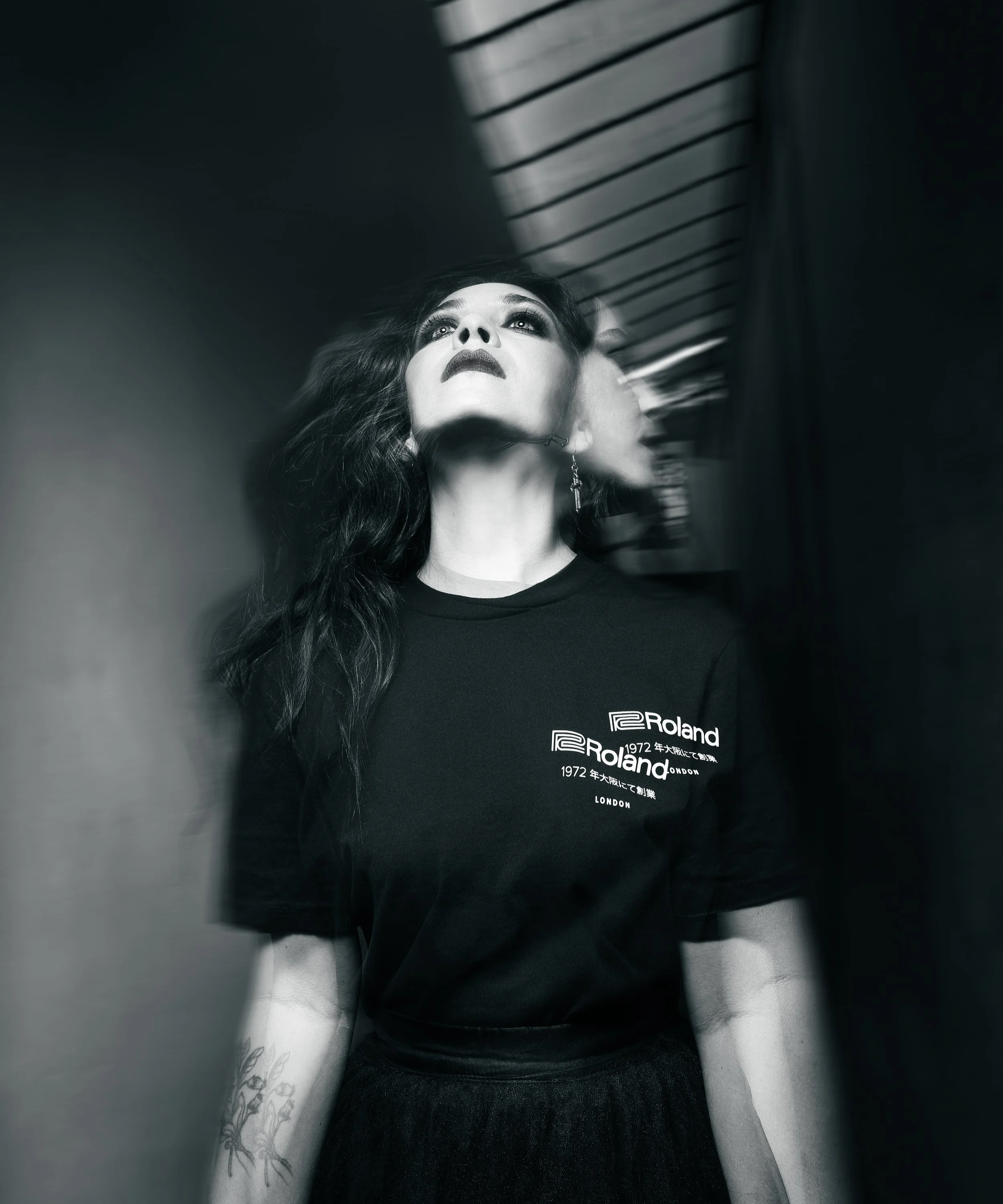
What has been inspiring you lately, both in music and outside of it?
Mexico has a very demanding audience, and I think that constantly pushes me to search for new alternatives, sounds and ideas. There’s a very particular energy on Mexican dancefloors, and playing here forces you to stay present. You can’t assume something will work simply because it belongs to a certain genre or because it’s working somewhere else.
But Mexico also influences my work beyond the electronic music scene. My physical surroundings have a huge impact on me. Landscapes, colours, smells, temperature and vegetation eventually become part of the way I perceive and construct sound.
I literally live in a forest, in a more secluded part of the city, surrounded by nature. So this relationship didn’t suddenly appear with BASALT; it’s part of my everyday life.
Maybe that’s also why I’m so interested in thinking about music as an environment rather than only as sound. To me, a track can also have a temperature, depth, colour or even suggest a smell.
Your music and visual identity feel very connected. How do you develop that visual world?
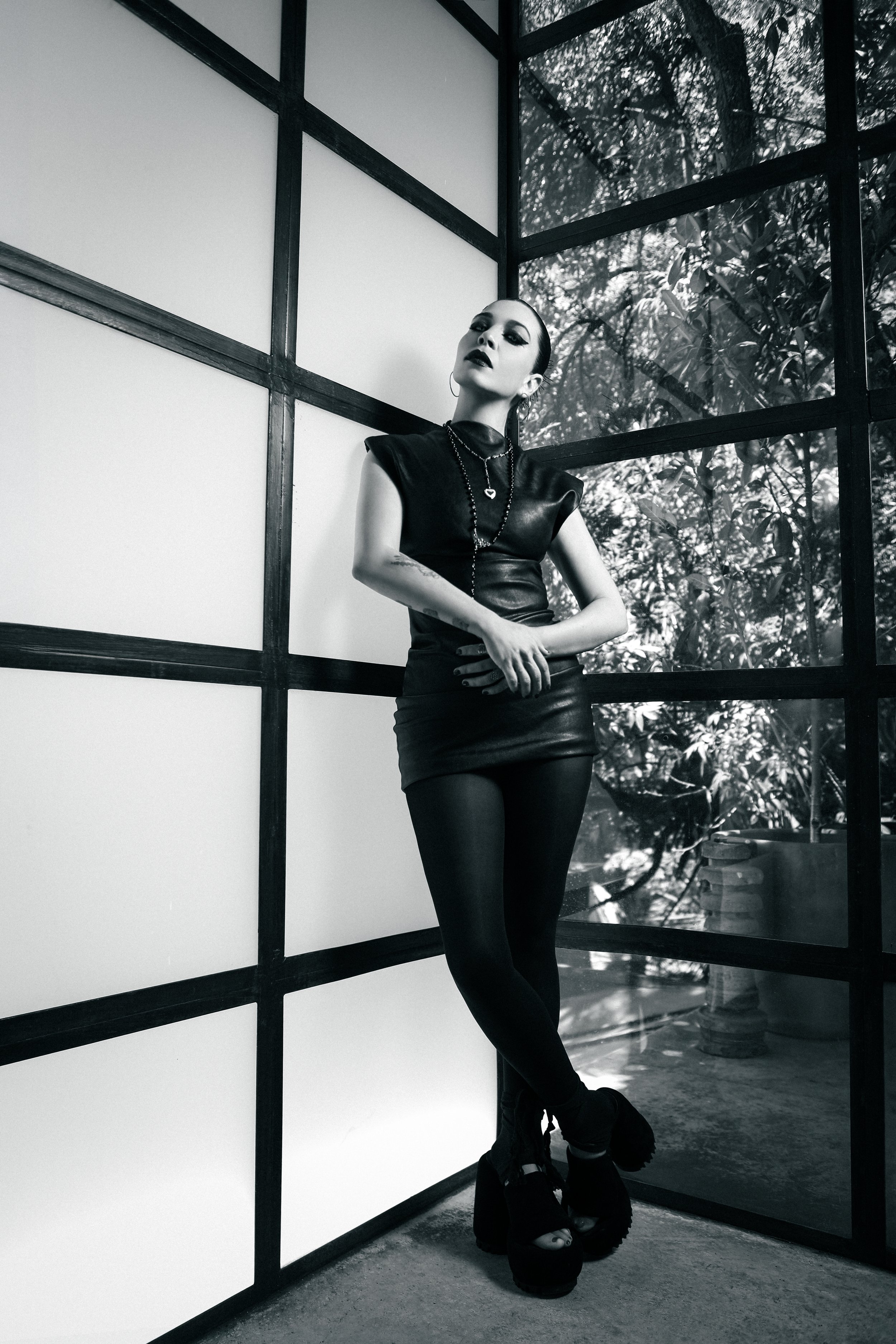
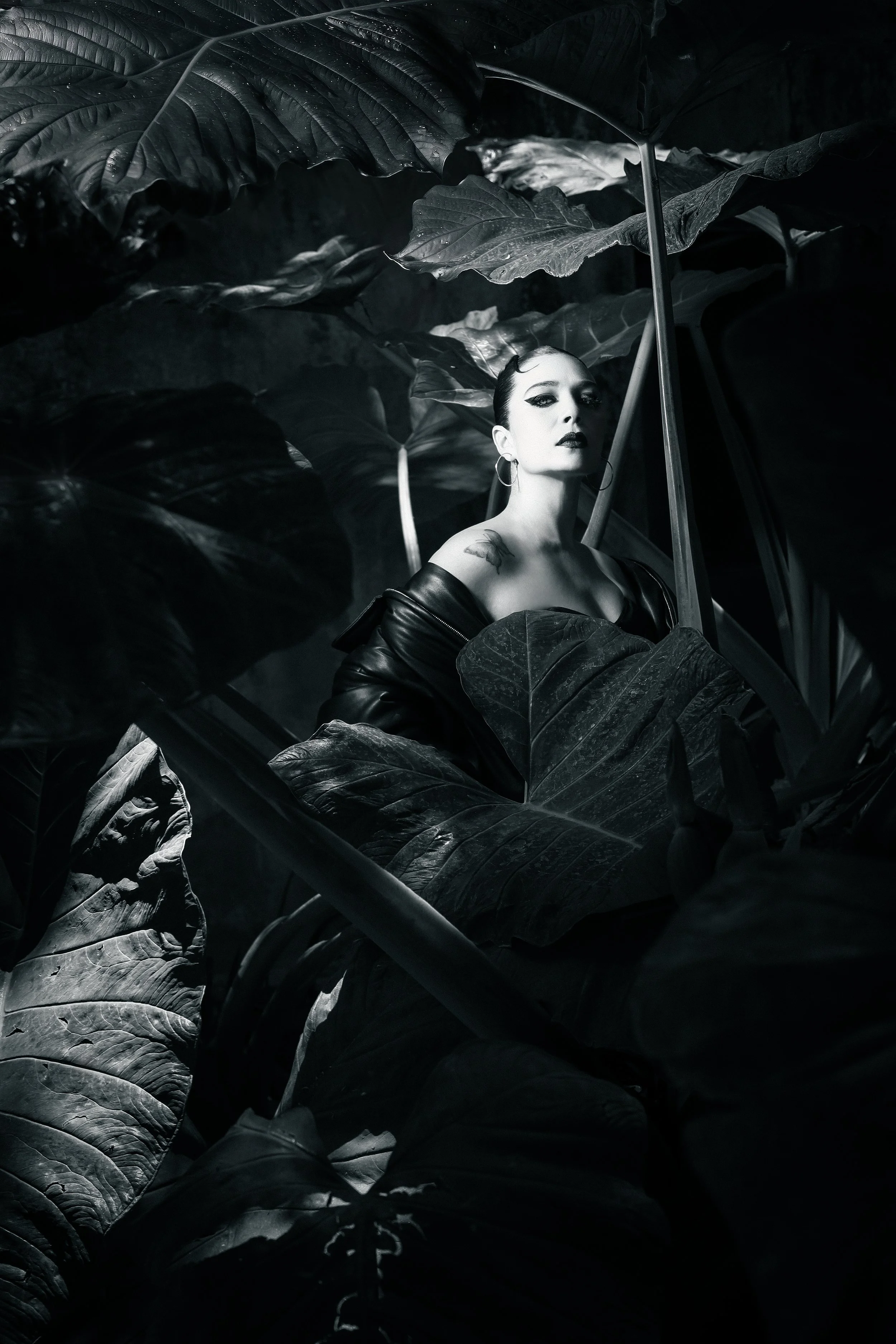
It’s very difficult for me to completely separate the visual from the sonic. I often think about sound in terms of colour, texture, movement, depth or space. I don’t feel that the visual side should arrive at the end simply to “dress” the music; ideally, they are different manifestations of the same idea.
With BASALT in particular, the music and the images had to communicate the same perceptual and energetic space. I didn’t want a photograph to literally explain what you were hearing; I wanted the two to feel as though they belonged to the same world.
That’s why I connected so strongly with the work of Jan Erik Waider. I worked with photographs and drone footage from his archive because I found many of the same qualities in his work that I was searching for in the sound: scale, texture, abstraction, movement and the feeling of standing before something in nature much larger than ourselves.
I don’t want the image to explain the music; I want it to expand the space the music has opened.
How does your approach change when you are producing alone compared with playing in front of a crowd?
They are two very different ways of relating to music.
In the studio, I can spend a huge amount of time on something incredibly small. I can investigate a frequency, change a texture, rebuild a sound or follow an idea without knowing yet whether it will work. It’s a much more introspective and experimental space.
In front of an audience, everything takes place in real time, and I’m constantly reading the energy in the room. To me, a DJ set isn’t simply a succession of tracks; it needs a narrative, tension, breathing room, moments of pressure and release, and the possibility of changing direction depending on what is happening in the space.
I think the two experiences need each other. The studio allows me to go deeply into my own world and construct it in detail. The dancefloor forces me to step outside of it and share it with other people.
What kind of experience do you ultimately want to create for people when they enter the world of SÜSS?
I want to create a space you can enter, rather than simply a collection of tracks.
One of the things that fascinates me most about sound is its ability to alter our perception without us necessarily understanding why. A frequency, a repetition, a texture or an almost imperceptible change can completely transform the way we experience a space or even our emotional state.
I want to recover the possibility of building more complex landscapes and allowing them time to unfold. I don’t want everything to have to explain itself or provoke a reaction within five seconds. I’m interested in the possibility that you can be dancing while simultaneously entering an introspective, contemplative or even emotional space, without ever leaving the party.
That contradiction is probably one of the things that made me fall in love with techno in the first place: you can be surrounded by people while encountering yourself very deeply; intensity and contemplation, darkness and celebration, individuality and community can all exist at the same time.
