
IN CONVERSATION WITH TAMTA
Interview by Samo Šajn
Tamta is a pop artist whose work lives where music, fashion and performance meet. Over the years, she’s shaped a clear, recognisable identity by staying open to change and not being afraid to shift direction. On stage and in her visuals, she relies on instinct, plays with new ideas and keeps pushing herself forward. As she grows, she continues to explore what’s next.
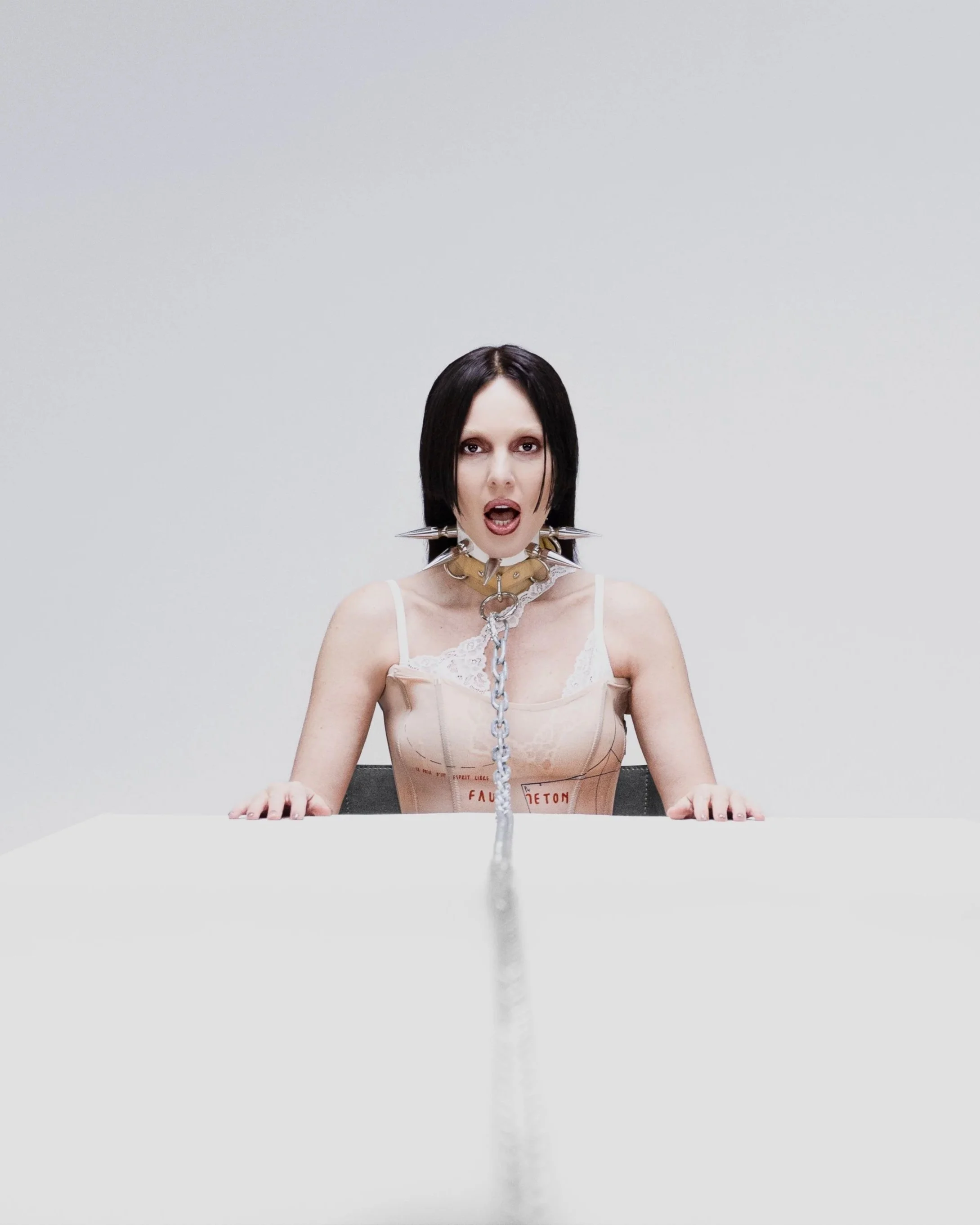
Your new single “AUTOTAPINOSI” is described as one of your most confrontational releases yet. What first inspired the concept behind the track?
The idea of subtle power dynamics between two people has always fascinated me. I wanted to explore how music could capture one of the most tense and intimate moments: that point where attraction shifts into a psychological game. Musically, the track carries a darker, industrial electronic energy, which helped shape the atmosphere of tension and control running throughout the piece. From the looks to the set design, the entire story unfolds visually in the music video as well.
The title translates to “self-humiliation,” which is quite provocative. What does that idea mean to you?
The title is intentionally provocative, but it’s not meant literally. For me, it’s more about the moment when someone willingly gives away their power because of desire. It’s that interesting contradiction between confidence, vulnerability, and attraction. The word “autotapinosi” plays with the idea that sometimes people step into these emotional dynamics themselves.
The track blends EBM, industrial electronics, and post-punk textures. What drew you to this darker, club-driven sound for this release?
“AUTOTAPINOSI” lives in a space where desire and power constantly shift between two people, creating a strong sense of tension and ritual. EBM felt like the perfect canvas for that emotional intensity because it immediately creates a darker atmosphere. The song also connects naturally with my recent releases “OOH AHH!” and “TOP.” In a way, it sits somewhere between those two worlds, combining the softer mood of one with the more aggressive energy of the other.
You worked closely with producer TEO.x3 again on this project. What makes your creative collaboration work so well?
Teo and I have been friends for over a decade, so there’s a natural trust between us. Creatively, we complement each other and constantly push one another to experiment and stay free in the process. For us, it’s not about perfection but attitude and building the right atmosphere to tell a story. He also knows how much I love creating characters, so we always find ways to bring that into my music.
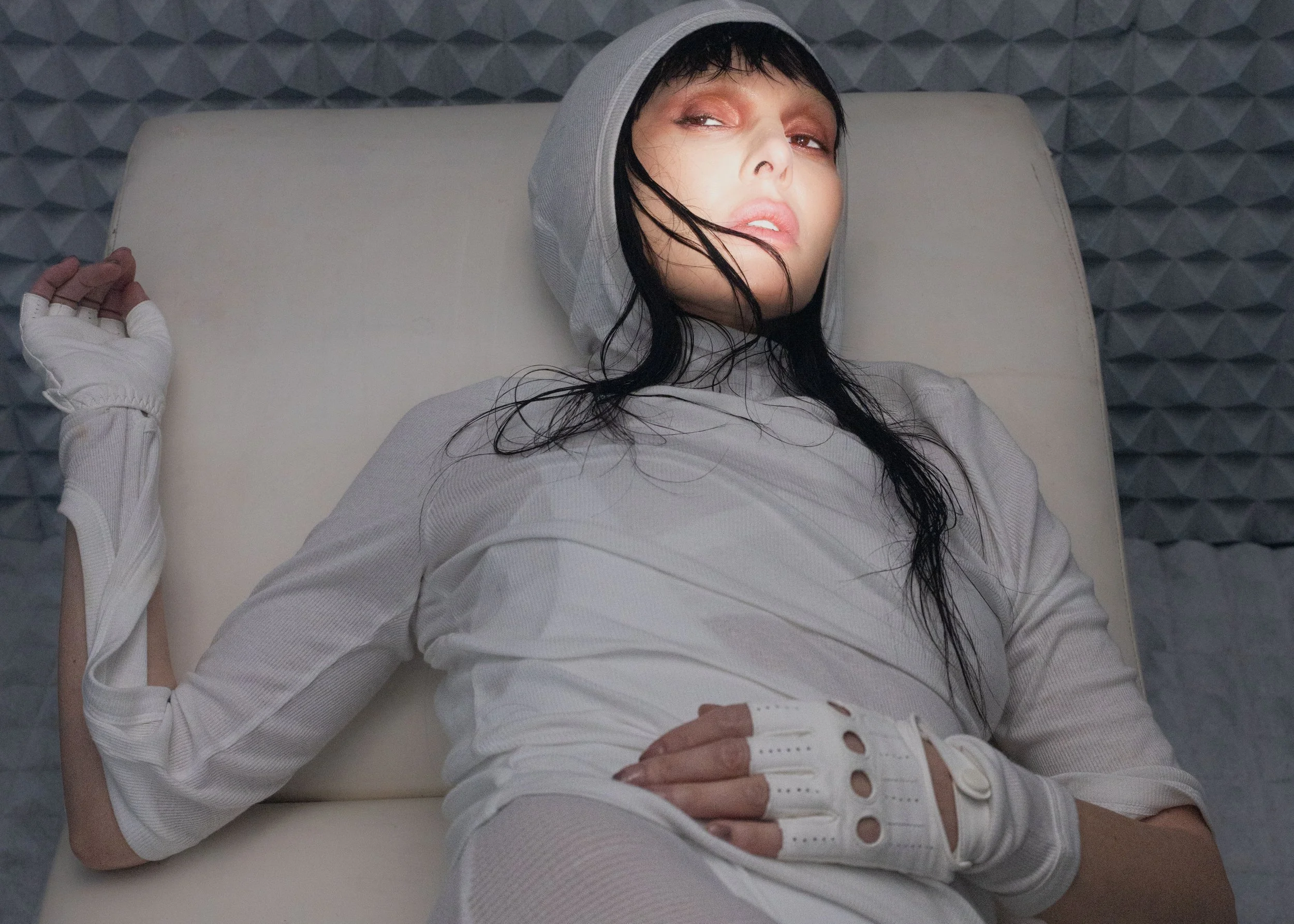
The song touches on themes of desire and control. What message did you want listeners to take from it?
I think desire always creates some kind of exchange of power, even if it’s subtle. Sometimes people believe they are in control, but emotionally the situation may be more complex. The song plays with that tension in a playful and slightly theatrical way. It’s really about confidence, awareness, and understanding how energy shifts between people. If there’s one thing to take from it, it’s: don’t be held back by taboos—explore that emotional space boldly.
With over 250 million streams and views across your career, how do you continue to challenge yourself creatively after so many milestones?
Numbers are amazing, and I’m grateful for that support, but they can’t be the main motivation. What keeps me excited creatively is curiosity. I like exploring new sounds, working with different collaborators, and experimenting with aesthetics that feel fresh to me. If something feels too comfortable, it’s usually a sign I should push a little further.
You’ve built a unique identity at the intersection of music, fashion, and queer culture. How do those worlds influence the way you approach your artistry?
Fashion, music, and queer culture have always been part of the same creative world. Music has its own power that inspires you to create a whole universe around it. Fashion helps translate the energy of the music into a visual identity, and queer culture allows you to feel free and be yourself. That’s why everything feels connected.
You’ve performed on massive stages, from the Eurovision Song Contest to major Pride events across Europe. How have those experiences shaped your connection with audiences?
Performing on big stages reminds me of the power of collective energy. It’s also my safe space, no matter how many people are watching. I express myself emotionally and physically much more freely on stage than in everyday life—it almost feels like therapy for me. In those moments, music goes beyond entertainment and turns into a space where people connect, celebrate identity, and share a sense of freedom.
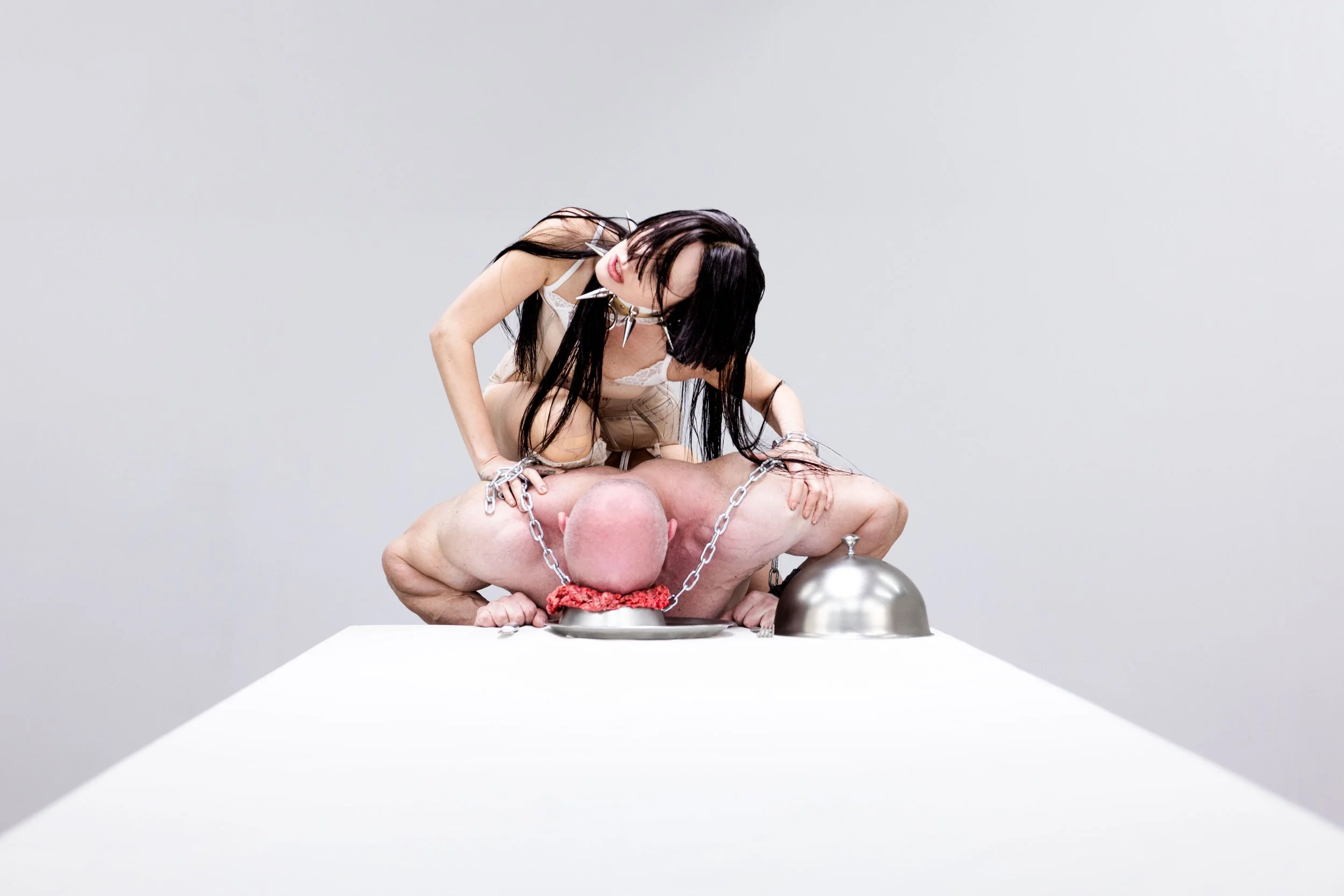
Your previous album, “THE VILLAIN HEROINE” introduced a new era for you. How does “AUTOTAPINOSI” build on or push beyond that chapter?
Right now, I feel like I’m somewhere between chapters. My recent releases aren’t necessarily part of a bigger project yet. I’m experimenting—moving between melodic vocals and more aggressive beats—and using this time to shape what the next era might be. With “THE VILLAIN HEROINE,” I set a new bar for myself, and naturally I intend to surpass it.
You’re returning to London for a headline show at Colours Hoxton. What can fans expect from this next phase of your live performances?
People can expect a high-energy set where we truly connect with the audience. Last year in London, we created a very special moment alongside my four incredible performers, and we’re hoping to bring that same energy again this time. The performance is directed by Bill Roxenos, and together we developed a concept that I’m really proud of. So expect some new music and a few new moments on stage.
Photo Credits
Photographer: Lena Knappova
Music Video Credits
Director: Adam C.Keller
Creative Direction: NMR
Director of Photography: Aris Ziotopoulos
Production: Evelina Evangelia Stoltidou
