
IN CONVERSATION WITH TESS CLARE
interview by JANA LETONJA
Los Angeles-based singer-songwriter Tess Clare is stepping into her boldest era with her debut album Diva 98, arriving this August. Blending theatrical indie pop, cinematic storytelling and deeply personal songwriting, the record explores identity, ambition, vulnerability and the courage to stop waiting for permission. Inspired by artists like Charli XCX, Lorde and Caroline Polachek, as well as films such as Black Swan and Showgirls, Diva 98 reclaims the word “diva” as a symbol of confidence, self-belief and creative freedom. Ahead of its release, we caught up with Tess to talk about embracing imperfections, building her own artistic universe and finding power in being unapologetically herself.
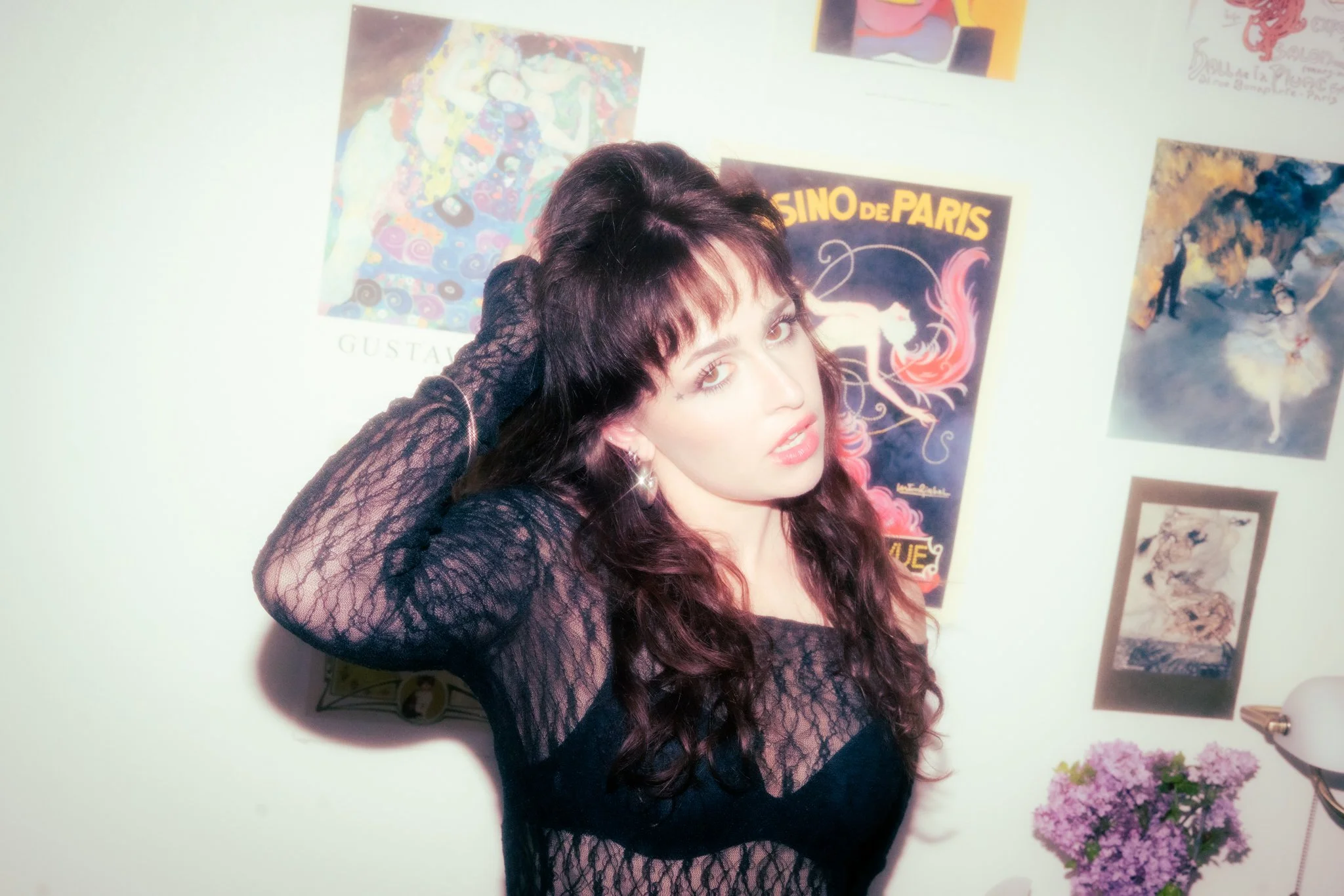
all photography by WENDY ROSALES
Diva 98 feels like a declaration rather than just a debut album. At what moment did you realize you were ready to make this record?
I realized I was ready to make this record at a point in my career where I felt the furthest from ready, to be frank. Making this album saved me from burning out and throwing in the towel with music.
I’ve been releasing music for years and although I always knew I wanted to be an artist, I don’t think I slowed down to take the time to “play” and really enjoy the self-discovery process that is artistry. I was exceptionally negative and doubtful and cared way too much about external validation and where I was at according to the music industry standards of numbers. When I realized that no one was going to “find me” or “make me the star” and that I needed to do that for myself, I “rediscovered my inner child” and figured out I already had a collection of music surrounding these themes of self-identity and purpose.
You describe the album as being about “stopping waiting for permission.” What kind of permission were you waiting for, and what finally changed?
I was waiting for the permission of having a professional team, industry people “watching/scouting” me, online metrics and a following deemed popular in order to feel confident enough to put out a large body of work. But, I realized that I had to take myself seriously in order for the world to do the same. Waiting for approval while organically building a body of work that spoke to me in the moment and revolved around these concepts of success, validation, self-worth, felt inauthentic to not just make it myself.
The word “diva” has often been used to diminish outspoken women. Was reclaiming it a conscious political act as much as a personal one?
Yes, 100%. In the world we live in, on so many different scales, women are taught and shamed into submission. Being too loud, too demanding, too career-driven are only a few of the thousands of labels. I think the word “diva” is one of the most powerful words in my vocabulary because of its history and the different contexts in which it’s used. It all started as a word defining a female opera singer, an openly vulnerable, emotional, “vocal” woman wanting to be seen, heard, and loved in her depth and complexity.
To me, a true diva is a woman who can own her value, her power, her voice in a world continuously trying to judge and silence it.
Your music balances vulnerability with theatricality. Do you ever worry that one might overshadow the other, or do they always co-exist for you?
I believe they’re the same for me . My authentic self is theatrical and that is vulnerable in itself. My favorite artists beautifully portray duality, highs and lows, light and dark. I think there’s something inspiring and liberating about hearing someone go from being super soft and to outwardly wild and free, displaying the range of vulnerable, raw feelings.
The album touches on ambition without apologizing for it. Why do you think women are still often expected to soften or hide their ambition?
The roots of misogyny in people, even within women, run disturbingly deep. I believe our society doesn’t know how to properly love a truly unapologetic, ambitious woman. As women, we’re taught if we’re too ambitious, we’re egotistical and selfish. When people think of ambition, it’s automatically gendered to be a more “masculine” quality and being “soft” is deemed “feminine, ” so our own language is already pre-programming us to feel like those “masculine” traits aren’t natural for women. Possessing ambition is inherently liberating, holding and lighting one’s own flame is an act of freedom, and by women proudly chasing their desires, that directly goes against the systems designed to keep women doubting themselves.
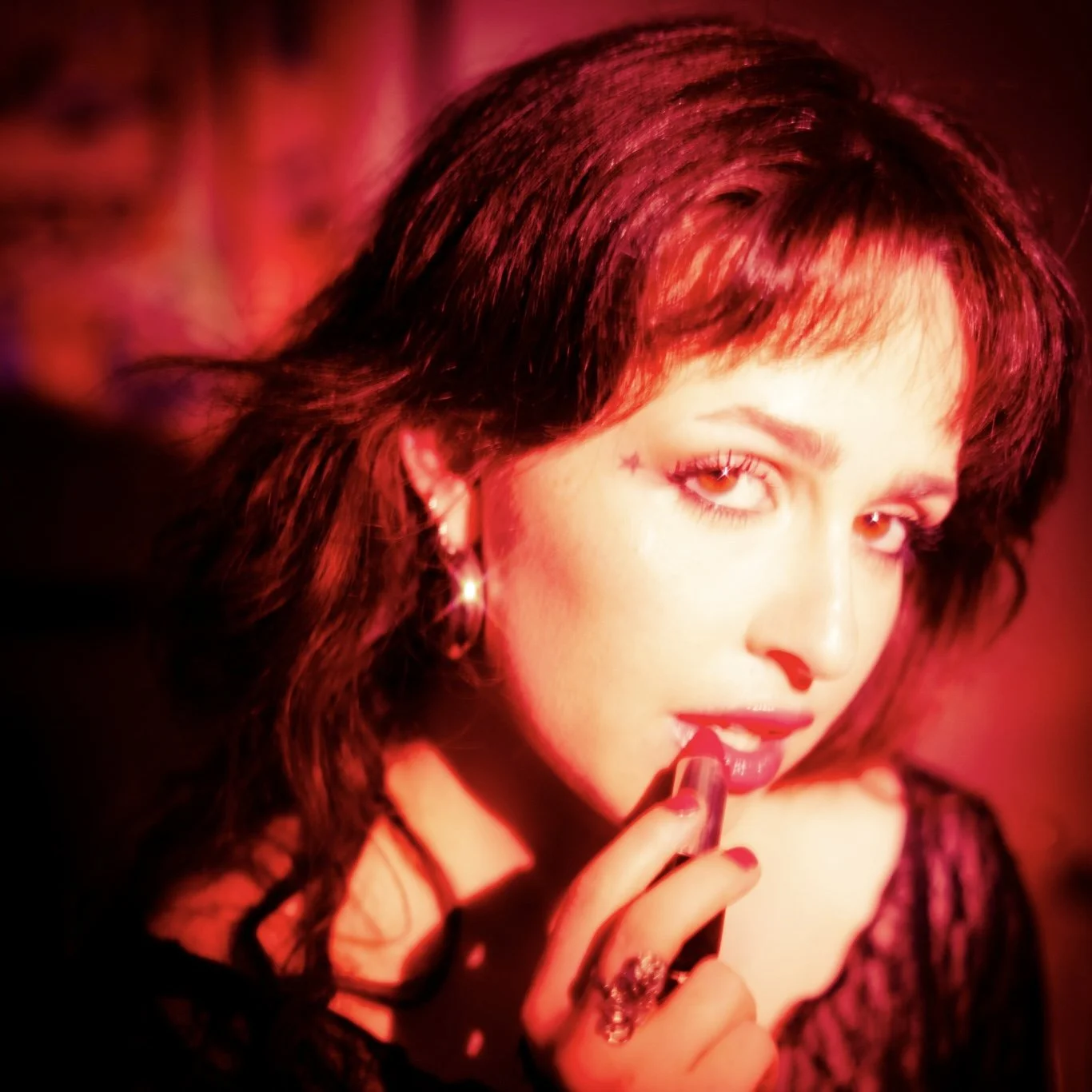
You’ve been releasing music for years before making a full-length album. What does an album allow you to express that singles simply can’t?
To me, an album gives me the ability to purposefully build a collection of songs with a greater theme, message, and world than simply releasing single to single can’t do. I’ve been able to write and weave a body of work that, piece by piece, expresses the journey of a diva, the highs and lows of finding my voice and place in this world. With any good hero’s journey, there need to be peaks and valleys, and an album is the ideal music format to tell a rich, dynamic story.
Your influences range from Prince and Tracy Chapman to Charli XCX and Caroline Polachek. Who has unexpectedly shaped your songwriting the most?
Charli XCX, 100%. I love how individualistic Charli’s songwriting style is. She creates incredible pop hooks while authentically writing raw, real, messy thoughts in a way that is both relatable and poetic. Her true sense of artistry and self is so clear in the way she writes, following the feeling and not trying to mold it into a certain type of commercial, digestible format.
Social media often encourages artists to constantly perform versions of themselves. How do you protect your real identity while building your public persona?
To be honest, I don’t think I can fully relate to this question quite yet, as an up-and-coming indie artist. In the future as I grow, I think being an artist that shows up authentically, yet also intentionally in my “alter ego” online will create a more interesting character and art for my future fans and also allow me to protect my personal life on a day to day basis.
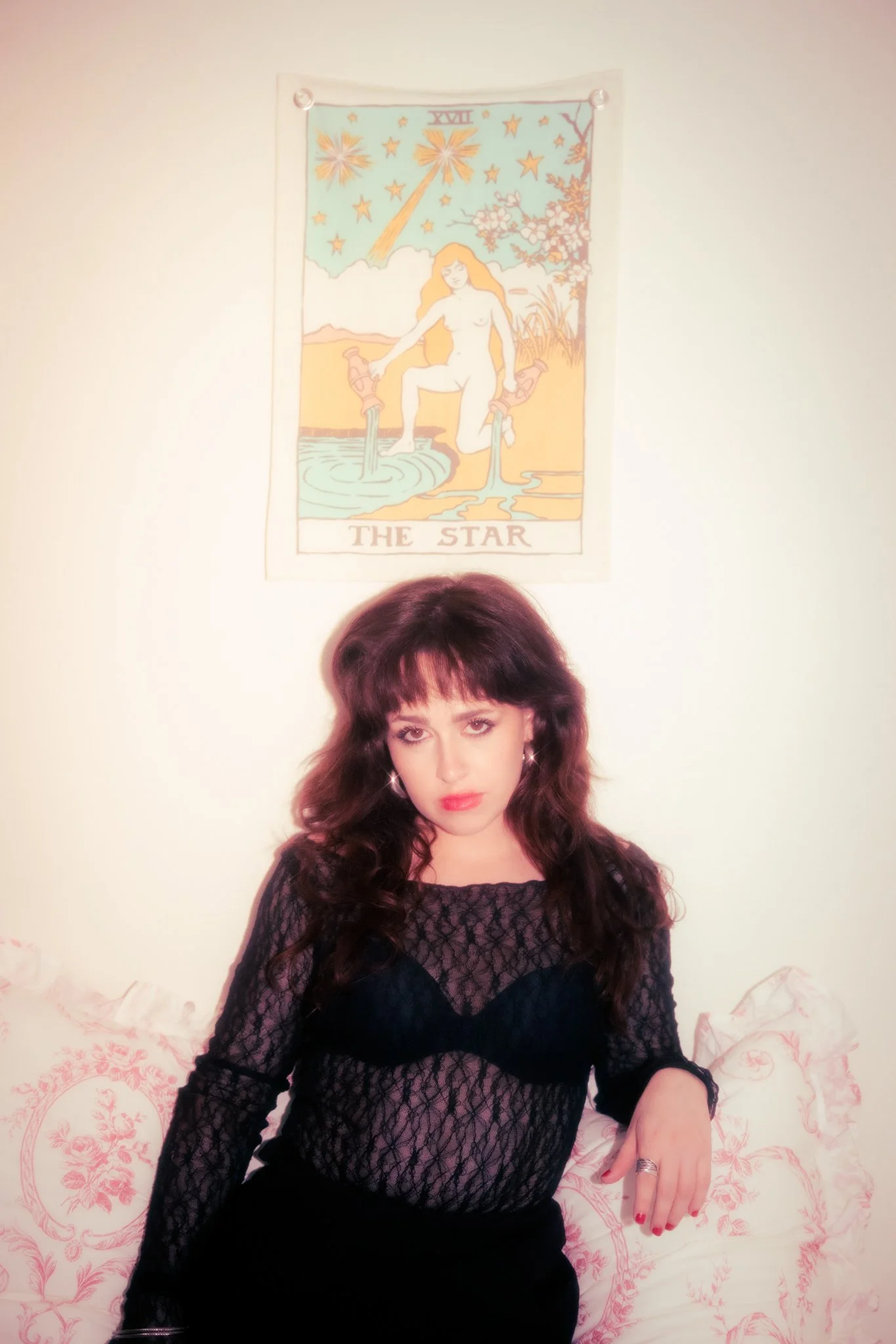
If you could have dinner with three iconic divas from any era—musicians, actresses, fictional characters or otherwise—who would you invite, and why?
This is an amazing and also super difficult question. The divas who I find to be larger than life that I would be utterly in awe of having a fabulous dinner with are Cher, Edith Piaf, and Lilith. Starting off with the iconic Cher, this woman is the definition of magnetism. Her essence exudes sparkle and star power. Her presence on stage, in a scene on camera, or simply walking, is always carried with the highest level of confidence that is contagious. I think I would get the best one-liners and honest life advice from that woman. She has lived.
Next at the table is the timeless songbird Edith Piaf. Edith Piaf’s voice, full of the most joy and also the most stunning sorrow, demonstrated through her luscious vibrato, sends chills down my spine every time I listen to her music. Not only meeting her for her talent, but also her tragic, inspiring story would make her an excellent dinner guest.
Lastly, the infamous, “fictional” character who is Lilith. As a dark goddess in ancient folklore, Lilith represents what it means to be a diva like no one else. A feminist baddie, she chooses her autonomy and independence over sacrificing herself to the societal expectations of being a “good” woman. Lilith’s courage to leave an unfulfilling situation results in her being labelled a “mother of demons.” In the end, she prioritizes her authentic self over a false reality.
Finally, when you look beyond Diva 98, what kind of artist do you hope to become over the next decade, and what would success mean to you then?
Just like fine wine, I want to be the kind of artist who ages better and better over this next decade. After making this first album, I’ve learned so much about myself and how I want to show up as an artist. I want to be unafraid and embrace evolution and growth. Being understood over choosing an inauthentic life is the ultimate form of success to me, as well as the why of my music. I yearn for my music to be a match. When played, it strikes and lights an awakening flame of repressed feelings, identities, desires, especially within women, a call to listen deeply to their intuition. Success is sharing my joy, my energy, my power with others, in a theatre live, or through a record in the intimacy of their bedrooms, passing along a piece of my divine femininity.