
IN CONVERSATION WITH TINIE TEMPAH
interview by JANA LETONJA
Few artists have shaped modern British rap quite like Tinie Tempah. More than 15 years after his breakthrough, he remains one of the UK’s defining voices, an artist who blurred the lines between rap, grime, dance and electronic music long before it became the norm. With seven UK number ones, record-breaking albums, successful entrepreneurial ventures and a commitment to nurturing emerging talent, Tinie has built a legacy that extends far beyond chart success. Now, with his fourth album The Night’s Not Dead and his first headline tour in almost a decade, he’s celebrating nightlife, community and the grassroots venues that continue to shape the future of British music.

The Night’s Not Dead feels like both a celebration of nightlife and a statement about preserving culture. What inspired you to make this album now?
For me, the night has always been sacred. When the workday wraps up, a whole different world opens up, a space that’s completely all-inclusive regardless of age, race, sex, or background. It’s where people go to drop their masks, catch a flow state, and really connect.
At the same time, we’re facing a genuine crisis. Independent UK venues are closing at a frightening rate. We’ve lost around 30 this year alone, and on average three are shutting down a month. If we lose these grassroots rooms, we lose the exact spaces where UK scenes start, where artists find their voice, and where culture actually lives.
That’s why I wanted to map this album to the fluid timeline of a single night, starting at 9:00 PM and moving through the hours of the night across EPs, and building toward the full album drop on 16th October. But more than just telling that visual story through music and film, I wanted to put real weight behind it. Partnering with Music Venue Trust (MVT) and Save Our Sceneto host intimate underplay shows is my way of using this platform to fight for the places that built me.
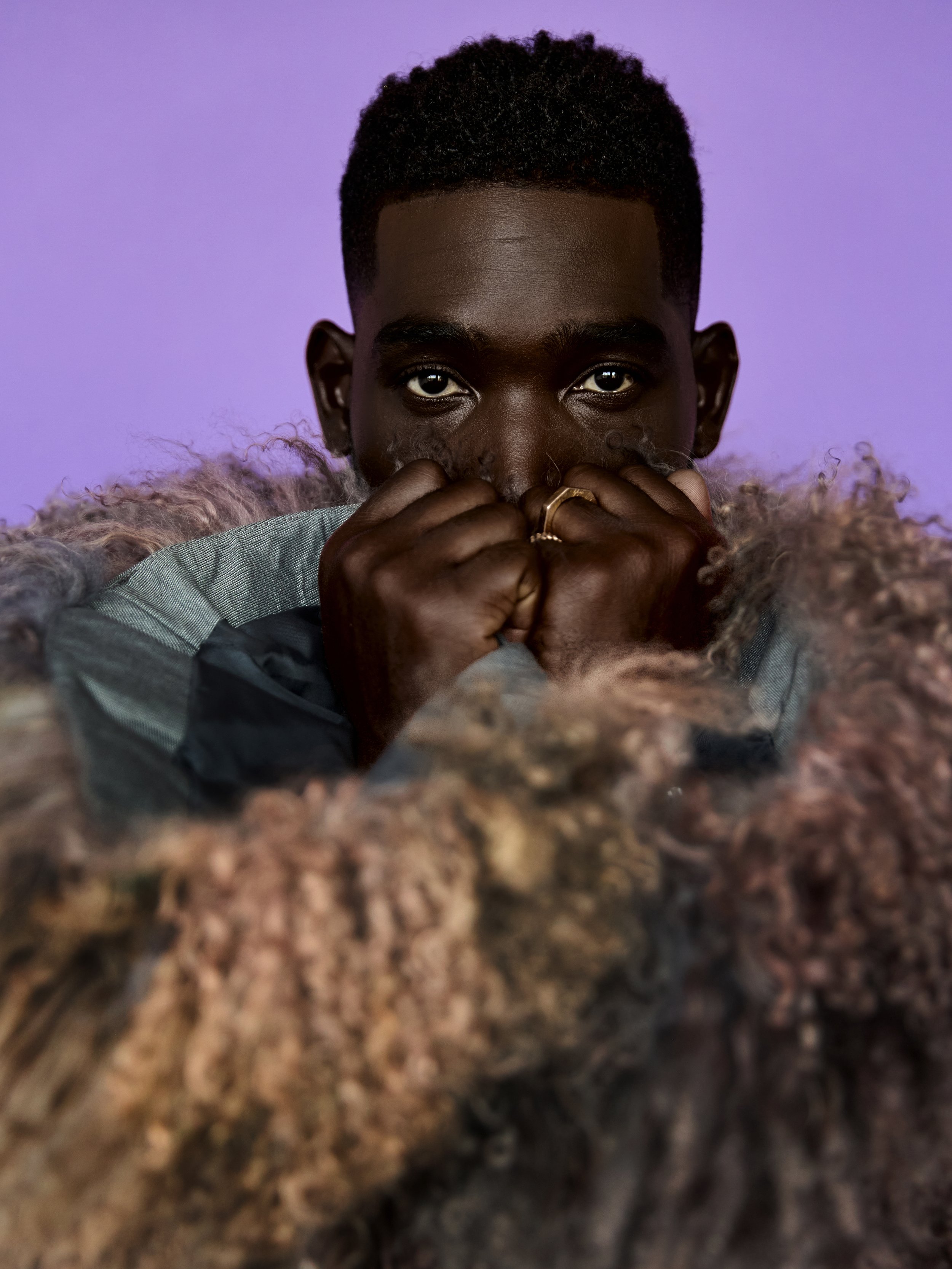
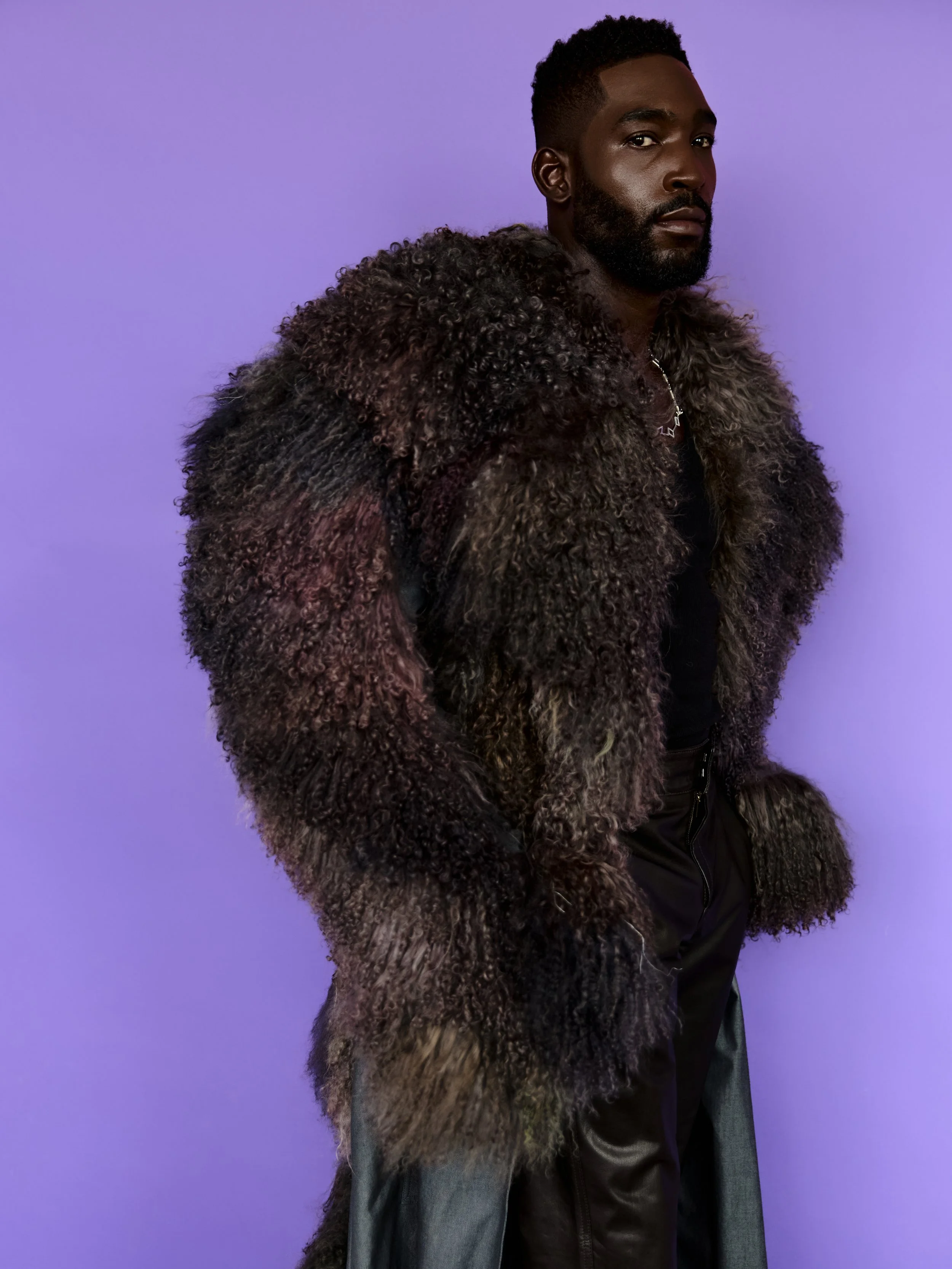
coat and trousers AGRO STUDIO
top stylist’s own
necklace MJ JONES
You’ve said you’re more comfortable with your legacy than ever before. When you look back at Disc-Overy, what makes you most proud today?
When I look back at the 20-year-old kid making Disc-Overy, I see someone who was just relentlessly hungry and determined to prove himself coming out of a South East London council estate. I had this burning desire to show the world what was possible.
What makes me proudest today isn't just the numbers or holding the record for the biggest UK rap debut. It’s the generational impact. When I do shows now and see people of all ages rapping every single word to Pass Out or Written in the Stars, that’s surreal.
I could never have dreamed back then of that success. To know those records still hold such a special place in British music history allows me to approach making music today purely out of love rather than trying to chase something.
Throughout your career you’ve embraced different sounds, from grime and drum & bass to garage and Afro House. What draws you to genres outside traditional hip-hop?
It goes back to my roots and where I discovered music. Before I ever stepped onto big festival stages, I was in small, sweaty club spaces, such as Stratford Rex for grime back when events were being heavily marginalised.
From the very start of my career, I consciously wanted my writing style and sound to have a distinctly British identity rather than just copying US hip-hop. Dance music, whether it’s Garage, House, Drum & Bass, or Dubstep, stems from Black culture and club culture. If a track makes me feel something, I don't care what genre label you put on it.

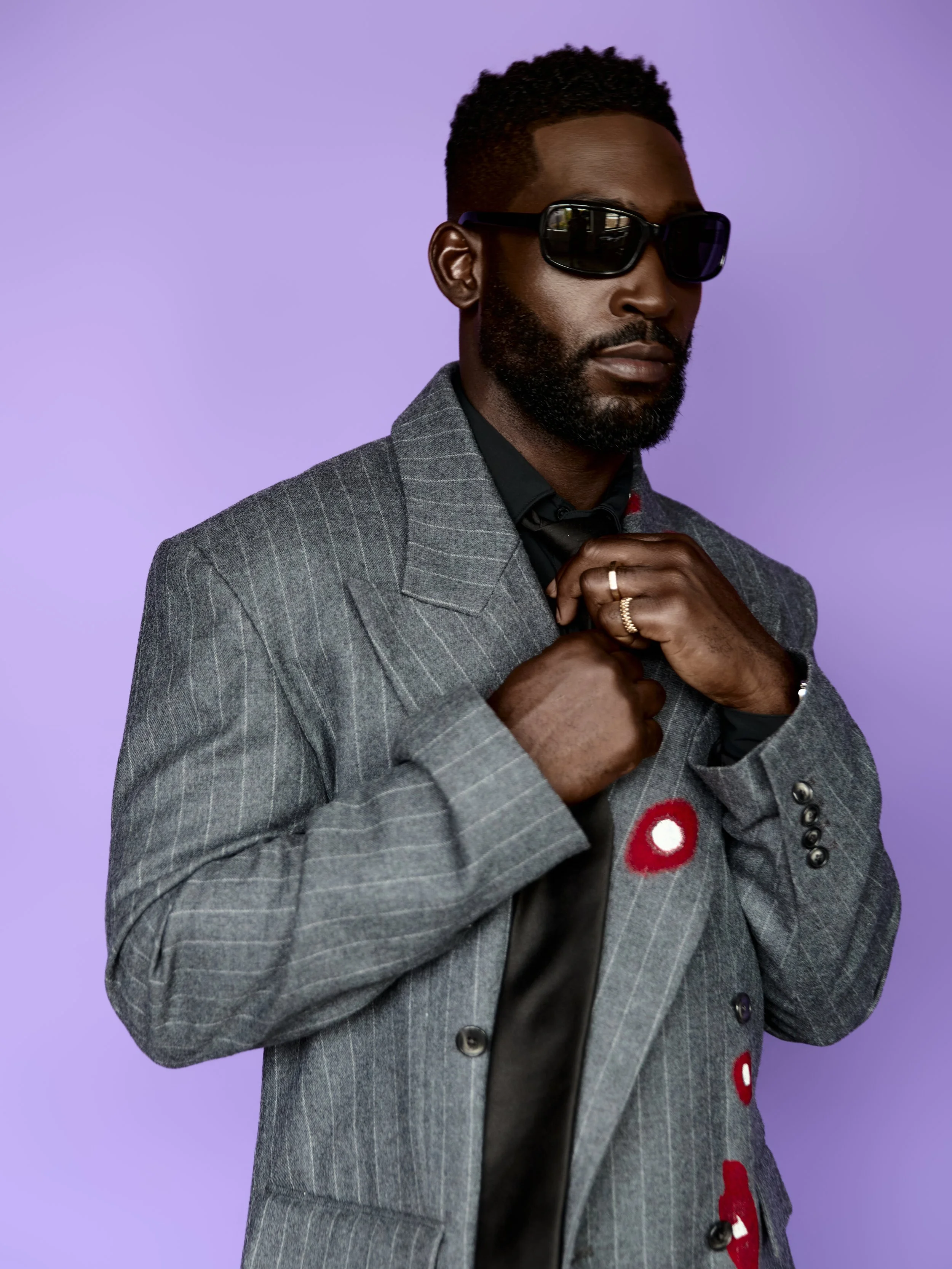
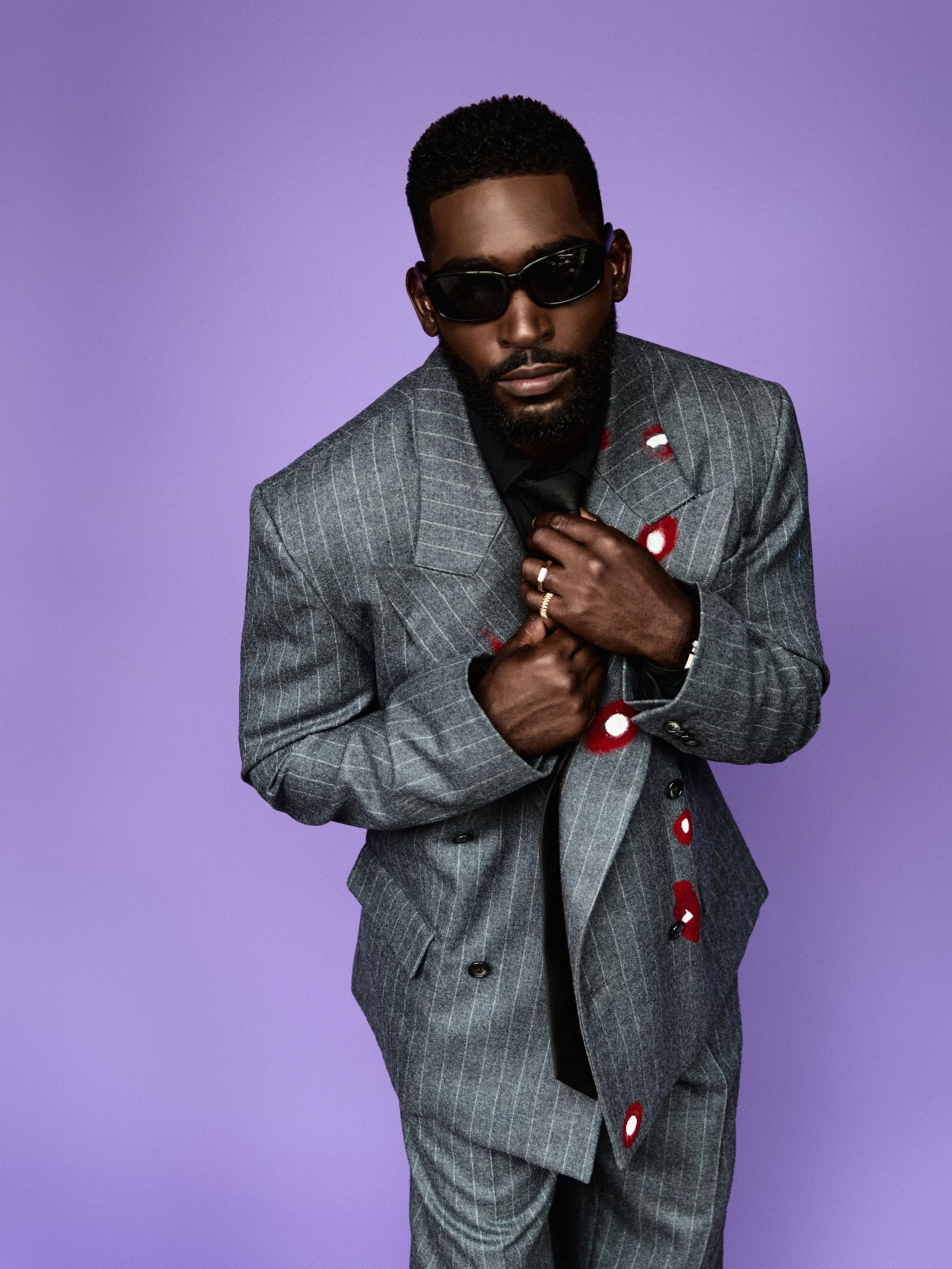
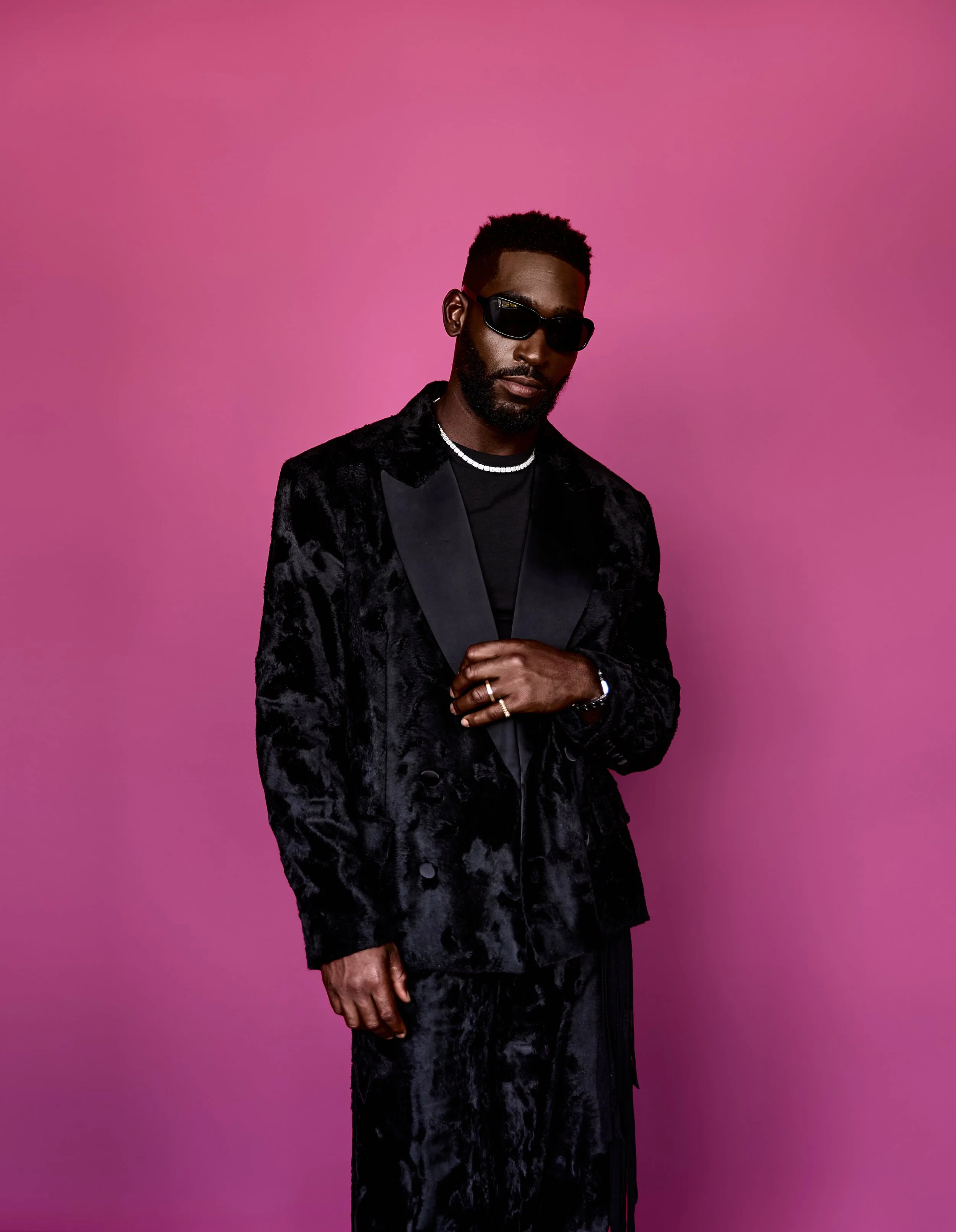
coat and suit KANE TZLUNG
shirt and tie stylist’s own
This album features producers and artists from a younger generation, like Badger and DAECOLM. How important is it for you to stay connected to emerging talent rather than rely on nostalgia?
It’s vital. Early in my career, when I crossed over into mainstream, I was excited to collaborate with the biggest established names in the world because you’re looking for that recognition. But where I am now, I get way more satisfaction out of being that co-sign for the next generation, artists like Reggie, Badger, DAECOLM, etc.
Having my own studio complex in London has completely recharged that energy for me. On any given day, I’ll walk down the hall and see artists rehearsing, shooting videos, or producing tracks under my roof. It keeps you tapped into what’s fresh and happening on the ground.
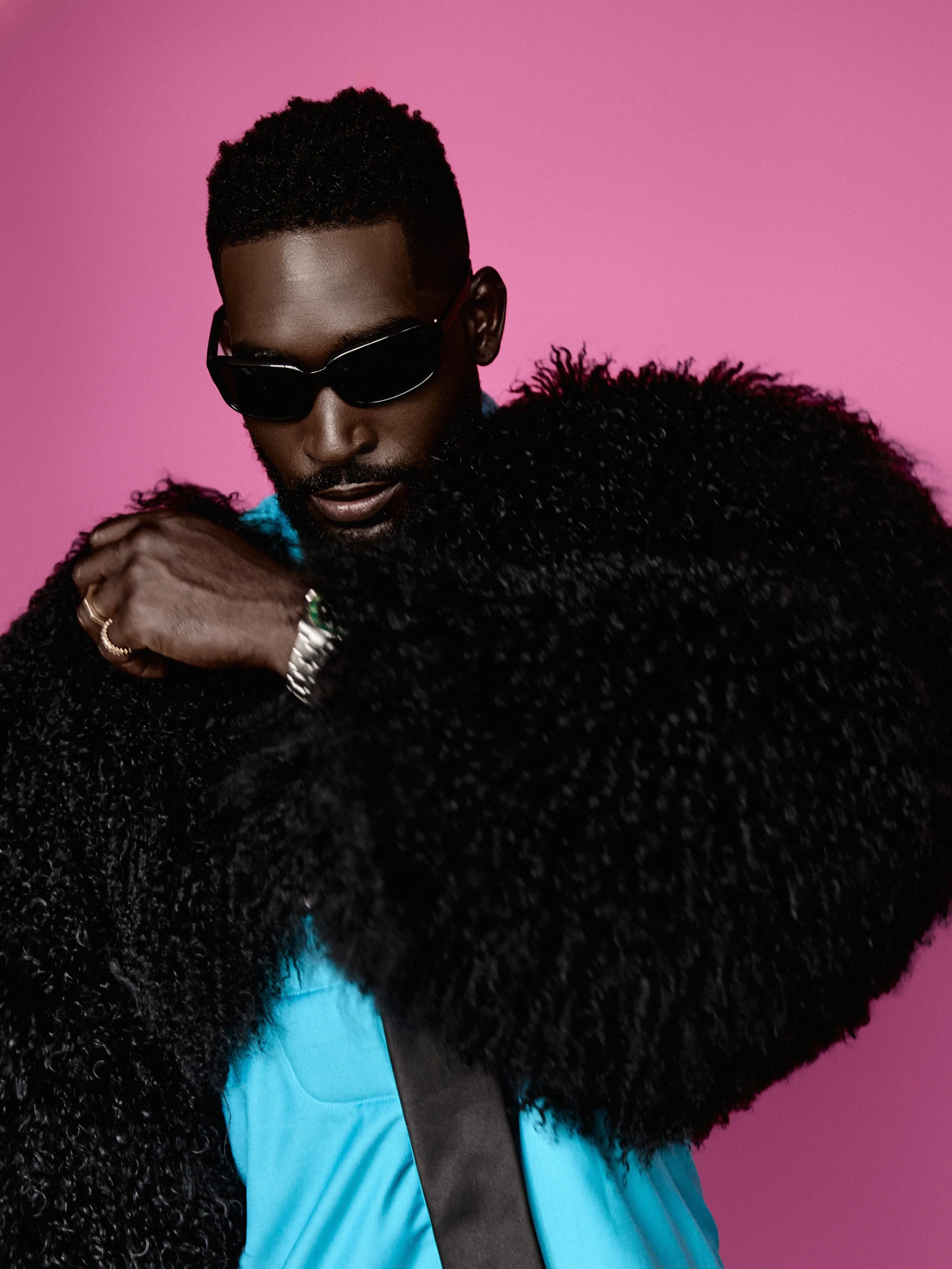
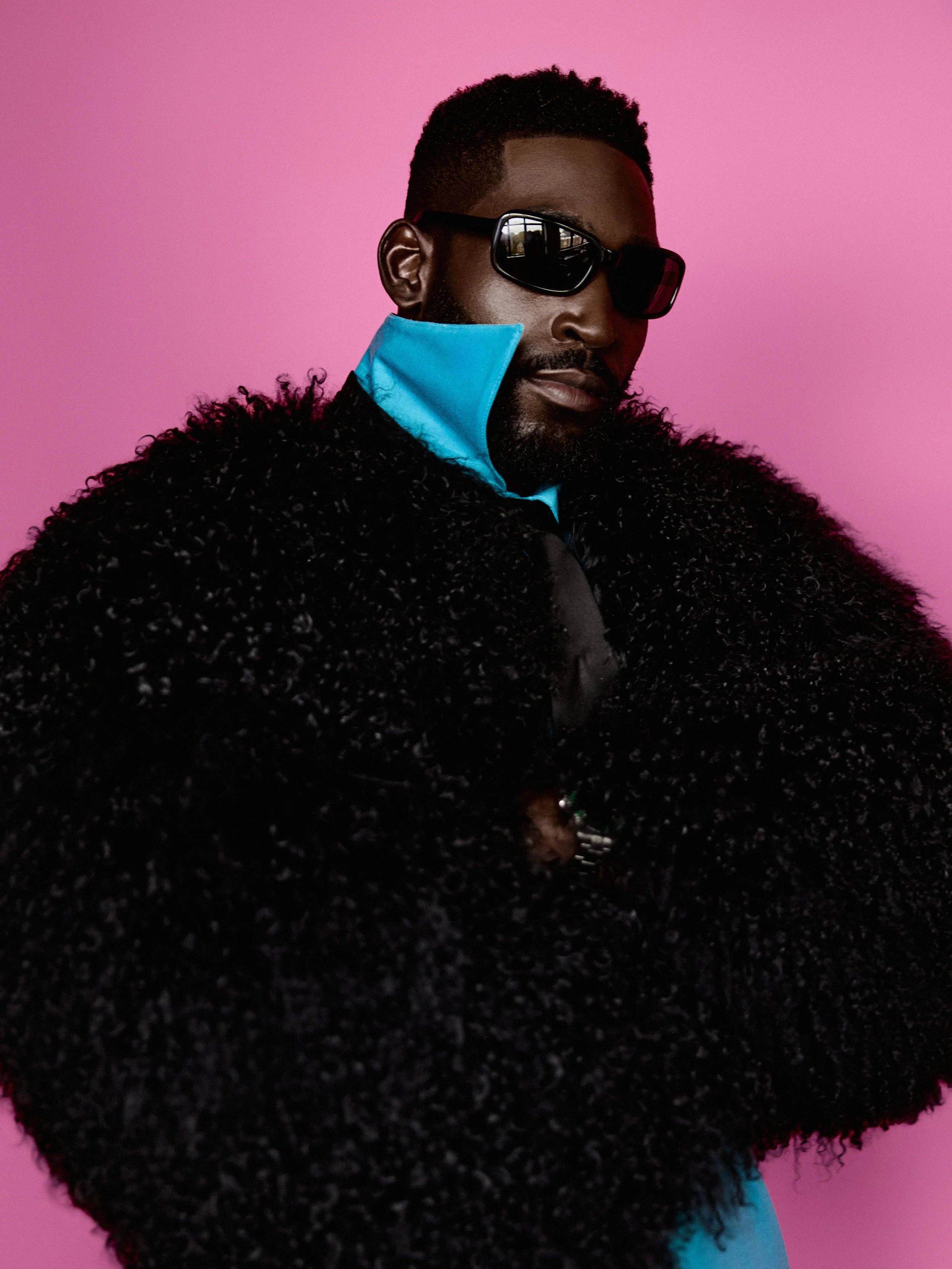
jacket AGRO STUDIO
shirt HOLY ONE BY DEDE ARISEKOLA
tie stylist’s own
sunglasses AKIRA
You’ve often spoken about “lifting as you climb.” What qualities do you look for when mentoring new artists?
I look for hunger and genuine passion for the craft and people who have been able to start building something for themselves.
You recently partnered with Music Venue Trust to champion grassroots venues. Why is protecting those spaces so personal to you?
The reason that I love grassroots venues is because you can really look into the white of a person's eyes and build a way more solid connection. When I look back on those memories made earlier in my career, it was those that really helped me gain my confidence. It helped me not only get my 10.000 hours in, it was also a huge aid in culminating a real core fanbase which has stuck with me to this day, decade on which I have to credit to those venues.
Your first headline tour in almost ten years is coming up. What can fans expect from this new live show compared to previous tours?
This tour will be a celebration of, of course, the hits that the fans know and love, but also a celebration of the new and a culmination of all the great things that go into a night out. It will be the telling of all of our own stories of a night and I hope that this tour can be an example of how these nights have to be lived.
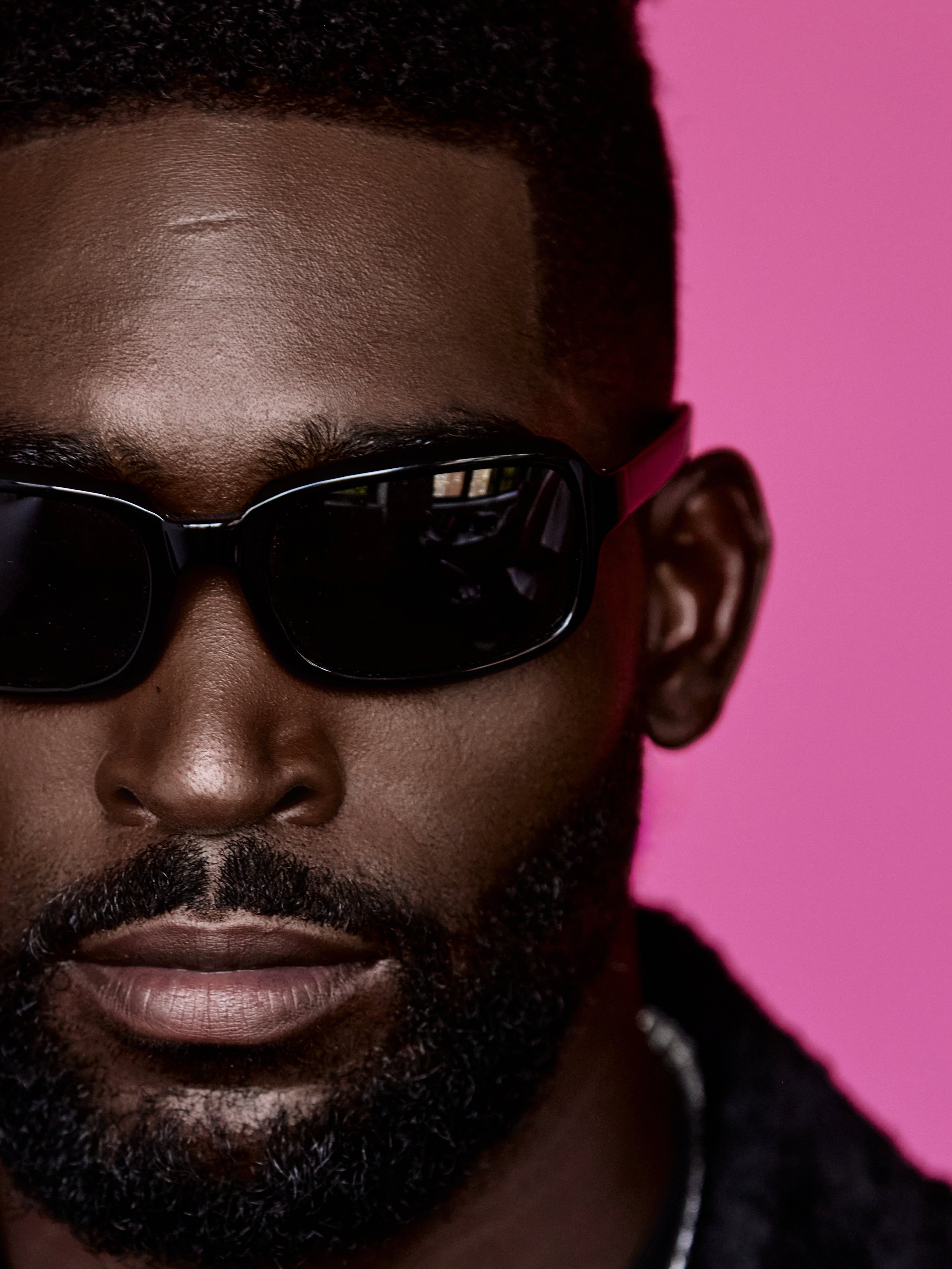

jacket AGRO STUDIO
shirt HOLY ONE BY DEDE ARISEKOLA
tie stylist’s own
sunglasses AKIRA
Becoming a father has clearly shifted your perspective. How has parenthood influenced the music you make and the way you define success?
It’s definitely changed how I define success. Before fatherhood and much earlier on in my career, I used to put immense pressure on myself to continue to keep going, achieving what I set out to achieve and trying to better and top every single record that had come before.
However, after hearing all the horror stories from all rock stars, tech entrepreneurs, finance guys who regretted not spending enough time with their loved ones and solely focused on commercial success, fatherhood has allowed me to redefine what success used to mean to me and has allowed it to shift to what’s around me in my day to day life. For me, none of this is worth it if my house is not intact.
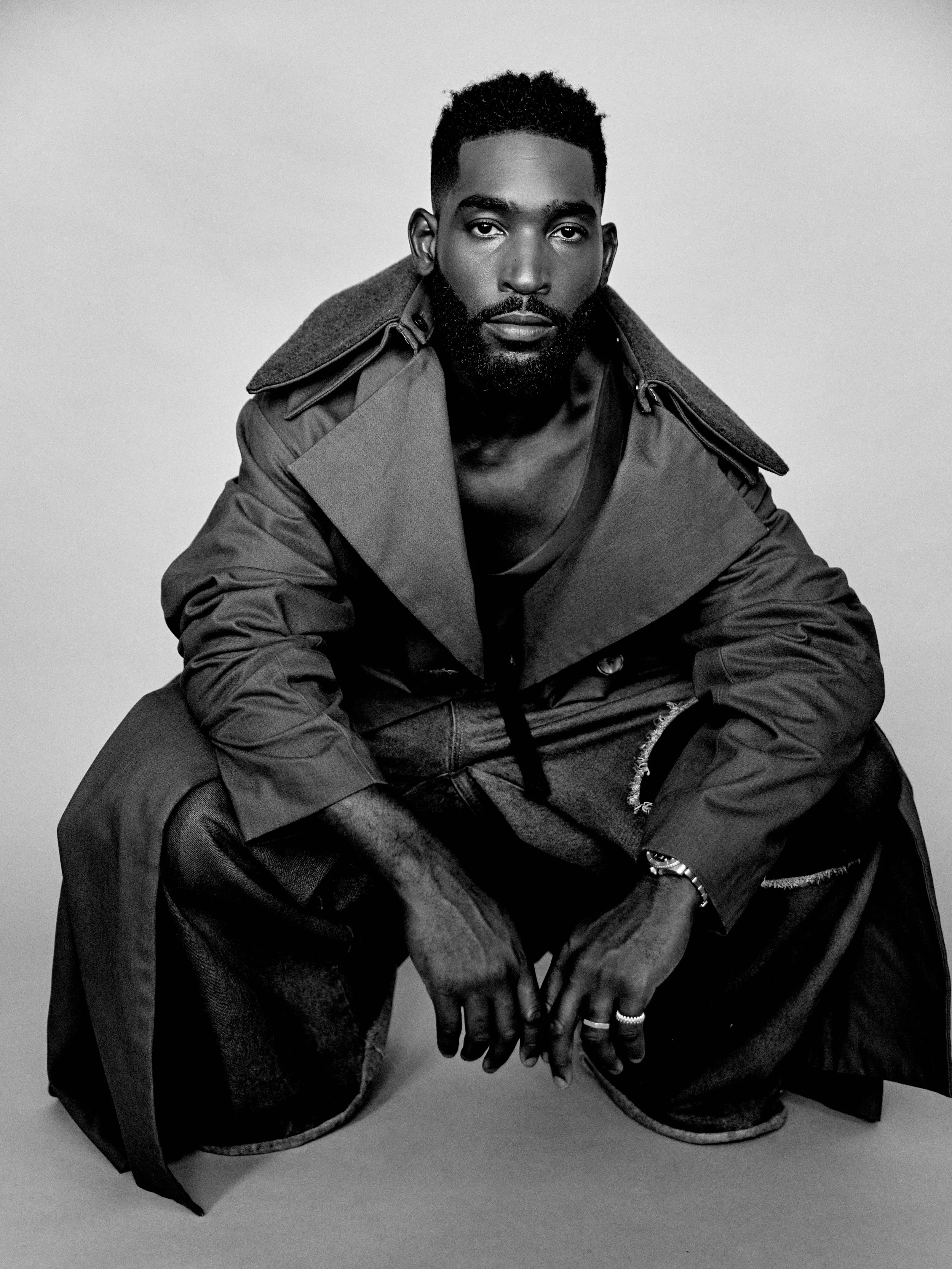
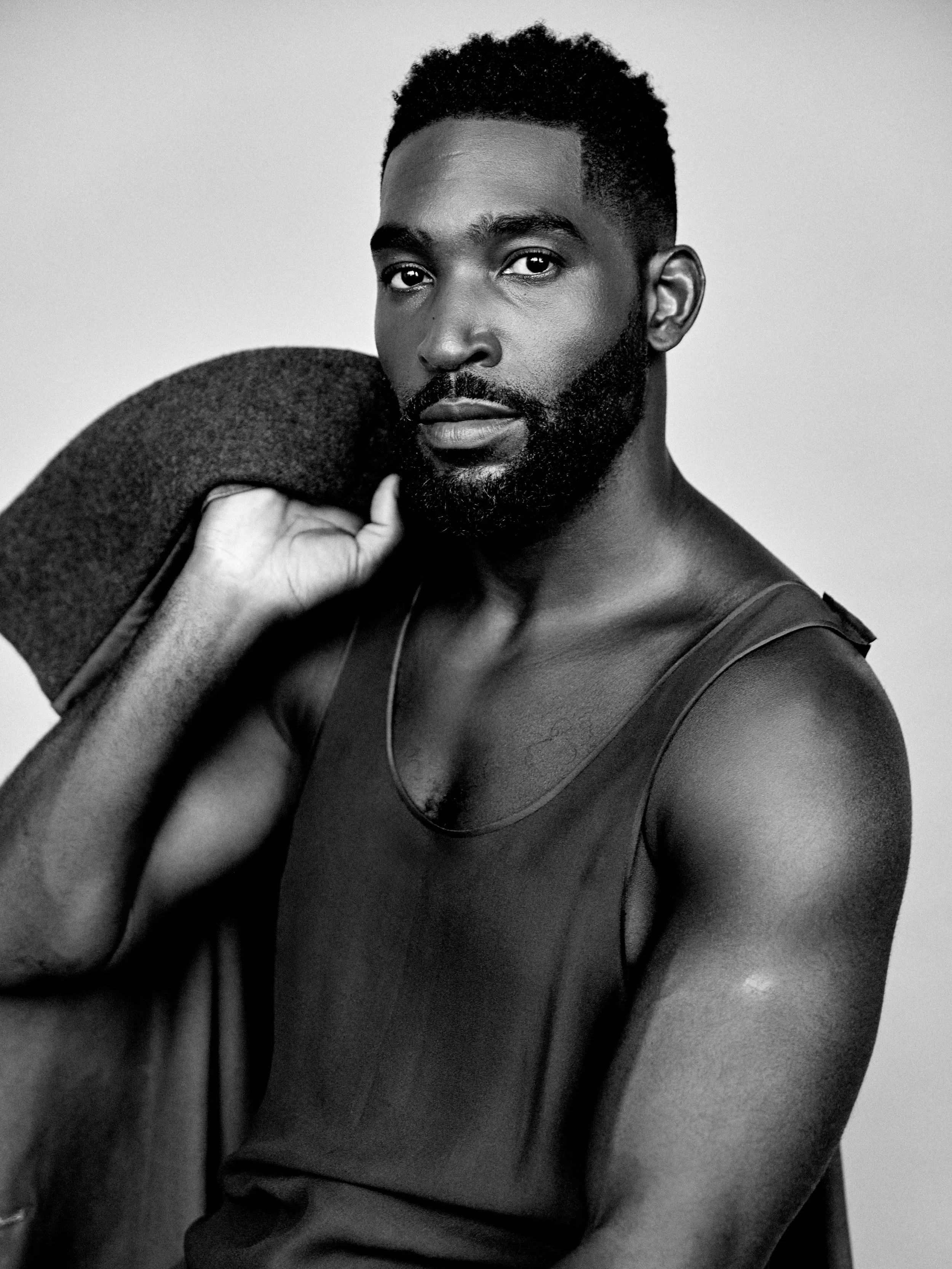
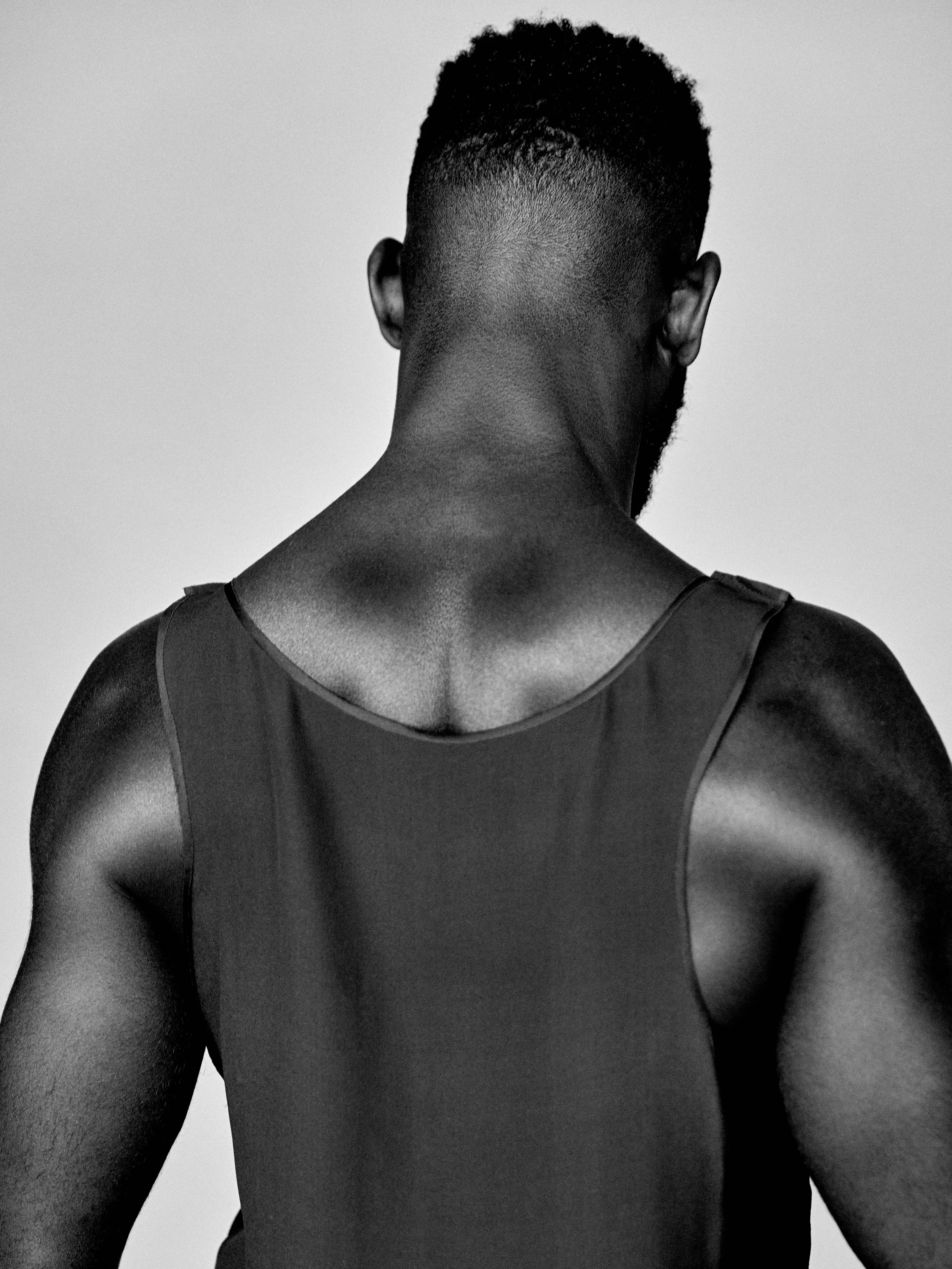
top and coat JAEYOUNG BAE
jeans LU’U DAN
shoes PRADA
rings and watch artist’s own
Is there a collaboration you’ve never made that still sits on your wish list?
There are loads of artists I’m still yet to work with that would be an honour, but there are also many up and coming artists who we might not even be aware of yet. That’s where I get most excited.
If The Night’s Not Dead had one message you hope fans take away after seeing the tour, what would it be?
A message that I hope resonates with the fans is that the project and the tour is a celebration of those spaces and the people who keep them alive. It's a reminder that some things can't be streamed, scrolled or recreated through a screen. The Night's Not Dead isn't nostalgia for what nightlife used to be, it's optimism for what it can become when people choose to show up for each other and for the culture that brings us together.
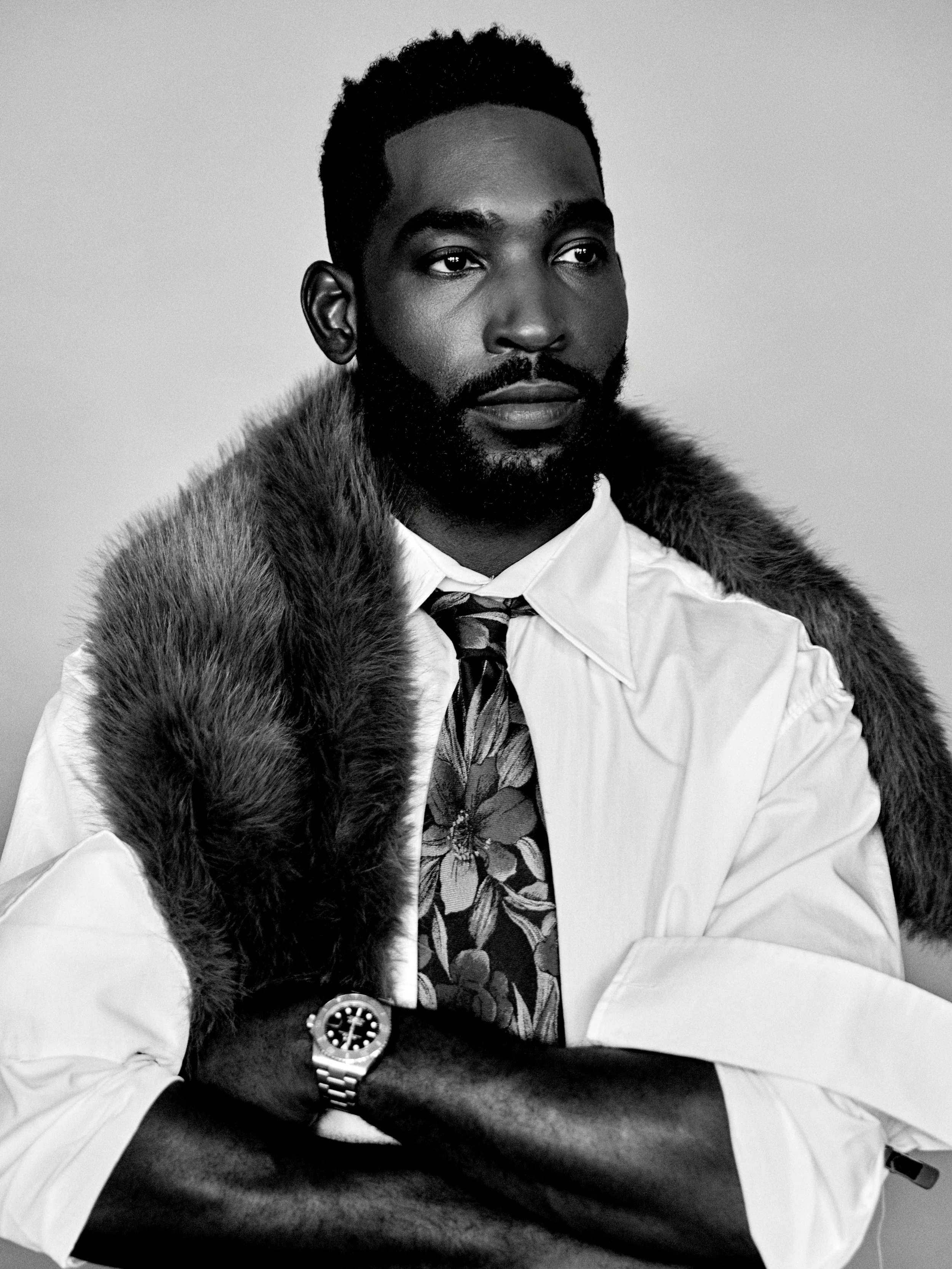
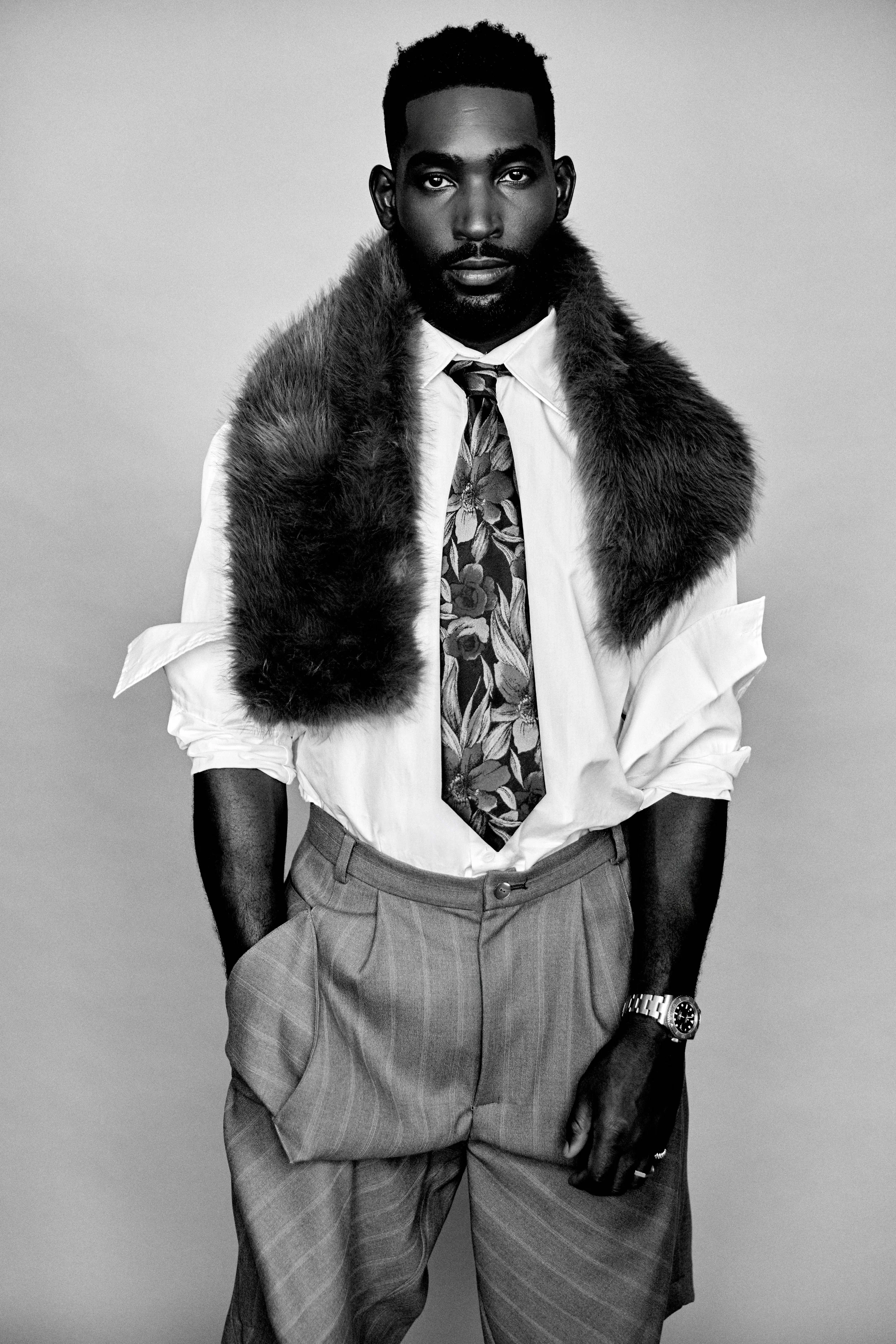
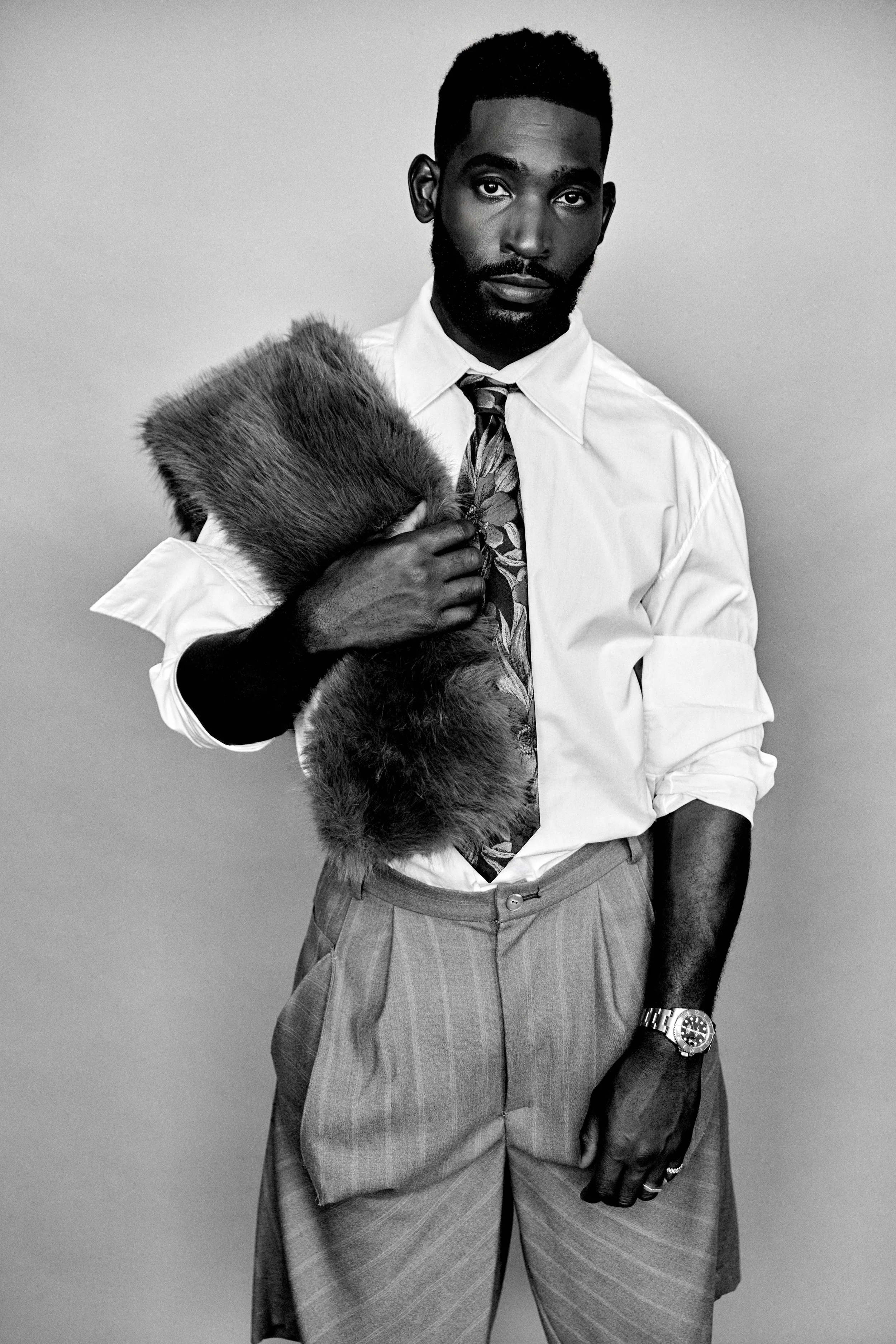
scarf RACHAEL ADEGOKE
shirt and trousers KANE TZLUNG
tie stylist’s own
watch artist’s own
Looking ahead, what excites Tinie Tempah more today: making the next hit, discovering the next star, or building something beyond music?
I hope that I will be able to continue to make the music that I enjoy, inspire the next generation and of course continue my other passion projects outside of music. My dream is to be able to wake up everyday fit and healthy and ready to challenge myself in any thing creative that interests me.
TEAM CREDITS:
talent TINIE TEMPAH
photographer BARTEK SZMIGULSKI
stylist JORDY NASA
hair and makeup BIANCA SIMONE SCOTT
styling assistants CILLA OWUSU, CRYSTAL LIM AND ZIYAH LE PESSEC COLE
editor TIMI LETONJA
editorial director and interview JANA LETONJA
cover design ARTHUR ROELOFFZEN
location SOIF STUDIOS
