
IN CONVERSATION WITH KOTERI’S ABDALLAH DIAB
interview by JANA LETONJA
For alternative R&B duo Koteri, cultural duality isn't simply part of their identity, it's embedded in their sound. Formed by vocalist Abdallah Diab, and producer Dinar Lusaka, the pair are entering a bold new chapter two years after their debut EP, Heaven's a Lonely Place. Drawing from the worlds of Daft Punk, Khruangbin and Tame Impala, Koteri fuse Western dance and psychedelic influences with subtle Arabic instrumentation, creating music that moves fluidly between cultures and genres. Their latest era began with the experimental Dry, accompanied by surreal visuals shot in Egypt's White Desert, and continues with Thani, a dance-driven collaboration with Abdallah's sister Jana Diab. Together, the releases reveal a duo increasingly confident in creating a world entirely their own.
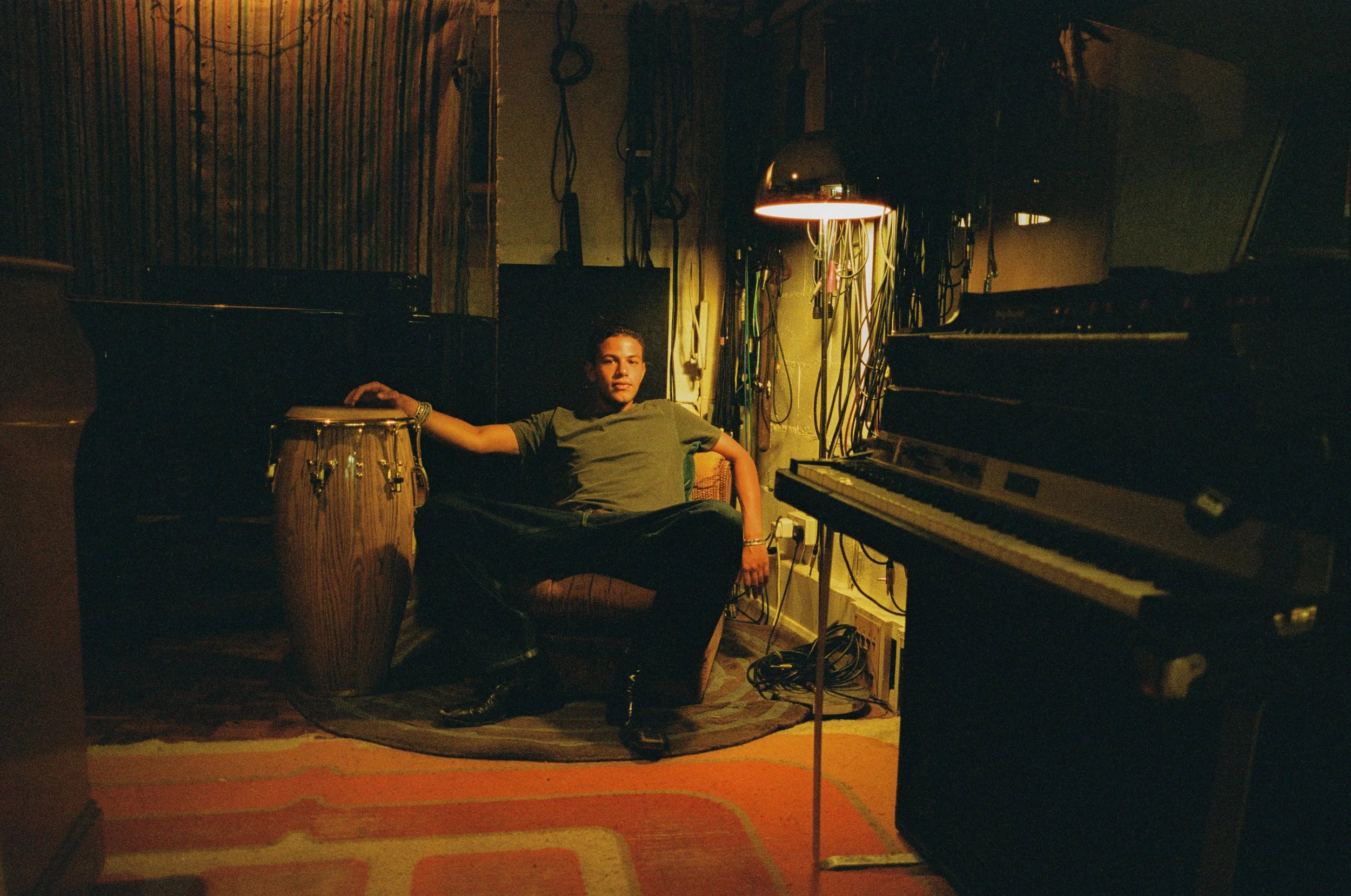
all photography by ALISTAIR MCVEIGH
You've described this new chapter of Koteri as something of a creative rebirth. What changed between Heaven's a Lonely Place and the music you're making now?
I think the biggest change is that we're trusting ourselves more. With Heaven's a LonelyPlace, we were still figuring out what Koteri was. Now we're less interested in getting things "right" and more interested in following whatever excites us.
Your sound exists somewhere between alternative R&B, psychedelic music, electronic production and dance. Have you ever felt the need to define Koteri by genre?
I've never really liked defining Koteri by genre. We listen to too many different things for that. R&B, electronic, psychedelic music, dance, it all comes into the same space for us, and whatever comes out is Koteri.
How consciously do you incorporate Arabic sounds and instrumentation into Koteri's music? Is it something you plan, or does it emerge instinctively?
It's very instinctive. Being Arab is part of who I am, so naturally it comes into the music. Sometimes it's obvious in an instrument or melody, and sometimes it's more subtle. I never want it to feel like we're adding something Arabic just to make a point.
What does each of you bring out creatively in the other that perhaps wouldn't exist in your individual work?
We push each other into places we probably wouldn't go alone. There's a lot of trust between us creatively, but we also challenge each other. Usually the best ideas happen when one of us does something and the other takes it somewhere completely different.
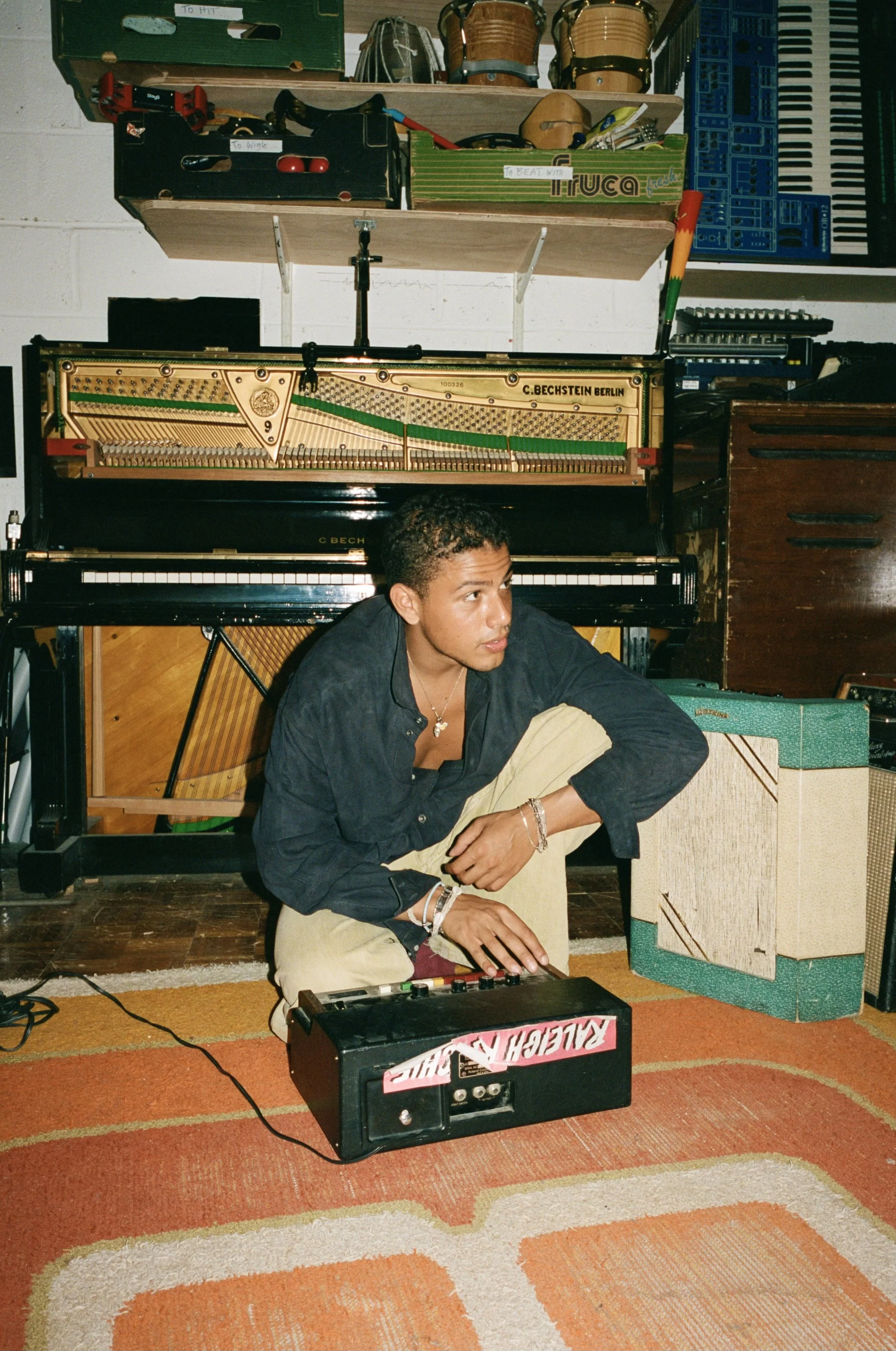
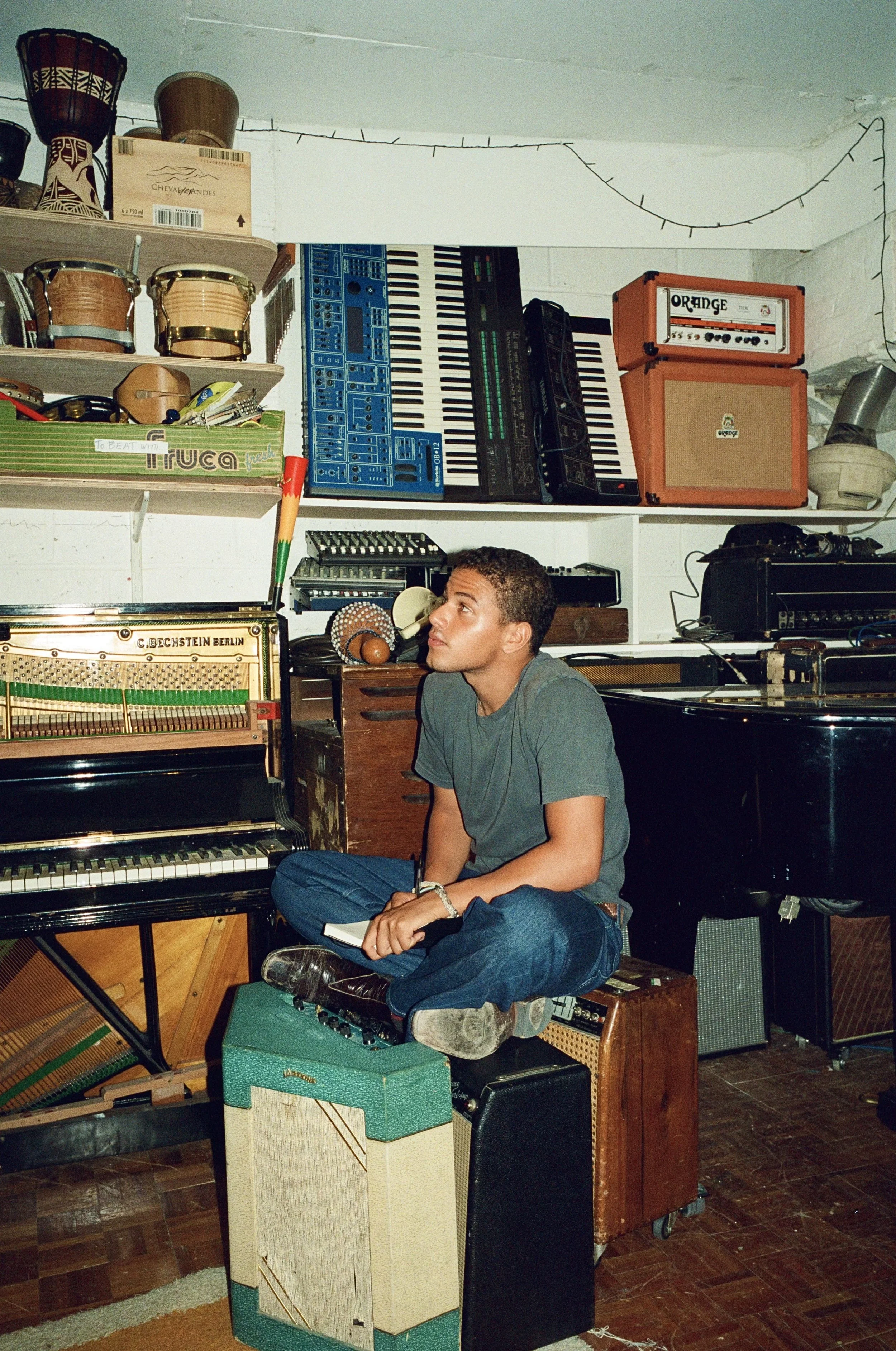
Dry feels like a decisive move into more experimental territory. Was there a particular moment when you realised you had found the sound for this new era?
Dry was definitely the moment where it started clicking. We weren't trying to make something experimental for the sake of it, it just felt like we'd finally given ourselves permission to go further.
The visualiser for Dry was shot in Egypt's extraordinary White Desert. Why did that landscape feel right for the song?
The White Desert has this crazy feeling where it almost doesn't look real. It feels ancient and futuristic at the same time. When we saw it, it immediately made sense for Dry and for the world we were trying to create.
You've described its visual concept as a psychedelic meeting of Mad Max and Indiana Jones, with Egyptian culture at its core. How important is cinema and visual storytelling to the world you're building around Koteri?
Cinema is massive for me. I'm always thinking visually when we're making music, what world does this song live in, what are we wearing, where are we, what does it feel like. The Mad Max and Indiana Jones references were fun, but it was important that Egypt wasn't just a backdrop. It had to feel like the heart of it.
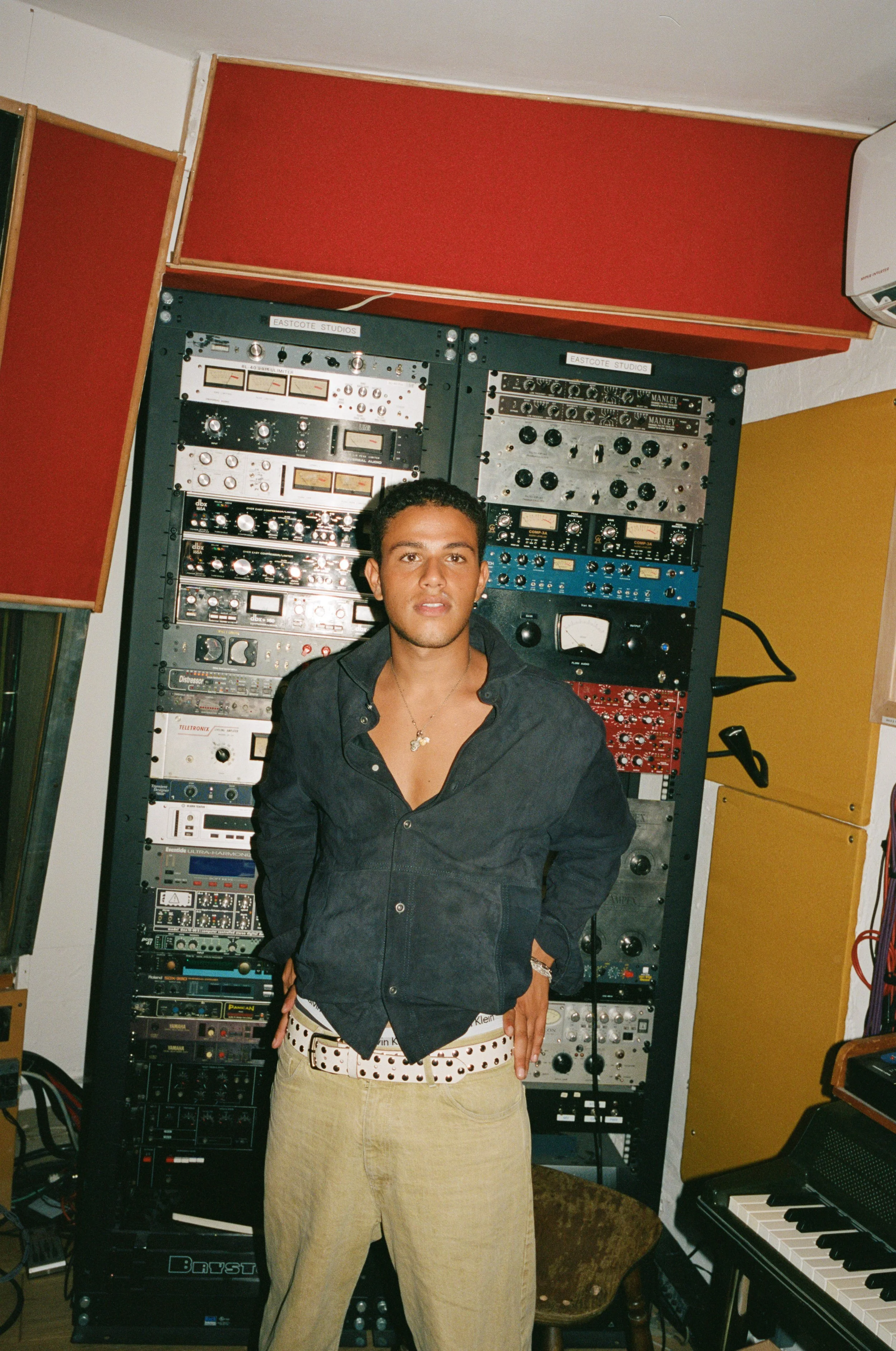
Thani moves into a more dance-oriented space. What did you want to explore with this track that you hadn't explored on Dry?
Thani is more physical. With Dry, we were exploring atmosphere and texture, whereas Thani gave us a chance to bring that same weirdness into something you can actually move to.
Fashion, landscape and imagery already seem integral to this era. How would you describe the visual identity of Koteri today?
I'd say it's cinematic, psychedelic and a little rough around the edges. There's Egypt, there's this futuristic energy, but I don't want it to feel too clean or over-designed. It should still feel human.
As you continue revealing this next chapter, what are you discovering about yourselves that you perhaps didn't know when you made your first EP?
I think the first EP was very true to where we were at that time, and I still really believe in it. What I'm discovering now is just another side of our taste and who we are creatively. We've changed, our references have changed, and naturally the music has changed with us. I think I'm learning that Koteri doesn't have to stay in one place to still feel like us.
Ultimately, when someone encounters Koteri for the first time, whether through the music or the visuals, what do you want them to feel?
I want people to feel like they've entered our world for a few minutes. They don't necessarily have to understand every reference or know where every sound comes from. If it makes them curious, makes them feel something, or leaves an image in their head afterwards, then we've done what we wanted.