
IN CONVERSATION WITH DIARRA KILPATRICK
interview by JANA LETONJA
Few creators wear as many hats as effortlessly as Diarra Kilpatrick. As the creator, writer, executive producer, and star of Diarra From Detroit, she has crafted one of television’s most original genre-bending series—a sharp, funny mystery that seamlessly blends comedy, suspense, and heartfelt storytelling. Following a critically acclaimed first season, the Paramount+ hit returns on 29th July with an even bigger adventure, as Diarra and her crew embark on a Goonies-inspired treasure hunt through Detroit.
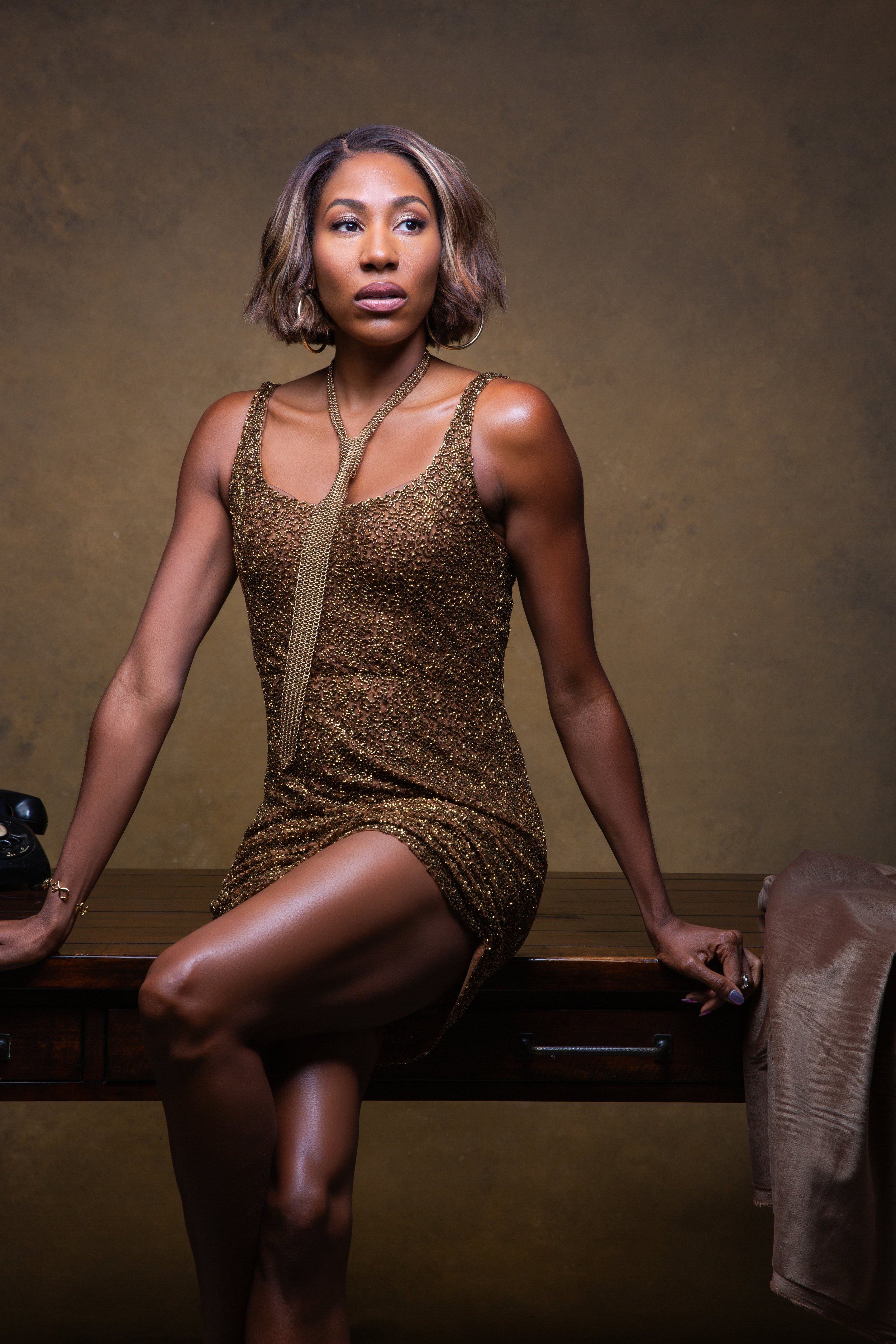
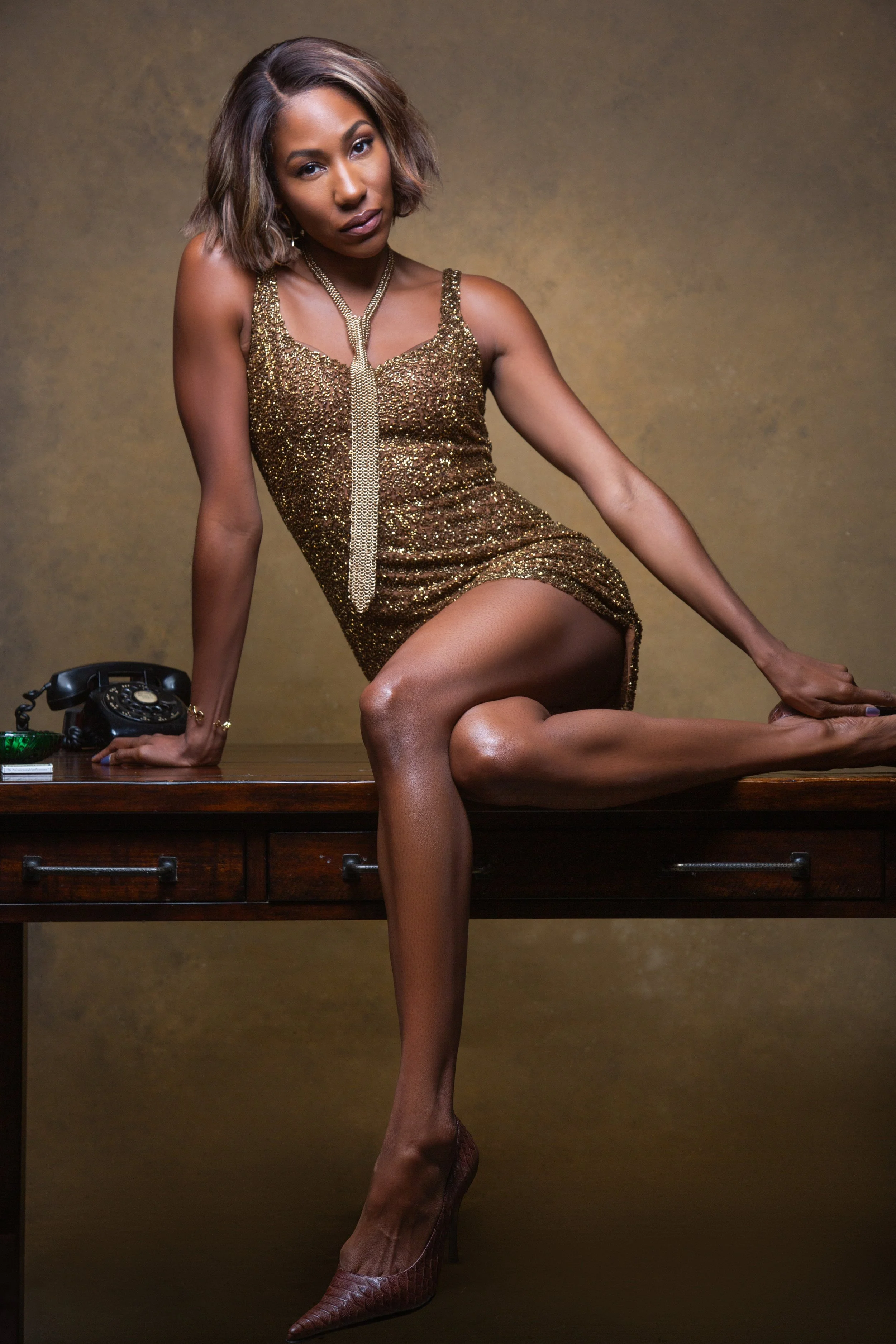
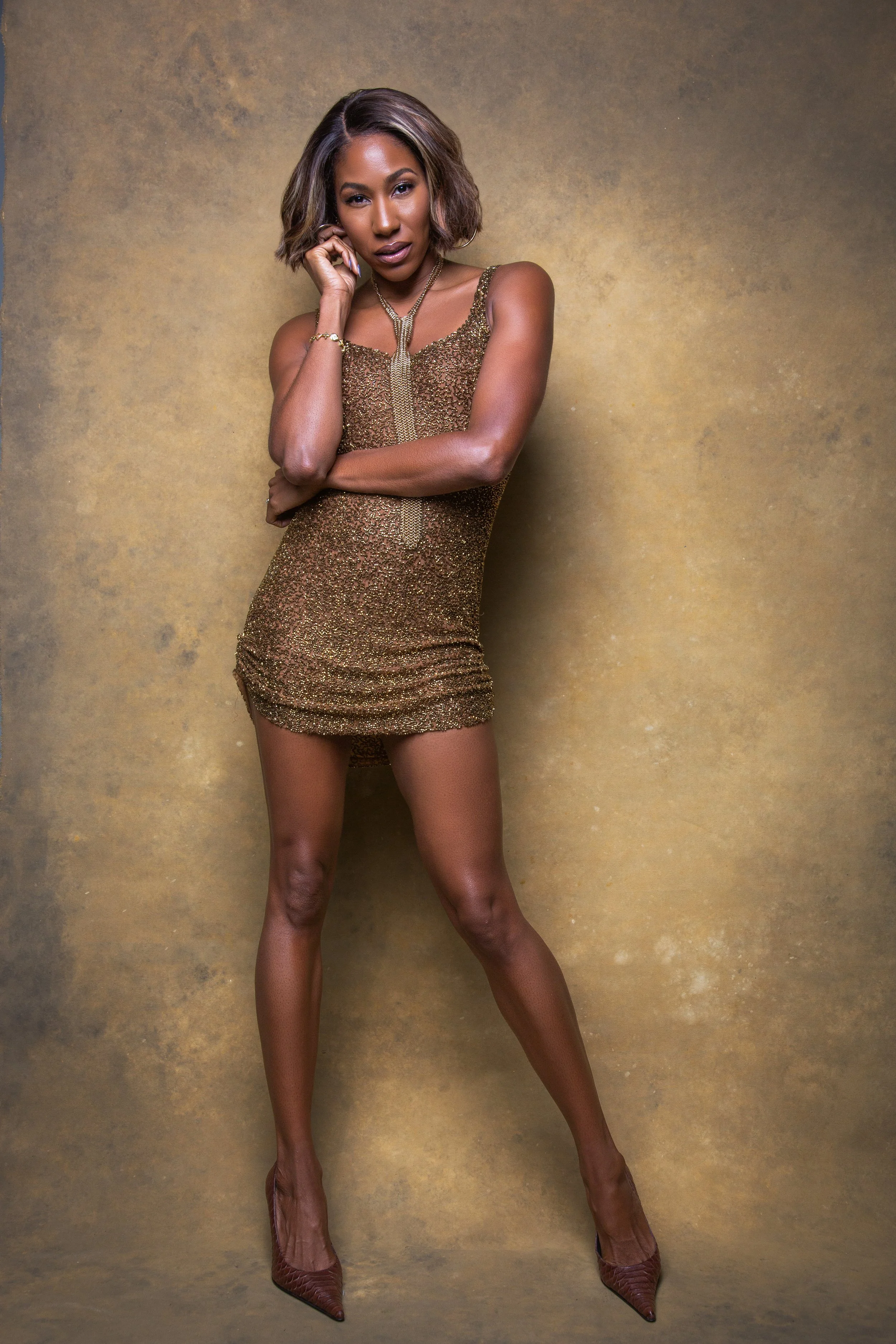
all photography by LELAND DUROND THOMPSON
Diarra From Detroit has been praised for refusing to fit neatly into one genre. Was that always your vision, or did the show’s unique tone evolve as you developed it?
It was always designed to be a genre-bending show. I love “single girl in the city” comedies like Sex and the City and Living Single, and I wanted to crash-land that kind of storytelling into a world that was more thrilling and suspenseful. The goal was to take the audience on a ride that moves fluidly between genres while still feeling like one cohesive story.
Looking back, what surprised you most about the audience’s response to Season 1?
The response to Phylicia Rashad’s character was really surprising to me. I’m a theater nerd, and I’ve had the privilege of seeing her in several plays over the past couple of decades. I realized that so many people still have her fixed in their minds as Clair Huxtable, and it reminded me how easy it is to forget the tremendous range actors can have.
I’ll never forget seeing her on Broadway in Blue when I was in college. It was just after 9/11, and the performance she gave during such a tragic and uncertain time made a real impression on me.
Season 2 takes the story in a “Goonies-style” treasure hunt direction. What made you want to embrace that kind of adventure while staying true to the heart of the series?
As we moved into summer, it felt like Diarra needed a kind of renaissance. Summer is a season of renewal, and there’s such an energy to Detroit in the summertime that just screamed fun and adventure to me. I wanted to tap into that feeling. I felt like it was time for adults to have a show that captures some of the joy and adventure that summer used to hold when we were kids.
Every mystery needs to raise the stakes. Without giving too much away, how does Season 2 challenge Diarra in new ways?
The stakes are raised in every direction this season. For one, the case Diarra takes on is much more grisly. She finds herself trying to solve a triple homicide. But the emotional stakes are higher, too. She really wants to make her relationship work, while also recognizing that she’s at a point in her life where she needs to be a little selfish about what she wants, particularly when it comes to family planning.
Diarra’s desire to have a baby raises the stakes in her relationship in a way that I think a lot of women can relate to. Dating in your mid-to-late 30s is very different from dating in your 20s or early 30s. You’re not just thinking about whether someone is a good partner, you may also be considering whether they could be a co-parent. That makes it a completely different ballgame.
The villains are on another level this season as well. Bokeem Woodbine joins the cast as a character who’s willing to do whatever he believes needs to be done. He’s incredible in the role and brings this sinister, genuinely frightening energy to the character. He, along with the other villains, really takes the danger up a notch.
One of the show’s greatest strengths is its balance of humor, suspense, and emotional honesty. How do you know when you’ve found the right balance between those elements?
We take great pains to thread that needle. There’s no specific formula, it’s really a feeling. When I watch a cut, I can sense when we’ve gone too far in one direction or another. Sometimes a scene needs higher stakes, other times it needs more humor. We can shift that balance through the edit, the music, or any number of creative choices, but ultimately, it comes down to instinct. This is anti-AI television. There are human beings behind the scenes making these choices, responding to the material, and trusting their creative instincts.
You’re the creator, writer, executive producer, and star of the series. How do you switch between those different creative hats on set?
I first try to approach everything as a writer, but even then, there’s always a bit of the actor in me. I’m thinking about what would be the most fun to perform and looking for ways to build those moments into the storytelling.
Even when I’m acting, there’s a bit of the producer in me. I know when we need to move quickly between takes to make the most of our day. I’m aware when we’re about to lose the light and it’s my last chance to nail a scene. Sometimes I’ll even add a line to get a reaction from another actor because I know it might give us something great for the final cut.
In that sense, the lines between all my hyphenates are pretty fluid. I’d like to think that wearing all these different hats ultimately pushes me to be better at each aspect of the work.
Is there one role — writing, acting, producing, or creating — that feels the most natural to you, or do they all feed one another?
They all feed one another, and the different roles have always felt very natural to me. I remember doing youth theater with my friends, where we’d come up with the show, create the choreography, and then call around to see what gigs we could get. To me, it was never about separating those roles. They were all part of the same process, creating the work, figuring out how to make it happen, and getting it out into the world.
Diarra is wonderfully flawed, fearless, and unpredictable. How much of her comes from you, and where do your similarities end?
Diarra, the character, is crazy. Our similarities pretty much end with the fact that Diarra Brickland actually gets off the couch to do something dangerous, which would never happen for Diarra Kilpatrick. She thrives on danger and excitement, while most nights I’d much rather be at home, cuddled up on the couch with my husband and child.
That said, I do think we share a certain boldness. My favorite saying right now is, “Be delulu until it’s true true,” because I genuinely believe there’s a kind of power in that delusion. Diarra Brickland believes she can make a real difference, that she can accomplish something even the system itself can’t.
I recognize that same courage in myself. The odds of getting a show on the air that you created, wrote, and star in are incredibly low, but I ran headfirst toward that possibility and was relentless in pursuing it. So while we might channel it in very different ways, Diarra and I definitely share the same kind of motor.
Detroit feels like much more than a backdrop, it’s almost another character. Why was it so important for the city to be represented authentically?
So that I could go home. There’s a certain risk in taking a city you love and turning it into a character, because you have a responsibility to get it right, or at least to capture its energy. The show represents what Detroit feels like to me, and I’m happy that people say it feels authentic to the city, even though we haven’t had the opportunity to shoot there. Detroit is very much my muse for this project. I feel incredibly grateful for the people in that city who have loved and supported me, so in a way, this is my attempt to give some of that love back.
The series has been praised for its cultural specificity while appealing to a broad audience. Why do you think those very specific details resonate so universally?
One of the things they taught us in theater school was that the more specific you are to your own experience, the more universal the work becomes. Sometimes people fall into the trap of trying to make something for everyone, but the closer you stay to your own story, the more people can find themselves in it. There’s truth in specificity, and people connect with what feels true. I’m really happy the series resonates with people. As wild as the antics can get, the emotions underneath them always feel grounded in something real.
As a Black woman creating a series that blends mystery, comedy, romance, and thriller elements, did you feel you were breaking new ground — or were you simply making the show you wanted to see?
I was 100% thinking about making the show I wanted to see. That’s always been my guiding light. When I sit down at night, I ask myself, “What do I want to watch?” And that’s what I’ve tried to make.
As for blending genres, that’s what being a Black woman feels like to me. Moving between comedy, drama, romance, and even thriller feels true to the emotional reality of the Black female experience. The conversations I have with my girlfriends cycle through those genres every day. Someone might be dating and wondering, “Is this just one giant comedy?” And then there are days when I go to work and it feels like a thriller. Life doesn’t stay in one genre, so it felt right that the show didn’t either.
You’ve built a world that feels like it could continue expanding. Do you already have a long-term vision for where Diarra’s journey could go?
Of course. Characters like Nancy Drew and Jessica Fletcher have had so many chapters and sagas, and I think Detroit is a city that really lends itself to that kind of storytelling. It’s its own sandbox. There are so many mysteries to uncover and adventures to follow as Diarra moves through the contours of her life. But I think the biggest mystery she’ll try to solve is herself, and that’s an endless pursuit.