
IN CONVERSATION WITH TYSON RITTER
interview by JANA LETONJA
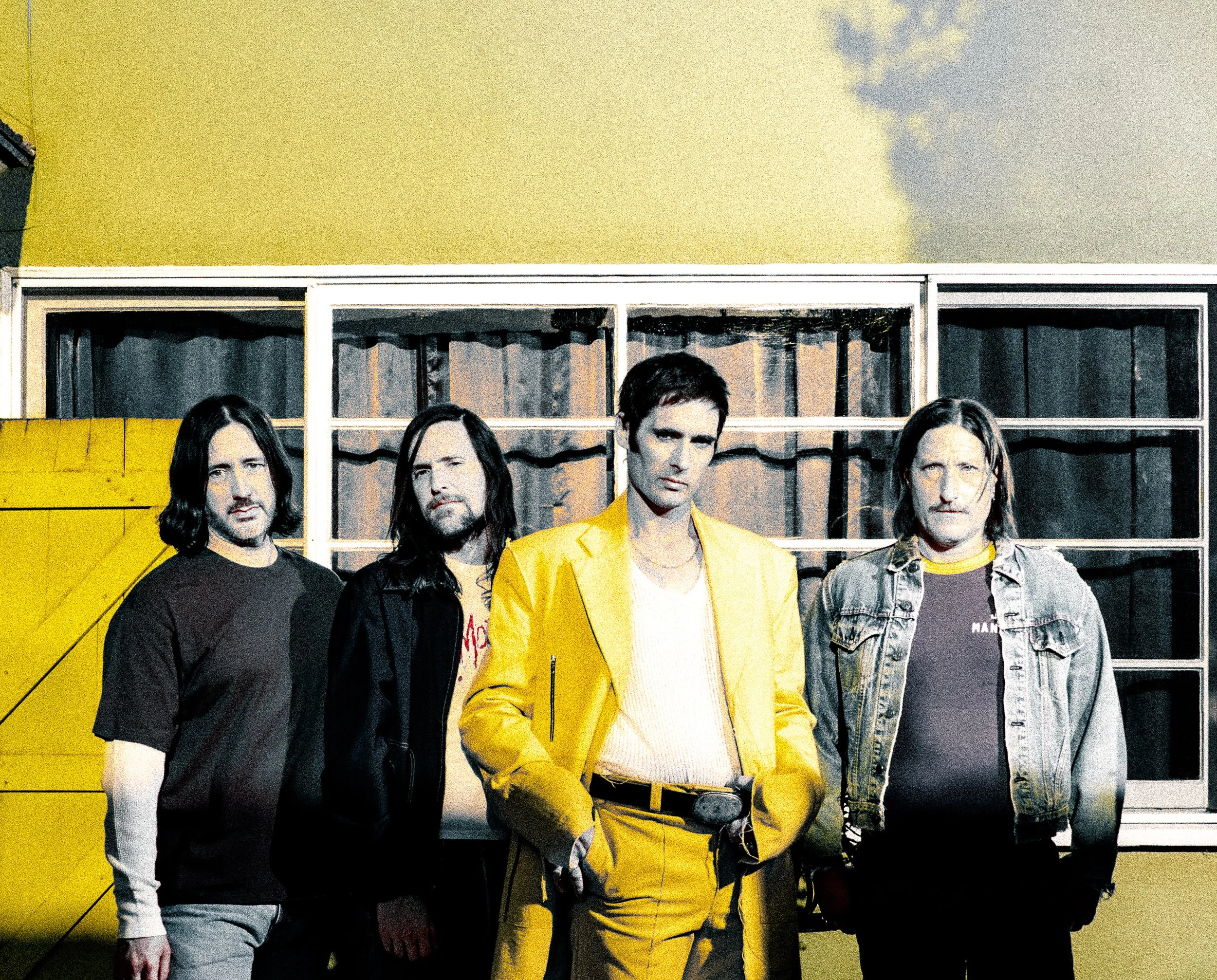
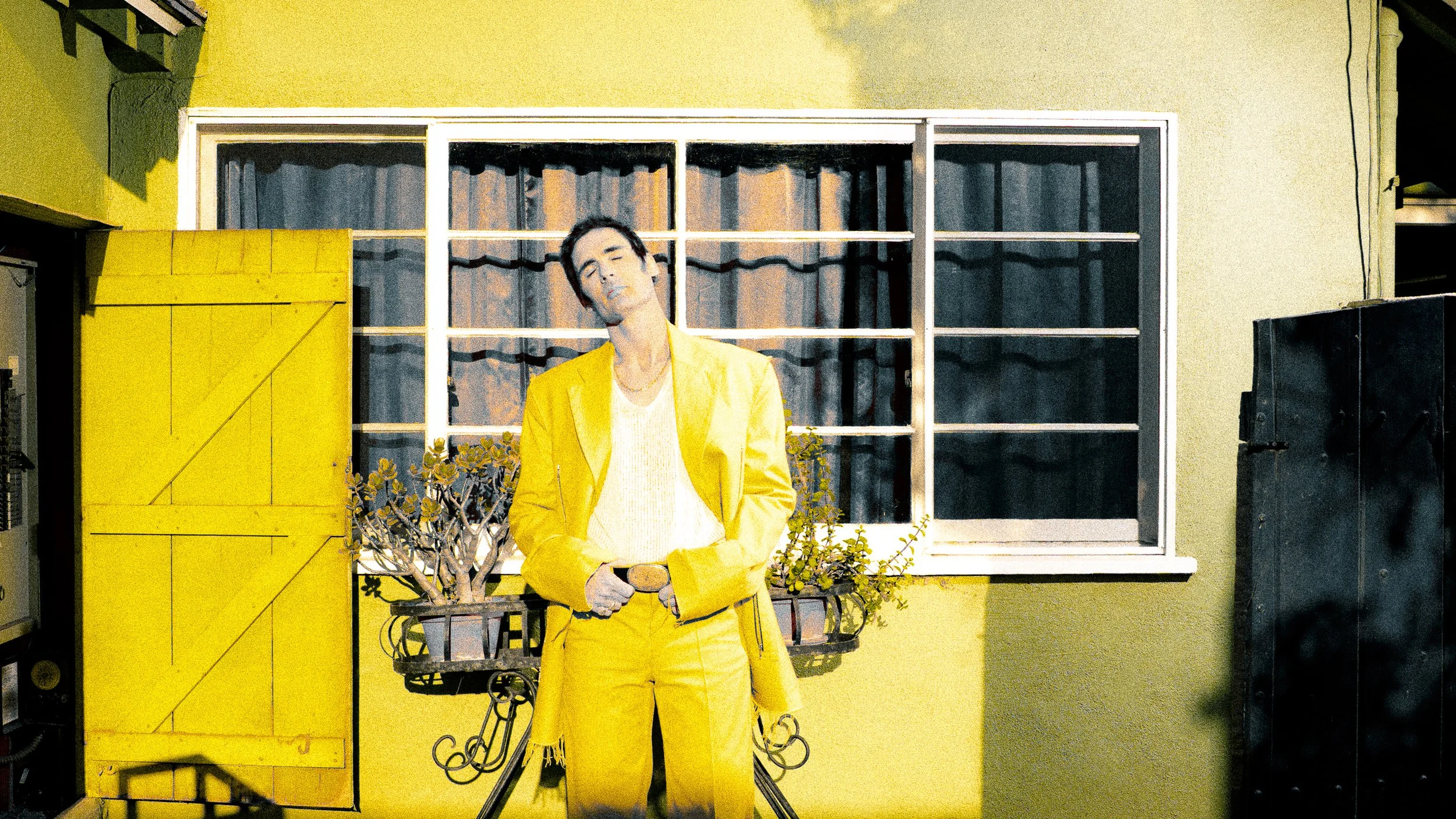
After more than a decade away from releasing a full body of work, Tyson Ritter and The All-American Rejects return with Sandbox, an album that feels less like a comeback and more like a recalibration. Shaped by a year of contrasts—stadium tours alongside the Jonas Brothers and intimate, chaotic house party shows that reignited their grassroots energy—the record reflects a band newly independent, creatively unfiltered, and deeply connected to their audience. As they prepare to take Sandbox on the road across Europe and the U.K. this summer, Tyson stands at the centre of a moment that bridges nostalgia and reinvention, where legacy meets a renewed sense of purpose.
Sandbox is your first album in over a decade. Why did now feel like the right time to return?
What’s the right time? Our band has never really considered things like that, we never really chased some sort of moment. We just always had a horseshoe up our ass if it ever seemed like synchronicity. Truly, it was a lot of reasons, really. In the ego of it, I wanted to see if I could still write for this band. I asked myself questions like if we could evolve musically, if our process could be approached differently, and the answers were simply the songs that came after that seed of query was planted.
How does this record reflect where you are as a band today compared to your earlier work?
I’d like to think it shares the growth of this band both musically and lyrically. We started this band when I was 14, so it’s inherently and naturally just a progression of evolution and age, maybe a fine wine to some, or sour grapes to others. Frankly, I’m just grateful to be proud of Sandbox as an offering.
You’ve described it as one of your most personal projects. What makes it feel that way?
These songs were born differently, and by that I mean in my hands as opposed to in the same room with my partner Nick. That took a lot of trust on his part, as well as my part to let them go at a certain point when we agreed to make them a record for this band. Songs on this record are actually lyrically very close to the heart for me. I’m talking about my family, my pitfalls in and with the world outside. I’ve never done that on a record before to this degree, so it was really a delight to push myself there.
This is your first release as a fully independent band. How has that changed your creative process?
It hasn’t. Writing music has never been about who pays the bill to put it out. But this time we got the tab, and we are in control of it all, which is empowering for sure.
Does having full control feel liberating or more challenging?
I’d say it feels like both. As an artist, investing in yourself can be a daunting reality, but when you have come through to the other side of the beast like us, you sure enjoy your own bark more than some suit telling you why they won’t spend any money to promote your record.
You went from stadium tours to house party shows. What did that contrast reveal to you?
Stadiums are great, house parties are better. Being eye level with someone who’s connected to the music you’ve made is the closest to purpose I’ve felt since I first started playing out live.
The house parties became a viral moment. Did you expect that kind of response?
Not at all. We only hoped it would make us love what we do more. It did. We are so grateful for the response.
How do you navigate being both a legacy band and part of the current culture again?
You put the compass away, you burn the map, and you abandon all expectations to measure yourself against any other artist. In short, fuck it, nobody can be us but us.
After 20+ years, what keeps the band feeling relevant and connected?
We march to the beat of our own drum. All those questions of relevance and connection are usually based in fear. Rock and roll is a fearless business.
What can fans expect from the Recess tour this summer?
Come see a show and find out.
Does Sandbox feel like a new beginning or a continuation of your story?
It feels like our 5th studio album. Give it a spin and tell me what you think.
What do you want people to feel when they hear this album for the first time?
I just want them to feel.
TEAM CREDITS:
photography ANDY KNIGHT
