
IN CONVERSATION WITH Y’LAN NOEL
interview by JANA LETONJA
Y’lan Noel has steadily built a career defined by intensity, nuance, and an unmistakable screen presence. First gaining widespread attention in Insecure, he has since carved out a space as one of the most compelling actors of his generation—equally at home in prestige television, film, and blockbuster franchises. Now, he steps into a defining new chapter as the lead of Nemesis, created by Courtney A. Kemp. The series positions him at the center of a gripping psychological and action-driven narrative, marking his evolution to the top of the call sheet. Following standout roles in Lady in the Lake alongside Natalie Portman, The First Purge, and BAFTA nominated leading performance as the face of Call of Duty: Black Ops 6, Y’lan continues to explore characters that challenge conventional ideas of power, identity, and morality.
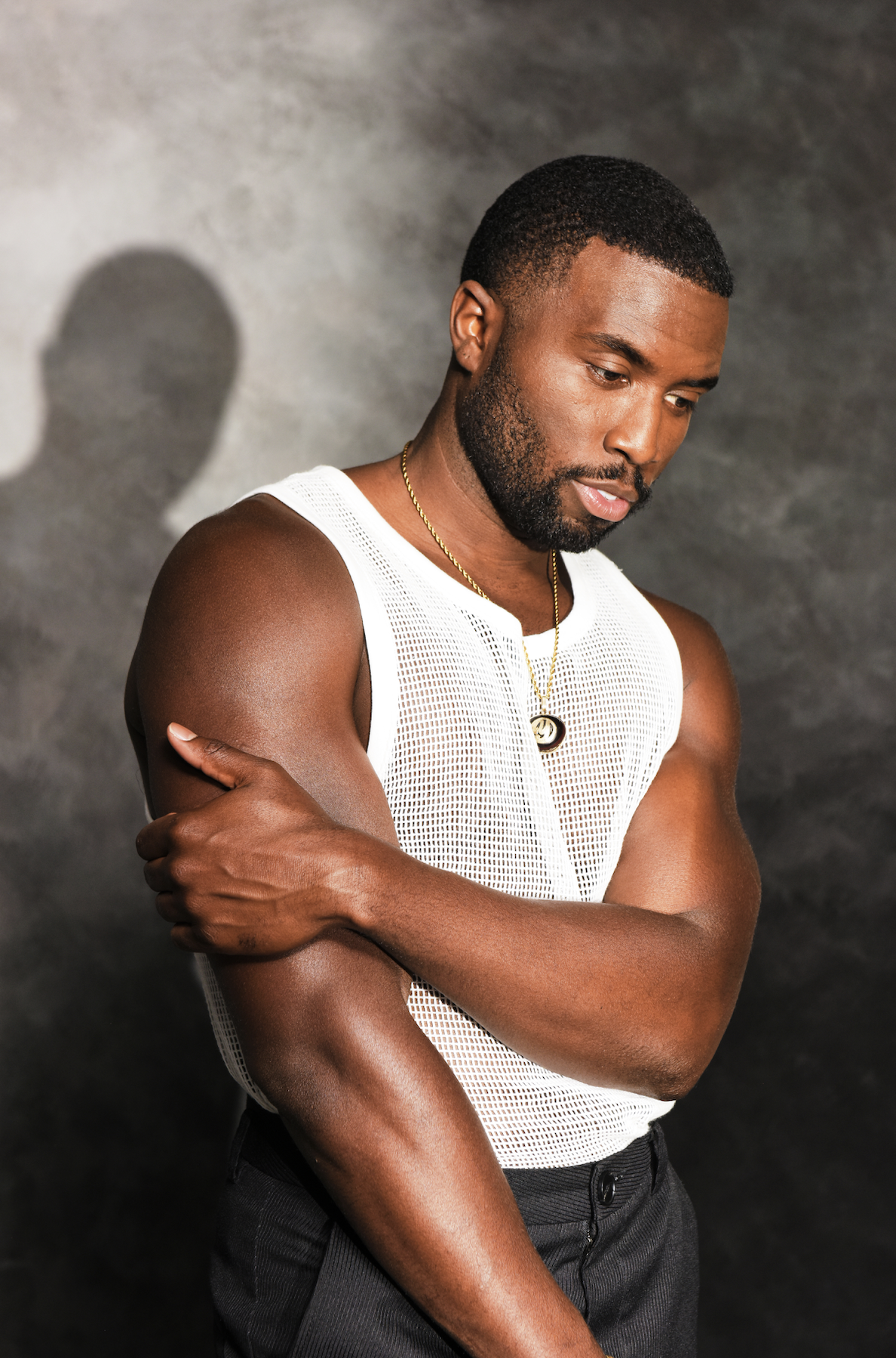
Nemesis marks your first time leading a series at this scale. What did stepping into that position feel like for you personally and professionally?
I live for the opportunity to transform into characters I believe in. Leading a series on this scale was deeply fulfilling, because it gave me the time and space to live in a creation more fully and let it evolve over time. I give every part the same rigor and devotion, but there is something especially rewarding about being able to stay inside that inner life across a longer arc. When I’m acting, I’m living inside my dream. The longer I’m allowed to exist between worlds in service of a character, the more real that dream becomes. At this point in my life, I can’t think of anything more satisfying than getting to do that. Serving a story is where I feel most alive.
Coltrane Wilder is described as an “unstoppable force.” How did you approach building a character with that level of intensity and control?
Trust. I knew I was going to have to lean on that a lot, especially because trusting myself has been a big part of my work over the last few years. I had to trust that there was enough clarity inside the restraint. Coltrane is somebody who implodes rather than explodes, and whose inner life tells the story more than his words do, so a lot of the work was about believing that what was happening internally would come across. The DNA of the character really lives in the spaces between the words. My biggest goal was to trust that if I was really thinking the thoughts and really believing them, the camera would catch it with a look or a breath. That’s the beauty of this medium. If it’s true, the camera sees it.
At its core, Nemesis explores the line between right and wrong. What drew you to that moral ambiguity?
I’ve naturally always had a hard time believing that any person is all “bad” or trusting that any person is all “good.” I’m pretty firm in my belief that that doesn’t really exist, and probably never has. As uncomfortable as that may sound, I just don’t think any human in history falls fully into either category. There are people who do bad things and people who do good things, but depending on whose point of view you’re looking from, most people do some of both. So for our show, it only feels right that the audience is constantly questioning whether the hero is behaving villainously, or whether the so-called villain is behaving heroically.
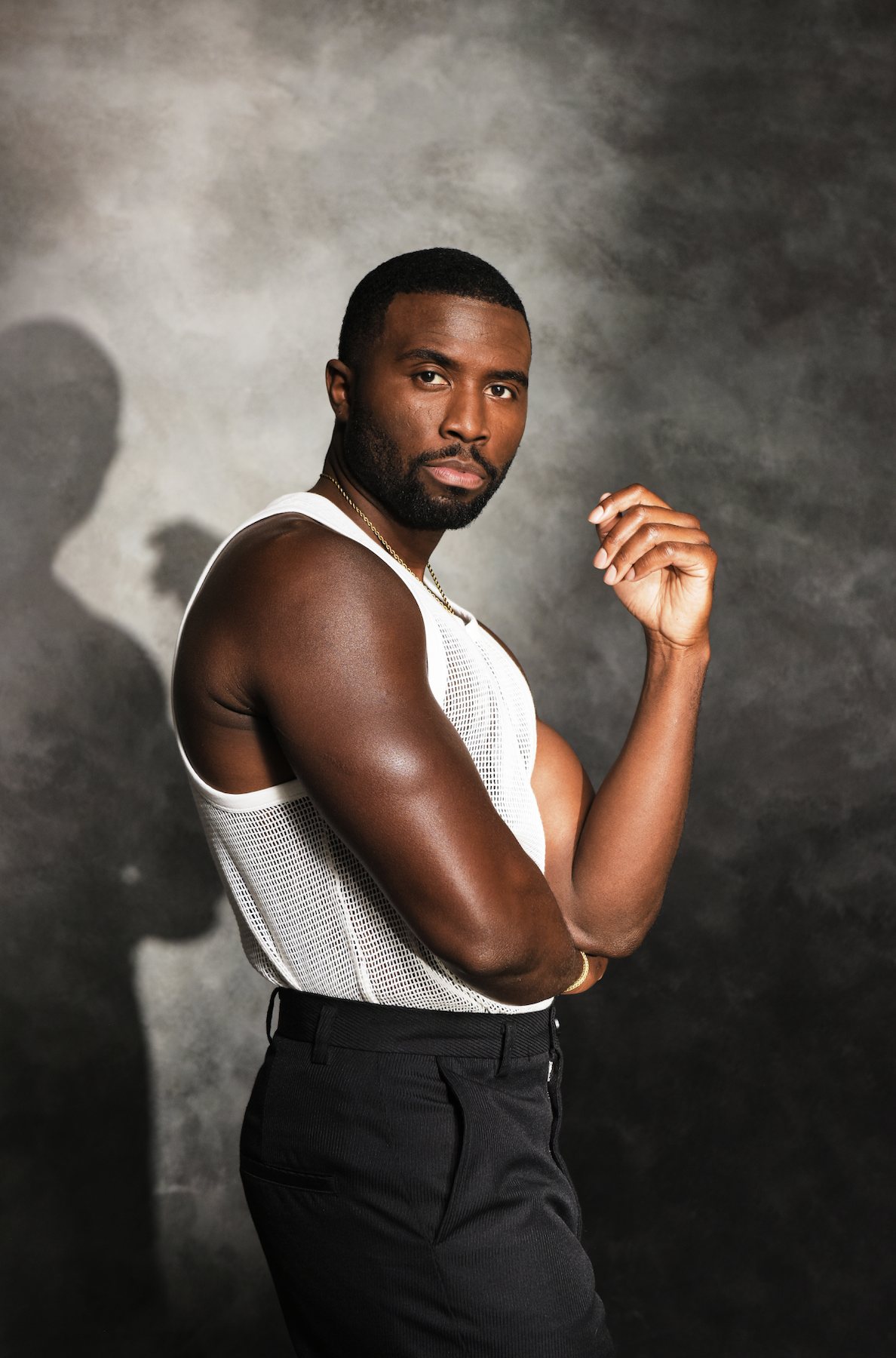
What kind of preparation went into the physical demands of the role?
Feeling as confident around weapons as possible was really important to me. Coltrane is an expert criminal, and his father was in the same line of work, so in my mind he’s been around all kinds of tools of the trade his entire life. For about a month or so, every day I spent a couple of hours loading and reloading magazines on a simulated replica of the Daniel Defense-style weapon my character uses as his weapon of choice. I spent a lot of hours at the range too, just sitting in the sound, smell, and feel of it all. My character had to be exceptionally calm in situations where most people would panic, so I exposed myself to that energy as much as possible. And even though Coltrane has a mask on for most of the heists, that’s actually me under there handling the weapons.
You’ve spoken before about getting out of your own way as an actor. Did this role challenge you in new ways?
That less is more, but with a caveat. Less is only more when the preparation is so real and so present that it actually allows you to do less. For me, “doing less” only works if I’ve really put the time and energy into understanding the character’s circumstances and fully embodying them. It was really important that Y’lan, as the actor, didn’t feel like he needed to force anything. And for that to be true, my preparation had to be more of a priority than ever. Being able to “do less” is where that trust I spoke of really came into play.
Working with Issa Rae on Insecure was a defining moment. What lessons from that experience have stayed with you?
Issa was the creator of the show and, technically, the boss of all of her co-stars, but you never would’ve guessed that if you were just a stranger on set. She always kept the energy centered in the work itself, and one of the biggest lessons I took from that experience was that the story we’re telling is always bigger than any one individual.
You also led Call of Duty: Black Ops 6. How does acting in a video game differ from film or television for you?
There’s a lot more reliance on your voice. Most of the time, that’s your main tool for telling the story and getting across what the character is experiencing in any given moment, so it definitely pushed me to strengthen that part of my craft. In a video game, you have to be able to express a change in thought, or even a pause in thought, through your voice and your breath, without relying on your eyes or the micro-expressions in your face.
How do you decide which projects feel worth your time at this stage of your career?
As of now, I’m still relying on that feeling I get when I read something good that basically screams, “You have to do this. If you don’t do this, you’re going to regret it.” At this stage of my career, that usually means deciding to compete for the role in hopes of winning it and then going from there. But that’s the feeling while reading a script, and the indicator that I trust most. The director is just as important.
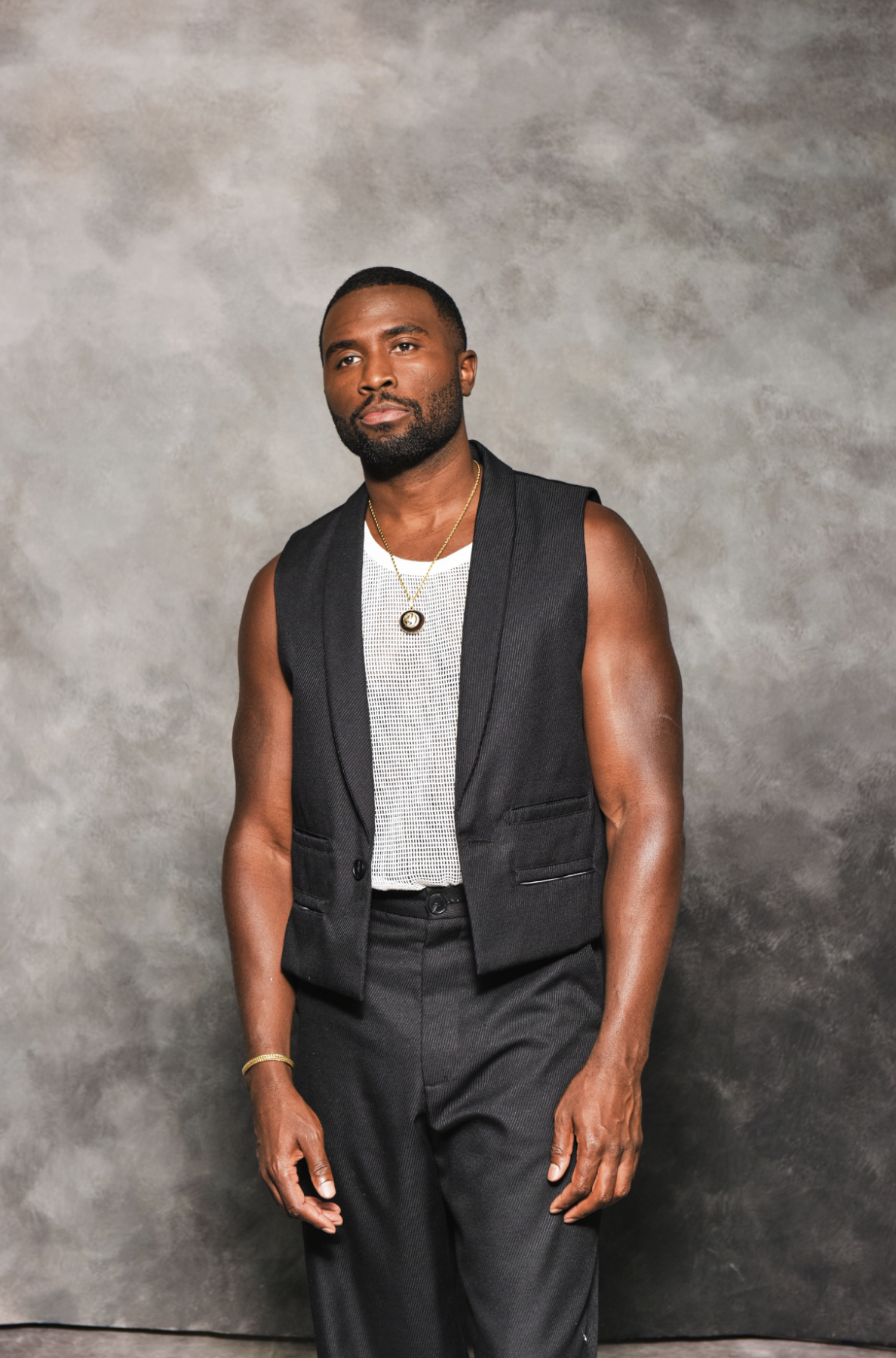
What conversations do you hope Nemesis sparks among viewers?
I hope people are entertained and that they have fun watching the show. And if I can get a grandma or two rooting for the “bad guy” because they empathize with him a little bit, then that’s cool too. But I also hope the show holds up a mirror and reminds people how layered human beings really are. People are often surprised by how I think and who I actually am once they get past their first assumptions, and I think Coltrane carries some of that same tension. I’d love for the audience to have that experience with him too, where they find themselves understanding someone they didn’t expect to.
Looking ahead, are there genres or types of roles you’re eager to explore next?
I’m still most interested in the kinds of roles that require me to fully transform. Body, walk, voice, mind, all of it. That’s why I became an actor, so I’m always drawn to opportunities that let me go as deep into transformation as possible. The projects that ask the most of my imagination in order to fully embody a character and tell a story are still the ones I dream about most. The more I have to get lost, find my way, and then get lost again, the more fed I am as an actor.
TEAM CREDITS:
photography IRVIN RIVERA
