
COPACABANA: THE PALACE OF CINEMA
words LEANDRO DA SILVA
For more than a century, the COPACABANA PALACE has occupied a unique place in the history of world cinema. More than a hotel, it has become an icon in its own right, welcoming generations of legendary actors, visionary filmmakers and unforgettable stories.
all images courtesy of COPACABANA PALACE
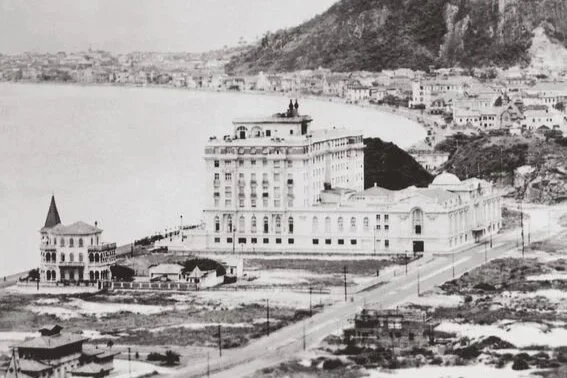
Long before Hollywood fell in love with Rio de Janeiro, the Copacabana Palace had already captured the imagination of a nation. When its doors first opened in 1923, overlooking the sweeping curve of Copacabana Beach, Brazil was entering a new cultural era. Coincidentally inaugurated in the same year as the country’s first radio station, the hotel quickly became much more than a destination for travellers. It became a stage.
During the golden age of Brazilian radio, music from the palace’s Golden Room, elegant galas, performances by the orchestras of the legendary casino and the celebrated Midnight Club travelled far beyond Rio de Janeiro. Broadcast live across the country, they brought the glamour, rhythm and sophistication of the Copacabana Palace into homes from north to south. Decades before cameras, premieres and flashbulbs became part of its daily life, the hotel was already helping shape Brazil’s cultural imagination.
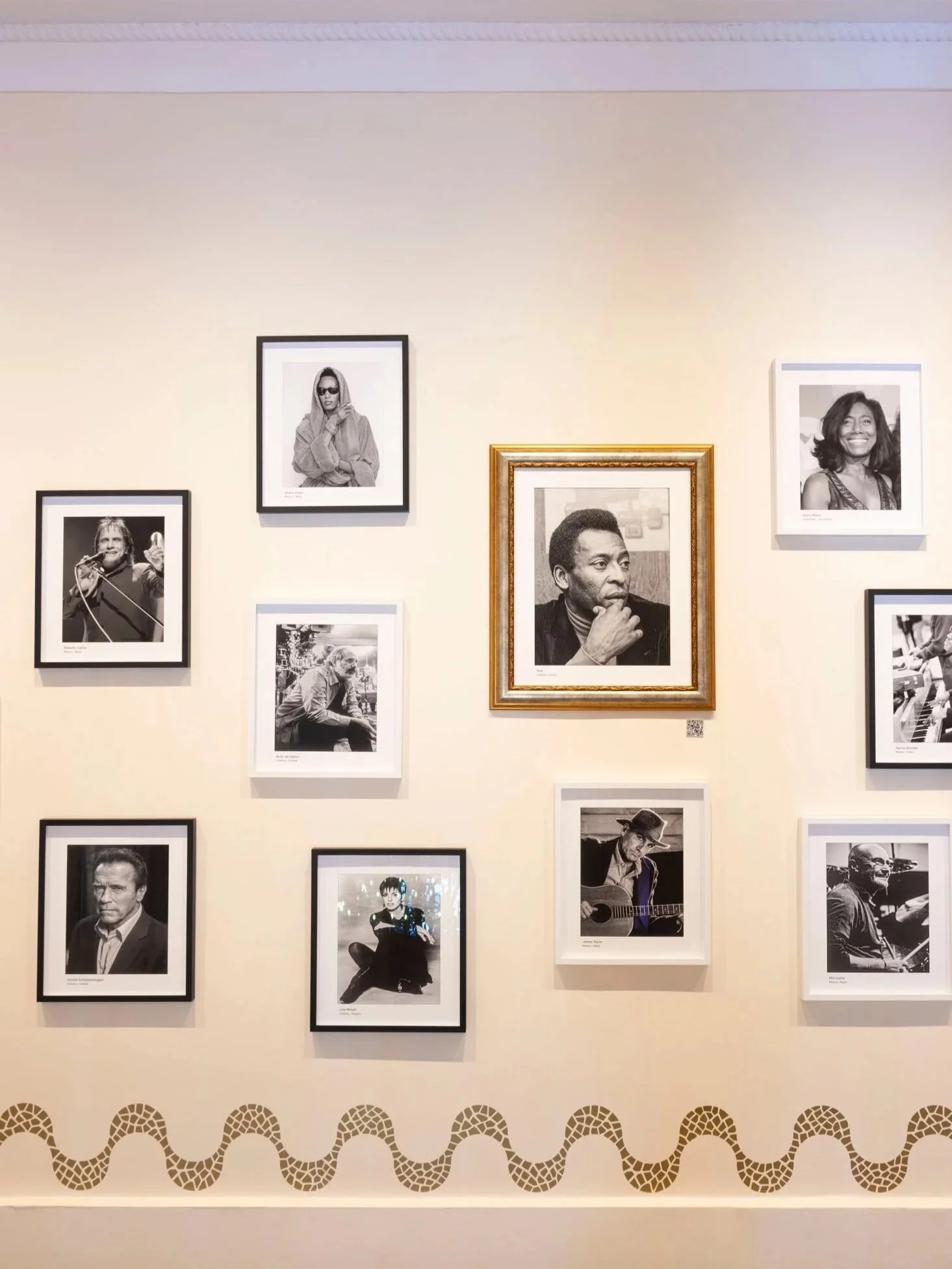
Then cinema arrived. As Rio de Janeiro emerged as one of the world’s most desirable destinations, the Copacabana Palace naturally became one of its most recognisable addresses. Actors, directors, producers and writers found more than accommodation within its walls. They found a place that reflected the elegance, excitement and creative energy of the city itself. Open the guestbook of the Copacabana Palace and, in many ways, you open a chapter of cinema history.
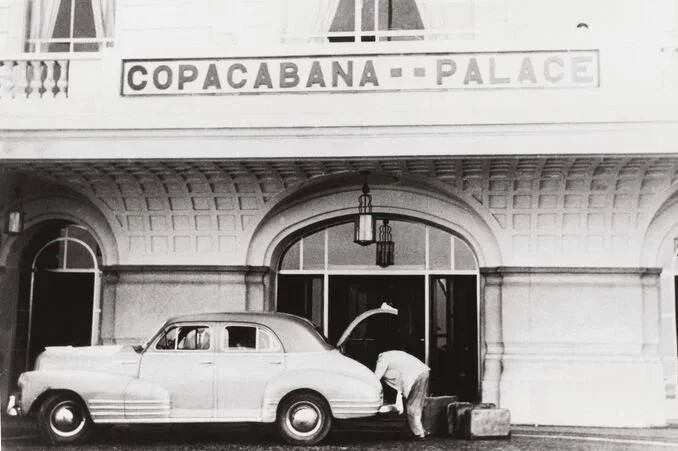
Hollywood’s Golden Age passed through its revolving doors with remarkable regularity. WALT DISNEY, MARLENE DIETRICH, ORSON WELLES, RITA HAYWORTH, AVA GARDNER, JOAN CRAWFORD, JAYNE MANSFIELD, ANITA EKBERG and MAURICE CHEVALIER all became part of the hotel’s remarkable story.
In the decades that followed came HENRY FONDA, KIRK DOUGLAS, JEANNE MOREAU, MARY PICKFORD, DOUGLAS FAIRBANKS JR., JOHN WAYNE, KIM NOVAK, ROGER MOORE, RAÚL JULIÁ, ROBERT DE NIRO, OLIVER STONE, BRIAN DE PALMA, LIZA MINNELLI, RICHARD GERE, ANTONIO BANDERAS, PIERCE BROSNAN, WILL SMITH, HALLE BERRY, HUGH JACKMAN, VIOLA DAVIS, CATHERINE ZETA-JONES, JAVIER BARDEM and TOM CRUISE, among countless others whose presence transformed the hotel into an unofficial hall of fame of world cinema.
In more recent years, the Copacabana Palace has continued to welcome internationally celebrated artists such as MADONNA, LADY GAGA, JUSTIN BIEBER and MILEY CYRUS, reflecting its enduring appeal to global entertainers across generations.
Yet the story of the Copacabana Palace has never belonged exclusively to Hollywood. The hotel has always celebrated the artists who shaped Brazil’s own cultural identity. From CARMEN MIRANDA, whose charisma introduced Brazilian music and style to the world, to GRANDE OTELO, one of the pioneers of Brazilian cinema, generations of remarkable performers have crossed its halls. More recently, internationally acclaimed artists including SÔNIA BRAGA, RODRIGO SANTORO, FERNANDA TORRES, WAGNER MOURA and SELTON MELLO have continued that tradition, bringing Brazilian storytelling to audiences around the globe. Together, they reflect the unique dialogue between Brazil and the international film community that the Copacabana Palace has nurtured for more than a century.
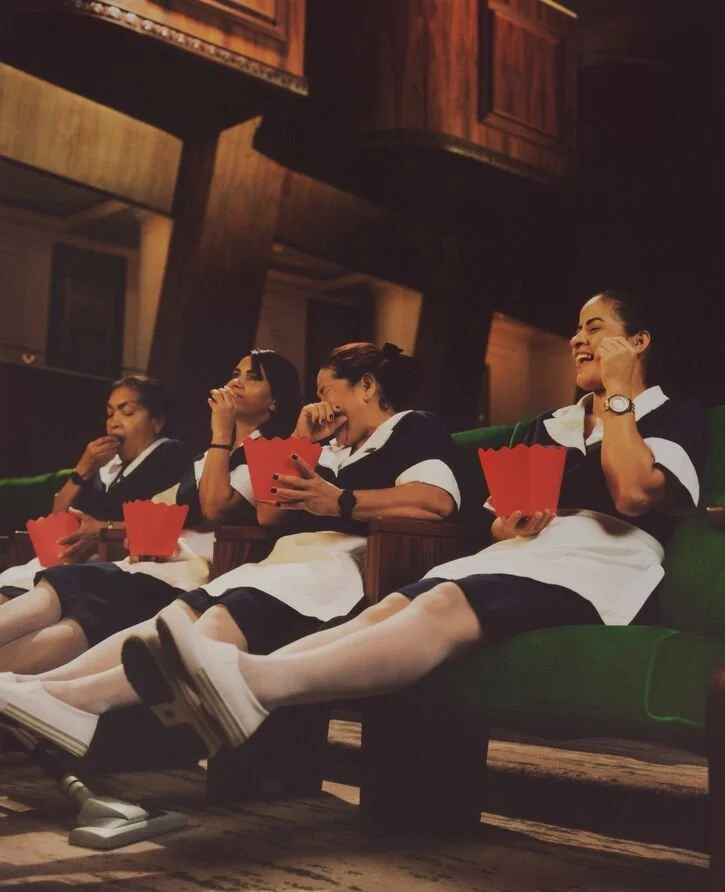
The hotel did more than welcome cinema. It became part of it. Its glamour inspired Flying Down to Rio (1933), the Hollywood musical that introduced international audiences to the romance of Rio de Janeiro while marking the first on-screen partnership between FRED ASTAIRE and GINGER ROGERS. Filmed partly in Rio de Janeiro, where many of its outdoor scenes were captured, and partly in Los Angeles, where studio sets recreated the atmosphere of Copacabana, its vision of Rio owed much to the elegance and mythology already surrounding the Copacabana Palace.
Nearly three decades later, cinema returned the tribute. In Copacabana Palace (1962), directed by STENO, the hotel became both setting and character. Filmed on location, the production captured the property’s unmistakable atmosphere while featuring appearances by Brazilian music legends ANTÔNIO CARLOS JOBIM, JOÃO GILBERTO and LUIZ BONFÁ, reflecting the natural dialogue between cinema and music that has always defined the Copa.
Its story continued on screen through Brazilian films, documentaries and television productions, including Heleno (2011), starring RODRIGO SANTORO as football legend HELENO DE FREITAS. International audiences also recognised its iconic façade in productions such as OSS 117: Lost in Rio (2009) and the animated Rio films. Few buildings have become so closely associated with the visual identity of a city, or with the cinematic imagination that surrounds it.
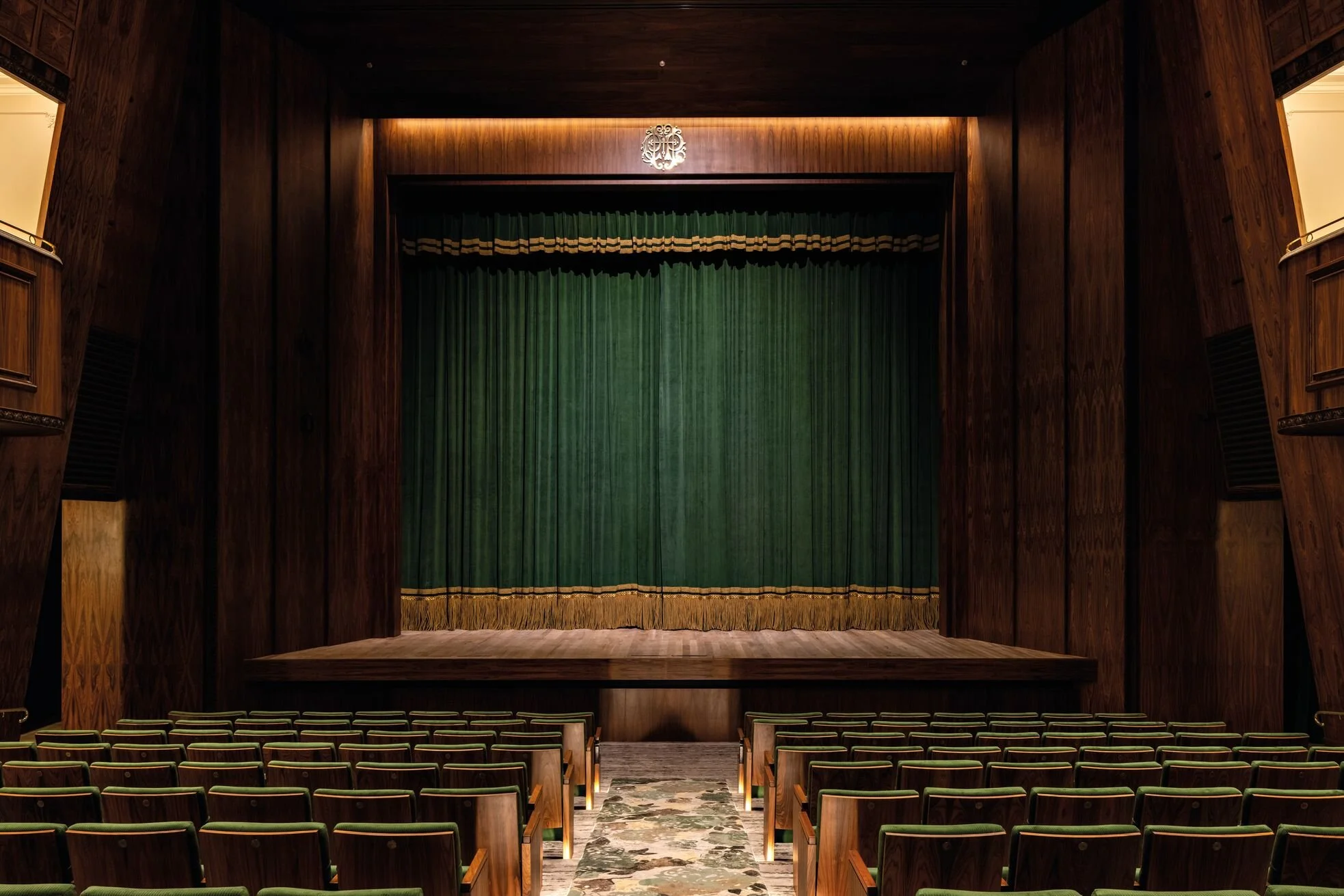
If cinema gave the Copacabana Palace international recognition, theatre gave it its soul. After the closure of all casinos in Brazil in 1946, the hotel’s entertainment complex evolved into one of the country’s most prestigious theatres. For decades, its stage welcomed generations of Brazil’s greatest performers, becoming an essential chapter in the history of the nation’s performing arts.
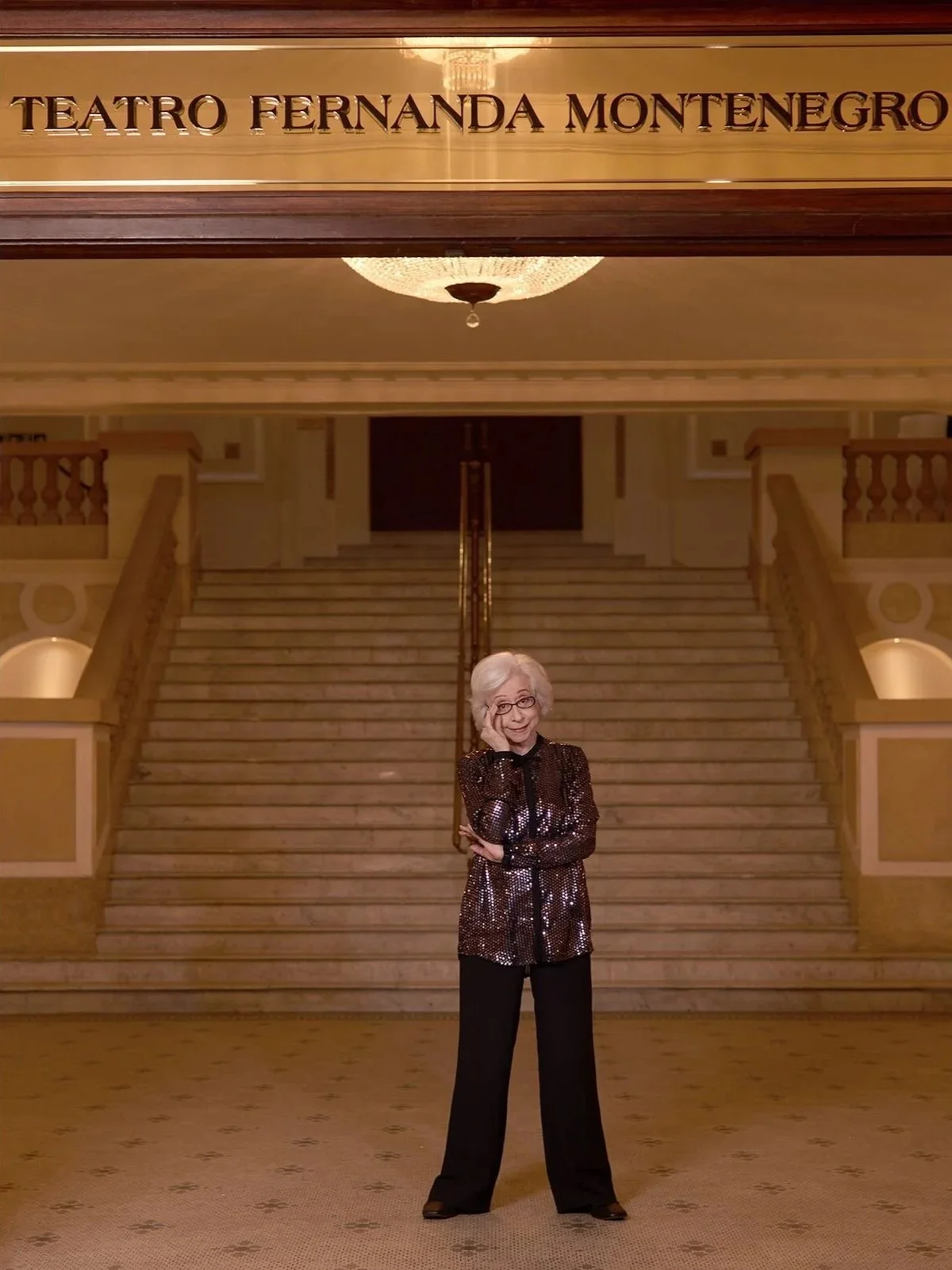
Every great stage eventually finds the artist who defines it. For the Copacabana Palace, that artist is FERNANDA MONTENEGRO. Mrs. Montenegro made her professional debut on its stage in 1950, at the age of 20, beginning a relationship with the theatre that would span more than seven decades. During one season at the theatre, she met FERNANDO TORRES, who would become both her husband and lifelong artistic partner. Over the years, she returned to its stage more often than any other actress, helping shape modern Brazilian theatre while becoming one of the country’s most admired cultural figures.
In April 2026, following an extensive restoration, the Copacabana Palace Theatre entered a new chapter when it was officially renamed TEATRO FERNANDA MONTENEGRO. By renaming the theatre during her lifetime, the Copacabana Palace chose to honour an artist whose extraordinary career transformed Brazilian theatre, television and cinema. More than a recognition of individual achievement, it was a celebration of a legacy that has become inseparable from the history of the Copacabana Palace itself. The story, however, is still unfolding.
In 2026, the Copacabana Palace hosted the inaugural GOLDEN GLOBES TRIBUTE GALA BRAZIL, the first official Golden Globes event ever held in the country. Bringing together actors, filmmakers and industry leaders, the evening celebrated the achievements of Brazilian cinema and television while reaffirming the hotel’s place as one of the world’s great meeting points for the creative industry.
Nearly a century after opening its doors, the Copacabana Palace continues to welcome new generations of artists while preserving the legacy of those who came before them. Its halls have witnessed premieres and performances, celebrated triumphs and quiet conversations, welcomed rising talents and established legends alike. Some places witness history. The Copacabana Palace has spent more than a century helping to shape it.