
WELLNESS IS THE NEWEST LUXURY CURRENCY, BUT CAN WE PUT A PRICE ON HOW WE FEEL?
words BEX WHITLEY
One only has to turn a corner to see the effect of the wellness industry takeover, where spaces such as functional cafés, longevity clinics, and cold plunge studios have become commonplace. For optimists, the change has been welcomed, representing a shift in consumer behaviour and a more health-driven mindset. For purists and longtime wellness advocates, there's an anguish at the commercialisation of the concept, which, once earned, now can be bought.
By definition, wellness is "the active process of choosing a healthy lifestyle to reach good physical, mental, and social well-being". While this remains, the interpretation and prominence in our everyday interactions have altered drastically. A term once confined to a select few has since become part of our everyday language, tied to everything from supplement stacks to sleep trackers, all offering the promise of an enhanced sense of self.
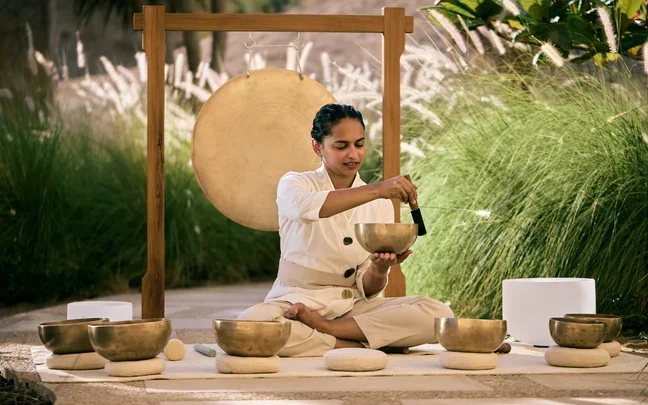
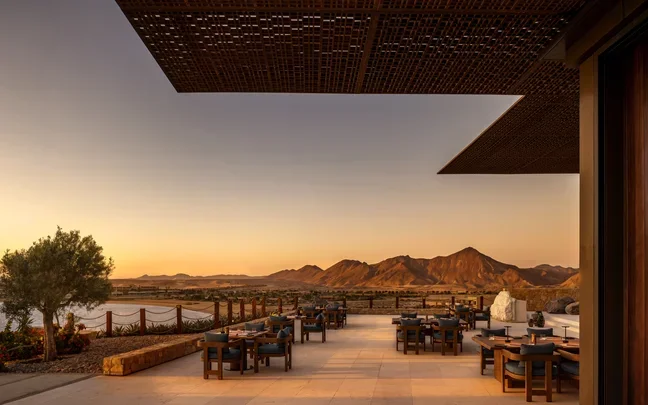


images courtesy of SIX SENSES AMAALA
According to the Global Wellness Institute, the global wellness economy is set to reach an eye-watering $9.8 trillion by 2029 - a 44% increase since 2024. In comparison, in 2025, traditional luxury spending on goods, including clothing, leather goods, watches, and jewellery, was reported at just €358 billion globally. Investment in oneself has become the ultimate currency, seemingly valued now more than ever before. Where luxury once meant outsourcing effort: the cooking, the cleaning, even styling, this has now extended to the outsourcing of physical and mental wellbeing. The ultimate privilege, yet at a cost inaccessible to the majority.
Whilst expendable income often fuels increased physical consumption, there’s something to be said for the pursuit of how something feels versus how it looks. In fact, wellness tourism accounts for a considerable portion of the wellness industry’s market growth, with the luxury segment growing the fastest. Major hotels such as the Aman Group and Six Senses have taken note, positioning themselves as the destination for wellness enthusiasts. Less than a month ago, the doors to the Six Senses Amaala opened. Located on Saudi Arabia's Red Sea Coast, the space houses a dedicated Longevity Centre and Biohacking Recovery Lounge, a sound dome, and a full thermal facility suite. The pursuit of a sound body and mind has gone from being part of the experience to being integrated throughout the entire stay.
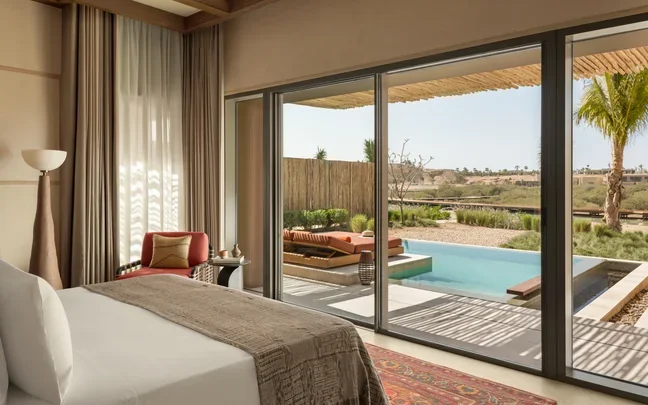
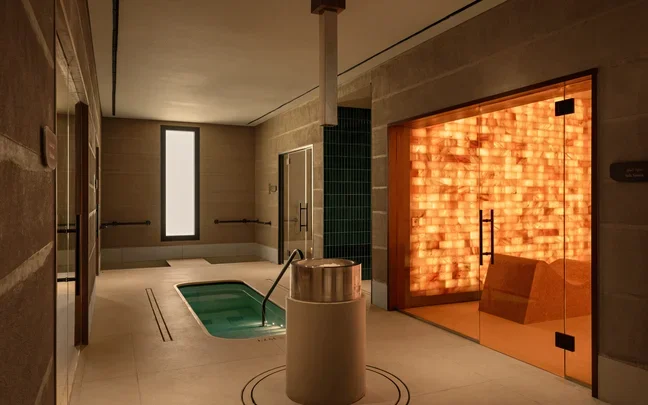
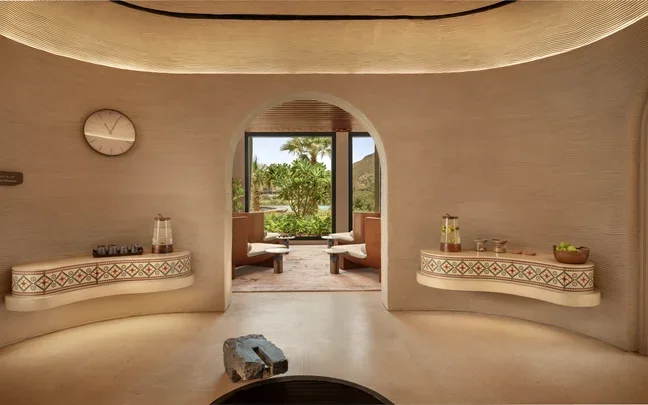
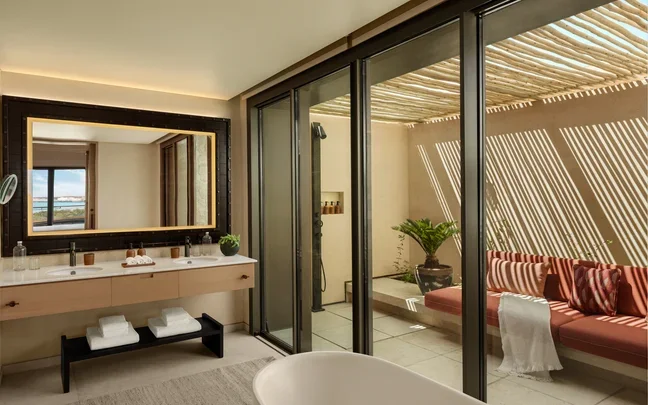
images courtesy of SIX SENSES AMAALA
Luxury is shifting towards a more holistic approach — one that nurtures both body and mind. Today’s consumers seek more than just products; they seek experiences that enhance their overall well-being. - KRISTINA ROMANOVA, CEO of AMAN ESSENTIALS
In the UK, the highly anticipated private members' club Long Lane is due to open later this year. An hour outside London, the space is alcohol-free by design. Instead, it prioritises an extensive list of therapies as well as a "precision nutrition" restaurant, where every dish is personalised to each member's individual biology. "The status object has been replaced by the status of feeling well, and that is a far harder thing to buy," says its co-founder, Louie Blake. Where the founders saw wellness becoming a "bolt-on" for businesses built with a different goal in mind, this is a philosophy built into the club itself. "For our members, wellness isn't currency. It's their primary value."
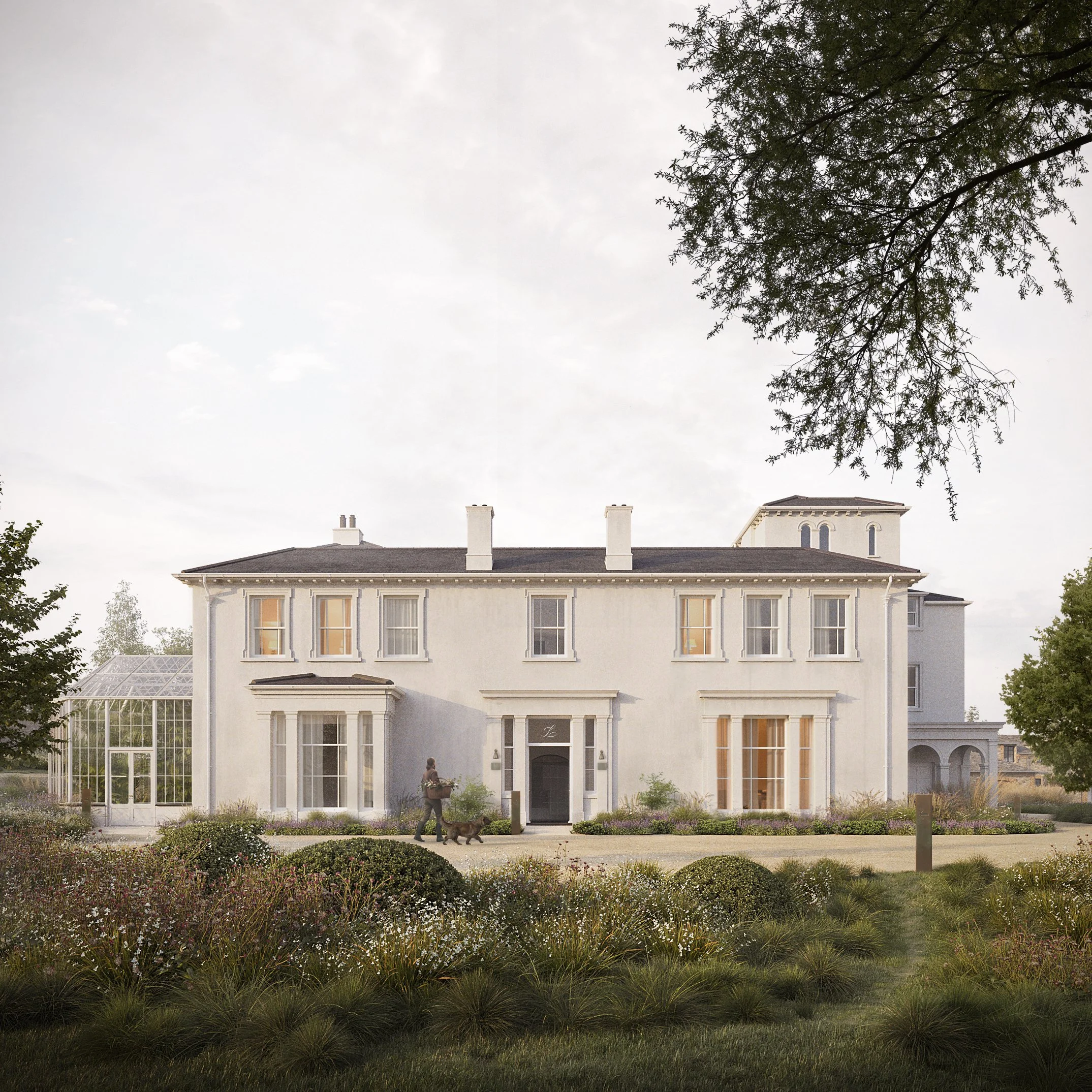
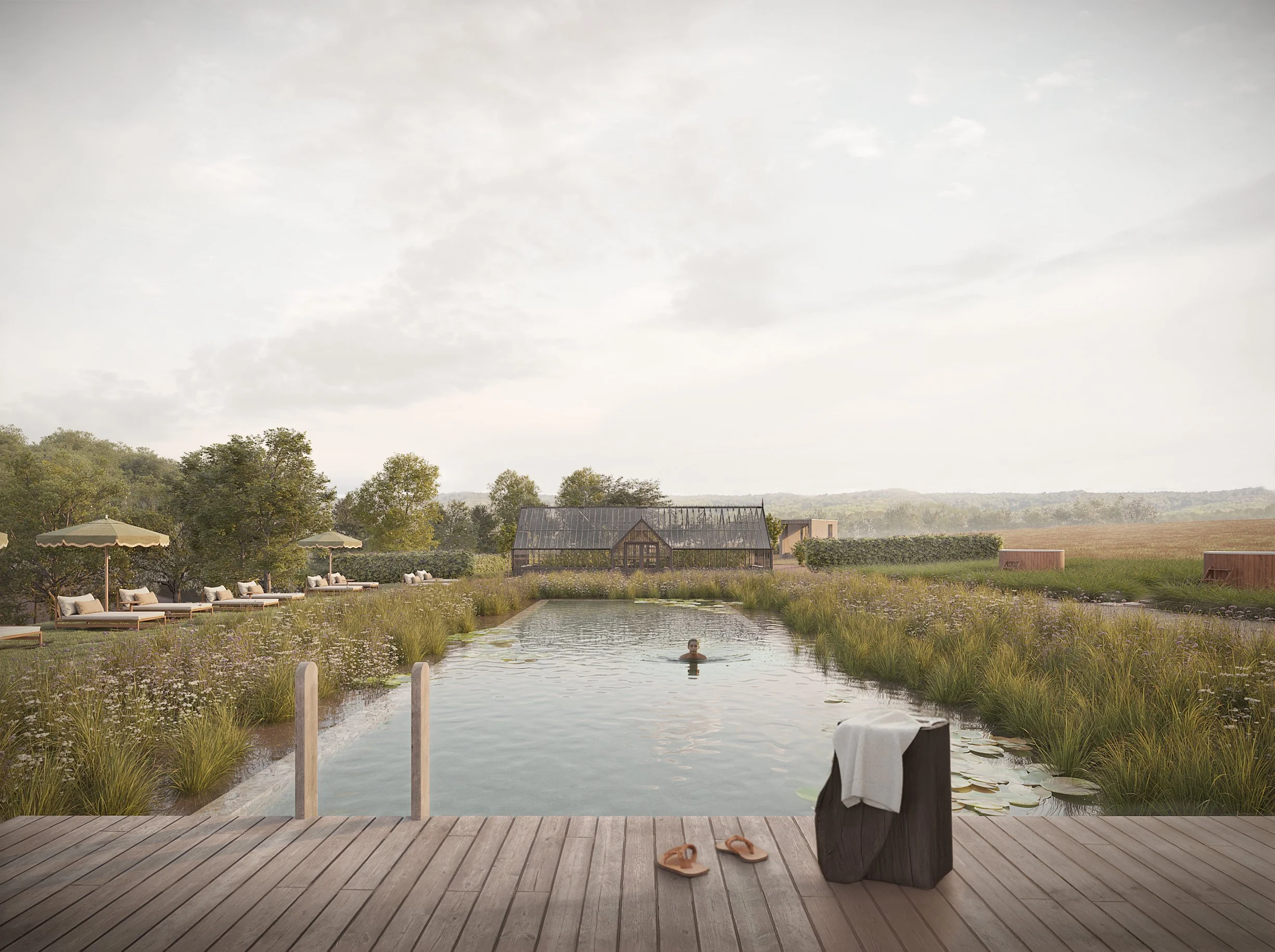
images courtesy of LONG LANE
Where consumer interests lead, fashion and beauty brands are rarely far behind. Dior's "Haute Wellness" collection, designed by Cordelia de Castellane, was built around the three pillars of gentle exercise, mindfulness, and sleep. The offering includes a yoga mat, resistance bands, and a Pilates ring, each adorned with the house's motif. In turn, L'Oréal's €4 billion acquisition of Kering Beauté marked the beginning of a planned joint venture to explore wellness and longevity, a choice that will likely shape the way the beauty industry positions itself in the years to come.
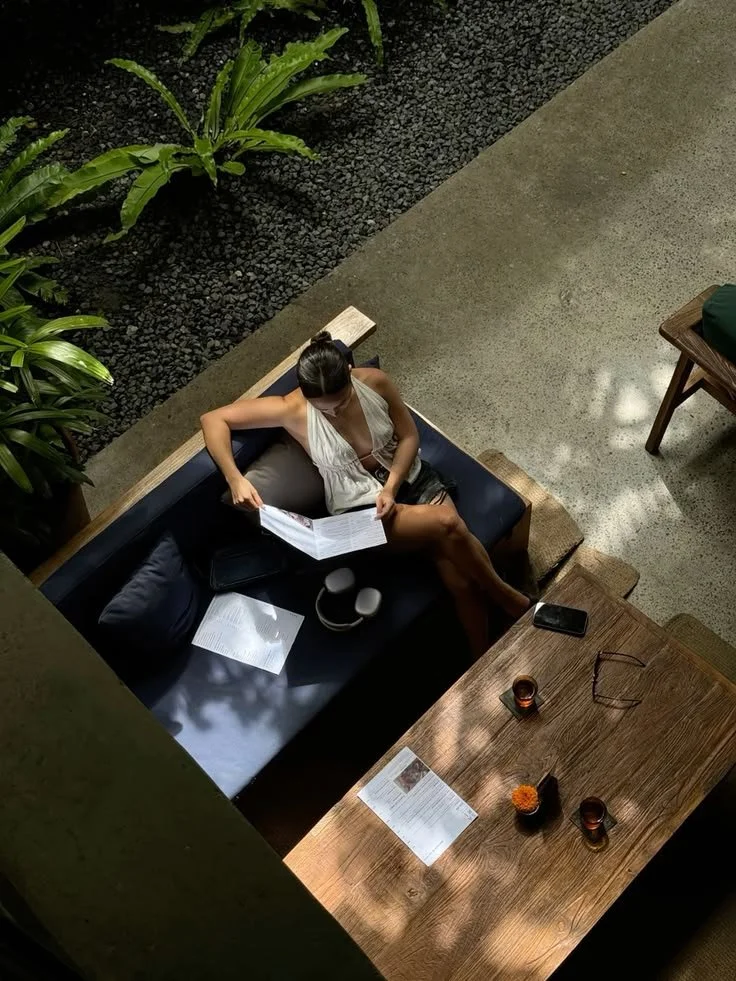
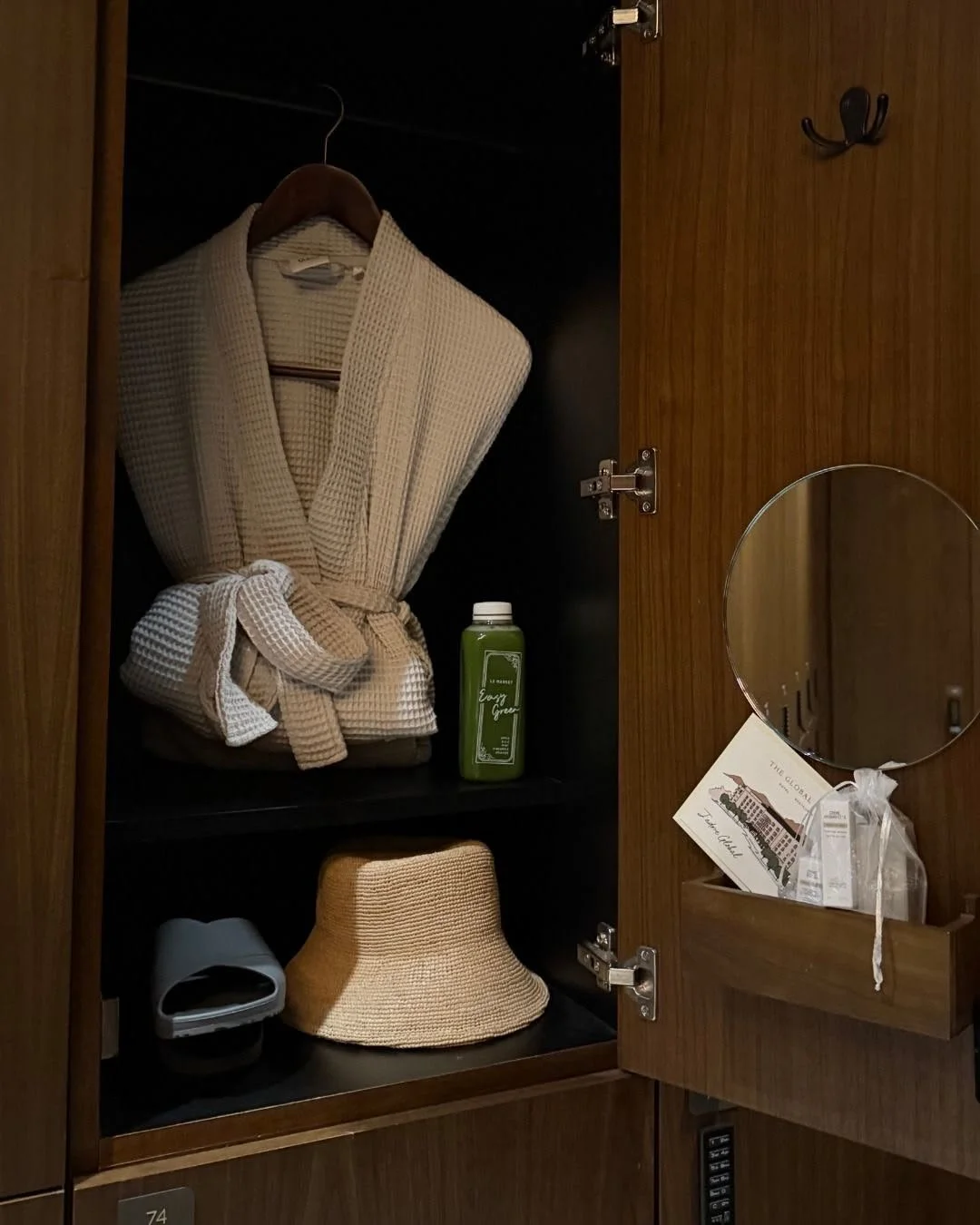
images via PINTEREST
While even the tools for improvement remain subject to exclusivity, the pursuit of wellness was never meant to come at a cost. In an era of rising healthcare costs and higher levels of burnout, a peaceful mind and a relaxed body have become a luxury afforded to few, yet desired by many. Perhaps it's worth remembering that touching grass, a moment of tranquility, or connecting with friends costs nothing, yet is worth everything.
